How to Make Ginger Tea: 8 Simple Recipes for Wellness
Picture this: it’s a chilly morning in 2026, and you’re feeling a bit under the weather. Your grandmother’s voice echoes in your mind, suggesting a warm cup of ginger tea to soothe your troubles. What she knew intuitively, science has now confirmed – ginger isn’t just a flavorful root; it’s a powerhouse of wellness that has earned the prestigious title of Medicinal Plant of the Year 2026.[1] Learning how to make ginger tea with these 8 simple recipes for wellness can transform your daily routine into a healing ritual that supports your body from the inside out.
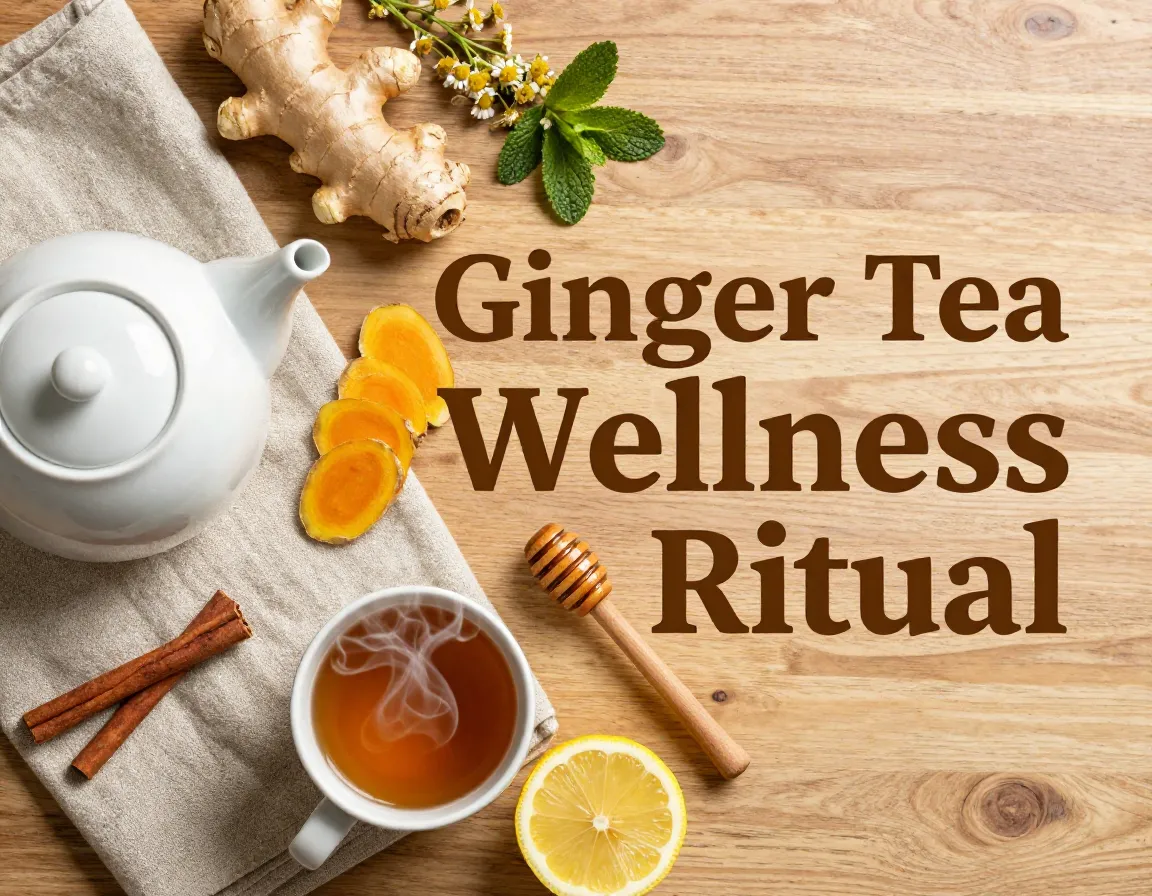
As someone who has explored countless natural remedies over the years, I’ve discovered that ginger tea stands out as one of the most versatile and effective wellness drinks you can prepare at home. The beauty lies not just in its simplicity, but in the profound health benefits that come from this humble root.
Key Takeaways
- Ginger is officially recognized as the Medicinal Plant of the Year 2026, with updated scientific assessments confirming its therapeutic value[1]
- Optimal daily dosage is 2-4 grams of fresh ginger (about walnut-sized) for maximum health benefits[1]
- Gingerol compound provides potent antioxidant and anti-inflammatory properties that support digestive health and pain relief[1]
- Eight versatile recipes offer different flavor profiles and targeted wellness benefits for various health needs
- Quality preparation methods ensure you extract maximum therapeutic compounds while creating delicious, warming beverages
The Science Behind Ginger’s Wellness Power
Before diving into how to make ginger tea with these 8 simple recipes for wellness, it’s essential to understand why this ancient root has captured modern medicine’s attention. Gingerol, the primary active compound responsible for ginger’s characteristic spicy flavor, delivers remarkable therapeutic benefits.[1]
Recent research has validated what traditional medicine has long claimed about ginger’s effectiveness. Studies demonstrate that ginger is superior to placebo treatments for motion sickness and achieves effectiveness comparable to conventional medications.[1] Danish naval cadets experienced significant reduction in seasickness when using ginger, proving its real-world applications.
Daily Dosage Guidelines
Doctors and nutritionists recommend consuming 2 to 4 grams of fresh ginger daily – roughly the size of a walnut – to experience health-promoting effects.[1] This translates perfectly into 2-3 cups of properly prepared ginger tea throughout the day.
Important Note: The quality of ginger matters significantly. Research shows enormous fluctuations in gingerol content in dietary supplements, making fresh ginger root the most reliable source for consistent therapeutic benefits.[1]
Essential Ginger Tea Preparation Basics
Choosing Your Ginger
🫚 Fresh vs. Dried: Fresh ginger root provides the highest concentration of active compounds
🫚 Selection Tips: Look for firm, smooth-skinned roots without wrinkles or soft spots
🫚 Storage: Keep fresh ginger in the refrigerator for up to 3 weeks or freeze for longer storage
Basic Equipment Needed
| Item | Purpose | Alternative |
|---|---|---|
| Sharp knife | Slicing fresh ginger | Vegetable peeler |
| Cutting board | Safe prep surface | Clean plate |
| Saucepan | Simmering tea | Electric kettle |
| Fine strainer | Removing ginger pieces | Coffee filter |
| Measuring spoons | Accurate dosing | Eyeball estimation |
Fundamental Brewing Technique
The foundation for all ginger tea recipes follows these steps:
- Prepare the ginger: Wash and slice fresh ginger (peeling optional)
- Measure carefully: Use 1 tablespoon of fresh ginger per cup of water
- Simmer gently: Bring water to a boil, add ginger, reduce heat and simmer 10-15 minutes
- Strain thoroughly: Remove all ginger pieces for smooth drinking
- Enhance mindfully: Add honey, lemon, or spices after straining
How to Make Ginger Tea: 8 Simple Recipes for Wellness
1. Classic Fresh Ginger Tea
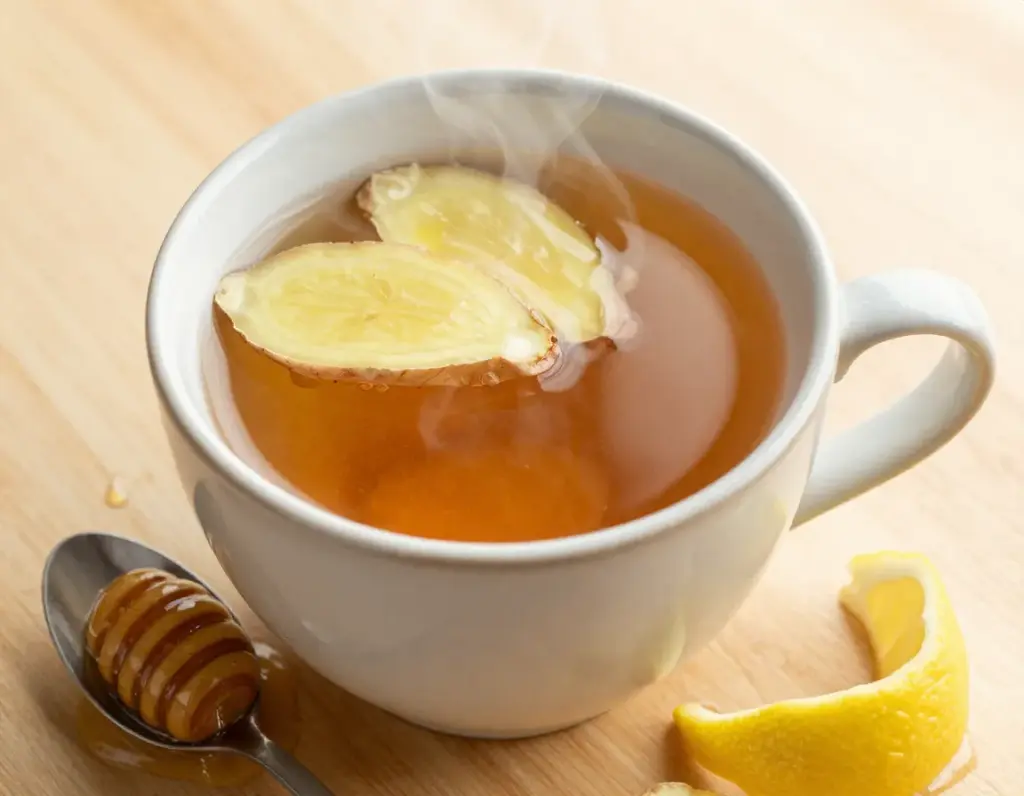
This foundational recipe showcases ginger’s pure, warming essence and serves as the base for all variations.
Ingredients:
- 1 tablespoon fresh ginger, thinly sliced
- 1 cup filtered water
- 1 teaspoon raw honey (optional)
- Fresh lemon juice (optional)
Instructions:
- Bring water to a rolling boil in a small saucepan
- Add sliced ginger and reduce heat to medium-low
- Simmer for 10-15 minutes, depending on desired strength
- Strain into your favorite mug
- Add honey and lemon to taste
Wellness Benefits: Supports digestive health and provides foundational anti-inflammatory compounds.[1]
2. Golden Milk Ginger Tea
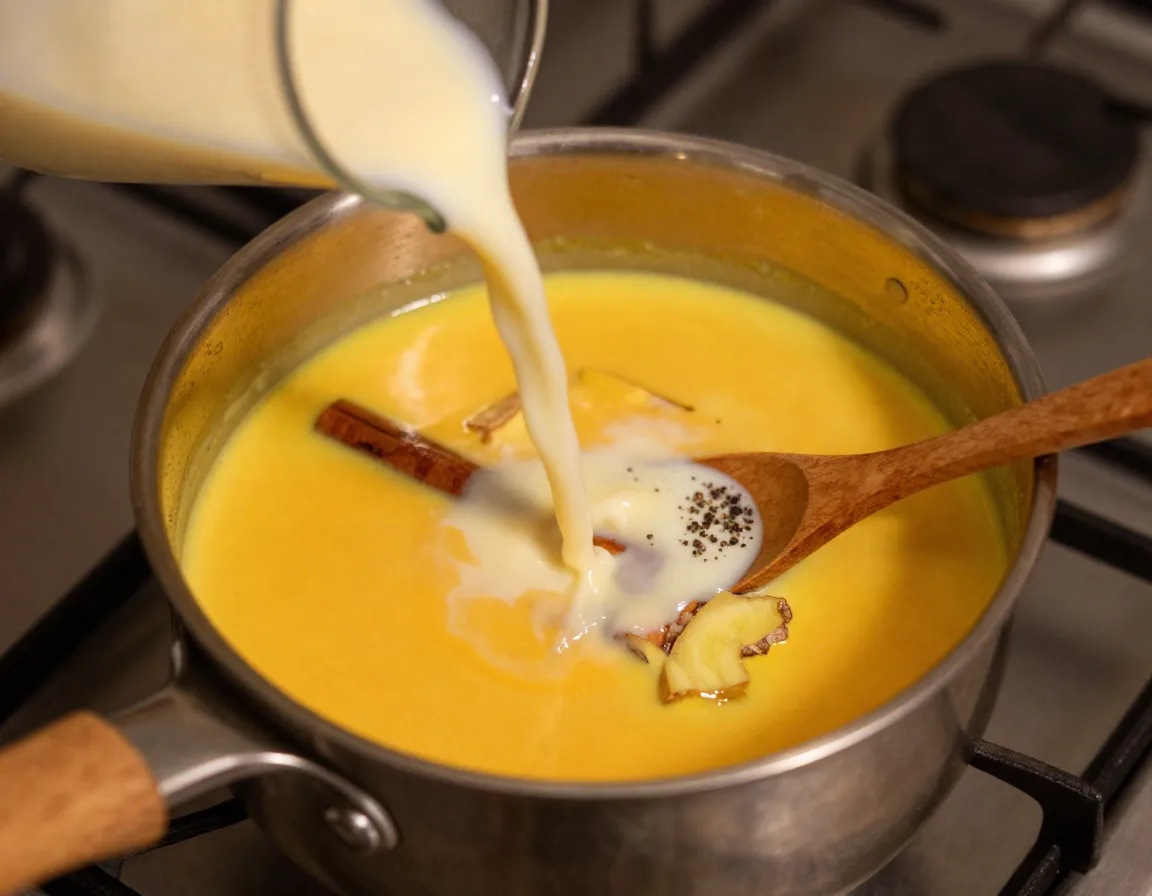
This traditional Ayurvedic blend combines ginger with turmeric for enhanced anti-inflammatory power.[1]
Ingredients:
- 1 tablespoon fresh ginger, grated
- 1 teaspoon turmeric powder
- 1 cup plant milk (coconut, almond, or oat)
- 1 cinnamon stick
- 1 tablespoon honey
- Pinch of black pepper
Instructions:
- Heat plant milk in a saucepan over medium heat
- Add grated ginger, turmeric, and cinnamon stick
- Simmer for 8-10 minutes, stirring occasionally
- Add black pepper (enhances turmeric absorption)
- Strain and sweeten with honey
Wellness Benefits: Combines ginger’s digestive support with turmeric’s powerful anti-inflammatory properties.
3. Energizing Ginger-Lemon Morning Blend
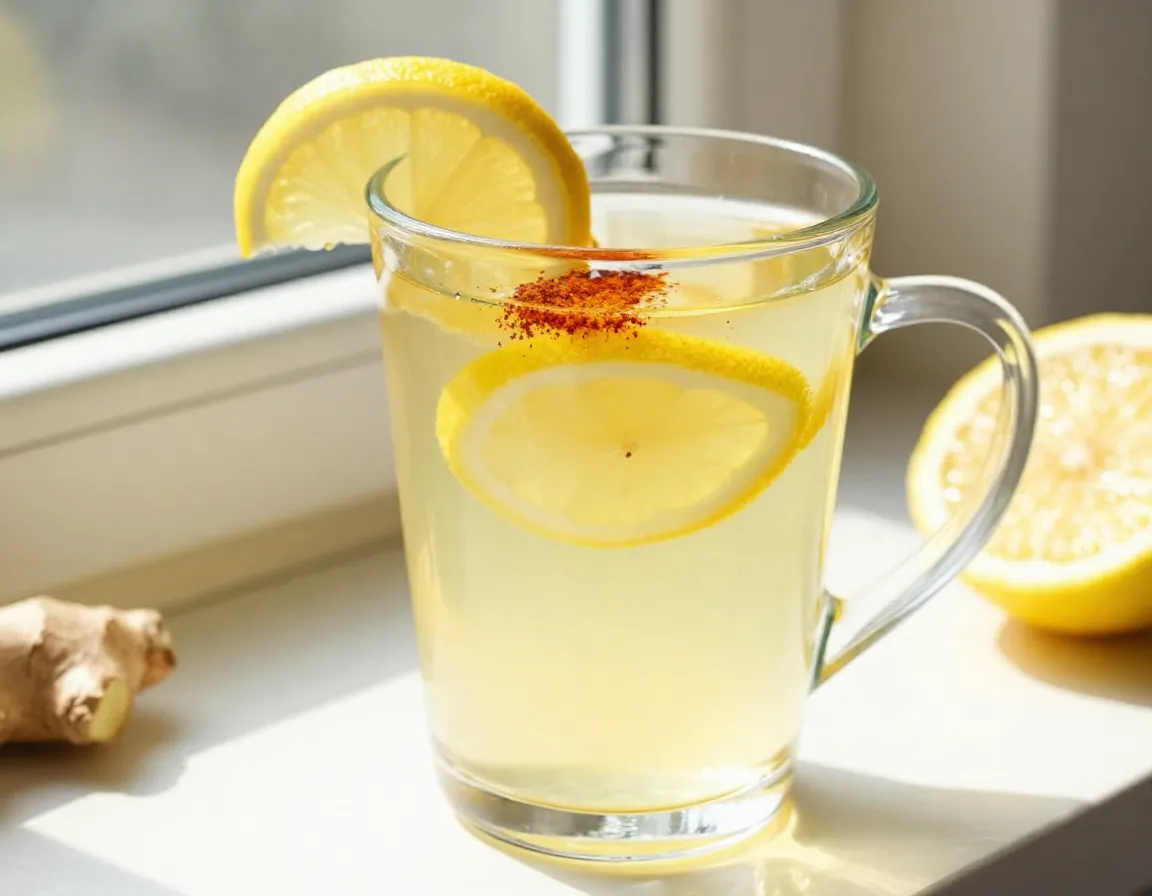
Perfect for starting your day with digestive support and vitamin C boost.
Ingredients:
- 1 tablespoon fresh ginger, sliced
- Juice of half a fresh lemon
- 1 cup hot water
- 1 teaspoon honey
- Optional: pinch of cayenne pepper
Instructions:
- Steep sliced ginger in hot water for 12 minutes
- Strain and add fresh lemon juice immediately
- Stir in honey while tea is still hot
- Add cayenne for extra metabolism boost
Wellness Benefits: Supports morning digestion and provides natural energy without caffeine crashes.
4. Soothing Ginger-Chamomile Evening Tea
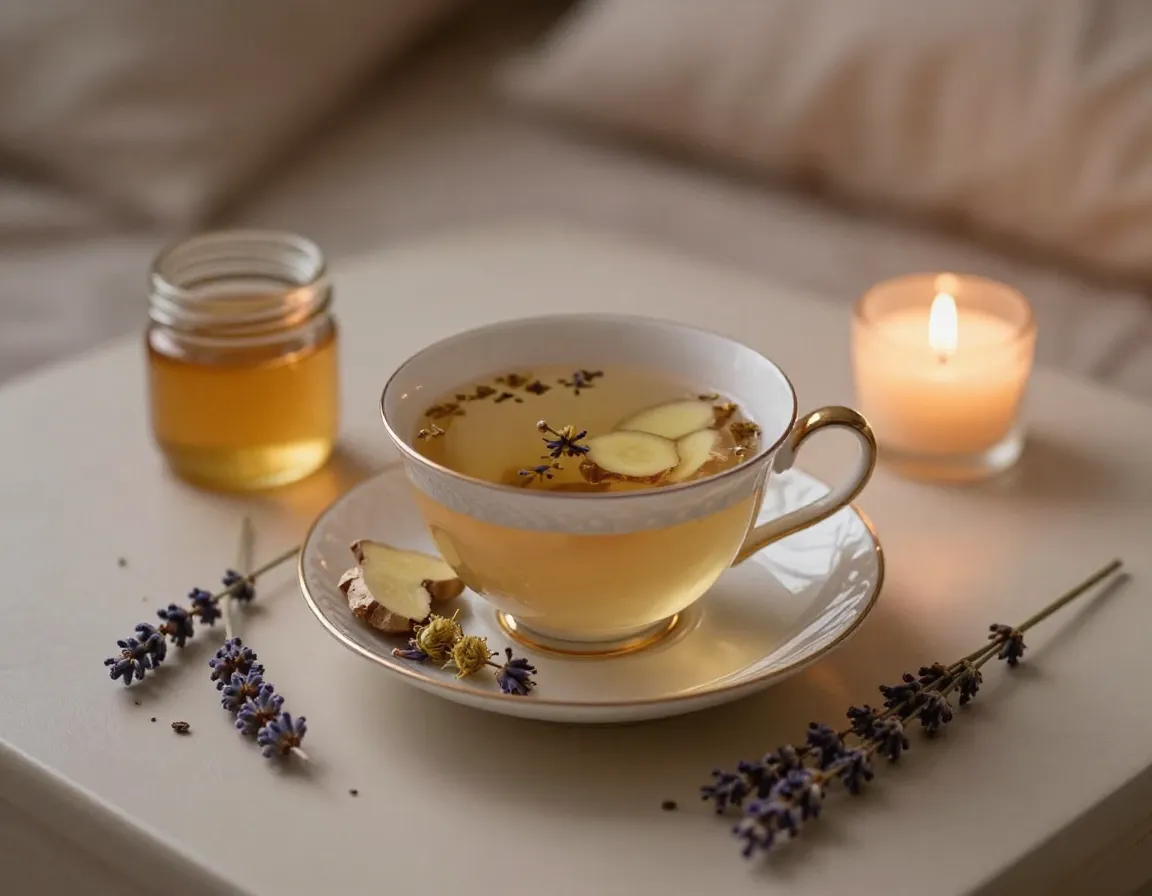
This calming blend combines ginger’s digestive benefits with chamomile’s relaxing properties.
Ingredients:
- 1 tablespoon fresh ginger, sliced
- 1 tablespoon dried chamomile flowers
- 1 cup boiling water
- 1 teaspoon honey
- Optional: lavender buds
Instructions:
- Place ginger and chamomile in a tea infuser or directly in cup
- Pour boiling water over herbs
- Steep for 10-12 minutes, covered
- Strain thoroughly and add honey
- Enjoy 30 minutes before bedtime
Wellness Benefits: Promotes restful sleep while supporting overnight digestive processes.
5. Immunity-Boosting Ginger Shot Tea
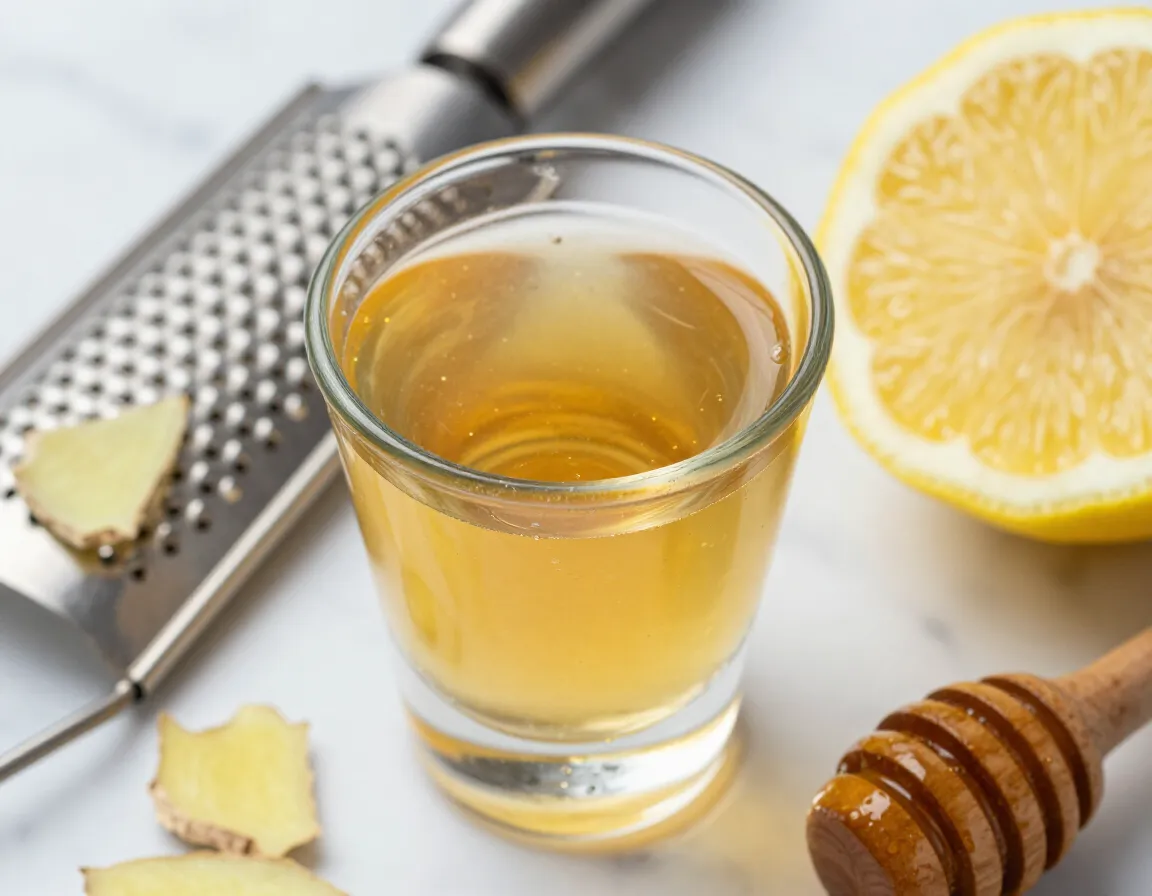
Concentrated wellness in a small, powerful serving – inspired by traditional ginger shot preparations.[1]
Ingredients:
- 2 tablespoons fresh ginger, grated (about 50g)
- Juice of 1 whole lemon
- 2 tablespoons raw honey
- 1/2 cup warm water
- Pinch of black pepper
Instructions:
- Grate fresh ginger finely using microplane or fine grater
- Combine with lemon juice and honey in small bowl
- Let mixture sit for 5 minutes to release juices
- Add warm water and stir vigorously
- Strain if desired, or drink with pulp for maximum benefits
Wellness Benefits: Provides concentrated gingerol compounds for immune system support during seasonal challenges.
6. Digestive Ginger-Mint Tea
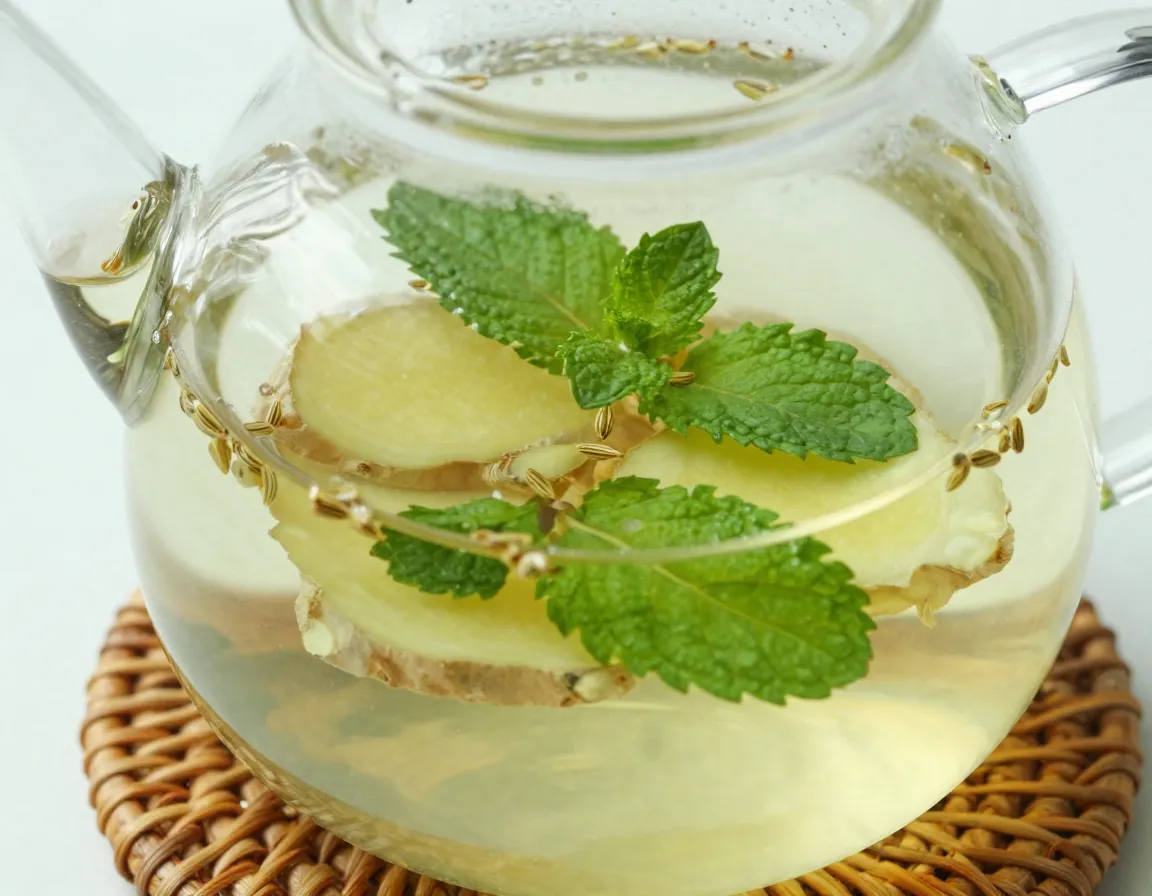
Combines ginger’s anti-nausea properties with mint’s cooling digestive support.
Ingredients:
- 1 tablespoon fresh ginger, sliced
- 2 tablespoons fresh mint leaves
- 1 cup boiling water
- 1 teaspoon honey
- Optional: fennel seeds
Instructions:
- Bruise mint leaves gently with spoon to release oils
- Combine ginger and mint in tea cup
- Pour boiling water over herbs
- Steep for 8-10 minutes, covered
- Strain and sweeten as desired
Wellness Benefits: Excellent for settling upset stomachs and supporting healthy digestion after meals.[1]
7. Warming Ginger-Cinnamon Chai
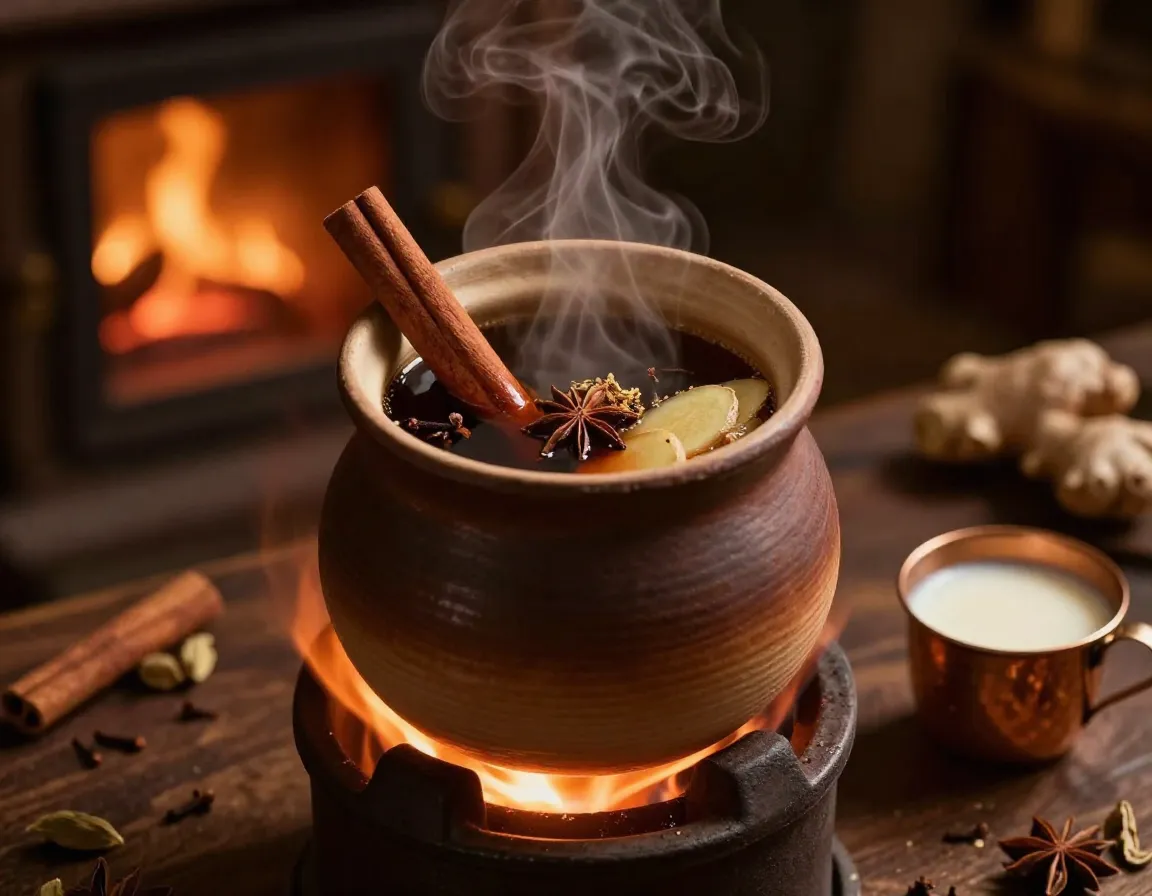
A spiced blend that provides comfort and metabolic support during colder months.
Ingredients:
- 1 tablespoon fresh ginger, sliced
- 1 cinnamon stick
- 4 whole cloves
- 4 cardamom pods, lightly crushed
- 1 cup water
- 1/2 cup milk of choice
- 1 tablespoon honey
Instructions:
- Combine all spices with water in saucepan
- Bring to boil, then simmer for 15 minutes
- Add milk and heat through (don’t boil)
- Strain into mug and sweeten with honey
- Dust with cinnamon if desired
Wellness Benefits: Supports circulation and provides warming comfort during cold seasons.
8. Green Tea Ginger Fusion
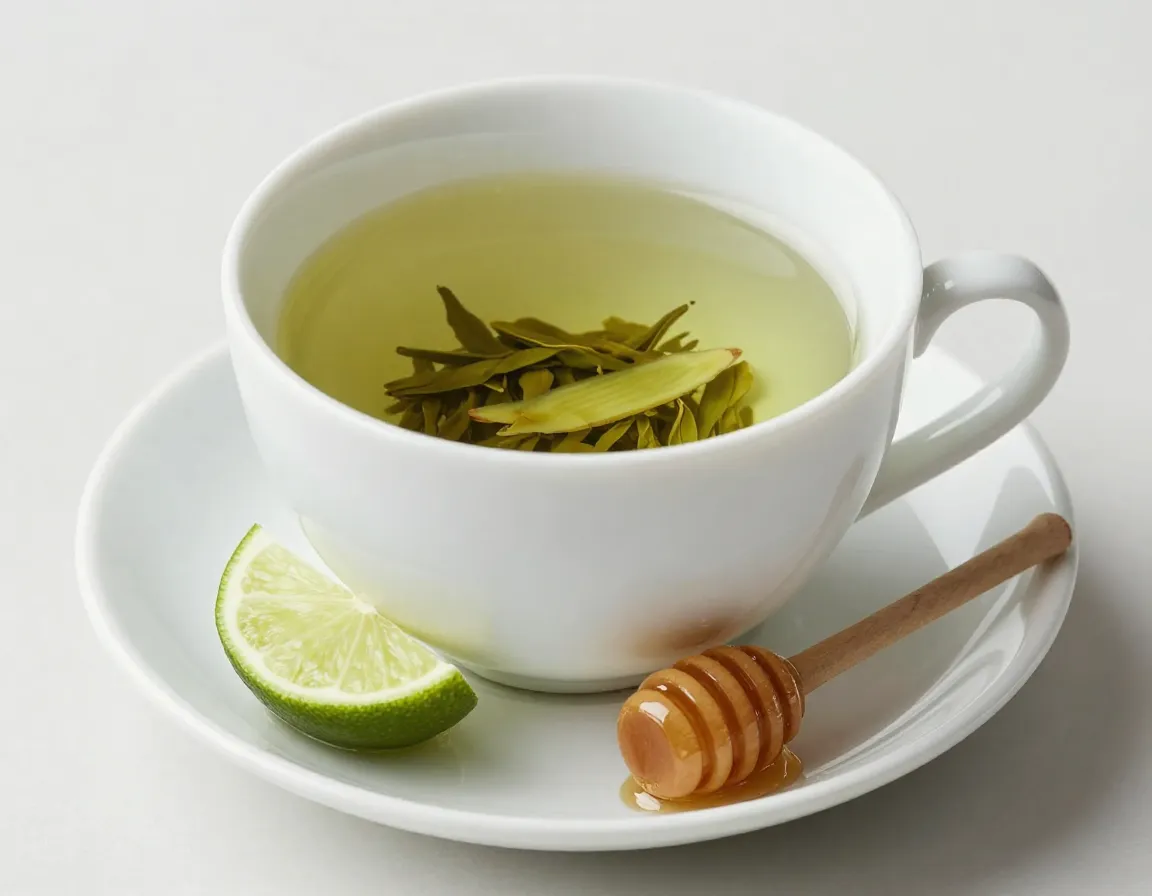
Combines ginger’s therapeutic benefits with green tea’s antioxidants for comprehensive wellness support.
Ingredients:
- 1 tablespoon fresh ginger, thinly sliced
- 1 teaspoon high-quality green tea leaves
- 1 cup water (heated to 175°F, not boiling)
- 1 teaspoon honey
- Optional: fresh lime juice
Instructions:
- Simmer ginger in water for 10 minutes
- Remove from heat and let cool to 175°F
- Add green tea leaves and steep for 3-4 minutes only
- Strain carefully to remove all plant material
- Add honey and lime juice to taste
Wellness Benefits: Provides sustained energy, antioxidant protection, and digestive support without overstimulation.
Maximizing Your Ginger Tea’s Therapeutic Benefits
Timing Matters
Morning: Choose energizing blends (#3, #8) to support digestion and metabolism
Afternoon: Opt for immunity-boosting varieties (#5, #7) during energy dips
Evening: Select calming combinations (#4, #6) to promote restful sleep
Understanding Ginger’s Delayed Effects
Research indicates that ginger has a delayed effect on pain management, with people reporting reduced discomfort after a few days of consistent use rather than immediate relief.[3] This means regular consumption of ginger tea provides cumulative wellness benefits.
Quality Considerations
“The enormous fluctuations in gingerol content in dietary supplements make product quality crucial for effectiveness.”[1]
When preparing ginger tea at home with fresh root, you control the quality and potency of your wellness drink. This consistency ensures you receive therapeutic benefits with every cup.
Potential Considerations and Safety Guidelines
While ginger is generally safe for most people, certain considerations apply:
Medication Interactions: Ginger may interact with blood-thinning medications
Pregnancy: Consult healthcare providers before using ginger during pregnancy
Gallstones: People with gallstones should avoid large amounts of ginger
Surgery: Discontinue ginger use 2 weeks before scheduled surgeries
Recommended Daily Limits
Stick to the scientifically-backed recommendation of 2-4 grams of fresh ginger daily[1] to avoid potential side effects like heartburn or stomach upset in sensitive individuals.
Storage and Preparation Tips for Long-Term Success
Batch Preparation
Prepare ginger concentrate by simmering large amounts of sliced ginger in water for 20 minutes, then straining and storing the liquid in the refrigerator for up to one week. Add hot water to concentrate for instant ginger tea.
Freezing Fresh Ginger
Freeze whole ginger root and grate directly from frozen – this actually makes grating easier and breaks down cell walls for better extraction of beneficial compounds.
Creating Your Personal Wellness Routine
Track how different recipes affect your well-being:
- Energy levels throughout the day
- Digestive comfort after meals
- Sleep quality when using evening blends
- Overall sense of wellness and vitality
Conclusion
Learning how to make ginger tea with these 8 simple recipes for wellness opens the door to a daily practice that honors both ancient wisdom and modern science. As the Medicinal Plant of the Year 2026, ginger has earned its place in our wellness routines through rigorous scientific validation of its therapeutic properties.[1]
The beauty of these recipes lies in their simplicity and adaptability. Whether you’re seeking digestive support, immune system enhancement, or simply a warming, delicious beverage, there’s a ginger tea variation that fits your needs and preferences.
Your Next Steps:
- Start simple with the classic fresh ginger tea recipe to establish your baseline preference
- Experiment gradually with different combinations to find your favorite blends
- Maintain consistency by preparing ginger tea 2-3 times daily within the recommended dosage guidelines
- Listen to your body and adjust recipes based on your individual responses and wellness goals
- Source quality ingredients to ensure you receive maximum therapeutic benefits from every cup
Remember, the journey to wellness is personal and ongoing. These ginger tea recipes provide a foundation for exploring natural health support that you can customize and refine over time. As you incorporate these warming, healing beverages into your daily routine, you’re not just making tea – you’re creating a ritual of self-care that nourishes your body, mind, and spirit.
Start tomorrow morning with a steaming cup of fresh ginger tea, and begin experiencing the time-tested benefits of this remarkable medicinal plant that continues to earn recognition in our modern world.
References
[1] How Healthy Is Ginger The Medicinal Plant Of The Year 2026 – https://premiummedicalcircle.com/en/artikel/how-healthy-is-ginger-the-medicinal-plant-of-the-year-2026
[2] Health Benefits Of Ginger Tea 2026 Guide – https://silverpottea.com/blog/health-benefits-of-ginger-tea-2026-guide
[3] Ginger Health Benefits – https://health.clevelandclinic.org/ginger-health-benefits
[4] Ginger – https://www.nccih.nih.gov/health/ginger
[5] Index – https://sisleducation.stanford.edu/index.html?p=what-science-actually-says-about-ginger-lemon-tea-benefits-unpacking-the-hype-in-2026-6984d146a367b