How to Make Ginger Root Tea: 8 Potent & Healthy Recipes
Picture this: you’re feeling under the weather, your stomach is unsettled, or you’re dealing with nagging joint pain. What if I told you that one of nature’s most powerful remedies has been sitting in your kitchen spice rack all along? Ginger root tea isn’t just a warming, aromatic beverage—it’s a centuries-old healing elixir that modern science has validated as a legitimate therapeutic powerhouse. Learning how to make ginger root tea: 8 potent & healthy recipes will transform your daily wellness routine and give you natural tools to combat everything from nausea to inflammation. 🫖
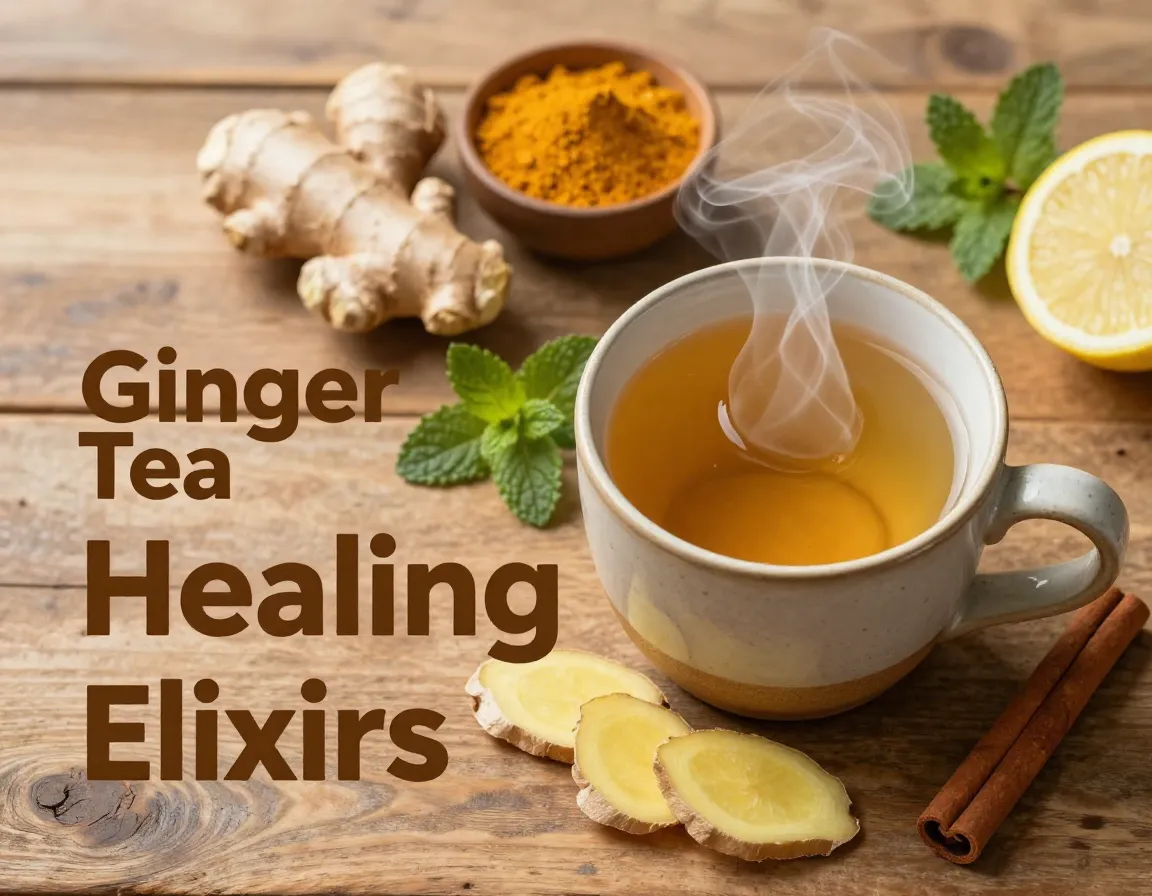
Whether you’re a tea enthusiast looking to expand your repertoire or someone seeking natural health solutions, mastering these ginger tea recipes will provide you with a versatile arsenal of healing beverages that taste as good as they make you feel.
Key Takeaways
- Ginger root tea offers scientifically-proven health benefits including pain relief, nausea reduction, blood sugar regulation, and improved digestion
- The recommended daily limit is 3-4 grams of ginger (1 gram if pregnant), equivalent to about ½ teaspoon of powdered ginger or 1 teaspoon of fresh grated ginger
- Eight different recipe variations allow you to customize your ginger tea for specific health goals and taste preferences
- Proper preparation techniques maximize both flavor extraction and therapeutic compounds from fresh or dried ginger
- Simple ingredients and basic kitchen tools are all you need to create these powerful healing beverages at home
The Science Behind Ginger’s Healing Power
Before diving into how to make ginger root tea: 8 potent & healthy recipes, it’s essential to understand why this humble root has earned its reputation as a medicinal marvel. Gingerol, the primary bioactive compound in ginger, is responsible for most of its therapeutic effects.
Research shows that ginger helps manage osteoarthritis pain and stiffness over time through its anti-inflammatory properties[2]. For women dealing with menstrual discomfort, studies reveal that ginger relieves menstrual cramps as effectively as ibuprofen—one study demonstrated that ginger reduced period pain just as well as NSAIDs[2].
Blood Sugar and Digestive Benefits
The metabolic benefits are equally impressive. Ginger improves blood sugar regulation, with research showing that 2 grams of powdered ginger daily lowered fasting blood sugar in people with type 2 diabetes[2]. Additionally, ginger soothes upset stomach and nausea—a comprehensive review of over 100 trials concluded that ginger significantly reduces nausea symptoms, with 1 gram being effective for pregnant women[2].
Ginger also improves indigestion by speeding gastric emptying[2] and may reduce heart disease risk by potentially lowering LDL cholesterol and triglycerides[2]. Plus, ginger contains valuable nutrients including vitamin C, magnesium, and potassium[2].
Essential Preparation Techniques for Perfect Ginger Tea
Understanding Ginger Forms and Dosages
The recommended limit is 3-4 grams daily (1 gram if pregnant)[2], which equals:
- ½ teaspoon powdered ginger
- 1 teaspoon grated raw ginger
- 4 cups of water steeped with ½ teaspoon grated ginger[2]
⚠️ Important: Exceeding 6 grams daily can cause reflux, heartburn, and diarrhea[2].
Basic Preparation Methods
Fresh Ginger Root Method:
- Peel 1-2 inches of fresh ginger using a spoon edge
- Slice or grate into thin pieces for maximum surface area
- Simmer in 2-3 cups water for 10-20 minutes
- Strain and serve hot
Powdered Ginger Method:
- Add ½ teaspoon ground ginger to 1 cup hot water
- Stir thoroughly and let steep 5-10 minutes
- Strain if desired for smoother texture
How to Make Ginger Root Tea: 8 Potent & Healthy Recipes
1. Classic Fresh Ginger Root Tea
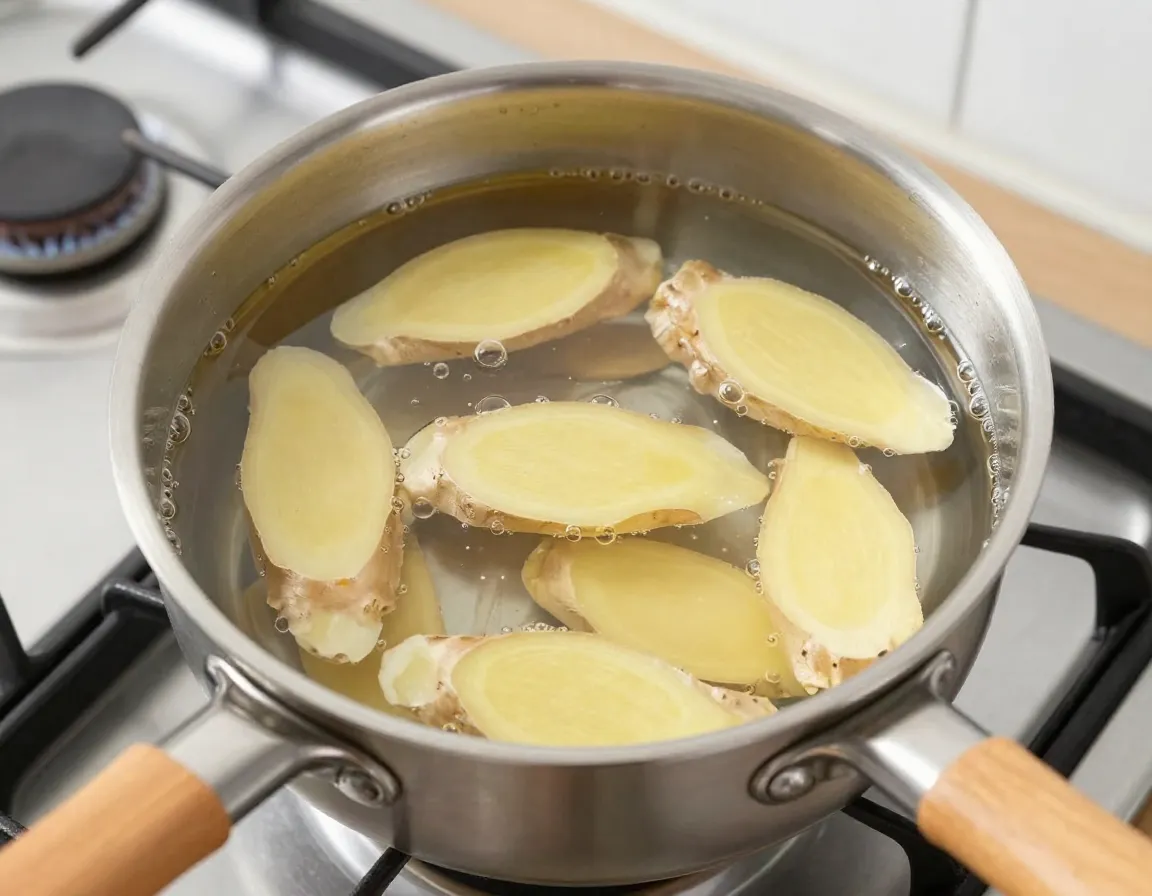
This foundational recipe showcases ginger’s pure, warming essence and serves as the base for all variations.
Ingredients:
- 2 inches fresh ginger root
- 3 cups filtered water
- 1-2 teaspoons honey (optional)
- Fresh lemon juice (optional)
Instructions:
- Peel and slice ginger into thin rounds
- Bring water to boil in a medium saucepan
- Add ginger slices and reduce heat to simmer
- Simmer covered for 15-20 minutes
- Strain into cups and add honey/lemon to taste
This classic preparation delivers maximum gingerol concentration for optimal therapeutic benefits.
2. Turmeric Ginger Golden Milk Tea
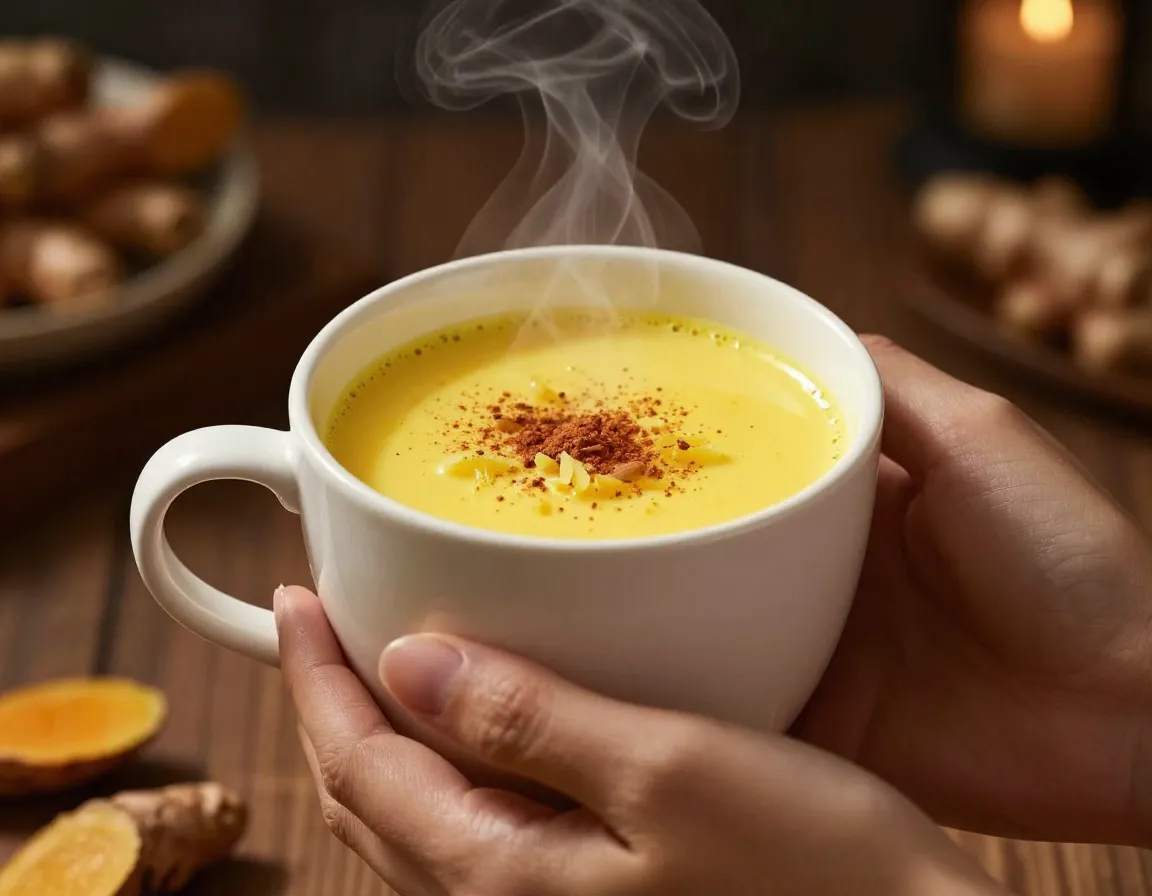
Combining two powerful anti-inflammatory roots creates a creamy, healing beverage perfect for evening relaxation.
Ingredients:
- 1 inch fresh ginger, grated
- 1 teaspoon turmeric powder
- 1½ cups coconut milk
- ½ cup water
- 1 tablespoon honey
- Pinch of black pepper
- ½ teaspoon vanilla extract
Instructions:
- Heat coconut milk and water in saucepan over medium heat
- Whisk in grated ginger, turmeric, and black pepper
- Simmer gently for 10 minutes, stirring occasionally
- Strain and stir in honey and vanilla
- Serve warm with a sprinkle of cinnamon
The black pepper enhances turmeric absorption, while coconut milk provides healthy fats for better nutrient uptake.
3. Ginger Lemon Immunity Booster
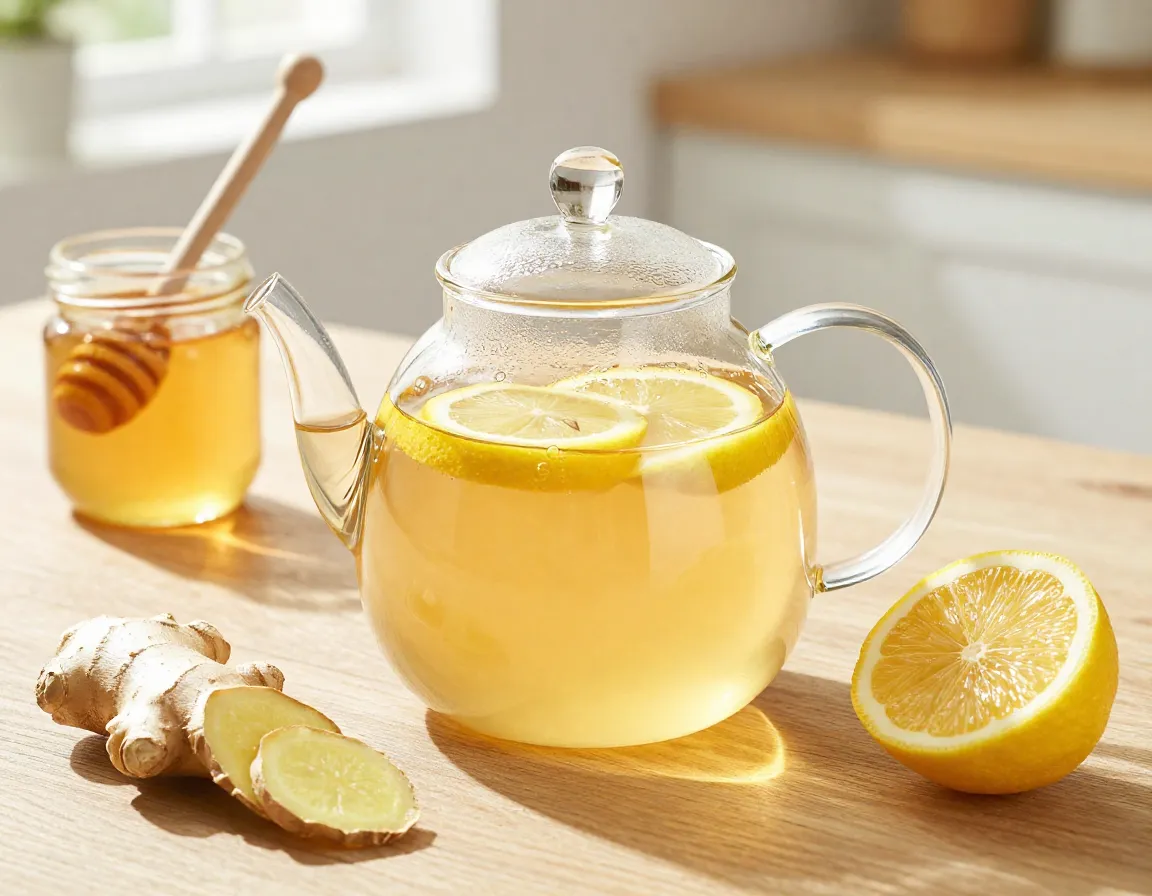
This vitamin C-rich combination supports immune function while providing digestive comfort.
Ingredients:
- 1½ inches fresh ginger
- Juice of 1 large lemon
- 2 cups water
- 2 tablespoons raw honey
- ¼ teaspoon cayenne pepper (optional)
Instructions:
- Grate ginger and simmer in water for 12 minutes
- Remove from heat and let cool slightly
- Stir in lemon juice, honey, and cayenne
- Strain and serve immediately
Best consumed at first signs of illness or as daily prevention during cold season.
4. Spiced Ginger Chai Tea
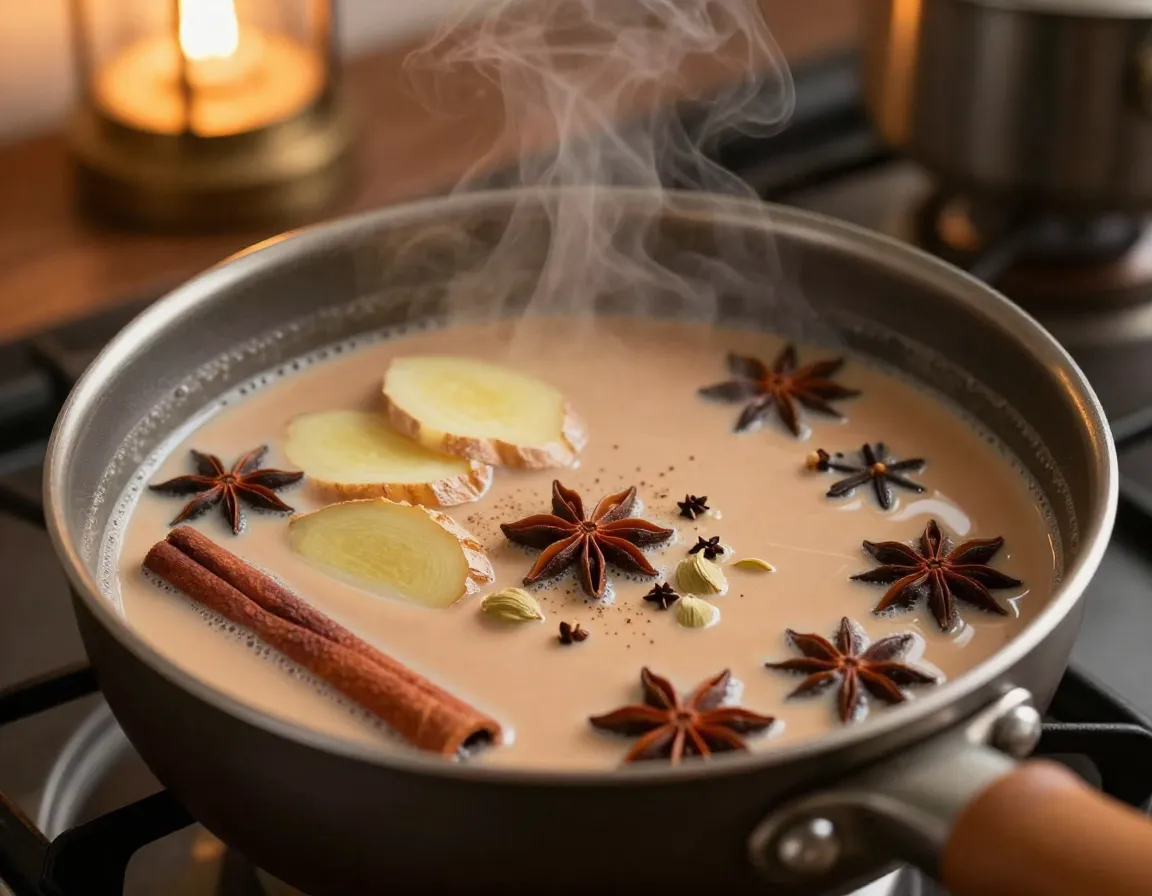
This aromatic blend combines ginger with traditional chai spices for a warming, energizing drink.
Ingredients:
- 2 inches fresh ginger, sliced
- 4 cardamom pods, crushed
- 1 cinnamon stick
- 4 whole cloves
- 1 star anise
- 2 cups water
- 1 cup milk of choice
- 2 teaspoons loose black tea
- Honey to taste
Instructions:
- Toast spices (except ginger) in dry pan for 30 seconds
- Add water and ginger, bring to boil
- Simmer for 10 minutes
- Add milk and tea, simmer 5 more minutes
- Strain and sweeten with honey
This recipe provides sustained energy while supporting digestion and circulation.
5. Ginger Mint Digestive Tea
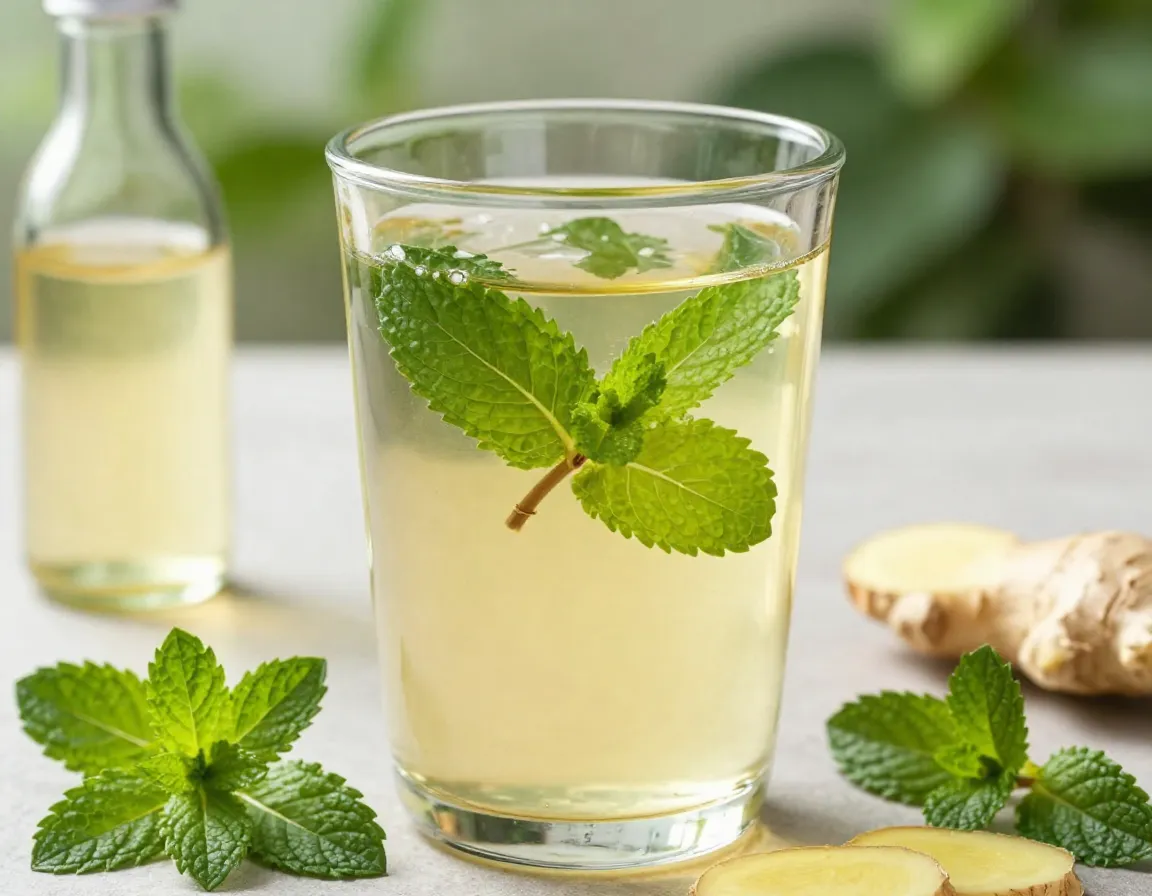
Perfect for post-meal digestive support, this refreshing combination soothes the stomach naturally.
Ingredients:
- 1 inch fresh ginger, thinly sliced
- ¼ cup fresh mint leaves
- 2½ cups water
- 1 tablespoon apple cider vinegar
- Stevia or honey to taste
Instructions:
- Boil water with ginger slices for 8 minutes
- Remove from heat and add mint leaves
- Steep covered for 5 minutes
- Strain and add vinegar and sweetener
- Serve warm or over ice
Apple cider vinegar enhances digestive benefits while mint provides cooling balance to ginger’s heat.
6. Ginger Green Tea Metabolism Blend
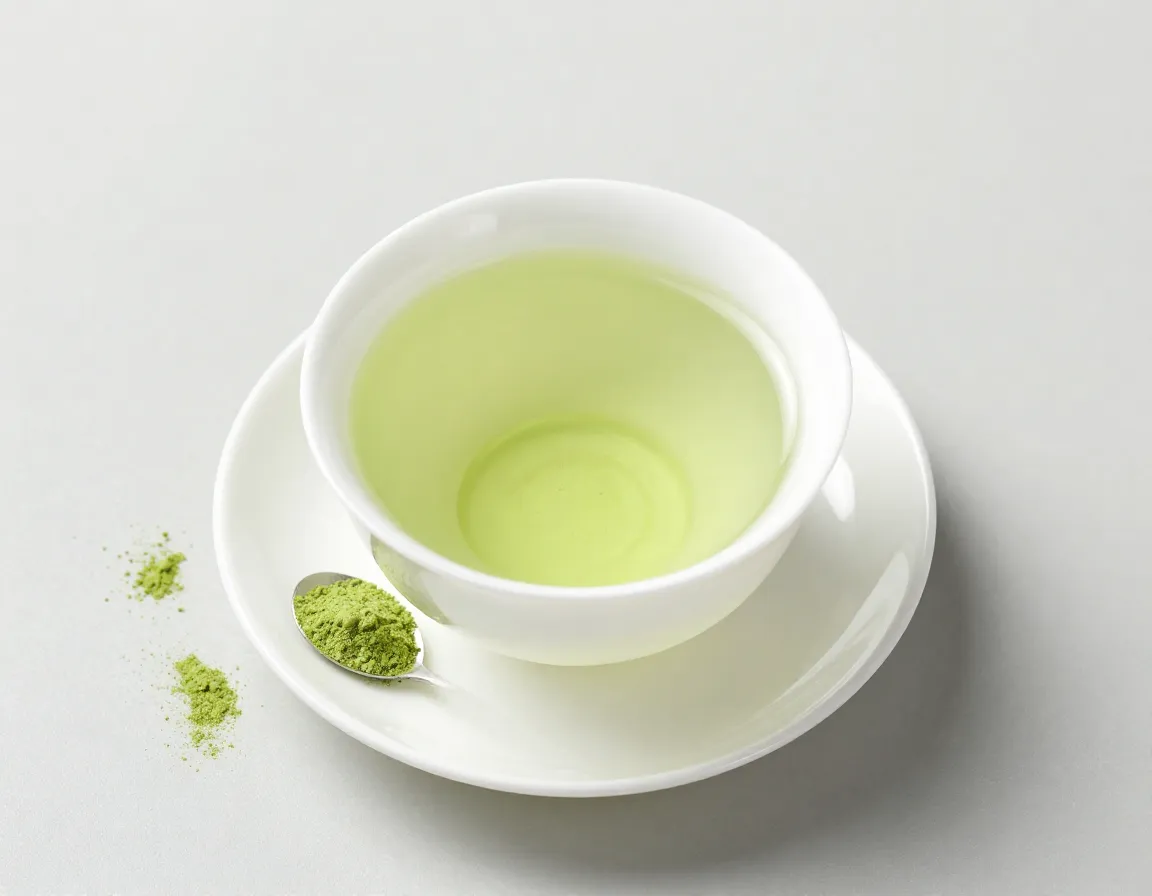
This antioxidant-rich combination supports healthy metabolism and provides sustained energy without jitters.
Ingredients:
- 1 inch fresh ginger, grated
- 2 teaspoons high-quality green tea
- 2 cups water (175°F, not boiling)
- 1 teaspoon coconut oil
- ½ teaspoon matcha powder (optional)
Instructions:
- Heat water to 175°F (just before boiling)
- Steep green tea for 3 minutes, then remove
- Add grated ginger and steep 5 more minutes
- Strain and whisk in coconut oil and matcha
- Serve immediately for best flavor
The moderate caffeine content provides energy while ginger supports healthy digestion and metabolism.
7. Ginger Hibiscus Antioxidant Tea
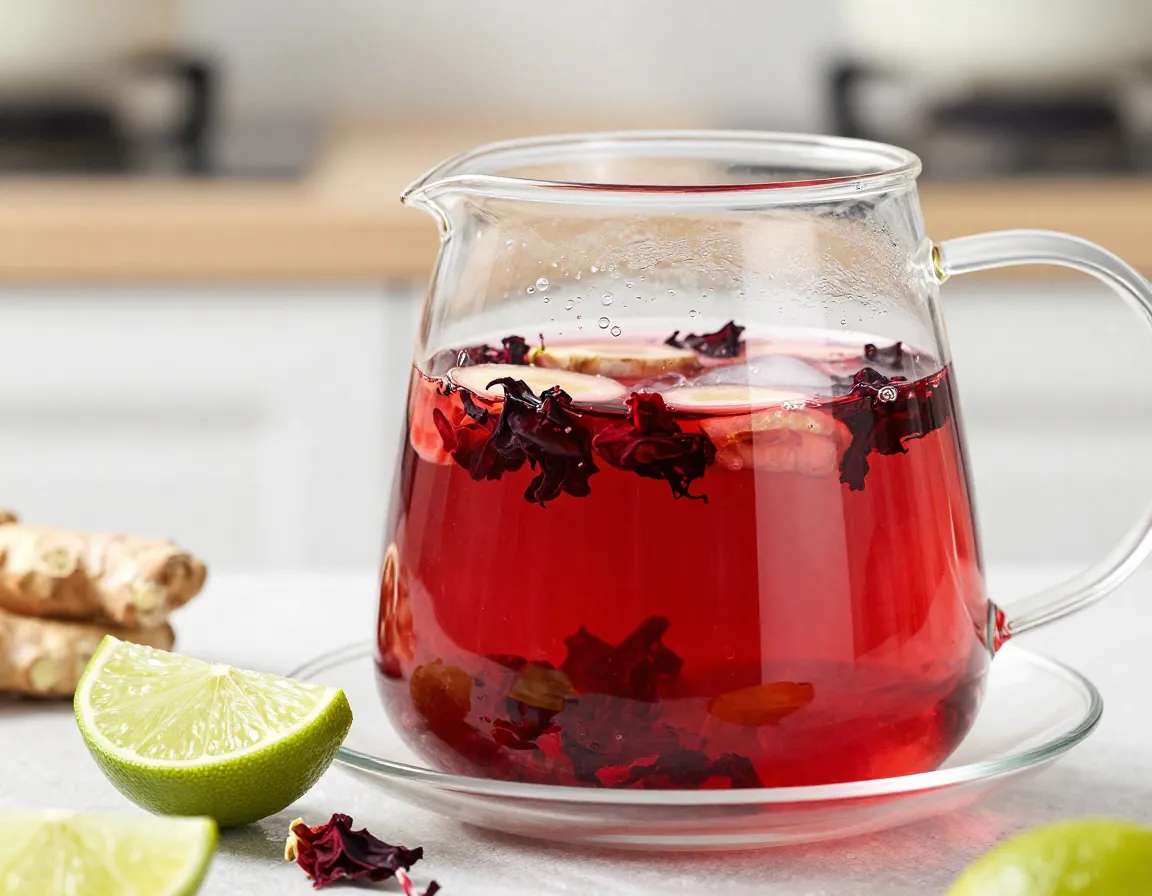
This ruby-red tea combines ginger’s warming properties with hibiscus’s cooling effects and cardiovascular benefits.
Ingredients:
- 1 inch fresh ginger, sliced
- 2 tablespoons dried hibiscus flowers
- 3 cups water
- 1 tablespoon lime juice
- 1-2 teaspoons agave or honey
Instructions:
- Boil water with ginger for 10 minutes
- Remove from heat and add hibiscus flowers
- Steep for 8-10 minutes until deep red
- Strain and add lime juice and sweetener
- Serve hot or chilled over ice
Hibiscus provides vitamin C and may help support healthy blood pressure levels.
8. Nighttime Ginger Chamomile Relaxation Tea

This calming blend helps settle the stomach while promoting restful sleep.
Ingredients:
- ¾ inch fresh ginger, thinly sliced
- 2 tablespoons dried chamomile flowers
- 1 teaspoon dried lavender (optional)
- 2 cups water
- 1 tablespoon raw honey
- ½ teaspoon vanilla extract
Instructions:
- Gently simmer ginger in water for 8 minutes
- Remove from heat and add chamomile and lavender
- Steep covered for 10 minutes
- Strain and stir in honey and vanilla
- Drink warm 30-60 minutes before bedtime
The reduced ginger amount prevents overstimulation while still providing digestive support.
Maximizing Health Benefits and Safety Considerations
Timing and Frequency Guidelines
Best Times to Drink Ginger Tea:
- Morning: Energizing blends like ginger green tea
- Pre-meals: Digestive varieties 30 minutes before eating
- Post-meals: Mint or chamomile combinations
- Evening: Calming blends without caffeine
Potential Interactions and Precautions
While ginger is generally safe, certain individuals should exercise caution:
- Pregnant women: Limit to 1 gram daily[2]
- Blood thinner users: Consult healthcare providers
- Gallstone history: Avoid large amounts
- Surgery patients: Discontinue 2 weeks before procedures
Storage and Preparation Tips
Fresh Ginger Storage:
- Refrigerate unpeeled ginger for up to 3 weeks
- Freeze grated ginger in ice cube trays for convenience
- Store in paper towel-lined container to absorb moisture
Batch Preparation:
- Make ginger concentrate by simmering large amounts
- Freeze in ice cube trays for quick single servings
- Store prepared tea in refrigerator for up to 3 days
Customizing Your Ginger Tea Experience
Adjusting Potency Levels
Mild: Use ½ inch ginger per 2 cups water, simmer 5-8 minutes
Medium: Use 1 inch ginger per 2 cups water, simmer 10-15 minutes
Strong: Use 1½ inches ginger per 2 cups water, simmer 15-20 minutes
Sweetening Options for Different Health Goals
| Goal | Best Sweetener | Why |
|---|---|---|
| Weight Management | Stevia or monk fruit | Zero calories, no blood sugar impact |
| Energy Support | Raw honey | Natural enzymes and sustained energy |
| Digestive Health | Maple syrup | Gentle on stomach, contains minerals |
| Blood Sugar Control | None or minimal stevia | Prevents glucose spikes |
Flavor Enhancement Techniques
Citrus Additions:
- Lemon: Classic pairing, adds vitamin C
- Lime: Tropical twist, enhances hibiscus blends
- Orange zest: Warming and aromatic
Spice Combinations:
- Cinnamon: Supports blood sugar balance
- Cardamom: Aids digestion, adds exotic flavor
- Black pepper: Enhances turmeric absorption
Troubleshooting Common Ginger Tea Issues
Too Strong or Bitter
Solutions:
- Reduce steeping time by 2-3 minutes
- Use less ginger (start with ½ inch pieces)
- Add natural sweeteners or milk
- Dilute with additional hot water
Not Flavorful Enough
Solutions:
- Increase ginger amount gradually
- Extend simmering time
- Use fresher ginger root
- Crush or grate ginger for more surface area
Digestive Discomfort
Solutions:
- Start with smaller amounts (¼ teaspoon powdered)
- Drink with food rather than empty stomach
- Add cooling herbs like mint
- Ensure you’re within daily limits[2]
Seasonal Variations and Special Occasions
Summer Cooling Blends
Transform hot ginger tea into refreshing iced beverages:
- Brew double-strength and pour over ice
- Add cucumber and mint for cooling effect
- Combine with coconut water for electrolytes
- Freeze in popsicle molds for treats
Winter Warming Combinations
Enhance cold-weather comfort:
- Add warming spices like cloves and nutmeg
- Include adaptogenic herbs like ashwagandha
- Use full-fat coconut milk for richness
- Serve in pre-warmed mugs
Holiday and Celebration Versions
Create festive variations:
- Thanksgiving: Add cranberry juice and orange zest
- Christmas: Include pine needle tea and rosemary
- New Year: Combine with champagne for mocktails
- Valentine’s Day: Add rose petals and cardamom
Building Your Ginger Tea Ritual
Creating Mindful Preparation Practices
Transform tea-making into meditation:
- Set intention before beginning preparation
- Focus on aromas while ginger simmers
- Practice gratitude for healing properties
- Sip slowly and mindfully appreciate flavors
Equipment Recommendations
Essential Tools:
- Sharp vegetable peeler or spoon for ginger prep
- Fine-mesh strainer for smooth tea
- Glass teapot to watch steeping process
- Measuring spoons for consistent dosing
Upgrade Options:
- Ginger grater for fine, even pieces
- Tea thermometer for optimal temperatures
- Insulated travel mugs for on-the-go enjoyment
- Electric kettle with temperature control
Conclusion
Mastering how to make ginger root tea: 8 potent & healthy recipes empowers you with natural tools for enhanced wellness that have been trusted for thousands of years. From the classic fresh ginger preparation to exotic blends like turmeric golden milk and hibiscus antioxidant tea, each recipe offers unique therapeutic benefits while delivering exceptional flavor.
Remember that consistency is key—incorporating these healing teas into your daily routine will provide cumulative health benefits over time. Start with the classic recipe to establish your baseline tolerance, then experiment with the specialized blends based on your specific health goals and taste preferences.
Your Next Steps:
- Choose 2-3 recipes that align with your current health priorities
- Purchase fresh, organic ginger and any additional ingredients needed
- Start with small amounts and gradually increase as your palate adapts
- Track how you feel after regular consumption to identify your most beneficial blends
- Share these recipes with friends and family to spread the healing power of ginger
Whether you’re seeking natural pain relief, digestive support, immune enhancement, or simply a delicious warming beverage, these eight ginger tea recipes provide a comprehensive foundation for your wellness journey. The science-backed benefits combined with centuries of traditional use make ginger root tea one of nature’s most reliable and accessible healing remedies.
Start brewing today and experience firsthand why ginger has earned its place as one of the world’s most revered medicinal plants. Your body—and taste buds—will thank you for this delicious investment in your health! 🌿
References
[1] Health Benefits Of Ginger Tea 2026 Guide – https://silverpottea.com/blog/health-benefits-of-ginger-tea-2026-guide
[2] Why You Should Consider Adding Ginger To Your Diet – https://www.uclahealth.org/news/article/why-you-should-consider-adding-ginger-to-your-diet
[3] Detail – https://www.ctcd.edu/sites/myctcd/detail/?p=ginger-extract-for-weight-loss-in-2026-what-really-changes-and-what-doesn-t-when-you-add-it-to-your-routine-69760ec9eed71
[4] Detail – https://www.clgf.org.uk/detail.html?p=turmeric-lemon-ginger-tea-benefits-in-2026-what-daily-drinkers-really-notice-after-7-30-and-90-days-698b5dd549305
[5] Health – https://townofwilton.ny.gov/wilton/detail/health.html?p=ginger-lemon-tea-benefits-in-2026-what-real-people-actually-feel-after-a-few-weeks-6984c532a9cb4