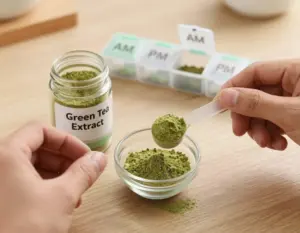
Herbal Teas and Their Benefits: 9 Must-Try Brews for Every Health Goal
Picture this: you’re holding a warm cup of tea, steam gently rising as aromatic herbs release their therapeutic compounds into the air. What if I told you that this simple daily ritual could be one of the most powerful wellness tools in your kitchen? In 2026, as we navigate an increasingly health-conscious world, Herbal Teas and Their Benefits: 9 Must-Try Brews for Every Health Goal have emerged as nature’s pharmacy in a cup, offering targeted solutions for everything from stress relief to immune support.

Recent groundbreaking research has revealed that the right herbal tea can do far more than simply warm you up on a cold day. These carefully crafted brews contain potent bioactive compounds that can transform your health from the inside out, addressing specific wellness goals with remarkable precision.
Key Takeaways
- Herbal teas contain powerful bioactive compounds like polyphenols and catechins that provide targeted health benefits when consumed regularly
- Different teas serve different purposes – from chamomile for sleep to green tea for heart health and ginger for digestive support
- Freshly brewed teas retain maximum benefits compared to processed or bottled versions that may contain added sugars and artificial ingredients
- Regular tea consumption is linked to reduced risk of cardiovascular disease, certain cancers, and cognitive decline according to 2026 research
- Quality and preparation matter – choosing organic, loose-leaf varieties and proper brewing techniques maximize therapeutic potential
The Science Behind Herbal Tea Benefits
A comprehensive scientific review published in Beverage Plant Research by researchers from the Tea Research Institute at the Chinese Academy of Agricultural Sciences has provided compelling evidence for tea’s health-promoting properties [2]. The research demonstrates that people who drink tea regularly show lower rates of cardiovascular disease and reduced risk of premature death from any cause [2].
What makes herbal teas so powerful? The answer lies in their rich concentration of polyphenols and catechins – natural bioactive compounds that act as antioxidants in the body [1][3]. These molecules help combat inflammation, support cellular repair, and protect against oxidative stress that contributes to aging and disease.
“Brewed teas retain health benefits through natural bioactive compounds like polyphenols and catechins, while bottled and bubble teas may contain added sugars and artificial sweeteners that cancel out health benefits.” [1][2][3]
The key to maximizing these benefits lies in choosing freshly brewed teas over processed alternatives. Research shows that bottled teas often contain additives that can negate the positive effects of the natural compounds [1][2][3].
Herbal Teas and Their Benefits: 9 Must-Try Brews for Optimal Wellness
1. Green Tea: The Heart Health Champion 💚
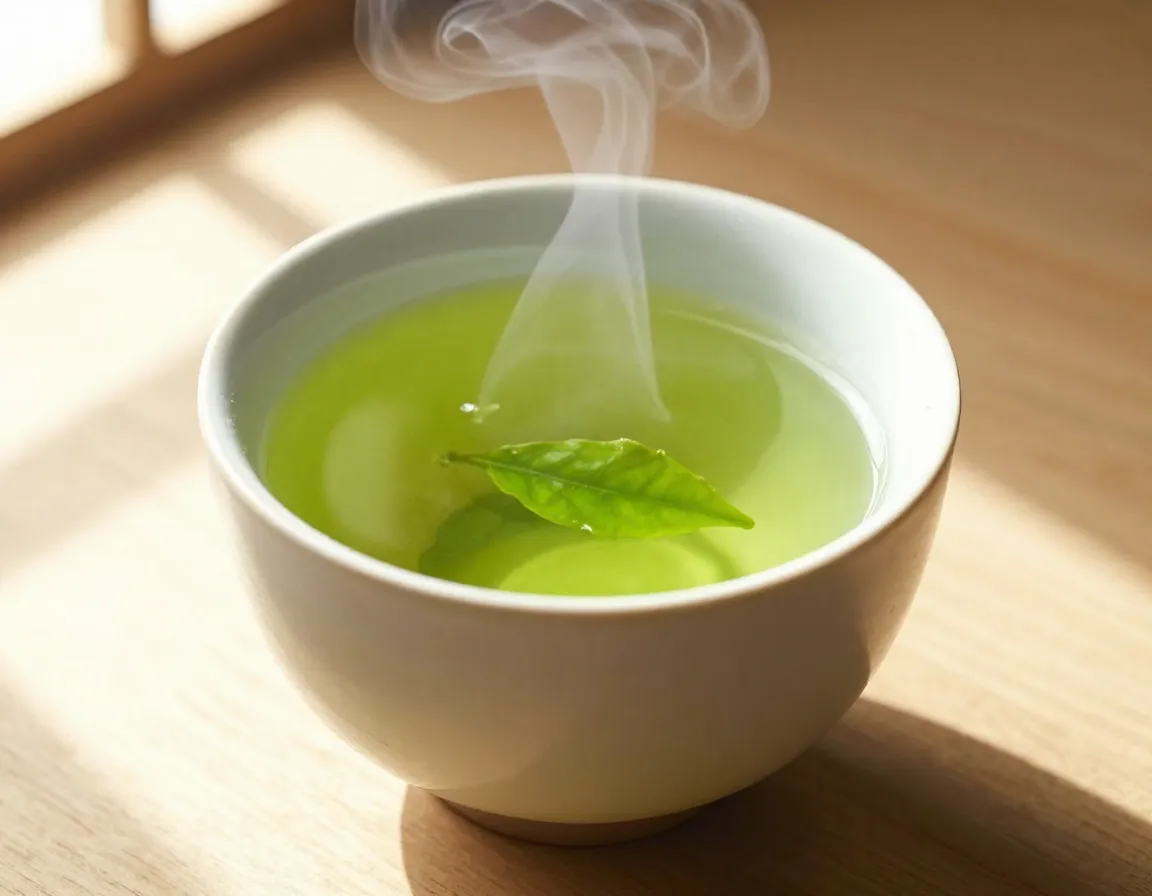
Green tea stands as the most extensively studied herbal tea, with the strongest evidence for heart health benefits [2][5]. This powerhouse brew helps lower blood pressure and improve cholesterol levels, making it an excellent choice for cardiovascular wellness [2][5].
Key Benefits:
- Supports weight loss and improves metabolism in people with obesity [2][5]
- Linked to lower risk of heart disease, obesity, and diabetes [2][5]
- Each 2g increase in daily consumption associated with 12% reduction in colorectal cancer risk [4]
- May slow cognitive decline and reduce Alzheimer’s disease biomarkers [2]
Best Time to Drink: Morning or early afternoon (contains caffeine)
Brewing Tip: Steep for 3-5 minutes in 175°F water to avoid bitterness
2. Chamomile Tea: The Natural Sleep Aid 😴

Chamomile has been treasured for centuries as a gentle sleep promoter and anxiety reducer. This daisy-like flower contains apigenin, a compound that binds to brain receptors to promote relaxation and drowsiness.
Key Benefits:
- Improves sleep quality and reduces insomnia
- Calms anxiety and promotes relaxation
- Supports digestive health
- Contains anti-inflammatory properties
Best Time to Drink: 30-60 minutes before bedtime
Brewing Tip: Use 1-2 teaspoons of dried flowers per cup, steep for 5-7 minutes
3. Ginger Tea: The Digestive Powerhouse 🫚

Ginger root contains gingerol, a bioactive compound with powerful anti-inflammatory and antioxidant effects. This warming tea is particularly effective for digestive issues and nausea relief.
Key Benefits:
- Reduces nausea and motion sickness
- Supports healthy digestion
- Provides anti-inflammatory effects
- May help reduce muscle pain and soreness
Best Time to Drink: After meals or when experiencing digestive discomfort
Brewing Tip: Use fresh ginger root sliced thin, steep for 10-15 minutes for maximum potency
4. Peppermint Tea: The Energy Booster 🌿
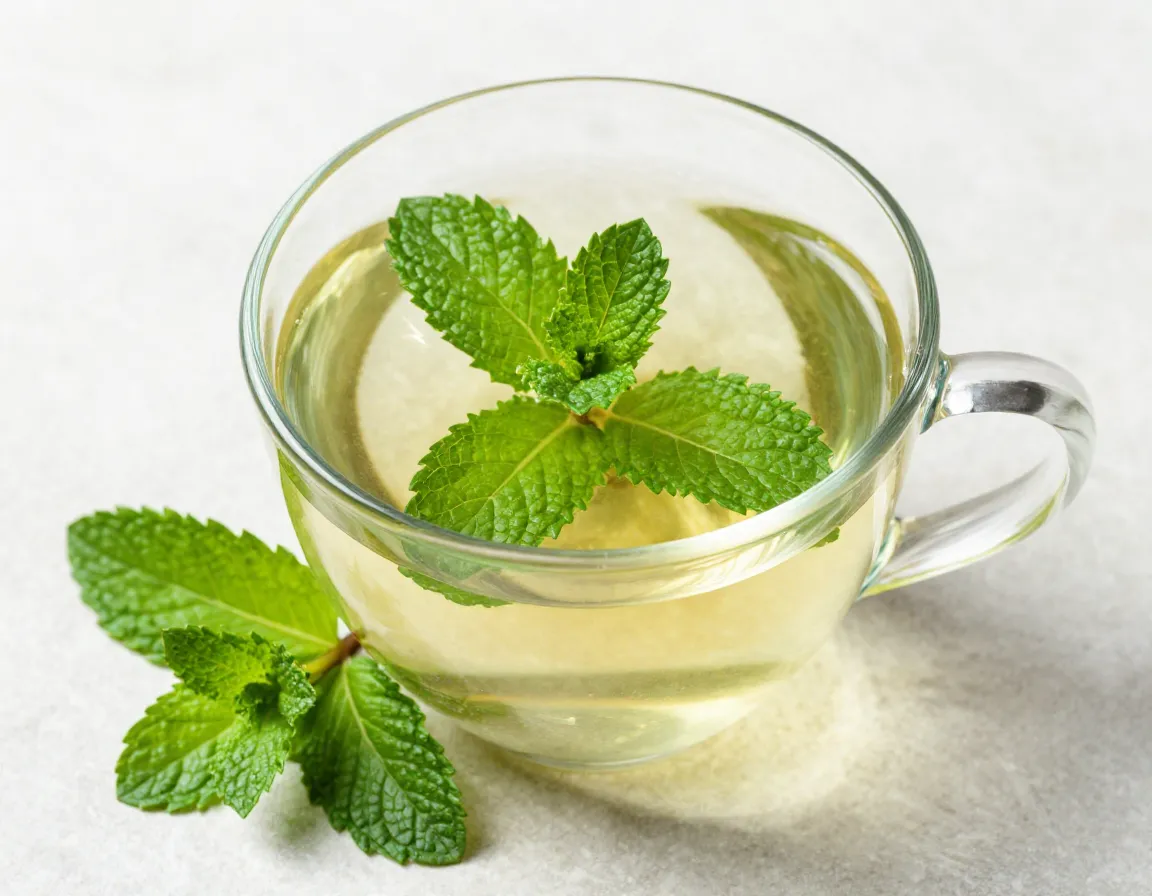
Peppermint tea offers a refreshing caffeine-free energy boost while supporting digestive health. The menthol in peppermint leaves provides a cooling sensation and helps clear mental fog.
Key Benefits:
- Improves mental alertness and focus
- Relieves digestive discomfort and bloating
- Supports respiratory health
- Provides natural breath freshening
Best Time to Drink: Mid-morning or after lunch for an energy boost
Brewing Tip: Steep fresh or dried leaves for 5-7 minutes, cover to retain essential oils
5. Turmeric Tea: The Anti-Inflammatory Warrior 🧡
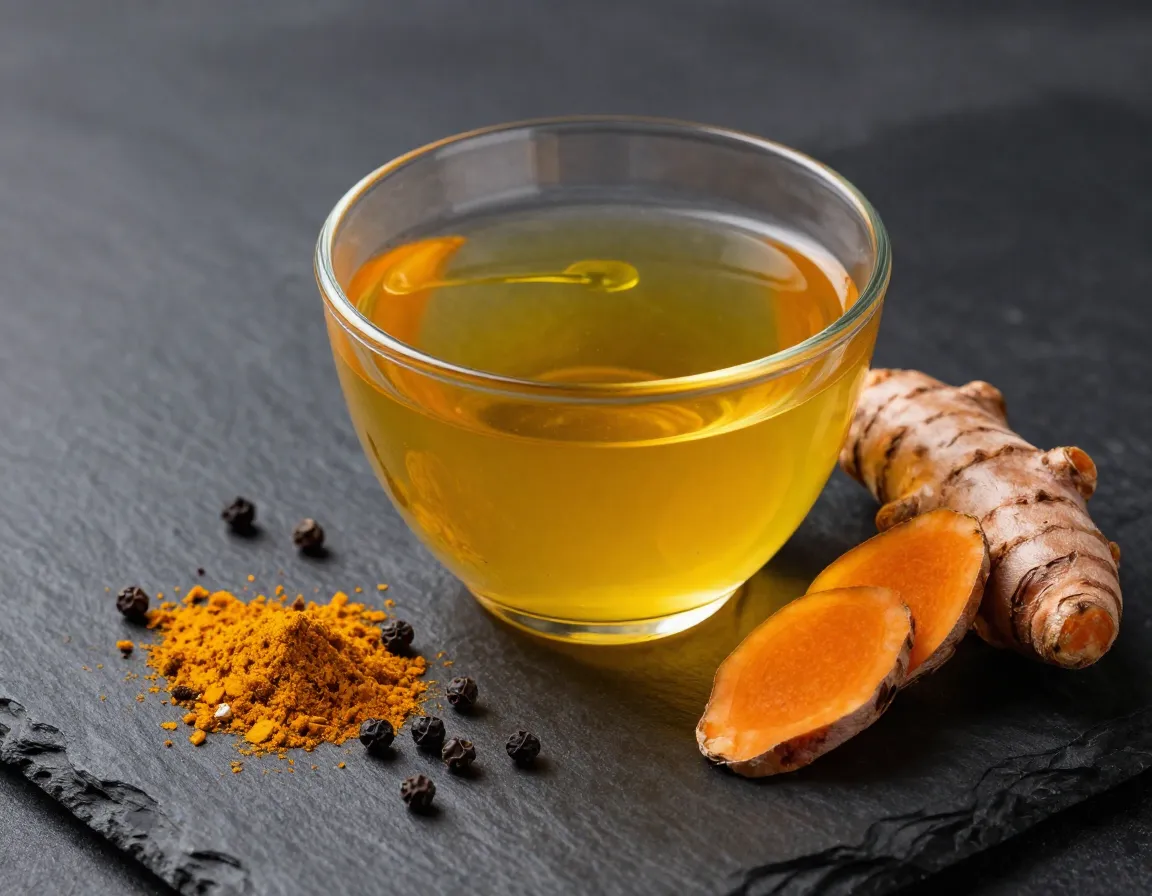
Turmeric contains curcumin, one of nature’s most potent anti-inflammatory compounds. This golden tea has gained popularity for its ability to support joint health and overall inflammation reduction.
Key Benefits:
- Powerful anti-inflammatory effects
- Supports joint health and mobility
- May boost immune system function
- Contains antioxidant properties
Best Time to Drink: Evening or when dealing with inflammation
Brewing Tip: Add black pepper and a healthy fat (like coconut oil) to enhance curcumin absorption
6. Rooibos Tea: The Antioxidant Treasure ❤️
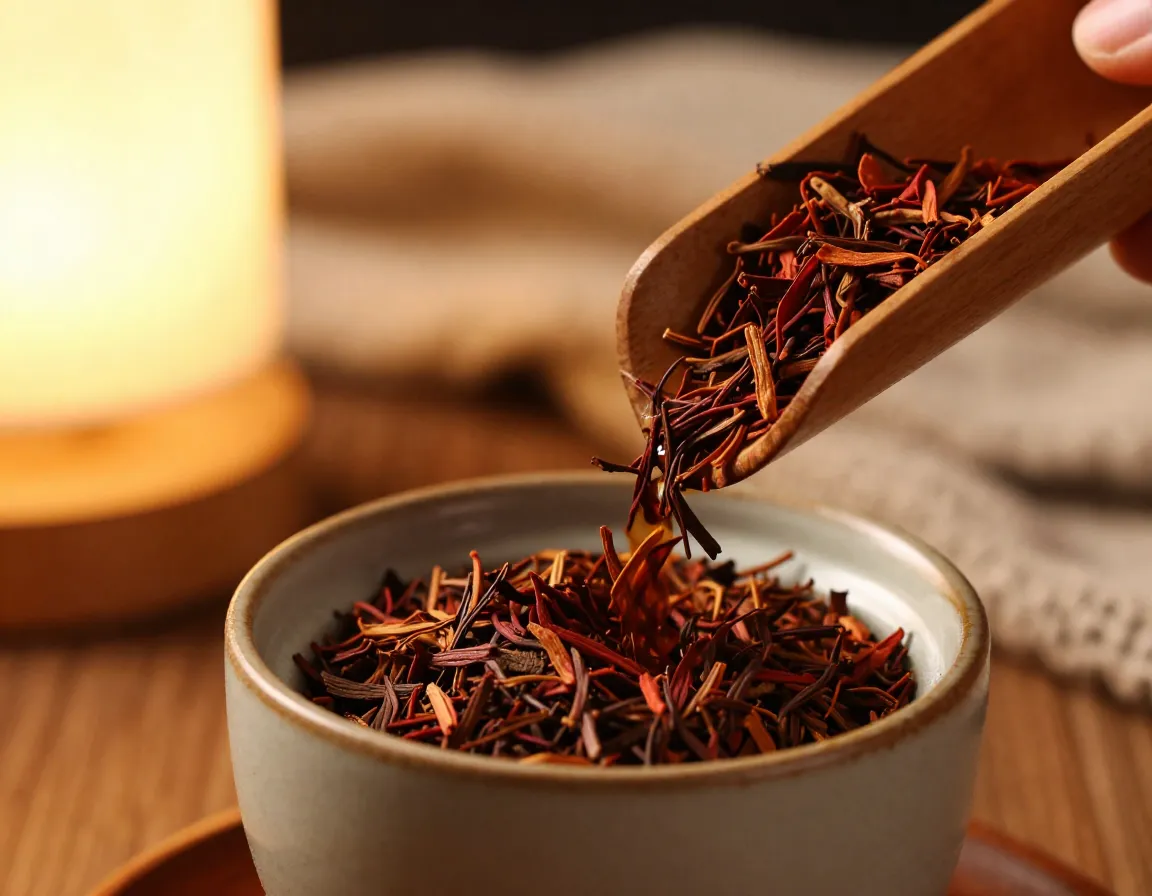
Also known as red bush tea, rooibos is naturally caffeine-free and packed with unique antioxidants like aspalathin and quercetin. This South African treasure offers a sweet, vanilla-like flavor without any added sugars.
Key Benefits:
- Rich in unique antioxidants
- Supports heart health
- Naturally caffeine-free
- May help regulate blood sugar levels
Best Time to Drink: Anytime, especially evening due to lack of caffeine
Brewing Tip: Can be steeped longer than other teas without becoming bitter
7. Hibiscus Tea: The Blood Pressure Reducer 🌺
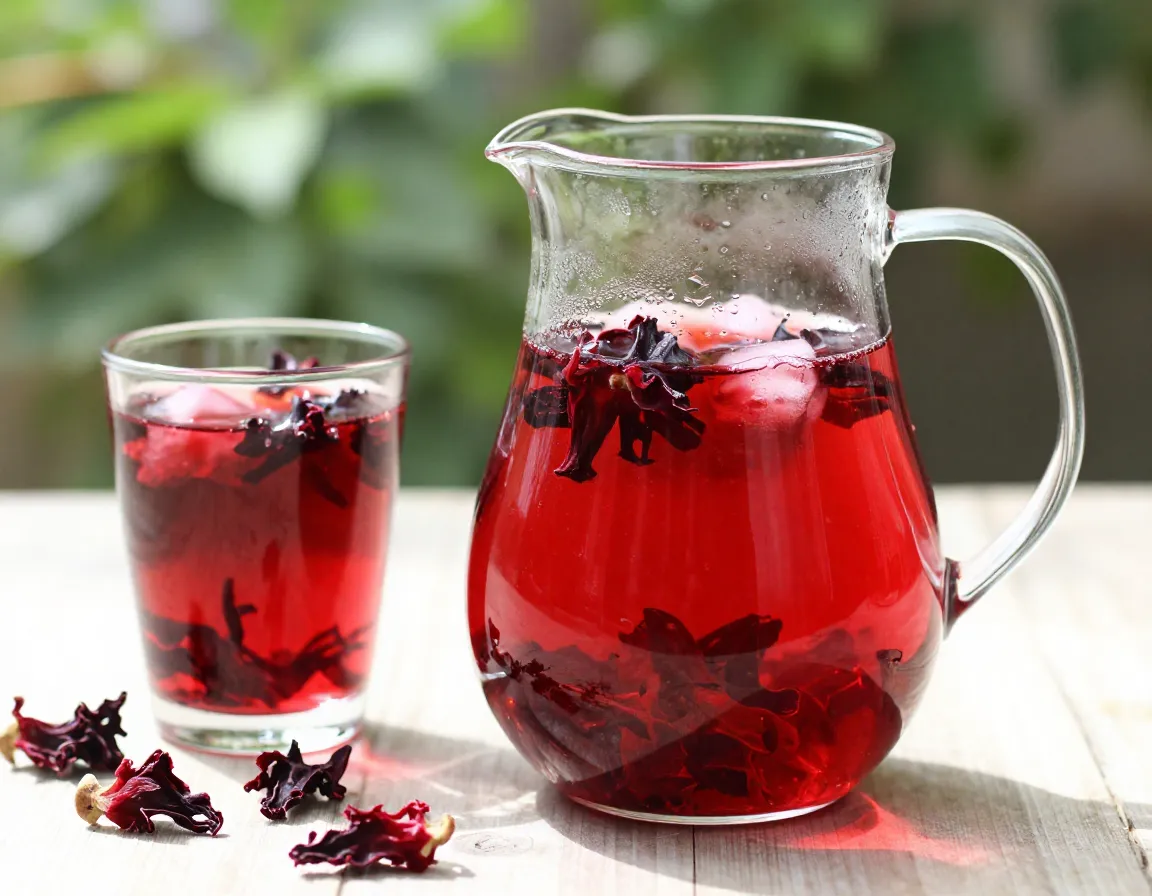
This vibrant red tea made from hibiscus flowers has shown impressive results in supporting cardiovascular health, particularly in managing blood pressure levels.
Key Benefits:
- May help lower blood pressure
- Rich in vitamin C and antioxidants
- Supports liver health
- May aid in weight management
Best Time to Drink: Throughout the day, hot or iced
Brewing Tip: Steep dried hibiscus flowers for 5-7 minutes for optimal color and flavor
8. Echinacea Tea: The Immune System Supporter 🛡️
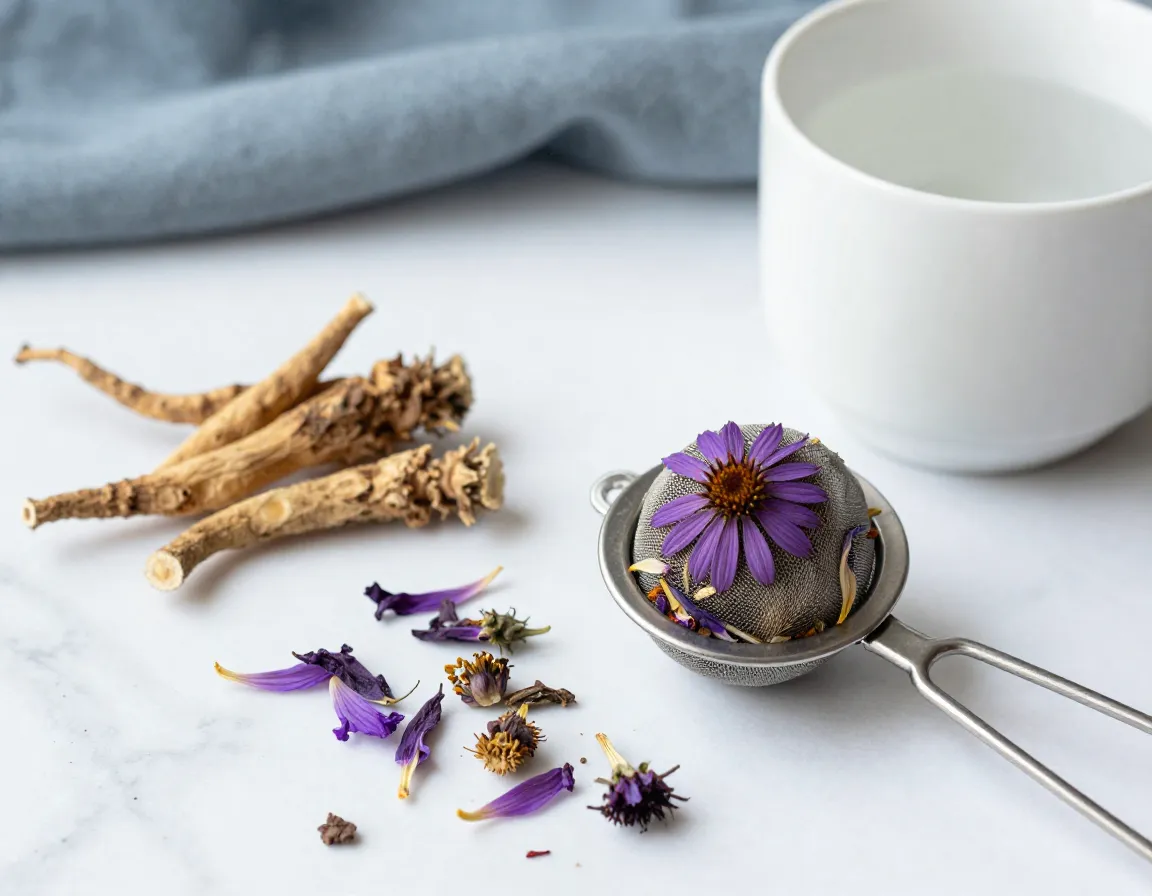
Echinacea has long been valued for its immune-supporting properties. This purple coneflower contains compounds that may help the body’s natural defense mechanisms.
Key Benefits:
- Supports immune system function
- May reduce duration of cold symptoms
- Contains anti-inflammatory properties
- Supports overall respiratory health
Best Time to Drink: At first sign of illness or during cold/flu season
Brewing Tip: Use dried echinacea root or leaves, steep for 10-15 minutes
9. Lemon Balm Tea: The Stress-Relief Specialist 🍃
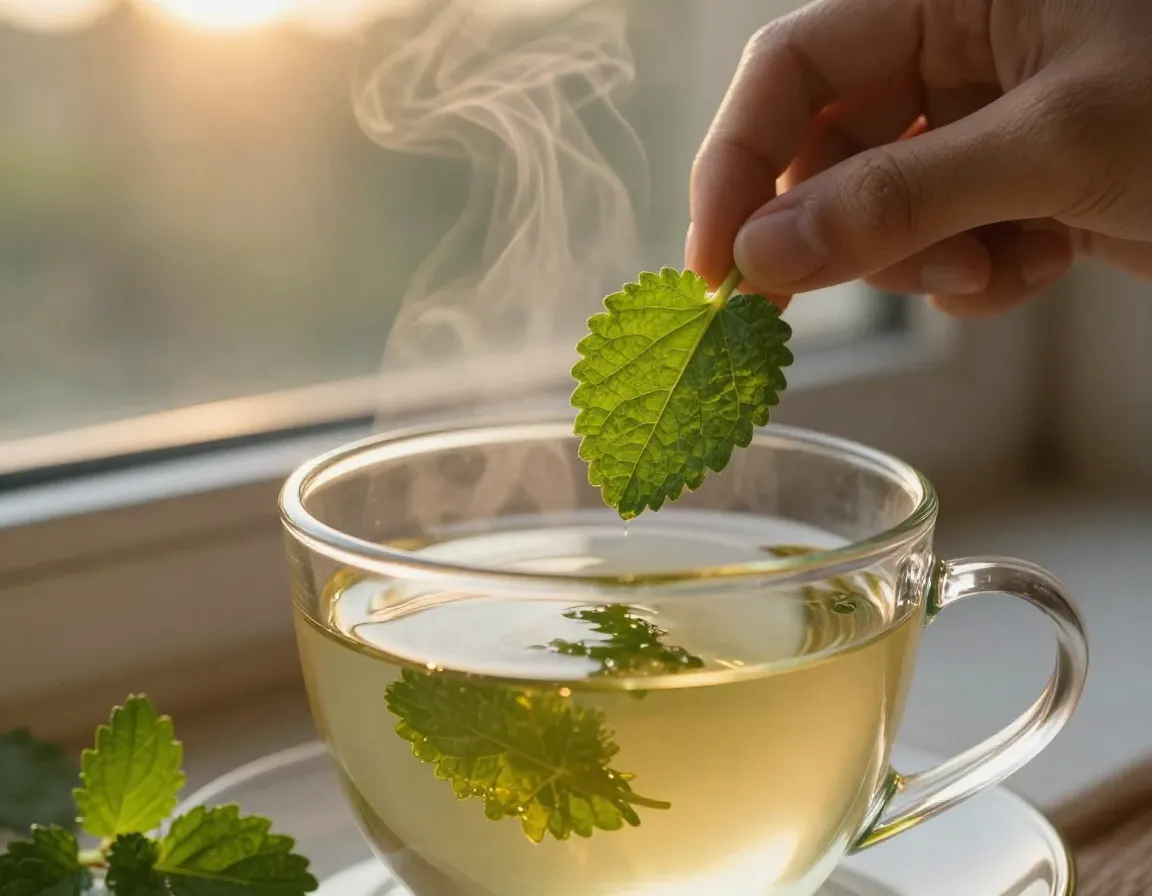
Lemon balm, a member of the mint family, offers gentle stress relief and mood support. Its lemony scent and mild flavor make it a pleasant evening tea choice.
Key Benefits:
- Reduces stress and anxiety
- Supports cognitive function and memory
- May improve sleep quality
- Supports digestive health
Best Time to Drink: Evening or during stressful periods
Brewing Tip: Use fresh leaves when possible, steep for 5-10 minutes
Maximizing Your Herbal Tea Benefits: Expert Tips for 2026
Quality Matters: Choosing the Right Teas
Not all herbal teas are created equal. To ensure you’re getting the maximum health benefits from your Herbal Teas and Their Benefits: 9 Must-Try Brews for Every Health Goal, consider these quality factors:
| Quality Factor | What to Look For | Why It Matters |
|---|---|---|
| Organic Certification | USDA Organic label | Reduces pesticide exposure |
| Loose Leaf vs. Bags | Whole leaves in loose form | Better flavor and nutrient retention |
| Harvest Date | Recent harvest information | Fresher herbs retain more active compounds |
| Source Transparency | Clear origin information | Ensures quality growing conditions |
Brewing Techniques for Maximum Potency
The way you prepare your herbal tea significantly impacts its therapeutic potential. Research emphasizes that brewed teas retain health benefits through natural bioactive compounds much better than processed alternatives [1][3].
Universal Brewing Guidelines:
- Use filtered water when possible
- Don’t over-boil water (damages delicate compounds)
- Cover your cup while steeping to retain essential oils
- Avoid adding excessive sweeteners that may counteract benefits
Timing and Frequency Recommendations
To maximize the benefits of your Herbal Teas and Their Benefits: 9 Must-Try Brews for Every Health Goal, consider these timing strategies:
Morning Teas: Green tea, ginger tea, peppermint tea
Afternoon Teas: Rooibos, hibiscus, echinacea
Evening Teas: Chamomile, lemon balm, turmeric
Research suggests that regular tea consumption is key to experiencing long-term health benefits [2]. Aim for 2-3 cups of herbal tea daily, varying your selections based on your current health goals.
The Future of Herbal Tea Research
While the current research on Herbal Teas and Their Benefits: 9 Must-Try Brews for Every Health Goal is promising, scientists note that much less is known about black, oolong, and white teas compared to green tea [2]. The 2026 research emphasizes that more studies are needed to understand long-term effects and differences among tea types [2].
This presents an exciting opportunity for tea enthusiasts to participate in the evolving understanding of herbal medicine. As we move forward, expect to see more targeted research on specific herbal combinations and their synergistic effects.
Emerging Trends in Herbal Tea Consumption
The herbal tea industry in 2026 is witnessing several exciting developments:
- Functional tea blends targeting specific health outcomes
- Sustainable sourcing practices becoming industry standard
- Personalized tea recommendations based on individual health profiles
- Integration with digital health tracking to monitor benefits
Safety Considerations and Contraindications
While herbal teas are generally safe for most people, it’s important to be aware of potential interactions and contraindications:
General Safety Guidelines:
- Consult healthcare providers if you’re pregnant, nursing, or taking medications
- Start with small amounts to test for allergic reactions
- Be aware that some herbs can interact with prescription drugs
- Choose reputable brands with third-party testing
Specific Considerations:
- Green tea: Contains caffeine; limit if sensitive or pregnant
- Ginger: May interact with blood-thinning medications
- Echinacea: Avoid if you have autoimmune conditions
- Turmeric: May enhance effects of blood-thinning medications
Building Your Personal Herbal Tea Routine
Creating a sustainable herbal tea practice involves more than just brewing a cup occasionally. Here’s how to build a routine that maximizes the benefits of Herbal Teas and Their Benefits: 9 Must-Try Brews for Every Health Goal:
Week 1-2: Foundation Building
Start with 1-2 teas that address your primary health goals. Focus on consistency rather than variety.
Week 3-4: Expansion Phase
Add 2-3 additional teas to your rotation, paying attention to how your body responds to different herbs.
Month 2 and Beyond: Optimization
Fine-tune your selection based on seasonal needs, stress levels, and health goals. Track your energy, sleep, and overall well-being.
Conclusion
The journey through Herbal Teas and Their Benefits: 9 Must-Try Brews for Every Health Goal reveals a remarkable truth: nature has provided us with powerful allies in our quest for optimal health. From green tea’s cardiovascular protection to chamomile’s sleep-promoting properties, each brew offers unique therapeutic potential backed by growing scientific evidence.
As research from 2026 continues to unveil the mechanisms behind these ancient remedies, one thing remains clear: regular consumption of freshly brewed herbal teas can significantly impact your health trajectory. The key lies in choosing quality ingredients, proper preparation methods, and consistency in your practice.
Your Next Steps:
- Start small – Choose 2-3 teas that align with your current health priorities
- Invest in quality – Purchase organic, loose-leaf varieties from reputable sources
- Create a routine – Establish specific times for tea consumption based on your goals
- Track your progress – Notice changes in energy, sleep, digestion, and overall well-being
- Stay informed – Keep up with emerging research as our understanding of herbal medicine evolves
Remember, while herbal teas offer impressive health benefits, they work best as part of a comprehensive wellness approach that includes proper nutrition, regular exercise, adequate sleep, and stress management. The cup of tea in your hands represents more than just a beverage—it’s a daily investment in your long-term health and vitality.
As you embark on this flavorful journey toward better health, let each sip remind you of the incredible healing power that nature provides. Your future self will thank you for every mindful cup you enjoy today.
References
[1] Study Found Tea Absolutely Packed 232700178 – https://www.aol.com/articles/study-found-tea-absolutely-packed-232700178.html
[2] Freshly Brewed Tea May Support Longterm Health Research Shows – https://www.powershealth.org/about-us/newsroom/health-library/2026/01/29/freshly-brewed-tea-may-support-longterm-health-research-shows
[3] How To Drink Tea For Max Health Benefits – https://www.womenshealthmag.com/health/a70286274/how-to-drink-tea-for-max-health-benefits/
[4] Pmc4055352 – https://pmc.ncbi.nlm.nih.gov/articles/PMC4055352/
[5] sciencedaily – https://www.sciencedaily.com/releases/2026/01/260127112132.htm
[6] Health – https://www.tea.ca/health/
[7] Detail – https://www.ctcd.edu/sites/myctcd/detail/?p=herbs-for-slimming-in-2026-what-science-really-says-behind-the-hype-69722b4e33efd
[8] The Health Benefits Of Tea – https://www.eatright.org/health/wellness/healthful-habits/the-health-benefits-of-tea