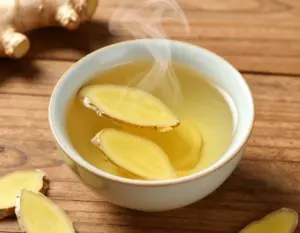
Herbal Tea and Their Benefits: The Ultimate 9-Tea Guide for Wellness
Picture this: you’re sitting in your favorite chair, holding a warm cup that’s not just comforting your soul but actively working to improve your health with every sip. In our fast-paced 2026 world, more people are discovering that the simple act of brewing herbal tea can be one of the most powerful wellness rituals we can adopt. Herbal Tea and Their Benefits: The Ultimate 9-Tea Guide for Wellness isn’t just about flavor—it’s about transforming your daily routine into a pathway to better health, one cup at a time.
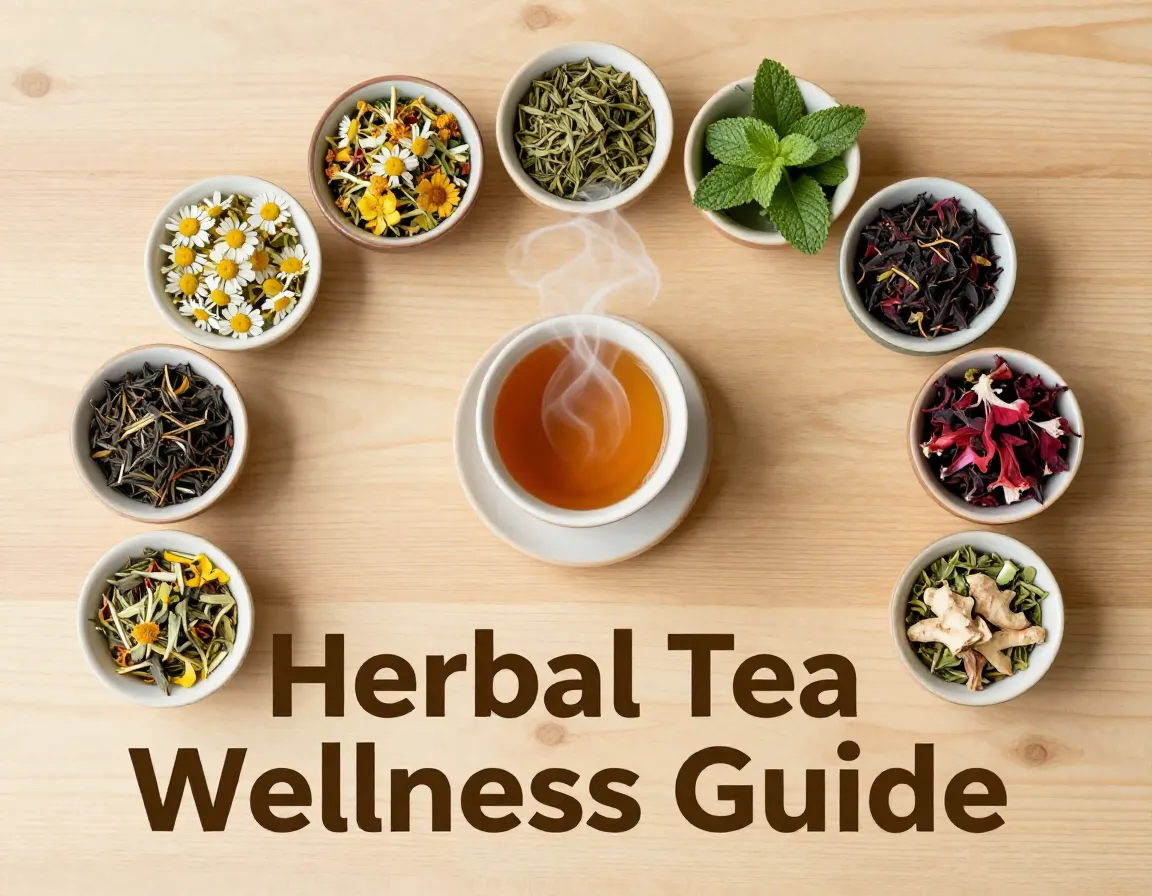
Key Takeaways
- Nine specific herbal teas offer unique health benefits, from cardiovascular support to stress relief and immune system enhancement
- Regular tea consumption is linked to reduced risk of chronic diseases, slower cognitive decline, and improved metabolic health
- Whole-leaf, freshly brewed teas preserve more beneficial compounds than processed or bottled alternatives
- Functional herbal tea sales have surged 30% as consumers seek natural wellness solutions
- Proper brewing techniques maximize the therapeutic potential of each tea’s bioactive compounds
The Science Behind Herbal Tea Wellness
Before diving into our comprehensive guide, I want you to understand why herbal teas have earned their place as wellness powerhouses. Recent research published in Beverage Plant Research reveals that regular tea consumption is associated with reduced blood pressure, improved cholesterol levels, and lower rates of cardiovascular disease[1][4].
The magic lies in compounds called polyphenols and catechins—powerful antioxidants that give teas their therapeutic properties[2][5]. These bioactive compounds work at the cellular level to combat inflammation, support immune function, and protect against chronic diseases.
What’s particularly exciting is that research shows older adults who drink tea regularly demonstrate slower cognitive decline and fewer biomarkers linked to Alzheimer’s disease[1][4]. Additionally, tea compounds may help reduce age-related muscle loss, potentially improving strength and mobility in senior populations[1][4].
“The key to maximizing tea’s health benefits lies in choosing whole-leaf varieties and brewing them fresh, as processing can significantly reduce the concentration of beneficial compounds.” – Nutrition Research Findings[2]
Understanding the Herbal Tea and Their Benefits Landscape
The world of herbal teas has exploded in 2026, with functional herbal tea blends seeing a 30% year-over-year increase in sales[3]. This surge reflects growing consumer awareness that these natural beverages offer more than just pleasant flavors—they’re legitimate tools for supporting wellness goals.
Why Processing Matters
Not all teas are created equal. Bottled teas and bubble teas often contain added sugars, artificial sweeteners, and preservatives that may eliminate tea’s natural health benefits[1][2][4]. In contrast, whole-leaf teas are less processed and better preserve natural bioactive compounds linked to health benefits[2].
The Mineral Advantage
Both caffeinated and herbal teas provide essential minerals including potassium, phosphorous, magnesium, copper, and zinc[5]. These micronutrients support everything from bone health to immune function, making your daily tea ritual a simple way to boost nutritional intake.
The Ultimate 9-Tea Guide: Herbal Tea and Their Benefits for Complete Wellness
1. Chamomile Tea: The Natural Sleep Enhancer 😴
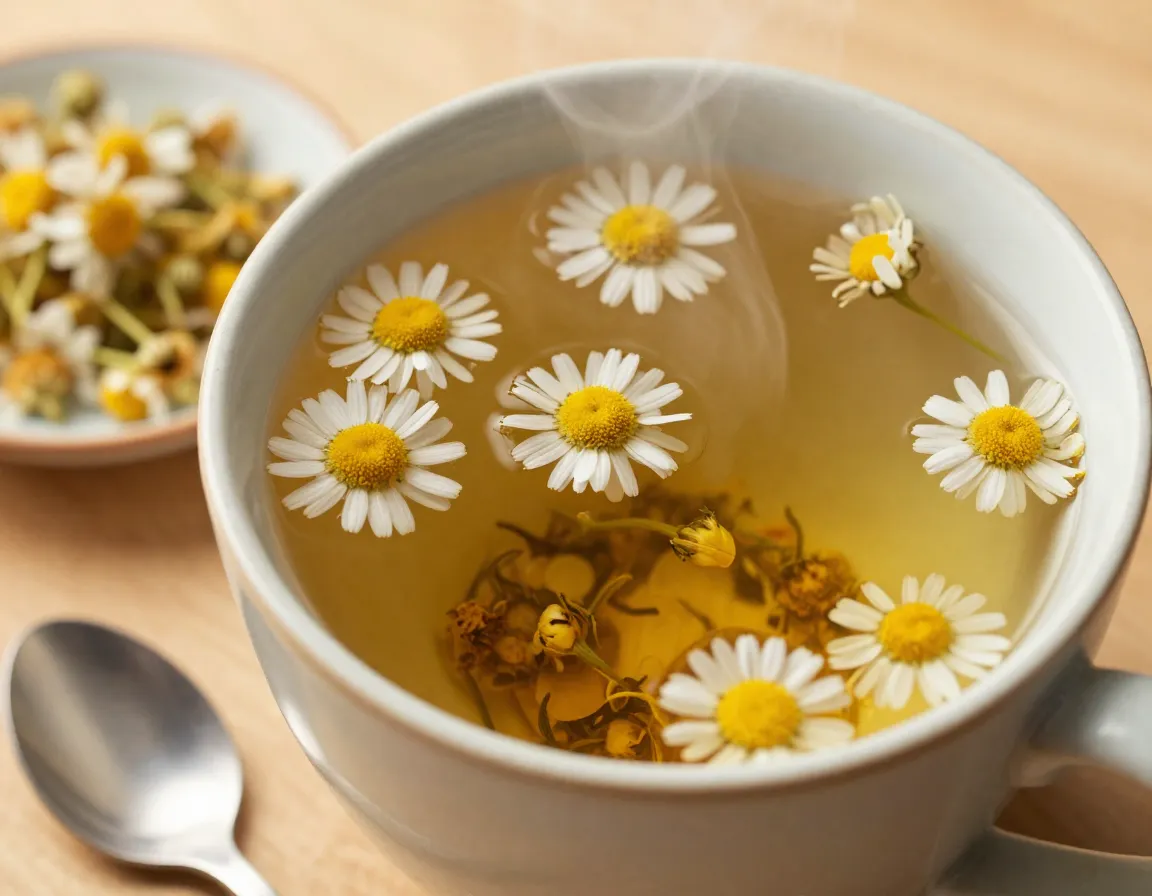
Chamomile stands as the gold standard for relaxation and sleep support[3]. This gentle flower produces a honey-scented brew that’s been used for centuries to calm nerves and promote restful sleep.
Key Benefits:
- Reduces anxiety and promotes relaxation
- Improves sleep quality and duration
- Supports digestive health
- Contains anti-inflammatory compounds
Best Brewing Method: Steep 1-2 teaspoons of dried chamomile flowers in hot water (200°F) for 5-7 minutes. The longer steeping time allows for maximum extraction of beneficial compounds.
2. Green Tea: The Cardiovascular Champion 💚
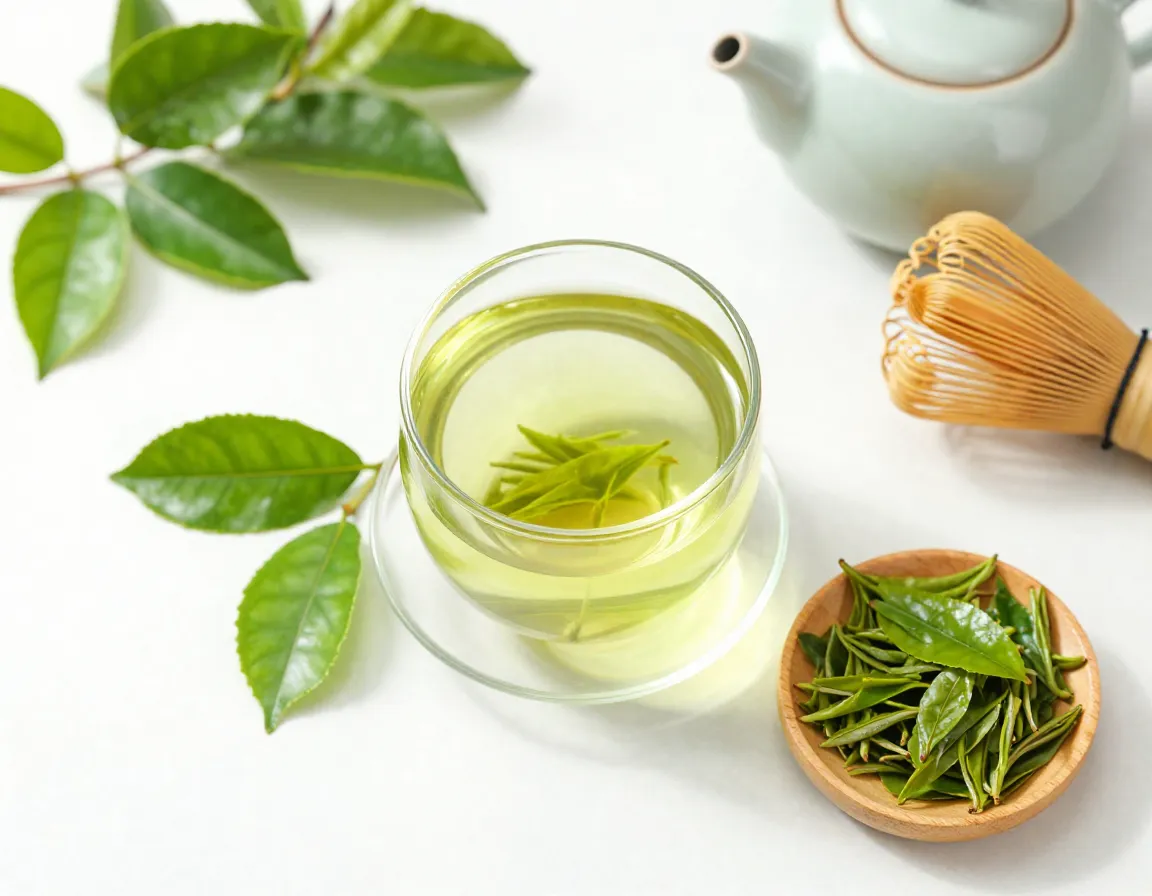
Green tea deserves its reputation as a wellness superstar. The comprehensive research shows that green tea catechins can support weight loss and improve metabolic markers in people with obesity[1][4].
Key Benefits:
- Lowers cardiovascular disease risk
- Supports healthy weight management
- Protects against cognitive decline
- Provides powerful antioxidant protection
Brewing Tip: Use water at 175°F and steep for 2-3 minutes to avoid bitterness while preserving catechins.
3. Peppermint Tea: The Digestive Soother 🌿
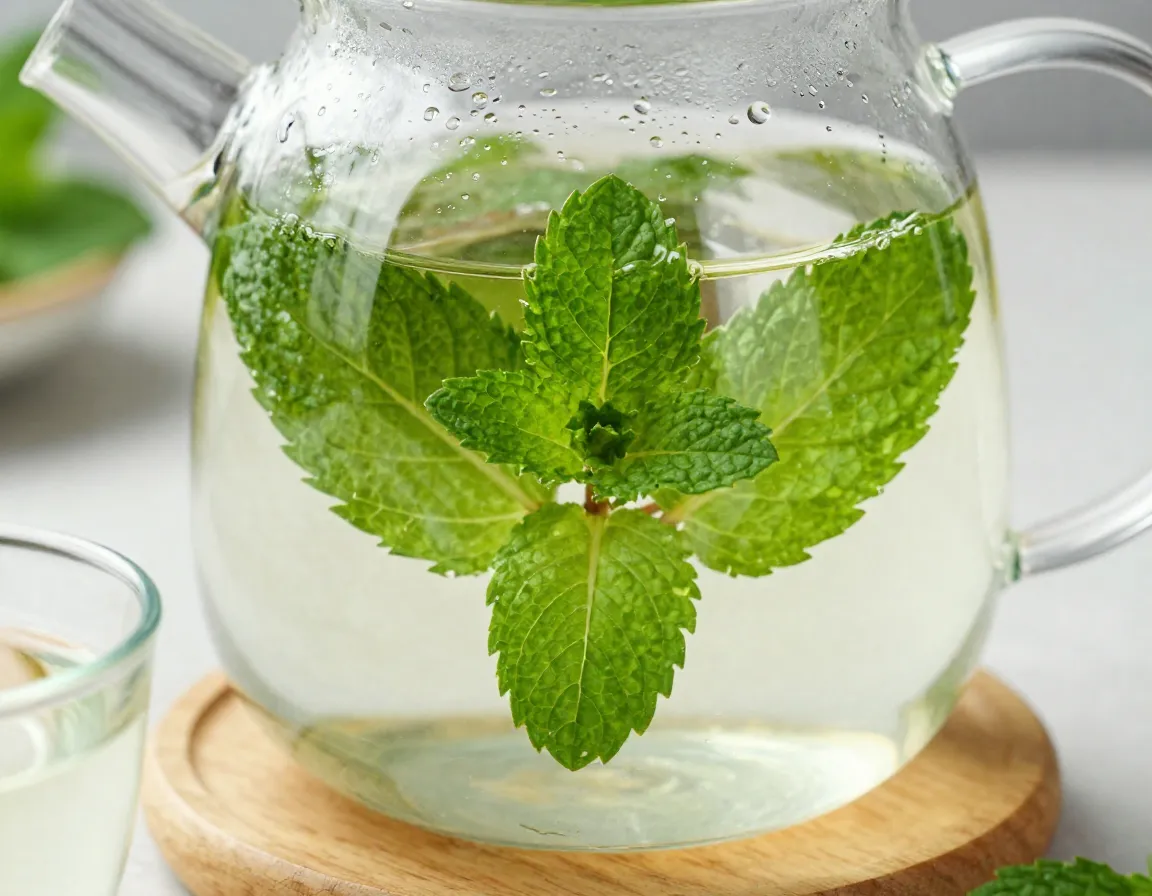
Peppermint tea aids digestion[3] and offers a refreshing way to support gastrointestinal health. Its natural menthol content provides both flavor and therapeutic benefits.
Key Benefits:
- Relieves digestive discomfort
- Reduces nausea and bloating
- Supports respiratory health
- Provides natural energy without caffeine
4. Ginger Tea: The Anti-Inflammatory Powerhouse 🔥

Ginger tea provides warmth[3] and delivers potent anti-inflammatory compounds. This spicy root has been valued in traditional medicine for thousands of years.
Key Benefits:
- Reduces inflammation throughout the body
- Supports immune system function
- Aids in nausea relief
- May help reduce muscle soreness
Preparation Method: Use fresh ginger root (1-inch piece per cup) and simmer for 10-15 minutes for maximum potency.
5. Black Tea: The Stroke Prevention Specialist ☕

Research from 2013 found that individuals consuming four or more cups of black tea daily had reduced likelihood of experiencing a stroke[3]. This makes black tea a powerful ally for cardiovascular health.
Key Benefits:
- Reduces stroke risk
- Supports heart health
- Provides sustained energy
- Contains beneficial theaflavins and thearubigins
6. Lemon Balm Tea: The Stress Reliever 🍋

Lemon balm tea relieves stress[3] and offers a citrusy, calming experience. This member of the mint family has been shown to reduce cortisol levels and promote mental clarity.
Key Benefits:
- Reduces stress and anxiety
- Improves mood and cognitive function
- Supports healthy sleep patterns
- May help with cold sore healing
7. Echinacea Tea: The Immune System Booster 🌸
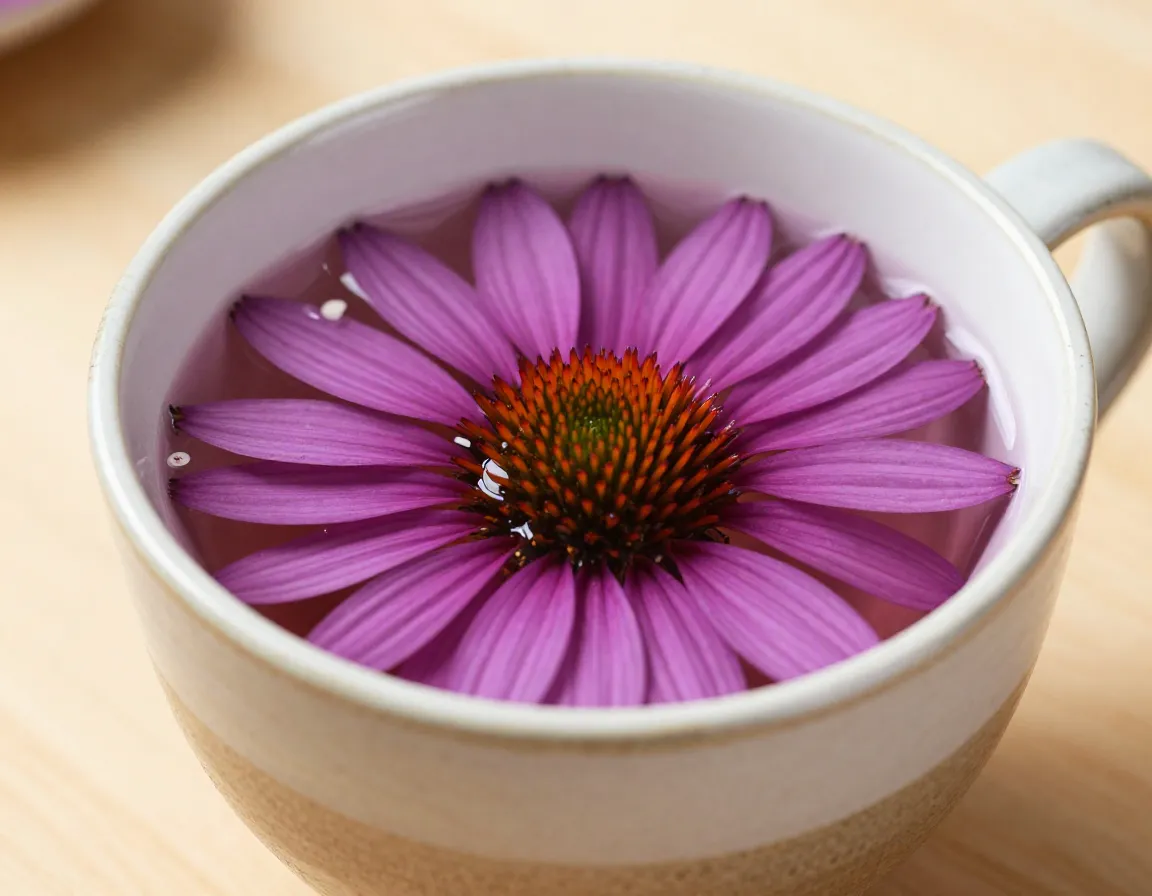
Echinacea tea enhances immune function[3] and has become increasingly popular as people seek natural ways to support their body’s defenses.
Key Benefits:
- Strengthens immune system response
- May reduce duration of cold symptoms
- Contains antimicrobial properties
- Supports overall wellness during seasonal changes
8. Hibiscus Tea: The Blood Pressure Regulator 🌺

Hibiscus tea offers a tart, cranberry-like flavor while delivering impressive cardiovascular benefits. Studies show it can help lower blood pressure naturally.
Key Benefits:
- Supports healthy blood pressure levels
- Rich in vitamin C and antioxidants
- May help lower cholesterol
- Provides natural diuretic effects
9. Rooibos Tea: The Caffeine-Free Antioxidant 🍯
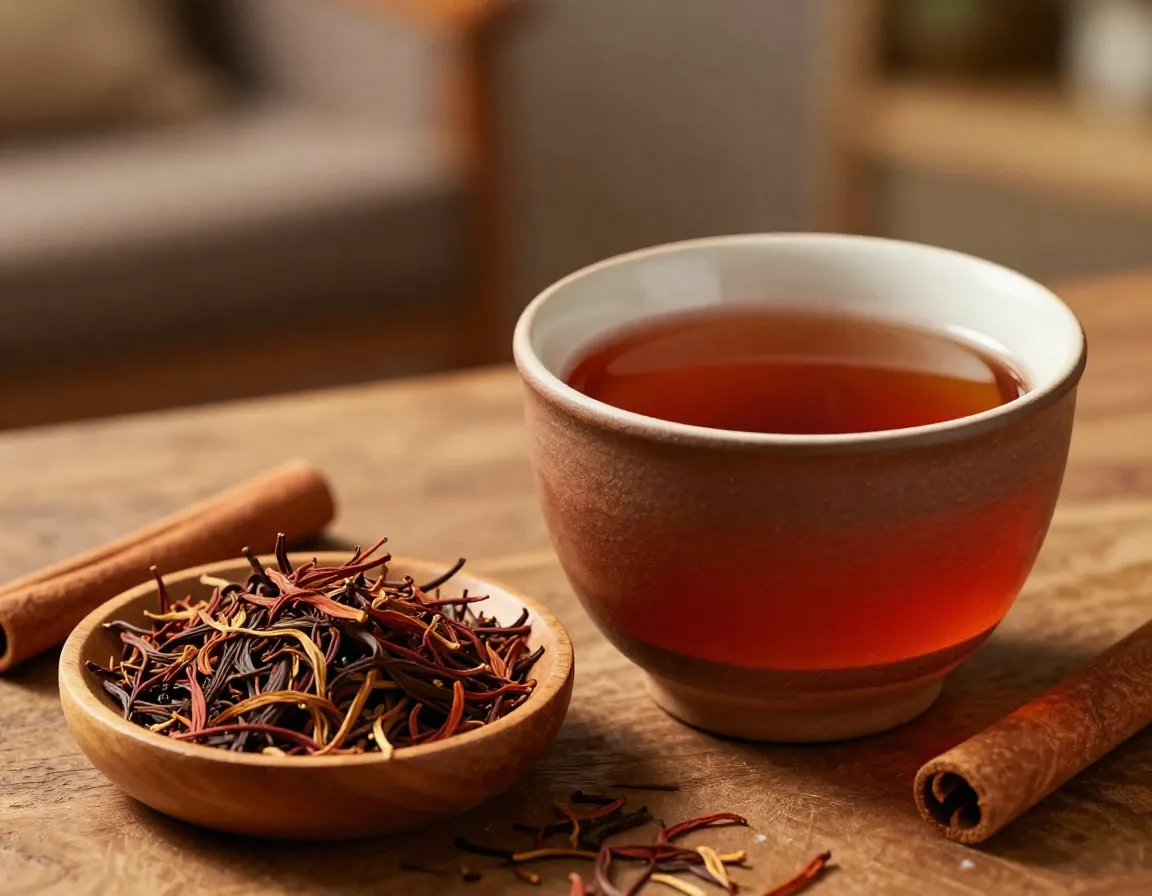
Rooibos, or red bush tea, provides a naturally sweet, caffeine-free option that’s rich in unique antioxidants not found in other teas.
Key Benefits:
- Caffeine-free option for any time of day
- Contains unique antioxidants like aspalathin
- Supports skin health
- May help regulate blood sugar levels
Maximizing Your Herbal Tea and Their Benefits Experience
Optimal Brewing Techniques
| Tea Type | Water Temperature | Steeping Time | Amount per Cup |
|---|---|---|---|
| Chamomile | 200°F | 5-7 minutes | 1-2 tsp |
| Green Tea | 175°F | 2-3 minutes | 1 tsp |
| Peppermint | 200°F | 5-10 minutes | 1 tbsp fresh |
| Ginger | Simmer | 10-15 minutes | 1-inch piece |
| Black Tea | 200°F | 3-5 minutes | 1 tsp |
Creating Your Personal Tea Wellness Routine
Morning Energizers: Start with green or black tea to support metabolism and provide gentle caffeine
Afternoon Digestives: Choose peppermint or ginger after meals
Evening Relaxers: Wind down with chamomile or lemon balm
Immune Support: Incorporate echinacea during seasonal transitions
Quality Matters: Choosing the Right Products
When selecting teas for your wellness journey, prioritize:
- Organic certification to avoid pesticide residues
- Whole-leaf varieties over tea bags when possible
- Reputable suppliers who provide sourcing information
- Fresh products with clear expiration dates
The Future of Herbal Tea Wellness
As we move through 2026, the intersection of traditional herbal wisdom and modern scientific research continues to validate what many cultures have known for centuries: tea is medicine. The 30% increase in functional herbal tea sales reflects a broader shift toward preventive health approaches[3].
Emerging research suggests that the benefits of regular tea consumption extend beyond what we currently understand. Scientists are investigating tea’s potential role in:
- Longevity and healthy aging
- Mental health and cognitive protection
- Metabolic health and diabetes prevention
- Cancer prevention and treatment support
Conclusion
Herbal Tea and Their Benefits: The Ultimate 9-Tea Guide for Wellness represents more than just a beverage choice—it’s an investment in your long-term health and daily well-being. From chamomile’s sleep-promoting properties to green tea’s cardiovascular protection, each cup offers unique therapeutic benefits backed by scientific research.
The evidence is clear: regular consumption of properly brewed, whole-leaf teas can support multiple aspects of health, from reducing chronic disease risk to promoting better sleep and stress management. As functional herbal tea sales continue to surge, more people are discovering that wellness can be as simple as brewing the right cup at the right time.
Your Next Steps:
- Choose 2-3 teas from this guide that address your specific wellness goals
- Source high-quality, organic varieties from reputable suppliers
- Establish a consistent brewing routine using proper temperatures and timing
- Track your experience and adjust your tea selection based on how you feel
- Consult with healthcare providers about incorporating therapeutic teas into your wellness plan
Remember, the journey to better health doesn’t require dramatic changes—sometimes it starts with something as simple and enjoyable as the perfect cup of tea. Make 2026 the year you harness the ancient wisdom and modern science behind herbal tea wellness.
References
[1] Freshly Brewed Tea May Support Longterm Health Research Shows – https://www.powershealth.org/about-us/newsroom/health-library/2026/01/29/freshly-brewed-tea-may-support-longterm-health-research-shows
[2] Study Found Tea Absolutely Packed 232700178 – https://www.aol.com/articles/study-found-tea-absolutely-packed-232700178.html
[3] Herbal Tea Statistics – https://media.market.us/herbal-tea-statistics/
[4] sciencedaily – https://www.sciencedaily.com/releases/2026/01/260127112132.htm
[5] The Health Benefits Of Tea – https://www.eatright.org/health/wellness/healthful-habits/the-health-benefits-of-tea