
Green Tea Extract Supplement: 9 Things You Must Know Before Buying
Picture this: you’re standing in the supplement aisle, overwhelmed by dozens of green tea extract bottles, each promising miraculous health benefits. With the tea extracts market growing from $4.52 billion in 2025 to $4.83 billion in 2026, it’s clear that millions of people are turning to these supplements for their potential health benefits [6]. But before you join the millions investing in Green Tea Extract Supplement: 9 Things You Must Know Before Buying, there are crucial facts that could save you money, protect your health, and help you make an informed decision.
Key Takeaways
- EGCG is the powerhouse compound – Epigallocatechin gallate (EGCG) is responsible for most health benefits, but it degrades significantly during digestion
- Weight loss effects are modest – Expect only 1-3 pounds of additional weight loss over 12 weeks compared to placebo
- Dosage matters significantly – Green tea extracts contain 45-50% EGCG and deliver more per serving than brewed tea
- Bioavailability can be enhanced – Vitamin C may prevent catechin degradation and improve absorption
- Liver safety requires attention – EGCG concentrates in the liver and may affect certain liver enzymes
Understanding Green Tea Extract: The Science Behind the Supplement
Green tea extract supplements have captured the attention of health-conscious consumers worldwide, but understanding what you’re actually buying requires diving into the science. When considering any Green Tea Extract Supplement: 9 Things You Must Know Before Buying, the first step is understanding the active compounds that make these supplements potentially beneficial.
The magic lies in compounds called catechins, with epigallocatechin gallate (EGCG) being the star player. EGCG is the most abundant and extensively studied catechin in green tea, responsible for most of the supplement’s potential health benefits [2]. While a single cup of brewed green tea contains about 100-150 mg of polyphenols (approximately 75% EGCG), green tea extracts are concentrated to contain 45-50% EGCG, delivering significantly more of this beneficial compound per serving [2].
However, here’s where it gets interesting: catechins in green tea, including EGCG, are “significantly degraded” when subjected to simulated stomach and small intestine digestion [2]. This means that much of what you’re paying for may break down before your body can effectively use it. This degradation issue is one of the most important factors to consider when evaluating different supplement options.
1. EGCG Content and Bioavailability: The Foundation of Effectiveness
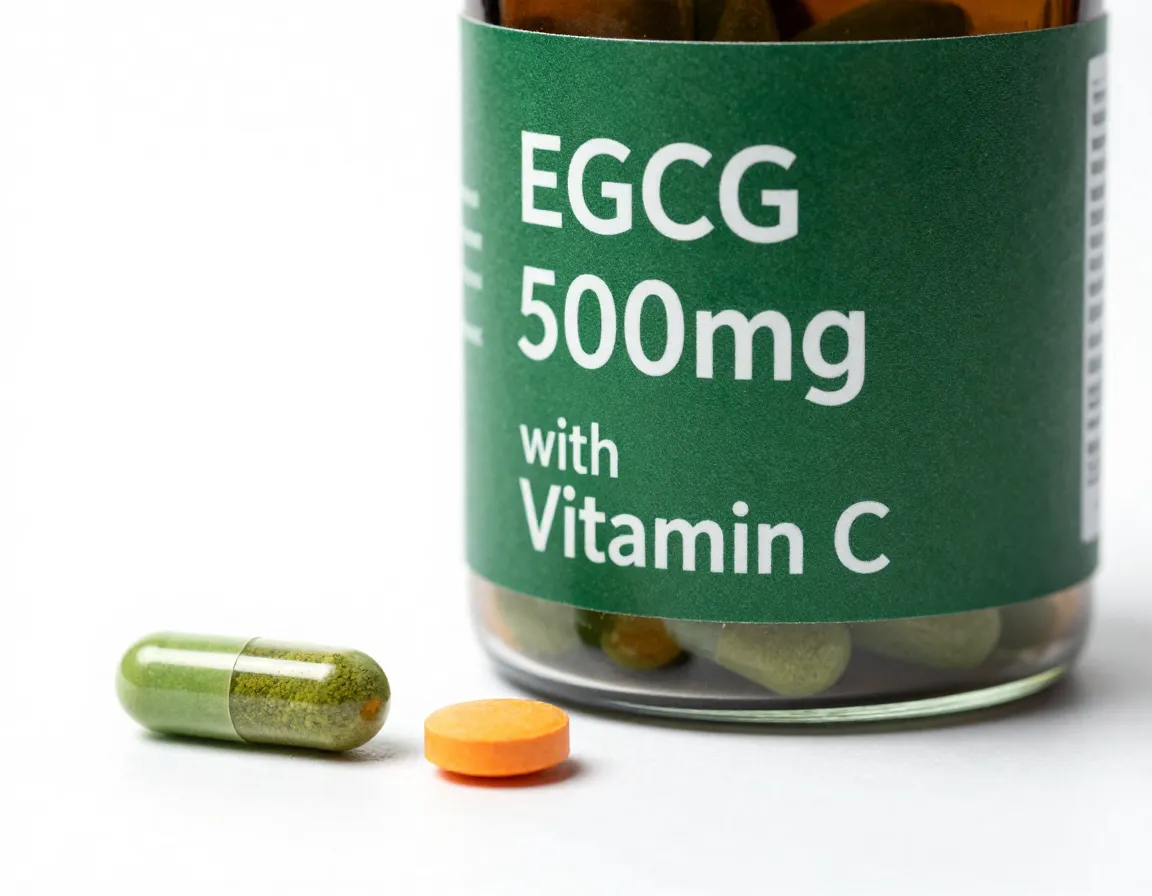
When shopping for green tea extract supplements, EGCG content should be your primary concern. Not all supplements are created equal, and the amount of bioavailable EGCG can vary dramatically between products. Look for supplements that clearly state their EGCG content on the label, typically ranging from 200mg to 500mg per serving.
The bioavailability challenge is real. Studies suggest that vitamin C (ascorbic acid) may prevent or reduce the degradation of catechins in your digestive system and increase their bioavailability [2]. This is why many high-quality green tea extract supplements now include vitamin C in their formulations. When comparing products, prioritize those that include this protective compound.
Consider these factors when evaluating EGCG content:
- Standardized extracts with guaranteed EGCG percentages
- Third-party testing for purity and potency
- Enteric coating to protect against stomach acid degradation
- Co-factors like vitamin C to enhance absorption
2. Weight Loss Expectations: Setting Realistic Goals
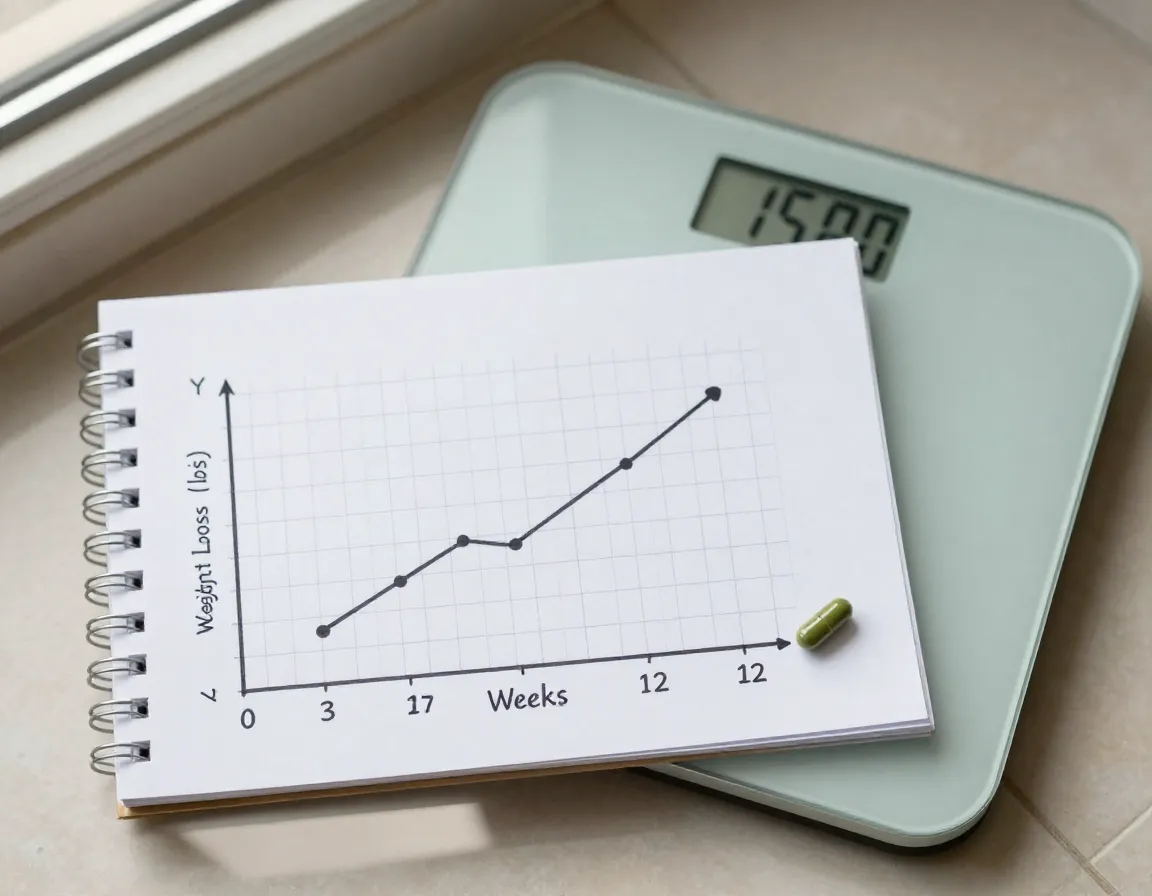
One of the most common reasons people turn to green tea extract supplements is for weight loss support. However, it’s crucial to set realistic expectations based on current research. A 12-week study on women with central obesity found that high-dose green tea extract led to significant weight loss, with most trials showing an additional 1–3 lbs of loss over 12 weeks compared to placebo [4][5].
Recent 2025 research has revealed more promising news about metabolic benefits. Green tea extract significantly improves insulin sensitivity and glucose tolerance, even in obesity models [3]. The mechanism behind these effects involves EGCG and moderate caffeine levels working together to inhibit an enzyme that interferes with norepinephrine function, a hormone involved in fat-burning [3].
Realistic Weight Loss Timeline
| Time Period | Expected Additional Weight Loss |
|---|---|
| 4 weeks | 0.3 – 1 lb |
| 8 weeks | 0.7 – 2 lbs |
| 12 weeks | 1 – 3 lbs |
Remember, these are additional losses when combined with proper diet and exercise. Green tea extract isn’t a magic bullet for weight loss, but rather a modest support tool in a comprehensive approach.
3. Dosage Guidelines: Finding Your Sweet Spot
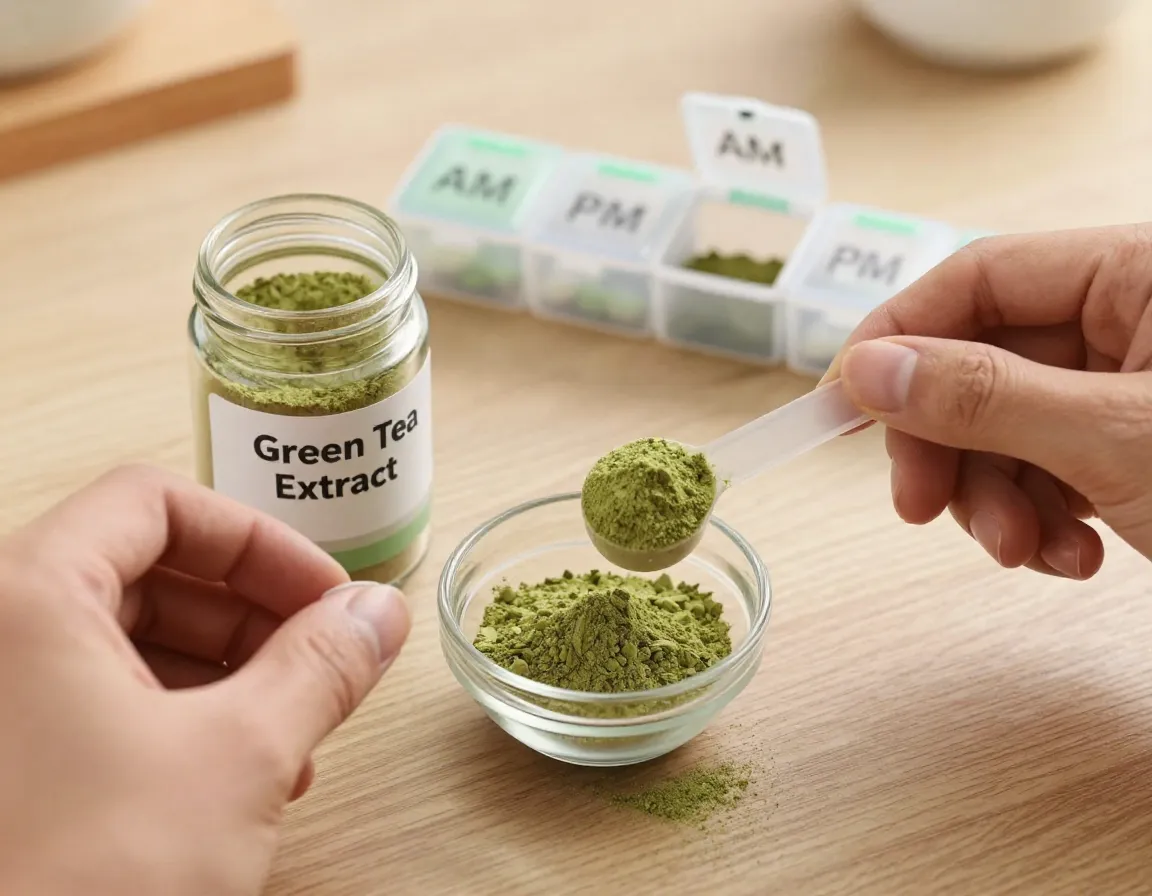
Understanding proper dosage is critical when considering any Green Tea Extract Supplement: 9 Things You Must Know Before Buying. The dosage varies significantly depending on the product type and your individual goals. Research studies have used various dosages, with some using as much as 843 mg of EGCG daily [1].
Standard dosage recommendations:
- Beginner dose: 200-300mg EGCG daily
- Moderate dose: 400-500mg EGCG daily
- High dose: 600-800mg EGCG daily (research level)
Start with a lower dose to assess your tolerance, especially regarding caffeine sensitivity. Most green tea extracts contain some caffeine, though decaffeinated versions are available. It’s important to note that EGCG concentrates in the liver four times faster than it does in your blood [2], which makes proper dosaging even more critical for safety.
Take your supplement with food to minimize potential stomach upset, and consider splitting higher doses throughout the day rather than taking one large dose.
4. Potential Side Effects and Safety Considerations

While green tea extract is generally considered safe for most people, there are important safety considerations to keep in mind. Some studies show that green tea extract increases alanine aminotransferase (ALT) levels, though the cause-and-effect relationship remains unclear [2]. ALT is a liver enzyme, and elevated levels can indicate liver stress.
Common side effects may include:
- Stomach upset or nausea (especially on empty stomach)
- Headaches from caffeine content
- Sleep disturbances if taken late in the day
- Jitteriness or anxiety in caffeine-sensitive individuals
Who should exercise extra caution:
- People with liver conditions
- Those taking blood-thinning medications
- Individuals with iron deficiency (catechins can inhibit iron absorption)
- Pregnant or breastfeeding women
If you experience any unusual symptoms, particularly related to liver function (yellowing of skin or eyes, dark urine, severe fatigue), discontinue use immediately and consult your healthcare provider.
5. Quality Standards and Third-Party Testing
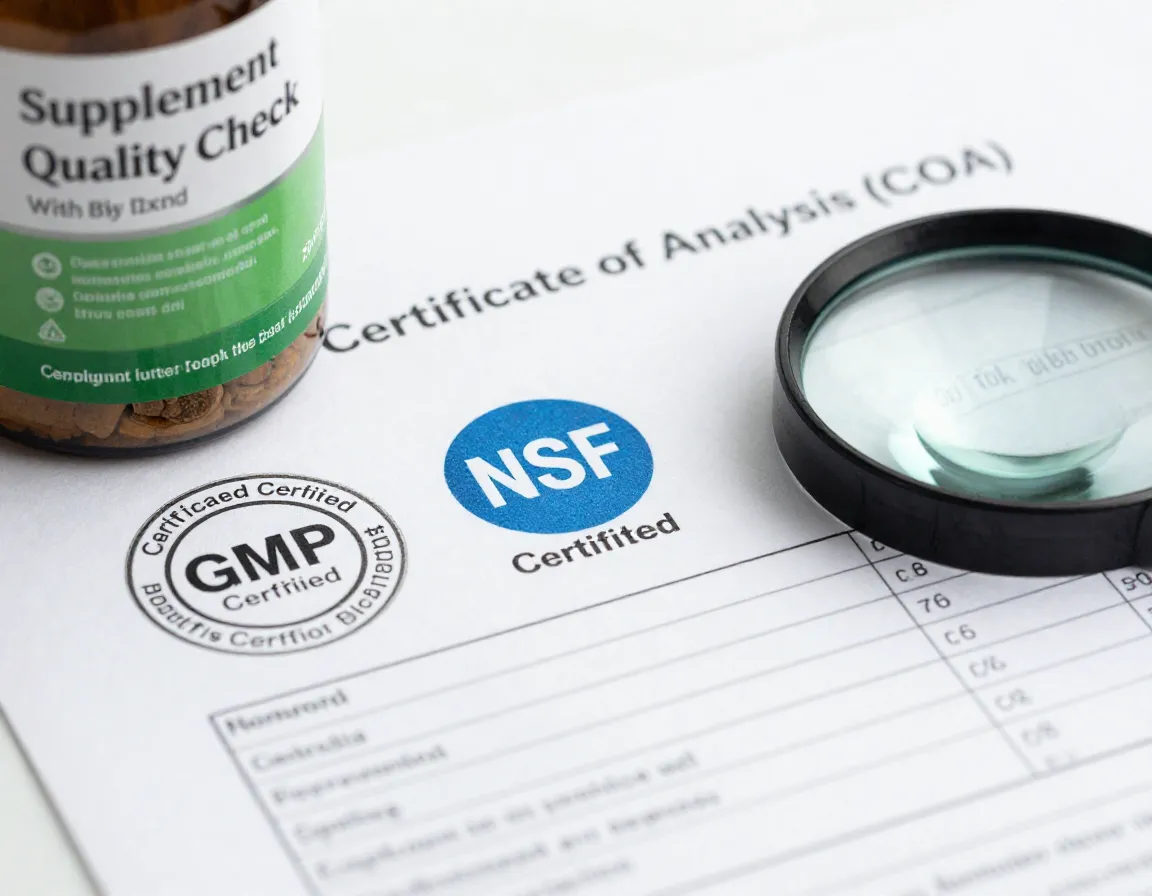
The supplement industry is largely self-regulated, making quality standards a crucial consideration when selecting a green tea extract supplement. Look for products that meet these quality benchmarks:
Essential quality markers:
- ✅ NSF International or USP Verified certification
- ✅ Third-party testing for heavy metals and contaminants
- ✅ cGMP (current Good Manufacturing Practices) facility production
- ✅ Certificate of Analysis (COA) available upon request
Avoid products that make outrageous health claims or promise unrealistic results. Quality manufacturers focus on transparency, providing detailed information about their extraction methods, testing procedures, and ingredient sourcing.
6. Timing and Interaction Considerations

When and how you take your green tea extract supplement can significantly impact its effectiveness. Timing matters for both absorption and avoiding potential interactions with other supplements or medications.
Optimal timing strategies:
- Morning: Best for metabolism support and energy
- Pre-workout: 30-45 minutes before exercise for fat-burning support
- Between meals: Enhances absorption but may cause stomach upset in sensitive individuals
- Avoid evening: Caffeine content may interfere with sleep
Important interactions to consider:
- Iron supplements: Take at least 2 hours apart
- Blood thinners: Consult your doctor before starting
- Stimulant medications: May amplify effects
- Other caffeine sources: Monitor total daily caffeine intake
7. Inflammation and Immune Support: What the Latest Research Shows
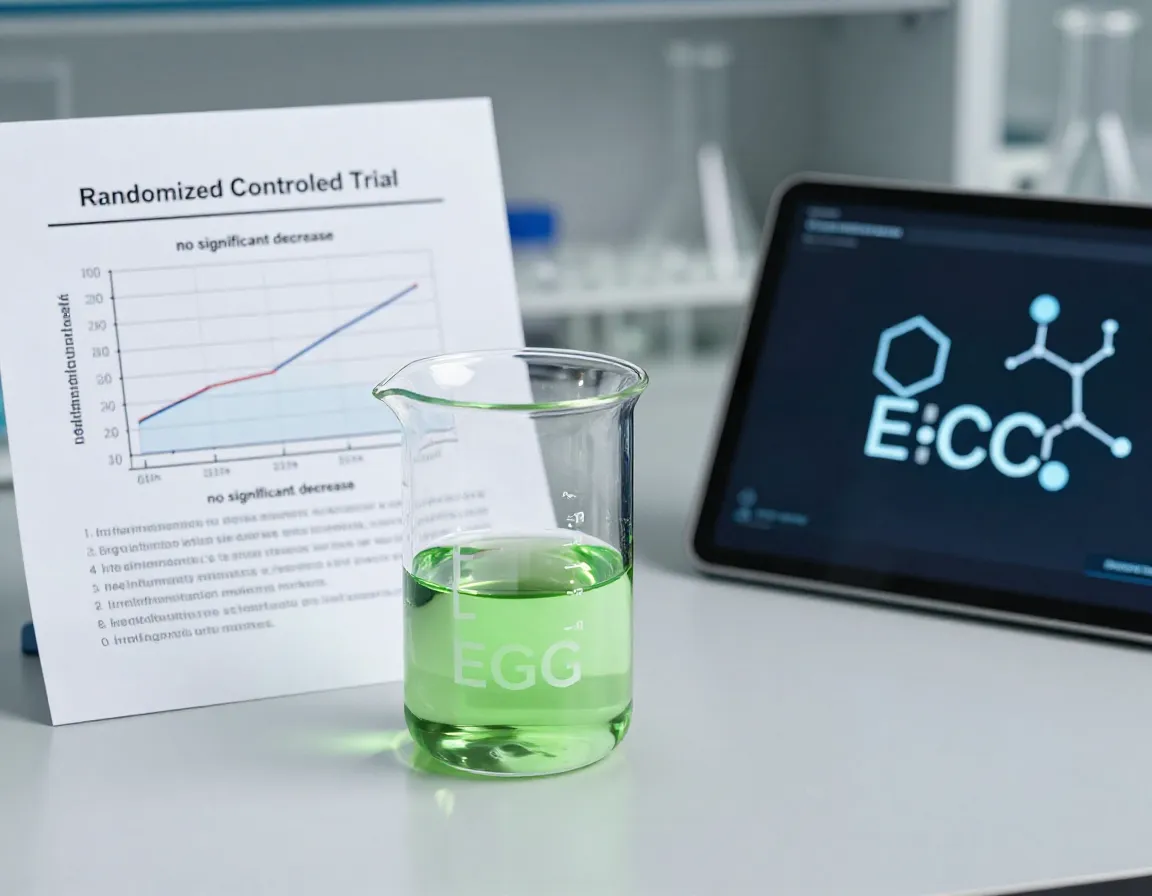
Recent research has provided mixed results regarding green tea extract’s anti-inflammatory effects. A January 2026 randomized controlled trial found that a high-dose green tea extract supplement (843 mg EGCG daily) consumed for one year did not significantly decrease inflammatory cytokines (C-reactive protein, interleukin-6, or tumor necrosis factor-alpha) among postmenopausal women with overweight or obesity [1].
This finding is important because it challenges some of the earlier, more optimistic claims about green tea extract’s anti-inflammatory properties. Interestingly, the study also found that the COMT (catechol-O-methyltransferase) genotype, which influences EGCG metabolism, did not significantly modify the effects [1].
However, this doesn’t mean green tea extract lacks immune support benefits. The research specifically focused on certain inflammatory markers in a specific population. Other studies have shown benefits for:
- Antioxidant activity
- Cellular protection
- General immune system support
8. Cost-Effectiveness: Getting the Best Value
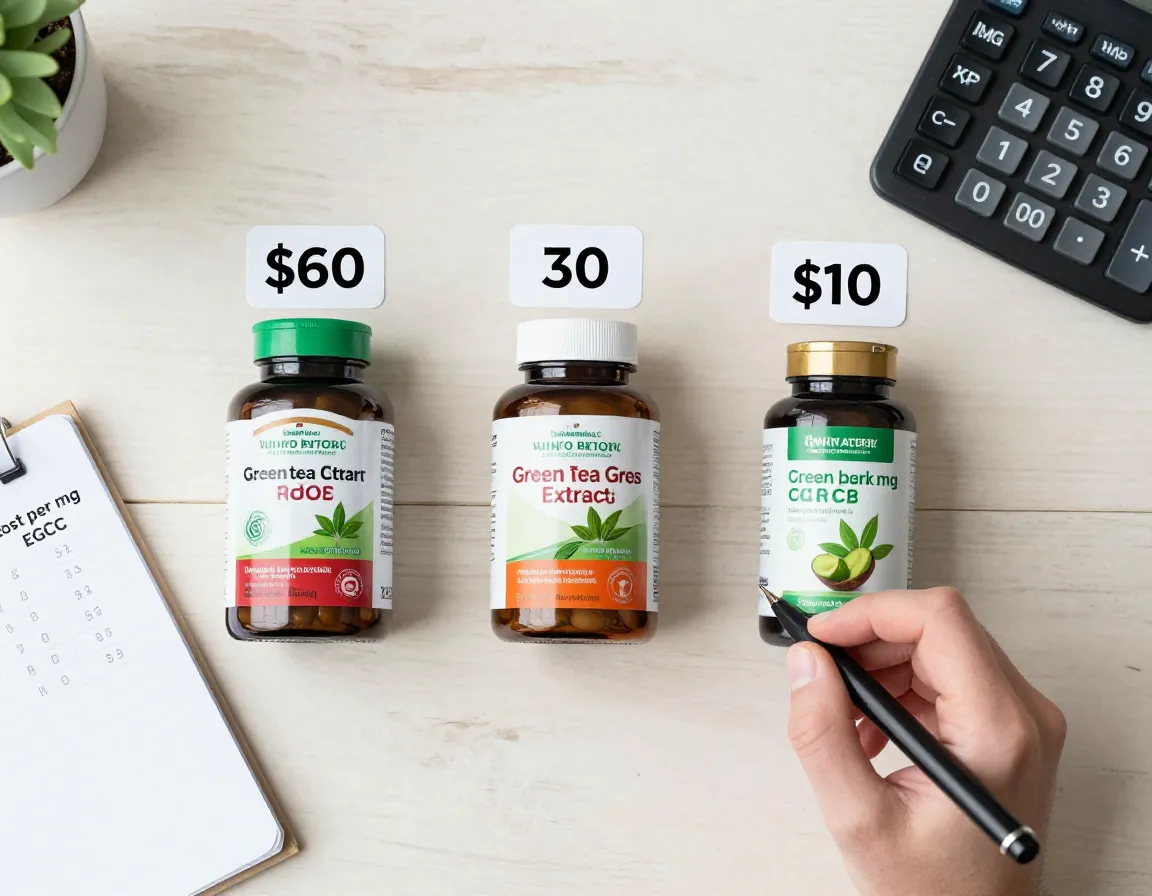
With prices ranging from $10 to $60+ per bottle, understanding cost-effectiveness is crucial when considering any Green Tea Extract Supplement: 9 Things You Must Know Before Buying. Don’t just look at the bottle price – calculate the cost per serving and cost per milligram of EGCG.
Value calculation factors:
- Cost per mg of EGCG: Divide total price by total EGCG content
- Servings per container: More isn’t always better if potency is low
- Additional beneficial ingredients: Vitamin C, other antioxidants
- Quality certifications: May justify higher costs
Budget-friendly alternatives:
- High-quality loose leaf green tea (though with lower EGCG concentration)
- Powder forms (often more cost-effective than capsules)
- Bulk purchasing from reputable manufacturers
Remember that the cheapest option isn’t always the most economical if it lacks potency or quality standards.
9. Choosing the Right Form: Capsules, Powders, or Liquid Extracts
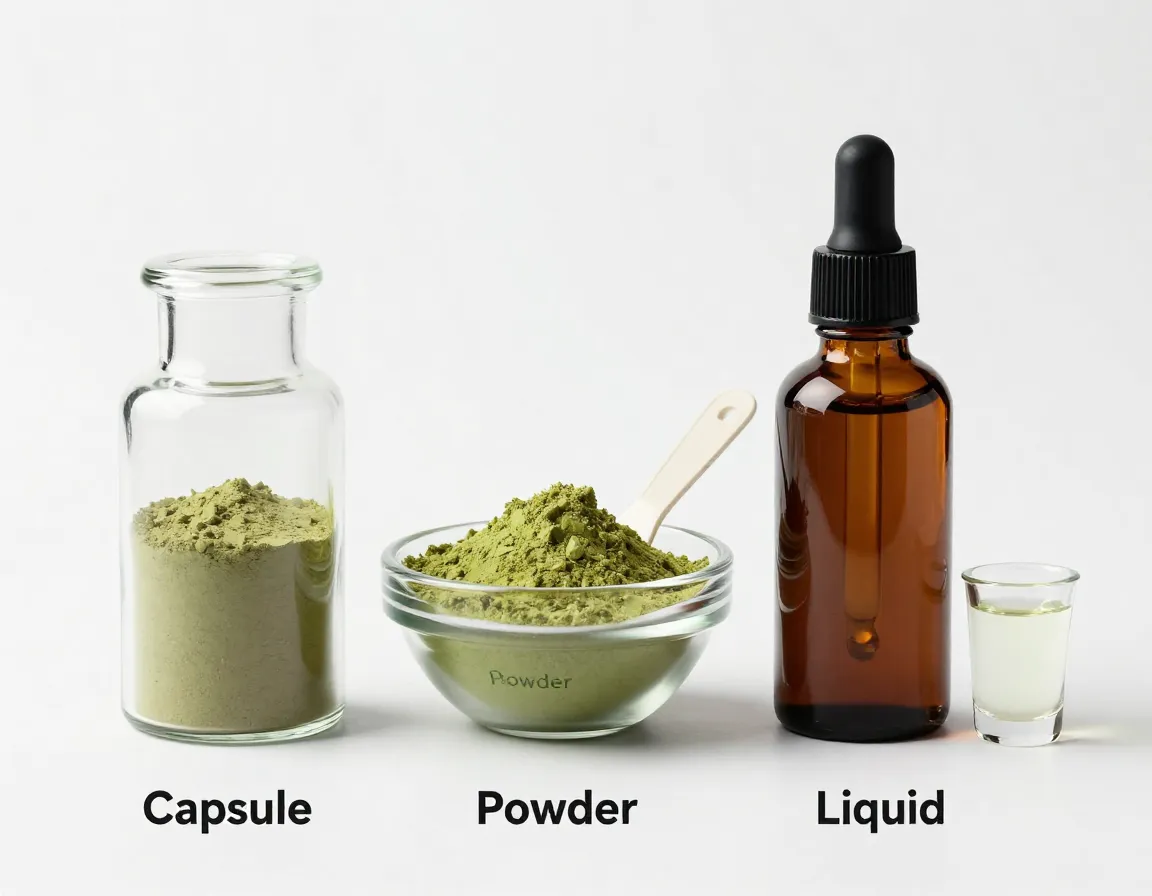
Green tea extract supplements come in various forms, each with distinct advantages and disadvantages. Your choice should align with your lifestyle, preferences, and specific health goals.
Capsule/Tablet Forms:
- ✅ Convenient and precise dosing
- ✅ No taste concerns
- ✅ Longer shelf life
- ❌ May have lower bioavailability
- ❌ Often contain fillers
Powder Forms:
- ✅ Higher bioavailability potential
- ✅ Can be mixed with vitamin C-rich juices
- ✅ Often more cost-effective
- ❌ Bitter taste
- ❌ Less convenient for travel
Liquid Extracts:
- ✅ Fastest absorption
- ✅ Easy to adjust dosage
- ❌ Shorter shelf life
- ❌ Often more expensive
- ❌ May contain alcohol or preservatives
For most people, high-quality capsules with enteric coating provide the best balance of convenience, effectiveness, and value. However, if you’re particularly concerned about bioavailability, powder forms mixed with vitamin C-rich beverages may be worth the extra effort.
Making Your Decision: A Practical Approach
Now that you understand the key considerations for any Green Tea Extract Supplement: 9 Things You Must Know Before Buying, it’s time to make an informed decision. Start by honestly assessing your goals, budget, and commitment level.
Decision-making checklist:
- ✅ Clearly defined health goals (weight support, antioxidants, etc.)
- ✅ Realistic expectations based on research evidence
- ✅ Budget allocation for 3-6 months of consistent use
- ✅ Understanding of potential side effects and interactions
- ✅ Commitment to proper timing and dosage
Remember, supplements work best as part of a comprehensive approach to health that includes proper nutrition, regular exercise, adequate sleep, and stress management.
Conclusion
Navigating the world of green tea extract supplements doesn’t have to be overwhelming when you’re armed with the right information. The Green Tea Extract Supplement: 9 Things You Must Know Before Buying covered in this article provide a solid foundation for making an informed decision that aligns with your health goals and budget.
Key action steps to take:
- Start with realistic expectations – expect modest benefits, not miraculous transformations
- Prioritize quality over price – look for third-party tested products with clear EGCG content
- Consider bioavailability enhancers – choose products with vitamin C or enteric coating
- Begin with conservative dosing – start low and gradually increase as tolerated
- Monitor your response – pay attention to both benefits and any side effects
- Consult your healthcare provider – especially if you have existing health conditions or take medications
The supplement industry will continue to evolve, with new research emerging regularly. Stay informed, remain skeptical of outrageous claims, and remember that the best supplement is one that fits seamlessly into a healthy lifestyle you can maintain long-term.
Whether you decide to try green tea extract supplements or stick with traditional brewed green tea, the most important factor is consistency. Small, sustainable changes often yield better results than dramatic interventions that are difficult to maintain.
References
[1] pubmed.ncbi.nlm.nih.gov – https://pubmed.ncbi.nlm.nih.gov/41515260/
[2] Best Green Tea Extract – https://www.innerbody.com/best-green-tea-extract
[3] Does Green Tea Help With Weight Loss – https://www.cleaneatzkitchen.com/a/blog/does-green-tea-help-with-weight-loss
[4] Supplements Assist Weight Loss – https://globalcitieshub.org/en/lfreviewsvhm/supplements-assist-weight-loss
[5] Index – https://sisleducation.stanford.edu/index.html?p=green-tea-weight-loss-in-1-month-what-results-real-people-actually-see-in-2026-698b719ae4a7c
[6] Tea Extracts Global Market Report – https://www.thebusinessresearchcompany.com/report/tea-extracts-global-market-report