
8 Traditional Benefits of Red Raspberry Leaf Tea for Women’s Health
For centuries, women have turned to nature’s pharmacy for gentle yet effective solutions to support their health journey. Among the most treasured herbal remedies stands red raspberry leaf tea—a time-honored beverage that has quietly supported women through every stage of life, from adolescence through menopause and beyond. The 8 traditional benefits of red raspberry leaf tea for women’s health represent generations of wisdom passed down from mother to daughter, midwife to expectant mother, and healer to patient.

This remarkable herb, scientifically known as Rubus idaeus, offers far more than its sweet, earthy flavor. Rich in vitamins, minerals, and powerful plant compounds, red raspberry leaf tea has earned its reputation as nature’s gentle ally for women’s wellness. From easing monthly discomfort to supporting the incredible journey of pregnancy and childbirth, this humble leaf continues to provide comfort and strength to women worldwide in 2026.
Key Takeaways
- Red raspberry leaf tea contains fragarine, a compound that helps tone uterine muscles and may ease menstrual cramping and discomfort
- Rich in essential nutrients including vitamins A, B-complex, C, D, E, plus calcium, iron, potassium, and magnesium that support overall women’s health
- Traditional pregnancy support includes potential benefits for labor preparation, though consultation with healthcare providers is essential
- Antioxidant properties help combat inflammation and support general wellness throughout different life stages
- Gentle digestive support makes it suitable for daily consumption as part of a healthy lifestyle routine
Understanding Red Raspberry Leaf Tea’s Nutritional Foundation
Before exploring the 8 traditional benefits of red raspberry leaf tea for women’s health, it’s important to understand what makes this herb so special. Red raspberry leaves are nutritional powerhouses packed with compounds that specifically support women’s physiological needs [2][3].
The leaves contain an impressive array of vitamins and minerals essential for women’s health:
- Vitamin A for reproductive health and immune function
- B-complex vitamins for energy metabolism and stress management
- Vitamin C for antioxidant protection and iron absorption
- Calcium and magnesium for bone health and muscle function
- Iron to support healthy blood levels
- Potassium for cardiovascular and muscle health
Perhaps most importantly, red raspberry leaves contain fragarine, a unique alkaloid compound that has a specific affinity for the female reproductive system. This compound is believed to be responsible for many of the herb’s traditional benefits for women’s health [7].
The tannins and flavonoids present in the leaves provide additional antioxidant and anti-inflammatory properties, making red raspberry leaf tea a comprehensive wellness beverage rather than just a pleasant drink [2][3].
The First Four: Core Women’s Health Benefits
1. Menstrual Health Support and Cycle Regulation
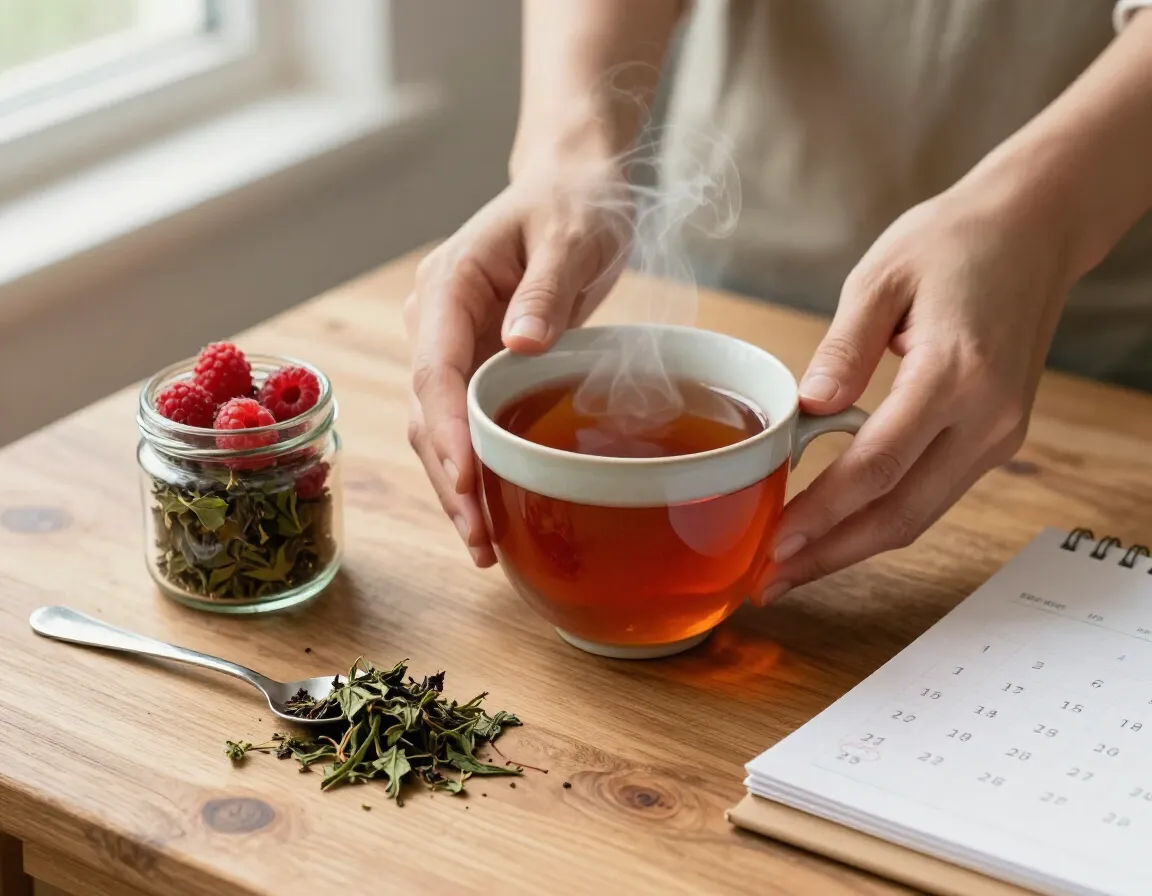
One of the most well-documented traditional uses of red raspberry leaf tea involves menstrual health support. Women have long relied on this gentle herb to help regulate irregular cycles and ease the discomfort that often accompanies monthly periods [2][3].
The fragarine compound found in red raspberry leaves is particularly beneficial for menstrual health. This alkaloid works by:
- Toning uterine muscles to promote more efficient contractions
- Reducing excessive menstrual bleeding through improved muscle coordination
- Easing cramping by supporting proper muscle function
- Minimizing nausea that sometimes accompanies menstrual periods [7]
Many women report that regular consumption of red raspberry leaf tea helps create more predictable, comfortable cycles. The herb’s gentle action makes it suitable for long-term use, allowing women to incorporate it into their daily routine for ongoing menstrual support.
💡 Tip: Start drinking 1-2 cups daily beginning a week before your expected period for maximum benefit.
2. PMS Symptom Relief and Emotional Balance

Premenstrual syndrome affects millions of women, causing a range of uncomfortable symptoms that can significantly impact quality of life. The traditional benefits of red raspberry leaf tea extend to comprehensive PMS relief, addressing both physical and emotional symptoms [1][4][5].
Women have reported improvements in multiple PMS symptoms when using red raspberry leaf tea regularly:
Physical Symptoms:
- Reduced bloating and water retention
- Less breast tenderness and swelling
- Decreased cramping intensity
- Relief from digestive upset and diarrhea
Emotional Symptoms:
- Reduced irritability and mood swings
- Better stress management
- Improved energy levels
- Enhanced emotional stability
The B-complex vitamins in red raspberry leaves play a crucial role in supporting the nervous system and helping the body manage stress more effectively. This nutritional support can be particularly valuable during the hormonal fluctuations that characterize the premenstrual phase [2][3].
3. Antioxidant Protection and Anti-Inflammatory Support
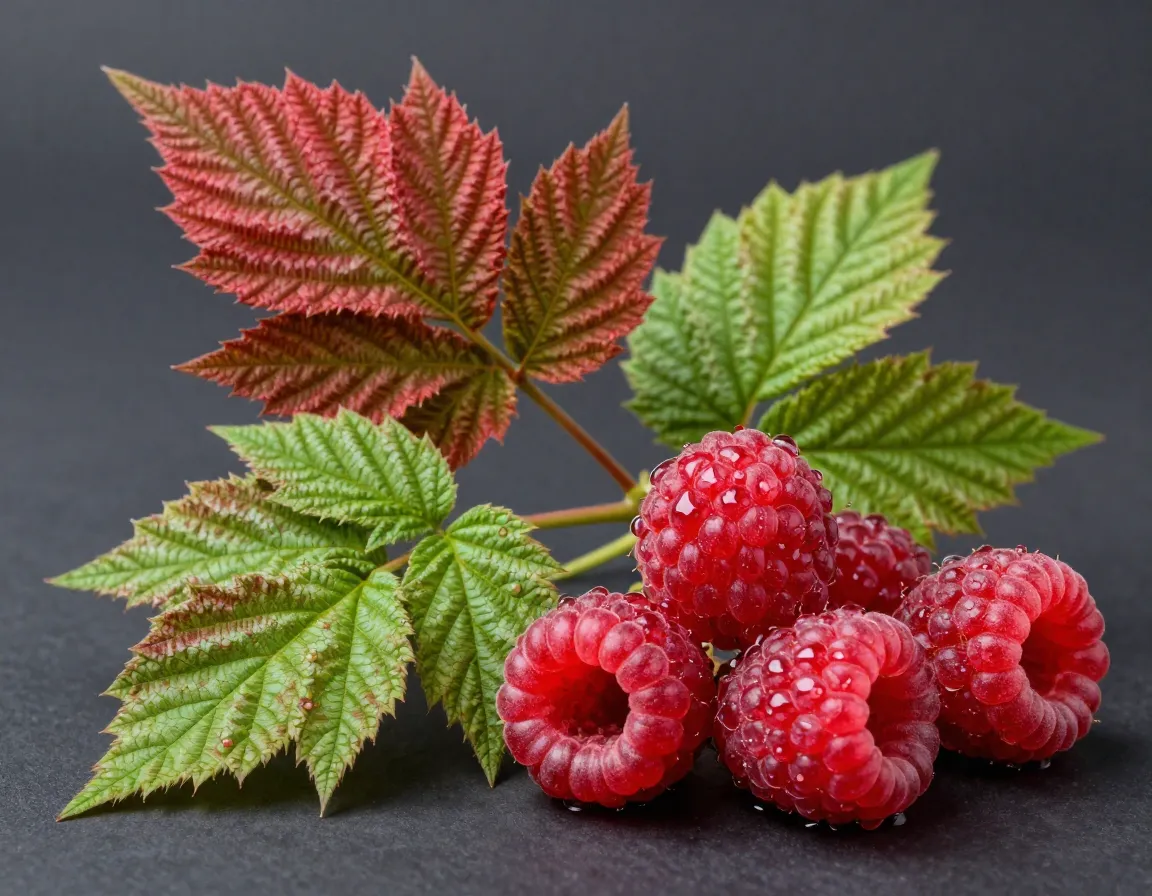
Modern research has validated what traditional healers have long known—red raspberry leaves are rich in powerful antioxidants that support overall health and wellness. These compounds help protect women’s bodies from oxidative stress and inflammation, which can contribute to various health concerns [2][3].
The antioxidant profile of red raspberry leaf tea includes:
- Vitamin C for immune system support
- Vitamin E for cellular protection
- Flavonoids for cardiovascular health
- Tannins for anti-inflammatory effects
This antioxidant activity is particularly important for women, who may face increased oxidative stress during certain life stages such as pregnancy, breastfeeding, and menopause. Regular consumption of red raspberry leaf tea provides gentle, ongoing antioxidant support that complements a healthy lifestyle.
Research Note: The anti-inflammatory properties of red raspberry leaves may help reduce systemic inflammation, which is linked to various chronic health conditions affecting women.
4. Digestive Health and Gastrointestinal Comfort

The fourth core benefit among the 8 traditional benefits of red raspberry leaf tea for women’s health involves digestive support. Many women experience digestive sensitivity related to hormonal fluctuations, stress, or other factors, and red raspberry leaf tea offers gentle relief for various gastrointestinal concerns [3].
Traditional uses for digestive health include:
- Soothing indigestion and stomach upset
- Reducing diarrhea and loose stools
- Calming gastrointestinal inflammation
- Supporting overall digestive comfort
The tannins present in red raspberry leaves have a mild astringent effect that can help tone and strengthen the digestive tract. This action, combined with the herb’s anti-inflammatory properties, makes it particularly useful for women who experience digestive issues related to their menstrual cycle or stress levels.
Pregnancy, Postpartum, and Beyond: Four Additional Benefits
5. Pregnancy Support and Uterine Toning

Perhaps the most famous traditional use of red raspberry leaf tea involves pregnancy support and preparation for childbirth. For generations, midwives and herbalists have recommended this gentle herb as a uterine tonic, believing it helps prepare the body for the demands of labor and delivery [3][8].
Traditional pregnancy benefits include:
- Uterine muscle toning for more efficient contractions
- Potential reduction in labor duration
- Support for overall reproductive health
- Nutritional support during pregnancy
An Australian survey found that 38% of pregnant women used red raspberry leaf tea, highlighting its continued popularity among expectant mothers [3]. However, it’s crucial to note that pregnant women should always consult with their healthcare providers before using any herbal remedies, including red raspberry leaf tea.
⚠️ Important: Most practitioners recommend starting red raspberry leaf tea in the third trimester, typically around 32-34 weeks of pregnancy, and only with medical approval.
The fragarine compound is believed to be responsible for the herb’s effects on uterine muscle tone. By supporting proper muscle function, red raspberry leaf tea may help the uterus work more efficiently during labor, potentially leading to shorter, more manageable births [7][8].
6. Postpartum Recovery and Healing

The journey doesn’t end with childbirth, and red raspberry leaf tea continues to offer support during the postpartum recovery period. Traditional uses during this time focus on helping the body heal and return to its pre-pregnancy state while supporting the demands of new motherhood [1][2].
Postpartum benefits include:
- Uterine involution support (helping the uterus return to normal size)
- Energy level maintenance during the demanding newborn period
- Breastmilk supply support through nutritional content
- Recovery from postpartum anemia through iron content
The iron content in red raspberry leaves is particularly valuable for new mothers, who may experience low iron levels following childbirth. Combined with vitamin C for enhanced absorption, this natural iron source can help support healthy blood levels during recovery [2].
Many women find that continuing to drink red raspberry leaf tea postpartum helps them maintain energy levels while providing ongoing nutritional support during breastfeeding. The gentle, nourishing properties of the herb make it an ideal addition to a postpartum wellness routine.
7. Fertility Support and Reproductive Health

Traditional herbalists have long valued red raspberry leaf tea for its potential fertility-supporting properties. While scientific research in this area is limited, generations of women have used this herb as part of their natural approach to reproductive health and fertility optimization [2].
Traditional fertility benefits include:
- Uterine wall strengthening and toning
- Reproductive system nourishment through rich mineral content
- Hormonal balance support through nutritional factors
- Overall reproductive health maintenance
The comprehensive nutritional profile of red raspberry leaves provides many of the vitamins and minerals essential for optimal reproductive function. The combination of B-complex vitamins, iron, calcium, and magnesium creates a foundation of nutritional support that may benefit women trying to conceive.
Holistic Approach: Many fertility specialists recommend red raspberry leaf tea as part of a comprehensive approach that includes proper nutrition, stress management, and regular healthcare monitoring.
8. General Wellness and Stress Management

The final benefit among the 8 traditional benefits of red raspberry leaf tea for women’s health encompasses overall wellness and stress management. In our fast-paced world of 2026, women face numerous stressors that can impact their health and well-being, making gentle, natural support more valuable than ever [2][3].
General wellness benefits include:
- Mild tonic effects for overall vitality
- Stress relief support through B-vitamin content
- Daily nutritional supplementation
- Gentle, sustainable wellness support
The B-complex vitamins in red raspberry leaves play a crucial role in supporting the nervous system and helping the body manage stress more effectively. These nutrients are often depleted during times of stress, making regular consumption of nutrient-rich herbs like red raspberry leaf particularly beneficial.
Unlike stimulating herbs or supplements, red raspberry leaf tea provides gentle, sustained support that can be incorporated into daily routines without concern about overstimulation or dependency. This makes it an ideal choice for women seeking natural wellness support they can rely on long-term.
How to Incorporate Red Raspberry Leaf Tea Into Your Routine
Making the 8 traditional benefits of red raspberry leaf tea for women’s health part of your wellness routine is simple and enjoyable. Here are practical guidelines for incorporating this beneficial herb into your daily life:
Preparation Methods
Hot Tea Preparation:
- Use 1 teaspoon of dried leaves per cup of boiling water
- Steep for 5-10 minutes for optimal extraction
- Strain and enjoy hot or allow to cool for iced tea
Cold Brew Method:
- Combine 2 tablespoons of dried leaves with 2 cups cold water
- Refrigerate for 4-6 hours or overnight
- Strain and serve over ice
Dosage Guidelines
General Wellness: 1-2 cups daily
Menstrual Support: 2-3 cups daily, starting one week before expected period
Pregnancy Support: Consult healthcare provider for appropriate timing and dosage
Quality and Sourcing
When selecting red raspberry leaf tea, choose organic, high-quality sources to ensure you receive maximum benefits. Look for suppliers who provide information about harvesting and processing methods, and avoid products with unnecessary additives or fillers.
Safety Considerations and Precautions
While red raspberry leaf tea is generally considered safe for most women, certain precautions should be observed:
Who Should Exercise Caution
- Pregnant women should consult healthcare providers before use
- Women with hormone-sensitive conditions should seek medical advice
- Those taking medications should check for potential interactions
- Women with allergies to plants in the rose family should avoid use
Potential Side Effects
Most women tolerate red raspberry leaf tea well, but some may experience:
- Mild digestive upset when first starting
- Changes in menstrual timing or flow
- Allergic reactions in sensitive individuals
Always start with small amounts and gradually increase to assess your individual tolerance.
Conclusion
The 8 traditional benefits of red raspberry leaf tea for women’s health represent centuries of accumulated wisdom about natural wellness support. From menstrual health and PMS relief to pregnancy support and general wellness, this remarkable herb offers gentle yet effective benefits that align with women’s physiological needs throughout their lives.
As we navigate the complexities of modern life in 2026, the appeal of time-tested, natural remedies continues to grow. Red raspberry leaf tea provides an accessible, affordable, and gentle way to support women’s health naturally, without the side effects often associated with pharmaceutical interventions.
Your Next Steps
Ready to experience the benefits of red raspberry leaf tea for yourself? Here’s how to get started:
- Consult your healthcare provider, especially if you’re pregnant, nursing, or have underlying health conditions
- Source high-quality organic red raspberry leaf tea from a reputable supplier
- Start slowly with one cup daily and gradually increase as tolerated
- Keep a wellness journal to track any changes or benefits you experience
- Be consistent with daily use for 4-6 weeks to assess effectiveness
Remember, while red raspberry leaf tea offers many traditional benefits, it works best as part of a comprehensive approach to women’s health that includes proper nutrition, regular exercise, stress management, and appropriate medical care.
The gentle power of red raspberry leaf tea has supported women for generations, and it continues to offer its nurturing benefits to women seeking natural wellness solutions today. Whether you’re looking for menstrual support, pregnancy preparation, or simply want to add a nutritious, beneficial beverage to your daily routine, red raspberry leaf tea deserves consideration as a valuable addition to your wellness toolkit.
References
[1] Health Benefits Of Raspberry Leaf Tea – https://nelsonstea.com/blog/health-benefits-of-raspberry-leaf-tea/
[2] The Benefits Of Red Raspberry Leaf For Women – https://www.femallay.com/blogs/wellnessjournal/the-benefits-of-red-raspberry-leaf-for-women
[3] Red Raspberry Leaf Tea – https://draxe.com/nutrition/red-raspberry-leaf-tea/
[4] Raspberry Leaf Tea Benefits – https://www.singlecare.com/blog/raspberry-leaf-tea-benefits/
[5] Red Raspberry Leaf Tea – https://www.healthline.com/nutrition/red-raspberry-leaf-tea
[6] Red Raspberry Leaf Tea Health Benefits – https://www.webmd.com/diet/red-raspberry-leaf-tea-health-benefits
[7] Red Raspberry Leaf – https://pinkstork.com/blogs/blog/red-raspberry-leaf
[8] Ebb 139 Red Raspberry Leaf Tea – https://evidencebasedbirth.com/ebb-139-red-raspberry-leaf-tea/
[9] Raspberry Leaf Tea And Pregnancy – https://www.austinregionalclinic.com/blogs/article/raspberry-leaf-tea-and-pregnancy