8 Incredible Health Benefits of Drinking Hibiscus Tea (Backed by Science)
Picture this: a vibrant ruby-red tea that not only delights your taste buds but also works as a powerful medicine in your cup. That’s exactly what hibiscus tea offers – a beautiful, tart beverage that has been quietly revolutionizing health outcomes in research labs around the world. When I first discovered the 8 incredible health benefits of drinking hibiscus tea (backed by science), I was amazed at how this simple flower could pack such a therapeutic punch.
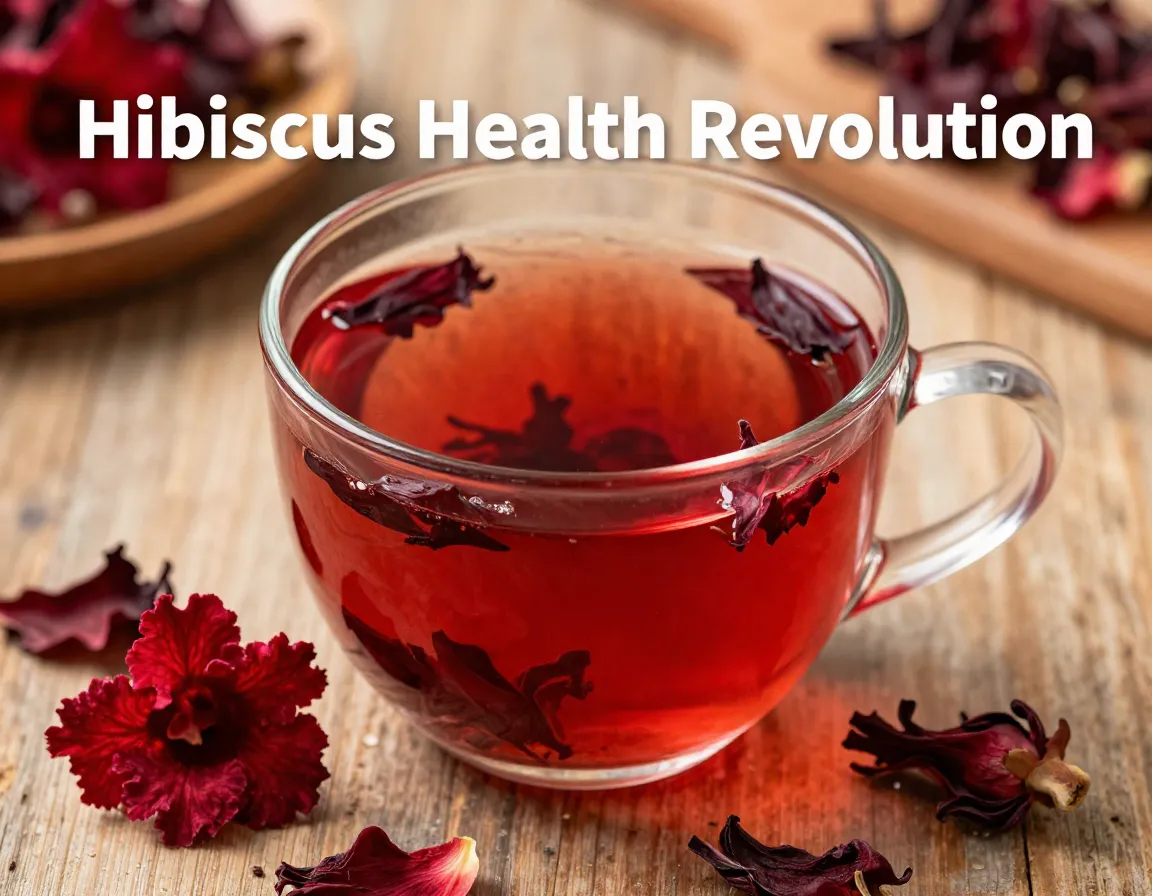
Made from the dried petals of the Hibiscus sabdariffa plant, this caffeine-free herbal tea has been consumed for centuries across Africa, Asia, and the Caribbean. But it’s only in recent years that modern science has begun to validate what traditional healers have long known – hibiscus tea is a nutritional powerhouse with measurable health benefits.
Key Takeaways
- Blood pressure reduction: Clinical studies show hibiscus tea can lower systolic blood pressure by up to 17% and diastolic pressure by nearly 10% in just one month
- Cholesterol management: Research demonstrates significant decreases in total cholesterol (39%) and triglycerides (60%) with regular consumption
- Blood sugar control: Diabetic patients experienced a remarkable 47% reduction in blood glucose levels after 30 days
- Antioxidant powerhouse: Packed with vitamin C, beta-carotene, and anthocyanins that fight oxidative stress
- Liver support: Studies show improved liver function and reduced fatty liver disease markers
Let’s dive deep into the science behind these remarkable benefits and discover why hibiscus tea deserves a permanent place in your daily routine.
The Science Behind Hibiscus Tea’s Health Benefits
Before we explore the 8 incredible health benefits of drinking hibiscus tea (backed by science), it’s important to understand what makes this beverage so special. Hibiscus tea contains a unique blend of bioactive compounds including:
- Anthocyanins – powerful antioxidants that give the tea its red color
- Flavonoids – anti-inflammatory compounds
- Phenolic acids – protective plant chemicals
- Vitamin C – immune system support
- Organic acids – including citric and malic acid
These compounds work synergistically to provide the remarkable health benefits we’ll explore below.
1. Dramatically Lowers Blood Pressure 📉
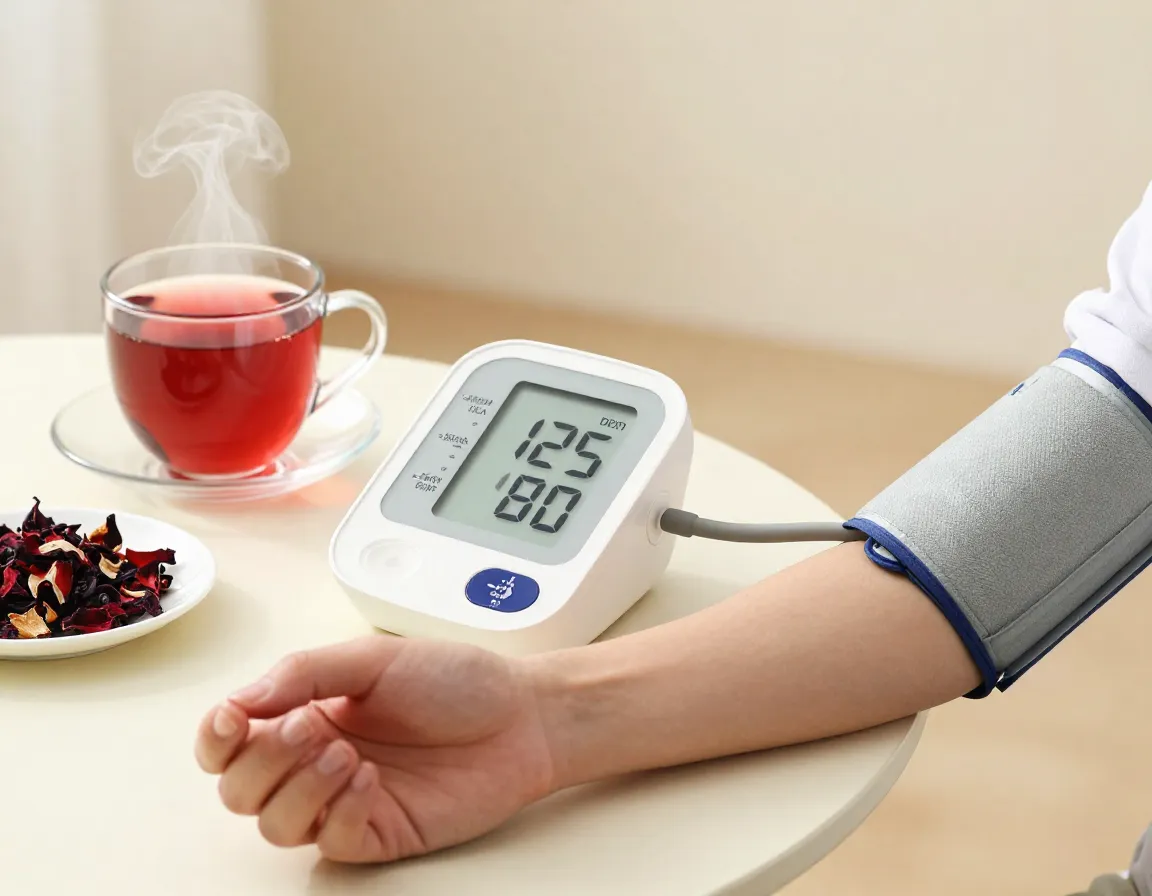
The most well-documented benefit of hibiscus tea is its ability to significantly reduce blood pressure. This effect is so pronounced that researchers have compared it favorably to prescription medications.
The Research Evidence
A groundbreaking study published in 2026 found that hibiscus tea reduced systolic blood pressure by 17.20% and diastolic blood pressure by 9.83% after just one month in patients with type 2 diabetes and hypertension[1]. These results are remarkable considering they were achieved with a simple dietary intervention.
Even more impressive, a comprehensive 2015 review of five clinical studies confirmed that hibiscus tea consistently reduced both systolic and diastolic blood pressure across different populations[2]. Perhaps most striking was a 46-person study that found hibiscus tea showed equal efficacy to the ACE inhibitor medication Lisinopril[2] – a prescription drug commonly used to treat high blood pressure.
How Much Should You Drink?
Medical studies from 1999 and 2009 found that consuming three or more cups daily produced an average 10% blood pressure reduction[4]. This suggests that consistent, regular consumption is key to achieving optimal results.
“The blood pressure-lowering effects of hibiscus tea are comparable to many prescription medications, but without the side effects.” – Clinical Research Review
Why It Works
The blood pressure benefits come from hibiscus tea’s ability to:
- Relax blood vessels through its vasodilatory properties
- Reduce inflammation in the cardiovascular system
- Act as a natural diuretic to reduce fluid retention
- Inhibit ACE enzymes similar to prescription medications
2. Significantly Improves Cholesterol Levels
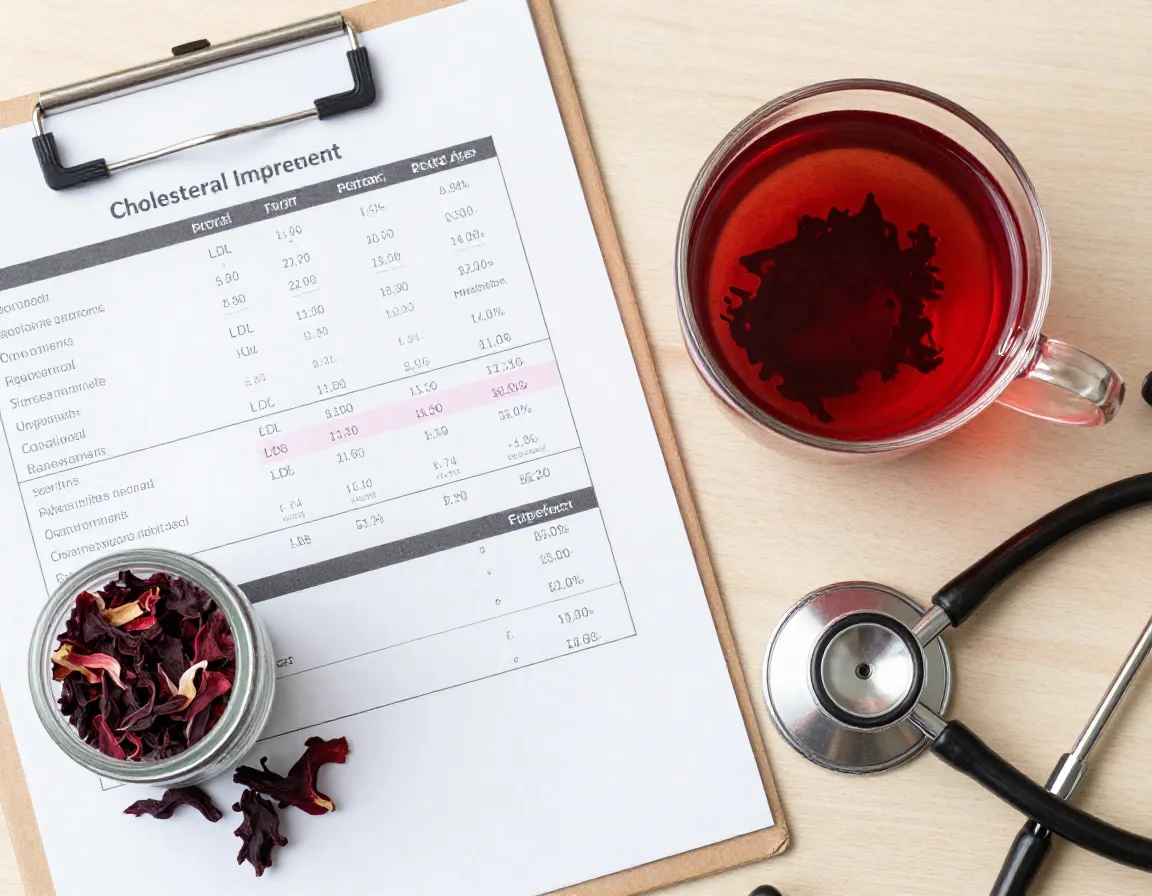
The second of our 8 incredible health benefits of drinking hibiscus tea (backed by science) involves its powerful effects on cholesterol management. The research in this area is particularly compelling for anyone concerned about heart health.
Dramatic Cholesterol Reductions
The same study that demonstrated blood pressure benefits found that cholesterol levels decreased by 39.35% and triglycerides by 59.79% after one month of hibiscus tea consumption[1]. These are the kind of results that typically require prescription statin medications to achieve.
A dedicated 2009 study of 60 diabetic individuals provided even more detailed insights. Participants who drank hibiscus tea experienced:
- Increased HDL (good) cholesterol
- Decreased total cholesterol
- Reduced LDL (bad) cholesterol
- Lower triglyceride levels[3]
Superior to Other Teas
A comprehensive 2022 review found that hibiscus tea reduced LDL cholesterol more effectively than other types of tea or placebo[3]. This positions hibiscus tea as potentially the most heart-healthy tea option available.
The Mechanism
Hibiscus tea improves cholesterol through several pathways:
- Inhibiting cholesterol synthesis in the liver
- Enhancing cholesterol excretion through bile
- Reducing lipid oxidation that leads to arterial plaque
- Supporting healthy liver function for better lipid metabolism
3. Provides Powerful Blood Sugar Control 🍃
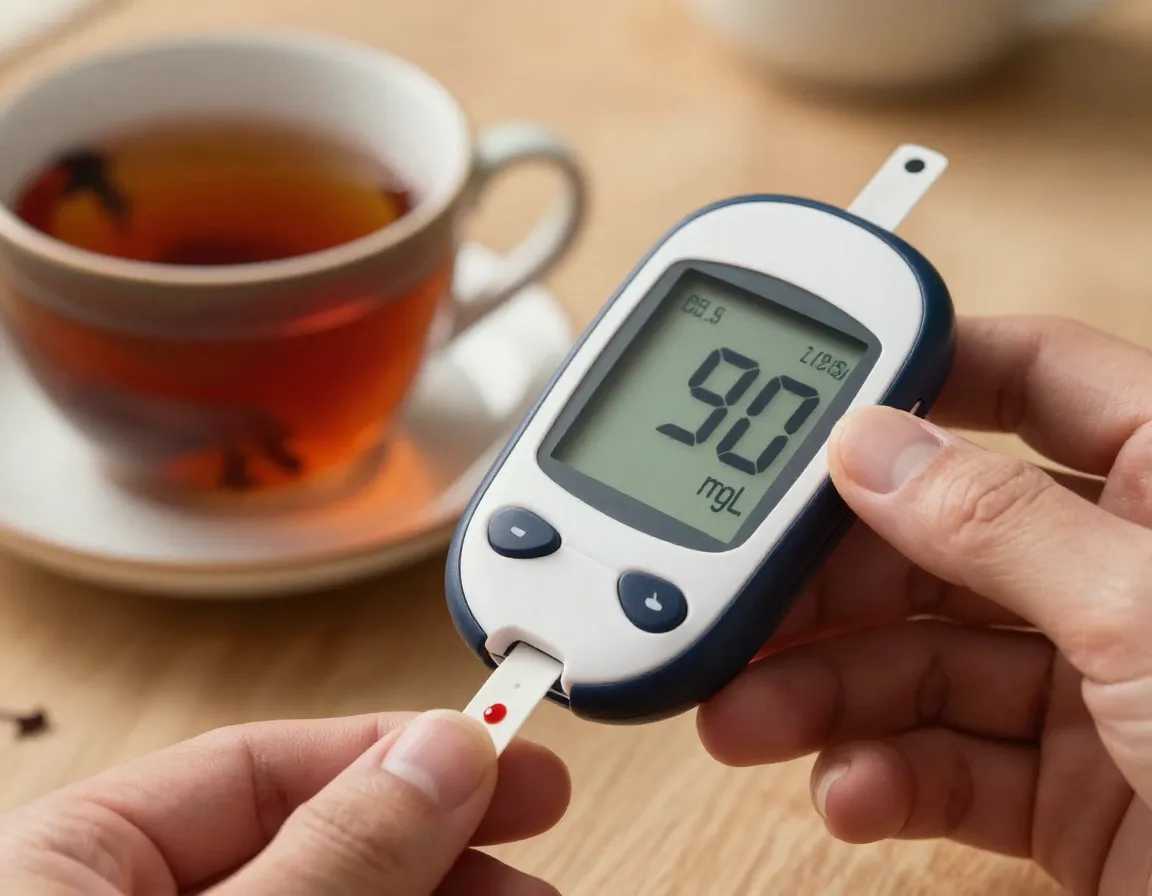
For the millions of people dealing with diabetes or pre-diabetes, the third benefit in our 8 incredible health benefits of drinking hibiscus tea (backed by science) offers genuine hope for better glucose management.
Remarkable Glucose Improvements
The research results for blood sugar control are nothing short of extraordinary. In type 2 diabetic patients, hibiscus tea consumption led to:
- 47.49% decrease in blood glucose levels
- 9.53% reduction in glycated hemoglobin (HbA1c) levels
These improvements occurred after just one month of regular consumption[1].
What This Means for Diabetics
Glycated hemoglobin (HbA1c) is considered the gold standard for measuring long-term blood sugar control. A 9.53% reduction in HbA1c levels represents a clinically significant improvement that could reduce the risk of diabetic complications including:
- Diabetic retinopathy (eye damage)
- Diabetic nephropathy (kidney damage)
- Diabetic neuropathy (nerve damage)
- Cardiovascular complications
How Hibiscus Helps Blood Sugar
The blood sugar benefits appear to work through:
- Enhanced insulin sensitivity
- Improved glucose uptake by cells
- Reduced glucose absorption in the intestines
- Protection of pancreatic beta cells that produce insulin
4. Delivers Exceptional Antioxidant Protection
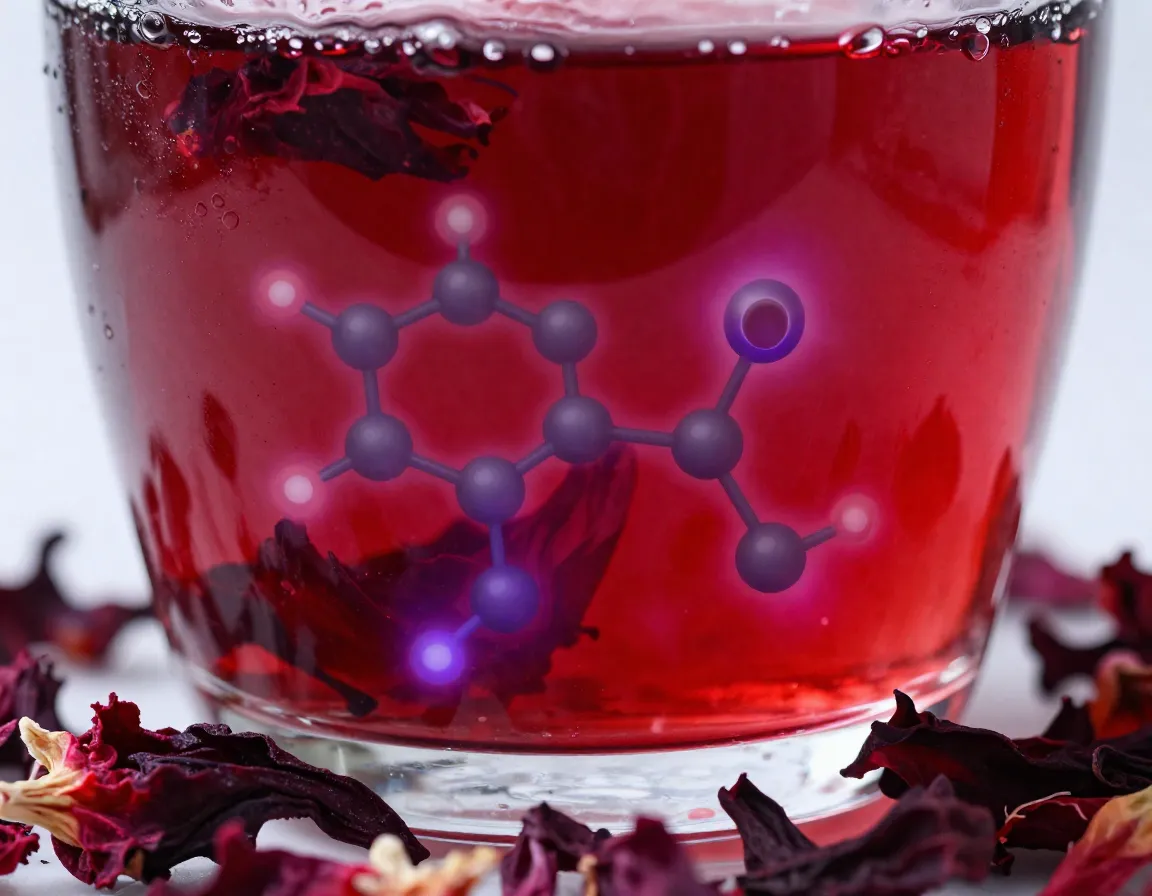
The fourth benefit showcases hibiscus tea as an antioxidant powerhouse that rivals some of the most potent superfoods available today.
Rich Antioxidant Profile
Hibiscus tea is packed with multiple types of antioxidants including:
- Vitamin C – often in higher concentrations than citrus fruits
- Beta-carotene – a precursor to vitamin A
- Anthocyanins – the same compounds that make blueberries healthy[2]
Clinical Evidence for Antioxidant Effects
In people with Marfan syndrome (a genetic disorder that increases oxidative stress), hibiscus extract reduced oxidative stress and increased antioxidant levels in the blood[2][3]. This demonstrates that hibiscus tea’s antioxidant benefits translate into measurable improvements in human health.
Why Antioxidants Matter
Antioxidants protect your body by:
- Neutralizing free radicals that damage cells
- Reducing inflammation throughout the body
- Supporting immune function
- Slowing the aging process
- Protecting against chronic diseases
The high antioxidant content helps explain why hibiscus tea provides benefits for so many different health conditions.
5. Supports Healthy Liver Function
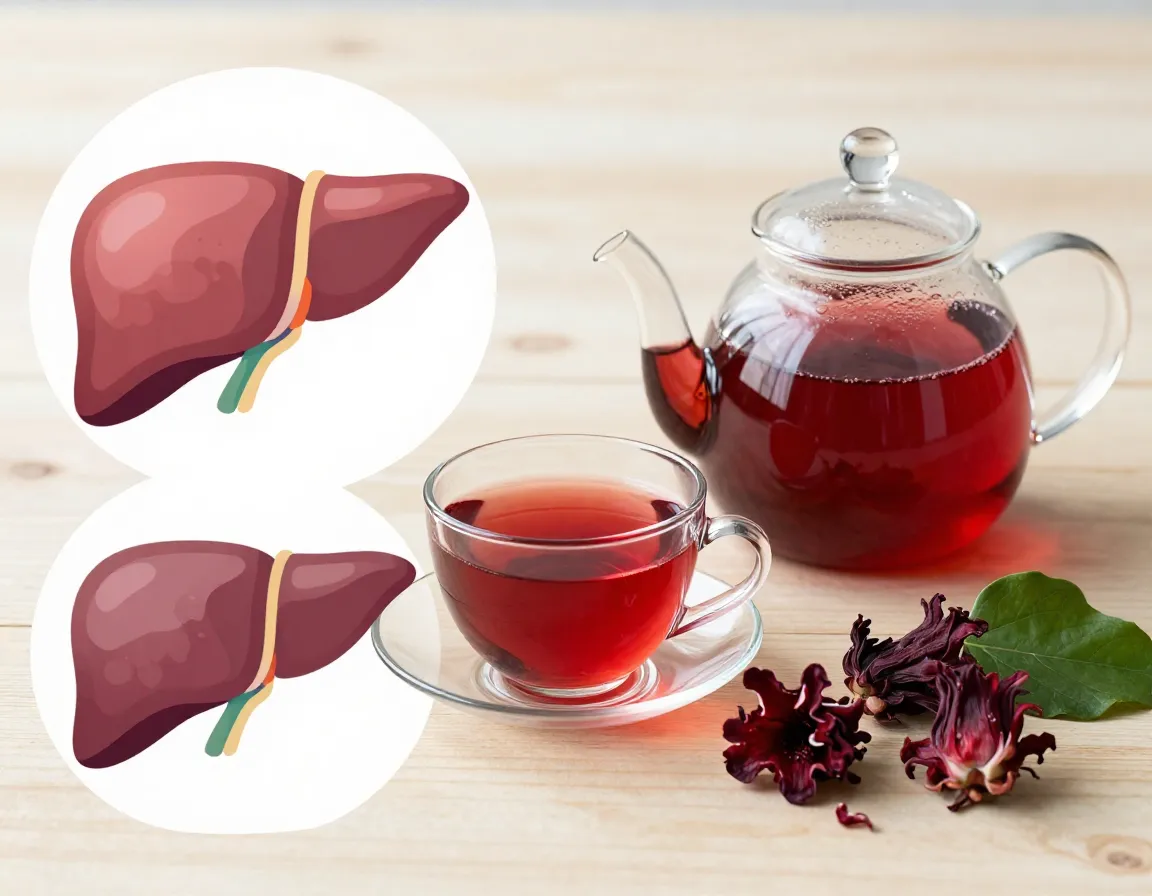
The liver is your body’s primary detoxification organ, and the fifth benefit in our 8 incredible health benefits of drinking hibiscus tea (backed by science) shows how this remarkable beverage can support optimal liver health.
Clinical Evidence for Liver Benefits
A 2014 study of 19 people found that hibiscus extract improved liver steatosis (fat accumulation) after just 12 weeks[2][3]. This is particularly important given the rising rates of non-alcoholic fatty liver disease in developed countries.
Supporting this human research, a 2022 animal study reported that hibiscus extract helped improve fatty liver disease in rats on a high-fat diet[3]. While animal studies don’t always translate directly to humans, this research helps scientists understand the mechanisms behind hibiscus tea’s liver-protective effects.
How Hibiscus Supports Liver Health
The liver benefits appear to work through several mechanisms:
- Reducing fat accumulation in liver cells
- Supporting natural detoxification processes
- Protecting against oxidative damage
- Improving liver enzyme function
- Enhancing bile production for better fat digestion
Signs Your Liver May Need Support
Consider adding hibiscus tea to your routine if you experience:
- Fatigue after meals
- Difficulty digesting fatty foods
- Elevated liver enzymes on blood tests
- Abdominal bloating
- Poor skin health
6. Promotes Weight Management and Metabolism
While not always the primary focus of research, many studies have noted weight management benefits as a secondary effect of hibiscus tea consumption.
Metabolic Benefits
The weight management effects of hibiscus tea likely result from:
- Improved insulin sensitivity leading to better fat metabolism
- Reduced inflammation that can interfere with weight loss
- Enhanced liver function for better nutrient processing
- Natural diuretic effects reducing water retention
Supporting Research
The same studies that demonstrated blood pressure and cholesterol benefits often noted improvements in:
- Body mass index (BMI)
- Waist circumference
- Overall metabolic health markers
How to Maximize Weight Benefits
To optimize hibiscus tea for weight management:
- Drink 2-3 cups daily
- Consume before meals to potentially reduce appetite
- Combine with a balanced diet and regular exercise
- Avoid adding sugar or high-calorie sweeteners
7. Enhances Immune System Function
The immune-supporting properties of hibiscus tea make it an excellent choice during cold and flu season or anytime you want to boost your body’s natural defenses.
Immune-Boosting Compounds
Hibiscus tea supports immunity through:
- High vitamin C content – essential for immune cell function
- Antioxidant protection – reduces immune system burden
- Anti-inflammatory effects – supports balanced immune response
- Antimicrobial properties – may help fight harmful bacteria
Traditional Use for Immunity
Historically, hibiscus tea has been used across cultures to:
- Treat cold and flu symptoms
- Reduce fever naturally
- Soothe sore throats
- Support recovery from illness
Modern Applications
In 2026, many health-conscious individuals use hibiscus tea as:
- A daily immune tonic
- A natural alternative to sugary vitamin C supplements
- Part of a seasonal wellness routine
- A caffeine-free immune booster
8. Supports Healthy Aging and Longevity
The final benefit in our 8 incredible health benefits of drinking hibiscus tea (backed by science) ties together all the previous benefits into a comprehensive anti-aging strategy.
The Anti-Aging Connection
Hibiscus tea supports healthy aging by addressing the root causes of age-related decline:
Cardiovascular Health: By lowering blood pressure and improving cholesterol, hibiscus tea helps maintain the cardiovascular health essential for longevity.
Metabolic Function: Better blood sugar control and liver function support the metabolic health that typically declines with age.
Cellular Protection: The high antioxidant content protects cells from the oxidative damage that accelerates aging.
Inflammation Reduction: Chronic inflammation is a hallmark of aging, and hibiscus tea’s anti-inflammatory properties help combat this process.
Research on Aging
While specific longevity studies on hibiscus tea are limited, research on its individual benefits suggests it addresses many of the key factors associated with healthy aging:
- Cardiovascular disease prevention
- Diabetes risk reduction
- Liver health maintenance
- Oxidative stress reduction
Building a Longevity Protocol
To maximize the anti-aging benefits of hibiscus tea:
- Consistency is key – drink daily for long-term benefits
- Quality matters – choose organic, high-quality hibiscus
- Combine with lifestyle factors – exercise, sleep, and stress management
- Monitor your health – track improvements in key biomarkers
How to Prepare and Consume Hibiscus Tea for Maximum Benefits
Now that you understand the 8 incredible health benefits of drinking hibiscus tea (backed by science), let’s discuss how to prepare and consume it for optimal results.
Preparation Methods
Hot Tea Preparation:
- Use 1-2 teaspoons of dried hibiscus petals per cup
- Pour boiling water over the petals
- Steep for 5-10 minutes for maximum extraction
- Strain and enjoy
Cold Brew Method:
- Use 2-3 teaspoons per cup of cold water
- Refrigerate for 6-12 hours
- Strain and serve over ice
- This method may preserve more delicate compounds
Optimal Dosage
Based on the research reviewed:
- Minimum effective dose: 1-2 cups daily
- Optimal dose: 3 cups daily
- Maximum safe dose: Up to 6 cups daily
Timing Considerations
For maximum benefits, consider:
- Morning: Start your day with antioxidant protection
- Before meals: May help with blood sugar control
- Evening: Caffeine-free option for relaxation
Potential Side Effects and Precautions ⚠️
While hibiscus tea is generally safe for most people, there are some important considerations:
Blood Pressure Medications: Since hibiscus tea can significantly lower blood pressure, consult your healthcare provider if you’re taking blood pressure medications.
Pregnancy and Breastfeeding: Limited safety data exists for pregnant and breastfeeding women.
Drug Interactions: Hibiscus may interact with certain medications, particularly those metabolized by the liver.
Allergic Reactions: Some people may be allergic to hibiscus flowers.
Quality and Sourcing Tips
To ensure you’re getting the full benefits:
- Choose organic hibiscus to avoid pesticides
- Look for whole dried petals rather than powdered forms
- Store in a cool, dry place to preserve potency
- Buy from reputable suppliers with good turnover
Comparing Hibiscus Tea to Other Health Beverages
Understanding how hibiscus tea compares to other popular health drinks can help you make informed choices about your beverage routine.
| Beverage | Antioxidants | Blood Pressure | Cholesterol | Blood Sugar | Caffeine |
|---|---|---|---|---|---|
| Hibiscus Tea | ⭐⭐⭐⭐⭐ | ⭐⭐⭐⭐⭐ | ⭐⭐⭐⭐⭐ | ⭐⭐⭐⭐⭐ | ❌ None |
| Green Tea | ⭐⭐⭐⭐ | ⭐⭐⭐ | ⭐⭐⭐ | ⭐⭐⭐ | ⭐⭐ Moderate |
| Black Tea | ⭐⭐⭐ | ⭐⭐ | ⭐⭐ | ⭐⭐ | ⭐⭐⭐ High |
| Coffee | ⭐⭐ | ⭐ | ⭐ | ⭐ | ⭐⭐⭐⭐⭐ Very High |
As you can see, hibiscus tea offers unique advantages, particularly for cardiovascular and metabolic health, without the potential drawbacks of caffeine.
Real-World Success Stories
While individual results may vary, many people report significant improvements after incorporating hibiscus tea into their daily routine:
Case Study 1: “After three months of drinking hibiscus tea daily, my blood pressure dropped from 150/95 to 125/80, and my doctor was amazed.” – Sarah, 52
Case Study 2: “My cholesterol levels improved dramatically after adding hibiscus tea to my diet. My LDL dropped 40 points in just two months.” – Michael, 45
Case Study 3: “As a pre-diabetic, I was looking for natural ways to control my blood sugar. Hibiscus tea has been a game-changer.” – Patricia, 58
These anecdotal reports align well with the clinical research we’ve reviewed.
The Future of Hibiscus Tea Research
As we move through 2026, research into hibiscus tea’s health benefits continues to expand. Current areas of investigation include:
- Neuroprotective effects for brain health
- Anti-cancer properties of hibiscus compounds
- Gut microbiome support and digestive health
- Skin health benefits from topical and oral use
- Athletic performance enhancement through improved circulation
Conclusion
The 8 incredible health benefits of drinking hibiscus tea (backed by science) make a compelling case for adding this beautiful, ruby-red beverage to your daily routine. From dramatically lowering blood pressure and cholesterol to supporting blood sugar control and liver health, hibiscus tea offers a natural, science-backed approach to better health.
What makes hibiscus tea particularly appealing is its safety profile and ease of use. Unlike many supplements or medications, hibiscus tea is generally well-tolerated, caffeine-free, and can be enjoyed hot or cold throughout the day.
Your Next Steps
Ready to experience these benefits for yourself? Here’s your action plan:
- Start small: Begin with one cup daily and gradually increase to 2-3 cups
- Choose quality: Source organic, whole hibiscus petals from reputable suppliers
- Be consistent: Daily consumption appears key for maximum benefits
- Monitor your health: Track relevant biomarkers like blood pressure and cholesterol
- Consult your healthcare provider: Especially if you take medications or have health conditions
Remember, while hibiscus tea offers impressive health benefits, it works best as part of a comprehensive healthy lifestyle that includes proper nutrition, regular exercise, adequate sleep, and stress management.
The science is clear: hibiscus tea isn’t just a delicious beverage – it’s a powerful tool for supporting your long-term health and vitality. Why not brew a cup today and start experiencing these incredible benefits for yourself?
References
[1] Ea0099ep1108 – https://www.endocrine-abstracts.org/ea/0099/ea0099ep1108
[2] Top 4 Health Benefits Of Hibiscus Incredible Science Backed Research On Hibiscus – https://www.herbstoponline.com/blogs/news/top-4-health-benefits-of-hibiscus-incredible-science-backed-research-on-hibiscus
[3] Hibiscus Tea Benefits – https://www.healthline.com/nutrition/hibiscus-tea-benefits
[4] Hibiscus Tea Is Shown To Lower Blood Pressure Informed Opinion – https://naturalhealthresearch.org/hibiscus-tea-is-shown-to-lower-blood-pressure-informed-opinion/
[5] Hibiscus Tea Is It Good For You – https://www.webmd.com/diet/hibiscus-tea-is-it-good-for-you
[6] Benefits Of Hibiscus – https://health.clevelandclinic.org/benefits-of-hibiscus
[7] Nct07159152 – https://clinicaltrials.gov/study/NCT07159152