9 Groovy Vintage 70s Coffee Tables for a Retro Revival
Picture this: you walk into a living room where a stunning geometric glass coffee table catches the light, its chrome base gleaming against a backdrop of warm earth tones and textured fabrics. The space feels both nostalgic and refreshingly modern—a perfect example of how 9 groovy vintage 70s coffee tables for a retro revival can transform any contemporary home into a stylish sanctuary that celebrates the past while embracing the present.
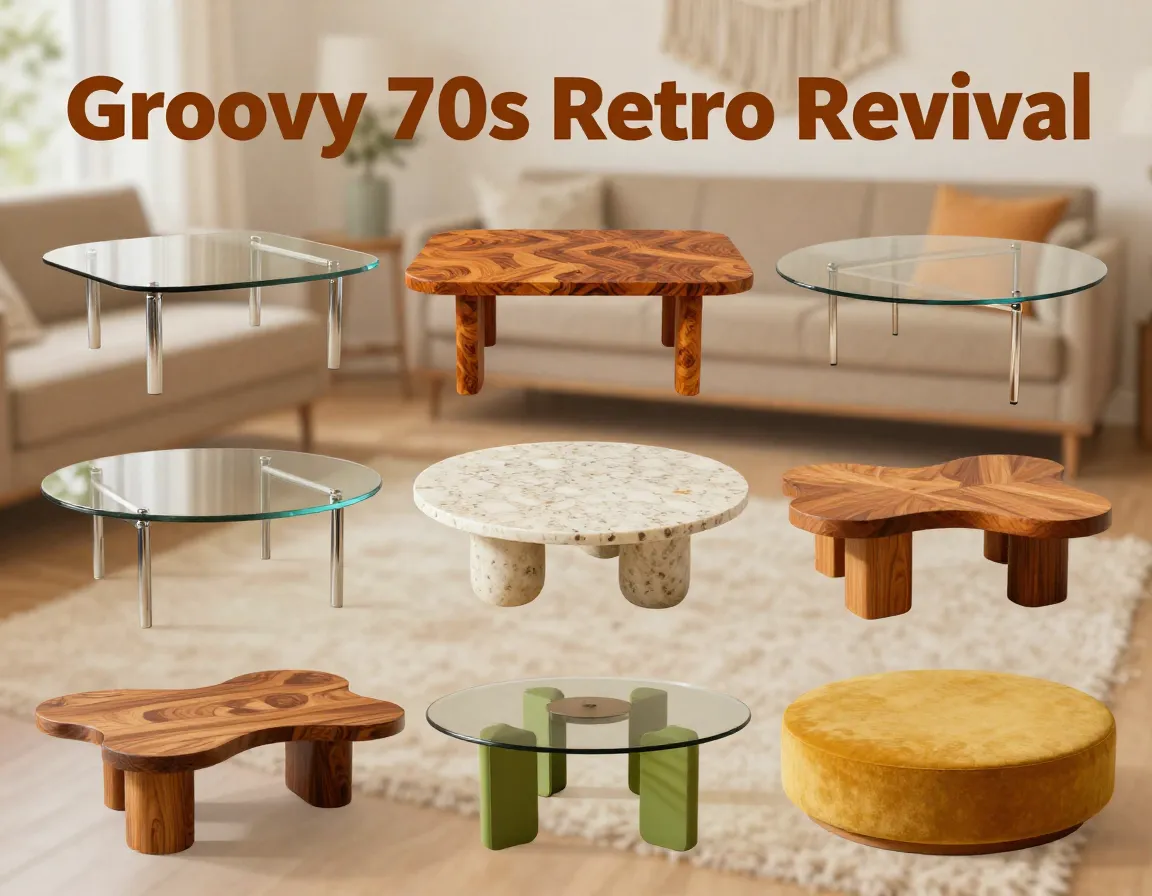
The 1970s were a decade of bold experimentation in furniture design, and nowhere is this more evident than in the coffee tables that graced living rooms across America. From sculptural masterpieces that doubled as conversation starters to functional pieces that showcased innovative materials, these groovy designs are experiencing an incredible comeback in 2026. As mid-century and 1960s-70s design is experiencing renewed popularity through fresh takes on classic styles [4], homeowners are rediscovering the magic of vintage coffee tables that serve as both functional furniture and artistic statements.
Key Takeaways
- Geometric shapes and mixed materials define the most sought-after vintage 70s coffee table designs, with pieces featuring bold circular cutouts, chrome bases, and rich wood grains leading the retro revival trend
- Coffee tables are taking on sculptural prominence in 2026, functioning as room focal points that rival gallery installations while serving multiple roles in modern living spaces [4]
- Burlwood and other 1970s-era materials are experiencing a major comeback, with accent tables showcasing these distinctive wood types becoming highly collectible [2]
- Antiques and decorative collectibles are showing their strongest demand increases in years, making vintage 70s coffee tables both stylish investments and functional home additions [1]
- Successful retro revival styling requires balancing authentic vintage pieces with contemporary elements to create spaces that feel curated rather than dated
The Groovy Appeal: Why 70s Coffee Tables Are Making a Comeback
The resurgence of 9 groovy vintage 70s coffee tables for a retro revival isn’t just a passing trend—it’s a response to our collective desire for furniture with personality and history. In an era of mass-produced, cookie-cutter designs, these vintage pieces offer something that modern furniture often lacks: soul, craftsmanship, and undeniable character.
Sculptural shapes, burl woods, and mixed materials are defining 2026 coffee table design trends [5], and vintage 70s pieces were pioneers in all these areas. The decade’s designers weren’t afraid to push boundaries, creating coffee tables that challenged traditional notions of what furniture should look like. They embraced organic curves, experimented with new materials like lucite and chrome, and treated each piece as an opportunity for artistic expression.
The Perfect Storm of Style and Function
What makes these vintage coffee tables particularly appealing in 2026 is their ability to serve multiple purposes in our increasingly compact living spaces. Many 70s designs incorporated storage solutions, featured modular components, or offered unique display opportunities that modern homeowners find incredibly practical.
The geometric shapes and bold color palettes that defined the era [4] also align perfectly with current design preferences for statement pieces that can anchor a room’s aesthetic. Whether you’re drawn to the warm richness of a burl wood table or the sleek sophistication of a chrome and glass design, these vintage pieces offer versatility that transcends specific decorating styles.
9 Groovy Vintage 70s Coffee Table Styles for Your Retro Revival
1. The Geometric Glass Marvel
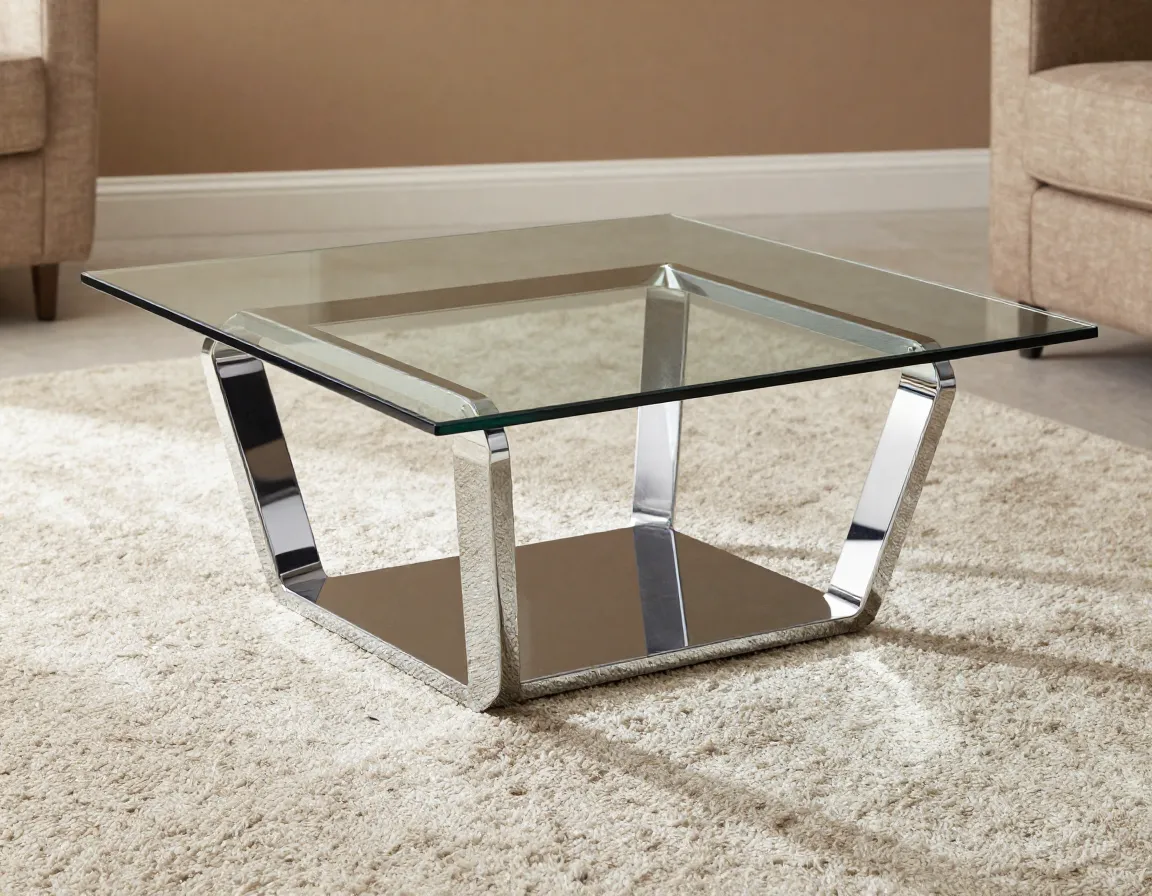
Nothing says “groovy 70s” quite like a coffee table that combines geometric precision with transparent elegance. These pieces typically feature thick glass tops supported by sculptural metal bases in chrome, brass, or painted steel. The geometric bases might showcase triangular supports, hexagonal frameworks, or bold circular elements that create visual interest from every angle.
Key Features:
- Thick tempered glass tops (usually ¾ inch or thicker)
- Chrome or brass geometric bases with angular or curved elements
- Transparent design that doesn’t overwhelm smaller spaces
- Easy maintenance with simple glass cleaning
These tables work beautifully in modern spaces because they maintain visual lightness while providing substantial surface area. The transparency allows other design elements in the room to shine through, making them perfect for showcasing beautiful rugs or flooring underneath.
2. The Burl Wood Masterpiece
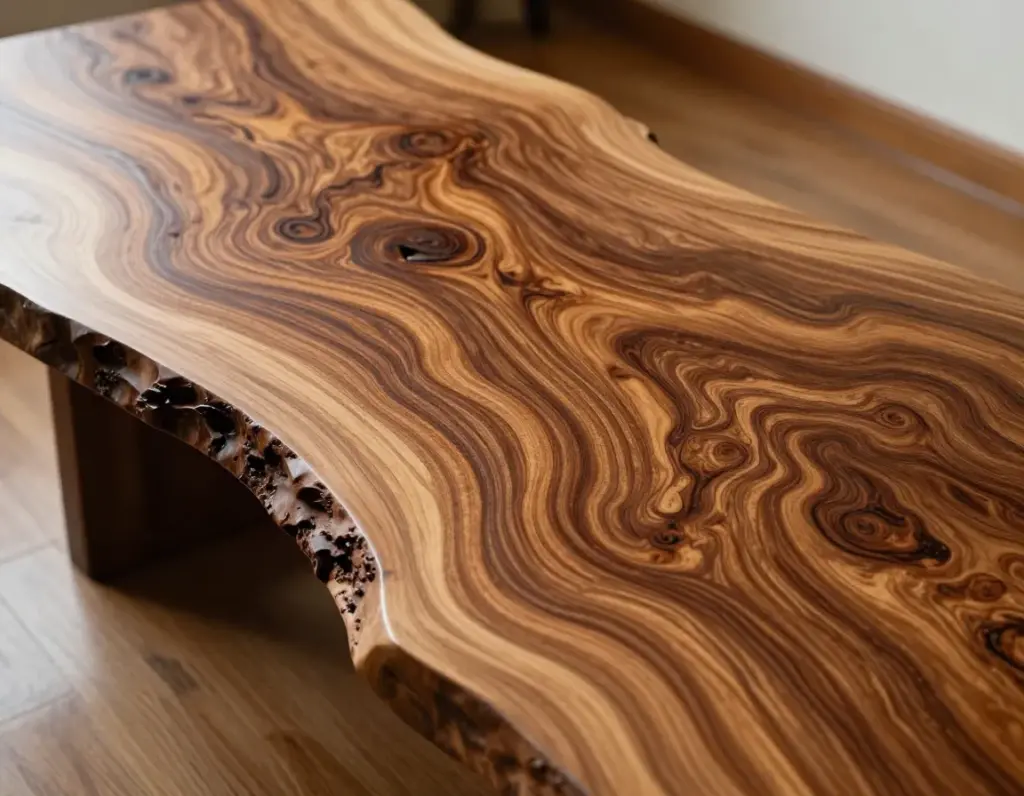
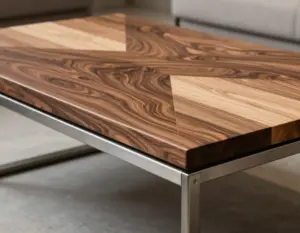
Burlwood, identified as ready for a major comeback in accent tables and furniture [2], represents one of the most distinctive materials of the 1970s. These coffee tables showcase the wood’s incredible natural patterns, with swirling grains and rich color variations that make each piece truly one-of-a-kind.
Burl wood coffee tables often feature:
- Live-edge designs that preserve the wood’s natural shape
- Rich, complex grain patterns that serve as natural artwork
- Warm honey to deep chocolate tones that add instant coziness
- Substantial, grounded presence that anchors seating areas
The organic beauty of burl wood creates an immediate focal point in any room, and its natural imperfections tell a story that mass-produced furniture simply cannot match.
3. The Chrome and Lucite Stunner
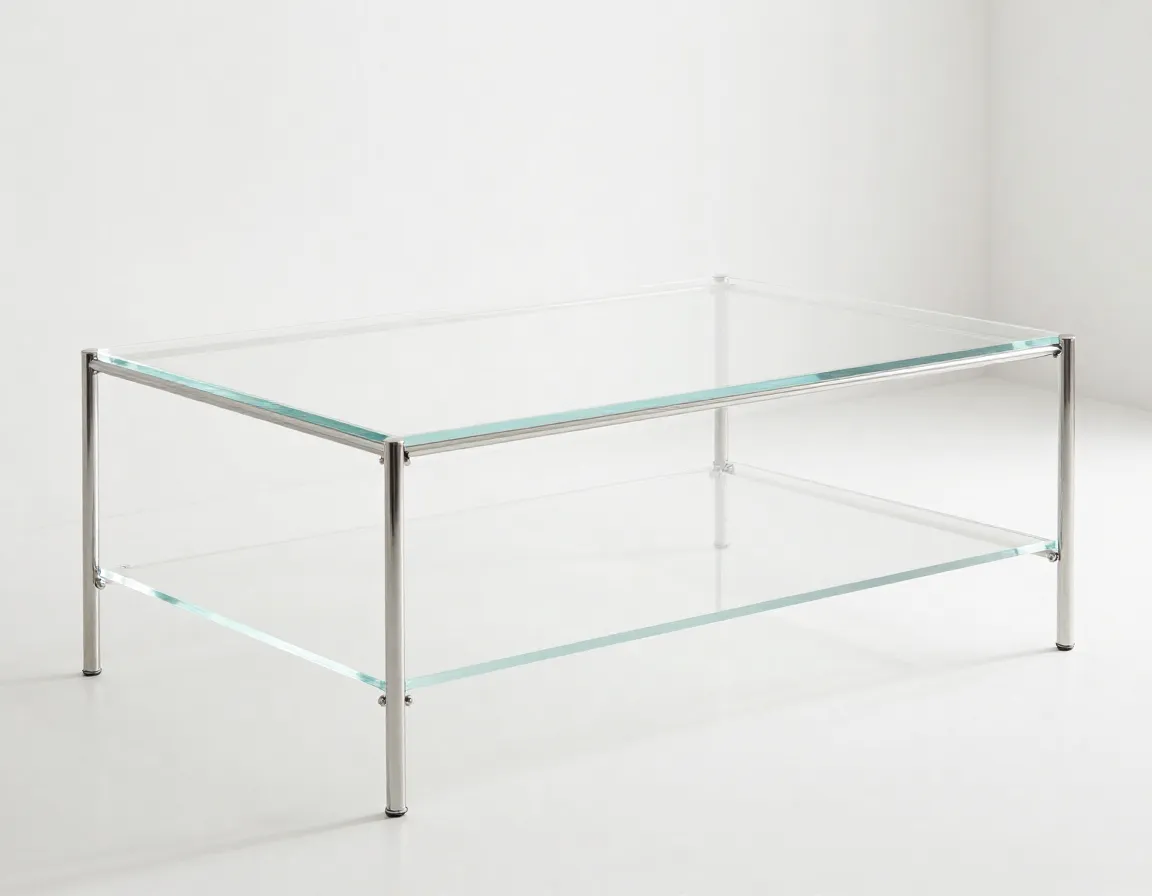
The combination of chrome and lucite (clear acrylic) epitomizes 70s space-age optimism. These coffee tables often feature sleek chrome frames supporting clear lucite shelves or surfaces, creating pieces that seem to float in space while providing practical functionality.
Design Elements:
- Polished chrome frameworks with clean, minimalist lines
- Clear lucite surfaces that maintain visual lightness
- Multi-level designs offering display and storage options
- Reflective qualities that enhance natural light in the room
These tables are particularly effective in smaller spaces where traditional wooden pieces might feel too heavy or overwhelming.
4. The Sculptural Stone Statement
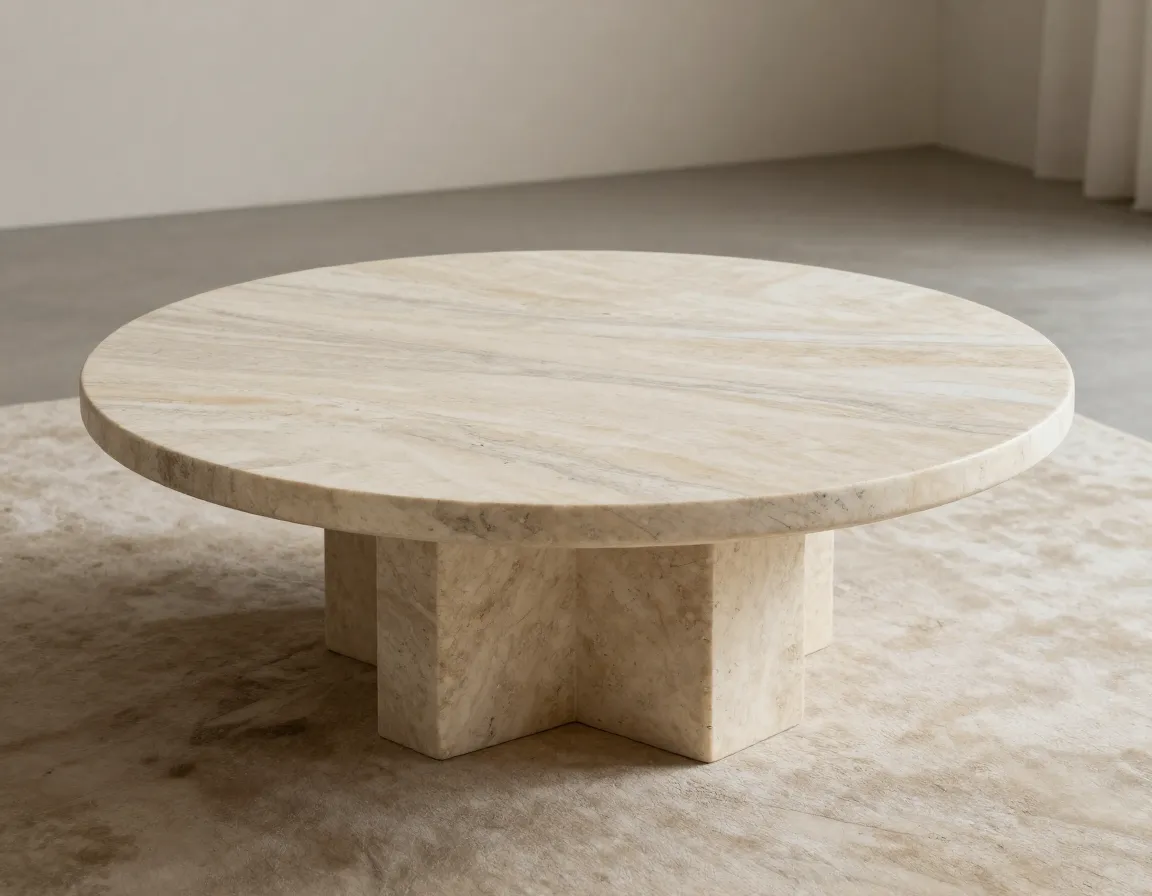
Natural stone coffee tables from the 1970s showcase materials like travertine, marble, and slate in bold, architectural forms. These pieces often feature geometric shapes—perfect circles, squares, or organic curves—that emphasize the stone’s natural beauty while creating substantial, permanent-feeling furniture.
Characteristics:
- Natural stone surfaces with unique veining and coloration
- Geometric or organic shapes that emphasize the material’s beauty
- Substantial weight that conveys quality and permanence
- Cool, smooth surfaces perfect for both function and aesthetics
Stone coffee tables bring an element of luxury and natural beauty that works particularly well in minimalist or earth-tone decorating schemes.
5. The Modular Wonder
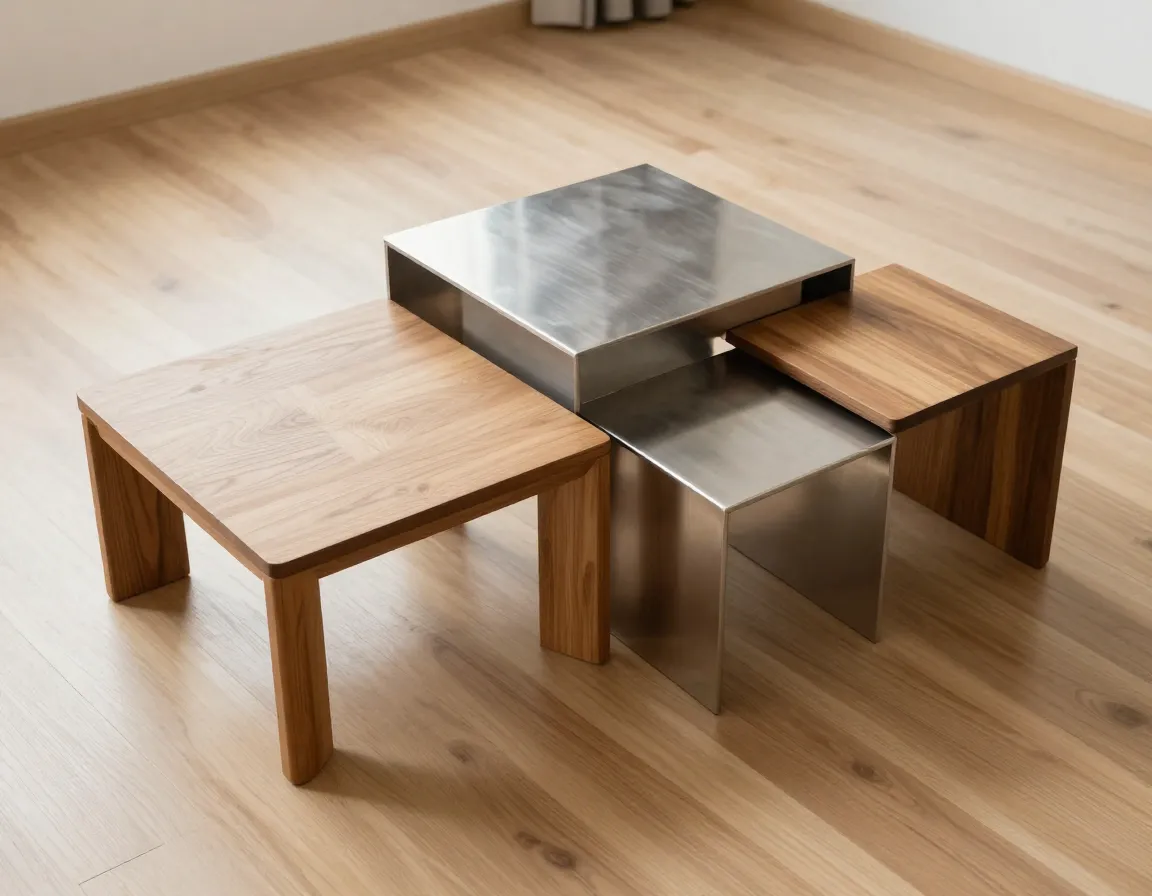
Modular coffee table systems were revolutionary in the 1970s, offering flexibility that perfectly suits today’s dynamic living situations. These systems typically consist of multiple smaller tables or components that can be arranged in various configurations to suit different occasions and space requirements.
Flexible Features:
- Multiple components that nest together or separate as needed
- Various heights creating visual interest and practical options
- Mix-and-match materials like wood, metal, and glass
- Adaptable configurations for entertaining or everyday use
The versatility of modular systems makes them particularly appealing to renters or anyone who likes to refresh their space regularly.
6. The Organic Curve Creation
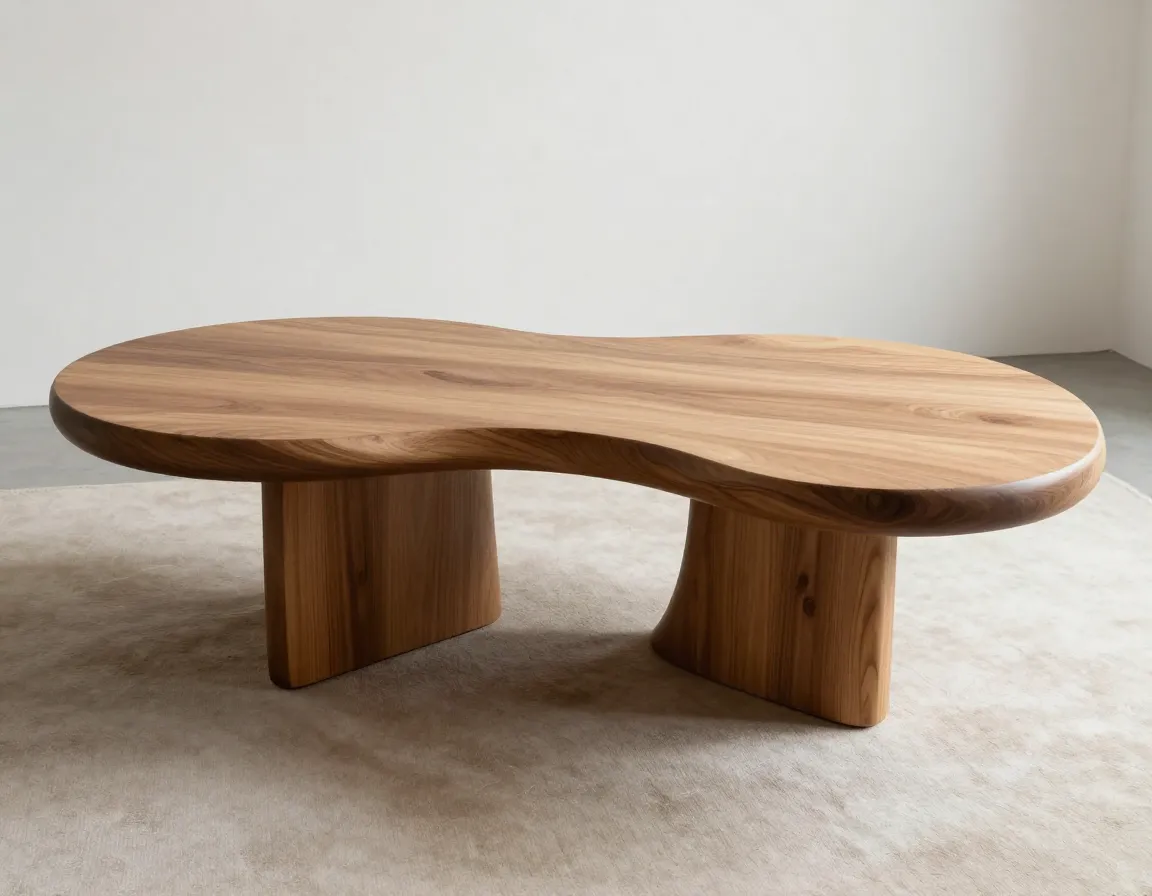
Inspired by natural forms and flowing lines, organic curve coffee tables reject the rigid geometry of traditional furniture in favor of shapes that feel alive and dynamic. These pieces often feature kidney-shaped tops, flowing bases, or sculptural elements that seem to grow from the floor.
Organic Elements:
- Flowing, curved lines that soften angular room elements
- Asymmetrical shapes that create visual interest
- Natural materials like solid wood or formed fiberglass
- Sculptural presence that functions as functional art
These tables work beautifully as counterpoints to more structured furniture pieces, adding movement and visual flow to static room arrangements.
7. The Mixed Media Marvel
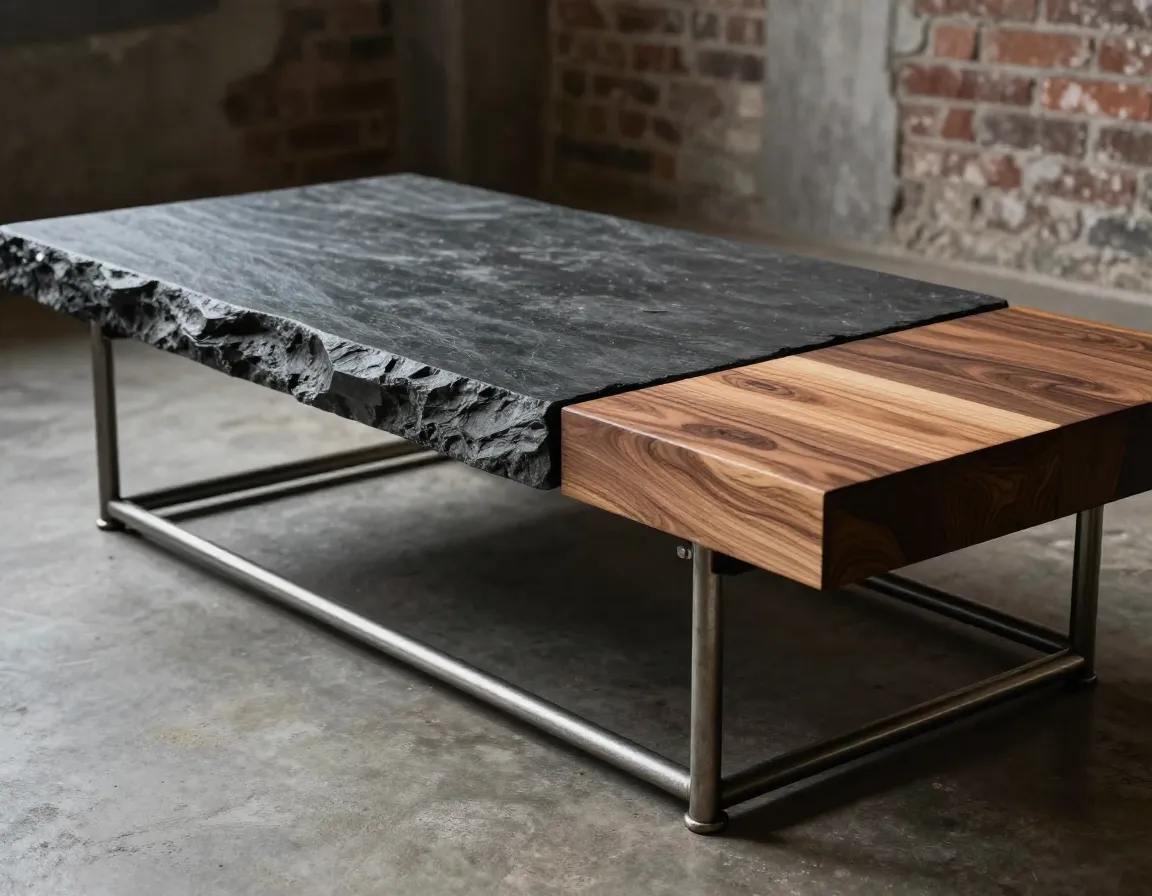
The experimental spirit of the 1970s led to coffee tables that combined multiple materials in unexpected ways. These pieces might feature wood and metal, stone and glass, or fabric and chrome—creating visual and textural interest that keeps the eye engaged.
Material Combinations:
- Wood and metal partnerships showcasing industrial influences
- Stone and glass combinations emphasizing transparency and weight
- Fabric and hard materials creating tactile contrasts
- Multiple finishes that add complexity and richness
Mixed media tables offer the advantage of being able to tie together various design elements in a room, serving as a bridge between different styles and materials.
8. The Low-Profile Platform
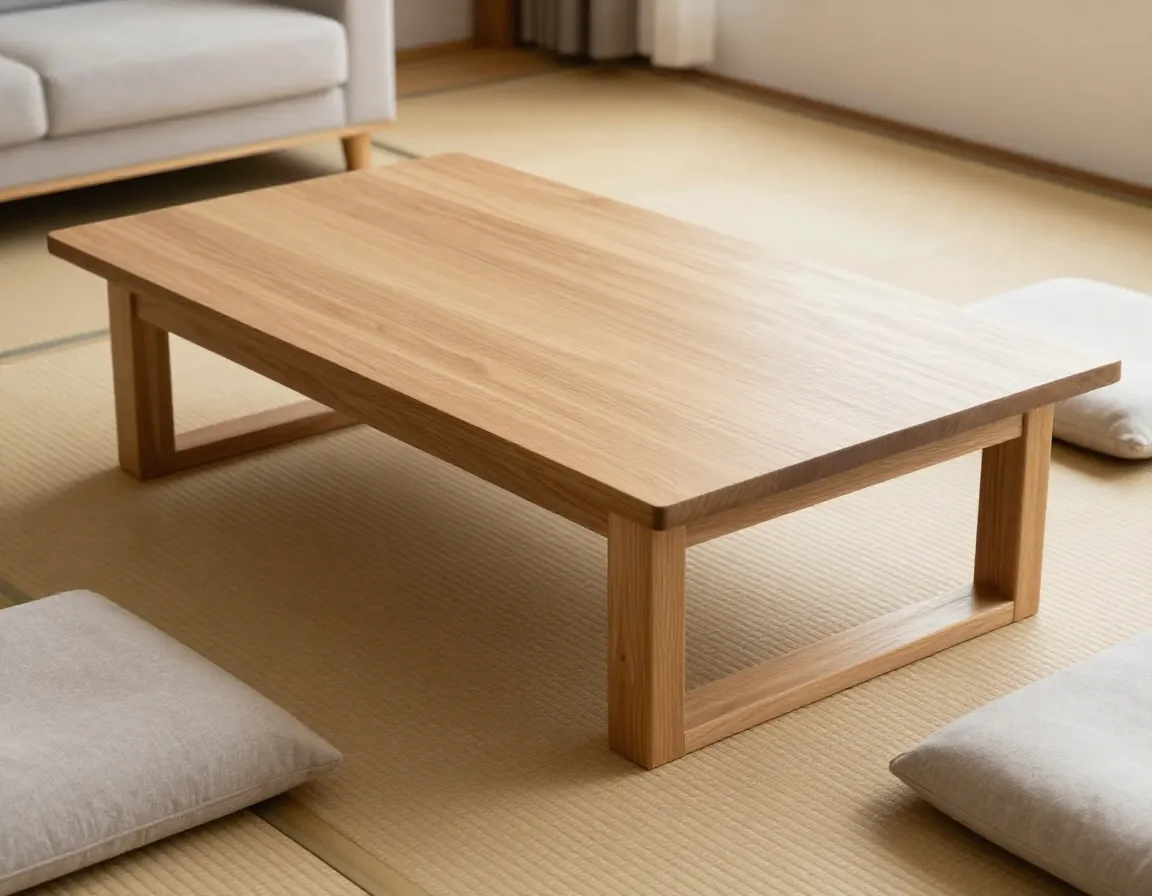
Influenced by Japanese design principles and the era’s fascination with Eastern aesthetics, low-profile platform coffee tables sit close to the ground and emphasize horizontal lines. These pieces often feature simple rectangular or square forms with minimal ornamentation.
Platform Characteristics:
- Low height (typically 12-15 inches) creating intimate seating arrangements
- Clean, horizontal lines that emphasize width over height
- Minimal ornamentation focusing attention on material and proportion
- Substantial surface area perfect for books, plants, and decorative objects
Low-profile tables work particularly well with floor seating or low-slung furniture, creating cohesive, relaxed environments perfect for casual entertaining.
9. The Conversation Pit Centerpiece
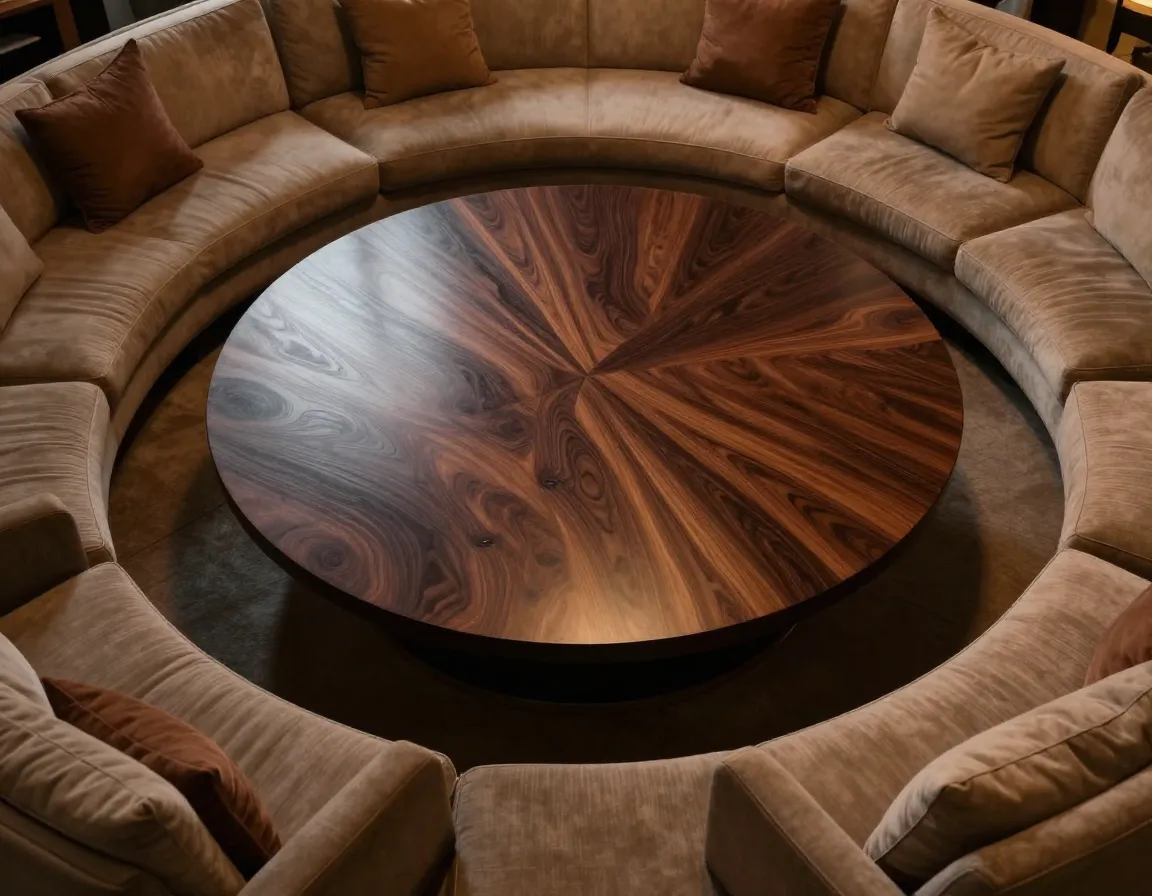
Designed specifically for the sunken conversation areas popular in 1970s homes, these coffee tables often feature round or oval shapes that facilitate social interaction. Even in traditional living rooms, their circular forms create more inclusive seating arrangements than rectangular alternatives.
Social Design Features:
- Round or oval shapes that eliminate head-of-table hierarchies
- Central positioning that serves all seating equally
- Appropriate scale for intimate conversation distances
- Smooth edges that won’t interfere with movement around the piece
These tables excel at creating focal points for social gatherings while maintaining the groovy aesthetic that makes vintage 70s design so appealing.
Styling Your Groovy Vintage 70s Coffee Tables for Maximum Impact
Successfully incorporating 9 groovy vintage 70s coffee tables for a retro revival into contemporary spaces requires thoughtful styling that honors the piece’s heritage while ensuring it feels fresh and current. The key is creating balance between vintage authenticity and modern livability.
Color Coordination and Contrast
The warm, earthy palette that defined 1970s interiors—think burnt orange, deep brown, golden yellow, and avocado green—can feel overwhelming if applied too liberally in modern spaces. Instead, use these colors as accents against neutral backgrounds, allowing your vintage coffee table to serve as a bridge between eras.
Effective Color Strategies:
- Neutral base with vintage accents using throw pillows, artwork, or plants
- Monochromatic schemes that highlight the coffee table’s material and form
- Complementary pairings like warm wood tones with cool blue or gray walls
- Metallic highlights that echo chrome or brass elements in the table design
Layering Textures and Patterns
The 1970s celebrated tactile richness, and your coffee table styling should reflect this sensory approach. Layer different textures through books, decorative objects, plants, and textiles to create visual and physical interest.
Texture Layering Tips:
- Mix smooth and rough surfaces like polished wood with woven baskets
- Combine natural and manufactured materials such as plants with ceramic objects
- Vary heights and scales to create dynamic visual arrangements
- Include soft elements like small throws or fabric-covered books
Balancing Vintage and Contemporary Elements
The most successful retro revivals feel curated rather than costume-like. Mix your groovy vintage coffee table with contemporary pieces that share similar design principles or complement its aesthetic without competing for attention.
Balance Strategies:
- Modern lighting that highlights the vintage table’s best features
- Contemporary art that echoes the table’s color palette or geometric elements
- Updated textiles in vintage-inspired patterns or colors
- Fresh plants that add life and connect indoor and outdoor spaces
Care and Maintenance: Preserving Your Groovy Investment
Vintage furniture requires special care to maintain its beauty and functionality. Different materials demand specific maintenance approaches, and understanding these requirements will help ensure your investment remains both beautiful and valuable.
Wood Care Essentials
Burl wood and other vintage wood coffee tables need regular attention to maintain their rich appearance and structural integrity.
Wood Maintenance Guidelines:
- Regular dusting with microfiber cloths to prevent buildup
- Periodic conditioning with appropriate wood oils or waxes
- Protection from direct sunlight to prevent fading and cracking
- Immediate cleanup of spills to prevent water damage or staining
Metal and Glass Maintenance
Chrome, brass, and glass elements require different care approaches but generally respond well to gentle, consistent cleaning.
Metal and Glass Care:
- Chrome polishing with specialized cleaners to maintain shine
- Brass treatment with appropriate cleaners to prevent tarnishing
- Glass cleaning with streak-free formulas and lint-free cloths
- Regular inspection for loose joints or structural issues
Professional Restoration Considerations
Some vintage pieces may require professional restoration to return them to their former glory. Understanding when to attempt DIY repairs versus seeking professional help can save both money and the integrity of your piece.
When to Seek Professional Help:
- Structural damage affecting stability or safety
- Significant finish deterioration requiring refinishing
- Missing hardware that needs period-appropriate replacement
- Complex repairs involving multiple materials or techniques
Finding Authentic Pieces: Where to Shop for Groovy Vintage 70s Coffee Tables
The growing popularity of 9 groovy vintage 70s coffee tables for a retro revival means that authentic pieces are increasingly sought after. Knowing where to look and what to look for can help you find genuine vintage pieces rather than modern reproductions.
Estate Sales and Auctions
Estate sales often yield the best finds for vintage furniture enthusiasts. These sales typically offer pieces that have been well-maintained in private homes, and prices are often more reasonable than retail antique shops.
Estate Sale Success Tips:
- Arrive early for the best selection of quality pieces
- Bring measurements of your space and existing furniture
- Inspect carefully for damage or needed repairs
- Negotiate respectfully especially on the final day of sales
Antique Shops and Vintage Dealers
Specialized dealers often have the expertise to authenticate pieces and may offer guarantees or return policies that provide peace of mind for significant purchases.
Dealer Advantages:
- Expert authentication ensuring piece authenticity
- Condition assessments with honest evaluations of any issues
- Provenance information when available
- Professional relationships for ongoing furniture needs
Online Marketplaces and Platforms
Digital platforms have revolutionized vintage furniture shopping, offering access to pieces from around the country or even internationally.
Online Shopping Considerations:
- Detailed photography from multiple angles and lighting conditions
- Accurate measurements including height, width, depth, and weight
- Honest condition descriptions noting any flaws or repairs
- Shipping logistics for large, heavy, or fragile pieces
Investment Value: Why Groovy Vintage 70s Coffee Tables Are Smart Purchases
Antiques and decorative collectibles are showing their strongest demand increases in years [1], making vintage 70s coffee tables not just stylish additions to your home but potentially smart financial investments as well.
Market Trends and Value Appreciation
The combination of limited supply and growing demand for authentic vintage pieces has created a favorable market for quality 1970s furniture. As these pieces age and become rarer, their value typically appreciates, especially for examples by known designers or in exceptional condition.
Value Factors:
- Designer attribution significantly increases value and collectibility
- Condition and originality with unrestored pieces often commanding premiums
- Rarity and uniqueness making one-of-a-kind pieces particularly valuable
- Provenance and documentation adding to historical significance and value
Sustainability and Environmental Benefits
Choosing vintage furniture represents an environmentally conscious decision that reduces demand for new manufacturing while preserving craftsmanship and materials from an earlier era.
Environmental Advantages:
- Reduced manufacturing demand decreasing environmental impact
- Quality construction that often outlasts contemporary alternatives
- Unique character that can’t be replicated in mass production
- Cultural preservation maintaining design heritage for future generations
Conclusion: Embracing the Groovy Revolution
The revival of 9 groovy vintage 70s coffee tables for a retro revival represents more than just a design trend—it’s a celebration of an era that dared to be different, experimental, and boldly optimistic about the future. These remarkable pieces offer contemporary homeowners the opportunity to inject personality, history, and undeniable style into their living spaces while making environmentally conscious choices that support sustainability.
From the geometric precision of chrome and glass designs to the organic beauty of burl wood masterpieces, vintage 70s coffee tables provide options for every aesthetic preference and functional need. Their sculptural presence transforms them from mere furniture into conversation starters, artistic statements, and focal points that anchor entire room designs.
As we’ve explored, successful integration of these groovy pieces requires thoughtful styling that balances vintage authenticity with contemporary livability. By carefully coordinating colors, layering textures, and mixing eras thoughtfully, you can create spaces that feel both nostalgic and refreshingly current.
Your Next Steps:
- Assess your space and determine which style of vintage 70s coffee table would work best with your existing furniture and room proportions
- Research authentic sources including estate sales, antique dealers, and reputable online platforms to find quality pieces
- Set a realistic budget that accounts for both purchase price and any necessary restoration or maintenance costs
- Start your search with patience and persistence—the perfect groovy piece is worth waiting for
The groovy revolution is here, and it’s time to let these incredible vintage coffee tables transform your living space into a stylish sanctuary that celebrates the best of both past and present. Whether you choose a sculptural stone statement piece or a modular wonder that adapts to your changing needs, you’re not just buying furniture—you’re investing in a piece of design history that will continue to inspire and delight for years to come.
References
[1] Vintage Trends 2026 – https://www.homesandgardens.com/interior-design/vintage-trends-2026
[2] Antique Trends 2026 – https://www.housebeautiful.com/design-inspiration/a69220391/antique-trends-2026/
[3] Antique Vintage Trends 2026 – https://www.veranda.com/decorating-ideas/advice-from-designers/g68888845/antique-vintage-trends-2026/
[4] Furniture Trends 2026 – https://www.decorilla.com/online-decorating/furniture-trends-2026/
[5] 2026 Coffee Table Trends Contemporary Designs And Styles – https://petramadalena.com/blog-post/2026-coffee-table-trends-contemporary-designs-and-styles/
[6] Watch – https://www.youtube.com/watch?v=8Uxr-jHgjsI
[7] Coffee Table Decorating Ideas 2026 – https://melaaura.com/coffee-table-decorating-ideas-2026/