8 Brilliant Lemon Balm Tea Uses for Calm & Focus
Have you ever wondered why your grandmother always seemed to have a cup of herbal tea within reach during stressful moments? There’s ancient wisdom in that simple ritual, and modern science is finally catching up. Among the most remarkable discoveries in recent years is the profound impact of lemon balm tea on our mental well-being and cognitive performance. The 8 brilliant lemon balm tea uses for calm & focus that I’ll share with you today represent a perfect blend of traditional wisdom and cutting-edge research that could transform how you approach daily stress and mental clarity.
In 2026, as our lives become increasingly demanding and fast-paced, finding natural solutions for anxiety, focus, and sleep has never been more crucial. Lemon balm (Melissa officinalis) has emerged as one of nature’s most powerful allies in this quest, with clinical studies showing remarkable results that rival many pharmaceutical interventions.
Key Takeaways
- Clinical studies demonstrate that 300mg of lemon balm twice daily reduces anxiety by 18% and improves sleep quality by 42% [1]
- Lemon balm enhances cognitive performance, including math skills, alertness, and memory recall when taken at therapeutic doses [1]
- The herb works by increasing GABA levels in the brain, providing natural calming effects without drowsiness [3]
- Combining lemon balm with other herbs like valerian or chamomile amplifies its effectiveness for stress relief and sleep [2][5]
- Regular consumption shows promise for long-term cognitive health, including benefits for dementia and Alzheimer’s patients [1]
Understanding Lemon Balm’s Powerful Mechanisms
Before diving into the specific uses, it’s essential to understand why lemon balm tea is so effective. This remarkable herb contains compounds that directly influence our brain chemistry, particularly by increasing levels of GABA (gamma-aminobutyric acid), a neurotransmitter responsible for calming effects [3]. Additionally, lemon balm is rich in rosmarinic acid, which has been shown to enhance cognitive function and protect brain cells from oxidative stress.
The beauty of lemon balm lies in its dual action: it simultaneously calms the mind while sharpening focus. This unique combination makes it an ideal choice for anyone seeking natural solutions to modern stress and concentration challenges.
8 Brilliant Lemon Balm Tea Uses for Calm & Focus: Natural Anxiety Relief
1. Reducing Daily Anxiety and Stress
The most well-documented benefit of lemon balm tea is its remarkable ability to reduce anxiety levels. Clinical research has shown that 300mg twice daily reduced anxiety by 18% and anxiety-associated symptoms by 15% in people with mild-to-moderate anxiety and sleep disturbances [1]. What makes this particularly impressive is that participants experienced these benefits without the side effects commonly associated with pharmaceutical anxiety medications.
I’ve found that incorporating lemon balm tea into my morning routine creates a foundation of calm that carries throughout the day. The key is consistency – drinking it regularly rather than only during acute stress periods yields the best results.
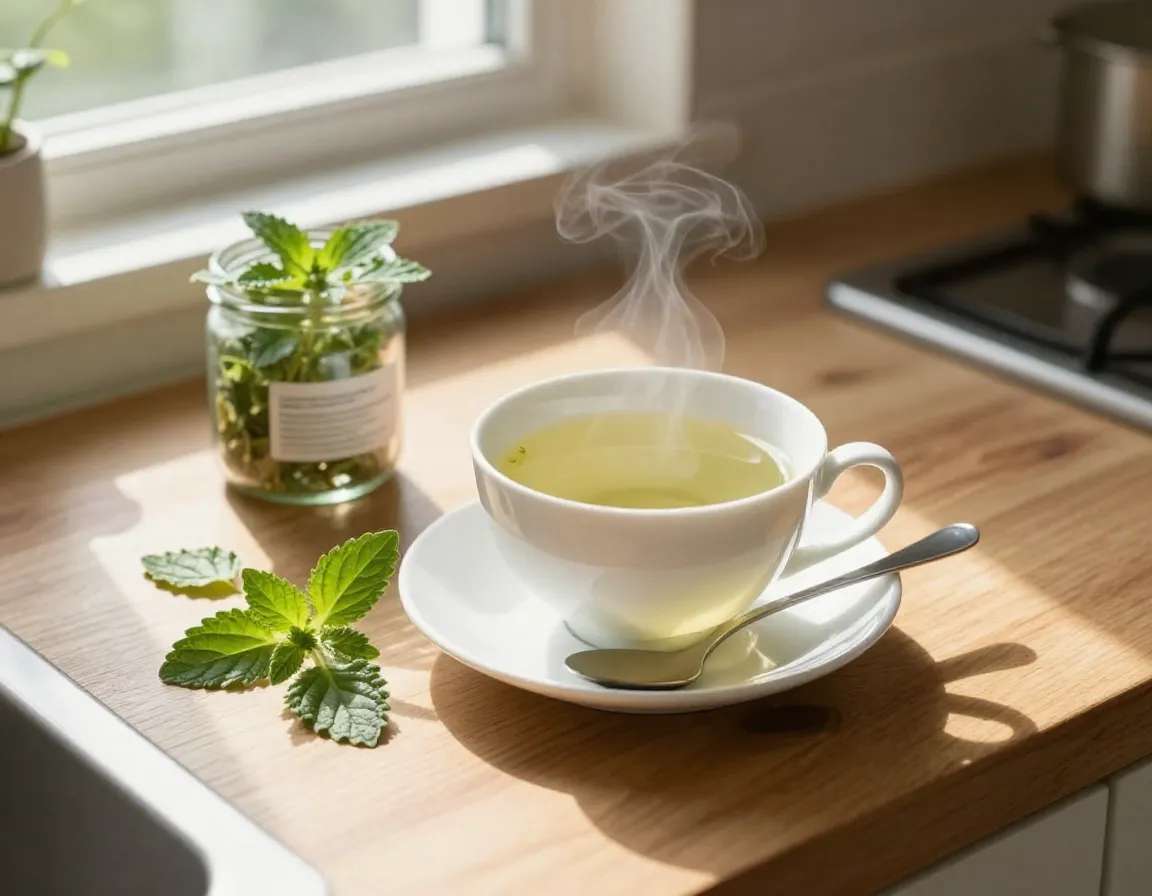
How to use: Steep 1-2 teaspoons of dried lemon balm leaves in hot water for 5-7 minutes. Drink 2-3 cups daily, with one cup in the morning and another in the afternoon.
2. Enhancing Sleep Quality and Fighting Insomnia

Sleep disruption has become epidemic in our modern world, but lemon balm tea offers a gentle, natural solution. Research demonstrates that 300mg twice daily for approximately two weeks improved sleep in people with stress-related sleep problems, with a remarkable 42% reduction in insomnia observed in clinical trials [1].
Unlike pharmaceutical sleep aids, lemon balm doesn’t leave you groggy the next morning. Instead, it promotes natural, restorative sleep by calming the nervous system and reducing the racing thoughts that often keep us awake.
Optimal timing: Drink a warm cup of lemon balm tea 30-60 minutes before bedtime. The ritual itself becomes part of your wind-down routine, signaling to your body that it’s time to prepare for rest.
3. Boosting Cognitive Performance and Memory

One of the most exciting discoveries about lemon balm is its ability to enhance cognitive function. Studies show that 300mg of lemon balm extract significantly improved math performance, alertness, and immediate recall compared to baseline [1]. This makes it an excellent choice for students, professionals, or anyone looking to optimize their mental performance.
The cognitive benefits appear to be dose-dependent, with 600mg per day resulting in reduced negative mood effects and increased self-ratings of calmness [1]. This suggests that lemon balm doesn’t just make you feel calmer – it actually improves your ability to think clearly and perform complex tasks.
Best practices: For cognitive enhancement, drink lemon balm tea 30-45 minutes before mentally demanding tasks. The effects typically peak within 1-2 hours of consumption.
4. Supporting Long-term Brain Health
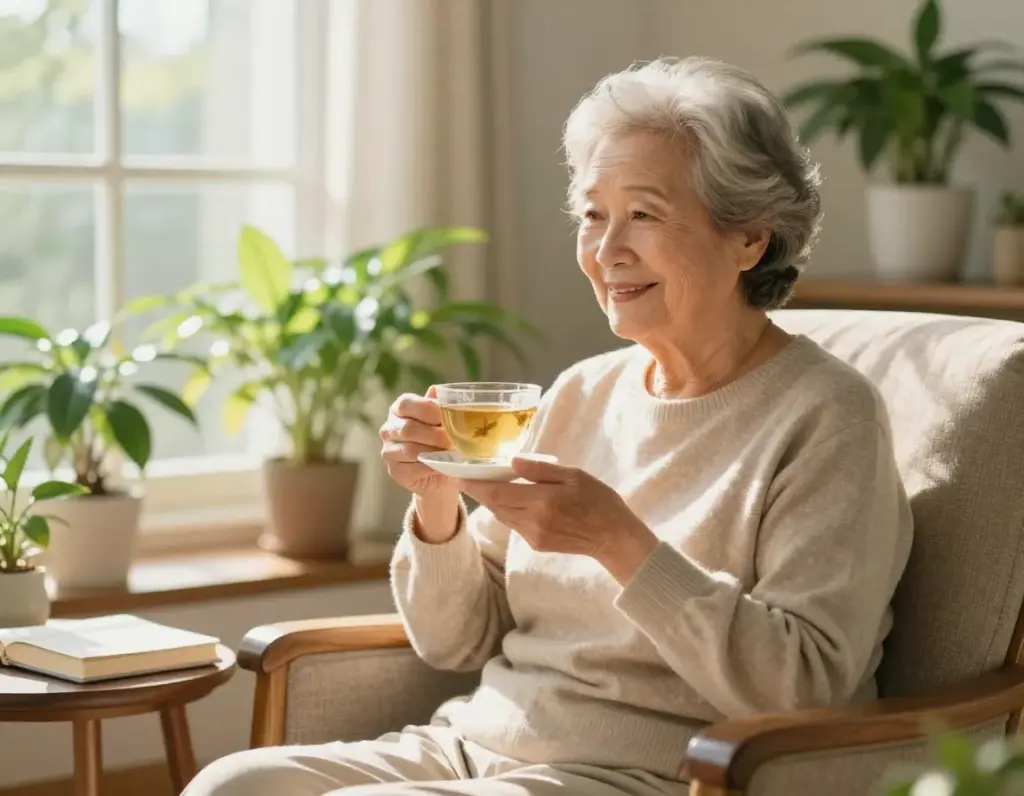
Beyond immediate cognitive benefits, lemon balm shows promise for long-term brain health. A 2021 study on diabetic rats showed lemon balm may improve memory and learning by increasing beneficial brain proteins [2]. Even more remarkably, after four months of treatment, lemon balm produced significantly better outcomes on cognitive function assessments than placebo in people with mild to moderate Alzheimer’s disease [1].
The terpene compounds found in lemon balm help calm agitation in people with severe dementia [2], suggesting that regular consumption might serve as a protective factor against age-related cognitive decline.
Long-term strategy: Consider making lemon balm tea a daily habit, similar to how you might take a multivitamin. The neuroprotective benefits appear to compound over time.
Advanced Applications: Maximizing the 8 Brilliant Lemon Balm Tea Uses for Calm & Focus
5. Managing Depression and Mood Disorders
Recent research has revealed lemon balm’s potential in managing mood disorders. In a study of Type 2 diabetics, the group receiving lemon balm showed significant reduction in depression and anxiety symptoms compared to placebo [4]. This dual benefit for both depression and anxiety makes lemon balm particularly valuable for individuals dealing with comorbid mental health challenges.
The mood-stabilizing effects likely stem from lemon balm’s ability to modulate neurotransmitter activity, particularly GABA and serotonin pathways. Regular consumption appears to create a more balanced emotional state, reducing both the highs of anxiety and the lows of depression.
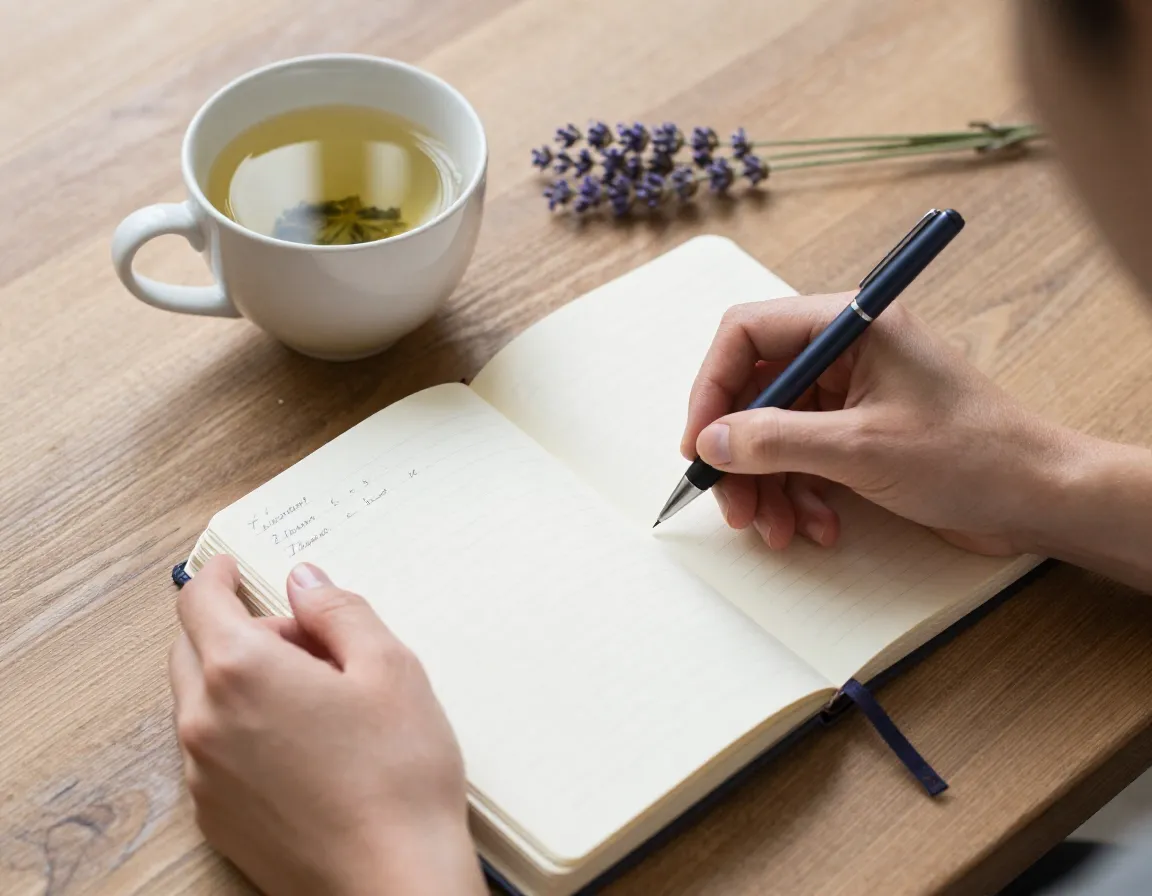
Therapeutic approach: For mood support, consistency is crucial. Aim for 2-3 cups daily, and consider keeping a mood journal to track improvements over 4-6 weeks.
6. Enhancing Focus During Meditation and Mindfulness Practices
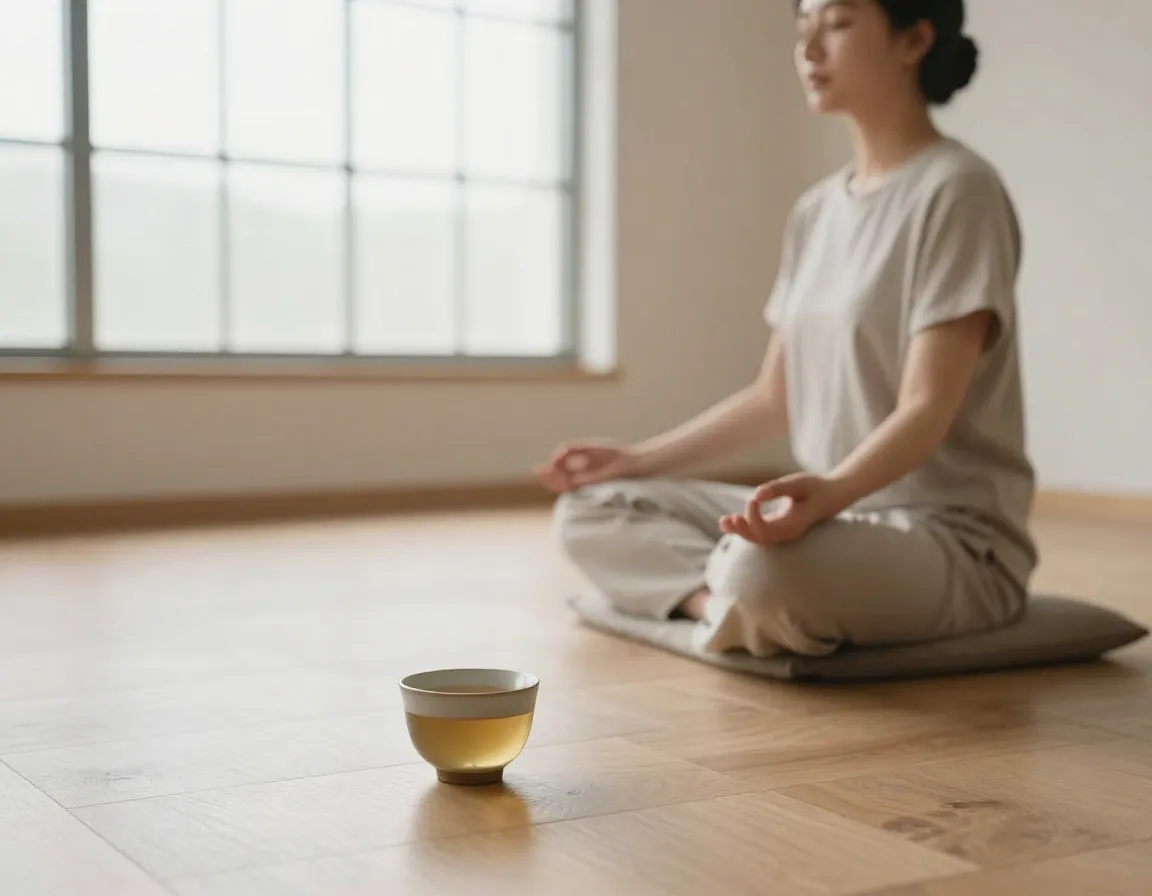
Lemon balm tea creates an ideal mental state for meditation and mindfulness practices. Its unique ability to calm the mind while maintaining alertness makes it easier to achieve the focused awareness that meditation requires. Many practitioners report that drinking lemon balm tea before meditation sessions helps them settle into a meditative state more quickly and maintain focus for longer periods.
The herb’s GABA-enhancing properties reduce mental chatter and anxiety, while its cognitive-enhancing compounds keep the mind alert and present. This combination is particularly valuable for beginners who struggle with racing thoughts during meditation.
Meditation protocol: Drink a cup of lemon balm tea 15-20 minutes before your meditation session. The slight delay allows the active compounds to begin working just as you settle into practice.
7. Creating Synergistic Herbal Blends
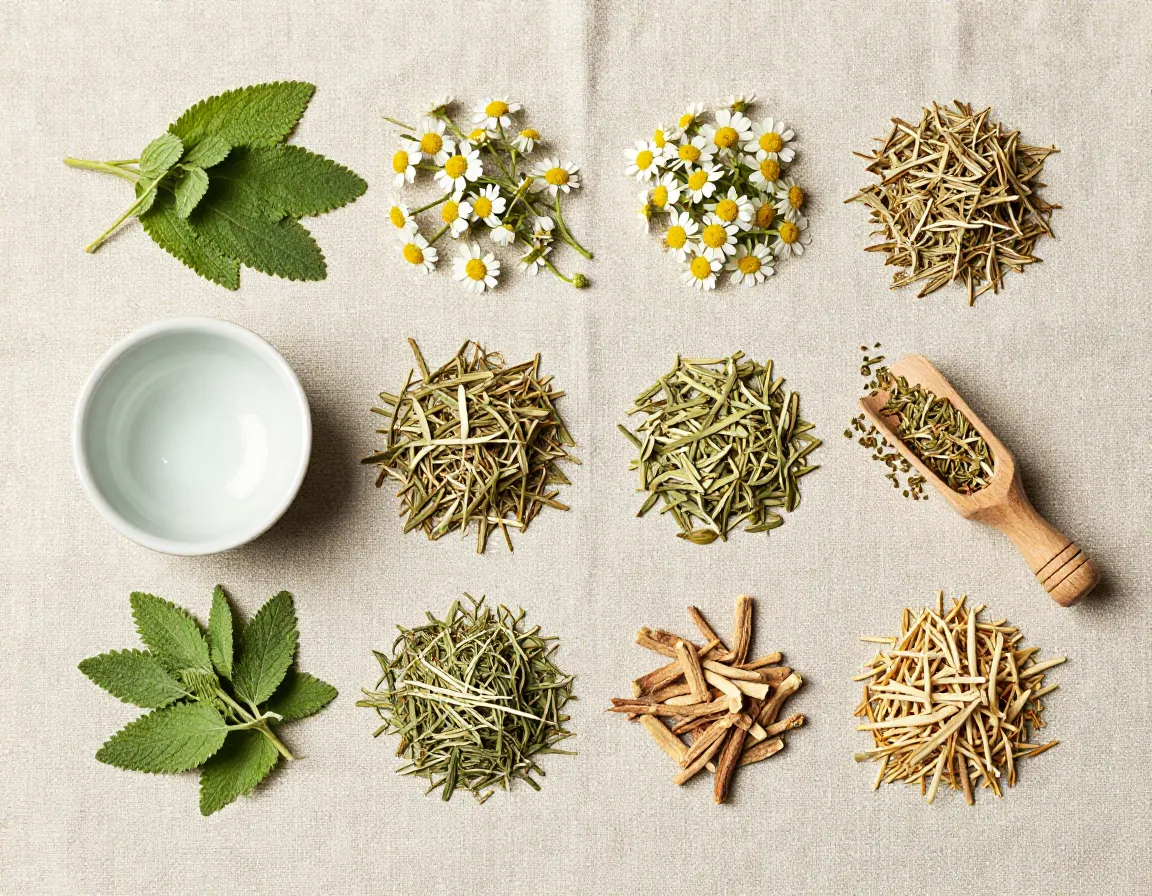
One of the most effective ways to use lemon balm is in combination with other calming herbs. Research shows that lemon balm is most effective when combined with valerian or other calming herbs like chamomile [2][5]. These combinations create synergistic effects that are greater than the sum of their parts.
Popular and effective combinations include:
- Lemon balm + Chamomile: Ideal for evening relaxation and sleep preparation
- Lemon balm + Valerian: Powerful for severe anxiety and insomnia
- Lemon balm + Passionflower: Excellent for stress-related digestive issues
- Lemon balm + Lavender: Perfect for tension headaches and mental fatigue
Blending ratios: Start with equal parts of each herb and adjust based on your response. Lemon balm can comprise 40-60% of the blend, with complementary herbs making up the remainder.
8. Supporting Digestive Health and Stress-Related Stomach Issues
The connection between stress and digestive health is well-established, and lemon balm addresses both simultaneously. Its antispasmodic properties help relax the smooth muscles of the digestive tract, while its anxiolytic effects reduce the stress that often triggers digestive issues.
Many people experience stomach upset, nausea, or digestive discomfort during stressful periods. Lemon balm tea can provide relief by addressing both the physical symptoms and their underlying emotional causes. The herb’s gentle nature makes it suitable for regular use, even for those with sensitive stomachs.
Digestive protocol: Drink a cup of lemon balm tea after meals or during stressful periods when you notice digestive discomfort. The warm liquid itself aids digestion, while the active compounds provide systemic benefits.
Dosage Guidelines and Safety Considerations
Understanding proper dosage is crucial for maximizing the 8 brilliant lemon balm tea uses for calm & focus. Based on clinical research, the most effective doses range from 300mg twice daily for anxiety and sleep benefits to 600mg daily for enhanced mood and cognitive effects [1].
Tea Preparation and Dosing
Standard preparation:
- Use 1-2 teaspoons of dried lemon balm per cup of water
- Steep for 5-7 minutes in water just below boiling (195-200°F)
- Strain and enjoy warm or at room temperature
Concentration levels:
- Mild effects: 1 teaspoon per cup, 1-2 cups daily
- Moderate effects: 1.5 teaspoons per cup, 2-3 cups daily
- Therapeutic effects: 2 teaspoons per cup, 3 cups daily
Safety and Interactions
Lemon balm is generally considered very safe for most people. However, there are a few considerations:
- Thyroid conditions: Lemon balm may interfere with thyroid hormone production in some individuals
- Sedative medications: May enhance the effects of prescription sleep aids or anti-anxiety medications
- Pregnancy and nursing: While traditionally used, consult healthcare providers before regular use
- Surgery: Discontinue use 2 weeks before scheduled surgery due to potential sedative effects
Maximizing Benefits: Best Practices and Tips
To get the most from your lemon balm tea practice, consider these evidence-based strategies:
Timing Optimization
| Goal | Best Timing | Frequency |
|---|---|---|
| Anxiety relief | Morning and mid-afternoon | 2-3 times daily |
| Sleep improvement | 30-60 minutes before bed | Nightly |
| Cognitive enhancement | 30-45 minutes before mental tasks | As needed |
| Mood support | Consistent daily timing | 2-3 times daily |
| Digestive support | After meals or during stress | As needed |
Quality and Sourcing
The quality of your lemon balm significantly impacts its effectiveness. Look for:
- Organic certification to avoid pesticide residues
- Whole leaf preparations rather than powdered forms
- Recent harvest dates for maximum potency
- Standardized extracts when available, particularly those standardized to rosmarinic acid content
Storage and Preparation Tips
- Store dried lemon balm in airtight containers away from light and heat
- Use filtered water for tea preparation to avoid chlorine interference
- Don’t over-steep, as this can increase bitterness without adding benefits
- Consider cold-brewing for a gentler, less bitter flavor profile
Building Your Lemon Balm Practice
Creating a sustainable lemon balm tea practice requires thoughtful integration into your daily routine. Start with one specific use case – whether that’s morning anxiety relief, evening sleep support, or pre-work cognitive enhancement – and build from there.
Many people find success with a graduated approach:
Week 1-2: One cup daily at a consistent time
Week 3-4: Two cups daily, morning and evening
Week 5+: Three cups daily or as needed, adjusting based on response
Track your experiences in a simple journal, noting:
- Time of consumption
- Dosage and preparation method
- Effects noticed (both immediate and cumulative)
- Sleep quality and mood changes
- Any side effects or concerns
This data will help you optimize your personal protocol and identify the most effective applications for your specific needs.
Conclusion
The 8 brilliant lemon balm tea uses for calm & focus represent just the beginning of what this remarkable herb can offer. From reducing anxiety by 18% and improving sleep quality by 42% to enhancing cognitive performance and supporting long-term brain health, lemon balm provides a comprehensive natural solution for many of our modern mental health challenges.
What sets lemon balm apart is its gentle yet effective nature. Unlike pharmaceutical interventions that often come with significant side effects, lemon balm works with your body’s natural systems to promote balance and well-being. The research is clear: this isn’t just folk medicine – it’s a scientifically validated tool for mental wellness.
Your next steps:
- Start simple with one cup of lemon balm tea daily, focusing on your primary concern (anxiety, sleep, or focus)
- Source quality herbs from reputable suppliers, preferably organic and recently harvested
- Track your progress for at least 2-4 weeks to identify optimal timing and dosing
- Consider combinations with complementary herbs once you’ve established a base practice
- Consult healthcare providers if you’re taking medications or have underlying health conditions
Remember, the most effective approach is consistent, mindful use rather than sporadic high doses. By incorporating these 8 brilliant lemon balm tea uses for calm & focus into your daily routine, you’re not just addressing immediate symptoms – you’re investing in long-term mental wellness and cognitive health.
The journey to better mental clarity and emotional balance doesn’t require complex solutions or expensive interventions. Sometimes, the most profound changes come from the simplest practices. Your cup of lemon balm tea might just be the gentle, natural solution you’ve been searching for.
References
[1] Top 8 Health Benefits Of Lemon Balm – https://viridian-nutrition.com/en-us/blogs/nutrition-articles/top-8-health-benefits-of-lemon-balm
[2] Health Benefits Lemon Balm – https://www.webmd.com/diet/health-benefits-lemon-balm
[3] Lemon Balm Benefits – https://health.clevelandclinic.org/lemon-balm-benefits
[4] The Effects Of Lemon Balm Melissa Officinalis On Depression And Anxiety In Human Diabetics – https://naturalhealthresearch.org/the-effects-of-lemon-balm-melissa-officinalis-on-depression-and-anxiety-in-human-diabetics/
[5] Lemon Balm – https://christopherhobbs.com/herbal-therapeutics-database/herb/lemon-balm/