
8 Simple Recipes for Thai Tea That Taste Just Like the Shop
Have you ever sipped that perfectly balanced, creamy orange Thai tea from your favorite café and wondered how to recreate that exact same magic at home? I’ve been on that same quest for years, experimenting with countless combinations until I finally cracked the code. The secret isn’t just in the ingredients—it’s in understanding the precise techniques that authentic Thai tea shops use to create that distinctive flavor profile that keeps us coming back for more.
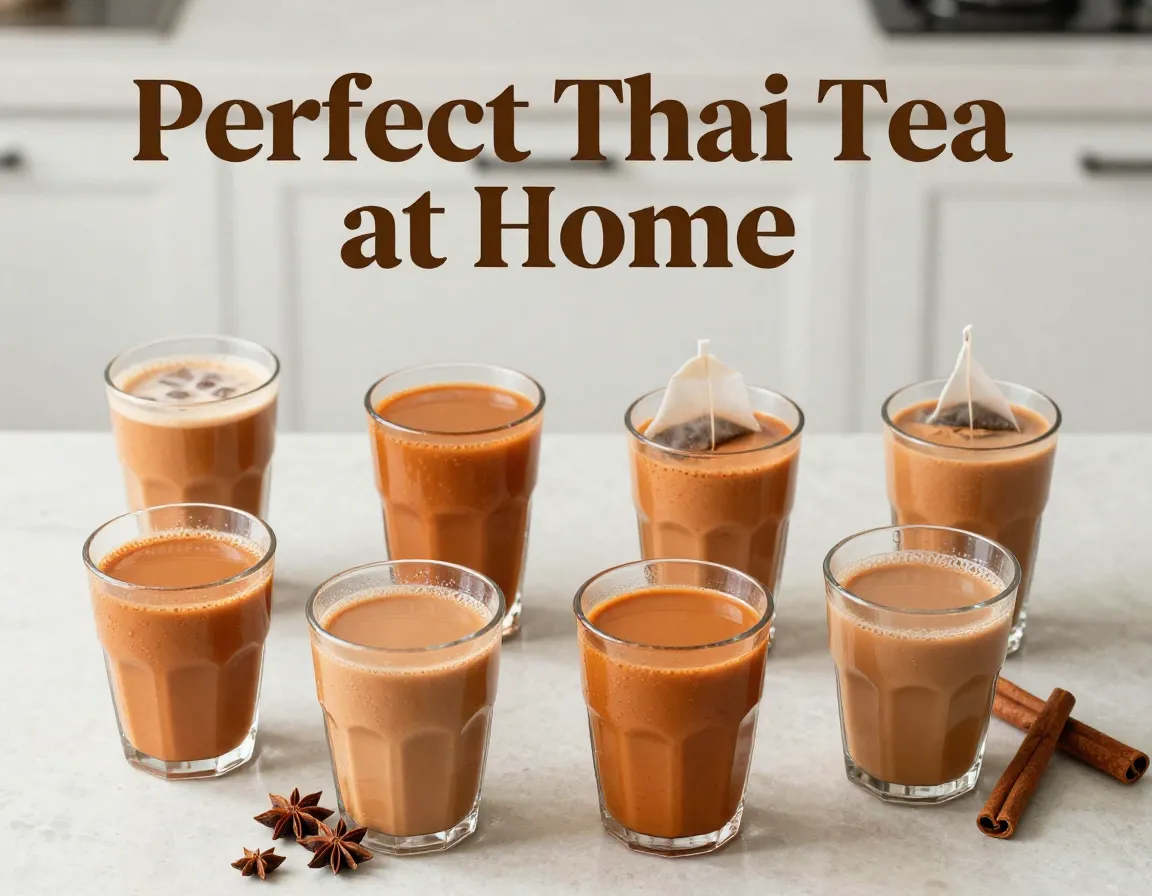
After extensive testing and research into traditional Thai tea preparation methods, I’ve compiled 8 simple recipes for Thai tea that taste just like the shop. These aren’t just basic approximations; they’re carefully crafted formulas that deliver the authentic taste, aroma, and texture you crave. Whether you’re looking to save money, customize your sweetness level, or simply enjoy café-quality Thai tea whenever the craving strikes, these recipes will transform your kitchen into your personal Thai tea paradise.
Key Takeaways
- Authentic Thai tea mix is crucial – brands like Cha Tra Mue, Pantai’s Thai Tea Mix, and Cha Thai Tea Mix provide the distinctive orange color and complex flavor profile found in professional shops
- Steeping time matters significantly – authentic Thai tea requires at least 10 minutes of steeping to achieve proper flavor strength and depth
- Multiple preparation methods exist – from traditional hot brewing to cold brew techniques and modern boba variations, each method offers unique advantages
- Quality ingredients make the difference – using real condensed milk and proper spice ratios elevates homemade Thai tea from amateur to professional quality
- Customization is key – these recipes allow you to adjust sweetness, strength, and add-ins to match your personal preferences while maintaining authentic taste
Understanding Authentic Thai Tea Fundamentals
Before diving into the 8 simple recipes for Thai tea that taste just like the shop, it’s essential to understand what makes authentic Thai tea so distinctive. The foundation of any great Thai tea lies in three critical components: the tea mix itself, the brewing technique, and the finishing touches that create that signature café experience.
The Essential Thai Tea Mix
The heart of authentic Thai tea is the specialized tea blend that gives it both its characteristic orange color and complex flavor profile. Cha Tra Mue stands out as the gold standard among Thai tea mixes, widely used in professional establishments and readily available in Asian grocery stores [2][3]. This brand, along with Pantai’s Thai Tea Mix and Cha Thai Tea Mix, contains the perfect balance of black tea, spices, and natural coloring that creates the authentic taste we associate with quality Thai tea shops [1][2].
What sets these commercial blends apart from regular black tea is their inclusion of traditional spices like cinnamon, cardamom, and star anise [6]. These aromatic elements work together to create the warm, slightly sweet undertones that make Thai tea so addictive. The orange coloring, while sometimes artificial, is part of the authentic experience and helps achieve the visual appeal that makes Thai tea so Instagram-worthy.
Proper Brewing Techniques
One of the most overlooked aspects of homemade Thai tea is the steeping time. Professional Thai tea shops understand that authentic Thai tea should steep for at least 10 minutes to achieve proper flavor strength [3]. This extended brewing time allows the tea leaves to fully release their oils and the spices to properly infuse, creating the robust base that can stand up to ice and milk without becoming diluted.
The brewing temperature is equally important. Using water that’s just off the boil (around 200°F) ensures optimal extraction without creating bitterness. Many home cooks make the mistake of using lukewarm water or steeping for only 3-5 minutes, resulting in weak tea that tastes nothing like the bold, flavorful versions served in shops.
Traditional Hot Thai Tea Recipes
1. Classic Shop-Style Hot Thai Tea
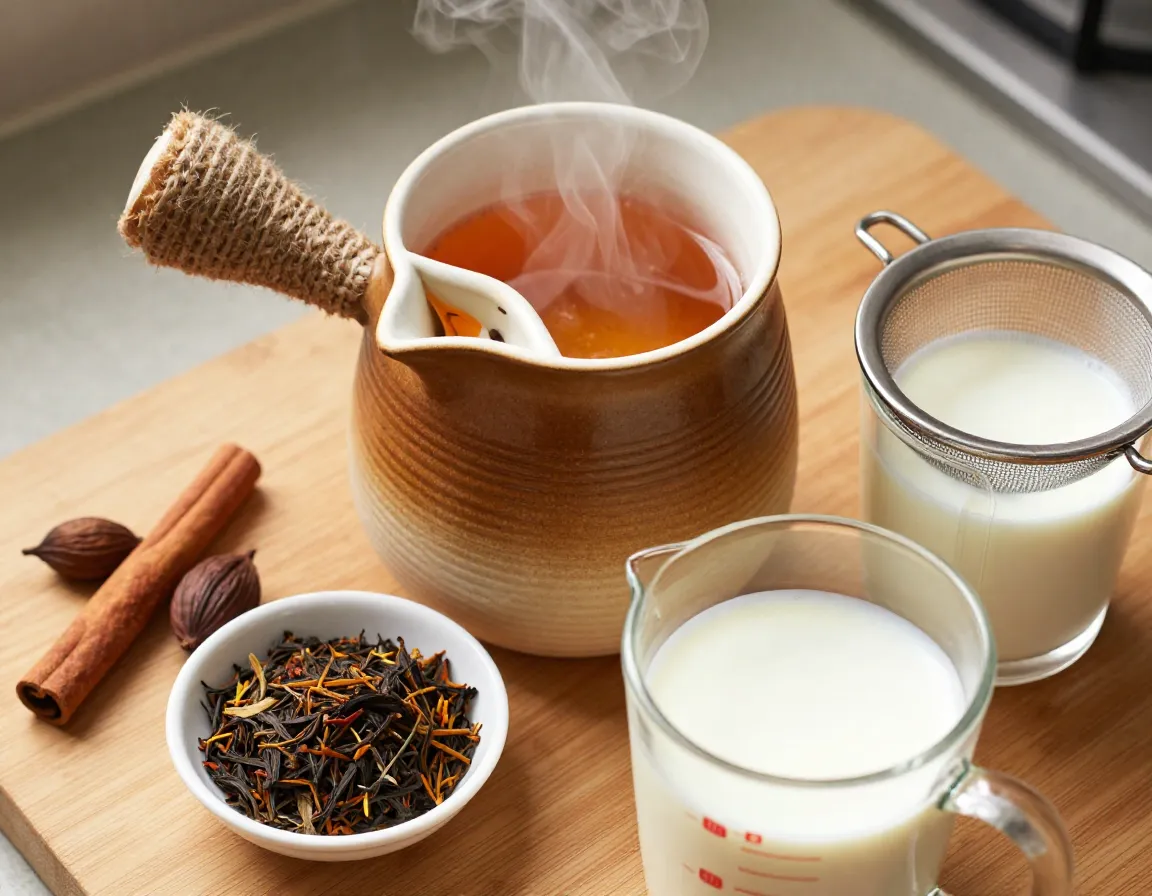
This recipe replicates the exact method used in traditional Thai tea shops, focusing on achieving the perfect balance of strength, sweetness, and spice.
Ingredients:
- 4 tablespoons Thai tea mix (preferably Cha Tra Mue)
- 3 cups boiling water
- 3-4 tablespoons condensed milk
- 2 tablespoons sugar (adjust to taste)
- 1 cinnamon stick
- 2 cardamom pods
Instructions:
- Combine Thai tea mix with cinnamon stick and cardamom pods in a heat-proof container
- Pour boiling water over the mixture and stir well
- Cover and steep for exactly 12 minutes for optimal flavor extraction
- Strain through a fine-mesh strainer, pressing the tea leaves to extract maximum flavor
- While still hot, stir in condensed milk and sugar until completely dissolved
- Serve immediately in pre-warmed cups
Pro Tip: The key to achieving that authentic shop taste is maintaining the tea’s temperature while adding the milk. Cold condensed milk can shock the tea and create an uneven flavor distribution.
2. Spiced Thai Tea with Star Anise
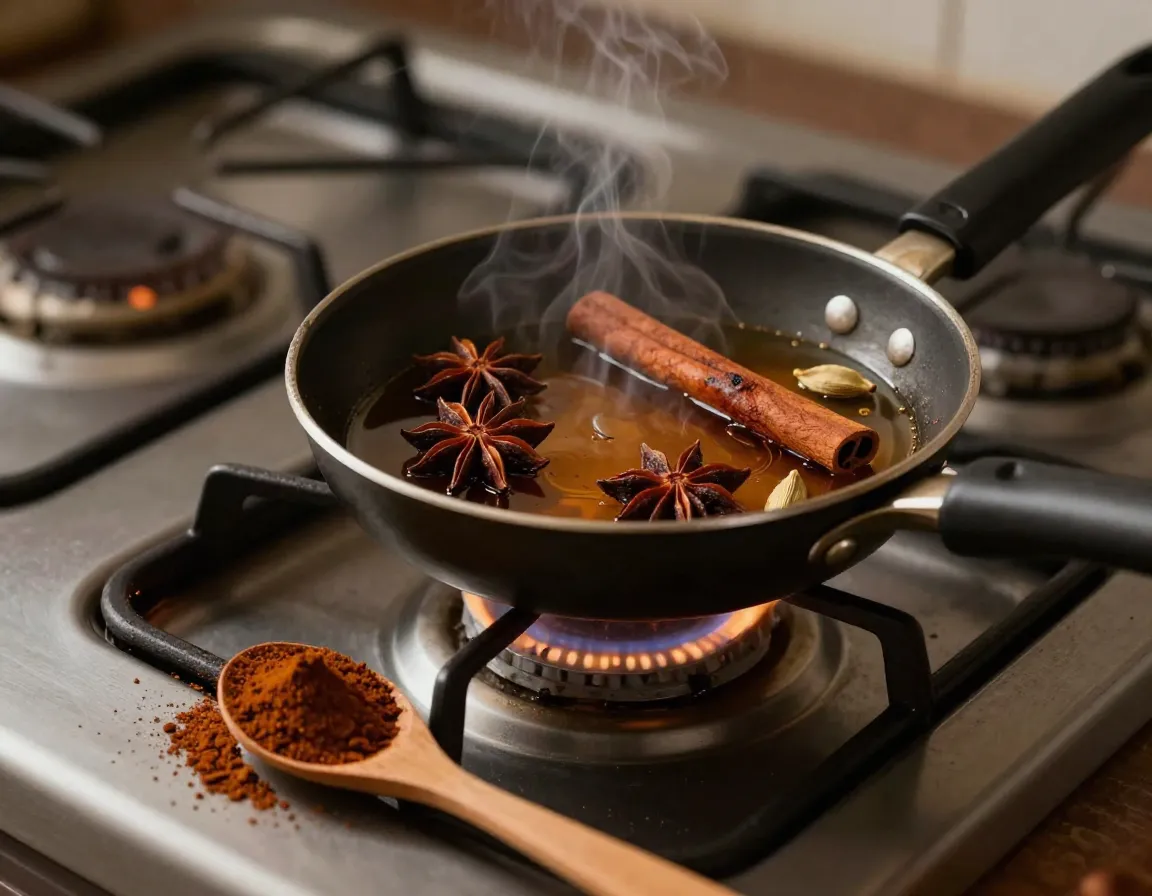
This variation amplifies the aromatic qualities that make Thai tea so distinctive, using additional whole spices for a more complex flavor profile.
Ingredients:
- 4 tablespoons Thai tea mix
- 3 cups water
- 2 star anise pods
- 1 cinnamon stick
- 4 cardamom pods
- 1/4 teaspoon vanilla extract
- 4 tablespoons condensed milk
- 2 tablespoons palm sugar (or brown sugar)
Instructions:
- Toast whole spices in a dry pan for 30 seconds to release their oils
- Add toasted spices to Thai tea mix in brewing vessel
- Pour boiling water over mixture and steep for 15 minutes
- Strain thoroughly, ensuring no spice fragments remain
- Add vanilla extract, condensed milk, and palm sugar while tea is hot
- Stir vigorously to create a smooth, creamy consistency
Why This Works: Toasting the spices before brewing intensifies their flavors, creating the same depth you’d experience in a high-end Thai tea shop that takes pride in their spice preparation.
3. Thai Tea Concentrate for Quick Preparation
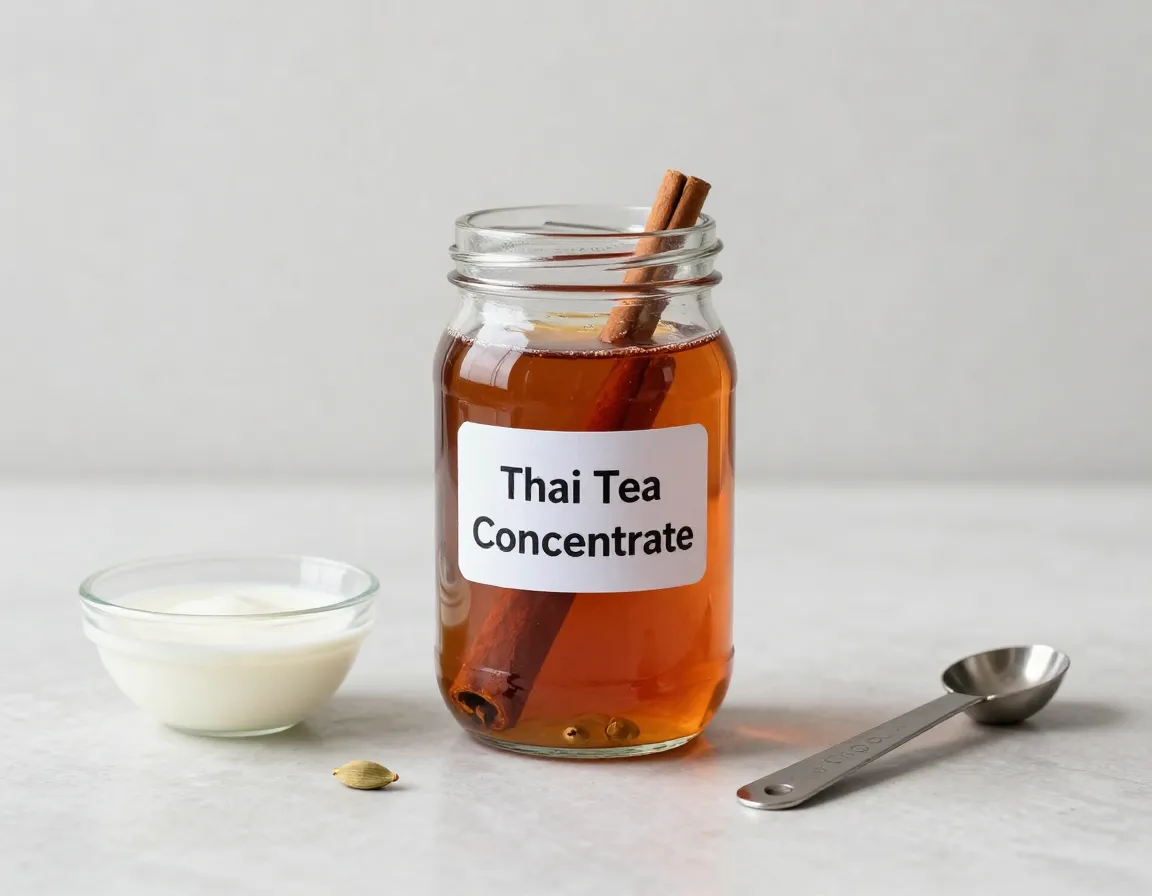
Perfect for busy mornings or when you want multiple servings throughout the day, this concentrate method mirrors how many shops prepare their base.
Ingredients:
- 1 cup Thai tea mix
- 6 cups boiling water
- 1 cup condensed milk
- 1/2 cup sugar
- 2 cinnamon sticks
- 6 cardamom pods
Instructions:
- Create a strong tea base by steeping tea mix and spices in boiling water for 20 minutes
- Strain and divide the concentrate into two portions
- Mix one portion with half the condensed milk and sugar while hot
- Store the remaining concentrate in the refrigerator for up to one week
- To serve: Mix equal parts hot water and concentrate, add condensed milk to taste
Storage Tip: This concentrate method allows you to have authentic Thai tea ready in under two minutes, just like ordering from your favorite shop.
Iced Thai Tea Variations
4. Traditional Thai Iced Tea (Cha Yen)
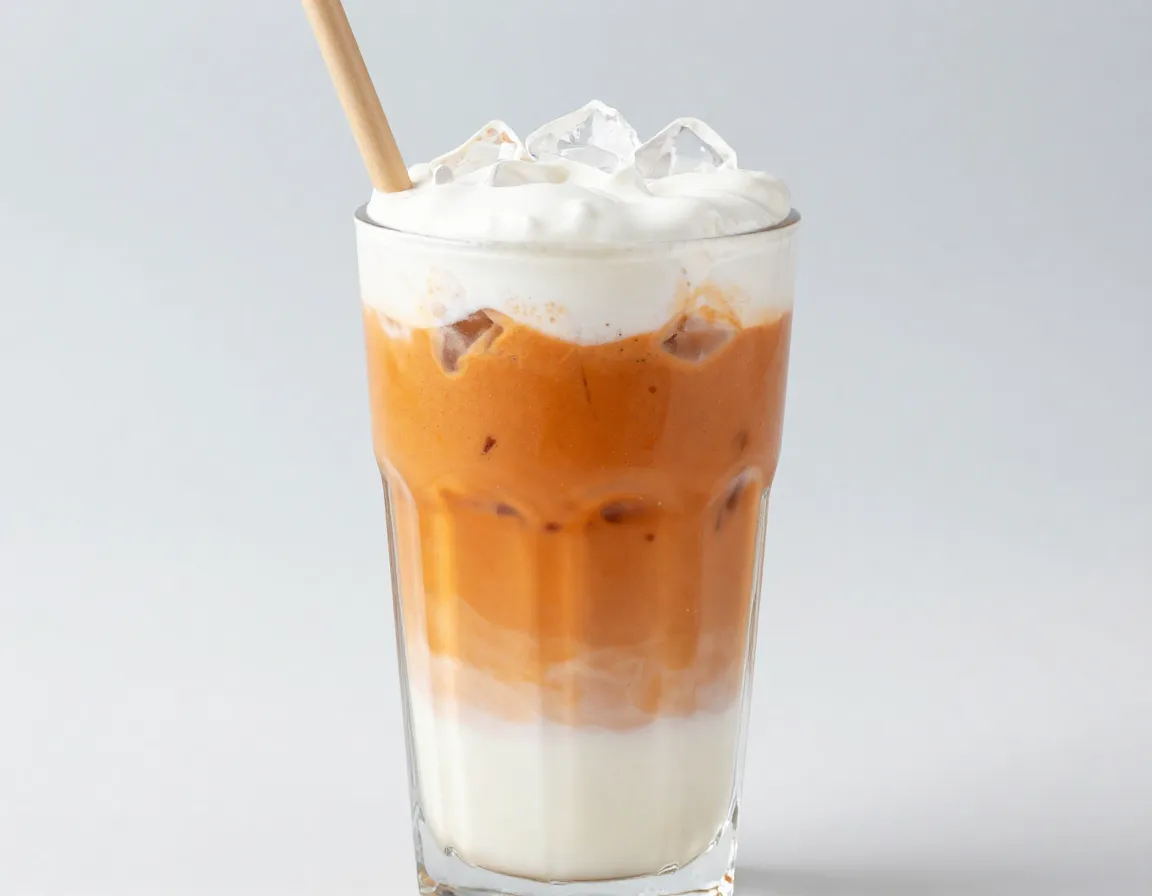
The most popular version served in Thai restaurants worldwide, this recipe focuses on achieving the perfect milk layering effect that creates visual appeal.
Ingredients:
- 4 tablespoons Thai tea mix
- 3 cups boiling water
- 4 tablespoons condensed milk
- 2 tablespoons evaporated milk
- 2 tablespoons sugar
- Crushed ice
- Heavy cream for topping (optional)
Instructions:
- Brew strong tea using the 10-minute steeping method [3]
- Strain and sweeten with sugar while hot, then cool to room temperature
- Fill tall glasses with crushed ice
- Pour tea mixture until glass is 3/4 full
- Slowly drizzle condensed milk and evaporated milk over the back of a spoon to create layers
- Top with a float of heavy cream for authentic presentation
Visual Appeal Secret: The layered effect isn’t just for show—it allows drinkers to control their milk-to-tea ratio with each sip, just like in professional Thai establishments.
5. Cold Brew Thai Tea Method
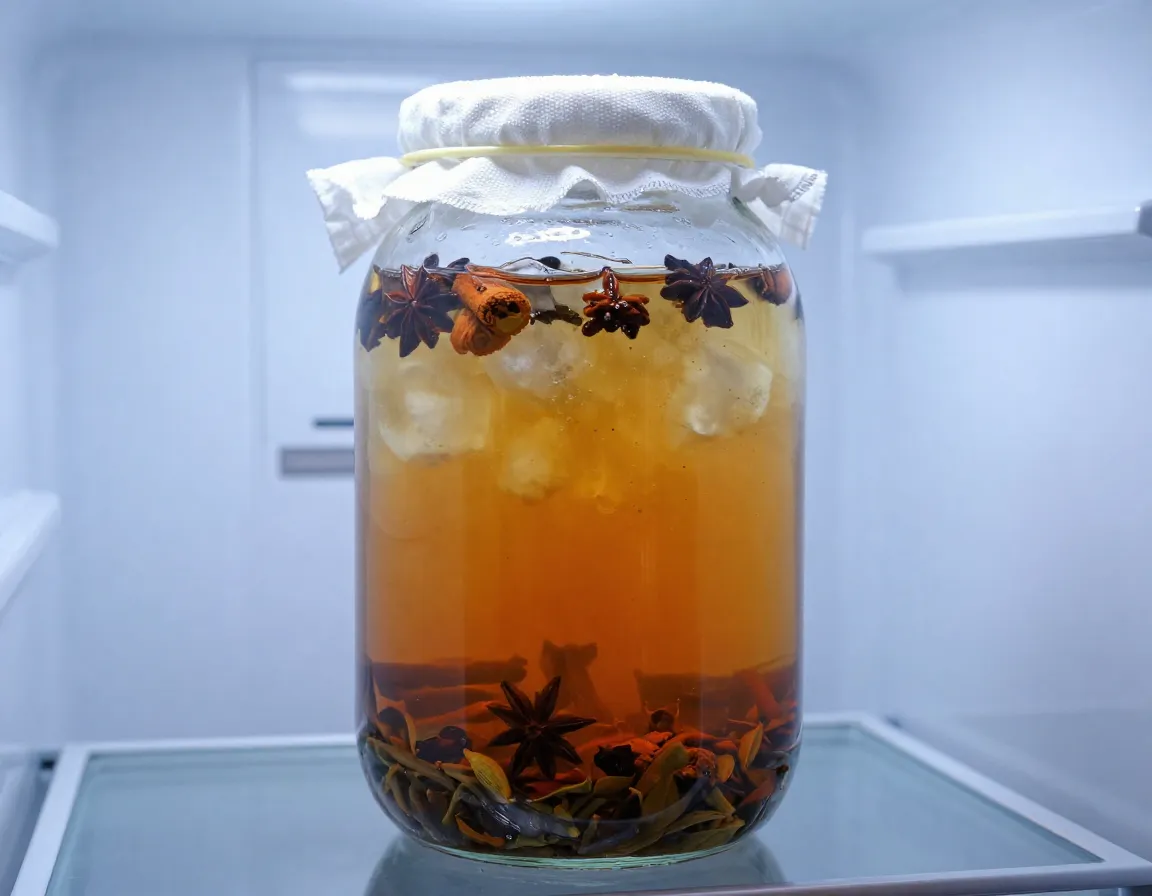
This modern approach creates an incredibly smooth, less bitter version that many contemporary Thai tea shops have adopted [8].
Ingredients:
- 6 tablespoons Thai tea mix
- 4 cups cold filtered water
- 1/4 cup condensed milk
- 2 tablespoons simple syrup
- Ice cubes
- Whole spices (optional)
Instructions:
- Combine Thai tea mix with cold water in a large jar
- If using whole spices, add them now for enhanced flavor
- Refrigerate for 12-24 hours, stirring occasionally
- Strain through a fine-mesh strainer lined with cheesecloth
- Mix in condensed milk and simple syrup
- Serve over ice with additional milk if desired
Advantages: Cold brewing eliminates any possibility of bitterness while creating a naturally sweet, smooth concentrate that requires less added sugar.
6. Thai Tea Boba (Bubble Tea Style)

Inspired by the popular boba tea shops, this recipe incorporates the chewy tapioca pearls that have made Thai tea a favorite among younger generations [3].
Ingredients:
- 4 tablespoons Thai tea mix
- 3 cups hot water
- 1/2 cup cooked tapioca pearls
- 4 tablespoons condensed milk
- 2 tablespoons brown sugar syrup
- 1/4 cup heavy cream
- Ice cubes
Instructions:
- Prepare tapioca pearls according to package directions and keep warm in brown sugar syrup
- Brew Thai tea using traditional hot method and cool completely
- Add condensed milk to cooled tea and mix thoroughly
- Place 2-3 tablespoons of tapioca pearls in bottom of serving glass
- Add ice and pour tea mixture over pearls
- Top with lightly whipped heavy cream
Boba Tip: The key to authentic boba Thai tea is using properly cooked pearls that maintain their chewiness—they should be tender but still have a slight bite, just like in professional boba shops.
Advanced Thai Tea Creations
7. Thai Tea Latte with Foam Art
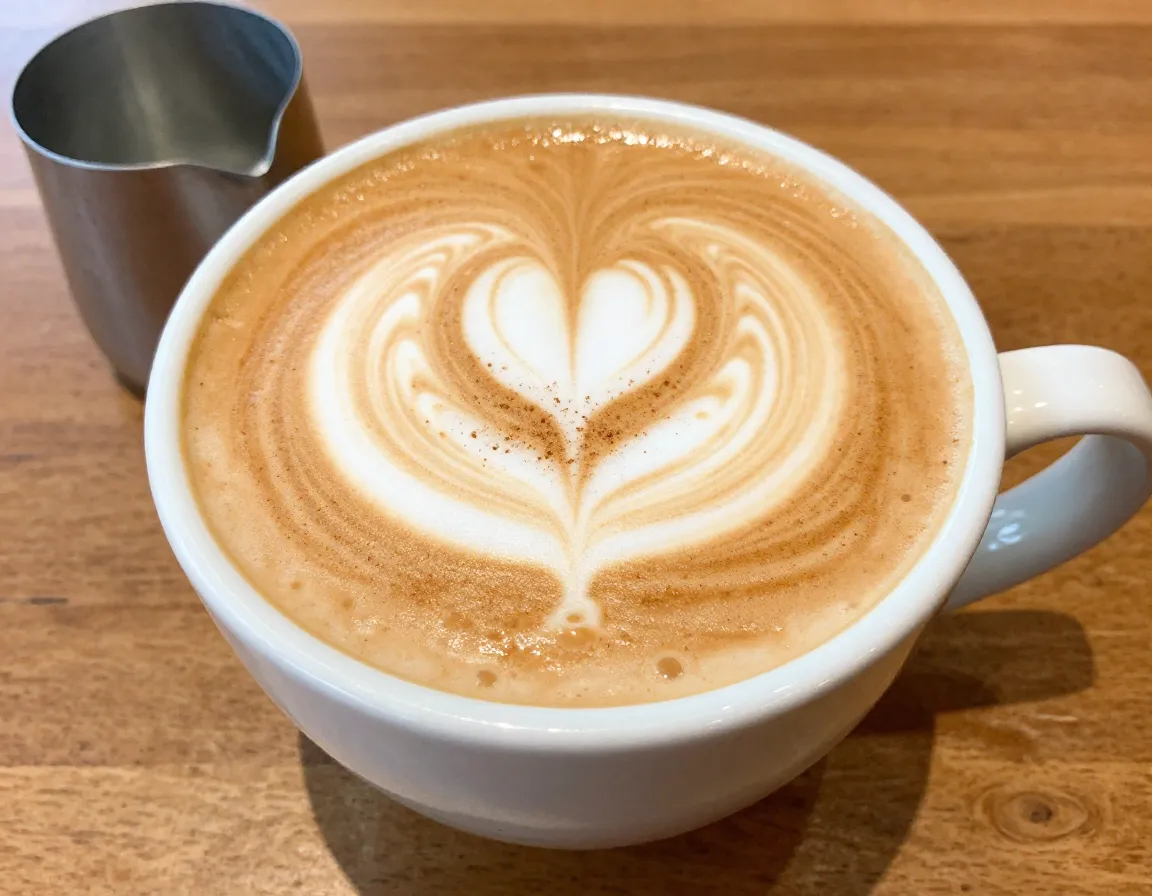
This café-style preparation elevates Thai tea to coffeehouse standards, perfect for impressing guests or treating yourself to a luxury experience.
Ingredients:
- 3 tablespoons Thai tea mix
- 1 cup hot water
- 1/2 cup whole milk
- 2 tablespoons condensed milk
- 1 tablespoon sugar
- Ground cinnamon for dusting
Instructions:
- Brew a concentrated Thai tea using less water for a stronger base
- Heat milk to 150°F and froth using a milk frother or French press
- Combine hot tea concentrate with condensed milk and sugar in a large mug
- Pour frothed milk into the tea, holding back the foam with a spoon
- Spoon foam on top and dust with ground cinnamon
- Create simple designs with a toothpick if desired
Latte Art Tip: The key to successful foam art is having properly textured milk—it should be creamy and velvety, not bubbly or thin.
8. Thai Tea Ice Cream Float
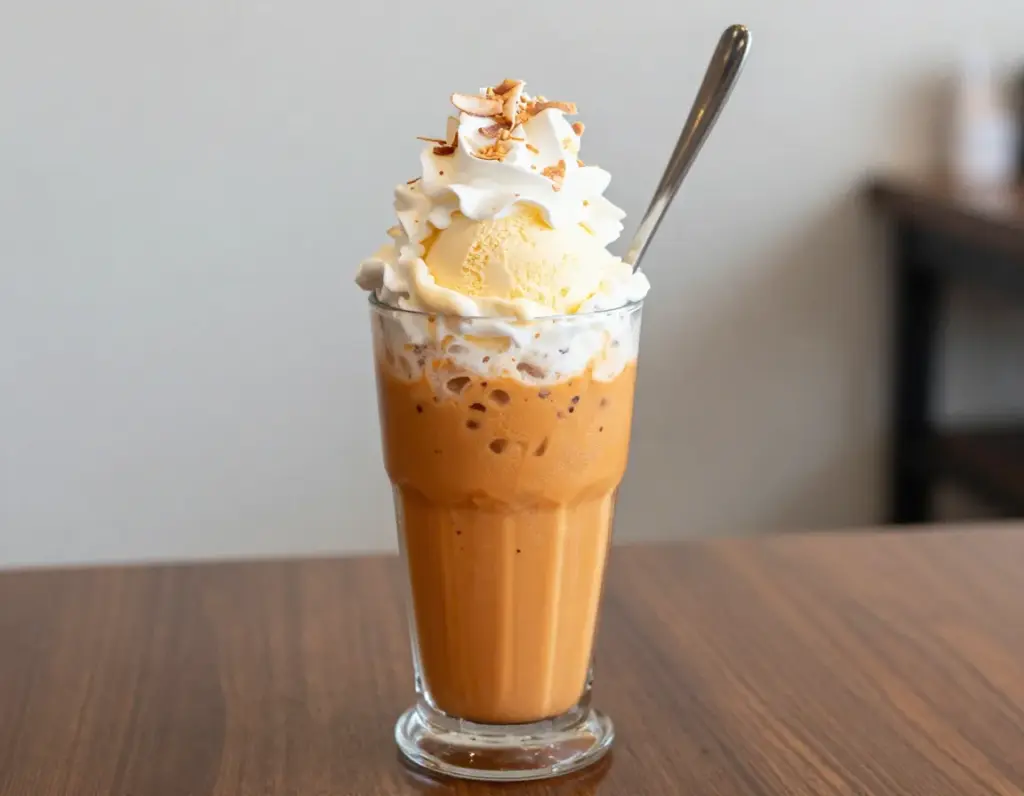
This dessert-style Thai tea combines the best of both worlds, creating a treat that’s both beverage and dessert.
Ingredients:
- 4 tablespoons Thai tea mix
- 2 cups hot water
- 3 tablespoons condensed milk
- 2 scoops vanilla ice cream
- 1 tablespoon coconut flakes
- Whipped cream for topping
- Crushed ice
Instructions:
- Brew extra-strong Thai tea and sweeten with condensed milk
- Cool tea to room temperature, then chill in refrigerator
- Fill a tall glass with crushed ice
- Add one scoop of vanilla ice cream
- Pour chilled Thai tea over ice cream
- Top with second scoop of ice cream, whipped cream, and coconut flakes
Float Success: The contrast between the cold, creamy ice cream and the spiced tea creates a complex flavor experience that rivals any specialty dessert shop.
Pro Tips for Perfecting Your Thai Tea Game
Ingredient Quality Matters
The difference between good and exceptional Thai tea lies in the quality of your ingredients. Authentic Thai tea mix brands like Cha Tra Mue contain specific tea varieties and spice blends that have been perfected over decades [2][3]. While generic orange tea mixes might seem similar, they lack the complexity and depth that make Thai tea shops so popular.
When it comes to condensed milk, opt for brands that use real milk rather than milk powder substitutes. The richness and mouthfeel of quality condensed milk significantly impacts the final product’s authenticity.
Temperature and Timing Precision
Professional Thai tea shops succeed because they maintain consistent brewing parameters. Water temperature should be between 200-212°F for optimal extraction, and steeping time should never be less than 10 minutes [3]. These aren’t suggestions—they’re requirements for achieving authentic flavor.
Many home brewers rush the process, resulting in weak, disappointing tea that bears little resemblance to shop-quality versions. Patience during the brewing process is what separates amateur attempts from professional-quality results.
Customization While Maintaining Authenticity
One of the advantages of making Thai tea that tastes just like the shop at home is the ability to customize while maintaining authenticity. You can adjust sweetness levels, experiment with different milk ratios, or add personal touches like extra spices without compromising the fundamental character that makes Thai tea special.
Consider keeping notes on your preferred ratios and modifications. This allows you to consistently recreate your perfect cup while having a baseline authentic recipe to return to when serving others who expect traditional flavors.
Troubleshooting Common Thai Tea Problems
Weak or Watery Taste
If your homemade Thai tea lacks the robust flavor of shop versions, the most likely culprits are insufficient tea mix, inadequate steeping time, or water temperature issues. Increase your tea-to-water ratio and ensure you’re steeping for the full recommended time.
Bitter or Astringent Notes
Over-steeping or using water that’s too hot can extract tannins that create bitterness. While Thai tea should be strong, it shouldn’t be bitter. If this occurs, reduce steeping time slightly or let your water cool for 30 seconds before pouring over the tea mix.
Poor Milk Integration
If your condensed milk isn’t integrating smoothly, it’s likely a temperature issue. Condensed milk blends best when added to hot tea, then cooled if you’re making iced versions. Adding cold milk to cold tea often results in clumpy, uneven distribution.
Conclusion
Mastering these 8 simple recipes for Thai tea that taste just like the shop transforms your kitchen into a personal Thai tea paradise. From the classic hot preparation that warms cold mornings to the Instagram-worthy boba version that rivals any trendy tea shop, these recipes provide the foundation for endless Thai tea enjoyment.
The key to success lies in understanding that authentic Thai tea isn’t just about following a recipe—it’s about respecting the traditional techniques that have made this beverage beloved worldwide. Quality ingredients, proper steeping times, and attention to detail separate good homemade Thai tea from the exceptional versions that keep us coming back to our favorite shops.
Your next steps are simple: Start with the classic hot Thai tea recipe to master the fundamentals, then experiment with the variations that appeal to your taste preferences. Keep authentic Thai tea mix stocked in your pantry, invest in quality condensed milk, and don’t rush the brewing process.
Most importantly, take notes on your preferences and modifications. This allows you to develop your signature version while maintaining the authentic character that makes Thai tea so special. Whether you’re craving a comforting hot cup on a rainy afternoon or a refreshing iced version during summer heat, these recipes ensure you’ll never have to settle for subpar Thai tea again.
With practice and attention to detail, your homemade Thai tea will not only match your favorite shop’s quality—it might just surpass it. After all, the best Thai tea is the one made exactly to your preferences, using techniques that honor this beloved beverage’s rich tradition.
References
[1] Thai Tea Recipe – https://mikhaeats.com/thai-tea-recipe/
[2] Comment Page 9 – https://whiteonricecouple.com/thai-tea-recipe/comment-page-9/
[3] Thai Tea Boba Tea – https://www.1992sharetea.com/news/thai-tea-boba-tea
[4] Thai Iced Tea – https://www.thespicehouse.com/blogs/recipes/thai-iced-tea
[5] 1291 Thai Iced Tea – https://importfood.com/recipes/recipe/1291-thai-iced-tea
[6] Refreshing Thai Tea Recipe – https://www.tastingtable.com/980678/refreshing-thai-tea-recipe/
[7] Thai Iced Lemon Tea – https://tastythais.com/thai-iced-lemon-tea/
[8] Cold Brew Thai Iced Tea – https://www.ohhowcivilized.com/cold-brew-thai-iced-tea/