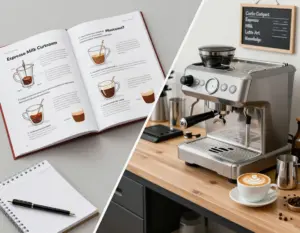
9 Things You Must Know Before Starting a Job as a Barista
Picture this: it’s 6 AM, the aroma of freshly ground coffee beans fills the air, and you’re about to serve your first customer of the day. The espresso machine hisses, milk steams perfectly, and you create a beautiful latte art design that makes someone’s morning just a little brighter. If this scene excites you, then you’re probably considering a career as a barista. However, before you dive into the world of coffee craftsmanship, there are crucial insights about 9 things you must know before starting a job as a barista that will set you up for success in this dynamic industry.

The coffee industry in 2026 is booming, with over 93,300 active barista job openings across the country and a promising job growth rate of 4.6%[1]. But success as a barista requires more than just a love for coffee—it demands understanding the realities of the profession, from compensation expectations to essential skills development.
Key Takeaways
- Financial Reality: Most baristas earn $20,000–$28,000 annually due to part-time schedules, despite an average hourly rate of $15.55[5]
- Skill Development: Essential abilities include handling 150–200 customers per shift and mastering specialty techniques like latte art[4]
- Career Demographics: 65% of positions are part-time, with 67% of baristas under 30 years old[1][4]
- Growth Opportunities: Specialty skills and certifications can significantly increase earning potential at premium coffee establishments[5]
- Industry Outlook: Strong job growth with 1,058,480 projected openings by 2029, indicating excellent employment prospects[1]
Understanding the Financial Landscape of Barista Work
1. Realistic Salary Expectations and Earning Potential
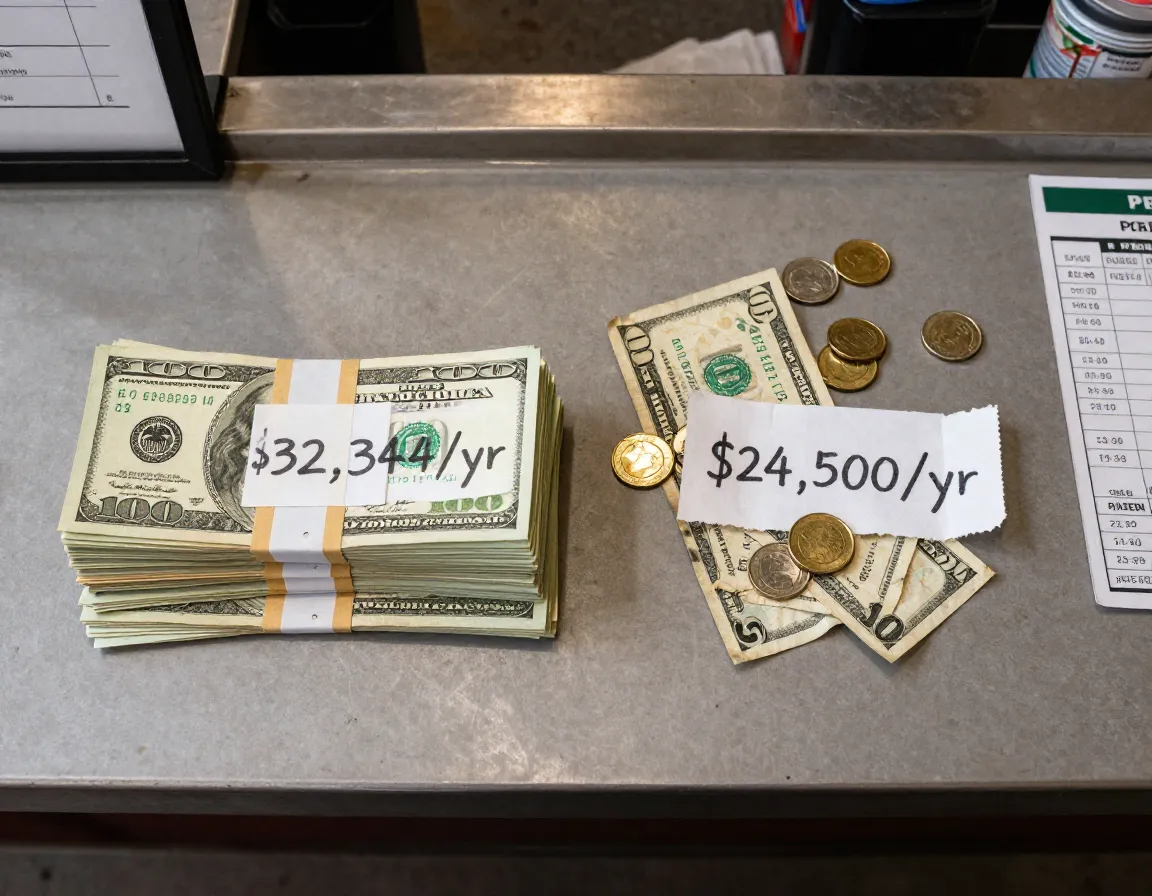
When considering 9 things you must know before starting a job as a barista, understanding the financial reality is paramount. The average hourly rate for baristas in 2026 stands at $15.55, which translates to approximately $32,344 annually for full-time positions[5]. However, here’s the crucial detail most aspiring baristas overlook: 65% of barista positions are part-time[1][3], meaning the actual annual earnings typically range from $20,000 to $28,000.
This discrepancy between potential and actual earnings occurs because:
- Most coffee shops operate with flexible scheduling
- Peak hours (morning and afternoon rushes) drive staffing needs
- Many establishments prefer part-time workers to manage labor costs
- Students and young professionals often seek flexible arrangements
💡 Pro Tip: If you need full-time income, consider working at multiple coffee shops or supplementing with freelance work during slower periods.
2. Part-Time vs. Full-Time Employment Realities

The employment landscape for baristas heavily favors part-time work, with 65% of positions offering fewer than 40 hours per week[1][3]. This structure affects more than just your paycheck—it impacts:
Benefits and Perquisites:
- Health insurance eligibility
- Paid time off accrual
- Retirement plan participation
- Employee discounts and perks
Schedule Flexibility:
- ✅ Advantages: Perfect for students, parents, or those pursuing other interests
- ✅ Advantages: Opportunity to work multiple jobs or develop side businesses
- ❌ Challenges: Income instability and difficulty budgeting
- ❌ Challenges: Limited career advancement within single establishments
Planning Your Career Path:
If you’re committed to coffee as a career, consider these strategies:
- Seek management-track positions at larger chains
- Develop specialty skills that command premium pay
- Consider coffee roasting or wholesale opportunities
- Build toward opening your own coffee business
Essential Skills and Qualifications for Success
3. Customer Service Excellence and Communication Skills
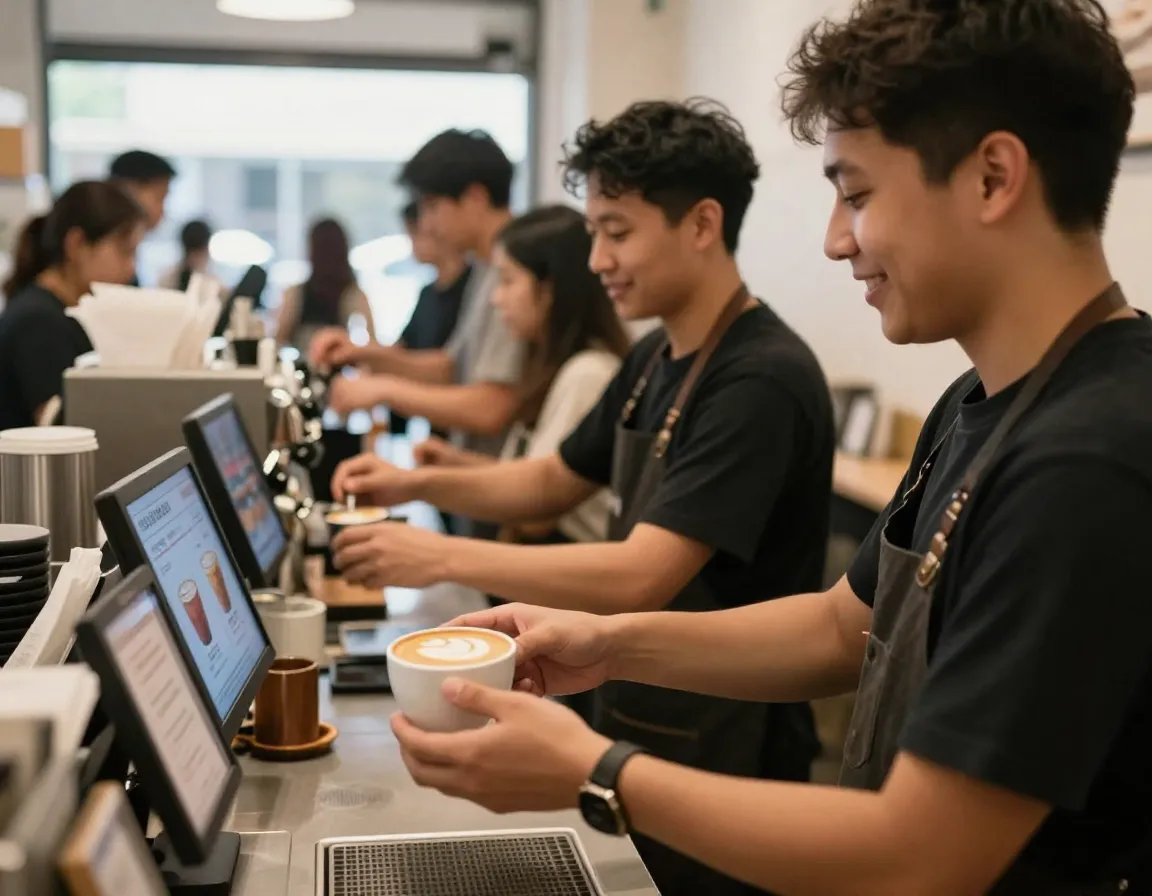
Among the 9 things you must know before starting a job as a barista, mastering customer service stands as the foundation of success. Baristas typically serve 150–200 customers per shift[4], making interpersonal skills absolutely critical.
Core Communication Requirements:
| Skill Area | Daily Application | Impact on Success |
|---|---|---|
| Active Listening | Understanding complex drink orders | Reduces remakes, increases satisfaction |
| Conflict Resolution | Handling complaints about wait times or drink quality | Maintains positive atmosphere |
| Upselling Techniques | Suggesting pastries, size upgrades, or seasonal items | Directly impacts revenue and tips |
| Multitasking Communication | Taking orders while preparing drinks | Improves efficiency and customer flow |
Real-World Scenarios You’ll Face:
- Explaining coffee origins and brewing methods to curious customers
- Managing long lines during morning rush hours
- Handling special dietary requests (dairy-free, sugar-free, etc.)
- De-escalating situations when equipment breaks down during peak hours
“The best baristas aren’t just coffee makers—they’re hospitality professionals who happen to work with coffee. Your ability to make genuine connections with customers will determine your success more than your latte art skills.” – Industry veteran with 10+ years experience
4. Physical Demands and Health Considerations
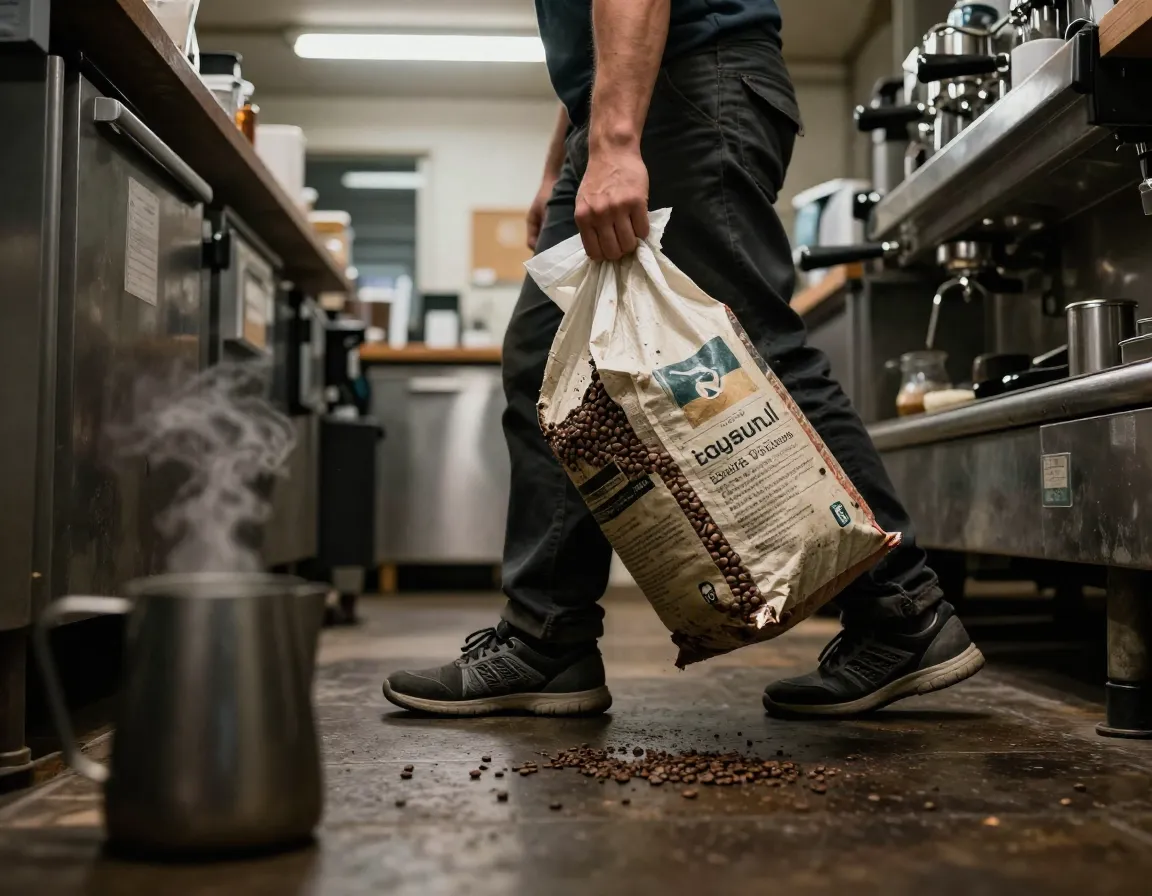
The physical requirements of barista work often surprise newcomers. Basic qualifications include the ability to stand for 8-hour shifts and lift 50 pounds[2], but the demands extend far beyond these minimums.
Daily Physical Challenges:
- Repetitive Motion: Pulling espresso shots, steaming milk, and operating grinders
- Heat Exposure: Working near espresso machines and steamers in warm environments
- Fast-Paced Movement: Quick transitions between stations during rush periods
- Heavy Lifting: Moving coffee bean bags, milk crates, and equipment
Health and Safety Preparation:
- Invest in Quality Footwear: Non-slip shoes with arch support are essential
- Learn Proper Lifting Techniques: Protect your back when handling heavy items
- Develop Heat Tolerance: Practice safe handling of hot liquids and steam
- Build Endurance: Gradually increase standing time if you’re not accustomed to it
Injury Prevention Strategies:
- Stretch before and after shifts
- Rotate between different stations when possible
- Use proper ergonomics when operating equipment
- Stay hydrated throughout your shift
Industry Demographics and Workplace Culture
5. Understanding Your Colleagues and Work Environment

The demographic composition of the barista workforce significantly influences workplace culture. 74% of baristas are women[1], and 67% are under 30 years old[1][4], creating a predominantly young, female-dominated environment.
Workplace Dynamics:
- Collaborative Atmosphere: Team-oriented approach to handling rush periods
- Creative Expression: Opportunities for latte art and drink innovation
- Social Interaction: Regular customer relationships and community connection
- Learning Culture: Knowledge sharing about coffee origins, brewing techniques, and industry trends
Generational Considerations:
The young workforce brings specific characteristics:
- Tech-Savvy: Comfortable with POS systems, mobile ordering apps, and social media
- Flexibility: Adaptable to changing schedules and new procedures
- Career Transitional: Many view barista work as stepping stone to other careers
- Social Consciousness: Often passionate about fair trade, sustainability, and ethical sourcing
6. Job Satisfaction and Career Longevity Factors

Current data shows barista job satisfaction at 2.9 out of 5, with salary satisfaction even lower at 2.6 out of 5[1]. Understanding these satisfaction metrics helps set realistic expectations and identify improvement strategies.
Factors Contributing to Lower Satisfaction:
- Income Limitations: Difficulty achieving financial goals on barista wages alone
- Physical Demands: Fatigue from long hours on feet in fast-paced environment
- Limited Advancement: Fewer management positions available compared to entry-level roles
- Seasonal Fluctuations: Income variability during slower periods
Strategies for Increasing Job Satisfaction:
- Focus on Skill Development: Pursue specialty certifications and advanced techniques
- Build Customer Relationships: Find fulfillment in daily interactions and community impact
- Seek Growth Opportunities: Look for training programs and advancement paths
- Supplement Income: Develop complementary skills like coffee equipment sales or training
Career Growth and Advancement Opportunities
7. Specialty Skills That Command Higher Pay
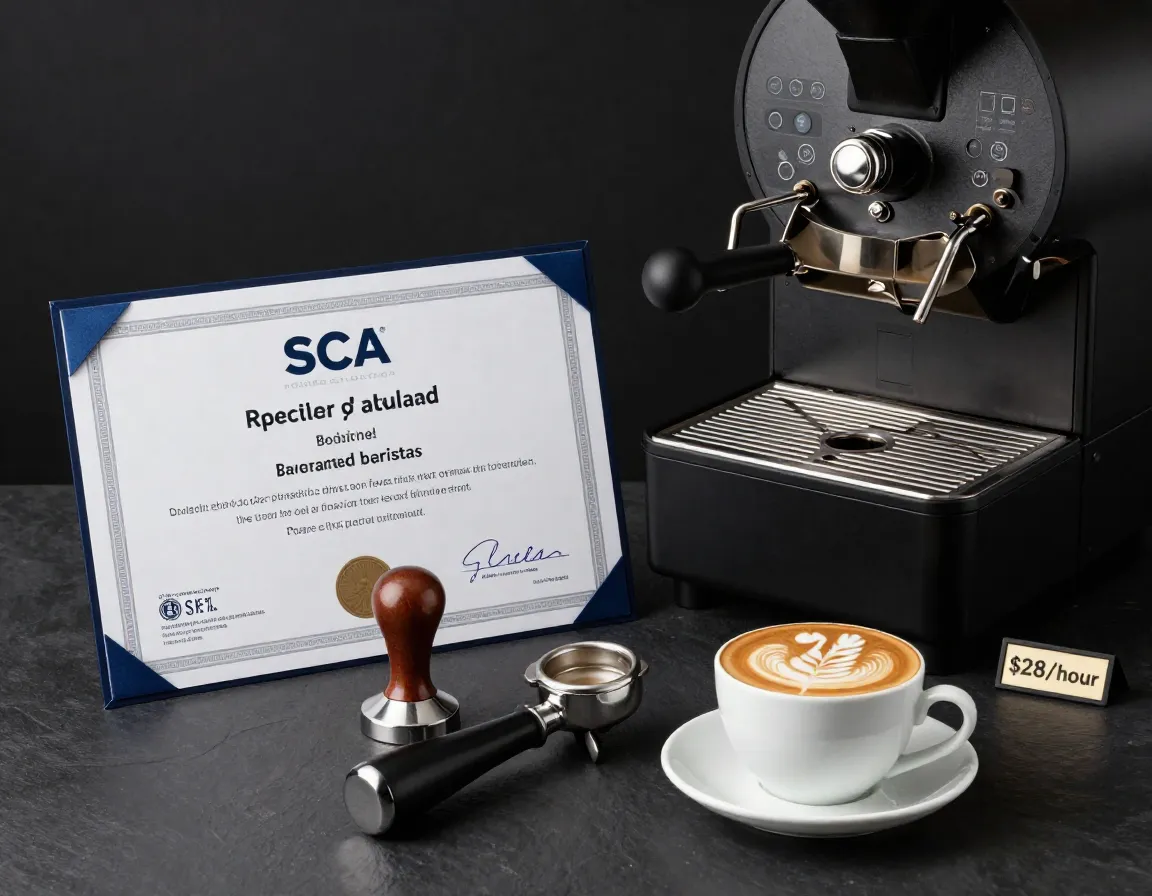
In the competitive coffee market of 2026, specialty skills can justify higher pay at premium cafes[5]. Developing these competencies distinguishes you from basic coffee service workers and opens doors to better-compensated positions.
High-Value Specialty Skills:
☕ Latte Art Mastery
- Basic designs: hearts, leaves, rosettas
- Advanced techniques: multi-layer designs, 3D art
- Consistency under pressure during rush periods
- Teaching ability for training new staff
⚙️ Espresso Calibration and Equipment Maintenance
- Dialing in grind settings for optimal extraction
- Understanding brewing ratios and timing
- Basic troubleshooting and cleaning procedures
- Equipment calibration and quality control
🎓 Professional Certifications
- Specialty Coffee Association (SCA) Certifications[5]
- Barista Skills Foundation and Intermediate levels
- Brewing and Sensory Skills modules
- Coffee Quality Institute Q Grader certification
📊 Earning Potential by Skill Level:
| Skill Level | Average Hourly Rate | Typical Employers | Additional Benefits |
|---|---|---|---|
| Basic Service | $12-15/hour | Chain coffee shops | Standard benefits, limited tips |
| Specialty Skills | $16-22/hour | Independent cafes, roasters | Higher tips, flexible scheduling |
| Certified Professional | $20-28/hour | Premium establishments, training roles | Health benefits, profit sharing |
| Management Track | $25-35/hour | Multi-location operations | Full benefits, equity opportunities |
8. Industry Growth and Future Employment Prospects
The coffee industry’s robust growth makes understanding 9 things you must know before starting a job as a barista even more valuable for long-term career planning. With job growth at 4.6%—faster than average for all occupations[1]—the industry offers genuine stability and opportunity.
Growth Projections Through 2029:
- 23,100 new barista positions needed to meet rising demand[1]
- 9,400 additional openings to replace retiring workers[1]
- 1,058,480 total job openings projected by 2029[1]
Driving Factors Behind Growth:
- Increased Coffee Consumption: Americans continue expanding coffee habits beyond traditional demographics
- Specialty Coffee Trend: Growing demand for artisanal, single-origin, and craft coffee experiences
- Convenience Culture: Mobile ordering, drive-through expansion, and workplace coffee services
- Economic Resilience: Coffee shops often weather economic downturns better than other food service
Emerging Opportunities:
- Mobile Coffee Services: Food trucks and pop-up coffee stands
- Corporate Coffee Programs: In-office barista services for large companies
- Coffee Education: Training roles with equipment manufacturers and coffee roasters
- Sustainable Coffee: Positions focused on fair trade and environmental responsibility
Practical Preparation and Next Steps
9. Essential Qualifications and Preparation Steps
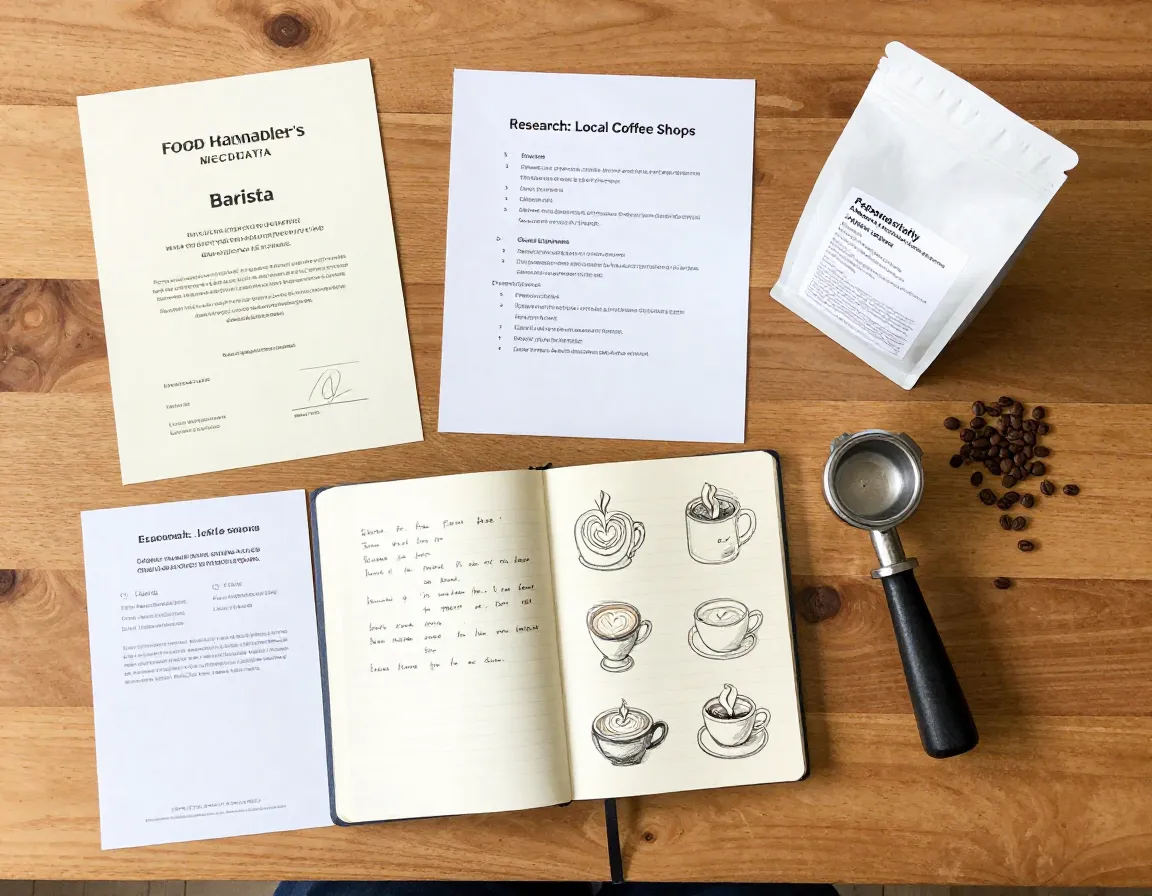
Before applying for barista positions, ensure you meet the basic qualifications including high school diploma or GED and food handler certification[2]. However, successful preparation extends beyond minimum requirements.
Required Documentation:
- ✅ High school diploma or GED equivalent
- ✅ Food handler’s permit (requirements vary by state)
- ✅ Valid identification for employment verification
- ✅ Reliable transportation for varying shift schedules
Recommended Preparation Steps:
1. Gain Coffee Knowledge
- Learn basic coffee terminology and brewing methods
- Understand different coffee bean origins and flavor profiles
- Practice identifying espresso quality indicators
- Study milk steaming techniques and temperatures
2. Develop Technical Skills
- Practice with home espresso equipment if available
- Watch online tutorials for latte art and brewing techniques
- Visit specialty coffee shops to observe professional techniques
- Consider taking a barista course at local community colleges
3. Build Relevant Experience
- Seek customer service roles in food and beverage industry
- Volunteer at events requiring food service
- Practice multitasking in high-pressure environments
- Develop cash handling and POS system familiarity
4. Research Potential Employers
- Chain Coffee Shops: Starbucks, Dunkin’, Peet’s Coffee
- Pros: Comprehensive training, benefits, advancement opportunities
- Cons: Standardized procedures, limited creativity, high volume pressure
- Independent Coffee Shops: Local roasters and specialty cafes
- Pros: Creative freedom, specialty skill development, community connection
- Cons: Variable benefits, less structured training, income instability
- Hybrid Locations: Bookstores, grocery stores, university cafes
- Pros: Diverse work environment, stable hours, unique customer base
- Cons: Limited coffee focus, basic equipment, fewer advancement opportunities
Interview Preparation Checklist:
- Research the company’s coffee sourcing and values
- Prepare examples of customer service excellence
- Practice describing your availability and scheduling flexibility
- Demonstrate enthusiasm for coffee culture and continuous learning
- Prepare questions about training programs and advancement opportunities
Conclusion
Understanding these 9 things you must know before starting a job as a barista provides the foundation for making an informed career decision and setting yourself up for success in the coffee industry. From realistic salary expectations averaging $20,000-$28,000 annually due to part-time scheduling, to the physical demands of serving 150-200 customers per shift, each factor plays a crucial role in your potential success and satisfaction.
The coffee industry in 2026 offers genuine opportunities for those who approach it strategically. With 93,300 active job openings and projected growth of 4.6%, employment prospects remain strong. However, success requires more than enthusiasm—it demands developing specialty skills, understanding workplace dynamics, and planning for career advancement.
Your Next Steps:
- Assess Your Financial Needs: Determine if part-time barista income aligns with your financial goals
- Develop Essential Skills: Focus on customer service, physical endurance, and coffee knowledge
- Research Local Opportunities: Identify employers that match your career goals and values
- Pursue Relevant Certifications: Consider SCA certifications or local barista training programs
- Start Networking: Connect with local coffee professionals and shop owners
Remember that becoming a skilled barista is a journey, not a destination. Whether you view this as a stepping stone to other opportunities or the beginning of a lifelong coffee career, the skills you develop—customer service excellence, multitasking under pressure, and attention to detail—will serve you well in any future endeavor.
The coffee industry needs passionate, skilled professionals who understand both the craft and business aspects of coffee service. By preparing thoroughly and maintaining realistic expectations, you can build a rewarding career that combines your love for coffee with meaningful work in a growing industry.
References
[1] Barista Statistics – https://oysterlink.com/spotlight/barista-statistics/
[2] Barista – https://www.indeed.com/hire/job-description/barista
[3] Demographics – https://www.careerexplorer.com/careers/barista/demographics/
[4] Demographics – https://oysterlink.com/career/barista/demographics/
[5] Average Barista Salary – https://www.7shifts.com/blog/average-barista-salary/