
9 Evidence-Based Hawthorn Berry Tea Benefits for Heart Health
Imagine sipping a warm, fragrant cup of tea that not only soothes your senses but also works quietly to strengthen your heart with every drop. Hawthorn berry tea has been treasured for centuries as nature’s gentle guardian of cardiovascular health, and modern science is finally catching up to what traditional healers have known all along. As we navigate the complexities of heart disease in 2026—still the leading cause of death worldwide—this humble berry offers a beacon of hope backed by compelling research.

The 9 evidence-based hawthorn berry tea benefits for heart health represent more than just folklore; they’re supported by clinical studies, peer-reviewed research, and centuries of traditional use. From improving blood circulation to managing heart failure symptoms, this remarkable botanical ally deserves a place in your daily wellness routine.
Key Takeaways
- Hawthorn berry tea contains powerful compounds like flavonoids and oligomeric proanthocyanidins (OPCs) that directly support cardiovascular function through multiple pathways
- Clinical studies demonstrate significant benefits including reduced blood pressure, improved heart muscle strength, and better management of heart failure symptoms in patients
- Regular consumption may help optimize cholesterol levels by lowering harmful LDL cholesterol while supporting beneficial HDL cholesterol production
- The tea provides potent antioxidant protection against oxidative stress and inflammation, two key factors in heart disease development
- Hawthorn shows promise for managing specific conditions like angina, arrhythmias, and atherosclerosis when used as part of a comprehensive heart-healthy approach
Understanding Hawthorn Berry Tea and Its Heart-Healthy Compounds
Before diving into the 9 evidence-based hawthorn berry tea benefits for heart health, it’s essential to understand what makes this botanical so special. Hawthorn (Crataegus species) belongs to the rose family and has been used medicinally for over 2,000 years [6]. The berries, leaves, and flowers all contain bioactive compounds, but the berries are particularly rich in heart-protective substances.
The key compounds responsible for hawthorn’s cardiovascular benefits include:
- Flavonoids (quercetin, vitexin, hyperoside)
- Oligomeric proanthocyanidins (OPCs)
- Phenolic acids
- Triterpenes
- Pectin
These compounds work synergistically to support heart health through multiple mechanisms, making hawthorn berry tea a comprehensive cardiovascular tonic [1][3].
The Complete Guide to 9 Evidence-Based Hawthorn Berry Tea Benefits for Heart Health
1. Improves Blood Circulation Throughout the Body
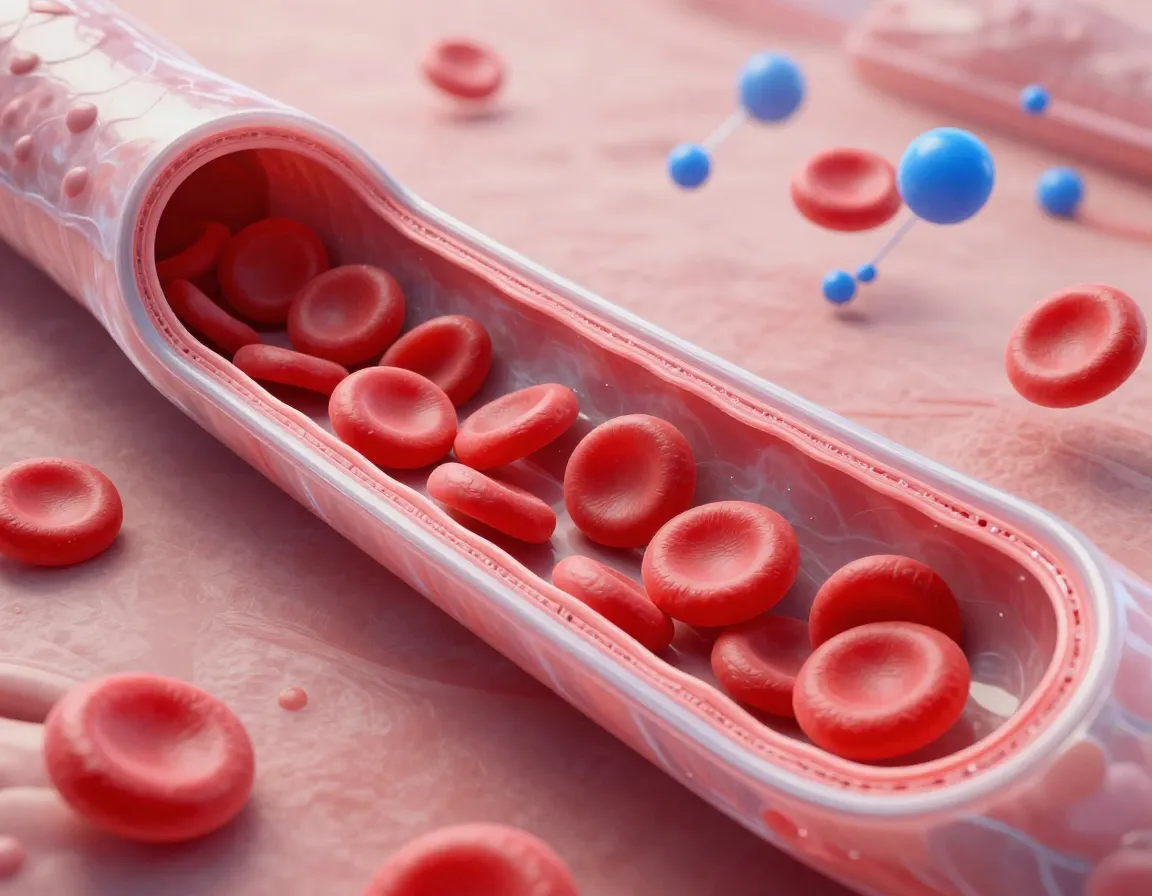
One of the most well-documented hawthorn berry tea benefits for heart health is its ability to enhance blood circulation. The active compounds, particularly flavonoids and oligomeric proanthocyanidins (OPCs), help dilate blood vessels and improve blood flow to the heart and throughout the body [1][3].
This improved circulation occurs through several mechanisms:
- Vasodilation: Hawthorn compounds help relax smooth muscle in blood vessel walls
- Nitric oxide production: Enhanced production of this important vasodilator
- Reduced vascular resistance: Lower resistance means easier blood flow
- Improved microcirculation: Better blood flow to small vessels and capillaries
“The improvement in circulation from hawthorn berry tea can be particularly beneficial for individuals with peripheral circulation issues or those recovering from cardiovascular events.”
2. Reduces Blood Pressure Naturally

High blood pressure affects nearly half of all adults, making this one of the most relevant evidence-based hawthorn berry tea benefits for heart health in 2026. Hawthorn’s bioflavonoids help relax blood vessels, leading to measurable reductions in both systolic and diastolic blood pressure [1][3].
The blood pressure-lowering effects work through:
- ACE inhibition: Natural inhibition of angiotensin-converting enzyme
- Calcium channel blocking: Reduced calcium influx into vascular smooth muscle
- Improved endothelial function: Better blood vessel flexibility and responsiveness
- Stress reduction: Lower cortisol levels that can contribute to hypertension
Research suggests that regular consumption of hawthorn berry tea may help maintain healthy blood pressure levels, though it should complement, not replace, prescribed medications [7].
3. Strengthens Cardiac Muscle Function

The heart is a muscle, and like any muscle, it benefits from proper nutrition and support. Hawthorn berry tea contains compounds that directly strengthen cardiac muscle function and improve overall heart efficiency [1].
Key benefits for cardiac muscle include:
- Enhanced contractility: Stronger, more efficient heartbeats
- Improved oxygen utilization: Better use of available oxygen by heart muscle
- Increased cardiac output: More blood pumped with each heartbeat
- Reduced cardiac workload: Less strain on the heart during daily activities
This strengthening effect is particularly valuable for individuals with mild heart failure or those looking to maintain optimal cardiac function as they age.
4. Lowers LDL (Bad) Cholesterol Levels

Managing cholesterol is crucial for heart health, and hawthorn berry tea offers natural support for healthier lipid profiles. The flavonoid and pectin content in hawthorn berries help reduce total cholesterol and specifically target harmful LDL cholesterol [1][4].
The cholesterol-lowering mechanisms include:
- Bile acid binding: Pectin binds to bile acids, forcing the body to use cholesterol to make more
- HMG-CoA reductase inhibition: Natural inhibition of cholesterol synthesis
- Enhanced cholesterol metabolism: Improved processing and elimination of cholesterol
- Antioxidant protection: Prevention of LDL cholesterol oxidation
Studies suggest that regular consumption may lead to 10-15% reductions in total cholesterol levels when combined with a heart-healthy diet [4].
5. Increases HDL (Good) Cholesterol Production

While lowering bad cholesterol is important, increasing HDL cholesterol is equally valuable for cardiovascular health. Hawthorn berry tea supports the production and function of HDL cholesterol, creating healthier overall cholesterol ratios [1].
Benefits for HDL cholesterol include:
- Enhanced HDL synthesis: Increased production of protective cholesterol
- Improved reverse cholesterol transport: Better removal of cholesterol from arteries
- Antioxidant activity: HDL becomes more effective at protecting against oxidation
- Optimal cholesterol ratios: Better balance between HDL and LDL levels
This dual action on cholesterol makes hawthorn berry tea particularly valuable for comprehensive lipid management.
6. Alleviates Angina Symptoms and Chest Pain

Angina, characterized by chest pain due to reduced blood flow to the heart, affects millions of people worldwide. Research has shown promising results for hawthorn in managing angina symptoms when used as part of a comprehensive treatment approach.
In a significant 12-week study of 80 subjects (ages 45-65) with stable angina, hawthorn combined with aerobic exercise was found to be “an effective complementary strategy to significantly lower the risk of atherosclerosis and heart problems” [3].
The anti-angina effects include:
- Improved coronary blood flow: Better oxygen delivery to heart muscle
- Reduced oxygen demand: More efficient heart function requires less oxygen
- Enhanced exercise tolerance: Ability to be more active without chest pain
- Faster recovery: Quicker return to normal after physical exertion
7. Manages Heart Failure Symptoms Effectively

Perhaps one of the most impressive evidence-based hawthorn berry tea benefits for heart health is its ability to help manage heart failure symptoms. A landmark cohort study of 952 patients with NYHA Class II heart failure found remarkable improvements over a two-year period [3].
Patients taking hawthorn experienced significantly decreased:
- Fatigue levels: More energy for daily activities
- Stress dyspnea: Less shortness of breath during exertion
- Heart palpitations: Fewer irregular heartbeat sensations
- Overall symptom severity: General improvement in quality of life
| Symptom | Improvement with Hawthorn |
|---|---|
| Fatigue | Significant decrease |
| Shortness of breath | Marked improvement |
| Palpitations | Notable reduction |
| Exercise tolerance | Increased capacity |
This research suggests that hawthorn berry tea may be a valuable complementary therapy for individuals managing heart failure under medical supervision.
8. Regulates Heart Rhythm and Reduces Arrhythmias

Heart rhythm disorders can be frightening and potentially dangerous. The proanthocyanidins in hawthorn berry tea help reduce tension in blood vessel walls and support regular heart rhythm patterns [3].
The anti-arrhythmic benefits include:
- Stabilized electrical conduction: More consistent electrical signals in the heart
- Reduced ectopic beats: Fewer extra or skipped heartbeats
- Improved heart rate variability: Better adaptation to stress and activity
- Calming effect on cardiac nerves: Reduced nervous system stimulation of the heart
While hawthorn shows promise for rhythm regulation, anyone with serious arrhythmias should work closely with a cardiologist and not rely solely on herbal remedies [6].
9. Provides Powerful Antioxidant Protection

The final benefit in our exploration of 9 evidence-based hawthorn berry tea benefits for heart health focuses on antioxidant protection. Hawthorn berries are rich in polyphenolic compounds that protect the heart from oxidative stress and reduce inflammation—two key factors in cardiovascular disease development [1][3][5].
The antioxidant benefits include:
- Free radical scavenging: Neutralization of harmful reactive oxygen species
- Reduced inflammation: Lower levels of inflammatory markers like C-reactive protein
- Endothelial protection: Preservation of blood vessel lining integrity
- DNA protection: Prevention of oxidative damage to cardiac cells
This antioxidant activity helps prevent the initiation and progression of atherosclerosis, making hawthorn berry tea valuable for both treatment and prevention of heart disease.
How to Prepare and Use Hawthorn Berry Tea Safely
To maximize the evidence-based hawthorn berry tea benefits for heart health, proper preparation and usage are essential. Here’s a comprehensive guide:
Preparation Methods
Traditional Hot Tea:
- Use 1-2 teaspoons of dried hawthorn berries per cup
- Steep in boiling water for 10-15 minutes
- Strain and enjoy 2-3 times daily
Cold Brew Method:
- Combine hawthorn berries with cold water
- Refrigerate for 6-8 hours
- Strain and drink throughout the day
Dosage Recommendations
- Preventive use: 1-2 cups daily
- Therapeutic use: 2-3 cups daily (under medical supervision)
- Maximum duration: Consult healthcare provider for long-term use
Safety Considerations and Potential Interactions
While hawthorn berry tea is generally safe for most people, there are important considerations:
Potential Drug Interactions [6][7]:
- Blood pressure medications: May enhance hypotensive effects
- Heart medications: Could interact with digoxin and other cardiac drugs
- Blood thinners: May increase bleeding risk
Who Should Avoid Hawthorn:
- Pregnant or breastfeeding women
- Children under 12 years old
- Individuals with severe heart conditions (without medical supervision)
- Those scheduled for surgery (discontinue 2 weeks prior)
Possible Side Effects:
- Mild digestive upset
- Dizziness (especially when starting)
- Fatigue in some individuals
- Skin rash (rare)
Maximizing Heart Health: Combining Hawthorn Tea with Lifestyle Changes
The 9 evidence-based hawthorn berry tea benefits for heart health are most effective when combined with comprehensive lifestyle modifications:
Dietary Recommendations
- Mediterranean-style eating: Rich in fruits, vegetables, whole grains, and healthy fats
- Omega-3 fatty acids: From fish, flaxseeds, and walnuts
- Reduced sodium intake: Less than 2,300mg daily
- Limited processed foods: Minimize trans fats and added sugars
Exercise Guidelines
- Aerobic activity: 150 minutes of moderate-intensity exercise weekly
- Strength training: 2-3 sessions per week
- Flexibility work: Daily stretching or yoga
- Gradual progression: Start slowly and build intensity over time
Stress Management
- Meditation or mindfulness: 10-20 minutes daily
- Deep breathing exercises: Throughout the day
- Adequate sleep: 7-9 hours nightly
- Social connections: Maintain supportive relationships
The Future of Hawthorn Research and Heart Health
As we progress through 2026, research into the evidence-based hawthorn berry tea benefits for heart health continues to evolve. Current areas of investigation include:
- Optimal dosing protocols for different cardiovascular conditions
- Combination therapies with other heart-healthy herbs
- Bioavailability enhancement through improved preparation methods
- Long-term safety studies in diverse populations
The growing body of evidence suggests that hawthorn berry tea will continue to play an important role in integrative cardiovascular care, offering a natural complement to conventional treatments.
Conclusion
The 9 evidence-based hawthorn berry tea benefits for heart health represent a compelling case for incorporating this traditional remedy into modern cardiovascular care. From improving circulation and reducing blood pressure to managing heart failure symptoms and providing antioxidant protection, hawthorn berry tea offers multiple pathways to support heart health.
As we’ve explored throughout this comprehensive guide, the benefits are backed by solid scientific research, including clinical studies with hundreds of participants and measurable outcomes. The ability of hawthorn to strengthen cardiac muscle function, optimize cholesterol levels, and regulate heart rhythm makes it a valuable ally in the fight against cardiovascular disease.
However, it’s crucial to remember that hawthorn berry tea should complement, not replace, conventional medical care. If you’re dealing with heart disease or taking cardiovascular medications, work closely with your healthcare provider to safely incorporate hawthorn into your treatment plan.
Your Next Steps:
- Consult your doctor before starting hawthorn berry tea, especially if you have existing heart conditions or take medications
- Start slowly with one cup daily and monitor how your body responds
- Source high-quality organic hawthorn berries from reputable suppliers
- Track your progress by monitoring blood pressure, cholesterol levels, and overall symptoms
- Combine with lifestyle changes including heart-healthy diet, regular exercise, and stress management
The journey to optimal heart health is multifaceted, but with the evidence-based benefits of hawthorn berry tea as part of your toolkit, you’re taking a meaningful step toward protecting and nurturing your cardiovascular system naturally. Remember, small daily choices—like enjoying a warm cup of hawthorn berry tea—can lead to significant long-term benefits for your heart health.
References
[1] 5 Facts About Hawthorn Berry Tea – https://fullleafteacompany.com/blogs/news/5-facts-about-hawthorn-berry-tea
[2] Grow Use Hawthorn Berries Tea Tincture Heart Benefits – https://www.growcreatesip.com/blog/grow-use-hawthorn-berries-tea-tincture-heart-benefits
[3] Hawthorn Berry – https://draxe.com/nutrition/hawthorn-berry/
[4] Hawthorn Berry Benefits – https://www.healthline.com/nutrition/hawthorn-berry-benefits
[5] Heart Health Get To Know Hawthorn – https://www.hawthorncenter.com/heart-health-get-to-know-hawthorn/
[6] Hawthorn – https://www.nccih.nih.gov/health/hawthorn
[7] Hawthorn – https://www.webmd.com/vitamins/ai/ingredientmono-527/hawthorn
[8] Content – https://www.urmc.rochester.edu/encyclopedia/content?contenttypeid=19&contentid=Hawthorn