9 Essential Steps on How to Make Matcha Tea Latte Perfectly Every Time
Picture this: you’re sitting in your favorite café, savoring that perfect matcha latte with its vibrant green color and creamy, earthy flavor. The foam is just right, the sweetness perfectly balanced, and every sip transports you to a state of zen-like satisfaction. Now imagine creating that exact same experience in your own kitchen, every single time. With ceremonial grade matcha searches up 210% year-over-year in 2026, more people than ever are discovering the art of crafting the perfect matcha latte at home[6]. The 9 Essential Steps on How to Make Matcha Tea Latte Perfectly Every Time will transform you from a matcha novice into a home barista who consistently creates café-quality drinks.
Key Takeaways
- Quality matters: Use ceremonial grade matcha for the best flavor, or latte grade for a cost-effective alternative
- Temperature is critical: Water should be exactly 170°F (77°C) for optimal whisking and flavor extraction
- Proper technique: Soak your bamboo whisk, sift the matcha, and use a zig-zag “W” motion for perfect froth
- Precise measurements: 3g matcha powder with 30ml water and 80-90ml milk creates the ideal balance
- Fresh preparation: Always prepare matcha fresh and consume immediately for the best taste and health benefits
Understanding Matcha Quality and Preparation Basics
Before diving into the 9 Essential Steps on How to Make Matcha Tea Latte Perfectly Every Time, it’s crucial to understand what sets a great matcha latte apart from a mediocre one. The foundation of any exceptional matcha drink lies in the quality of your matcha powder and your preparation technique.
Matcha grade matters significantly when creating lattes. Ceremonial grade matcha represents the highest quality option, made from the youngest tea leaves and ground to an ultra-fine powder that dissolves beautifully in liquid[3]. This premium grade offers the most vibrant color, smoothest texture, and complex flavor profile. However, latte grade matcha provides a cost-effective alternative that still delivers excellent results when mixed with milk and sweeteners[3].
The growing popularity of matcha in 2026 has led to incredible innovation in flavor combinations. Matcha now pairs with diverse flavors including botanicals, fruits, spices, and alternative milks, allowing for creative experimentation in both café and home settings[6]. This versatility means you can customize your perfect latte recipe once you master the basic technique.
Essential Equipment for Perfect Matcha Lattes
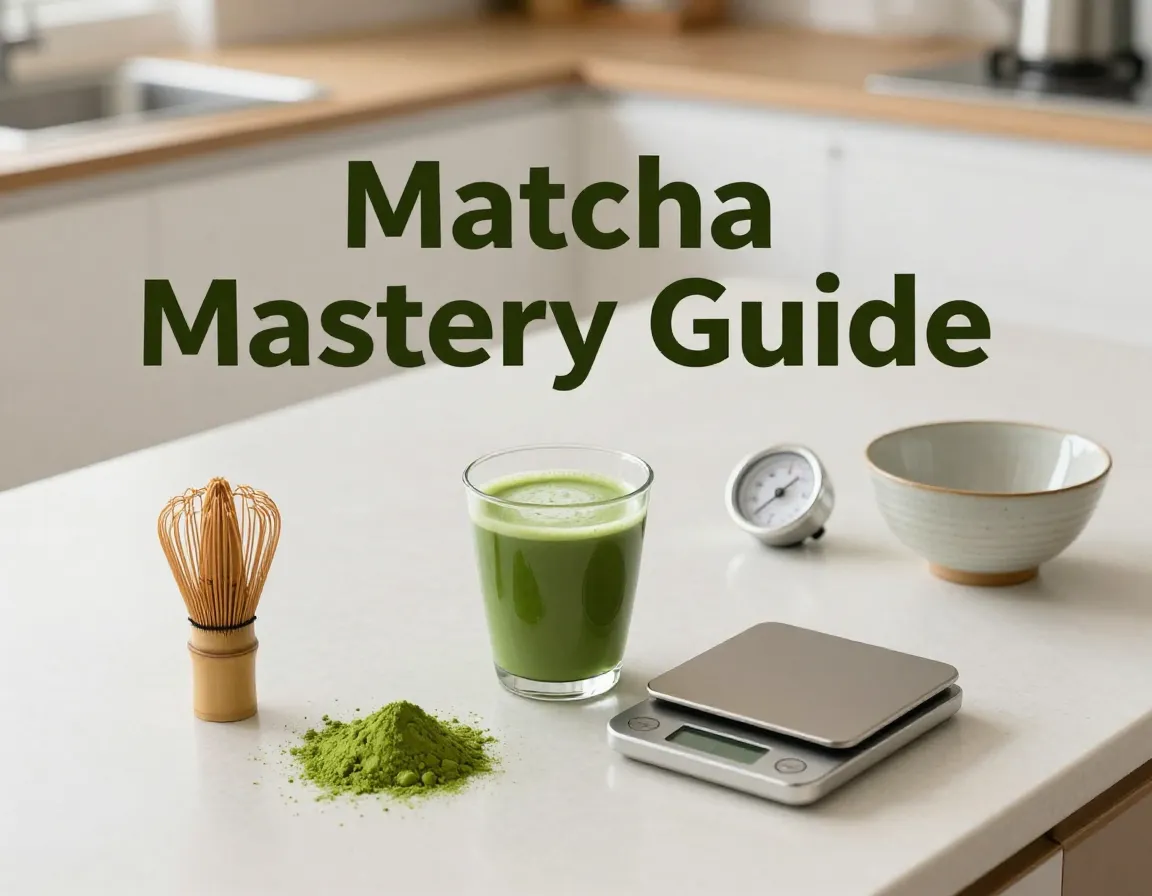
To execute the 9 Essential Steps on How to Make Matcha Tea Latte Perfectly Every Time, you’ll need specific tools:
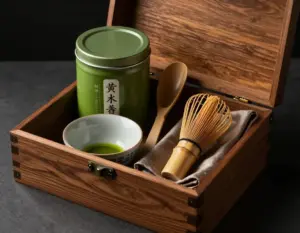
- Bamboo whisk (chasen): Traditional tool for creating proper froth
- Fine mesh sifter: Eliminates clumps for smooth texture
- Digital scale: Ensures precise matcha measurements
- Thermometer: Maintains optimal water temperature
- Small ceramic bowl: Traditional vessel for whisking matcha
- Measuring cups: For accurate liquid ratios
The Complete 9 Essential Steps on How to Make Matcha Tea Latte Perfectly Every Time
1. Soak Your Bamboo Whisk for Optimal Performance
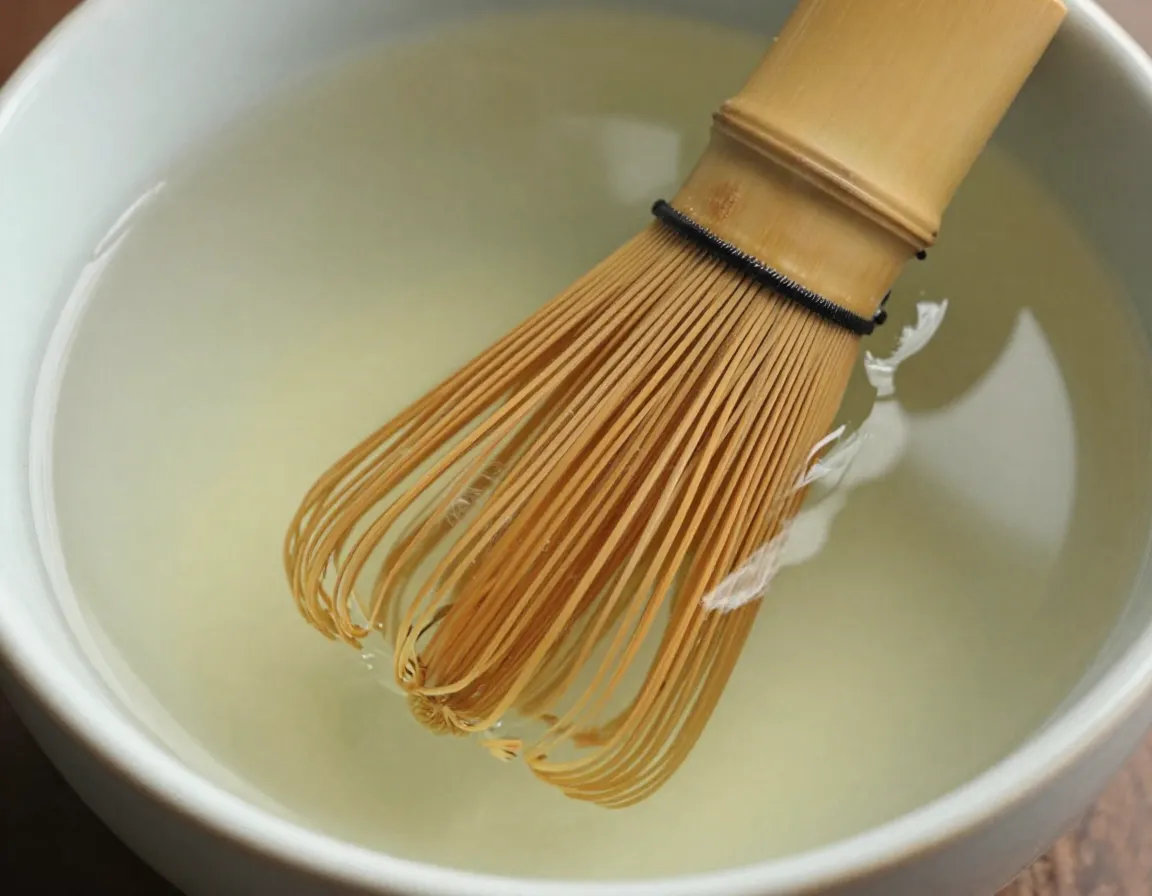
The first step in our 9 Essential Steps on How to Make Matcha Tea Latte Perfectly Every Time begins before you even touch the matcha powder. Soak your whisk (chasen) in hot water for a couple of minutes to soften the bamboo bristles before use[1]. This crucial preparation step ensures your whisk performs optimally during the whisking process.
Why does this matter? Dry bamboo bristles are stiff and can break easily when whisking vigorously. Soaking softens the delicate bamboo, making it more flexible and effective at creating the signature frothy texture that defines a perfect matcha latte. The softened bristles also move more smoothly through the matcha mixture, preventing clumping and ensuring even distribution.
Pro tip: Use water that’s slightly cooler than your brewing temperature (around 150°F) to avoid damaging the bamboo while still achieving proper softening.
2. Measure Precisely for Consistent Results
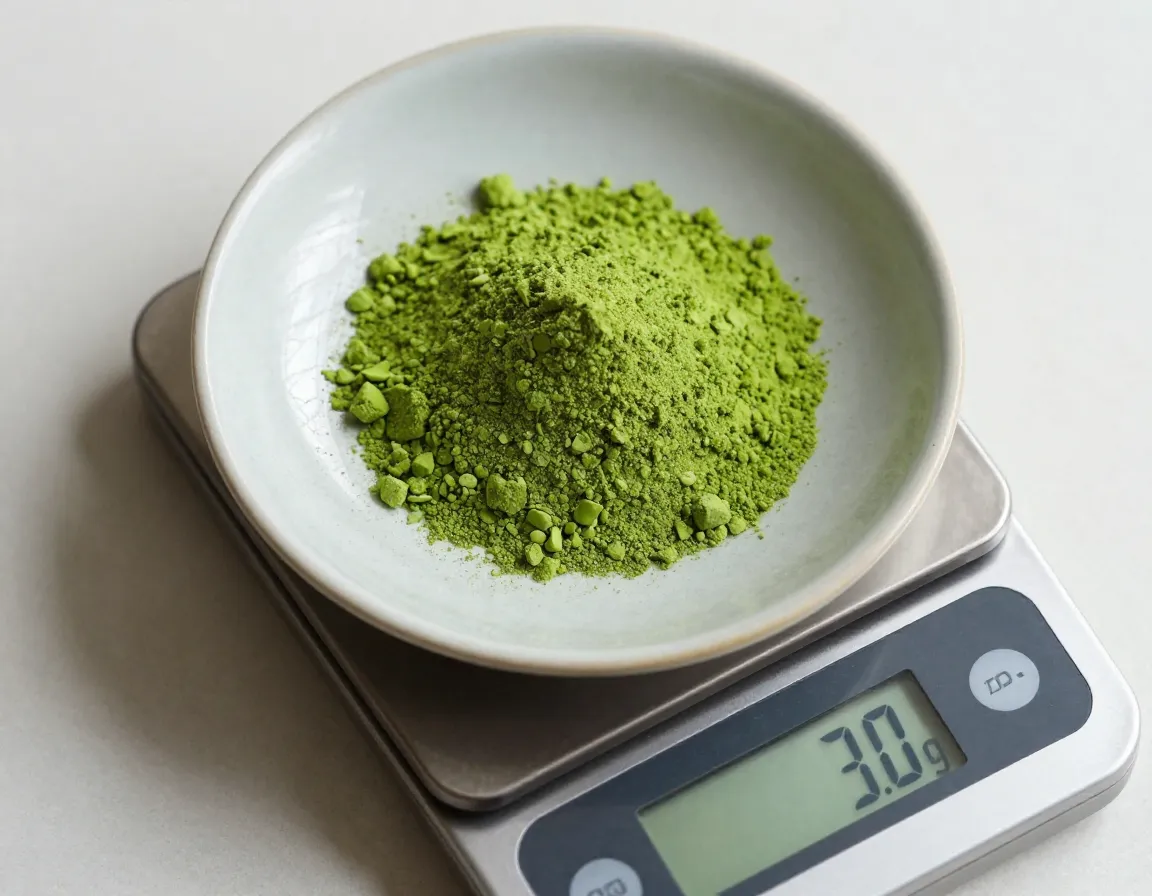
Precision is key in our 9 Essential Steps on How to Make Matcha Tea Latte Perfectly Every Time. Measure precisely: 3g of matcha powder (approximately 1.5 teaspoons) is the recommended amount for optimal flavor strength[1]. This measurement provides the perfect balance between matcha’s earthy intensity and the milk’s creamy sweetness.
Using a digital scale ensures accuracy every time. While measuring spoons work in a pinch, matcha powder’s fine texture means volume measurements can vary significantly based on how densely the powder is packed. Three grams consistently delivers:
- Rich flavor without overwhelming bitterness
- Vibrant green color that looks Instagram-worthy
- Proper caffeine content for a gentle energy boost
- Cost efficiency by avoiding waste from using too much premium matcha
3. Sift for Silky Smooth Texture
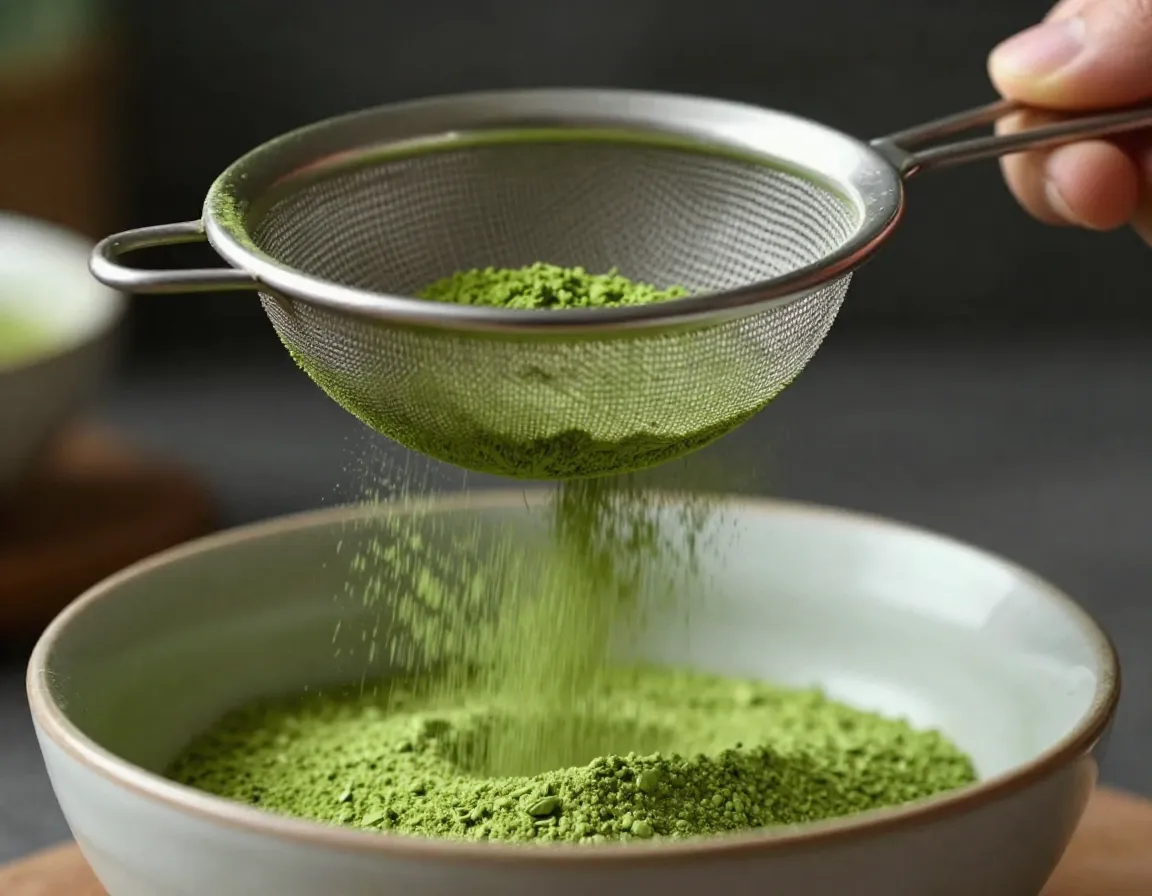
The third step in our 9 Essential Steps on How to Make Matcha Tea Latte Perfectly Every Time addresses one of the most common matcha mistakes. Sift your matcha powder to break up clumps and ensure smoothness; if you don’t have a sifter, create a thick paste with 10ml of water first and mix thoroughly[1].
Matcha powder naturally clumps due to its ultra-fine texture and static properties. These clumps create an unpleasant, gritty texture that ruins the smooth mouthfeel of a perfect latte. Sifting eliminates this issue entirely.
Sifting method: Use a fine mesh sifter and gently tap the sides while holding it over your whisking bowl. The powder should fall through like snow.
Alternative paste method: If you lack a sifter, add exactly 10ml of room temperature water to your measured matcha and mix with a spoon until you achieve a smooth, thick paste with no visible lumps. This technique works equally well and is often preferred by traditionalists.
4. Perfect Your Water Temperature
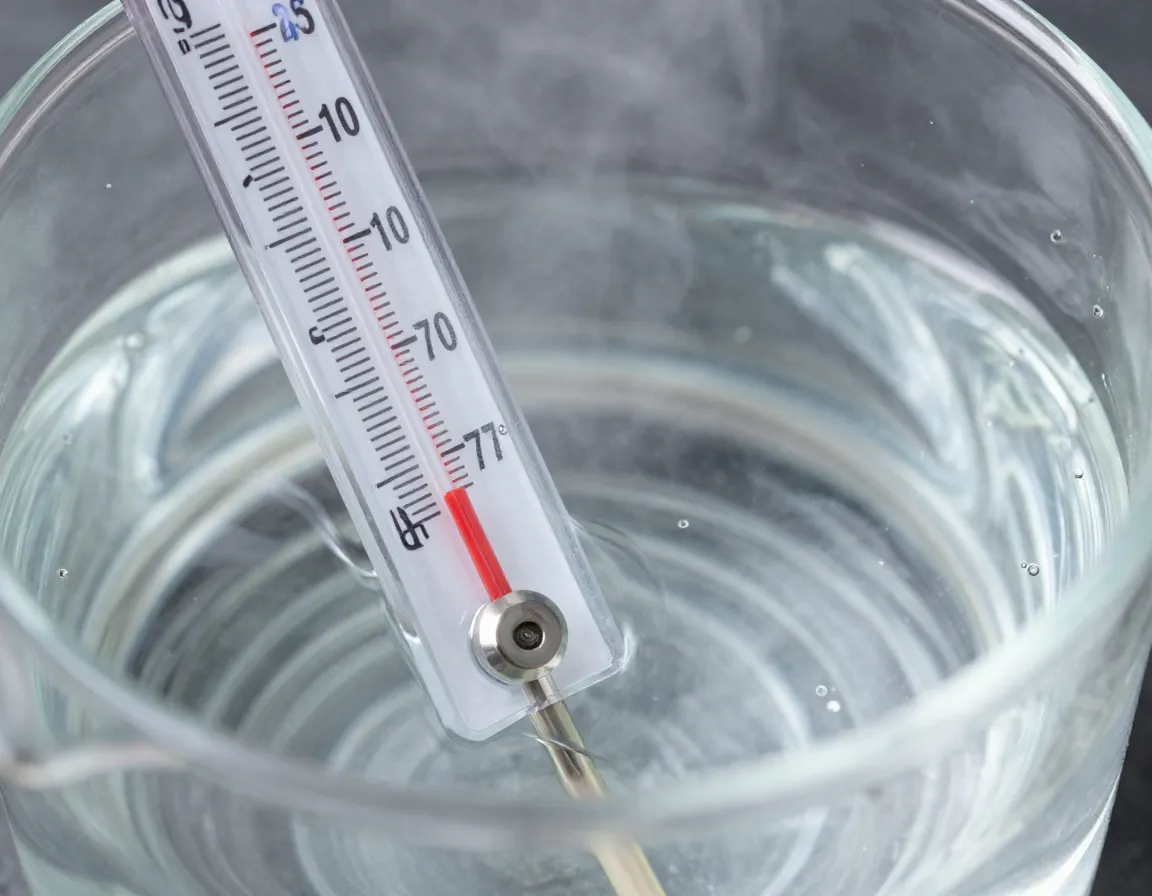
Temperature control represents a critical element in our 9 Essential Steps on How to Make Matcha Tea Latte Perfectly Every Time. Use water at 170°F / 77°C (approximately 75-77°C) — this temperature is critical for proper whisking and flavor extraction[1].
This specific temperature range isn’t arbitrary. Water that’s too hot (above 180°F) will:
- Scorch the delicate matcha leaves
- Create bitter, astringent flavors
- Destroy beneficial compounds
- Result in a dull, brownish color
Water that’s too cool (below 160°F) won’t:
- Properly dissolve the matcha powder
- Extract the full flavor profile
- Create the ideal whisking consistency
- Activate the natural sweetness
Temperature tip: If you don’t have a thermometer, bring water to a boil, then let it cool for 2-3 minutes. This typically achieves the perfect 170°F range.
5. Add the Perfect Amount of Base Water
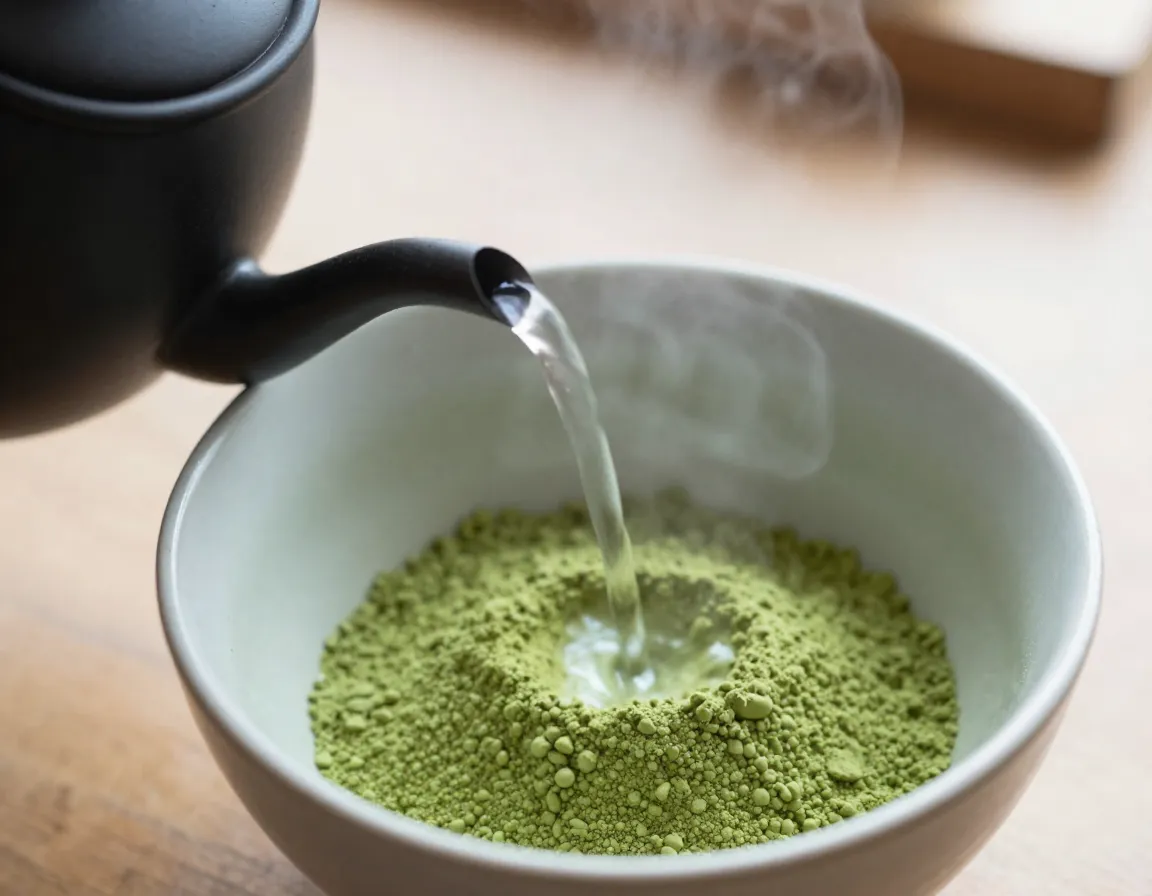
Step five in our 9 Essential Steps on How to Make Matcha Tea Latte Perfectly Every Time focuses on the foundation liquid. Add 30ml of water to your matcha powder as the base liquid[1]. This precise measurement creates the ideal concentration for whisking and ensures proper dissolution.
The 30ml measurement serves multiple purposes:
- Optimal consistency for effective whisking
- Complete powder dissolution without diluting flavor
- Perfect concentration for the final milk addition
- Traditional proportions based on Japanese tea ceremony practices
Pour the 170°F water slowly into your sifted matcha powder, starting from one side of the bowl and working across. This gradual addition helps prevent splashing and ensures even moisture distribution throughout the powder.
6. Master the Whisking Technique
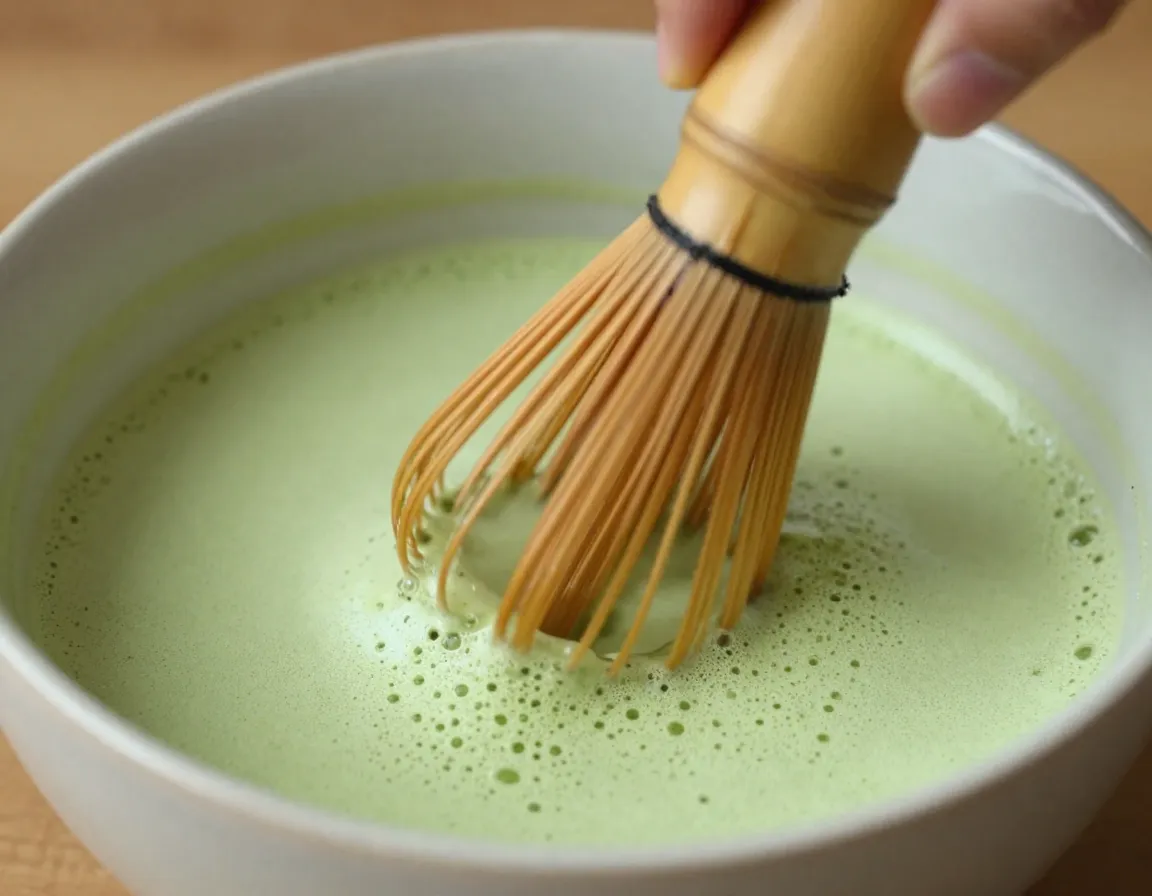
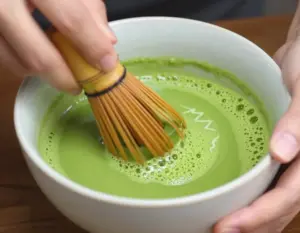
The sixth step in our 9 Essential Steps on How to Make Matcha Tea Latte Perfectly Every Time requires patience and technique. Whisk in a zig-zag “W” motion for 30 seconds to 1 minute to create the proper frothy texture[1]. This traditional whisking pattern is essential for achieving the signature foam that crowns a perfect matcha latte.
The “W” motion serves specific purposes:
- Incorporates air for frothy texture
- Prevents settling of matcha particles
- Creates emulsion between water and matcha oils
- Develops flavor through proper agitation
Whisking technique breakdown:
- Hold the whisk vertically in the bowl
- Move your wrist (not your whole arm) in quick “W” patterns
- Keep the whisk submerged to avoid splashing
- Maintain consistent speed for 30-60 seconds
- Look for a light foam layer on top
The finished mixture should be smooth, frothy, and vibrant green with no visible powder particles floating on the surface.
7. Prepare Your Serving Glass with Ice

Step seven in our 9 Essential Steps on How to Make Matcha Tea Latte Perfectly Every Time sets up the final assembly. Fill your cup with ice before adding milk for iced lattes[1]. This preparation ensures optimal temperature and prevents dilution during the mixing process.
For iced matcha lattes, ice placement matters:
- Fill glass 2/3 full with ice cubes
- Use larger ice cubes when possible to minimize melting
- Chill your glass beforehand for extra temperature retention
- Leave room for milk and matcha mixture
For hot lattes, warm your cup or mug with hot water, then empty it before adding your milk. This prevents temperature shock that can affect the final drink’s temperature and texture.
8. Add Your Milk of Choice
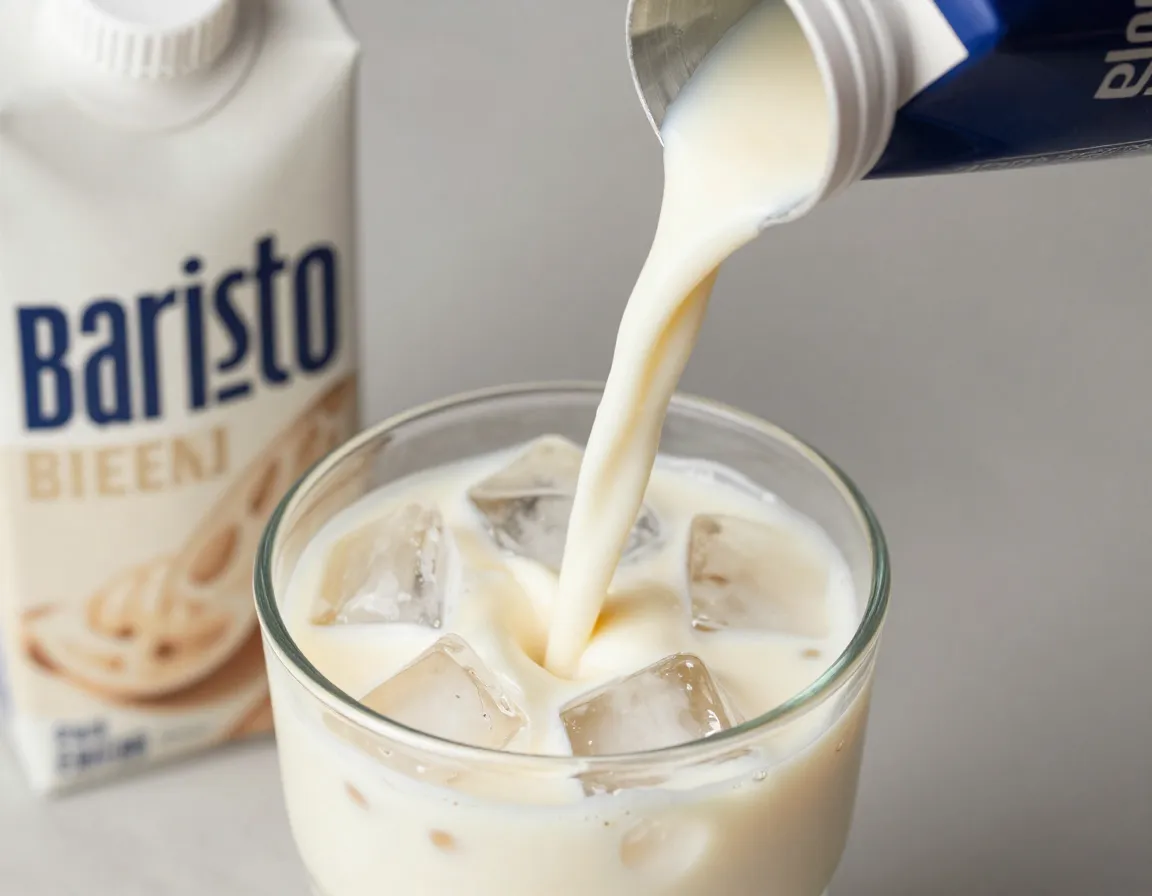
The eighth step in our 9 Essential Steps on How to Make Matcha Tea Latte Perfectly Every Time introduces the creamy component. Add 80-90ml of milk (roughly 1/3 cup) — any milk type works, though barista blend oat milk is a popular choice[1]. This measurement creates the perfect matcha-to-milk ratio for balanced flavor.
Milk options and their characteristics:
| Milk Type | Flavor Profile | Frothing Ability | Best For |
|---|---|---|---|
| Dairy milk | Rich, creamy | Excellent | Traditional lattes |
| Oat milk | Naturally sweet | Very good | Trendy, barista-style |
| Almond milk | Light, nutty | Good | Lower calorie option |
| Soy milk | Creamy, neutral | Good | Protein boost |
| Coconut milk | Rich, tropical | Fair | Unique flavor twist |
Pour the milk slowly over the ice, creating a base layer that will beautifully contrast with the vibrant green matcha when added in the final step.
9. Perfect the Final Assembly
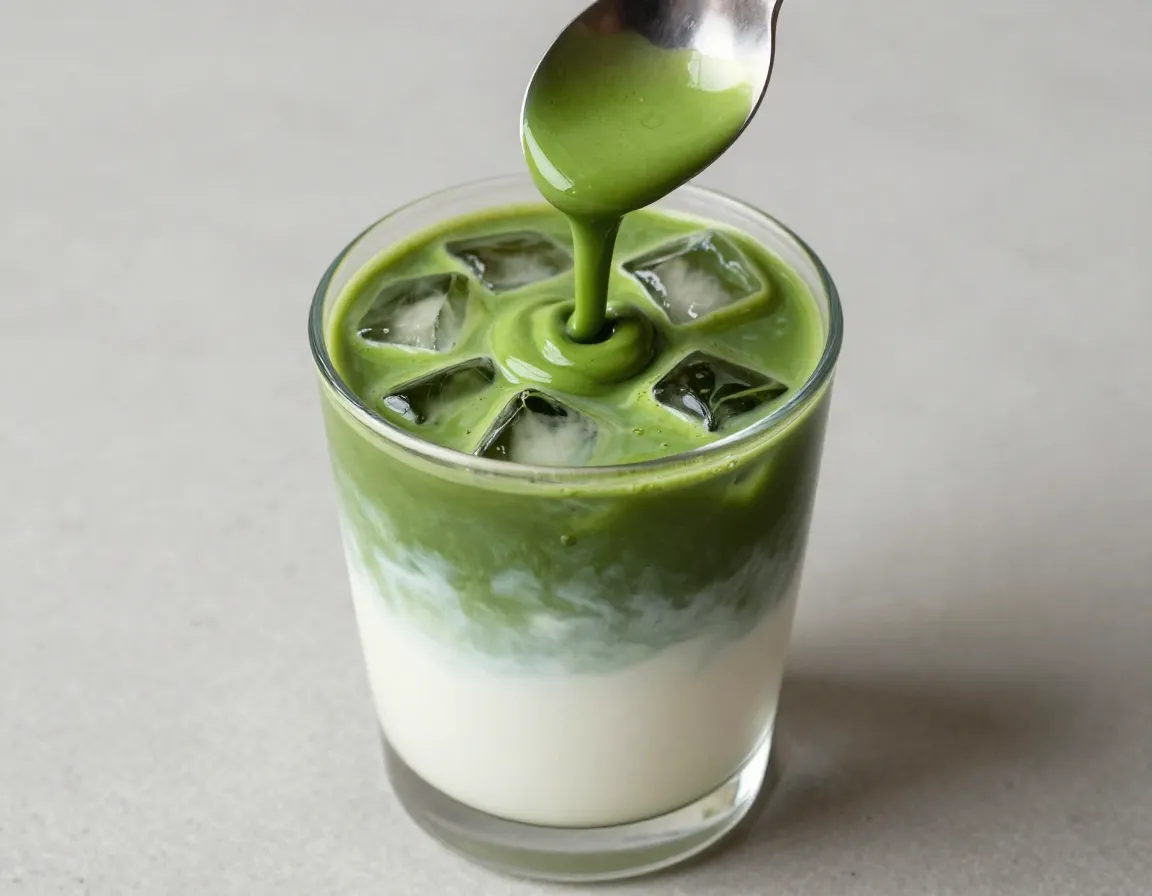
The final step in our 9 Essential Steps on How to Make Matcha Tea Latte Perfectly Every Time brings everything together. Pour the matcha mixture on top of the ice and milk; rinse the bowl with a splash of water to capture all remaining matcha[1]. This technique ensures you get every bit of your precious matcha while creating beautiful layers.
Assembly technique:
- Pour the whisked matcha mixture slowly over the back of a spoon to create gentle layering
- Watch as the green matcha creates beautiful marbled patterns in the milk
- Rinse your whisking bowl with a small splash of water to capture any remaining matcha
- Add this rinse water to your drink to avoid waste
For hot lattes, warm your milk to 150-160°F before adding the matcha mixture. Steam or froth the milk if you prefer extra foam on top.
Final touches:
- Stir gently to combine layers
- Taste and adjust sweetness if desired
- Add a bamboo straw for authentic presentation
- Serve immediately for best flavor and temperature
Troubleshooting Common Matcha Latte Mistakes
Even with the 9 Essential Steps on How to Make Matcha Tea Latte Perfectly Every Time, you might encounter some common issues. Here’s how to fix them:
Clumpy texture: Your matcha wasn’t properly sifted or the water temperature was wrong. Always sift and use 170°F water.
Bitter taste: Water too hot, low-quality matcha, or too much powder. Check your temperature and consider upgrading your matcha grade.
Weak flavor: Insufficient matcha powder, water too cool, or inadequate whisking. Increase whisking time and verify measurements.
No foam: Whisk wasn’t soaked, incorrect whisking motion, or wrong water temperature. Follow the traditional “W” pattern vigorously.
Separation: Matcha and milk separating indicates insufficient emulsification. Whisk longer and serve immediately.
Advanced Tips for Matcha Latte Perfection
Once you’ve mastered the 9 Essential Steps on How to Make Matcha Tea Latte Perfectly Every Time, consider these advanced techniques:
Sweetening options: Add sweetener to the matcha mixture before adding milk for better integration. Honey, maple syrup, or simple syrup work well.
Flavor variations: Experiment with vanilla extract, cinnamon, or cardamom for unique flavor profiles that align with 2026’s creative matcha trends[6].
Texture enhancement: For extra frothy milk, use a milk frother or French press to create microfoam before adding to your matcha.
Presentation upgrade: Dust the top with a light sprinkle of matcha powder or create latte art with a toothpick.
Health Benefits and Nutritional Considerations
Your perfectly crafted matcha latte using the 9 Essential Steps on How to Make Matcha Tea Latte Perfectly Every Time delivers more than just great taste. Matcha provides:
- Sustained energy from L-theanine and caffeine combination
- Antioxidants (catechins) for cellular health
- Metabolism support from natural compounds
- Mental clarity without coffee jitters
- Chlorophyll for detoxification support
A typical matcha latte made with our method contains approximately:
- 70mg caffeine (compared to 95mg in coffee)
- 4g protein (with dairy milk)
- Essential vitamins A, C, E, and K
- Minimal added sugars when unsweetened
Conclusion
Mastering the 9 Essential Steps on How to Make Matcha Tea Latte Perfectly Every Time transforms your home into a personal tea ceremony space where you can create café-quality drinks whenever the craving strikes. From soaking your bamboo whisk to perfecting the final pour, each step builds upon the last to deliver consistent, delicious results.
The key to success lies in respecting the traditional techniques while embracing the flexibility that makes matcha so appealing in 2026. Whether you prefer the ceremony of traditional preparation or enjoy experimenting with modern flavor combinations, these nine essential steps provide your foundation for matcha mastery.
Your next steps:
- Invest in quality matcha – start with ceremonial grade for the best experience
- Practice the whisking technique – the “W” motion improves with repetition
- Experiment with milk alternatives – find your perfect flavor combination
- Share your creations – matcha lattes are meant to be enjoyed and shared
Remember, the perfect matcha latte isn’t just about following steps—it’s about creating a moment of mindfulness in your day. Each time you prepare your latte using these nine essential steps, you’re participating in a tradition that spans centuries while creating something uniquely yours.
Start your matcha journey today, and discover why so many people are falling in love with this vibrant, healthful, and delicious beverage. With practice and patience, you’ll soon be creating matcha lattes that rival any café, perfectly crafted every single time.
References
[1] Watch – https://www.youtube.com/watch?v=hnh_xDOxnzE
[2] The Ultimate Matcha Latte Recipe Hot Iced Authentic Japanese Method – https://shopyamaze.com/blogs/culinary/the-ultimate-matcha-latte-recipe-hot-iced-authentic-japanese-method
[3] Matcha – https://www.thegardengrazer.com/matcha/
[4] Iced Matcha Latte Guide – https://www.masterclass.com/articles/iced-matcha-latte-guide
[5] Watch – https://www.youtube.com/watch?v=l89CbtBuRGY
[6] Matcha Trends 2026 Yelp Food Drinks Report – https://www.delish.com/food/a69620387/matcha-trends-2026-yelp-food-drinks-report/
[7] 2026 Matcha Recipe Guide – https://www.bygmatcha.com/blogs/2026-matcha-recipe-guide