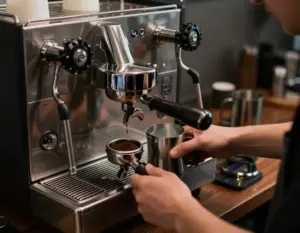
9 Essential Skills Every Barista in Training Should Master First
Picture this: It’s 7 AM on a Monday morning, and the café doors have just opened. Within minutes, a line of caffeine-craving customers stretches to the door, each with their own specific order and timeline. As a new barista, this scenario might seem overwhelming—but with the right foundation of skills, it becomes an exciting opportunity to showcase your craft. The 9 essential skills every barista in training should master first form the backbone of successful coffee service and can transform a novice into a confident coffee professional.

Whether you’re just starting your journey in the coffee industry or looking to refine your existing abilities, mastering these fundamental skills will set you apart in 2026’s competitive coffee market. From perfecting espresso extraction to delivering exceptional customer service, these core competencies create the foundation for a thriving barista career.
Key Takeaways
- Master the fundamentals first: Focus on espresso extraction, milk steaming, and equipment operation before advancing to complex techniques
- Customer service excellence: Strong communication and problem-solving skills are just as important as technical coffee knowledge
- Consistency builds reputation: Attention to detail and time management ensure every drink meets high standards, especially during busy periods
- Safety and hygiene are non-negotiable: Food safety compliance protects customers and maintains professional standards
- Continuous learning mindset: Coffee knowledge and latte art skills provide competitive advantages and career advancement opportunities
The Foundation: Technical Coffee Skills
1. Espresso Fundamentals and Extraction Mastery

Espresso serves as the foundation for most coffee shop beverages, making it the most critical skill in your arsenal. Espresso fundamentals encompass grind size calibration, dosing, tamping pressure, and shot timing to achieve consistent extraction [4]. Understanding these elements allows you to create the perfect base for lattes, cappuccinos, americanos, and other espresso-based drinks.
Key components of espresso mastery include:
- Grind size adjustment: Learning to dial in the perfect grind for your specific beans and environmental conditions
- Dosing accuracy: Measuring 18-20 grams of coffee consistently for double shots
- Tamping technique: Applying 30 pounds of even pressure to create uniform extraction
- Timing precision: Achieving 25-30 second extraction times for optimal flavor balance
- Taste evaluation: Developing your palate to identify over-extraction, under-extraction, and perfect shots
The difference between a good barista and a great one often lies in their ability to consistently pull perfect espresso shots, regardless of changing variables like humidity, bean age, or equipment temperature fluctuations.
2. Milk Steaming and Texturing Excellence
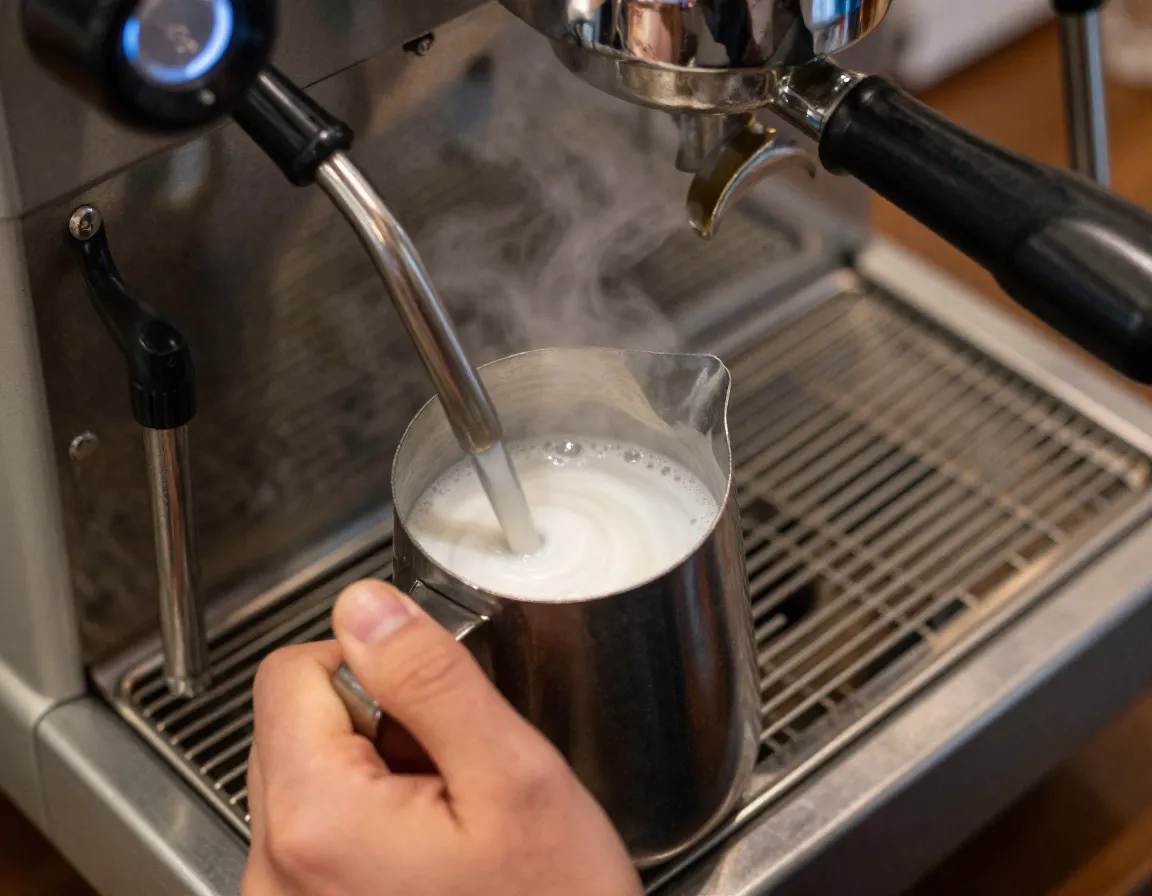
Milk steaming and texturing are essential techniques taught in foundational courses, focusing on creating microfoam texture ideal for lattes, cappuccinos, and other milk-based beverages [4][5]. This skill transforms simple espresso into the creamy, velvety drinks that customers crave.
Professional milk steaming involves:
- Temperature control: Heating milk to 150-160°F for optimal sweetness and texture
- Microfoam creation: Incorporating air during the first few seconds to create silky texture
- Steam wand positioning: Keeping the wand just below the surface initially, then plunging deeper
- Milk selection knowledge: Understanding how different milk types (whole, oat, almond) behave differently
- Texture consistency: Achieving paint-like consistency that integrates seamlessly with espresso
Mastering milk steaming not only improves drink quality but also sets the stage for latte art development—a skill that significantly enhances customer experience and café branding.
3. Commercial Equipment Operation and Maintenance
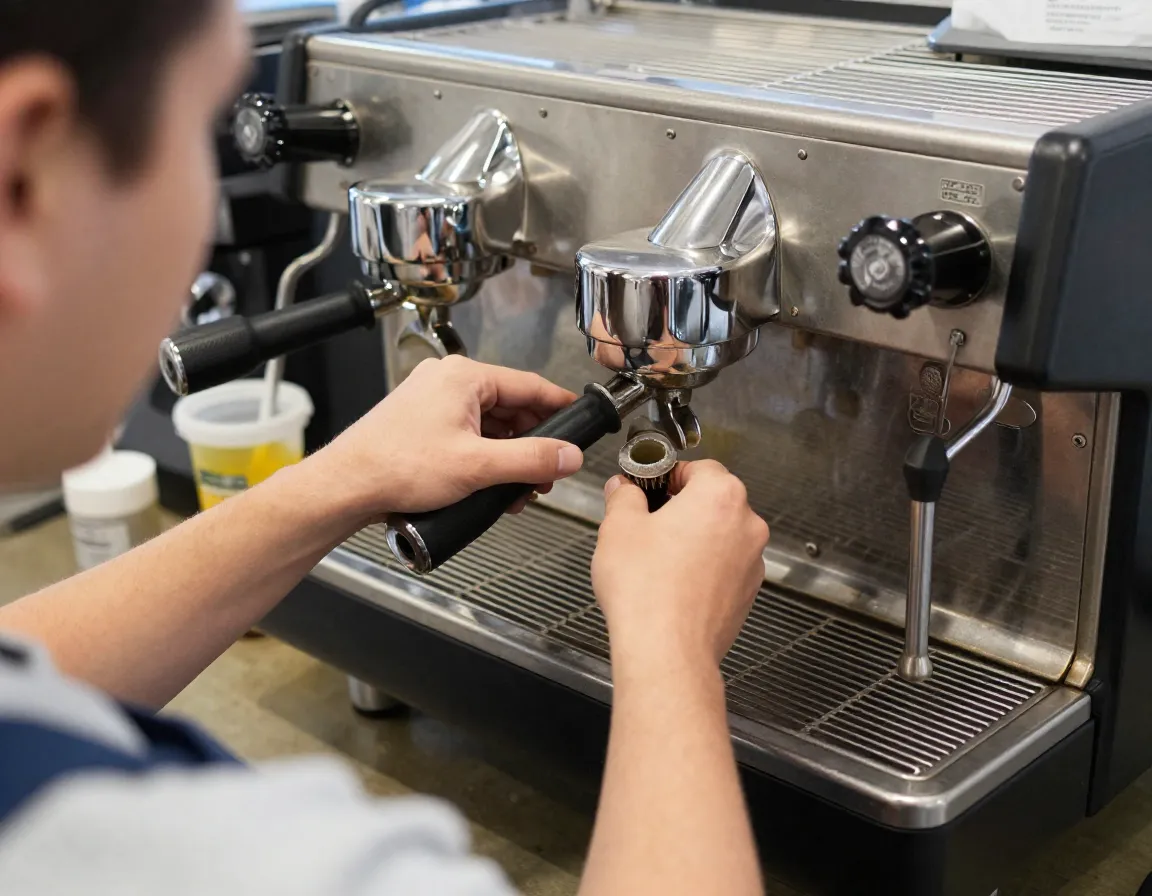
Operating commercial equipment requires proficiency with espresso machines, grinders, and cold brew systems, along with routine maintenance and troubleshooting capabilities [1][2]. In 2026’s fast-paced coffee environment, equipment downtime can severely impact business operations and customer satisfaction.
Essential equipment skills include:
- Espresso machine operation: Understanding pressure gauges, temperature controls, and group head maintenance
- Grinder calibration: Adjusting burr settings and performing regular cleaning cycles
- Daily maintenance routines: Backflushing, descaling, and cleaning protocols
- Basic troubleshooting: Identifying common issues like low pressure, temperature fluctuations, or grinder jams
- Safety procedures: Following proper shutdown sequences and emergency protocols
“A barista who understands their equipment inside and out can maintain consistency even when machines act up during the morning rush.”
Equipment knowledge also includes understanding cold brew systems, batch brewers, and point-of-sale systems that are integral to modern coffee shop operations [2].
Customer-Focused Service Skills
4. Exceptional Customer Service and Communication

Customer service skills are emphasized across training programs, including warm greetings, accurate order-taking, and professional engagement with patrons [4][5]. In the competitive coffee market of 2026, exceptional service often determines whether customers become regulars or seek alternatives.
Core customer service elements include:
- Warm, genuine greetings: Making eye contact and acknowledging every customer promptly
- Active listening: Paying attention to specific requests and dietary restrictions
- Product knowledge sharing: Helping customers choose drinks based on their preferences
- Upselling techniques: Suggesting complementary items without being pushy
- Conflict resolution: Handling complaints professionally and finding satisfactory solutions
Effective communication is vital for coordinating with team members, conveying order details accurately, and avoiding misunderstandings [3]. This skill becomes particularly important during busy periods when clear, concise communication prevents errors and maintains workflow efficiency.
5. Advanced Problem-Solving and Adaptability

Problem-solving abilities enable baristas to address equipment malfunctions and resolve customer issues efficiently [3]. Modern coffee shops face numerous daily challenges, from equipment failures to special dietary requests, requiring baristas who can think on their feet.
Problem-solving scenarios include:
- Equipment malfunctions: Quickly switching to backup brewing methods when machines fail
- Ingredient shortages: Offering suitable alternatives when specific items run out
- Special dietary needs: Accommodating allergies and preferences safely
- Order mistakes: Rectifying errors promptly while maintaining customer satisfaction
- Workflow disruptions: Adapting when team members call in sick or unexpected rushes occur
Developing strong problem-solving skills requires practice, coffee knowledge, and understanding of alternative preparation methods that can save the day when primary systems fail [2][3].
Operational Excellence Skills
6. Multitasking and Time Management Mastery

Multitasking and time management are critical, particularly during peak hours when baristas must simultaneously take orders, prepare drinks, and handle payments [2][3]. The ability to juggle multiple tasks efficiently separates competent baristas from exceptional ones.
Effective multitasking strategies include:
- Workflow optimization: Organizing tasks in logical sequences to minimize wasted motion
- Priority management: Identifying which orders need immediate attention versus those that can wait
- Equipment utilization: Maximizing machine capacity by running multiple processes simultaneously
- Team coordination: Communicating with colleagues to avoid duplicated efforts
- Stress management: Maintaining composure and quality standards during rush periods
| Time Management Technique | Application | Benefit |
|---|---|---|
| Batch processing | Steam multiple milk pitchers together | Reduces equipment downtime |
| Order sequencing | Prepare complex drinks first | Optimizes workflow efficiency |
| Prep anticipation | Stock supplies before rush periods | Prevents mid-service delays |
| Communication shortcuts | Use standardized terminology | Speeds up team coordination |
7. Meticulous Attention to Detail

Attention to detail ensures consistency in drink preparation and meeting individual customer preferences, which builds loyalty and repeat business [3]. In an industry where customers often have very specific expectations, small details make enormous differences in satisfaction levels.
Critical detail areas include:
- Recipe consistency: Following exact measurements and procedures for every drink
- Temperature precision: Ensuring drinks are served at optimal temperatures
- Presentation standards: Maintaining consistent cup cleanliness and garnish placement
- Special instructions: Remembering and implementing customer modifications accurately
- Quality control: Tasting and adjusting drinks before serving when necessary
Attention to detail extends beyond drink preparation to include cleanliness standards, inventory management, and maintaining organized workstations that contribute to overall operational efficiency [3].
8. Food Safety and Hygiene Compliance

Food safety and hygiene compliance is mandatory to maintain health codes and workplace cleanliness standards [3]. In 2026, health regulations continue to evolve, and baristas must stay current with best practices to protect customers and maintain business licenses.
Essential food safety practices include:
- Hand washing protocols: Following proper handwashing frequency and technique
- Temperature monitoring: Maintaining proper storage temperatures for milk and other perishables
- Cross-contamination prevention: Using separate utensils for different allergens
- Equipment sanitization: Regular cleaning and sanitizing of all food contact surfaces
- Personal hygiene standards: Maintaining clean uniforms, tied-back hair, and appropriate attire
Understanding allergen management, expiration date tracking, and proper waste disposal ensures compliance with health department regulations and protects vulnerable customers [3].
Advanced Skill Development
9. Comprehensive Coffee Knowledge and Latte Art

Coffee knowledge—including bean origins, roast profiles, brewing methods, and flavor profiles—allows baristas to answer customer questions and create customized beverages [2][3]. Additionally, latte art, while not mandatory, provides competitive advantage and enhances café branding and customer experience [3].
Coffee knowledge areas include:
- Origin characteristics: Understanding how geography affects flavor profiles
- Processing methods: Knowing the difference between washed, natural, and honey-processed beans
- Roast level impacts: Explaining how light, medium, and dark roasts affect taste
- Brewing variables: Understanding extraction principles across different brewing methods
- Seasonal variations: Recognizing how harvest cycles affect coffee availability and quality
Latte art development involves:
- Milk texture mastery: Creating the perfect microfoam consistency for art creation
- Pouring techniques: Learning basic patterns like hearts, rosettas, and tulips
- Cup positioning: Understanding angles and heights for optimal pattern formation
- Practice dedication: Developing muscle memory through consistent repetition
- Creative expression: Eventually developing signature designs that reflect personal style
“Coffee knowledge transforms a barista from order-taker to coffee consultant, while latte art turns every cup into a memorable experience.”
Training and Certification Pathways
Many coffee shops provide on-the-job training or specialized barista certification programs for skill development, with programs like the SCA Barista Module offering structured, hands-on instruction [3][5]. In 2026, formal training programs have become increasingly valuable for career advancement and skill verification.
Training options include:
- SCA (Specialty Coffee Association) certifications: Internationally recognized programs covering foundation, intermediate, and professional levels
- In-house training programs: Company-specific training that focuses on brand standards and procedures
- Online learning platforms: Flexible options for theoretical knowledge and technique videos
- Workshops and competitions: Hands-on learning opportunities that build skills and networks
- Mentorship programs: Learning from experienced baristas and coffee professionals
The SCA Barista Module specifically covers essential skills including espresso preparation, milk steaming, customer service, and basic coffee knowledge [5], making it an excellent foundation for aspiring baristas.
Building Your Barista Career Foundation
Mastering these 9 essential skills every barista in training should master first requires dedication, practice, and continuous learning. Each skill builds upon the others, creating a comprehensive foundation that supports long-term success in the coffee industry.
Career progression typically follows this path:
- Foundation building (Months 1-3): Focus on basic technical skills and customer service
- Consistency development (Months 3-6): Refine techniques and build speed during busy periods
- Advanced skill acquisition (Months 6-12): Develop latte art, expand coffee knowledge, and take on training responsibilities
- Leadership preparation (Year 1+): Mentor new baristas, participate in menu development, and consider management opportunities
Professional development in 2026 also includes understanding sustainability practices, alternative milk expertise, and digital ordering systems that reflect evolving industry trends [1][2].
Conclusion
The journey to becoming an exceptional barista begins with mastering these 9 essential skills every barista in training should master first. From the technical precision of espresso extraction to the interpersonal excellence of customer service, each skill contributes to creating memorable coffee experiences that keep customers returning.
Success in the coffee industry requires more than just following recipes—it demands understanding the science behind extraction, the art of milk steaming, and the psychology of customer service. By focusing on these fundamental skills first, you’ll build the confidence and competence needed to thrive in any coffee environment.
Your next steps should include:
- Practice consistently: Dedicate time daily to perfecting espresso and milk steaming techniques
- Seek feedback: Ask experienced baristas and customers for honest assessments of your drinks
- Pursue formal training: Consider SCA certification or other recognized programs to validate your skills
- Stay curious: Continue learning about coffee origins, processing methods, and industry trends
- Build relationships: Network with other coffee professionals and engage with your local coffee community
Remember that becoming a skilled barista is a journey, not a destination. The coffee industry continues evolving, and the most successful baristas are those who embrace continuous learning while maintaining excellence in these fundamental skills. Start with these nine essential abilities, and you’ll have the foundation needed to build a rewarding career in the dynamic world of specialty coffee.
References
[1] Developing Barista Skills Career Progression – https://perfectdailygrind.com/2024/09/developing-barista-skills-career-progression/
[2] Essential Barista Skills Roles And Requirements – https://sanddustcoffee.com/essential-barista-skills-roles-and-requirements/
[3] What Is A Barista 2025 – https://www.menusifu.com/blog/what-is-a-barista-2025
[4] Barista Qualifications And Skills – https://skillstrainingcollege.com.au/barista-qualifications-and-skills/
[5] Sca Barista Module Coffee Skills Program – https://bootcoffee.com/sca-barista-module-coffee-skills-program/