9 Daily Realities of Being a Coffee Shop Barista (The Good & The Grind)
Picture this: it’s 5:30 AM, and while most of the world is still hitting the snooze button, you’re already firing up the espresso machine and preparing for another day in the fast-paced world of coffee service. As someone who’s spent years behind the counter, I can tell you that understanding the 9 daily realities of being a coffee shop barista (the good & the grind) is essential for anyone considering this career path or simply curious about what really happens behind that steaming espresso machine.
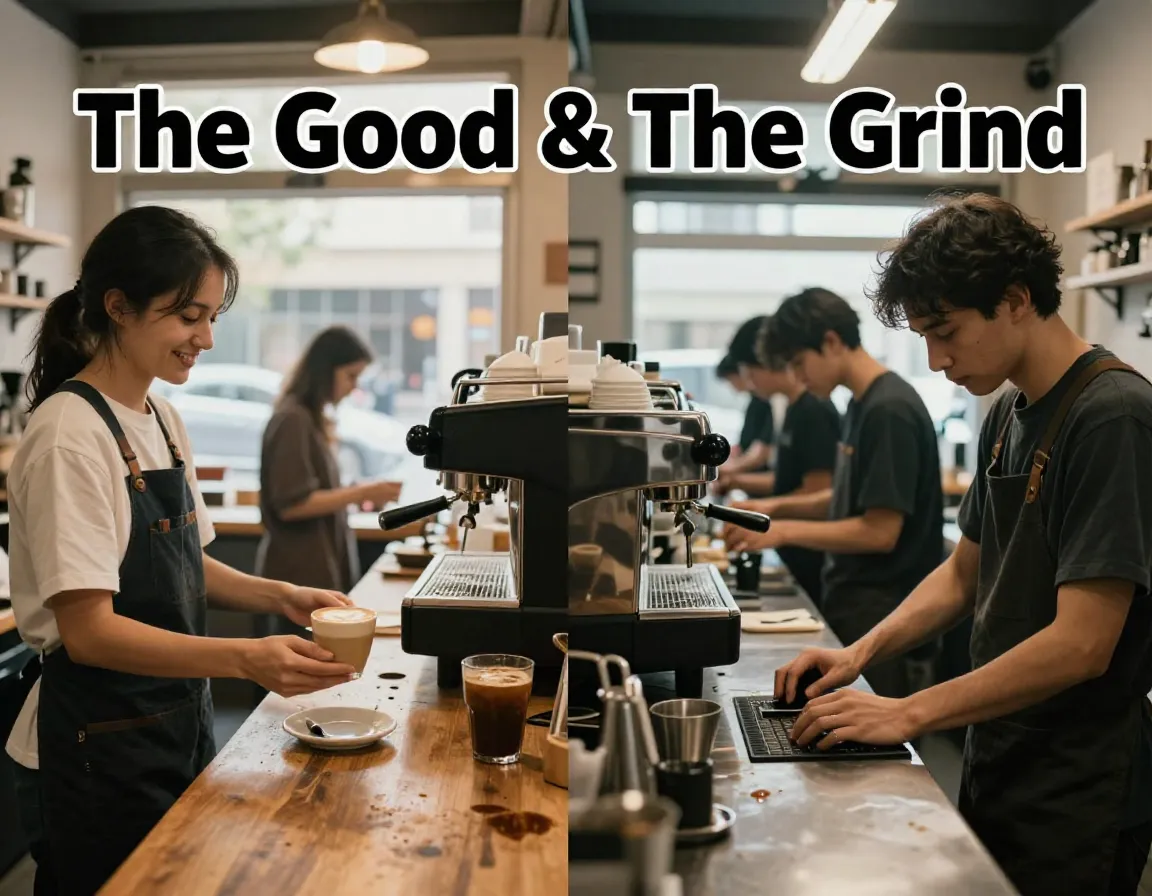
The coffee industry employs 474,600 baristas across the United States alone, making it a significant part of our service economy[1]. But what’s it really like to be one of those half-million people crafting your daily caffeine fix? The reality is far more complex than simply making coffee – it’s a blend of genuine rewards and honest challenges that shape every shift.
Key Takeaways
- Financial reality: Baristas earn an average of $15.55 per hour plus $2-5 in tips, with significant variation based on location and employer[2]
- Demographics matter: 67% of baristas are under 30 and 65% work part-time, making it primarily a young person’s field with flexible scheduling[1][3]
- Physical and mental demands: Handling 150-200 customers per shift requires excellent multitasking skills and physical stamina[3]
- Job satisfaction is moderate: Most baristas rate their satisfaction at 2.9 out of 5, indicating mixed experiences[1]
- Career flexibility: The role offers valuable customer service skills and can serve as a stepping stone to other opportunities
The Bright Side: What Makes Barista Life Rewarding
1. Building Genuine Connections with Regular Customers

One of the most surprising aspects of the daily realities of being a coffee shop barista is how meaningful the customer relationships become. You’re not just serving coffee – you’re often the first friendly face people see each morning, and that responsibility creates genuine connections.
I’ve watched customers go through job changes, relationships, and major life events. There’s something special about remembering someone’s “usual” order and seeing their face light up when you start making it before they even ask. These micro-interactions become the highlight of many shifts, especially when you realize you’re contributing to someone’s daily routine in a positive way.
Regular customers often become like extended family, sharing their stories and checking in on your life too. This human connection aspect isn’t captured in job descriptions, but it’s one of the most rewarding parts of the role.
2. Developing Valuable Skills and Coffee Knowledge
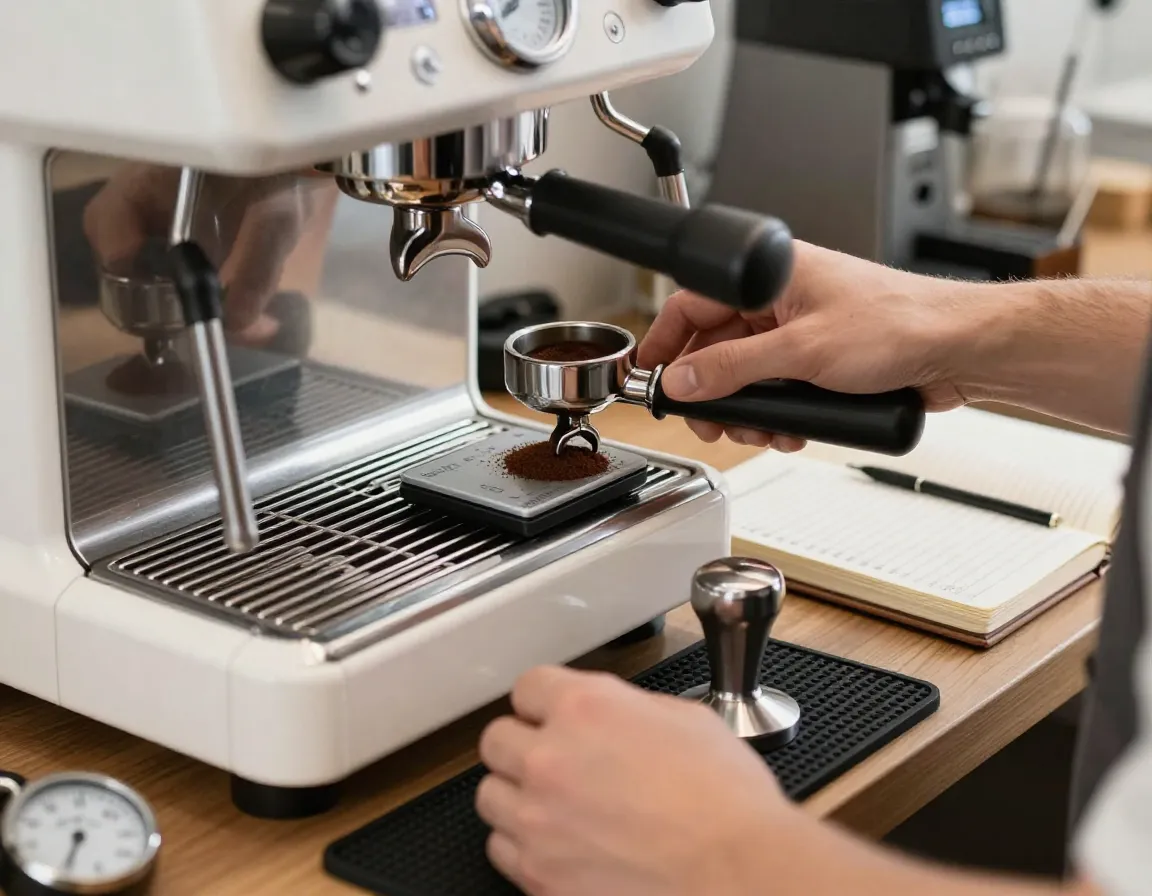
The technical skills you develop as a barista extend far beyond making coffee. You become an expert in:
- Customer service excellence under pressure
- Multitasking and time management
- Food safety and hygiene protocols
- Cash handling and point-of-sale systems
- Coffee brewing techniques and flavor profiles
The coffee knowledge alone is incredibly valuable. You learn about different bean origins, roasting profiles, brewing methods, and how to adjust variables like grind size and extraction time. This expertise often leads to opportunities in coffee roasting, café management, or even starting your own coffee business.
Many successful café owners started as baristas, using their frontline experience to understand what really works in the industry.
3. Flexible Scheduling That Fits Different Lifestyles
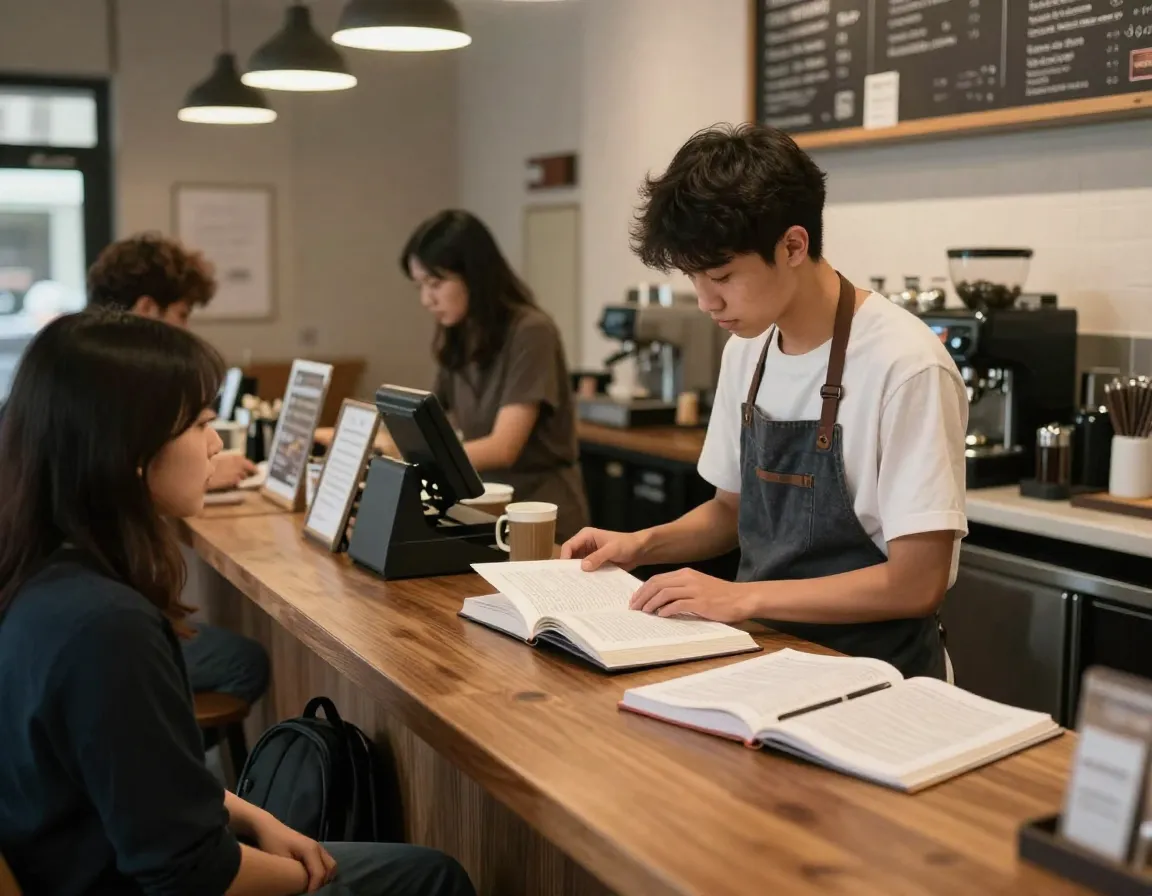
With 65% of baristas working part-time positions[1], the scheduling flexibility is a major draw for many people. This works especially well for:
- Students balancing classes and work
- Parents needing hours that fit around childcare
- Artists and creatives pursuing other passions
- People transitioning between careers
Most coffee shops offer early morning, afternoon, and evening shifts, allowing you to choose what works best for your lifestyle. The part-time nature of many positions means you can often pick up extra shifts when you need more income or scale back during busy periods in other areas of your life.
4. Creative Expression Through Latte Art and Drink Customization
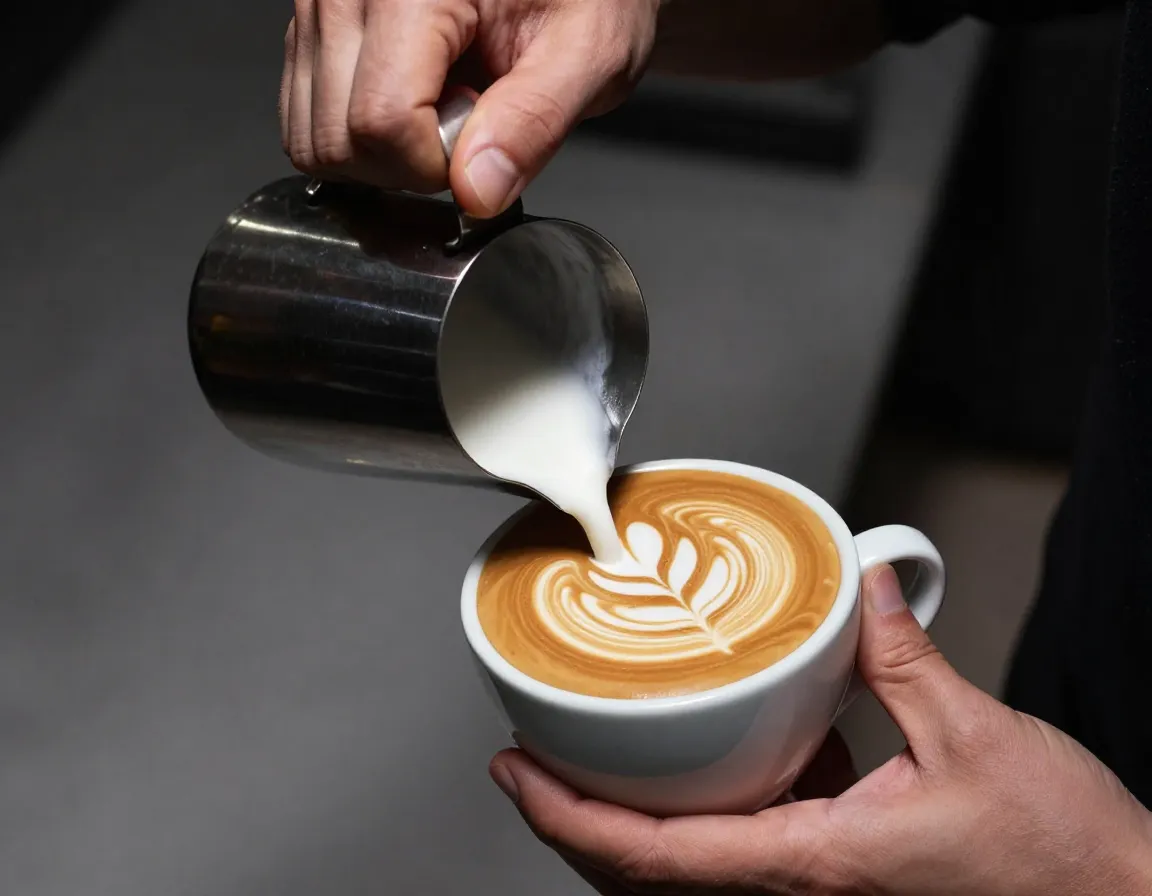
There’s genuine artistry in crafting the perfect espresso drink. Learning to create beautiful latte art – from simple hearts to complex rosettas – provides a creative outlet that many people don’t expect from food service work.
Beyond latte art, you become skilled at customizing drinks to match individual preferences. Regular customers might ask for “the usual,” but new customers often want help finding their perfect drink. Being able to recommend the right milk alternative, sweetness level, or flavor combination feels like solving a delicious puzzle.
The pride in crafting something beautiful and delicious shouldn’t be underestimated. When a customer takes a photo of your latte art or compliments a perfectly balanced drink, it’s genuinely satisfying.
5. Team Environment and Workplace Camaraderie
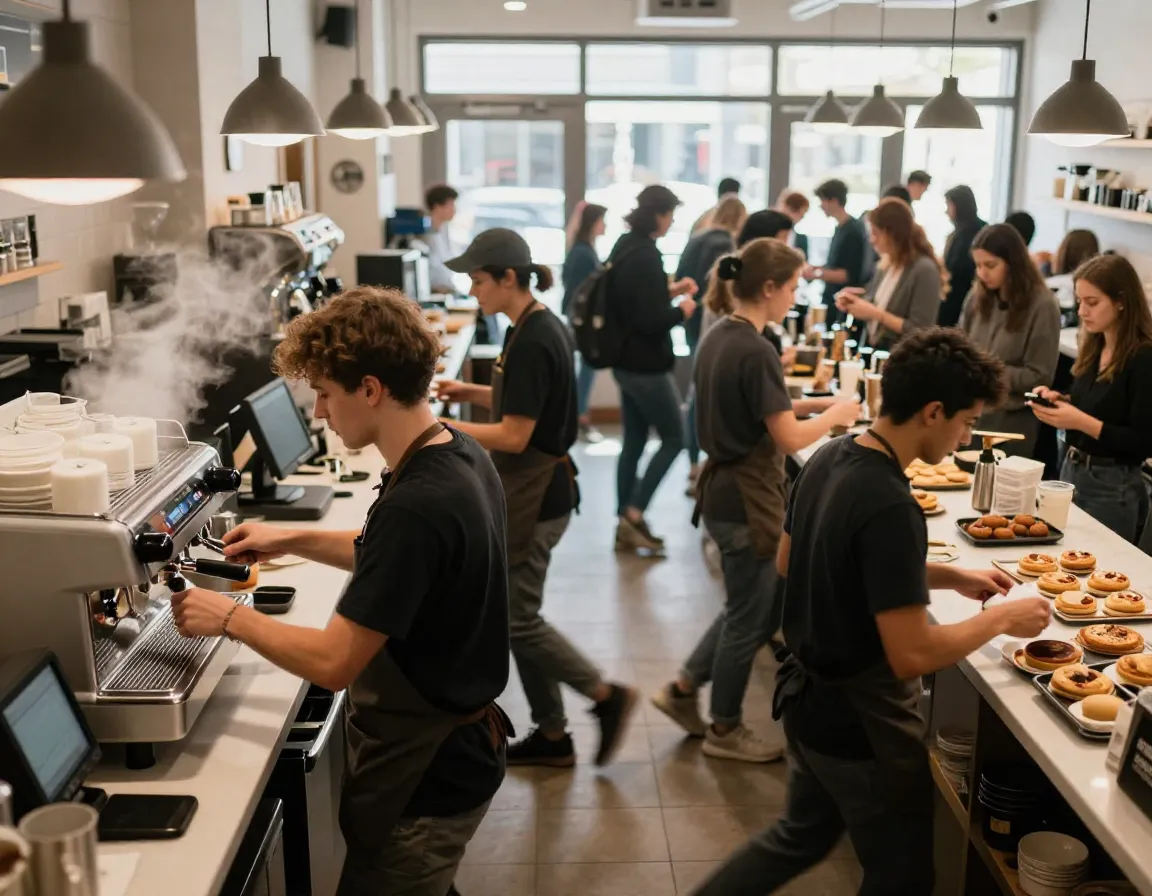
Coffee shops typically operate with small, tight-knit teams where everyone needs to work together seamlessly during busy periods. This creates strong bonds between coworkers who understand the unique challenges of the job.
The shared experience of surviving a chaotic morning rush or dealing with a difficult customer creates a sense of camaraderie that’s hard to find in other work environments. Many baristas form lasting friendships with their coworkers, and the supportive team dynamic can make even challenging shifts enjoyable.
The Grind: Honest Challenges of Barista Work
6. Financial Realities and Income Limitations
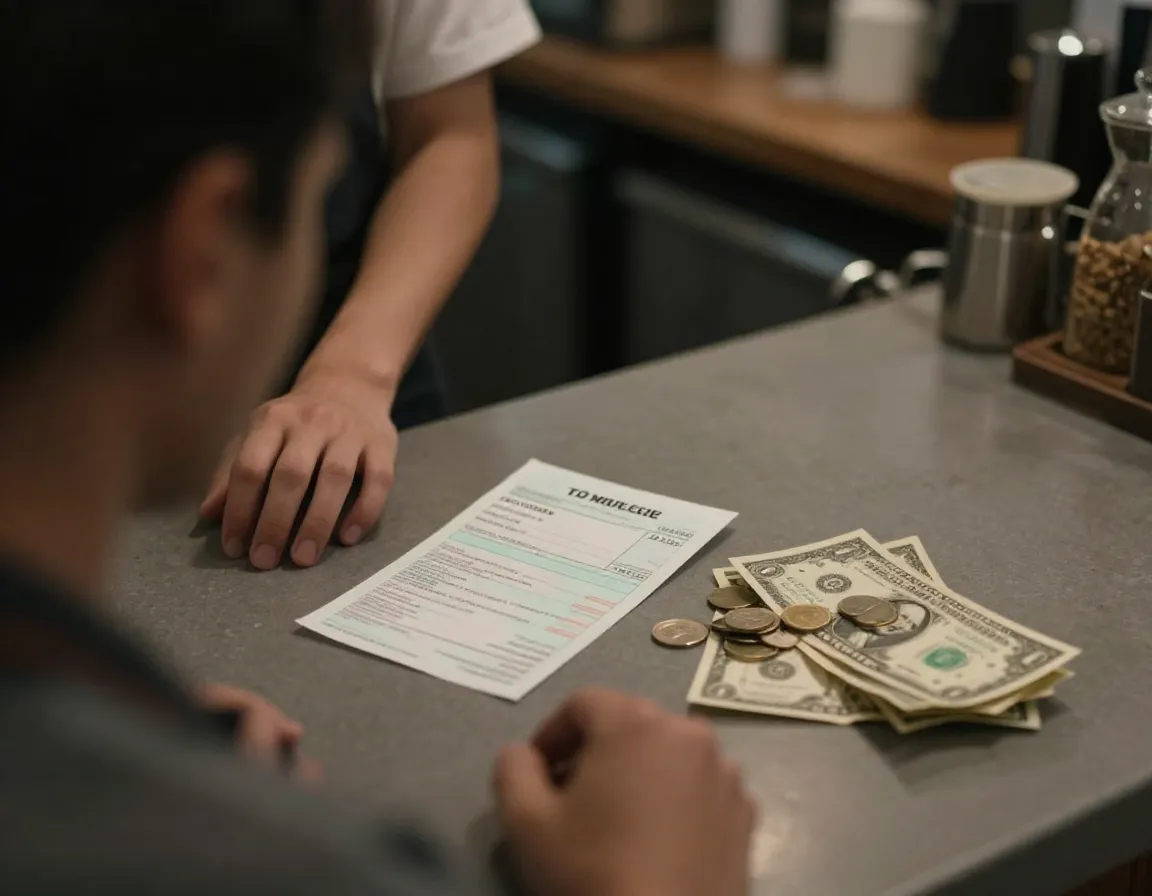
Let’s address the elephant in the room: barista wages are modest. The national average of $15.55 per hour[2] means that even with tips (typically $2-5 per hour[3]), many baristas struggle to make ends meet, especially in expensive cities.
Full-time baristas earn roughly $32,344 annually, while part-time workers typically earn between $20,000-$28,000[2]. While some companies like Starbucks offer better compensation (averaging over $19 per hour with benefits bringing total compensation to $30 per hour[2]), many independent shops can’t match these rates.
The financial reality means that many baristas either:
- Work multiple jobs to make ends meet
- Use the position as a stepping stone to other careers
- Rely on family support or have partners with higher incomes
Location matters significantly – baristas in California average $19.69 per hour, while those in Washington, Massachusetts, and New York earn $17-20 per hour[2], but these higher wages often come with correspondingly higher living costs.
7. Physical Demands and Health Challenges

The physical aspects of barista work are more demanding than many people realize. A typical shift involves:
- Standing for 6-8 hours with minimal breaks
- Repetitive motions that can lead to wrist and shoulder strain
- Lifting heavy bags of coffee beans and milk containers
- Working in hot environments near espresso machines and steamers
- Fast-paced movement during rush periods
Handling 150-200 customers per shift[3] requires not just mental stamina but physical endurance. Many baristas develop foot problems, back pain, or repetitive stress injuries over time. The job definitely requires being in good physical shape and having strong multitasking abilities[3].
The constant exposure to caffeine can also affect sleep patterns, and irregular schedules can make it challenging to maintain healthy routines.
8. Dealing with Difficult Customers and High-Pressure Situations
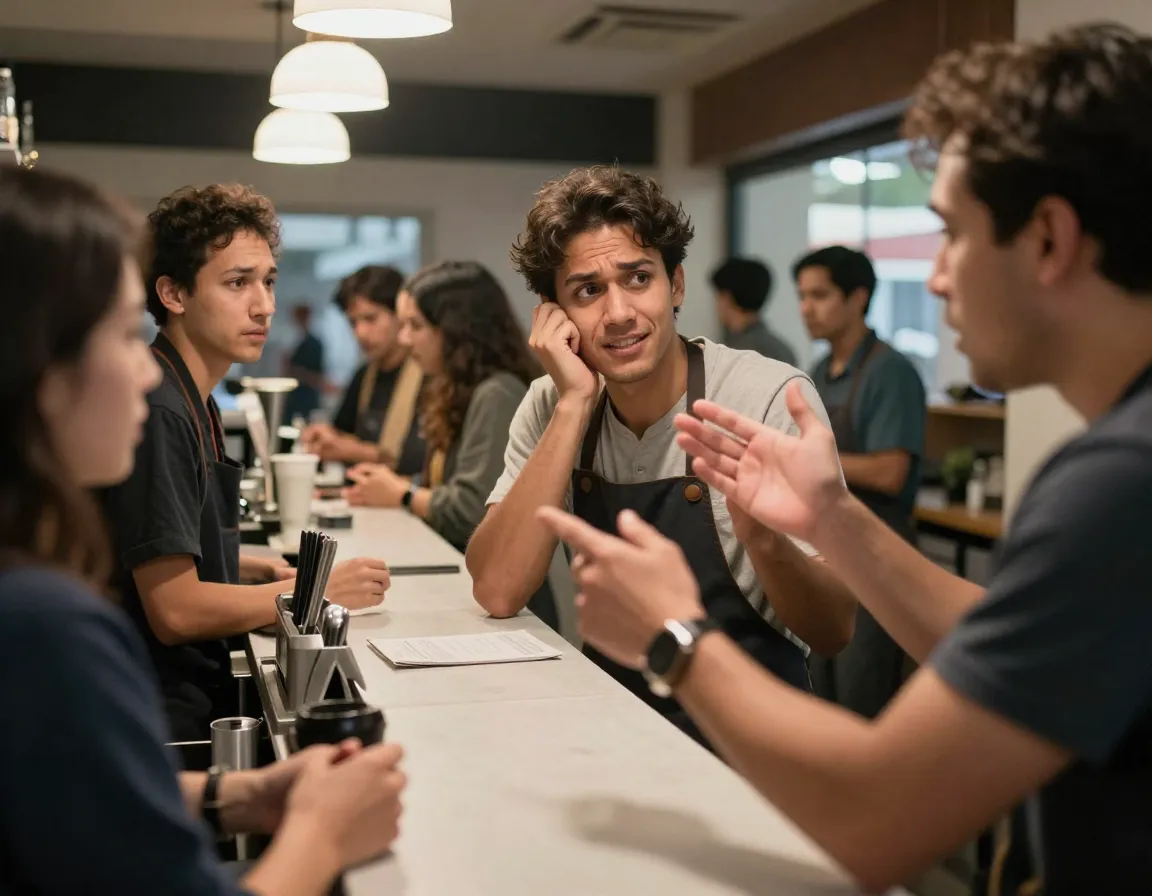
While many customer interactions are positive, baristas regularly deal with challenging situations:
- Impatient customers during busy morning rushes
- Complicated custom orders that slow down service
- Complaints about wait times or drink quality
- Customers having bad days who take frustrations out on staff
The pressure to maintain speed and quality simultaneously can be intense, especially when there’s a line of caffeine-deprived customers waiting for their morning fix. Customer service skills are constantly tested, and maintaining a positive attitude while being efficient requires significant emotional labor.
Some customers treat baristas dismissively, not recognizing the skill and effort required to do the job well. This lack of respect can be demoralizing, especially when combined with the physical demands and modest pay.
9. Limited Career Advancement and Job Security
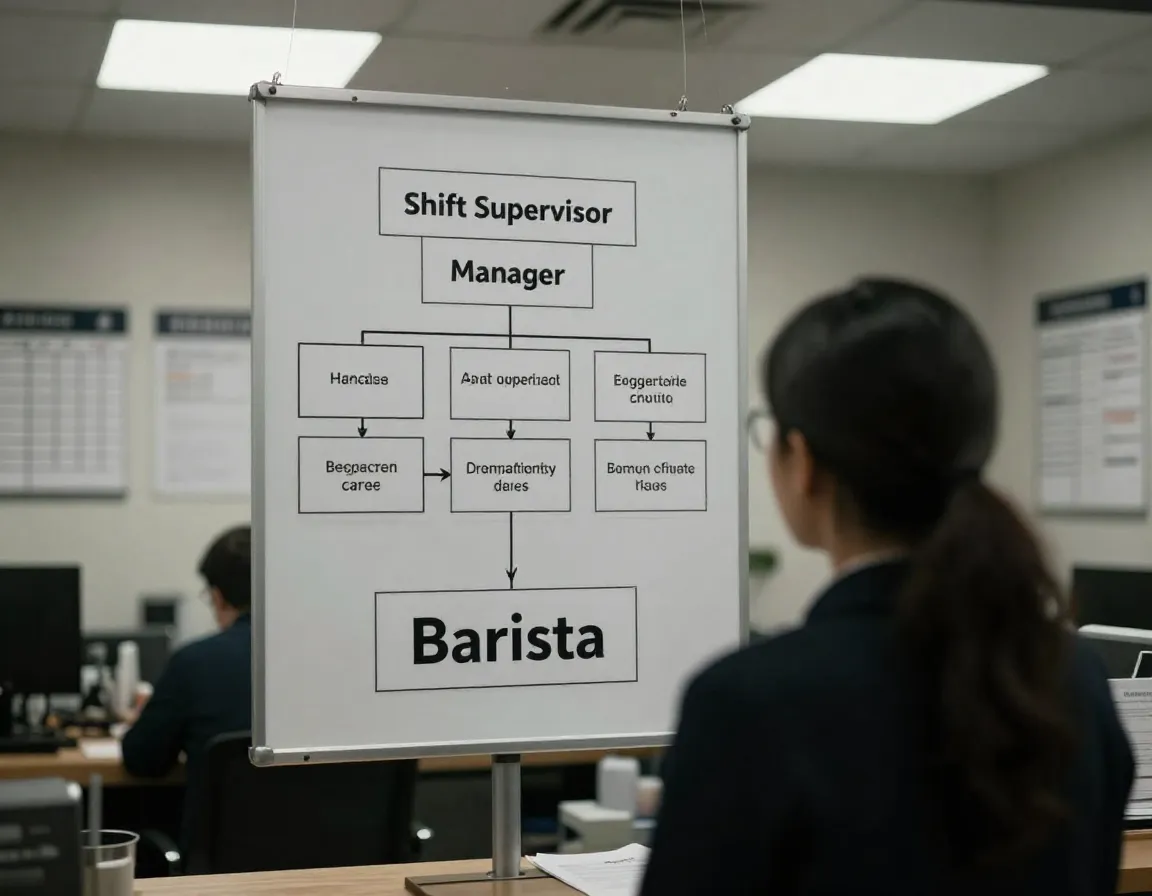
The harsh reality is that job satisfaction averages just 2.9 out of 5[1] among baristas, partly due to limited advancement opportunities. Most coffee shops have flat organizational structures with few management positions available.
Career progression typically looks like:
- Barista → Shift Supervisor → Assistant Manager → Store Manager
However, these promotions are rare and often come with only modest pay increases. Many ambitious baristas find themselves stuck in entry-level positions longer than they’d like.
Job security can also be uncertain, especially at independent shops that may struggle with:
- Seasonal fluctuations in business
- Rising rent and operating costs
- Competition from chains and new cafés
- Economic downturns affecting discretionary spending
The youth-dominated nature of the field (67% under 30[3]) also means there’s constant turnover, which can make it difficult to build long-term career stability in the role.
Making the Most of Your Barista Experience
Understanding these 9 daily realities of being a coffee shop barista (the good & the grind) helps set realistic expectations for anyone considering this career path. While the challenges are real, many people find the experience valuable for developing skills, building relationships, and gaining industry knowledge.
Success as a barista often depends on:
- Viewing it as a learning opportunity rather than just a job
- Building genuine relationships with customers and coworkers
- Developing expertise in coffee and customer service
- Using the experience as a stepping stone to other opportunities
- Finding ways to express creativity within the role
The demographic reality that 69.7% of baristas are women[4] and the field skews young suggests that many people use these positions strategically – gaining experience, earning income during school, or exploring the coffee industry before moving into other roles.
Conclusion
The 9 daily realities of being a coffee shop barista (the good & the grind) paint a complex picture of a job that’s simultaneously rewarding and challenging. While the modest wages, physical demands, and limited advancement opportunities are genuine concerns, the skills development, flexible scheduling, and human connections provide real value.
For many of the 474,600 baristas currently working in the United States[1], this role serves different purposes – some are building careers in the coffee industry, others are earning income while pursuing other goals, and some genuinely love the daily rhythm of coffee service.
If you’re considering becoming a barista, research local wage rates, visit potential employers during busy periods to observe the work environment, and think honestly about your financial needs and career goals. The experience can be incredibly valuable, but it’s important to enter with realistic expectations about both the rewards and the challenges.
For current baristas, remember that the skills you’re developing – customer service, multitasking, working under pressure, and coffee expertise – are transferable to many other careers. Document your achievements, build relationships within the coffee industry, and don’t hesitate to advocate for better working conditions and fair compensation.
The coffee industry continues evolving, and baristas remain at the heart of the customer experience that drives this multi-billion-dollar sector. Understanding and respecting both the good and the grind helps create better working conditions for everyone involved in bringing us our daily caffeine fix.
References
[1] Barista Statistics – https://oysterlink.com/spotlight/barista-statistics/
[2] Average Barista Salary – https://www.7shifts.com/blog/average-barista-salary/
[3] Demographics – https://oysterlink.com/career/barista/demographics/
[4] Demographics – https://www.zippia.com/barista-jobs/demographics/
[5] Coffee Shop Trends In 2026 – https://perfectdailygrind.com/2026/01/coffee-shop-trends-in-2026/
[6] Coffee Shop Industry Statistics – https://cornercoffeestore.com/coffee-shop-industry-statistics/
[7] Magazine Coffee Shop Trends 2026 How Coffee Culture Is Evolving In Cafes N 1143 – https://www.dallacorte.com/magazine-coffee-shop-trends-2026-how-coffee-culture-is-evolving-in-cafes-n-1143.html
[8] Coffee Shop Challenges 2026 What Owners Need To Know To Succeed – https://beanandbrewtech.com/coffee-shop-challenges-2026-what-owners-need-to-know-to-succeed/
[9] Watch – https://www.youtube.com/watch?v=zDMctGqAF78