9 Creative Uses of Hibiscus Tea Beyond Just a Beverage
Picture this: you’re sipping a gorgeous ruby-red cup of hibiscus tea, enjoying its tart, cranberry-like flavor, when suddenly you realize you’ve been thinking way too small. What if I told you that this vibrant floral powerhouse could transform your cooking, revolutionize your skincare routine, and even become your secret weapon for impressing dinner guests? The 9 creative uses of hibiscus tea beyond just a beverage will completely change how you view this remarkable flower.
With search interest for hibiscus tea peaking in January 2026 [2], it’s clear that people are discovering the incredible versatility of this crimson treasure. While most of us know hibiscus tea as a refreshing drink, the dried petals and concentrated extracts offer a world of possibilities that extend far beyond your teacup.
Key Takeaways
- Culinary versatility: Hibiscus can be transformed into sauces, jams, syrups, and garnishes that add both flavor and stunning color to dishes
- Beauty applications: The natural antioxidants in hibiscus make it an excellent ingredient for DIY skincare treatments and cosmetic formulations
- Creative beverage enhancements: From flavored ice cubes to custom tea blends, hibiscus elevates ordinary drinks into extraordinary experiences
- Health-conscious alternatives: These creative applications allow you to enjoy hibiscus’s potential benefits while exploring new flavors and textures
- Cost-effective innovation: A single package of dried hibiscus can serve multiple purposes across cooking, beauty, and wellness routines
Culinary Adventures: Transform Your Kitchen with These 9 Creative Uses of Hibiscus Tea Beyond Just a Beverage
1. Hibiscus Cranberry-Style Sauce
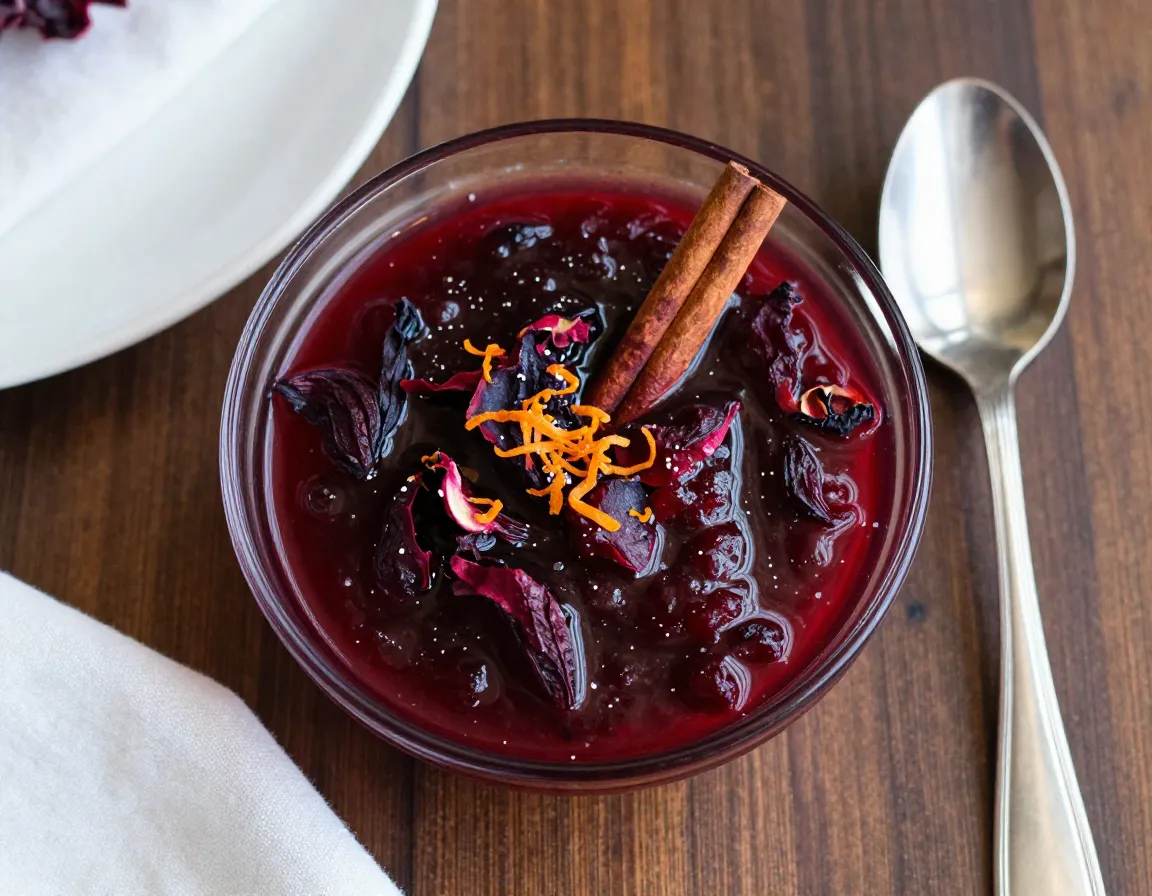
Transform your holiday table with a stunning hibiscus cranberry sauce that rivals any traditional recipe [3]. The natural tartness of hibiscus petals creates a perfect foundation for this festive condiment.
To create this showstopper, simmer dried hibiscus petals with sugar, a splash of water, and your favorite spices like cinnamon or orange zest. The result? A gorgeous, deep-red sauce that’s both familiar and exotic.
Pro tip: Start with 1/2 cup dried hibiscus petals, 3/4 cup sugar, and 1 cup water. Adjust sweetness to taste and let the mixture reduce until it reaches your desired consistency.
2. Homemade Hibiscus Preserves and Spreads
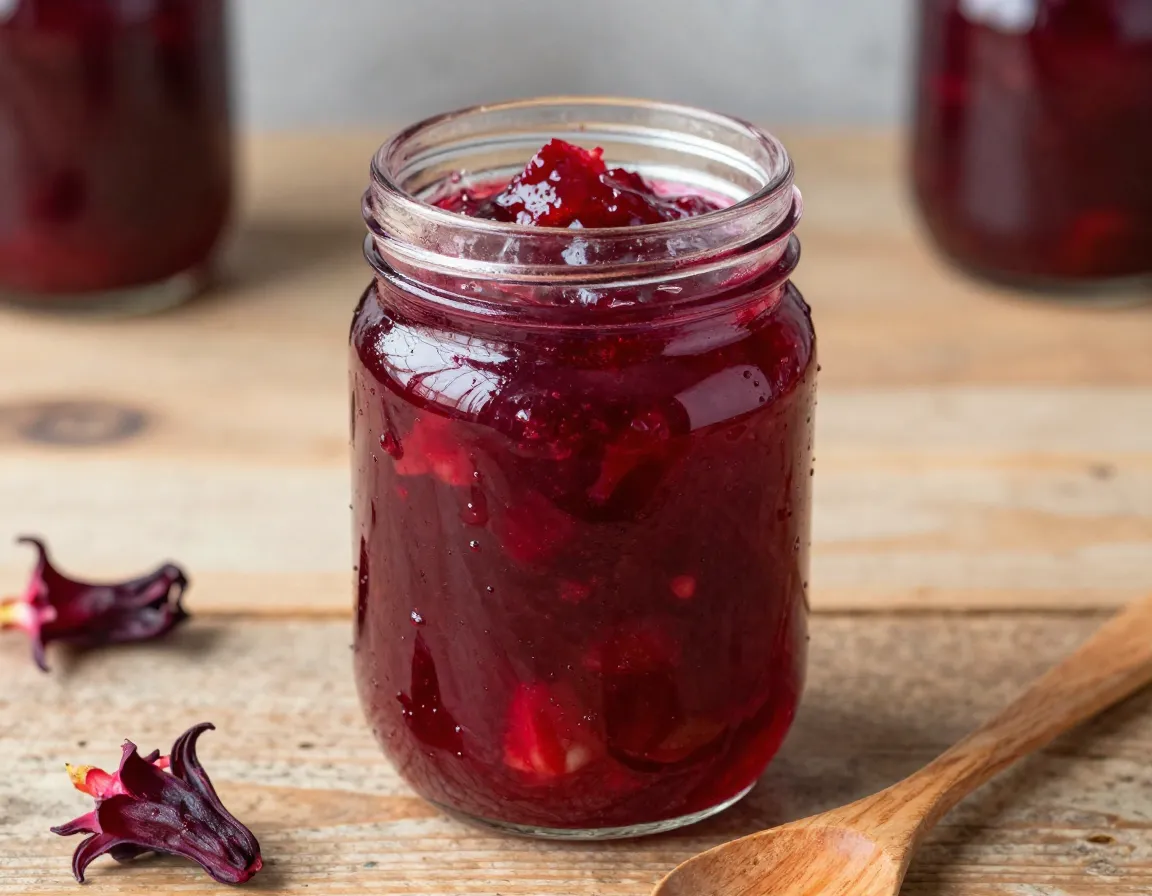
Why settle for ordinary jam when you can create hibiscus preserves that will make your morning toast absolutely unforgettable? [3] The natural pectin in hibiscus flowers helps create the perfect gel consistency for jams, jellies, and marmalades.
I love experimenting with hibiscus-strawberry jam or hibiscus-orange marmalade. The floral notes complement fruit flavors beautifully while adding that signature ruby color that makes every jar look like a precious gem.
Storage tip: These preserves keep for up to 6 months in properly sterilized jars, making them perfect for gift-giving or meal prep.
3. Hibiscus Flavored Ice Cubes
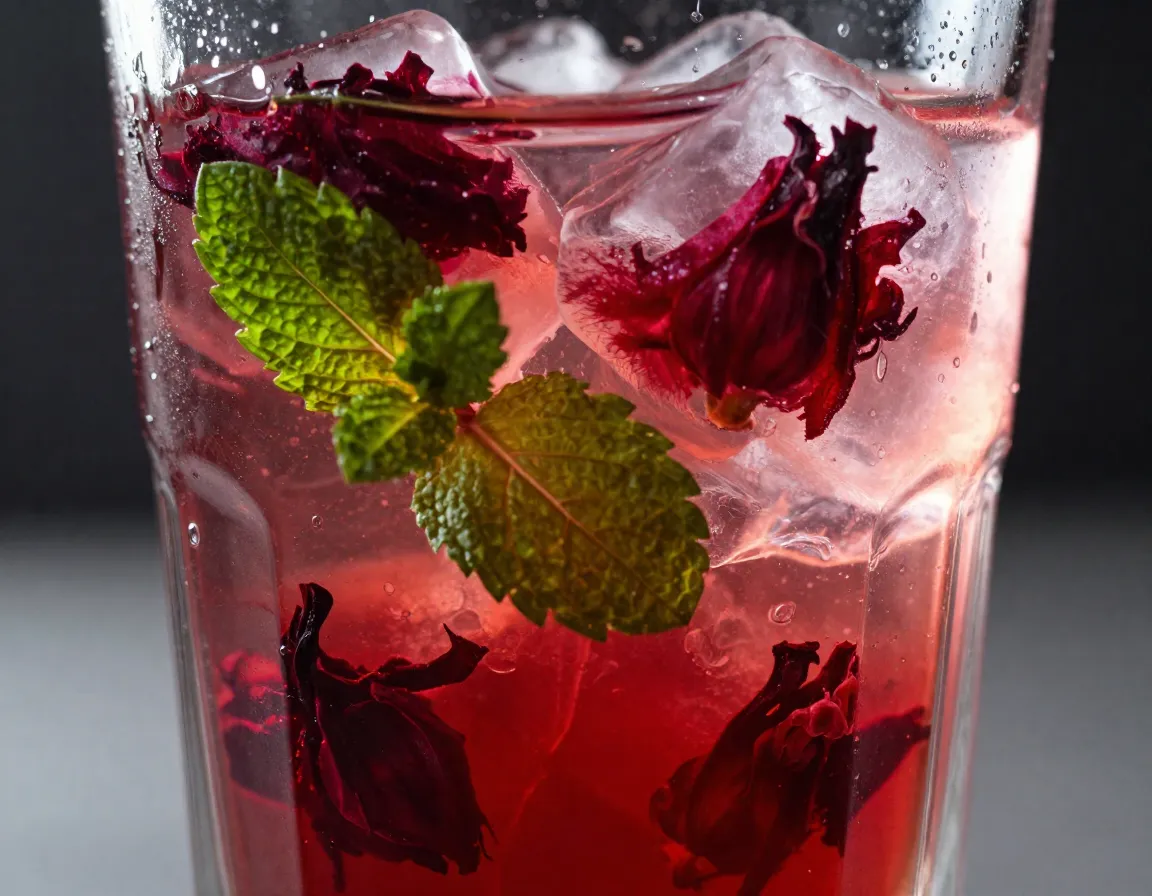
Here’s one of my favorite 9 creative uses of hibiscus tea beyond just a beverage: freeze strong hibiscus tea in ice cube trays [3]. These ruby gems instantly transform plain water, sparkling beverages, or cocktails into something special.
Creative variations:
- Add fresh mint leaves before freezing
- Include edible flowers for extra visual appeal
- Mix with fruit juices for layered flavor profiles
- Use in lemonades for a tart, refreshing twist
4. Gourmet Hibiscus Syrup
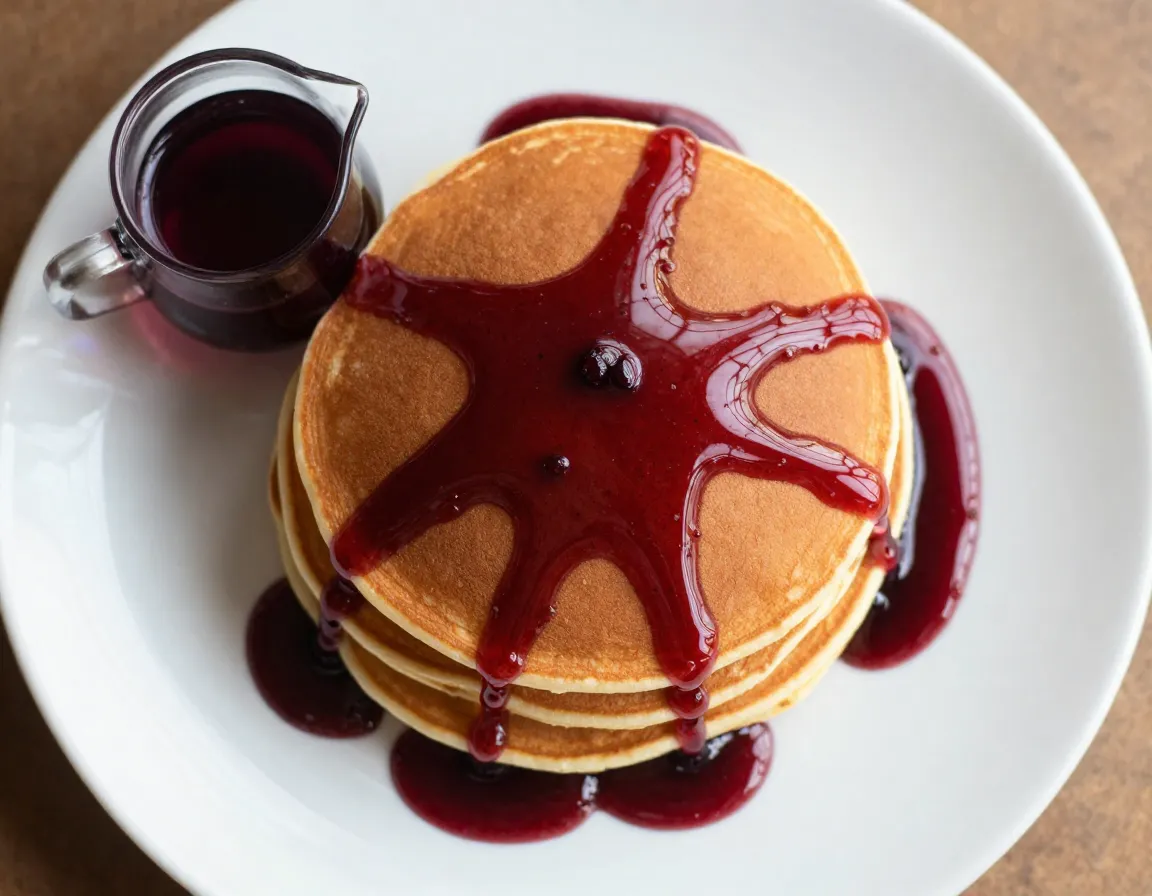
Transform pancake breakfasts and dessert presentations with homemade hibiscus syrup [3]. This versatile topping works beautifully over:
- Pancakes and waffles 🥞
- Vanilla ice cream
- Greek yogurt
- Cheesecake
- Fresh fruit salads
The syrup concentrates hibiscus’s natural tartness while adding enough sweetness to complement both breakfast treats and elegant desserts.
5. Exotic Fruit Salad Garnish
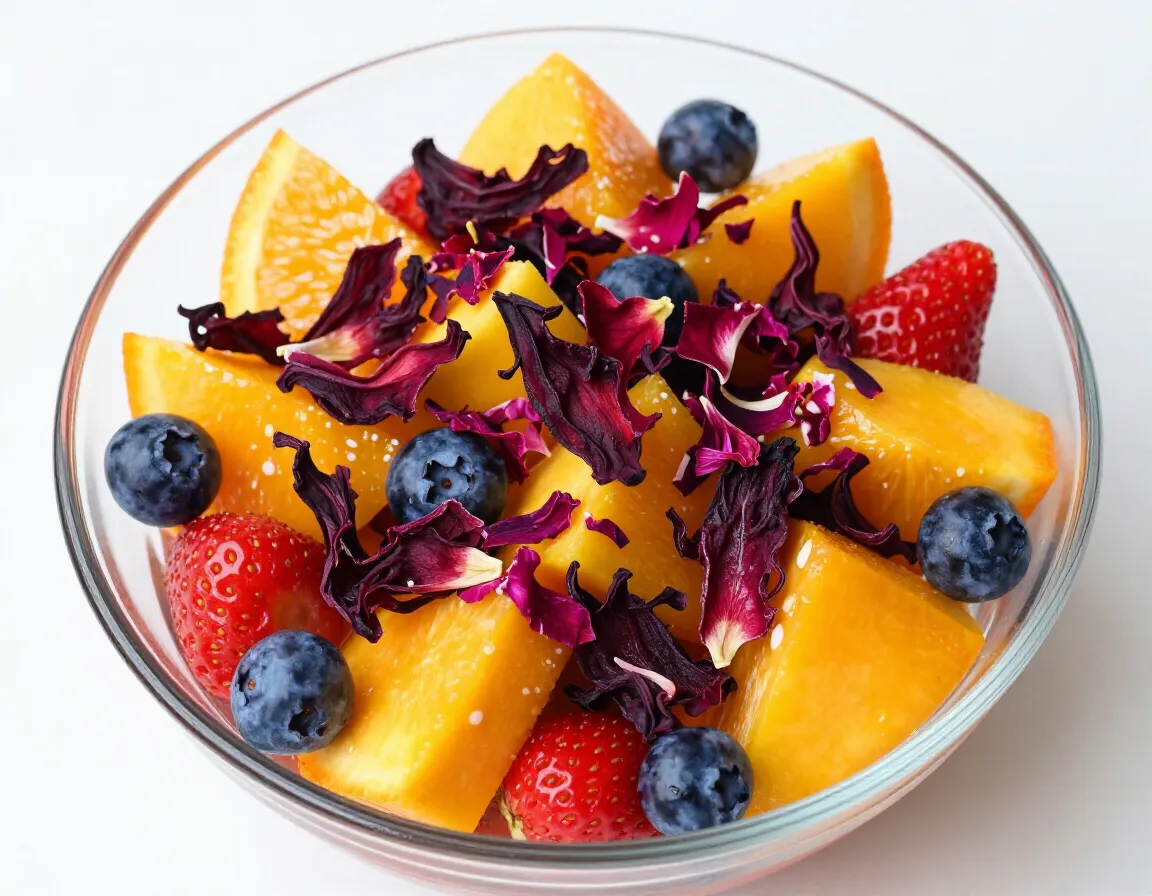
Elevate your fruit presentations by incorporating chopped hibiscus calyces directly into fruit salads [3]. The dried petals add texture, color, and a subtle tart flavor that enhances the natural sweetness of fresh fruits.
“Adding hibiscus petals to fruit salad creates an Instagram-worthy presentation while introducing guests to new flavors in a familiar context.”
Best fruit pairings:
- Citrus fruits (oranges, grapefruits)
- Tropical fruits (mango, pineapple)
- Berries (strawberries, blueberries)
- Stone fruits (peaches, nectarines)
Beauty and Wellness: Expanding the 9 Creative Uses of Hibiscus Tea Beyond Just a Beverage
6. DIY Skincare Formulations
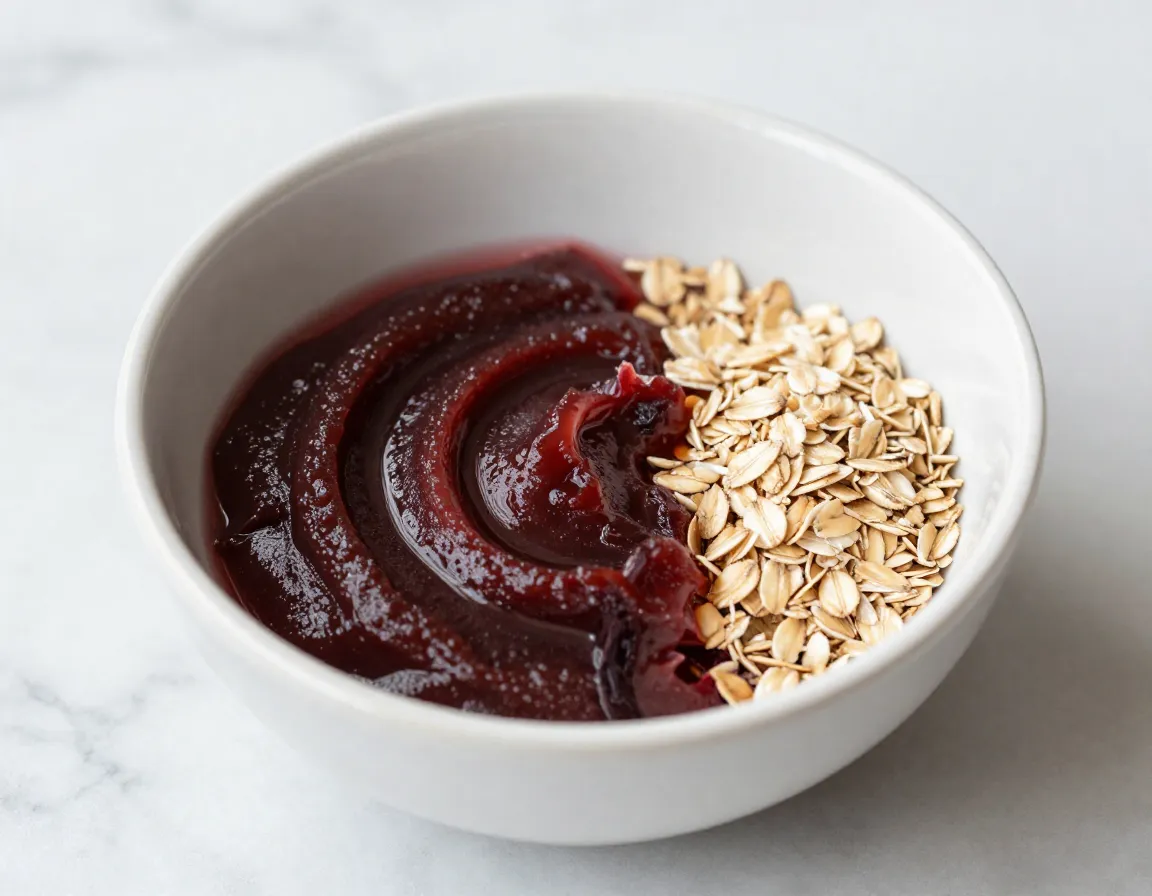
The beauty industry has embraced hibiscus extract in skincare and cosmetic formulations [2], but you can create your own treatments at home. Hibiscus contains natural alpha hydroxy acids (AHAs) that may help with gentle exfoliation.
Simple hibiscus face mask recipe:
- 2 tablespoons cooled, strong hibiscus tea
- 1 tablespoon honey
- 1 teaspoon oatmeal (finely ground)
Mix ingredients, apply to clean skin, leave for 15 minutes, then rinse with warm water.
Safety note: Always patch test any new skincare ingredient and consult with a dermatologist if you have sensitive skin or existing skin conditions.
7. Natural Hair Rinse
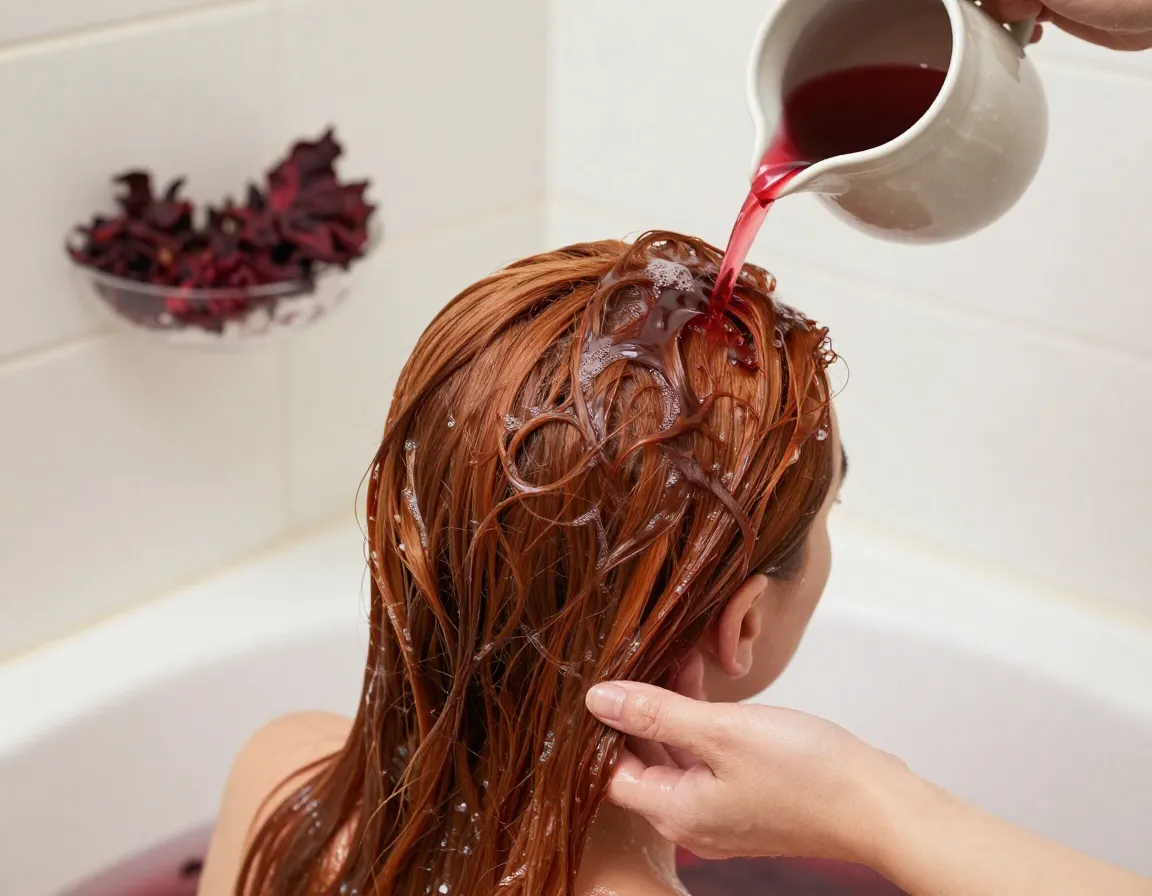
Create a hibiscus hair rinse that may help add shine and enhance red tones in your hair. Brew a strong hibiscus tea, let it cool completely, and use it as a final rinse after shampooing.
The natural acids in hibiscus may help:
- Remove product buildup
- Add natural shine
- Enhance red and auburn hair colors
- Provide a refreshing scalp treatment
8. Homemade Supplement Integration
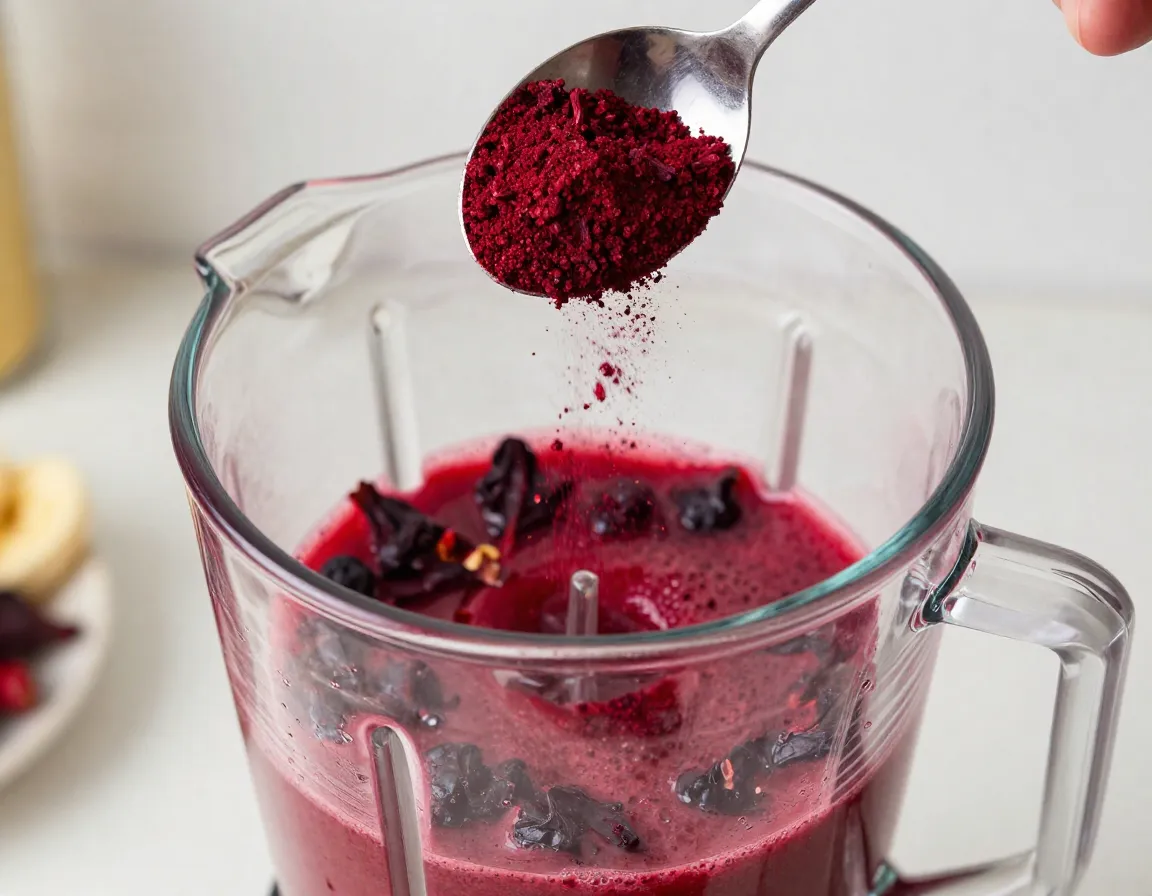
With the growing trend toward incorporating hibiscus powder into supplement formulations [2], you can explore adding hibiscus to your wellness routine in creative ways.
Ideas for integration:
- Blend hibiscus powder into smoothies
- Mix into homemade energy balls
- Add to yogurt parfaits
- Incorporate into healthy baking recipes
Important: Always consult with healthcare providers before adding any new supplements to your routine, especially if you’re taking medications or have health conditions.
9. Custom Tea Blend Creations
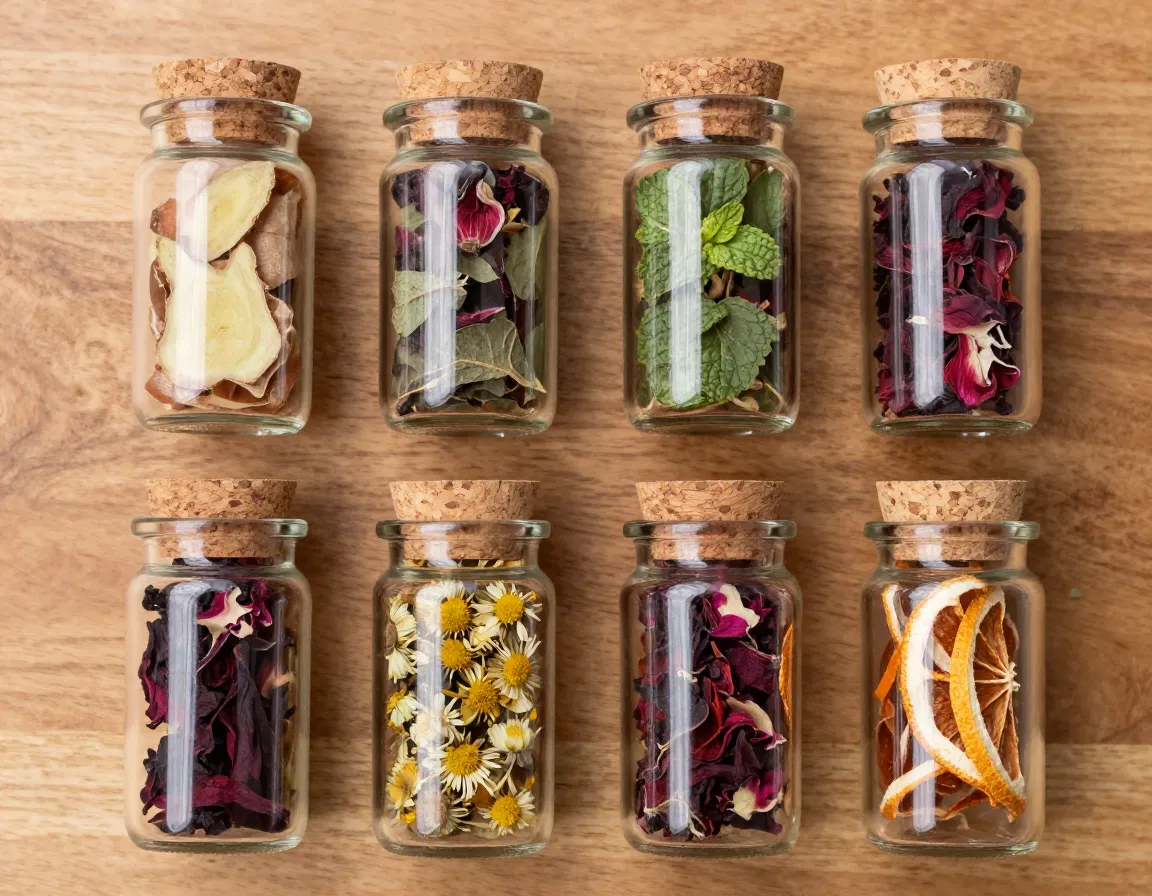
Complete our 9 creative uses of hibiscus tea beyond just a beverage by creating signature tea blends that showcase hibiscus as the star ingredient [3].
Popular hibiscus blend combinations:
| Base Blend | Additional Ingredients | Flavor Profile |
|---|---|---|
| Hibiscus + Ginger | Fresh ginger, lemon | Warming, digestive |
| Hibiscus + Mint | Peppermint, spearmint | Cooling, refreshing |
| Hibiscus + Chamomile | Dried chamomile flowers | Relaxing, floral |
| Hibiscus + Citrus | Orange peel, lemon balm | Bright, energizing |
These custom blends make excellent gifts and allow you to control the flavor intensity and caffeine content of your daily tea ritual.
Understanding the Growing Hibiscus Trend in 2026
The popularity of these 9 creative uses of hibiscus tea beyond just a beverage reflects broader consumer trends driving the hibiscus market in 2026. Growing market drivers include increased consumer awareness of health benefits, the natural products trend, and therapeutic applications for various health conditions [2].
Key market trends influencing hibiscus popularity:
- Natural ingredient preference: Consumers increasingly seek plant-based alternatives
- Multifunctional products: People want ingredients that serve multiple purposes
- DIY culture: Home crafting and cooking continue to gain popularity
- Instagram-worthy aesthetics: The vibrant color makes hibiscus perfect for social sharing
Tips for Success with Hibiscus Applications
Quality matters: Source high-quality, food-grade dried hibiscus petals from reputable suppliers. Organic options ensure you’re avoiding pesticides and chemicals.
Storage solutions: Keep dried hibiscus in airtight containers away from light and moisture. Properly stored hibiscus maintains its color and potency for up to two years.
Experimentation guidelines: Start with small batches when trying new applications. This allows you to adjust flavors and techniques without wasting ingredients.
Safety considerations: While hibiscus is generally considered safe for most people, it may interact with certain medications or cause allergic reactions in sensitive individuals.
Conclusion
The 9 creative uses of hibiscus tea beyond just a beverage open up a world of culinary, beauty, and wellness possibilities that extend far beyond your teacup. From creating stunning sauces and preserves to developing personalized skincare treatments and custom tea blends, hibiscus proves itself as one of nature’s most versatile ingredients.
As we’ve explored, this ruby-red flower can transform ordinary recipes into extraordinary creations, elevate your self-care routine with natural ingredients, and provide endless opportunities for creative experimentation. The growing popularity of hibiscus in 2026 reflects our collective desire for natural, multifunctional ingredients that deliver both beauty and benefits.
Your next steps:
- Start small: Choose one application that excites you most and experiment with a small batch
- Source quality ingredients: Invest in high-grade, organic dried hibiscus petals
- Document your experiments: Keep notes on what works and what doesn’t for future reference
- Share your creations: These beautiful, colorful applications are perfect for social sharing and gift-giving
- Expand gradually: Once you master one technique, gradually incorporate other applications into your routine
Whether you’re looking to impress dinner guests with hibiscus cranberry sauce, pamper yourself with a DIY face mask, or create the perfect custom tea blend, these creative applications ensure that hibiscus becomes a staple ingredient in your kitchen, beauty cabinet, and wellness routine.
The journey from simple beverage to versatile lifestyle ingredient showcases hibiscus’s remarkable adaptability and your creativity in the kitchen and beyond. Embrace these possibilities, and discover how this ancient flower can enhance modern life in ways you never imagined.
References
[1] Hibiscus Tea Benefits 13 Research Based Reasons Your Body Loves It – https://www.divineleaves.in/hibiscus-tea-benefits-13-research-based-reasons-your-body-loves-it
[2] Trends Of Hibiscus Water – https://www.accio.com/business/trends-of-hibiscus-water
[3] Hibiscus Tea Is It Good For You – https://www.webmd.com/diet/hibiscus-tea-is-it-good-for-you
[4] Tc 023 – https://www.republicoftea.com/blog/tea-culture/health-benefits-of-hibiscus-tea/tc-023/
[5] Detail – https://www.ctcd.edu/sites/myctcd/detail/?p=2026-guide-do-herbal-weight-loss-drinks-really-help-evidence-recipes-hidden-risks-explained-6975fc9576e42