9 Cozy Elements That Make a Barista Coffee House Feel Like Home
Picture this: you step into a coffee house, and instantly, your shoulders relax. The aroma of freshly ground beans mingles with the soft glow of pendant lights, while lush greenery creates a natural sanctuary from the bustling world outside. In 2026, the most successful coffee houses have mastered the art of creating spaces that feel less like commercial establishments and more like an extension of your living room. These 9 cozy elements that make a barista coffee house feel like home transform ordinary cafes into beloved community gathering spaces where customers linger, connect, and return day after day.
Key Takeaways
- Warm lighting and earthy color palettes create the foundation for a welcoming atmosphere that encourages longer stays
- Strategic use of plants and natural materials brings biophilic design principles that enhance comfort and relaxation
- Thoughtful seating arrangements and multi-sensory experiences foster emotional connections with customers who treat cafes as “third places”
- Creative decor and comfortable furnishings combine functionality with Instagram-worthy aesthetics
- Sound management through greenery and proper lighting create intimate spaces within busy environments
Creating the Perfect Ambiance: The Foundation Elements
1. Warm, Earthy Color Palettes That Embrace You
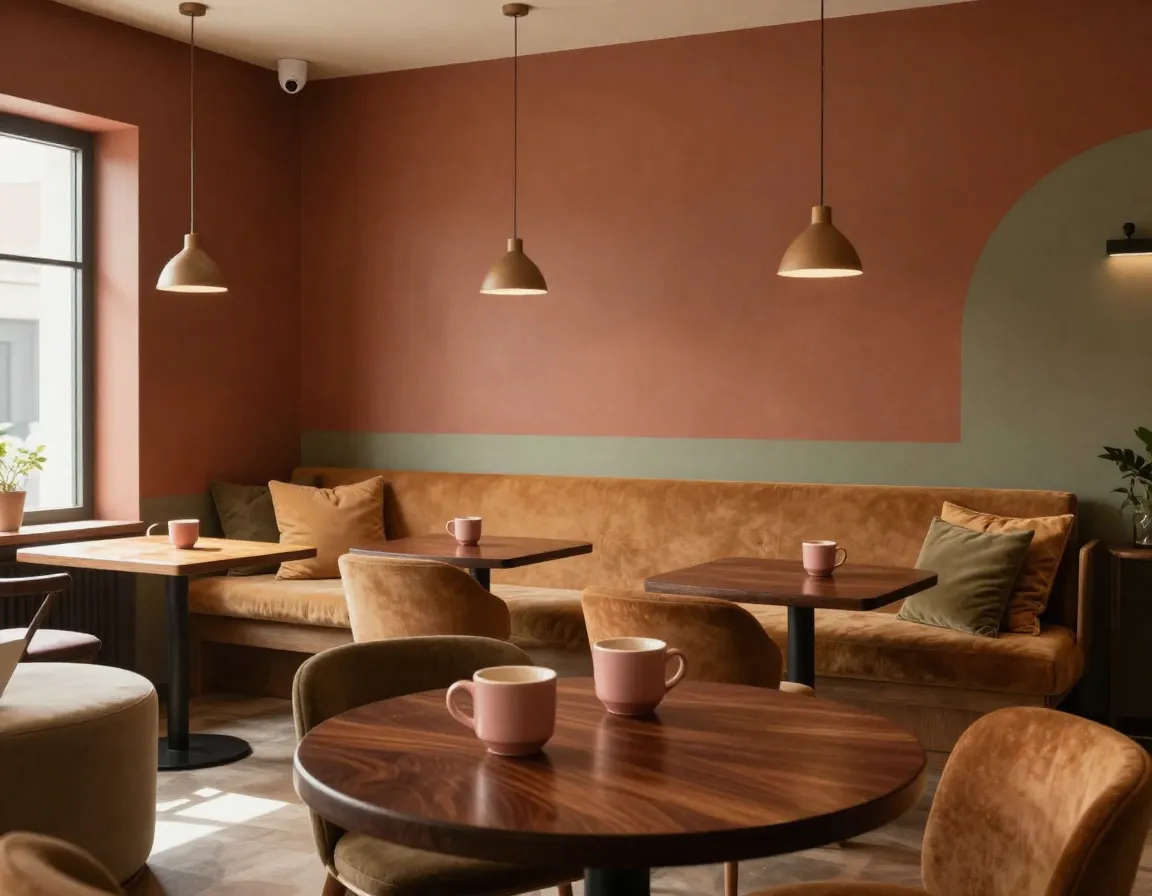
The first element among the 9 cozy elements that make a barista coffee house feel like home starts with color psychology. Warm, earthy tones have dominated cafe design in 2026, and for good reason – they create welcoming spaces that naturally encourage customers to settle in and stay awhile [1].
The most effective color combinations include:
- Deep terracotta and sage green
- Warm cream and burnt sienna
- Soft ochre and muted olive
- Rich chocolate brown and dusty rose
These colors work because they mimic the natural world and evoke feelings of safety and comfort. When I walk into a coffee house painted in these hues, I immediately feel more relaxed. The walls seem to wrap around me like a warm embrace, making the space feel intimate rather than commercial.
“Color is the first thing customers notice, and warm earth tones create an immediate sense of belonging that keeps people coming back.”
2. Layered Lighting That Creates Intimate Moments
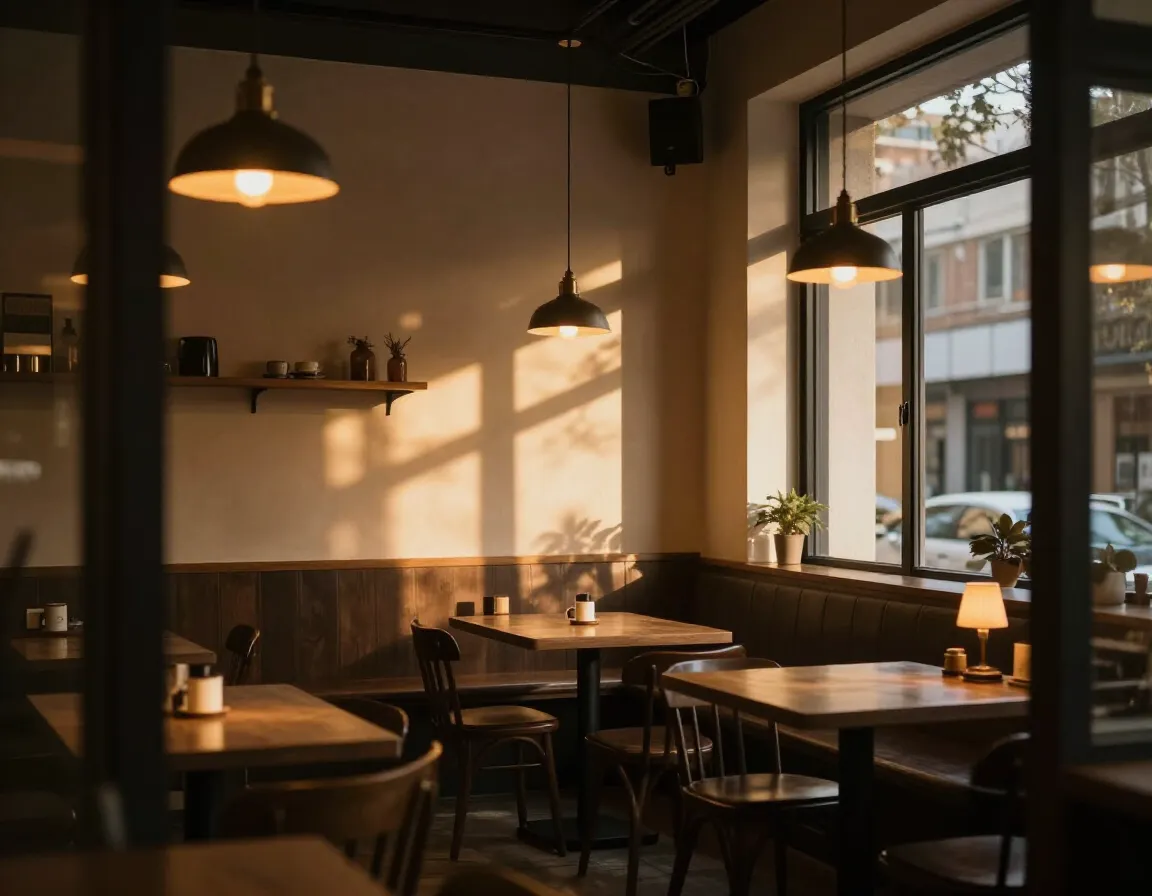
Nothing transforms a space quite like thoughtful lighting design. The second of our cozy elements focuses on creating multiple layers of illumination that can adapt throughout the day.
Essential lighting elements include:
- Warm pendant lights suspended at varying heights
- Accent lamps on tables and shelves
- Natural light optimization through strategic window placement
- Soft overhead lighting that controls brightness levels [1][2]
The magic happens when these lighting sources work together. During morning hours, natural light takes center stage, while afternoon brings a gentle blend of ambient and task lighting. As evening approaches, the pendant lights and accent lamps create cozy pools of warmth that make each seating area feel like a private retreat.
3. Comfortable Seating That Invites You to Stay
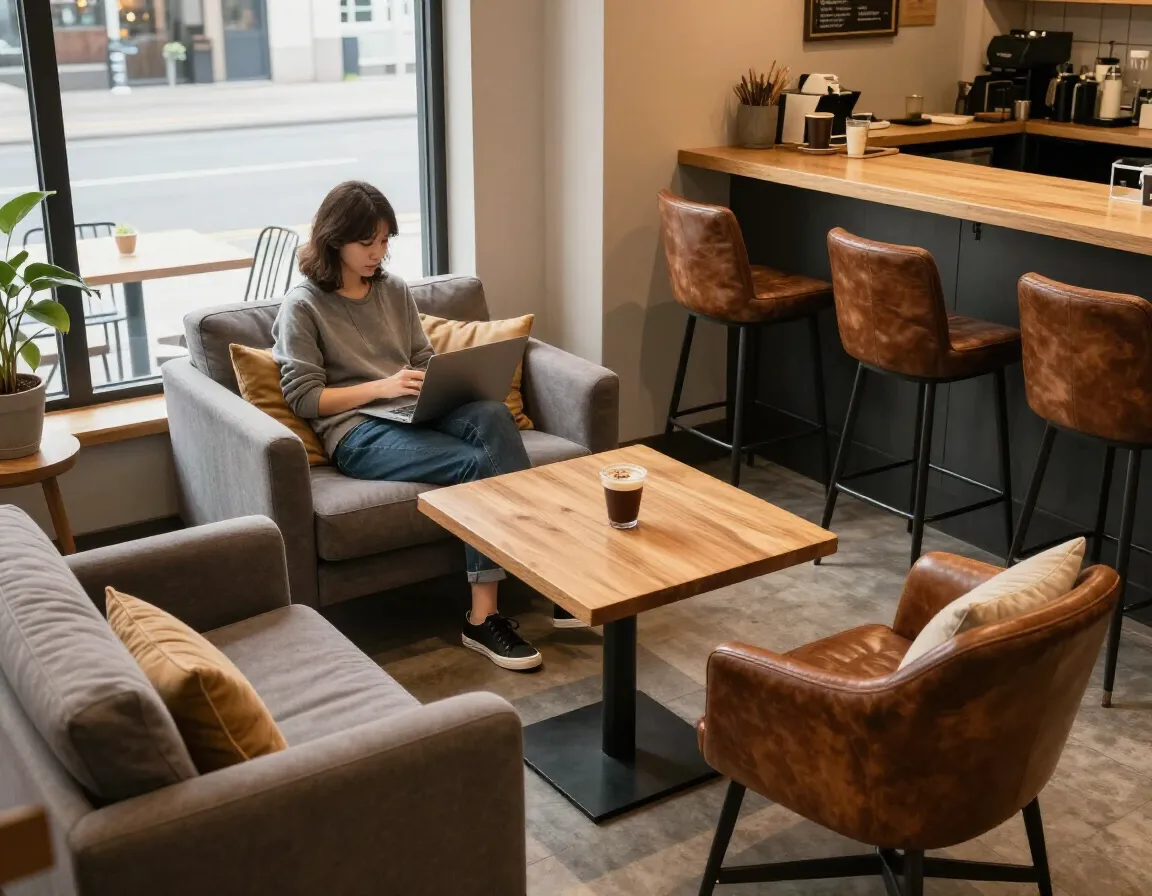
The third element focuses on creating seating arrangements that prioritize comfort over maximum capacity. Cozy corner seating with soft lighting, small sofas, and warm colors specifically designed to encourage longer customer stays has become essential [1].
Successful seating strategies include:
| Seating Type | Purpose | Ideal Location |
|---|---|---|
| Plush armchairs | Solo relaxation | Window corners |
| Small sofas | Intimate conversations | Quiet zones |
| Communal tables | Social interaction | Central areas |
| Bar stools | Quick visits | Counter seating |
Ergonomic design ensures customers can comfortably spend hours working, reading, or socializing. The key is variety – offering different seating options for different moods and needs makes everyone feel welcome.
Bringing Nature Indoors: Biophilic Design Elements
4. Statement Trees That Anchor the Space
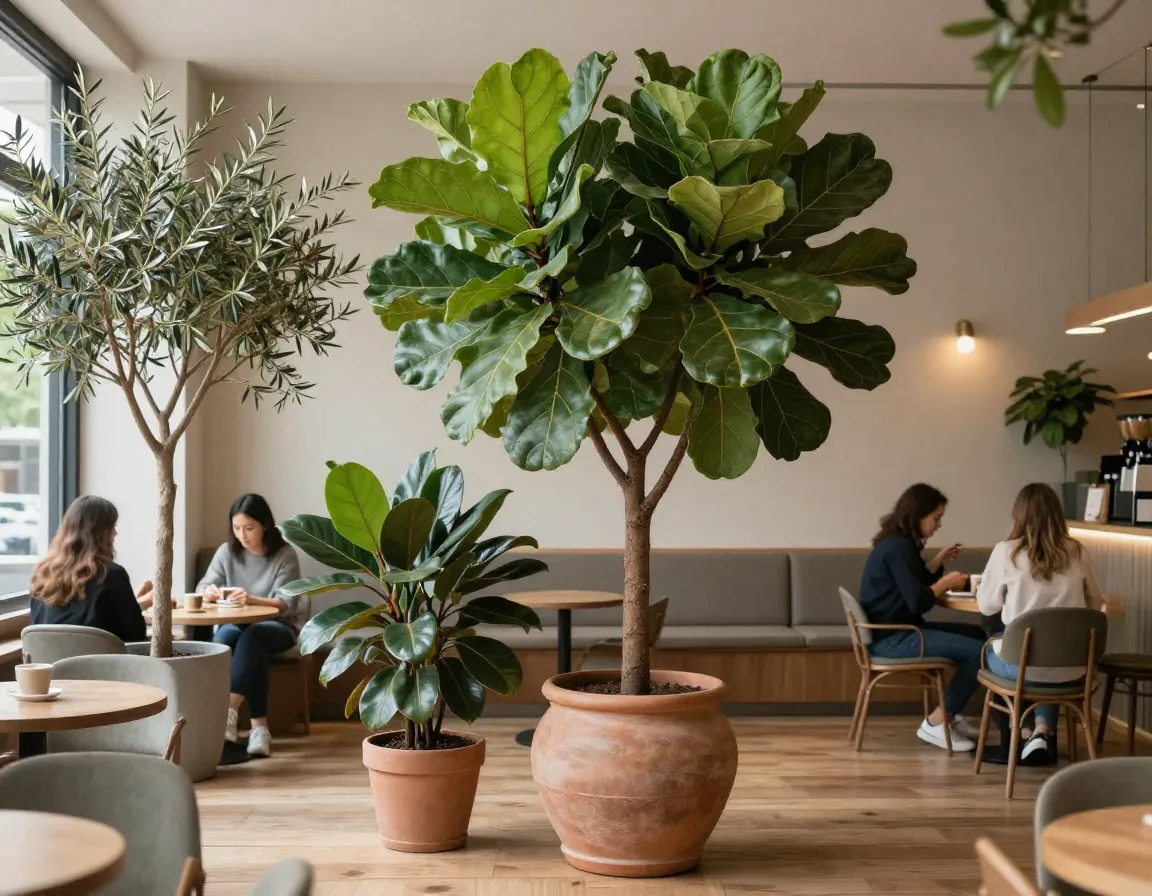
Feature trees serve as sculptural focal points that add height, softness, and warmth to contemporary coffee shop interiors [2]. These living sculptures represent the fourth of our 9 cozy elements that make a barista coffee house feel like home.
Popular choices for coffee house feature trees:
- 🌿 Fiddle Leaf Fig – dramatic leaves and architectural form
- 🫒 Olive Tree – Mediterranean charm and silvery foliage
- 🌱 Ficus – easy maintenance and lush appearance
- 🍃 Rubber Plant – glossy leaves and air-purifying qualities
These trees do more than look beautiful – they create natural gathering points and help define different areas within the space. Customers naturally gravitate toward these green anchors, finding comfort in their presence.
5. Cascading Greenery That Softens Hard Edges
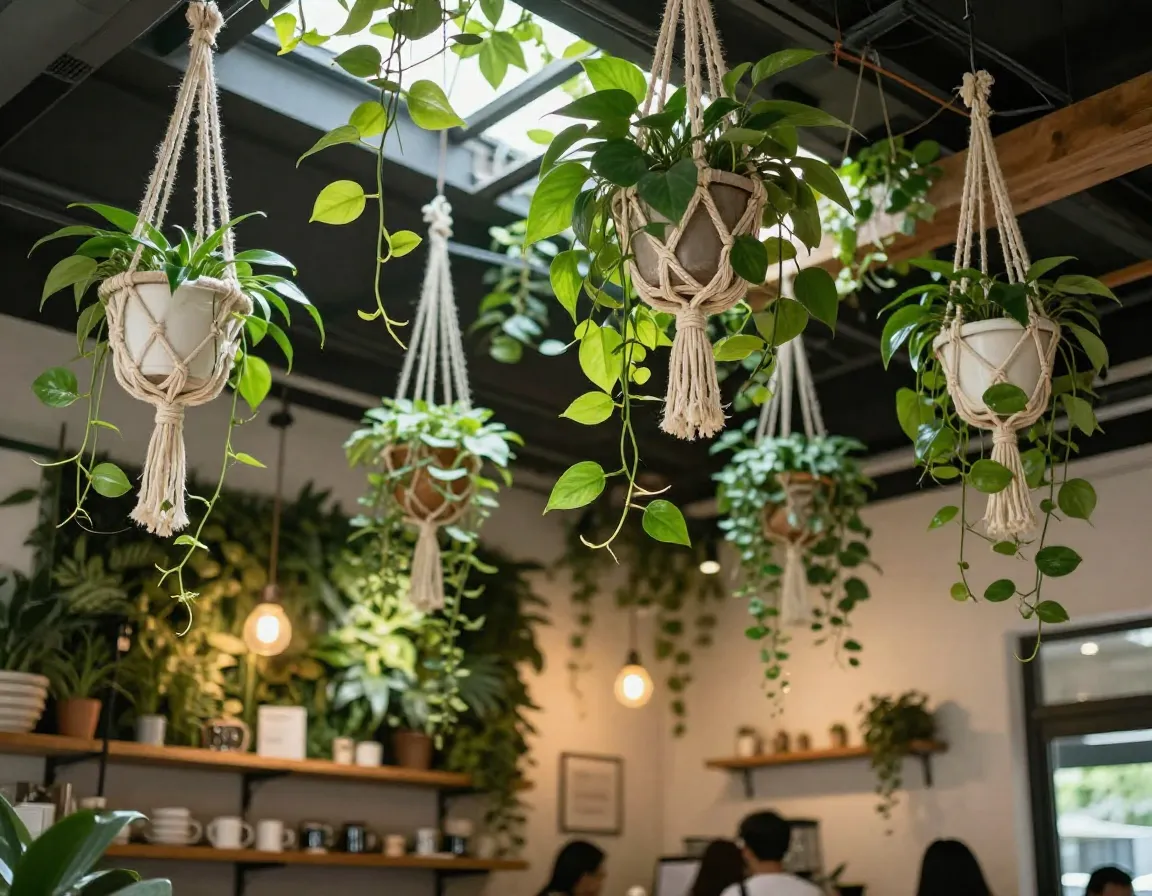
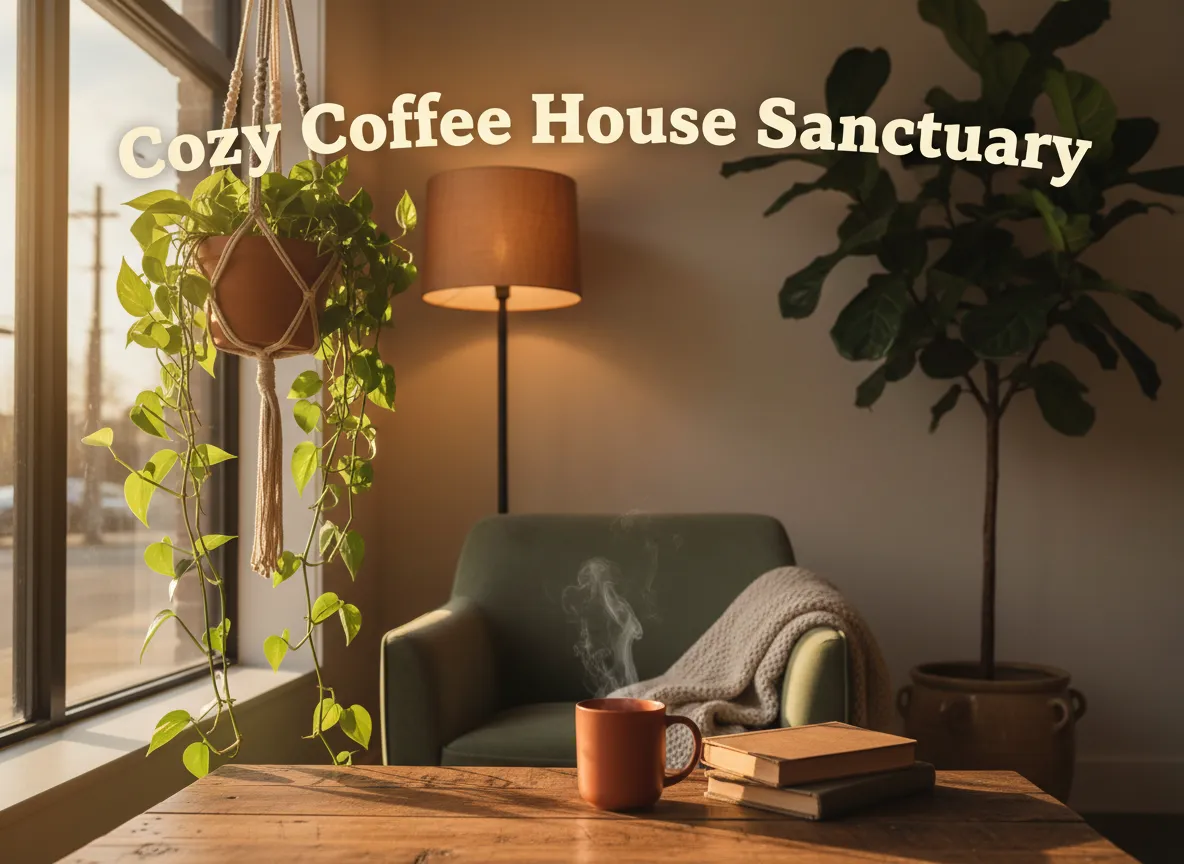
Suspended overhead greenery and cascading foliage installations serve a dual purpose: they improve sound absorption in busy cafes while creating a sense of enclosure and tranquility [2]. This fifth element transforms stark commercial spaces into garden-like retreats.
Effective overhead greenery includes:
- Hanging planters with trailing pothos
- Macrame plant holders at varying heights
- Living walls with integrated irrigation
- Ceiling-mounted plant installations
The cascading effect creates visual interest and helps break up large, open spaces into more intimate zones. As plants drape naturally downward, they form gentle barriers that provide psychological comfort without blocking sightlines.
6. Natural Materials That Connect Us to Earth
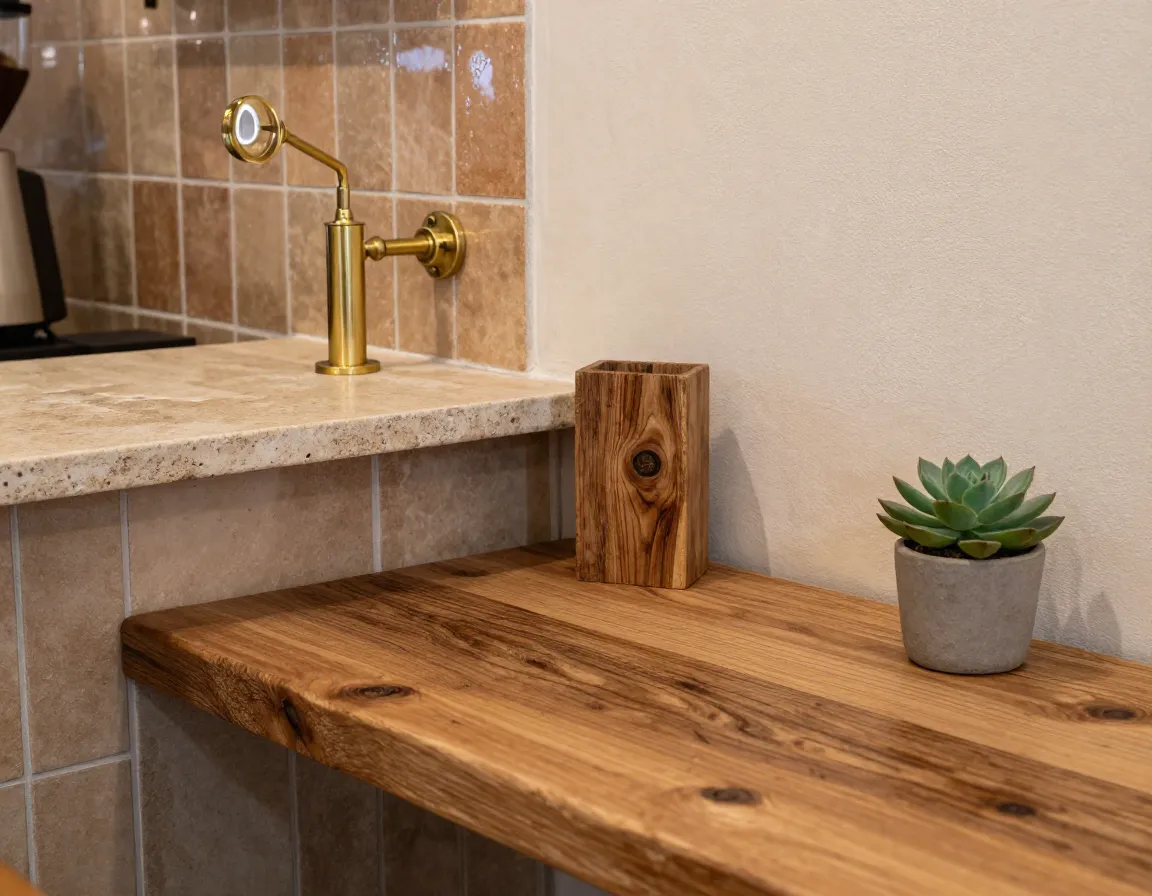
The sixth element incorporates natural materials like wood, stone, limewash, clay, and brass, layered with greenery to create earthy, welcoming palettes [2]. These materials add texture, warmth, and authenticity to coffee house environments.
Key natural materials and their benefits:
- Reclaimed Wood – adds character and sustainability story
- Natural Stone – provides grounding and permanence
- Clay Tiles – brings handcrafted warmth
- Brass Fixtures – adds warm metallic accents
- Limewash Walls – creates soft, organic texture
When combined thoughtfully, these materials create a sensory experience that feels both sophisticated and approachable. The imperfections and variations in natural materials make spaces feel lived-in and authentic.
Personal Touches That Create Connection
7. Creative Wall Decor That Tells a Story
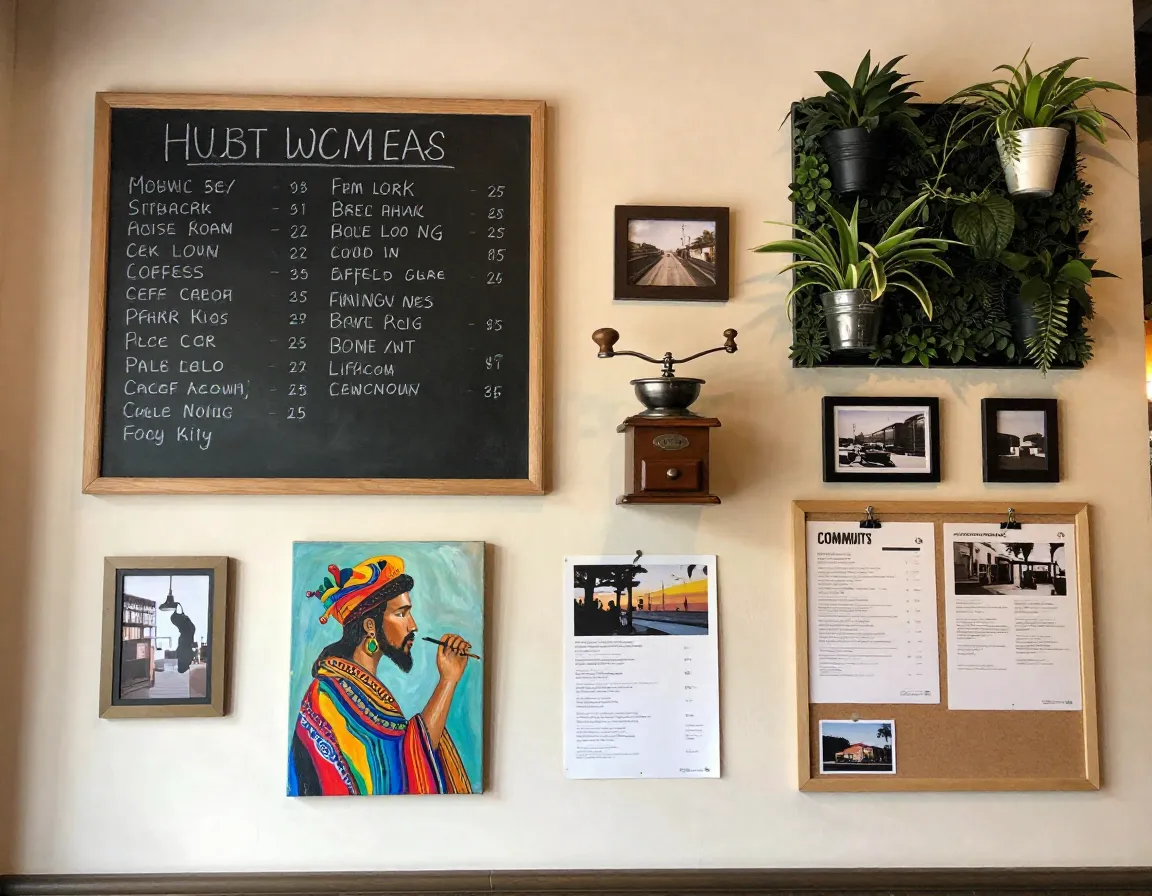
Creative wall decor including chalkboards, murals, and local artwork add personality and create Instagram-worthy spots throughout the space [1]. This seventh element among our cozy elements helps establish the coffee house’s unique identity.
Effective wall decor strategies:
- Local Artist Showcases – rotating monthly exhibitions
- Chalkboard Menus – handwritten charm and flexibility
- Community Bulletin Boards – neighborhood connection
- Vintage Coffee Memorabilia – historical storytelling
- Living Walls – functional art that purifies air
The key is creating visual interest without overwhelming the space. Each piece should contribute to the overall narrative while providing conversation starters for customers.
8. Bookshelf Sanctuaries That Invite Exploration
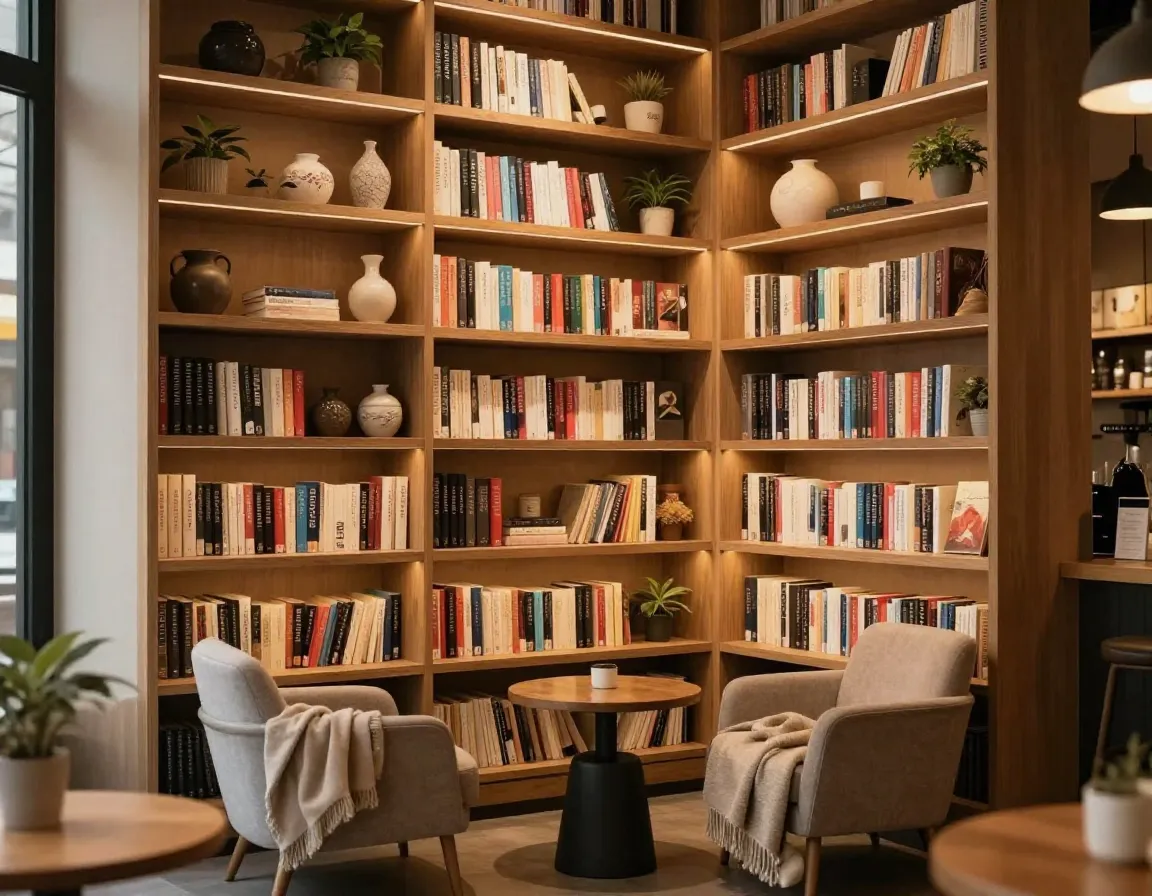
Floor-to-ceiling bookshelves filled with books, plants, and art create cozy atmospheres that naturally draw people in [5]. These literary corners represent the eighth element in creating homey coffee house environments.
Building the perfect bookshelf display:
- Mix books with decorative objects
- Include small plants for visual breaks
- Add warm lighting within shelves
- Create reading nooks nearby
- Encourage book borrowing and sharing
These bookshelf areas become natural gathering spots where customers feel encouraged to browse, discover, and settle in with a good read. They transform commercial spaces into personal libraries.
9. Multi-Sensory Experiences That Create Emotional Bonds
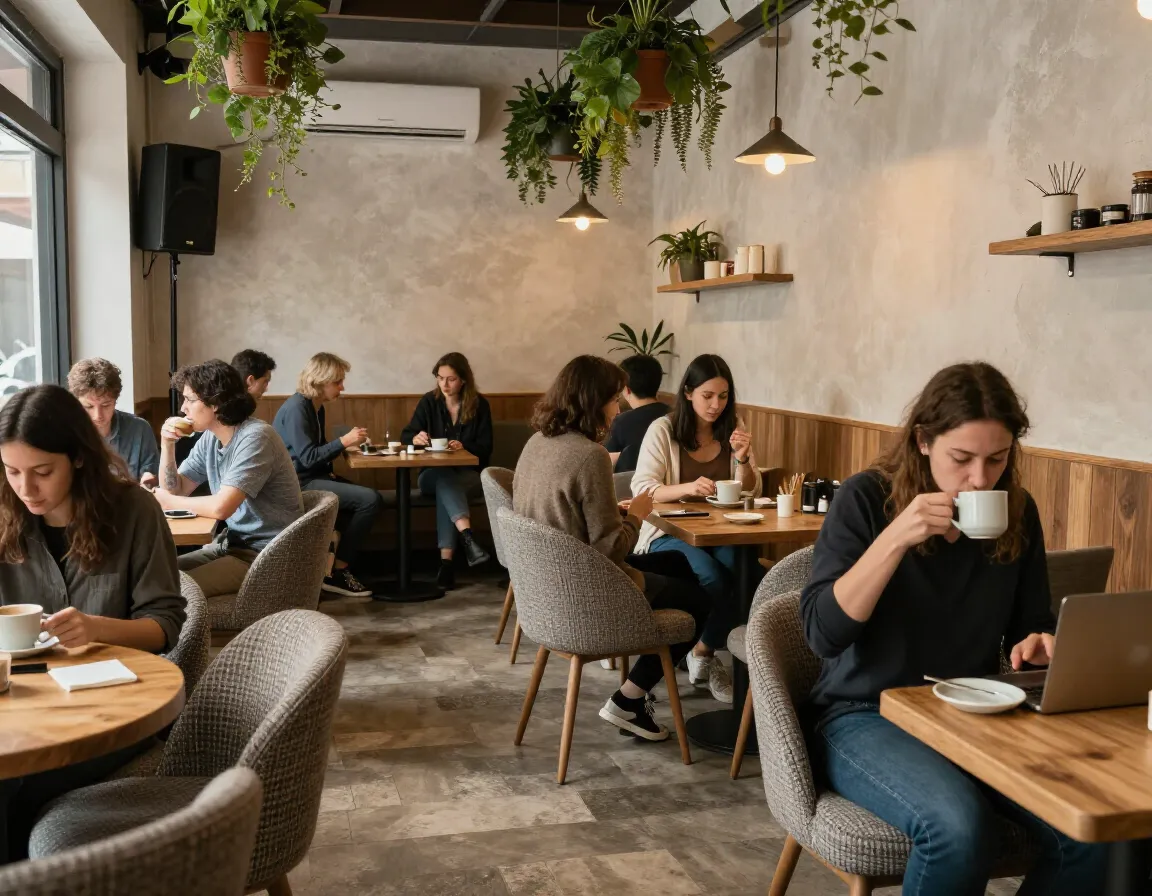
The final element focuses on coordinated lighting, music, interior design, and event programming that create emotional connections with customers [4]. With 35% of specialty coffee drinkers consuming coffee out-of-home and treating cafes as “third places,” this comprehensive approach is essential.
Components of successful multi-sensory design:
- Curated Playlists – matching music to time of day and mood
- Signature Scents – beyond coffee aroma to include subtle lavender or vanilla
- Tactile Elements – varied textures in furniture and decor
- Temperature Zones – warmer and cooler areas for comfort
- Acoustic Management – using plants and materials to control sound
When all senses are engaged harmoniously, customers develop deeper emotional connections to the space. They begin to associate these sensory cues with comfort, productivity, and community.
The Science Behind Cozy Coffee House Design
Understanding why these 9 cozy elements that make a barista coffee house feel like home work so effectively requires looking at the psychology behind our responses to different environments. Indoor plants and vertical gardens enhance comfort and relaxation through biophilic design principles [1], tapping into our innate connection to nature.
The concept of “third places” – spaces that aren’t home or work but serve as community gathering spots – has become increasingly important in our digital age. Coffee houses that successfully implement these cozy elements become essential parts of their customers’ daily routines and social lives.
Research shows that customers stay longer when spaces feature:
- Natural elements that reduce stress
- Comfortable seating that supports various activities
- Appropriate lighting that adapts throughout the day
- Sound management that allows for conversation
- Personal touches that create emotional connection
Implementation Tips for Coffee House Owners
Creating these cozy elements doesn’t require a complete renovation. Start with one or two elements and gradually build your atmosphere:
Phase 1: Foundation (Months 1-2)
- Adjust lighting with warm bulbs and accent lamps
- Introduce earth-tone paint or wall treatments
- Add comfortable throw pillows to existing seating
Phase 2: Nature Integration (Months 3-4)
- Install feature plants and hanging greenery
- Incorporate natural materials through accessories
- Create a bookshelf corner with mixed displays
Phase 3: Personalization (Months 5-6)
- Develop signature scent and music programming
- Add local artwork and community elements
- Fine-tune acoustic and temperature comfort
Measuring Success: What to Look For
You’ll know your cozy elements are working when you observe:
- Increased dwell time and repeat customers
- More social media posts featuring your space
- Customers bringing friends and family
- People choosing your cafe for meetings and work
- Positive reviews mentioning atmosphere and comfort
Conclusion
The 9 cozy elements that make a barista coffee house feel like home represent more than just design trends – they’re essential ingredients for creating spaces where community thrives. From warm color palettes and layered lighting to statement plants and multi-sensory experiences, each element contributes to an atmosphere that makes customers feel welcomed, comfortable, and eager to return.
As we move through 2026, the most successful coffee houses will be those that understand the deep human need for connection and comfort. By implementing these elements thoughtfully and authentically, you can transform your space from a simple coffee vendor into a beloved community gathering place.
Your next steps:
- Assess your current space against these nine elements
- Choose 2-3 elements to focus on initially
- Create a timeline for gradual implementation
- Gather customer feedback as you make changes
- Document your progress with before-and-after photos
Remember, creating a cozy coffee house isn’t about perfection – it’s about intention. Every warm light, every plant, every comfortable chair sends a message to your customers that they matter and they belong. In our increasingly digital world, these physical spaces that feel like home become more precious than ever.
References
[1] Resources – https://relgrow.com/resources/?p=3097
[2] 2026 Greenery Trends In Restaurant Interior Design – https://greenscapedecor.com/blog/2026-greenery-trends-in-restaurant-interior-design/
[3] Coffee Shop Trends In 2026 – https://perfectdailygrind.com/2026/01/coffee-shop-trends-in-2026/
[4] Magazine Coffee Shop Trends 2026 How Coffee Culture Is Evolving In Cafes N 1143 – https://www.dallacorte.com/magazine-coffee-shop-trends-2026-how-coffee-culture-is-evolving-in-cafes-n-1143.html
[5] Coffee Shop Decor Ideas – https://www.gotable.com/blog/coffee-shop-decor-ideas/
[6] Coffee Shop Interior Design – https://sustain-home.com/coffee-shop-interior-design/