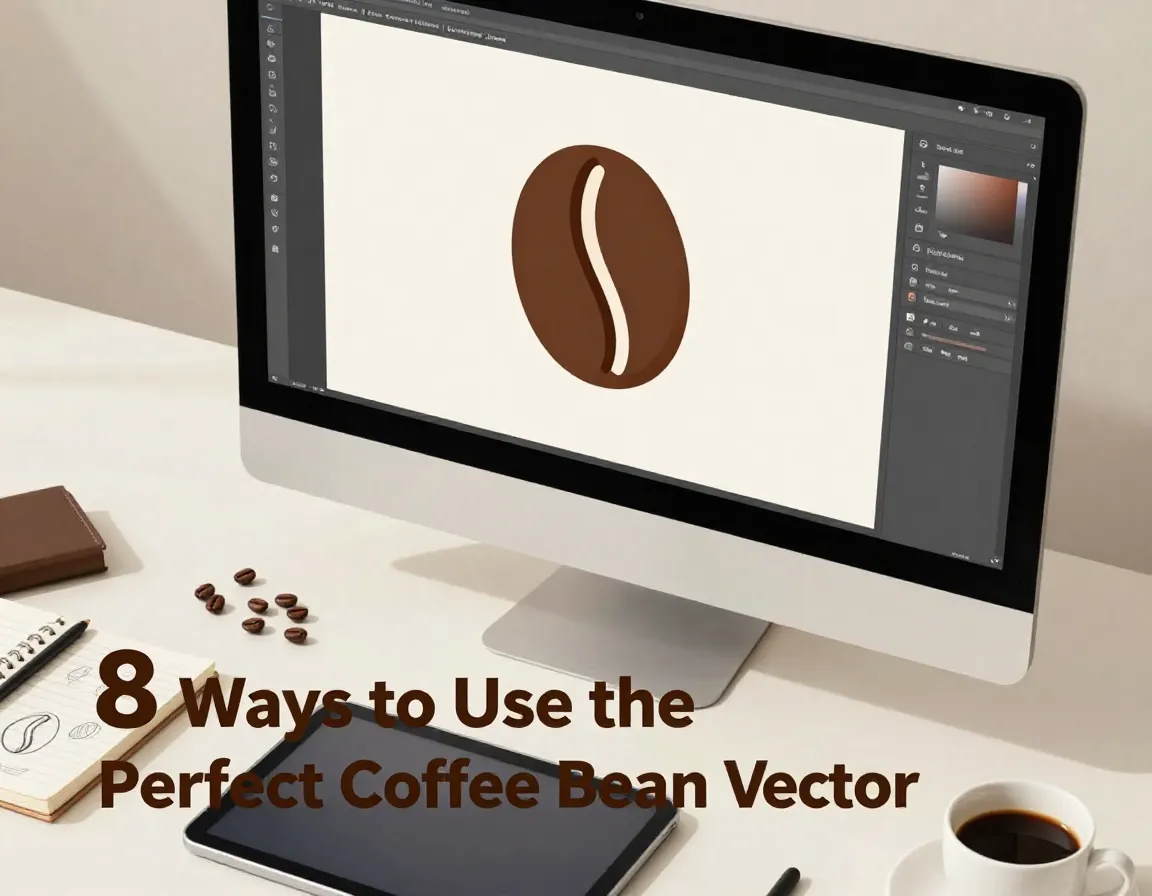
8 Ways to Use the Perfect Coffee Bean Vector in Your Projects
Picture this: You’re staring at a blank canvas, deadline looming, and your client wants something that screams “premium coffee experience.” Sound familiar? As a designer who’s navigated countless coffee-themed projects, I can tell you that finding and using the perfect coffee bean vector can make or break your design. In 2026, with the coffee industry booming and visual branding more crucial than ever, mastering 8 Ways to Use the Perfect Coffee Bean Vector in Your Projects isn’t just helpful—it’s essential for staying competitive in today’s design landscape.
Key Takeaways
- Strategic placement of coffee bean vectors can transform ordinary designs into premium brand experiences that resonate with target audiences
- Versatile applications range from logo design and packaging to digital marketing materials and social media graphics
- Quality selection from reputable vector libraries ensures scalability and professional results across all project types
- Creative combinations with typography, color schemes, and other design elements maximize visual impact and brand recognition
- Industry-specific adaptations allow coffee bean vectors to work effectively across cafes, restaurants, retail, and corporate environments
Understanding Coffee Bean Vector Fundamentals
Before diving into the 8 Ways to Use the Perfect Coffee Bean Vector in Your Projects, let’s establish what makes a coffee bean vector truly “perfect.” A high-quality coffee bean vector should offer crisp lines, scalable resolution, and versatile color options that work across multiple applications [1].
Essential Vector Qualities:
- Scalability: Works from business card size to billboard dimensions
- Editability: Allows color, shape, and style modifications
- File formats: Available in AI, EPS, SVG, and PNG formats
- Style consistency: Matches your overall design aesthetic
- Commercial licensing: Cleared for client work and commercial use
The coffee design landscape has evolved significantly in recent years. According to industry trends, minimalist coffee bean vectors with clean lines and geometric interpretations are dominating 2026 design preferences [2]. This shift reflects broader design movements toward simplicity and versatility.
Creative Applications: The First Four Ways
1. Logo Design and Brand Identity Systems
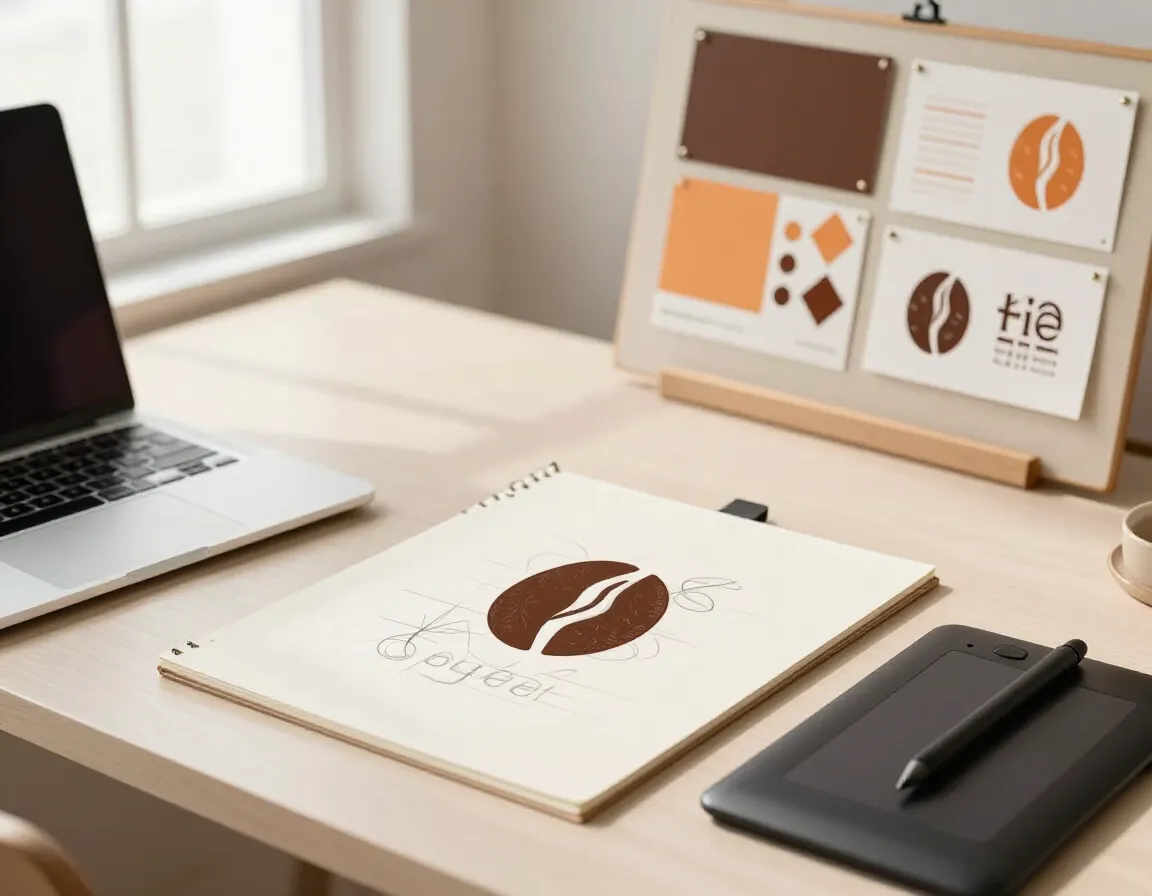
When implementing Ways to Use the Perfect Coffee Bean Vector in Your Projects for branding, coffee bean vectors serve as powerful focal points for logo design. I’ve seen countless successful coffee shop logos that cleverly incorporate coffee bean shapes into letterforms or use them as standalone brand marks.
Pro Tips for Logo Integration:
- Negative space utilization: Use coffee bean shapes as negative space within letters
- Geometric abstraction: Simplify bean shapes for modern, minimalist appeal
- Color psychology: Leverage warm browns and rich oranges to evoke comfort
- Scalability testing: Ensure the vector works at favicon size (16×16 pixels)
The key is subtlety. The most effective coffee bean logos don’t scream “coffee”—they whisper it with sophisticated design elements that create instant brand recognition [5].
2. Packaging Design Excellence
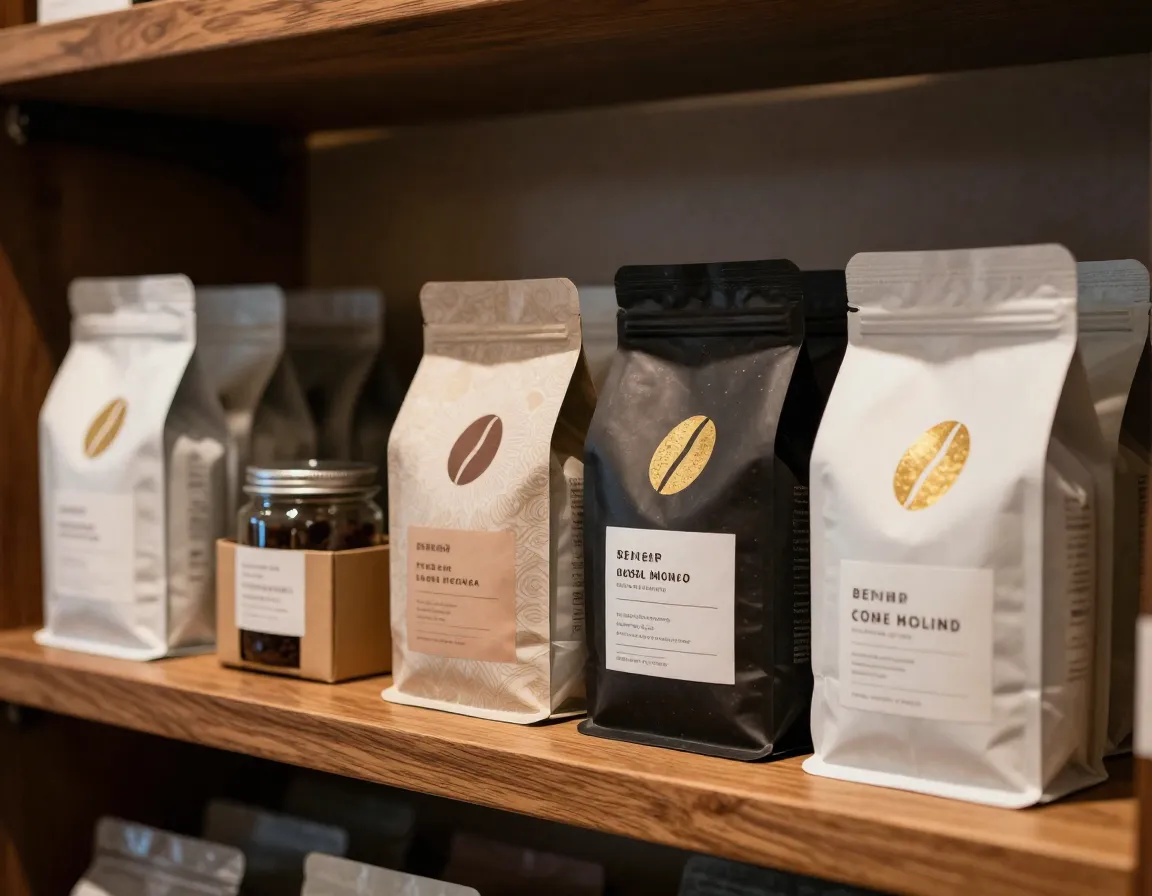
Coffee packaging represents one of the most impactful applications in our 8 Ways to Use the Perfect Coffee Bean Vector in Your Projects guide. Whether you’re designing for premium single-origin bags or mass-market ground coffee, vectors provide the flexibility needed for various packaging formats.
Packaging Applications Include:
- Bag design: Front-facing hero graphics and pattern backgrounds
- Label systems: Consistent iconography across product lines
- Box packaging: Three-dimensional applications requiring multiple vector orientations
- Specialty items: Gift sets, sample packs, and promotional materials
“The right coffee bean vector can communicate quality, origin, and brand personality before a customer even reads the product name.” – Leading packaging design expert
Consider how major coffee brands use stylized bean vectors to create visual hierarchies on their packaging. Premium brands often use fewer, larger vector elements, while value brands might employ pattern-heavy approaches [4].
3. Digital Marketing and Social Media Graphics
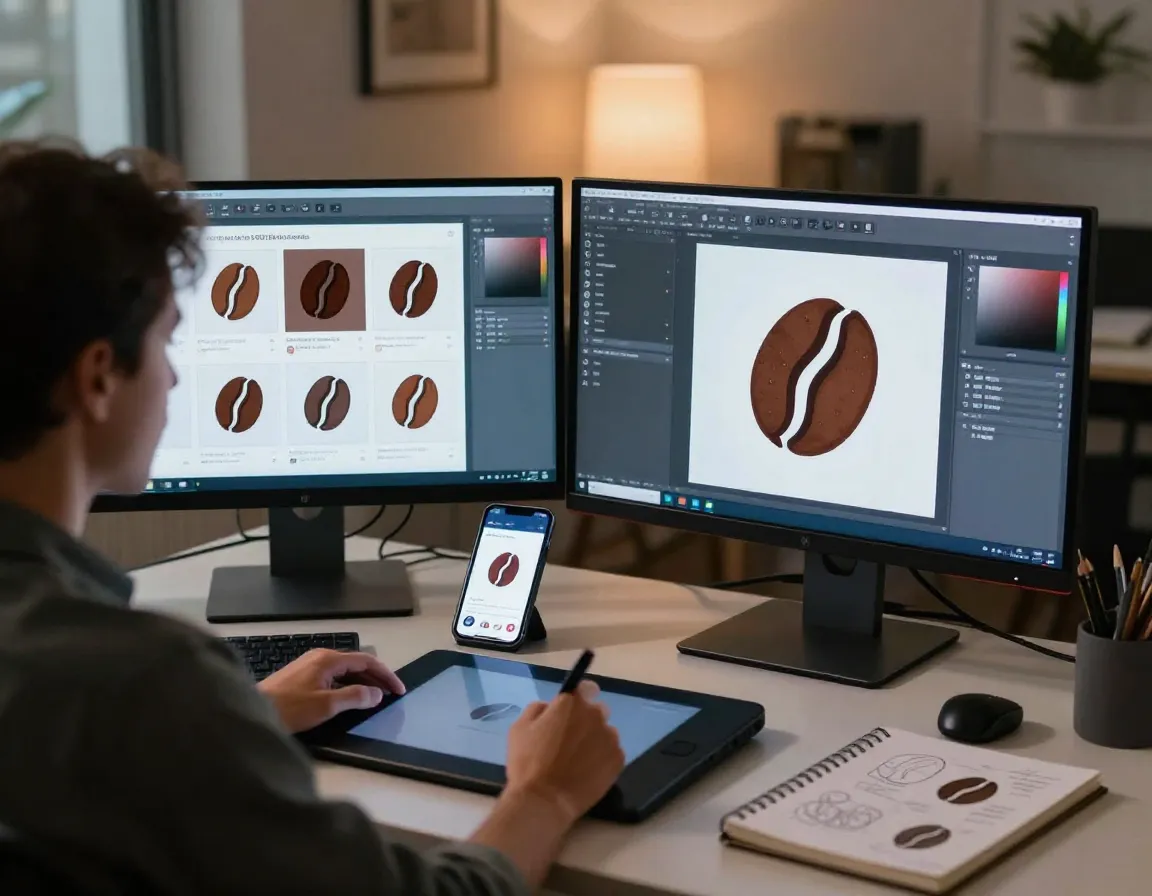
In today’s digital-first world, understanding Ways to Use the Perfect Coffee Bean Vector in Your Projects for online marketing is crucial. Coffee bean vectors excel in social media graphics because they’re instantly recognizable and work well in small formats.
Digital Applications:
- Instagram stories: Animated coffee bean transitions and overlays
- Facebook ads: Eye-catching vector combinations with promotional text
- Website headers: Scalable graphics that load quickly across devices
- Email newsletters: Consistent branding elements and dividers
The beauty of vectors in digital marketing lies in their adaptability. A single coffee bean vector can be resized, recolored, and animated for dozens of different campaign elements while maintaining brand consistency [6].
4. Interior Design and Environmental Graphics
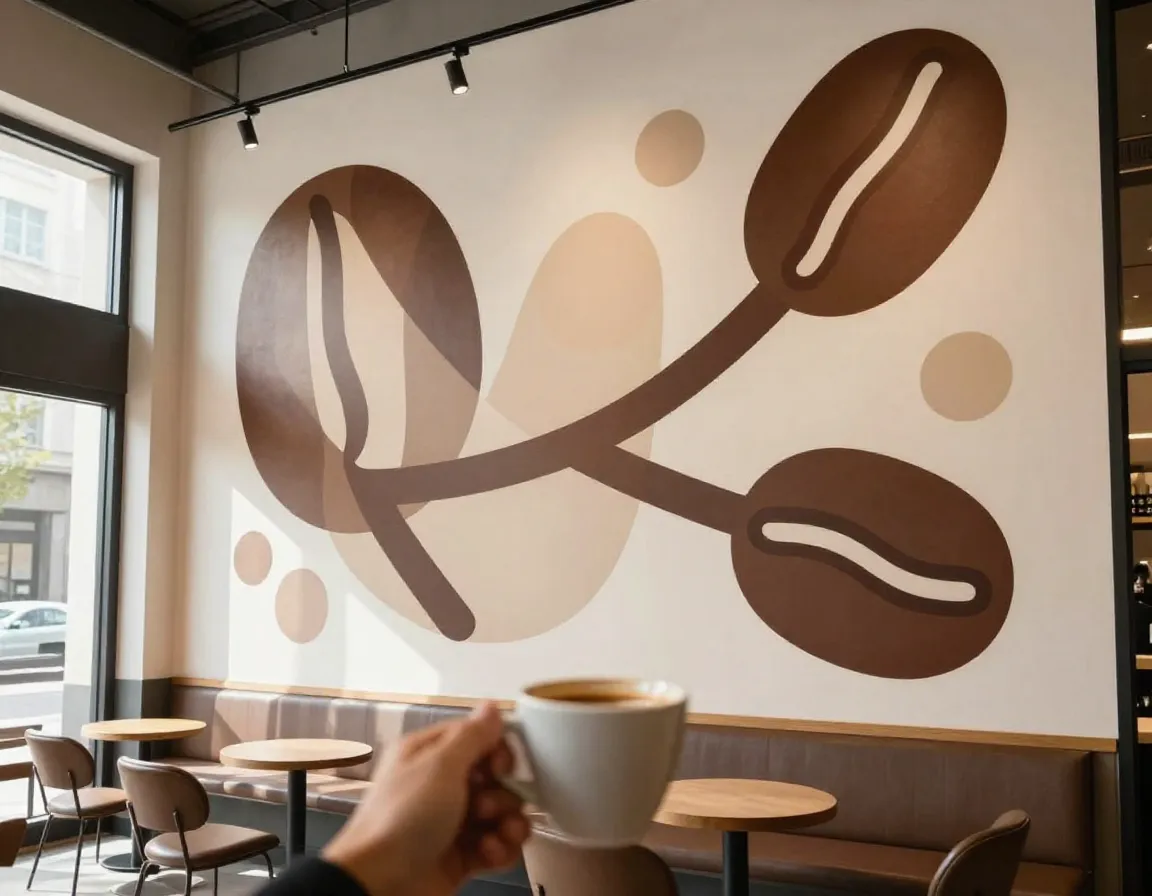
Physical spaces offer unique opportunities for implementing 8 Ways to Use the Perfect Coffee Bean Vector in Your Projects. Coffee shops, restaurants, and corporate offices increasingly use large-scale vector graphics to create immersive brand experiences.
Environmental Applications:
- Wall murals: Oversized vector graphics that create Instagram-worthy backdrops
- Window graphics: Frosted or vinyl applications using coffee bean silhouettes
- Signage systems: Directional and informational signs incorporating brand vectors
- Floor graphics: Durable vinyl applications for high-traffic areas
When scaling vectors for environmental use, pay special attention to viewing distances and lighting conditions. What works on a computer screen might need adjustment for a 10-foot viewing distance in a coffee shop [7].
Advanced Implementation: The Final Four Ways
5. Product Photography and Styling
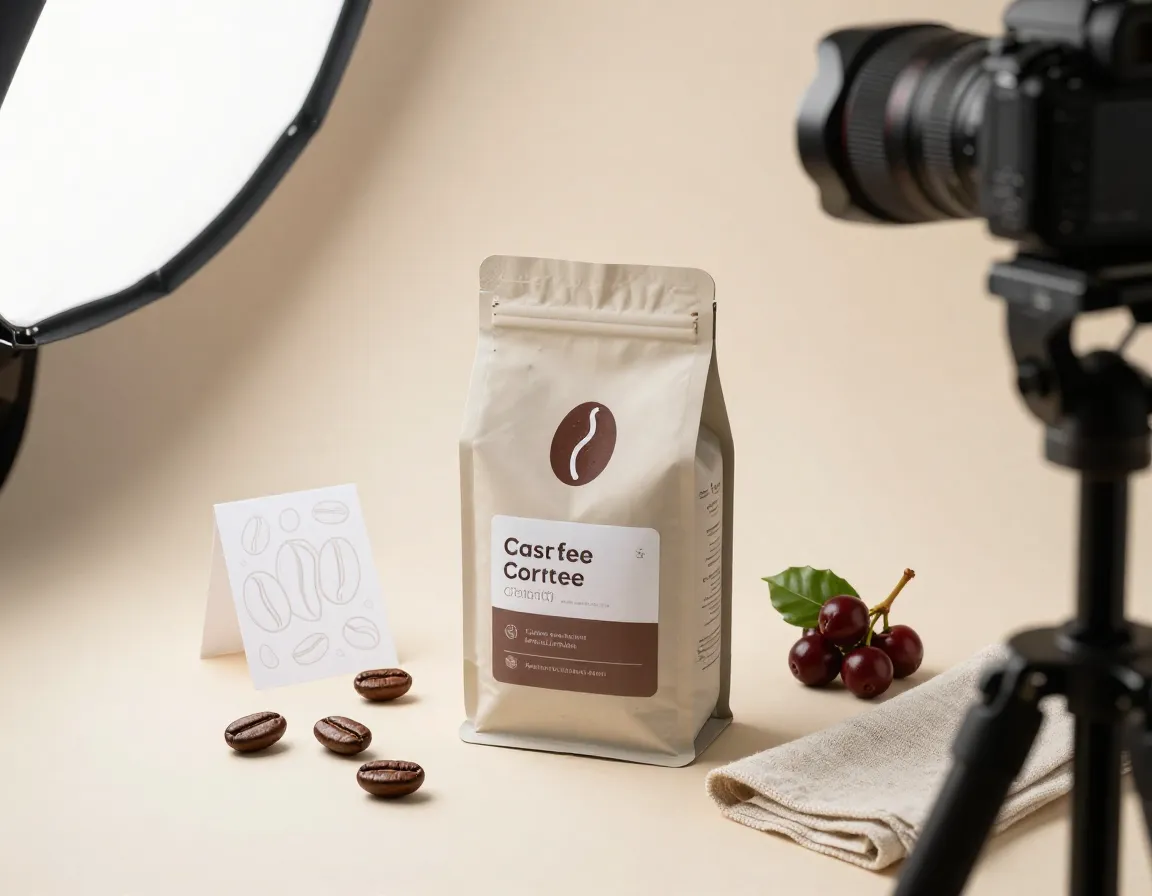
Professional product photography benefits enormously from strategic vector integration. This represents one of the more sophisticated Ways to Use the Perfect Coffee Bean Vector in Your Projects, requiring careful balance between digital and physical elements.
Photography Integration Techniques:
- Background elements: Subtle vector patterns that don’t compete with products
- Overlay graphics: Post-production vector additions that enhance composition
- Prop design: Physical reproductions of vector designs for authentic styling
- Composite imagery: Seamless blending of photography and vector graphics
The goal is creating cohesive imagery that feels natural rather than obviously manipulated. The best vector-enhanced product photography maintains authenticity while adding visual interest and brand consistency [8].
6. Print Advertising and Collateral Materials
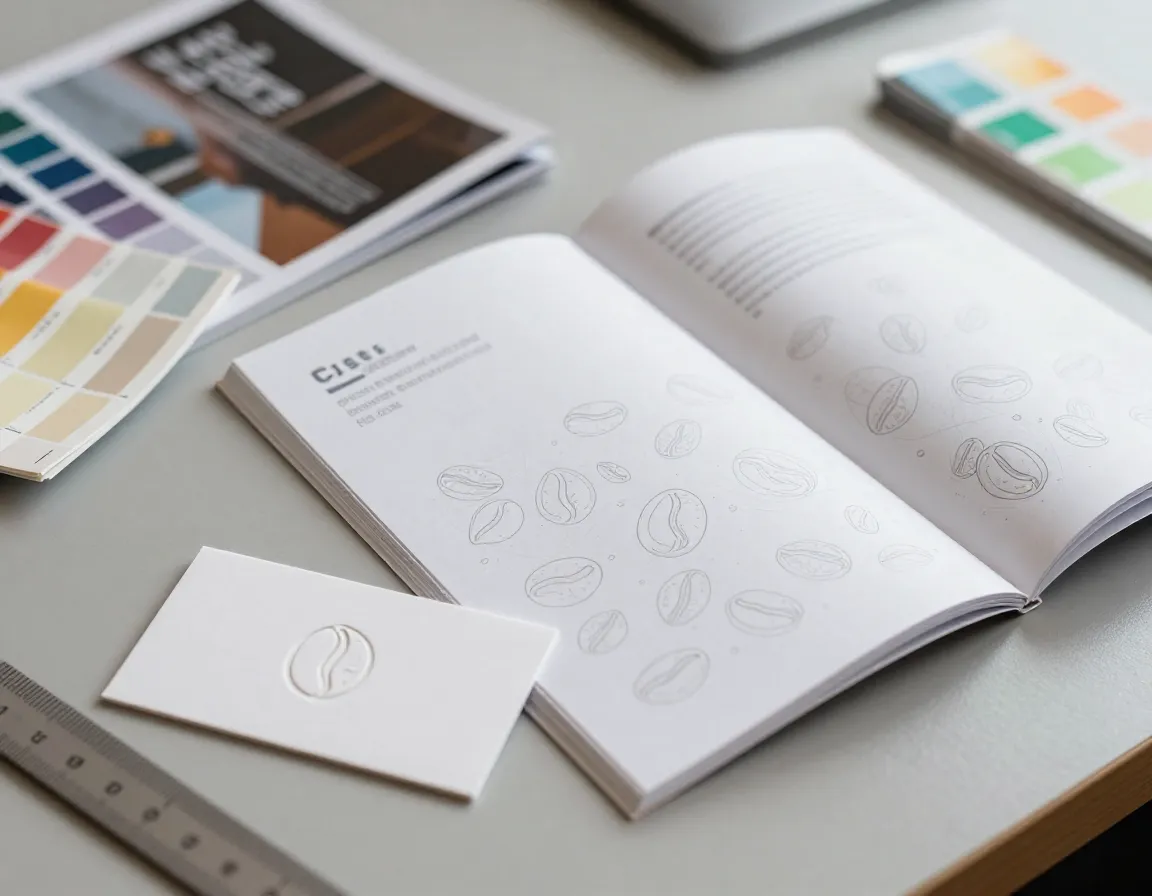
Traditional print media remains powerful for coffee brands, and vectors shine in high-resolution print applications. Understanding 8 Ways to Use the Perfect Coffee Bean Vector in Your Projects includes mastering print specifications and color management.
Print Considerations:
- Resolution requirements: Minimum 300 DPI for professional printing
- Color modes: CMYK conversion and spot color options
- Bleed specifications: Proper setup for trimmed materials
- Paper considerations: How different substrates affect vector appearance
Print Material Types:
- Business cards and letterhead
- Brochures and menu designs
- Magazine advertisements
- Point-of-sale displays
- Trade show materials
Vector graphics eliminate the pixelation issues common with raster images, ensuring crisp, professional results regardless of print size or paper quality.
7. Website and User Interface Design
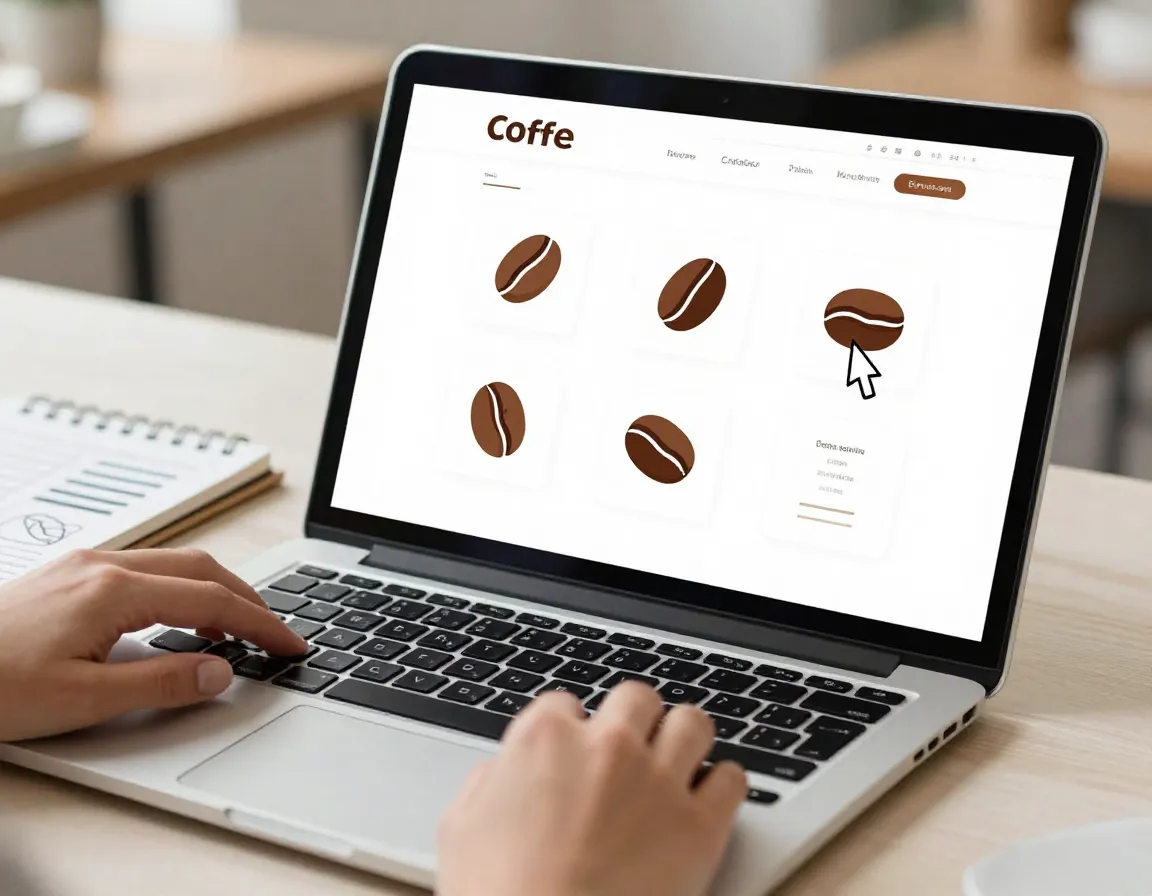
Web design represents perhaps the most technical application in our Ways to Use the Perfect Coffee Bean Vector in Your Projects exploration. Modern websites demand fast-loading, responsive graphics that look sharp on everything from smartphones to 4K monitors.
Web-Specific Vector Benefits:
- File size efficiency: SVG vectors load faster than equivalent raster images
- Retina compatibility: Crisp appearance on high-density displays
- CSS integration: Vectors can be styled and animated with code
- Accessibility: Screen readers can interpret vector text elements
Implementation Strategies:
- Icon systems: Consistent coffee-themed iconography throughout the site
- Loading animations: Smooth vector-based transitions and micro-interactions
- Background patterns: Subtle coffee bean textures that don’t overwhelm content
- Interactive elements: Hover effects and click animations using vector graphics
The key is optimization. Even vectors can slow down websites if not properly compressed and implemented [3].
8. Merchandise and Promotional Products
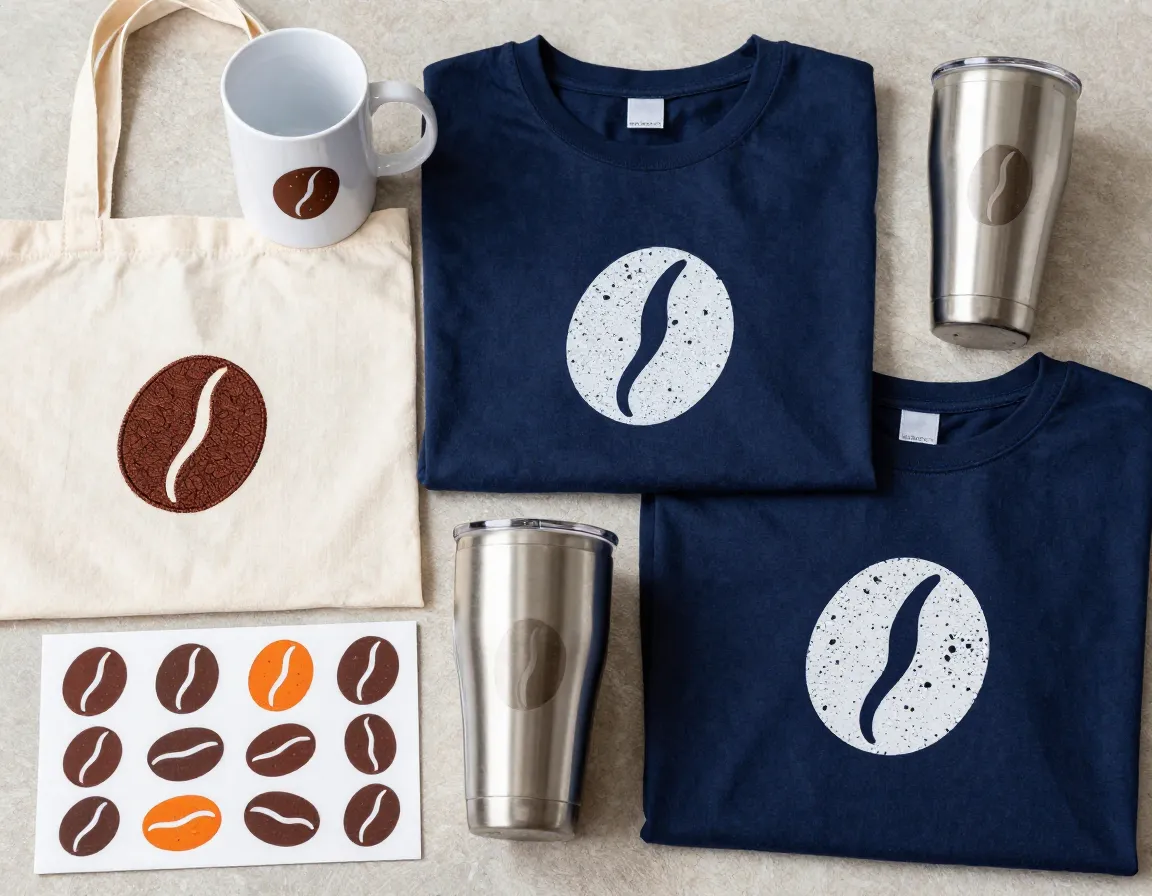
The final entry in our 8 Ways to Use the Perfect Coffee Bean Vector in Your Projects covers merchandise design—an often-overlooked revenue stream for coffee businesses. Vectors excel in promotional products because they adapt to various production methods and materials.
Merchandise Applications:
- Apparel design: T-shirts, hoodies, and branded uniforms
- Drinkware: Mugs, tumblers, and travel cups
- Accessories: Tote bags, phone cases, and laptop stickers
- Corporate gifts: Branded items for B2B relationships
Production Considerations:
- Screen printing: Simplified vector designs work best
- Embroidery: Convert vectors to stitch-friendly formats
- Laser engraving: High contrast vectors produce clean results
- Digital printing: Full-color vectors with gradients and effects
Each production method has specific requirements, but starting with a well-designed vector ensures adaptability across all manufacturing processes.
Technical Best Practices and Quality Control
Successfully implementing 8 Ways to Use the Perfect Coffee Bean Vector in Your Projects requires attention to technical details that separate amateur work from professional results.
File Organization and Management
Folder Structure Best Practices:
Project_Name/
├── Vectors/
│   ├── Original_Files/
│   ├── Working_Files/
│   └── Final_Exports/
├── References/
└── Deliverables/
Color Management Systems
Consistent color across applications demands systematic approach:
| Application | Color Mode | Notes |
|---|---|---|
| CMYK | Include spot color alternatives | |
| Web | RGB/HEX | Optimize for screen viewing |
| Merchandise | Pantone | Specify exact color matches |
| Environmental | RAL/Custom | Consider lighting conditions |
Quality Assurance Checklist
Before finalizing any project using coffee bean vectors, run through this comprehensive checklist:
✅ Vector Quality
- Paths are clean and properly closed
- No unnecessary anchor points
- Consistent stroke weights
- Proper layer organization
✅ Technical Specifications
- Correct color modes for intended use
- Appropriate resolution settings
- Proper bleed and margin setup
- Font embedding or outlining complete
✅ Brand Consistency
- Colors match brand guidelines
- Scale and proportion feel appropriate
- Style aligns with overall brand aesthetic
- Usage rights and licensing confirmed
Troubleshooting Common Vector Challenges
Even experienced designers encounter issues when implementing Ways to Use the Perfect Coffee Bean Vector in Your Projects. Here are solutions to frequent problems:
Scaling Issues
Problem: Vector appears distorted at certain sizes
Solution: Check for non-uniform scaling and reset transform values
Color Inconsistencies
Problem: Colors look different across applications
Solution: Establish master color palette and use color management profiles
File Compatibility
Problem: Vector won’t open in required software
Solution: Export to universal formats (SVG, EPS) with backward compatibility
Performance Problems
Problem: Vectors slow down design software or websites
Solution: Simplify paths, reduce anchor points, and optimize file structure
Industry-Specific Adaptations
Different industries require unique approaches to 8 Ways to Use the Perfect Coffee Bean Vector in Your Projects:
Specialty Coffee Shops
Focus on artisanal, hand-drawn vector styles that communicate craft and quality. Emphasize origin stories and brewing methods through vector iconography.
Corporate Coffee Services
Prioritize clean, professional vector applications that work in conservative business environments. Subtle integration maintains sophistication.
Retail Coffee Products
Bold, shelf-impact vector designs that compete for attention in crowded retail environments. Consider packaging hierarchy and consumer psychology.
Restaurant and Hospitality
Integrate coffee vectors into broader food service branding. Balance coffee elements with other menu categories and dining atmosphere.
Future Trends and Emerging Technologies
As we look ahead in 2026, several trends are shaping how designers approach 8 Ways to Use the Perfect Coffee Bean Vector in Your Projects:
Augmented Reality Integration
Coffee bean vectors are increasingly used in AR applications, allowing customers to visualize products in their own spaces or access interactive brand experiences.
Sustainable Design Practices
Vector graphics support eco-friendly design by reducing file sizes, minimizing data transfer, and enabling efficient print production with less waste.
AI-Enhanced Vector Creation
Machine learning tools are streamlining vector creation and optimization, allowing designers to generate multiple coffee bean variations quickly and efficiently.
Interactive Vector Experiences
Web technologies enable coffee bean vectors to respond to user interactions, creating engaging brand experiences that go beyond static imagery.
Measuring Success and ROI
Implementing Ways to Use the Perfect Coffee Bean Vector in Your Projects should deliver measurable results:
Brand Recognition Metrics
- Logo recall testing
- Brand association surveys
- Social media engagement rates
- Website bounce rates and time on site
Sales Performance Indicators
- Product packaging performance
- Merchandise sales data
- Digital campaign conversion rates
- Customer acquisition costs
Design Efficiency Gains
- Reduced design iteration time
- Faster approval processes
- Lower production costs
- Improved client satisfaction scores
Conclusion
Mastering 8 Ways to Use the Perfect Coffee Bean Vector in Your Projects opens up a world of creative possibilities that can transform your design work and deliver exceptional results for clients. From logo design and packaging to digital marketing and environmental graphics, coffee bean vectors offer versatility, scalability, and visual impact that few other design elements can match.
The key to success lies in understanding both the creative and technical aspects of vector implementation. Whether you’re designing for a boutique coffee roaster or a multinational food service company, the principles outlined in this guide will help you create compelling, professional designs that resonate with audiences and achieve business objectives.
Your Next Steps:
- Audit your current vector library and identify gaps in coffee-themed graphics
- Research reputable vector sources that offer commercial licensing and high-quality files
- Practice implementing vectors across different applications using the techniques covered here
- Develop a systematic workflow for vector management and quality control
- Stay updated on design trends and emerging technologies that affect vector usage
Remember, great design isn’t just about having the right tools—it’s about using them strategically to solve problems and create meaningful connections between brands and their audiences. Coffee bean vectors are powerful tools in that process, but they’re most effective when applied with intention, skill, and understanding of your project’s unique requirements.
Start small, experiment with different approaches, and build your expertise gradually. Before long, you’ll find that coffee bean vectors become an invaluable part of your design toolkit, helping you create work that’s both visually striking and commercially successful.
References
[1] Coffee Beans – https://www.vecteezy.com/free-vector/coffee-beans
[2] Coffee Design Trends – https://www.freepik.com/vectors/coffee-design-trends
[3] World Coffee Bean Vectors – https://www.vectorstock.com/royalty-free-vectors/world-coffee-bean-vectors
[4] Coffee Beans Vector – https://www.shutterstock.com/search/coffee-beans-vector
[5] Coffee Bean – https://99designs.com/inspiration/designs/coffee-bean
[6] Coffee Icons – https://www.canva.com/graphics/s/coffee-icons/
[7] Coffee Beans – https://dribbble.com/tags/coffee-beans
[8] Search – https://stock.adobe.com/search?k=coffee+bean+vector