
8 Tips for a Stunning Japanese Tea Garden Photoshoot
Picture this: you’re standing at the entrance of a serene Japanese tea garden, camera in hand, surrounded by meticulously manicured landscapes that seem to whisper ancient secrets. The morning light dances through delicate cherry blossoms while koi fish create gentle ripples across mirror-like ponds. As a photographer, these moments represent pure magic – but capturing that ethereal beauty requires more than just pointing and shooting. Whether you’re planning a family portrait session, engagement shoot, or simply want to document the tranquil artistry of Japanese garden design, mastering the art of tea garden photography can transform your images from ordinary snapshots into breathtaking works of art. In this comprehensive guide, I’ll share my 8 Tips for a Stunning Japanese Tea Garden Photoshoot that will help you create images worthy of gallery walls.
Key Takeaways
- Golden hour lighting (early morning or late afternoon) provides the most flattering illumination for Japanese garden photography
- Water features and intimate details should be prioritized alongside wide establishing shots to tell a complete visual story
- Strategic positioning in lesser-known garden areas helps avoid crowds while capturing the most beautiful natural lighting
- Proper equipment like polarizing filters can dramatically enhance colors and reduce unwanted reflections
- No permits are required at most Japanese tea gardens, making them accessible locations for photography sessions
1. Master the Art of Timing for Optimal Lighting
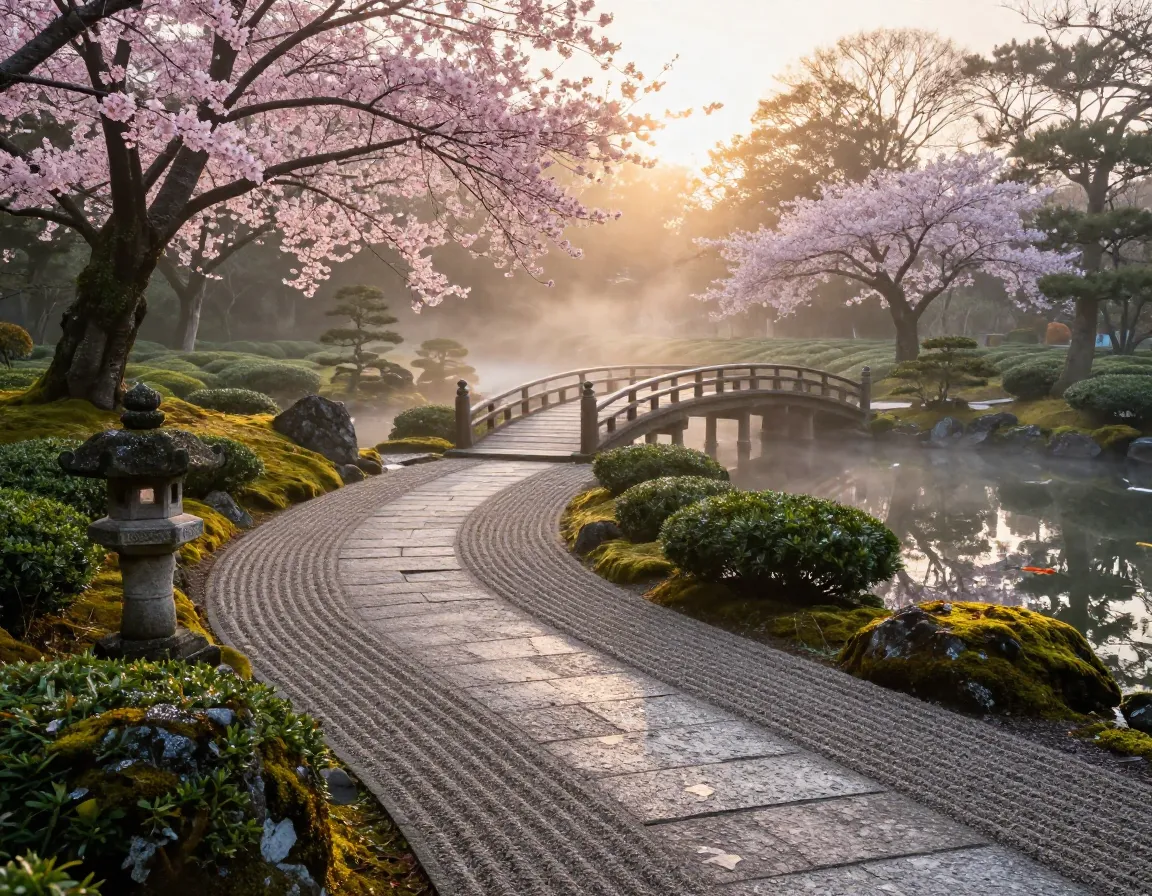
The foundation of any successful Japanese tea garden photoshoot lies in understanding light. Early morning and late afternoon hours provide the soft, diffused illumination that makes garden textures and colors truly sing [1][3]. I’ve learned through countless sessions that this golden hour lighting creates a magical atmosphere that harsh midday sun simply cannot match.
During these optimal times, the warm light filters through leaves and branches, creating natural diffusers that eliminate unflattering shadows. The gentle illumination enhances the subtle details that make Japanese gardens so captivating – from the intricate patterns of stone pathways to the delicate veining in maple leaves.
Avoid the midday sun at all costs. Those harsh overhead rays create deep, unflattering shadows and wash out the garden’s natural colors [1]. Instead, plan your shoot for:
- 6:00-9:00 AM for morning sessions
- 4:00-7:00 PM for afternoon sessions (timing varies by season)
- Overcast days which provide naturally diffused lighting perfect for garden photography [3]
Interestingly, overcast conditions can be your secret weapon. The cloud cover acts like a giant softbox, providing even illumination across the entire garden without harsh contrasts. This lighting is particularly flattering for portrait work within the garden setting.
2. Harness the Power of Water Features in Your Compositions
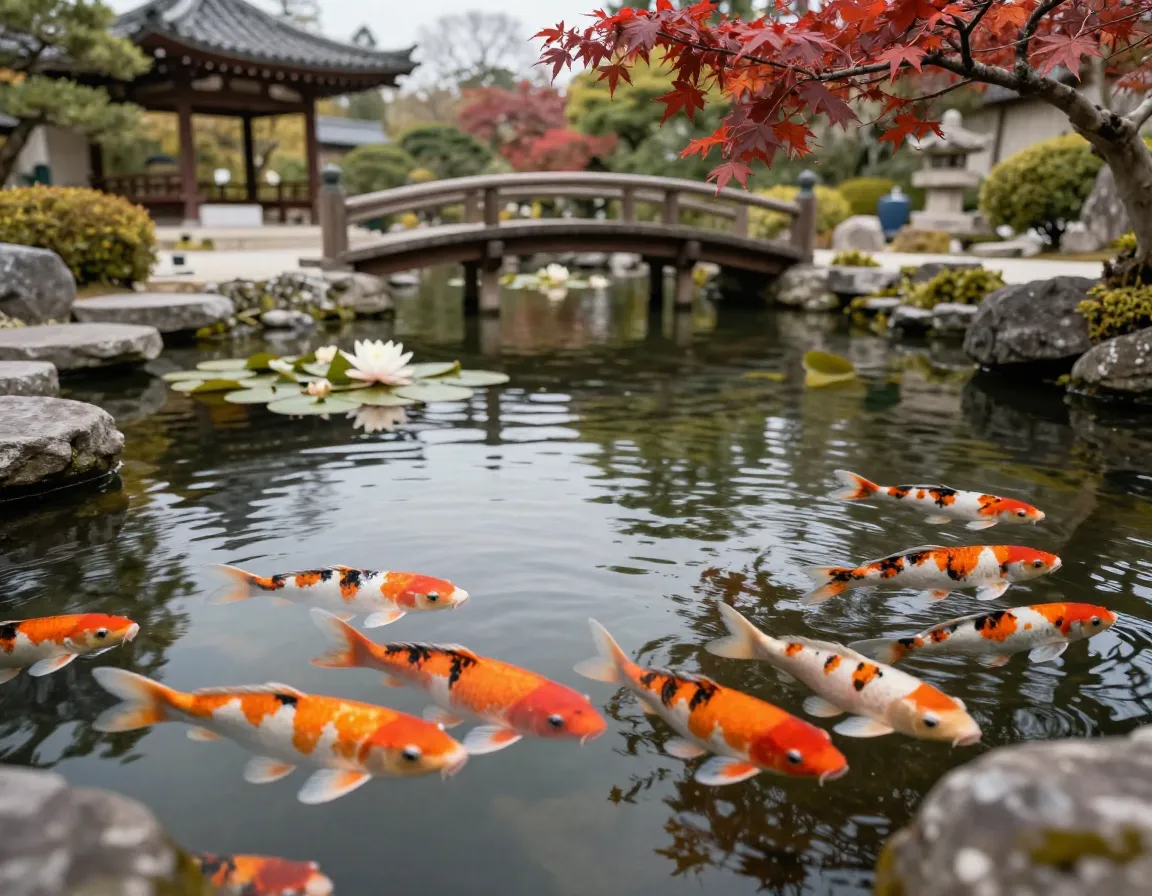
Japanese tea gardens are renowned for their stunning water elements, and these should be central to your photographic strategy. Water features appear cleaner and more vibrant during certain seasons, particularly spring, making them ideal focal points for your compositions [3].
Koi ponds offer incredible opportunities for both wide shots and intimate close-ups. The colorful fish create natural movement and interest, while the reflective surface can mirror surrounding elements like bridges, lanterns, and overhanging branches. When photographing water features, consider these approaches:
Wide Establishing Shots:
- Capture the pond’s relationship to surrounding garden elements
- Include traditional bridges, stone lanterns, or pavilions
- Show the scale and grandeur of the water feature within the garden context
Intimate Detail Shots:
- Focus on koi fish patterns and colors
- Capture water lily arrangements and floating elements
- Photograph reflections of cherry blossoms or autumn leaves on the water surface
The key is varying your perspective. Get low to the water’s edge for dramatic foreground interest, or find elevated positions to showcase the geometric patterns created by stepping stones and pond borders.
3. Utilize Professional Equipment for Enhanced Image Quality
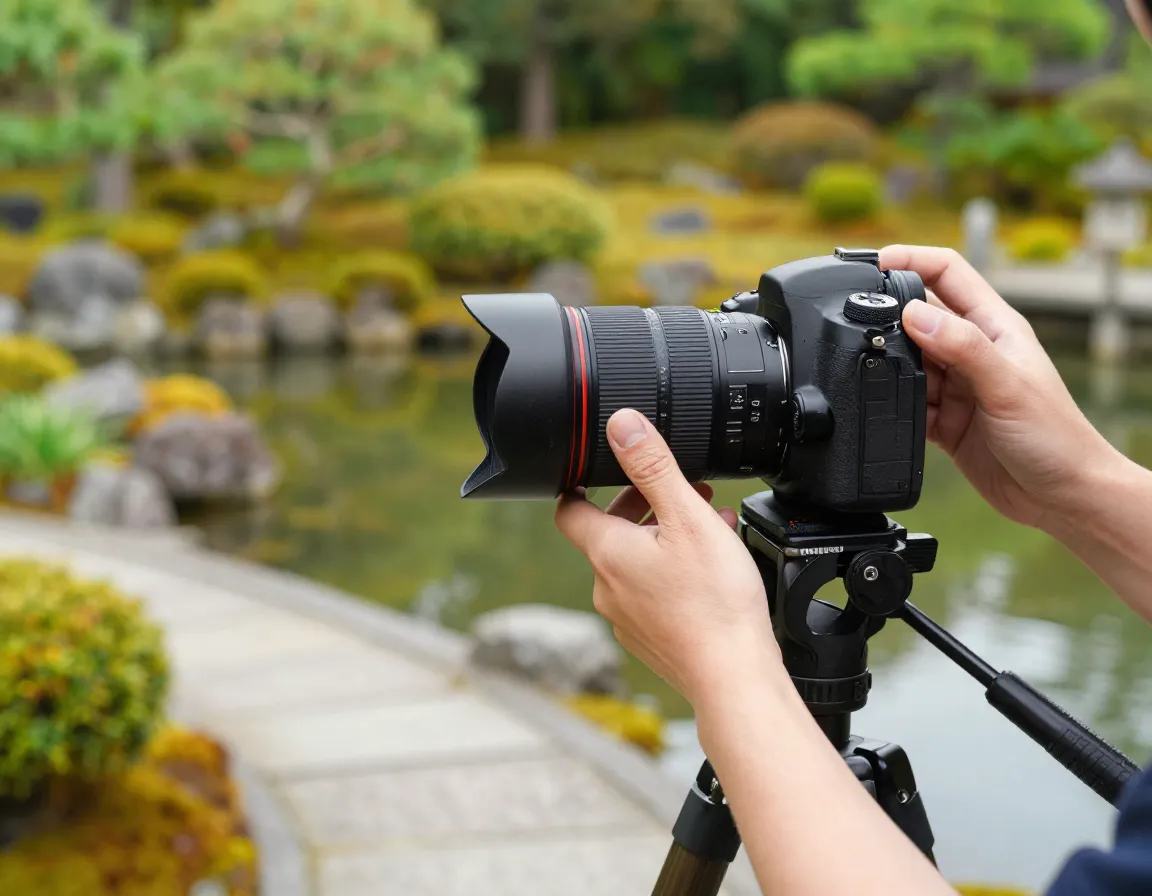
While smartphone cameras have improved dramatically, professional equipment can elevate your Japanese tea garden photography to new heights. The most game-changing tool in your arsenal should be a polarizing filter [3].
This essential piece of equipment serves multiple crucial functions:
Polarizer Benefits:
- Cuts reflections from wet leaves and water surfaces
- Saturates colors naturally without post-processing
- Enhances contrast between foliage and sky
- Reduces glare from stone surfaces and water features
The difference a polarizer makes in garden photography cannot be overstated. It transforms ordinary scenes into vibrant, three-dimensional compositions that draw viewers into the frame.
Additional Equipment Recommendations:
| Equipment | Purpose | Benefit |
|---|---|---|
| Tripod | Stability for long exposures | Captures flowing water motion |
| Lens Hood | Prevents flare in backlighting | Maintains image contrast |
| Wide-angle lens | Captures garden grandeur | Shows spatial relationships |
| Macro lens | Detail shots of flowers/textures | Reveals intricate garden elements |
Remember, the goal isn’t to have the most expensive gear, but to use the right tools for your creative vision.
4. Master Backlighting Techniques for Dramatic Effect
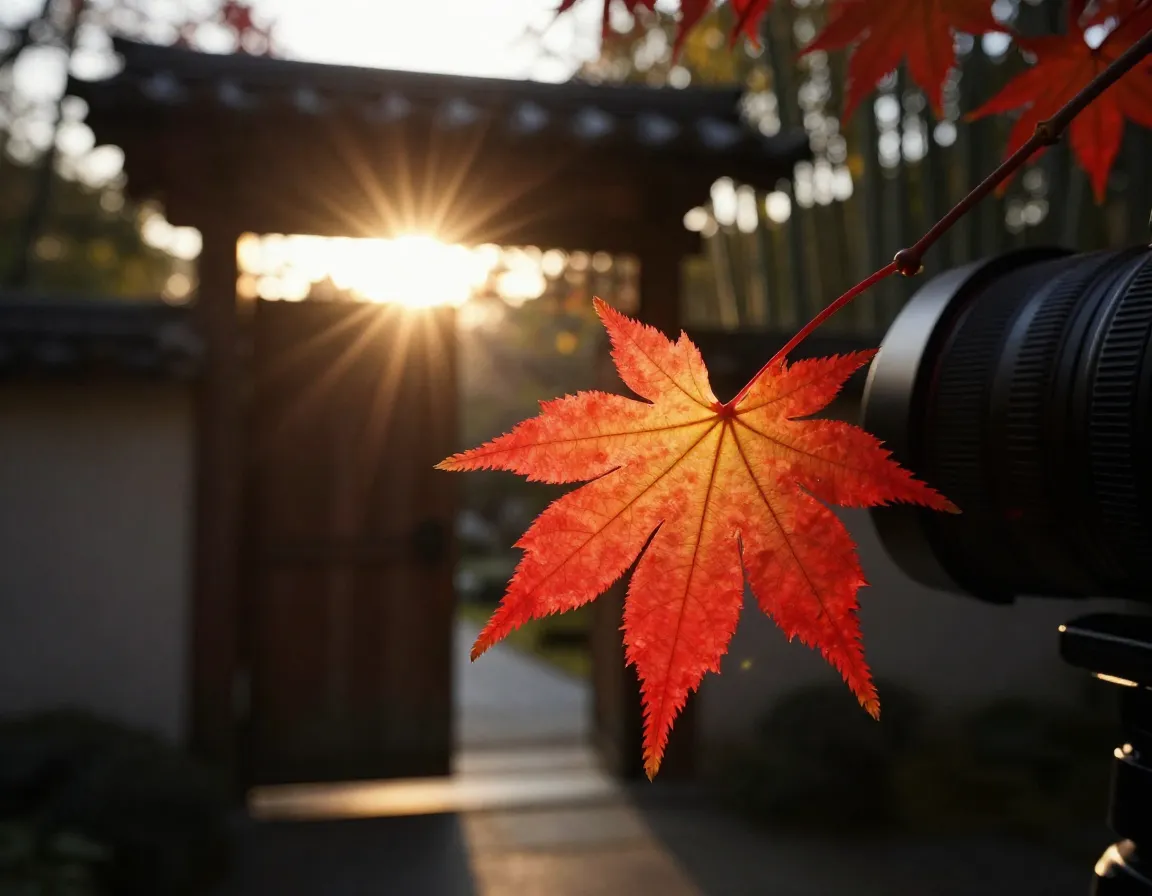
Backlighting can create absolutely stunning effects when executed properly, but it requires careful technique to avoid common pitfalls [3]. Japanese gardens offer countless opportunities for dramatic backlighting, from morning sun filtering through cherry blossoms to afternoon light streaming through bamboo groves.
The key to successful backlighting is always using a lens hood to prevent unwanted flare that can ruin your image [3]. When done correctly, backlighting creates:
- Rim lighting on leaves and flowers
- Ethereal glows around garden elements
- Separation between foreground and background
- Dramatic silhouettes of traditional structures
Pro Tip: 💡 Expose for your subject, not the bright background. This may require using exposure compensation or manual mode to prevent your camera from underexposing the main elements of your composition.
Position yourself so the light source (sun) is partially blocked by garden elements like tree trunks or architectural features. This technique, called “veiling,” creates beautiful rays of light while maintaining detail in your subject.
5. Compose Thoughtfully by Minimizing Sky Inclusion
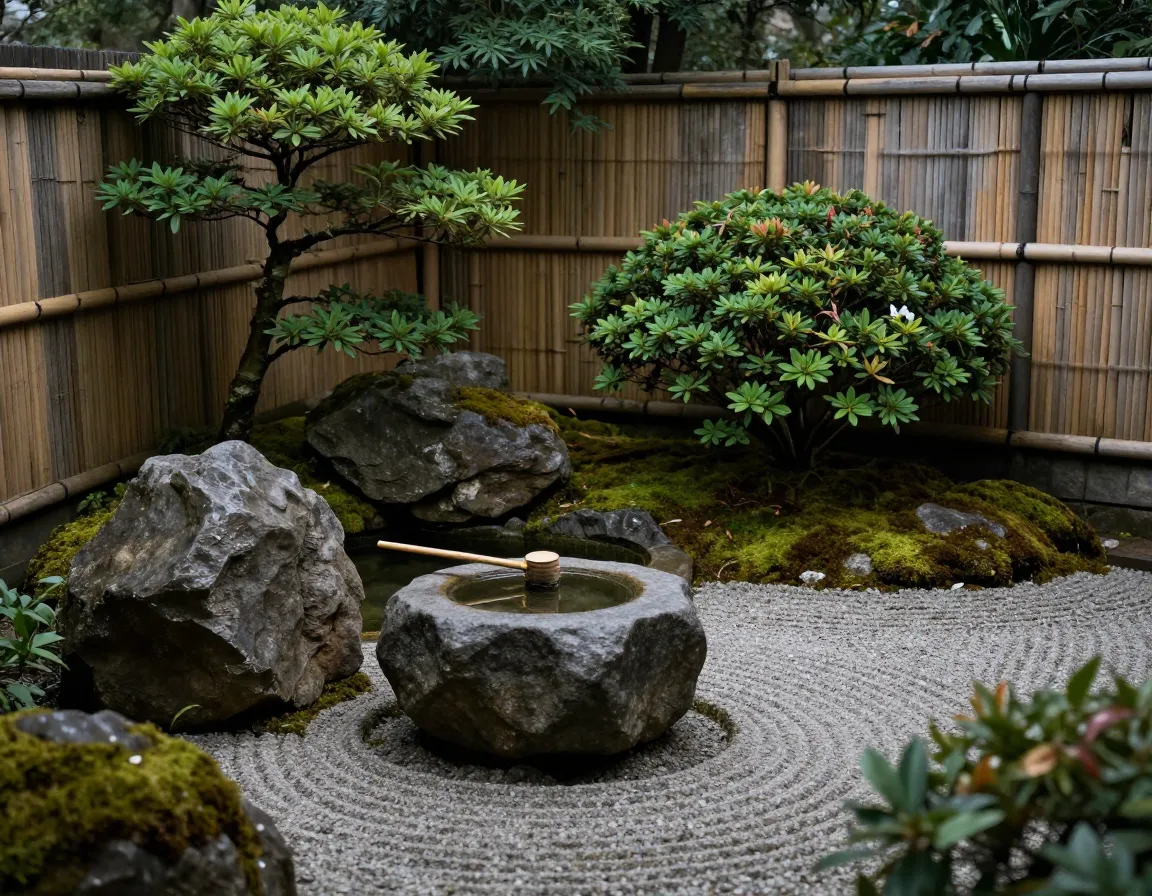
One of the most important compositional decisions in Japanese garden photography is minimizing or avoiding sky inclusion unless you’re specifically capturing sunrise or sunset scenes [3]. This guideline might seem counterintuitive, but it serves several important purposes:
Why Limit Sky in Garden Compositions:
- Maintains intimate scale that Japanese gardens are designed to create
- Prevents overexposure from bright sky competing with garden elements
- Focuses attention on the carefully designed landscape elements
- Preserves the enclosed, contemplative feeling of the space
Instead of including sky, fill your frame with:
- Layered foliage at different depths
- Architectural elements like pagodas, bridges, and gates
- Textural contrasts between stone, water, and plant materials
- Leading lines created by pathways and garden borders
This approach creates more immersive images that transport viewers directly into the garden’s tranquil atmosphere.
6. Capture Both Grand Vistas and Intimate Details
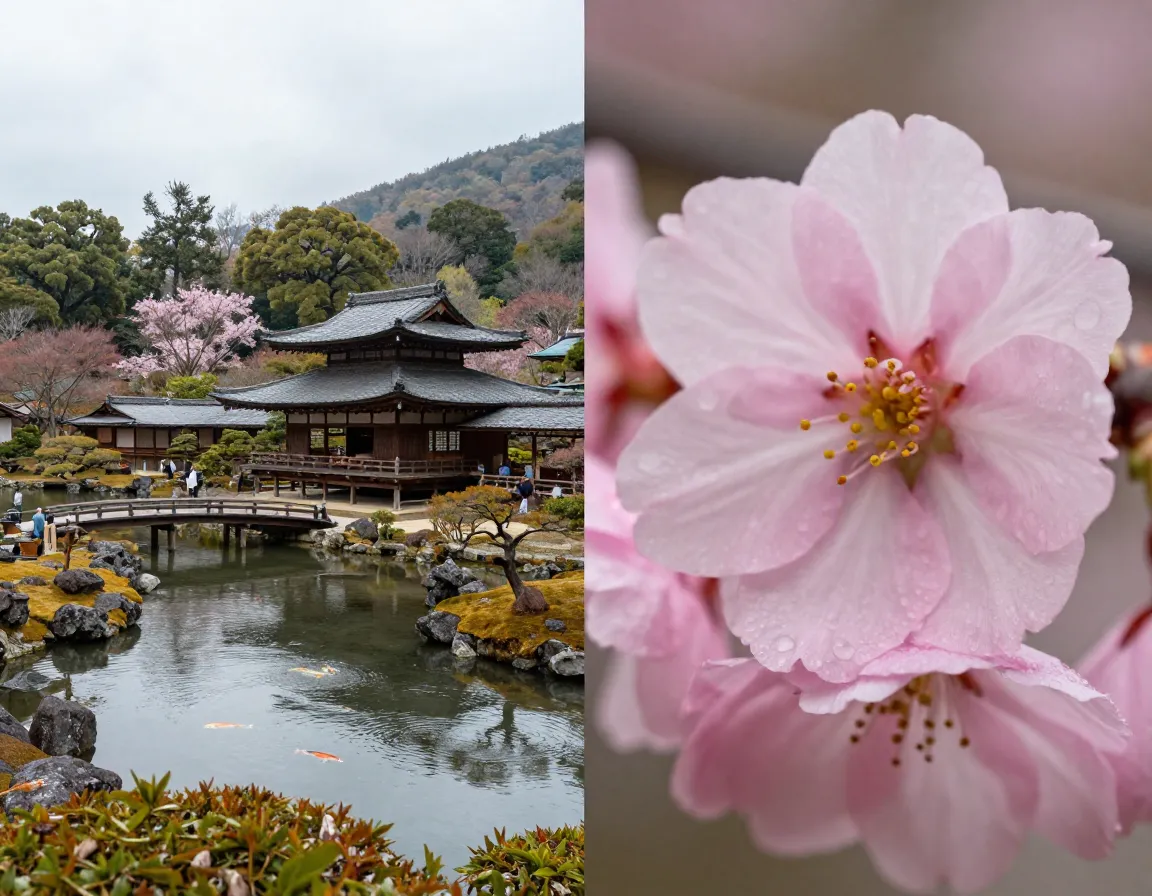
A successful Japanese tea garden photoshoot requires balancing wide shots that showcase the garden’s grandeur with intimate close-ups that highlight intricate details [1]. This variety ensures your final collection tells a complete visual story.
Wide Establishing Shots Should Include:
- Overall garden layout and design philosophy
- Relationship between different garden zones
- Traditional architectural elements in context
- Seasonal displays and major plantings
Intimate Detail Shots Should Focus On:
- Koi pond patterns and individual fish characteristics [1]
- Delicate blossom details during flowering seasons [1]
- Stone textures and traditional craftsmanship
- Water droplets on leaves after morning dew
- Intricate moss patterns on rocks and structures
“The beauty of Japanese garden photography lies in the interplay between the grand design and the smallest details. Each scale reveals different aspects of the garden’s carefully orchestrated harmony.”
Experiment with different angles and perspectives throughout your shoot [2]. This might mean:
- Getting low to emphasize foreground elements
- Finding elevated positions for overhead compositions
- Moving around water features to capture various reflections
- Using different focal lengths to compress or expand spatial relationships
7. Navigate Crowds by Utilizing Lesser-Known Garden Areas
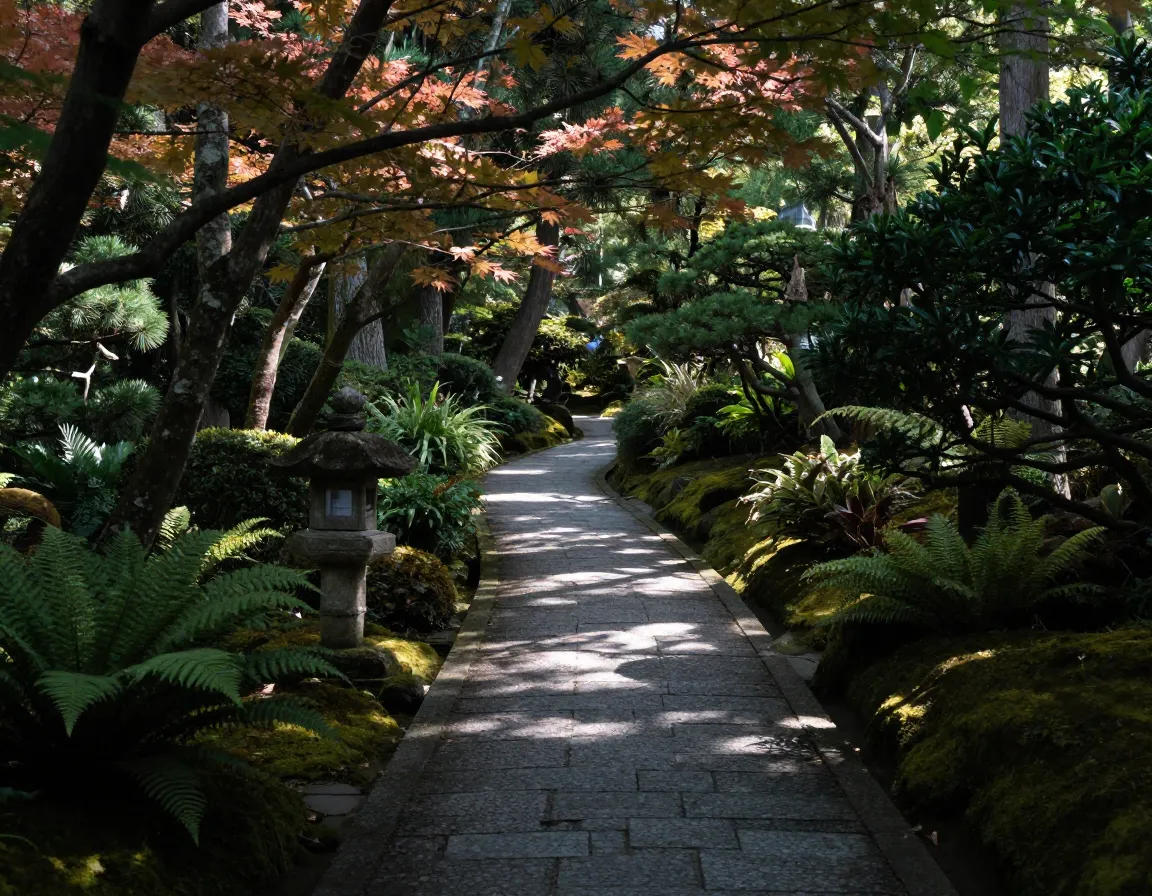
One of the biggest challenges in Japanese tea garden photography is dealing with crowds, especially during peak visiting hours and seasons. Smart location scouting can make the difference between frustrating, interrupted sessions and peaceful, productive shoots.
Strategic Area Selection:
- Upper pathways offer the most privacy and beautiful shaded light [4]
- Avoid congested spots like waterfall areas and popular stone bridges where constant foot traffic makes quality photography difficult [4]
- Scout during off-peak hours to identify quieter zones for future shoots
Crowd Management Strategies:
- Arrive early when gardens first open
- Visit during weekdays when possible
- Use longer focal lengths to isolate subjects from busy backgrounds
- Wait patiently for clear moments at popular spots
- Embrace candid moments when people add to the scene’s authenticity
The upper pathways deserve special attention as they often provide the most serene shooting environment [4]. These elevated areas typically feature:
- Beautiful filtered light through tree canopies
- Fewer visitors due to the extra walking required
- Unique vantage points overlooking main garden areas
- More intimate, secluded garden rooms
8. Understand Practical Considerations for Your Photoshoot
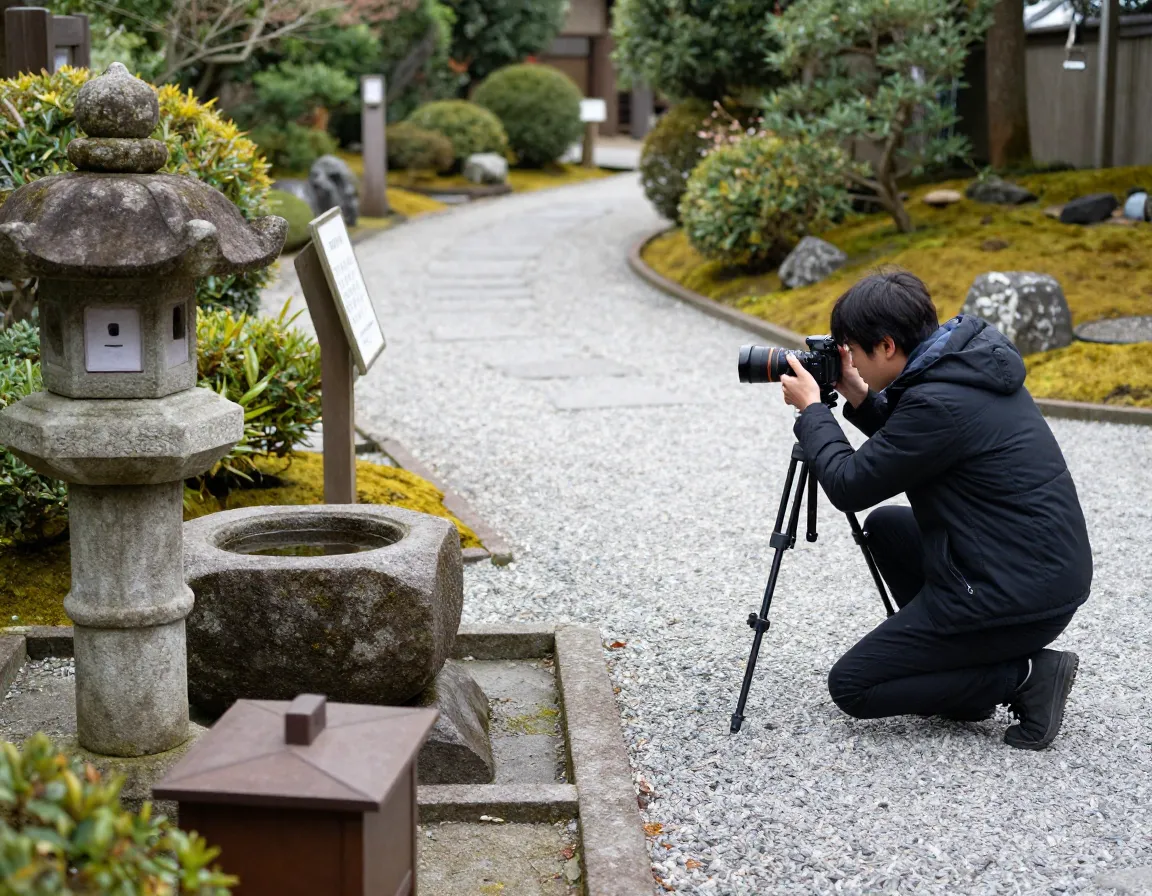
Before embarking on your Japanese tea garden photography adventure, it’s essential to understand the practical aspects that can impact your session’s success. Most Japanese tea gardens require no photo permits, though donations are often appreciated [4][5].
Pre-Shoot Planning Checklist:
- ✅ Verify garden hours and seasonal closures
- ✅ Check weather conditions and backup dates
- ✅ Research specific garden rules regarding tripods and professional equipment
- ✅ Plan arrival time for optimal lighting conditions
- ✅ Identify parking and accessibility considerations
During Your Shoot:
- Respect other visitors and garden tranquility
- Stay on designated pathways to protect delicate plantings
- Be mindful of flash photography which can disturb the peaceful atmosphere
- Consider the garden’s spiritual significance and photograph respectfully
Post-Processing Considerations:
Japanese garden photography often benefits from subtle enhancement rather than dramatic editing. Focus on:
- Color correction to accurately represent seasonal displays
- Exposure balancing to maintain detail in both shadows and highlights
- Sharpening to enhance texture details in stone and water elements
- Gentle saturation to bring out natural garden colors
Remember that these gardens are designed as living art installations. Your photography should honor that artistic intention while adding your own creative interpretation.
Advanced Techniques for Professional Results
To truly master your 8 Tips for a Stunning Japanese Tea Garden Photoshoot, consider these advanced techniques that separate amateur snapshots from professional-quality images:
Depth of Field Mastery:
Use shallow depth of field to isolate subjects like individual blossoms or koi fish against softly blurred backgrounds. Conversely, employ smaller apertures (f/8-f/11) for landscape shots where you want sharp detail from foreground to background.
Long Exposure Techniques:
When photographing water features, experiment with longer exposures to create silky, flowing water effects. Use neutral density filters if shooting during daylight hours to achieve the necessary slow shutter speeds.
Seasonal Considerations:
Each season offers unique photographic opportunities:
- Spring: Cherry blossoms and fresh green growth
- Summer: Lush foliage and active water features
- Autumn: Spectacular fall colors and leaf patterns
- Winter: Stark beauty and structural elements
Weather Adaptation:
Don’t let challenging weather deter you. Rain creates beautiful reflections and saturated colors, while snow transforms gardens into minimalist winter wonderlands.
Conclusion
Mastering these 8 Tips for a Stunning Japanese Tea Garden Photoshoot will transform your garden photography from simple documentation into compelling visual storytelling. Remember that the key to success lies in understanding light, respecting the garden’s designed harmony, and balancing technical excellence with artistic vision.
The combination of optimal timing, proper equipment, thoughtful composition, and respectful approach will help you create images that capture not just the visual beauty of these spaces, but their spiritual essence as well. Whether you’re shooting for clients or personal projects, these gardens offer endless opportunities for creative exploration.
Your Next Steps:
- Scout your chosen garden during different times and seasons
- Practice these techniques during less critical personal shoots
- Build a portfolio showcasing both wide and detail shots
- Develop your unique style while respecting traditional garden aesthetics
- Share your work to inspire others to appreciate these beautiful spaces
Start planning your next Japanese tea garden photoshoot today. With these proven techniques in your toolkit, you’re ready to create images that truly honor the artistry and tranquility of these magnificent spaces. Remember, great garden photography isn’t just about capturing what you see – it’s about conveying the feeling of peace and harmony that these gardens are designed to inspire.
References
[1] Uncovering Tranquil Beauty The Japanese Tea Garden In Hayward For Your Next Photo Session – https://www.brynpowerphotography.com/blog/uncovering-tranquil-beauty-the-japanese-tea-garden-in-hayward-for-your-next-photo-session
[2] Japanese Tea Garden V0bov 6n – https://airial.travel/attractions/united-states/san-antonio/japanese-tea-garden-v0bov_6n
[3] Tips For Photographing A Japanese Garden In Spring By David Cobb – https://www.photocascadia.com/tips-for-photographing-a-japanese-garden-in-spring-by-david-cobb/
[4] Japanese Tea Garden Family Portrait – https://blog.kellywilliamsphotographer.com/japanese-tea-garden-family-portrait/
[5] Japanese Tea Garden – https://casseygoldenphotography.com/japanese-tea-garden/
[6] San Francisco Family Photographer Japanese Tea Garden The S Family – https://jasmineleephotography.com/2026/01/29/san-francisco-family-photographer-japanese-tea-garden-the-s-family/