8 Things to Look for in a Professional Barista Training Course
Picture this: You’re standing behind a gleaming espresso machine, confidently pulling the perfect shot while creating beautiful latte art that makes customers stop and stare. The aroma of freshly ground coffee fills the air, and you know exactly how to bring out the best flavors in every cup. This dream can become reality with the right professional barista training course. However, with so many options available in 2026, knowing what to look for in a professional barista training course can make the difference between becoming a skilled coffee artisan and simply learning basic coffee-making techniques.
Whether you’re starting your coffee career from scratch or looking to elevate your existing skills, choosing the right training program is crucial for your success. The coffee industry has evolved dramatically, and today’s baristas need comprehensive knowledge that goes far beyond operating an espresso machine. When you understand the 8 things to look for in a professional barista training course, you’ll be equipped to make an informed decision that sets you up for long-term success in the specialty coffee world.
Key Takeaways
- Course duration and format flexibility are essential – programs range from 2 hours to 12 weeks, so choose based on your schedule and learning goals
- Industry-recognized certifications like SCA (Specialty Coffee Association) or CPD credentials add significant value to your professional profile
- Comprehensive curriculum coverage should include espresso technique, milk steaming, latte art, coffee knowledge, and customer service skills
- Hands-on practical training with professional equipment is crucial for developing real-world barista skills
- Cost-effectiveness varies widely from £59 to £495+ depending on course depth and certification level
1. Course Duration and Format That Fits Your Lifestyle
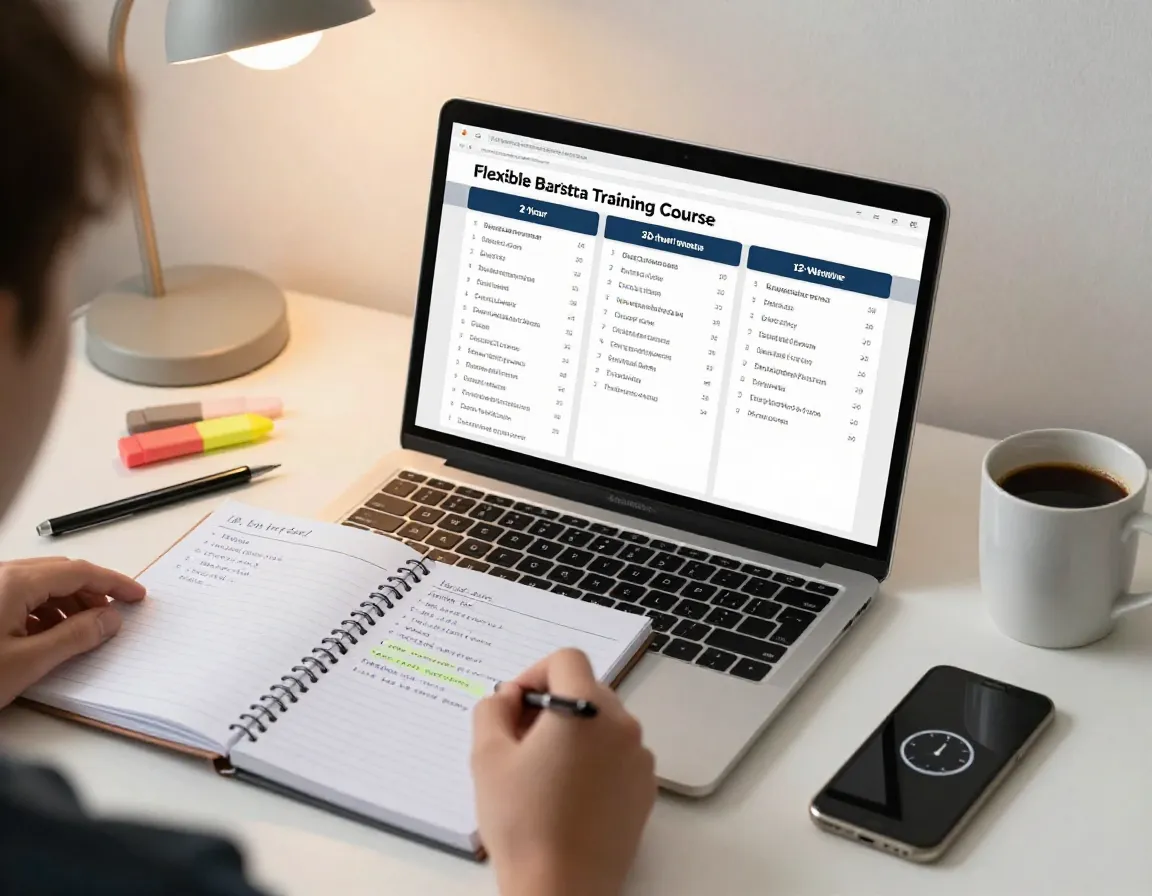
The first thing you should consider when evaluating any professional barista training course is how the program structure aligns with your personal schedule and learning preferences. Course duration can vary dramatically, ranging from intensive 2-hour workshops to comprehensive 12-week programs [1][7].
Short-term intensive options typically last between 2-8 hours and focus on fundamental skills. These work well if you need quick certification for immediate employment or want to test your interest in coffee before committing to longer training.
Medium-term programs usually span 30-60 hours over several weeks. For example, many providers offer 30-hour courses [3][4] or 60-hour programs [1] that provide substantial depth while remaining manageable for working professionals.
Extended programs can last 8-12 weeks [1][7] and offer the most comprehensive training experience. These courses allow time for skill development, practice, and deeper understanding of coffee science and business operations.
Format Options to Consider:
- In-person training: Provides hands-on experience with professional equipment
- Online courses: Offer flexibility but may lack practical components [4]
- Hybrid programs: Combine online theory with in-person practical sessions [2]
- Weekend intensives: Concentrated learning for busy schedules
- Evening classes: Perfect for those with daytime commitments
The key is matching the format to your learning style and availability. If you’re a hands-on learner, prioritize programs with substantial practical components. If you’re balancing work or family commitments, look for flexible scheduling options.
2. Industry-Recognized Certifications and Accreditation

When investing in professional barista training, certification quality can significantly impact your career prospects and earning potential. The most respected credentials in the coffee industry come from established organizations that maintain rigorous standards.
Specialty Coffee Association (SCA) certification represents the gold standard in coffee education [2]. SCA-certified programs ensure you’re learning current industry best practices and techniques recognized worldwide. These certifications are particularly valuable if you plan to work in specialty coffee shops or pursue advanced coffee careers.
CPD (Continuing Professional Development) certification [4][5] provides formal recognition of your professional learning. CPD points demonstrate your commitment to ongoing skill development and are valued by employers across the hospitality industry.
Benefits of Proper Certification:
✅ Enhanced employability – Certified baristas often receive preference in hiring decisions
✅ Higher earning potential – Certification can justify higher starting wages
✅ Professional credibility – Industry recognition builds customer and employer confidence
✅ Career advancement – Formal credentials open doors to supervisory and training roles
✅ Global recognition – Standardized certifications transfer between locations and employers
Before enrolling, verify that your chosen program offers legitimate, industry-recognized certification. Ask about the specific credentials you’ll receive and research how employers in your target market value those certifications.
3. Comprehensive Curriculum Coverage
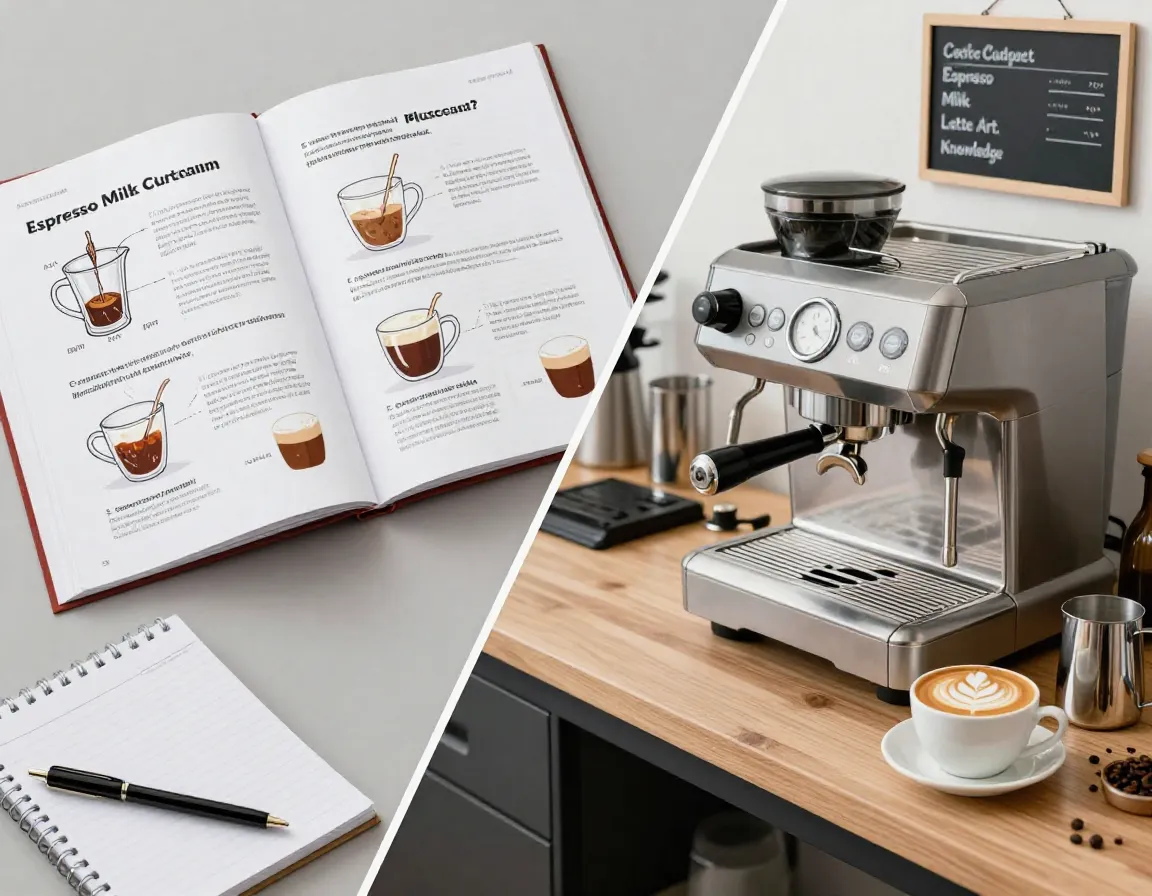
A well-designed professional barista training course should cover all essential aspects of coffee preparation, service, and industry knowledge. The curriculum depth often determines whether you’ll be prepared for real-world coffee service or just basic drink preparation.
Essential Curriculum Components:
1. Espresso Technique and Extraction Science
- Grind size optimization and adjustment
- Dosing and tamping consistency
- Extraction timing and pressure understanding
- Troubleshooting common extraction problems
2. Milk Steaming and Texturing
- Steam wand technique and positioning
- Milk temperature control and texture creation
- Microfoam consistency and quality standards
- Different milk types and alternatives
3. Latte Art and Presentation
- Basic pouring techniques for hearts and rosettas
- Advanced pattern creation and consistency
- Presentation standards and visual appeal
- Creative expression within commercial settings
4. Coffee Knowledge and Origins [1][2][3]
- Bean varieties, processing methods, and flavor profiles
- Coffee history and cultural significance
- Brewing methods beyond espresso
- Cupping and taste evaluation skills
5. Customer Service Excellence
- Order taking and communication skills
- Handling difficult situations and complaints
- Upselling techniques and menu knowledge
- Creating positive customer experiences
6. Equipment Operation and Maintenance
- Espresso machine operation and basic troubleshooting
- Grinder calibration and maintenance
- Cleaning protocols and food safety standards
- Equipment care and longevity practices
Look for programs that balance theoretical knowledge with practical application. The best courses integrate coffee science with hands-on skill development, ensuring you understand both the “how” and “why” behind professional coffee preparation.
4. Hands-On Practical Training with Professional Equipment

Theory alone won’t make you a skilled barista. The difference between reading about espresso extraction and actually pulling consistent shots on a commercial machine is enormous. When evaluating training programs, prioritize those offering substantial hands-on practice with professional-grade equipment.
What to Look for in Practical Training:
Commercial-Grade Equipment Access
- Professional espresso machines (not home models)
- Commercial grinders with precise adjustment capabilities
- Multiple group heads for realistic workflow training
- Steam wands designed for high-volume service
Realistic Training Environment
- Simulated coffee shop settings with time pressures
- Multiple students working simultaneously
- Order fulfillment practice with actual customers (when possible)
- Equipment cleaning and maintenance during service
Skill Development Progression
- Beginner-friendly introduction to equipment operation
- Intermediate technique refinement and consistency building
- Advanced skills like workflow optimization and multitasking
- Troubleshooting practice with common equipment issues
“The muscle memory developed through repetitive practice on professional equipment cannot be replicated through online learning or demonstration alone. Hands-on training builds the confidence and consistency that employers value most.”
Practice Volume and Repetition
Quality training programs provide enough practice time for skill development. Look for courses that allow you to:
- Pull dozens of espresso shots during training
- Steam milk repeatedly until technique becomes natural
- Practice latte art until basic patterns are consistent
- Work through multiple customer order scenarios
Individual Attention and Feedback
Ensure the program maintains reasonable instructor-to-student ratios. Personal feedback during practice sessions accelerates learning and helps correct technique issues before they become habits.
5. Experienced Instructors with Industry Credentials

The quality of your instructors can make or break your barista training experience. Look for programs led by professionals with both extensive coffee industry experience and proven teaching abilities.
Instructor Qualifications to Seek:
Professional Coffee Experience
- Years of hands-on barista work in specialty coffee environments
- Experience in coffee shop management or ownership
- Competition experience in barista championships or latte art contests
- Ongoing involvement in the specialty coffee community
Teaching Credentials and Certifications
- SCA Authorized Trainer status or equivalent credentials
- Adult education or professional training experience
- Positive student reviews and testimonials
- Continuing education in coffee science and techniques
Industry Recognition and Involvement
- Active participation in coffee industry events and conferences
- Contributions to coffee publications or educational content
- Relationships with coffee roasters, equipment manufacturers, and industry leaders
- Up-to-date knowledge of current trends and best practices
Questions to Ask About Instructors:
- What professional coffee experience do the instructors have?
- Are instructors SCA-certified or hold other industry credentials?
- How do instructors stay current with industry developments?
- What is the instructor-to-student ratio during practical sessions?
- Can you speak with previous students about their experience?
Remember that great baristas don’t automatically make great teachers. Look for instructors who combine coffee expertise with genuine teaching ability and enthusiasm for sharing knowledge.
6. Job Placement Assistance and Career Support

Professional barista training represents an investment in your career, so look for programs that support your transition into employment. The best training providers understand that your success reflects on their reputation and offer comprehensive career support services.
Career Support Services to Expect:
Job Placement Assistance
- Partnerships with local coffee shops, restaurants, and cafes
- Job board access with exclusive opportunities for graduates
- Resume and interview preparation specific to coffee industry positions
- Direct introductions to hiring managers and coffee shop owners
Industry Networking Opportunities
- Connections with local coffee roasters and suppliers
- Access to coffee industry events and competitions
- Alumni networks for ongoing professional relationships
- Mentorship programs pairing students with experienced professionals
Ongoing Professional Development
- Advanced course offerings for skill enhancement
- Refresher training sessions for graduates
- Access to new technique workshops and masterclasses
- Continuing education opportunities as the industry evolves
Employment Outcomes to Research:
Before enrolling, ask about graduate employment statistics:
- What percentage of graduates find coffee industry employment within 3-6 months?
- What types of positions do graduates typically secure?
- What starting wage ranges can graduates expect?
- Are there success stories or testimonials from previous students?
Long-term Career Pathways
Quality programs should prepare you for career growth beyond entry-level positions. Look for training that covers:
- Leadership and team management skills
- Coffee shop operations and business basics
- Advanced coffee knowledge for specialty roles
- Pathways to roles like head barista, trainer, or coffee shop manager
Some programs, like those offered through organizations such as Goodwill [7], specifically focus on career pathway development and may offer additional support services for job seekers.
7. Cost-Effectiveness and Value Proposition
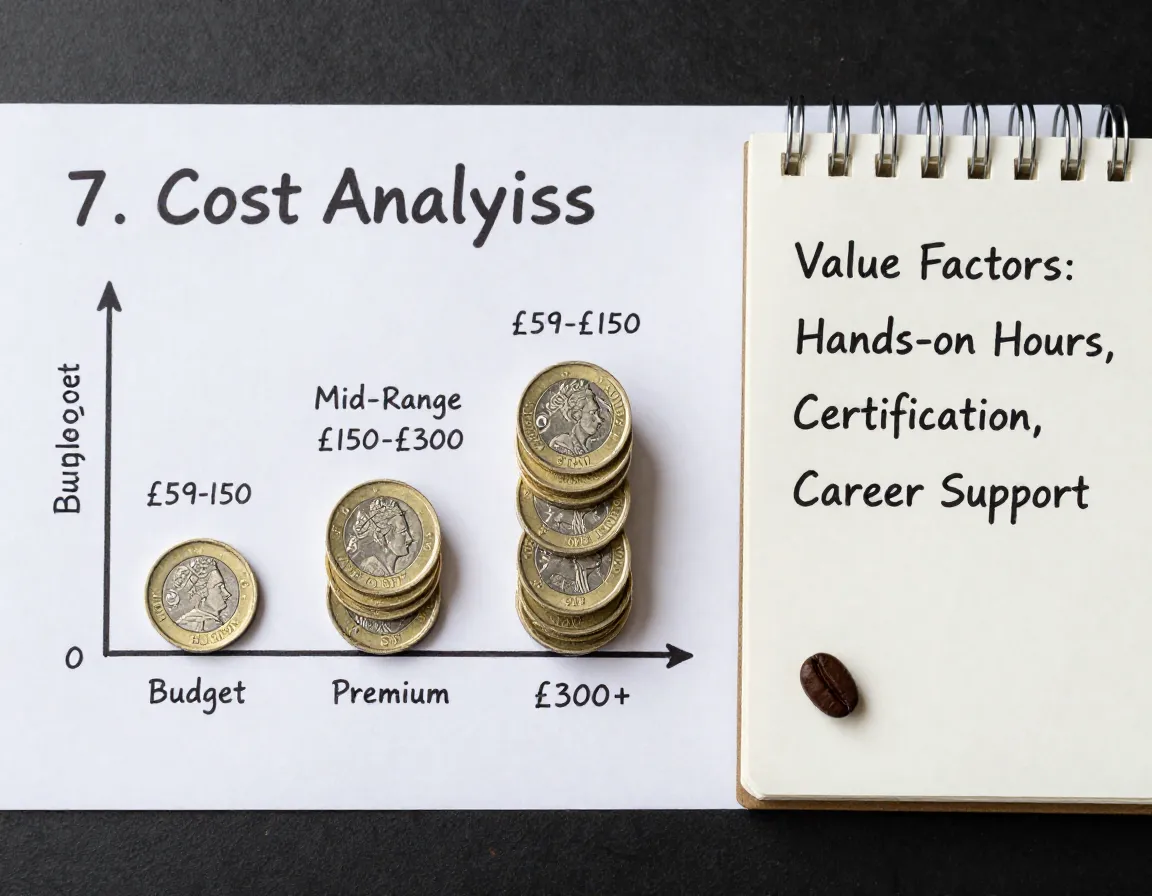
Professional barista training costs vary significantly, and understanding the value proposition helps ensure you make a smart investment in your career. Prices can range from under £100 for basic courses to several hundred pounds for comprehensive certification programs [2].
Cost Ranges and What They Include:
Budget Options (£59-£150)
- Basic skill introduction and fundamental techniques
- Limited hands-on practice time
- Basic certification or completion certificates
- Minimal ongoing support or career services
Mid-Range Programs (£150-£300)
- Comprehensive skill development with substantial practice time
- Industry-recognized certification (often SCA or CPD) [4][5]
- Professional equipment training and technique refinement
- Some career support and job placement assistance
Premium Programs (£300-£500+)
- Extensive hands-on training with professional mentorship
- Advanced certifications and specialization options
- Comprehensive career support and industry networking
- Ongoing education opportunities and alumni benefits
Calculating True Value:
Cost Per Hour of Training
Divide total program cost by actual training hours to compare value. A £200 program with 30 hours of training [3][4] offers better value than a £150 program with only 10 hours of instruction.
Certification Value
Research how employers in your area value different certifications. SCA certification [2] may justify higher program costs if local employers prioritize those credentials.
Career ROI Potential
Consider potential salary increases from professional training. If certification helps you secure a position paying £1-2 more per hour, the training investment pays for itself within a few months of employment.
Hidden Costs to Consider:
- Materials and supplies (often included but worth confirming)
- Certification exam fees (may be separate from training costs)
- Travel and accommodation for intensive programs
- Ongoing certification maintenance or renewal fees
Payment Options and Financial Assistance
Many programs offer:
- Payment plans to spread costs over time
- Early registration discounts
- Group discounts for multiple enrollees
- Financial assistance for qualifying students
8. Student Reviews and Program Reputation

In 2026’s competitive training market, student feedback and program reputation provide crucial insights that marketing materials can’t convey. Real student experiences reveal the quality of instruction, practical value, and career outcomes you can realistically expect.
Where to Find Authentic Reviews:
Online Review Platforms
- Google Reviews for local training providers
- Yelp and Facebook reviews with detailed experiences
- LinkedIn recommendations from program graduates
- Industry-specific forums and coffee community discussions
Direct Graduate References
- Request contact information for recent graduates
- Attend local coffee events where you might meet program alumni
- Connect with graduates through social media platforms
- Ask training providers for graduate testimonials with contact permissions
Key Questions for Current Students and Graduates:
About the Training Experience:
- Did the hands-on practice adequately prepare you for real coffee shop work?
- Were the instructors knowledgeable and helpful throughout the program?
- How did the actual training compare to what was promised in marketing materials?
- Would you recommend this program to someone starting their coffee career?
About Career Outcomes:
- Did the program help you secure employment in the coffee industry?
- How long did it take to find a position after completing training?
- Do employers recognize and value the certification you received?
- Has the training supported your career advancement goals?
About Ongoing Value:
- Does the training provider offer continued support after graduation?
- Have you stayed connected with other program graduates?
- Would you return for additional training or advanced courses?
- How has your training investment paid off financially?
Red Flags to Watch For:
⚠️ Lack of recent reviews or testimonials
⚠️ Consistently negative feedback about job placement assistance
⚠️ Complaints about outdated equipment or techniques
⚠️ Poor communication from training provider staff
⚠️ Unrealistic promises about guaranteed employment or starting salaries
Positive Indicators:
✅ Consistent positive feedback across multiple review platforms
✅ Detailed success stories with specific career outcomes
✅ Active alumni community and ongoing engagement
✅ Industry recognition and partnerships with respected coffee businesses
✅ Responsive communication and transparency about program details
Remember that no program will have exclusively perfect reviews, but look for patterns in feedback that indicate consistent quality and value delivery.
Making Your Final Decision: Putting It All Together
Now that you understand the 8 things to look for in a professional barista training course, you’re equipped to evaluate programs effectively and choose the training that best supports your coffee career goals. The key is balancing these factors based on your personal priorities, budget, and career timeline.
Your Decision-Making Checklist:
Program Structure and Logistics
- [ ] Does the schedule work with your availability?
- [ ] Is the format (in-person, online, hybrid) suitable for your learning style?
- [ ] Can you commit to the full program duration?
Quality and Credentials
- [ ] Does the program offer industry-recognized certification?
- [ ] Are the instructors experienced and credentialed professionals?
- [ ] Is the curriculum comprehensive and current?
Practical Value
- [ ] Will you get substantial hands-on practice with professional equipment?
- [ ] Does the program include career support and job placement assistance?
- [ ] Are student reviews and outcomes positive?
Financial Considerations
- [ ] Is the cost reasonable for the value provided?
- [ ] Can you afford the program without financial strain?
- [ ] Does the potential career ROI justify the investment?
Next Steps for Your Barista Training Journey:
- Research local and online options using the criteria outlined in this guide
- Contact 2-3 top programs to ask detailed questions about their offerings
- Visit training facilities if possible to see equipment and meet instructors
- Connect with graduates to get firsthand accounts of their experiences
- Compare programs systematically using the factors most important to your goals
- Enroll in your chosen program and commit fully to the learning experience
The coffee industry offers exciting career opportunities for skilled professionals, and proper training provides the foundation for long-term success. Whether you’re dreaming of working in a trendy specialty cafe, opening your own coffee business, or competing in barista championships, the right training program will give you the skills and confidence to achieve your goals.
Remember that becoming a truly skilled barista is a journey that extends beyond formal training. The best programs will prepare you for that journey by building strong fundamentals, connecting you with the coffee community, and inspiring continued learning and growth.
Conclusion
Choosing the right professional barista training course is a crucial step toward building a successful career in the specialty coffee industry. By focusing on these 8 things to look for in a professional barista training course – program structure, industry certifications, comprehensive curriculum, hands-on training, qualified instructors, career support, cost-effectiveness, and student feedback – you’ll be able to identify programs that deliver real value and prepare you for professional success.
The coffee industry in 2026 offers tremendous opportunities for skilled baristas who understand both the technical and service aspects of coffee preparation. Whether you’re starting from scratch or looking to formalize existing skills, investing in quality training will pay dividends throughout your coffee career.
Take the time to thoroughly research your options, ask detailed questions, and choose a program that aligns with your goals and learning style. Your future customers – and your career – will thank you for making an informed decision about your professional barista education.
Ready to start your barista training journey? Begin by researching programs in your area using the criteria outlined in this guide, and take the first step toward mastering the art and science of exceptional coffee service.
References
[1] Barista – https://wnlacademy.com/barista/
[2] Barista Schools – https://200degs.com/pages/barista-schools
[3] Barista Certificate Program – https://www.procreatecoffee.com/products/barista-certificate-program
[4] Professional Barista – https://internationalopenacademy.com/products/professional-barista
[5] The 2022 Professional Cpd Certified Barista Training Bundle – https://www.stacksocial.com/sales/the-2022-professional-cpd-certified-barista-training-bundle
[6] Barista Basics – https://newharvestcoffee.com/products/barista-basics
[7] Barista – https://goodwillwa.org/career-pathways/job-training/barista/
[8] texascoffeeschool – https://texascoffeeschool.com