
8 Sweet Benefits of Cinnamon in Tea for Blood Sugar & Metabolism
Picture this: you’re sitting down with a warm, aromatic cup of tea that not only soothes your senses but actively works to balance your blood sugar and boost your metabolism. That’s the power of cinnamon tea—a simple yet scientifically-backed beverage that’s transforming how we approach metabolic health in 2026. The 8 sweet benefits of cinnamon in tea for blood sugar & metabolism aren’t just folklore; they’re supported by compelling research that reveals how this ancient spice can be a game-changer for your daily wellness routine.

Key Takeaways
- Cinnamon can significantly reduce fasting blood sugar levels by up to 52.2 mg per deciliter and improve insulin sensitivity by mimicking insulin effects [1]
- Ceylon cinnamon is superior to Cassia varieties due to higher antioxidant content and lower coumarin levels, making it safer for daily consumption [1]
- Optimal dosing ranges from 0.5 to 1 gram daily of Cassia cinnamon or higher amounts of Ceylon cinnamon to avoid excessive coumarin exposure [1]
- Blood pressure benefits emerge with at least 2 grams daily over 8 weeks, showing systolic and diastolic improvements [1]
- Cinnamon works through multiple mechanisms including slowing stomach emptying, blocking digestive enzymes, and enhancing cellular glucose uptake [1]
Understanding the Science Behind Cinnamon’s Metabolic Magic
Before diving into the 8 sweet benefits of cinnamon in tea for blood sugar & metabolism, it’s crucial to understand how this remarkable spice works at the cellular level. Cinnamon contains bioactive compounds that can imitate insulin effects and increase insulin sensitivity, essentially helping your body move sugar from the bloodstream into cells more efficiently [1].
The magic lies in cinnamon’s ability to work through multiple pathways simultaneously. It doesn’t just target one aspect of metabolism—it creates a comprehensive approach to blood sugar management that includes slowing stomach emptying and blocking digestive enzymes that break down carbohydrates [1]. This multi-faceted approach is what makes cinnamon tea such a powerful tool for metabolic health.
The Research Foundation
A 2019 systematic review provided compelling evidence that cinnamon could significantly reduce fasting blood sugar levels and insulin resistance compared with placebo in people with type 2 diabetes and prediabetes [1]. This wasn’t just a minor improvement—we’re talking about measurable, clinically significant changes that can impact daily life.
Furthermore, a 2018 review reported that cinnamon could reduce hemoglobin A1c (a long-term blood sugar marker) by 0.27% to 0.83% in people with type 2 diabetes [1]. To put this in perspective, even small reductions in A1c levels can translate to meaningful improvements in long-term health outcomes.
The Complete Guide to Cinnamon Tea’s Sweet Benefits for Blood Sugar & Metabolism
Now let’s explore each of the 8 sweet benefits of cinnamon in tea for blood sugar & metabolism that make this beverage a must-have addition to your daily routine.
1. Dramatic Fasting Blood Sugar Reduction

The most impressive benefit of cinnamon tea is its ability to lower fasting blood glucose levels. Research shows that regular cinnamon consumption can reduce fasting blood sugar levels by up to 52.2 mg per deciliter [1]. This isn’t a subtle change—it’s a substantial improvement that can move someone from the prediabetic range into normal glucose territory.
When you drink cinnamon tea regularly, you’re essentially giving your body a natural tool to maintain healthier baseline glucose levels. This is particularly beneficial for people who struggle with dawn phenomenon—the natural rise in blood sugar that occurs in the early morning hours.
💡 Pro Tip: For maximum fasting blood sugar benefits, consider drinking cinnamon tea in the evening. This allows the active compounds to work overnight when your body is naturally regulating glucose levels.
2. Enhanced Insulin Sensitivity and Cellular Glucose Uptake

One of the most remarkable aspects of cinnamon is how it can imitate insulin effects at the cellular level [1]. This means that even if your pancreas isn’t producing optimal amounts of insulin, cinnamon can help bridge that gap by improving how your cells respond to the insulin that is available.
Enhanced insulin sensitivity translates to:
- Better glucose clearance from the bloodstream
- Reduced insulin resistance over time
- Lower risk of developing type 2 diabetes
- Improved energy levels throughout the day
The beauty of consuming cinnamon in tea form is that it provides a steady, gentle delivery of these insulin-sensitizing compounds throughout your system.
3. Post-Meal Blood Sugar Spike Control

Cinnamon tea offers unique benefits for managing postprandial (after-meal) glucose spikes. The spice works by slowing stomach emptying and blocking digestive enzymes that break down carbohydrates [1]. This dual action creates a more gradual release of glucose into your bloodstream rather than the sharp spikes that can occur after eating.
Here’s how it works:
- Delayed gastric emptying means food moves more slowly from your stomach to your small intestine
- Enzyme inhibition reduces the speed at which complex carbohydrates are broken down into simple sugars
- Smoother glucose curves result in more stable energy levels and reduced metabolic stress
4. Long-Term Blood Sugar Marker Improvement
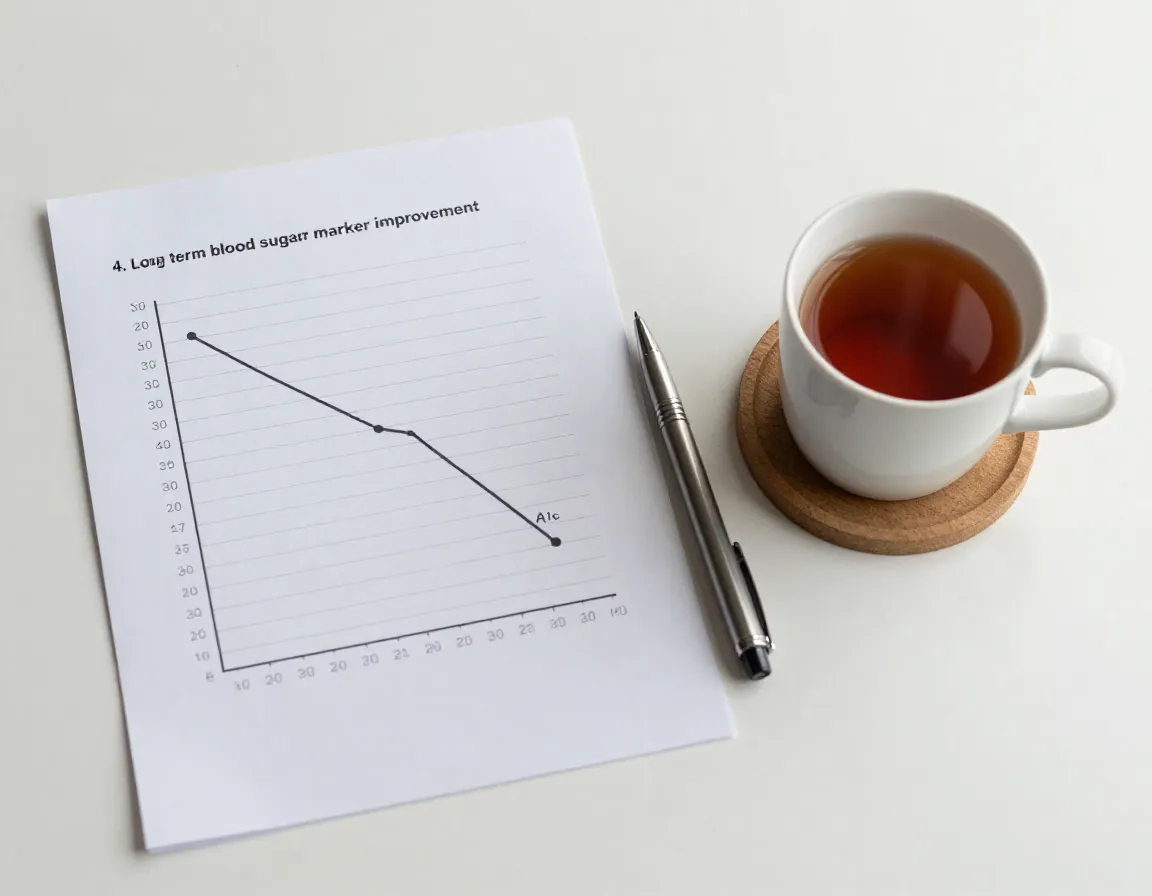
The impact of cinnamon tea extends beyond immediate blood sugar effects. Research demonstrates that regular consumption can improve hemoglobin A1c levels by 0.27% to 0.83% in people with type 2 diabetes [1].
Hemoglobin A1c reflects your average blood sugar levels over the past 2-3 months, making it a crucial marker for long-term metabolic health. Even modest improvements in A1c can significantly reduce the risk of diabetes complications including:
| A1c Reduction | Health Benefits |
|---|---|
| 0.3% | Reduced risk of diabetic retinopathy |
| 0.5% | Lower cardiovascular disease risk |
| 0.8% | Decreased neuropathy progression |
5. Blood Pressure Regulation Through Metabolic Pathways

A 2020 meta-analysis revealed that supplementing with at least 2 grams of cinnamon per day could significantly lower both systolic and diastolic blood pressure over 8 weeks [1]. While this requires a higher dose than typically consumed in tea form, the cardiovascular benefits are worth noting.
The blood pressure benefits likely stem from cinnamon’s ability to:
- Improve insulin sensitivity, which reduces metabolic stress on blood vessels
- Enhance nitric oxide production, promoting vessel dilation
- Reduce inflammation in the cardiovascular system
- Support healthy lipid profiles through improved glucose metabolism
6. Antioxidant Protection for Metabolic Health

Ceylon cinnamon, in particular, offers exceptional antioxidant benefits that support overall metabolic function. These antioxidants help protect against oxidative stress that can damage insulin-producing cells in the pancreas and contribute to insulin resistance.
The antioxidant profile includes:
- Polyphenols that enhance glucose metabolism
- Cinnamaldehyde for anti-inflammatory effects
- Procyanidins that support cardiovascular health
- Eugenol with antimicrobial properties
7. Weight Management Support Through Metabolic Enhancement

While not a magic weight-loss solution, cinnamon tea can support healthy weight management through several metabolic pathways:
- Improved insulin sensitivity reduces fat storage signals
- Better blood sugar control minimizes cravings and energy crashes
- Enhanced thermogenesis may slightly boost metabolic rate
- Reduced inflammation supports healthy metabolism
The key is that cinnamon tea addresses underlying metabolic dysfunction that often contributes to weight management challenges.
8. Safe, Natural Alternative to Pharmaceutical Interventions
For many people, cinnamon tea represents a gentle, natural approach to blood sugar management that can complement—but not replace—medical treatment. The safety profile of Ceylon cinnamon makes it an attractive option for long-term use when consumed in appropriate amounts.
Important Safety Considerations:
- Ceylon cinnamon is recommended over Cassia due to lower coumarin content [1]
- Dosage matters: 0.5 to 1 gram of Cassia cinnamon daily is recommended to avoid excessive coumarin exposure [1]
- Medical supervision is essential for anyone with diabetes or on blood sugar medications
- Quality sourcing ensures you’re getting pure, effective cinnamon
Choosing the Right Cinnamon for Maximum Benefits
Not all cinnamon is created equal when it comes to the 8 sweet benefits of cinnamon in tea for blood sugar & metabolism. Understanding the differences between cinnamon varieties is crucial for maximizing health benefits while minimizing potential risks.
Ceylon vs. Cassia: The Critical Distinction
Ceylon cinnamon (Cinnamomum verum) is considered the gold standard for therapeutic use. Despite its higher cost, it offers:
- Higher antioxidant content for enhanced metabolic benefits [1]
- Lower coumarin levels, reducing liver toxicity risk [1]
- Milder, sweeter flavor that’s perfect for daily tea consumption
- Better safety profile for long-term use
Cassia cinnamon (Cinnamomum cassia) is more common but requires careful dosing:
- Higher coumarin content necessitates limiting intake to 0.5-1 gram daily [1]
- Stronger flavor that some people prefer
- Lower cost making it more accessible
- Effective for blood sugar benefits when used appropriately
Optimal Dosing Strategies
Research has studied doses ranging from 1 to 6 grams per day, but practical recommendations vary based on cinnamon type [1]:
For Ceylon Cinnamon:
- 1-3 grams daily is generally safe for most adults
- Can be consumed in multiple servings throughout the day
- Ideal for making multiple cups of cinnamon tea
For Cassia Cinnamon:
- Limit to 0.5-1 gram daily to avoid excessive coumarin [1]
- Best consumed in a single serving
- Requires more careful measurement
Preparing the Perfect Cinnamon Tea for Blood Sugar Benefits
Creating an effective cinnamon tea involves more than just adding a cinnamon stick to hot water. Here’s how to maximize the therapeutic potential:
Method 1: Traditional Cinnamon Stick Tea
- Use 1-2 Ceylon cinnamon sticks per cup of water
- Simmer for 10-15 minutes to extract active compounds
- Strain and serve hot or allow to cool for iced tea
- Add lemon or stevia if desired (avoid sugar)
Method 2: Ground Cinnamon Tea
- Measure 0.5-1 gram of high-quality cinnamon powder
- Steep in hot water for 5-10 minutes
- Stir well to distribute the powder evenly
- Strain if preferred or drink with the sediment for maximum benefits
Method 3: Cinnamon Tea Blends
Combine cinnamon with other blood sugar-supporting herbs:
- Cinnamon + Green Tea for added antioxidants
- Cinnamon + Ginger for enhanced circulation
- Cinnamon + Turmeric for anti-inflammatory benefits
Timing and Integration Strategies
To maximize the 8 sweet benefits of cinnamon in tea for blood sugar & metabolism, timing matters:
Pre-Meal Consumption
Drinking cinnamon tea 15-30 minutes before meals can help:
- Prime your digestive system for better glucose handling
- Activate enzyme-blocking effects before carbohydrate intake
- Prepare insulin pathways for incoming nutrients
Post-Meal Benefits
Consuming cinnamon tea after meals supports:
- Slower gastric emptying for gradual glucose release
- Enhanced insulin sensitivity during the critical post-meal period
- Improved satiety and reduced cravings
Evening Routine
Including cinnamon tea in your evening routine offers:
- Overnight blood sugar stabilization
- Improved morning fasting glucose levels
- Better sleep quality through stable blood sugar
Safety Considerations and Medical Integration
While cinnamon tea offers impressive benefits, it’s essential to approach it responsibly, especially if you have existing health conditions or take medications.
When to Consult Healthcare Providers
Immediate consultation is recommended if you:
- Take diabetes medications (risk of hypoglycemia)
- Have liver disease (coumarin sensitivity)
- Are pregnant or breastfeeding
- Take blood thinning medications
- Have scheduled surgery (cinnamon may affect bleeding)
Important Limitations
Remember that cinnamon should not replace diabetes medications or established diet and lifestyle changes [1]. It’s a complementary tool that works best as part of a comprehensive approach to metabolic health.
Researchers note that more studies are needed to fully understand cinnamon’s effects [1], particularly regarding:
- Long-term safety with daily consumption
- Optimal dosing for different populations
- Interaction effects with various medications
- Individual response variations
Real-World Implementation: Making It Work for You
Successfully incorporating the 8 sweet benefits of cinnamon in tea for blood sugar & metabolism into your daily routine requires a practical, sustainable approach.
Week 1-2: Foundation Building
- Start with Ceylon cinnamon for safety
- Begin with small doses (0.5 grams daily)
- Monitor blood sugar responses if you have diabetes
- Track energy levels and overall well-being
Week 3-4: Optimization
- Adjust timing based on your meal schedule
- Experiment with preparation methods to find your preference
- Consider combination teas for enhanced benefits
- Evaluate any side effects or concerns
Month 2 and Beyond: Long-Term Integration
- Establish consistent routines for maximum benefit
- Regular health monitoring with healthcare providers
- Adjust doses based on results and tolerance
- Maintain quality sourcing for continued effectiveness
Conclusion
The 8 sweet benefits of cinnamon in tea for blood sugar & metabolism represent a remarkable opportunity to support your metabolic health through a simple, enjoyable daily practice. From reducing fasting blood sugar by up to 52.2 mg/dL to improving long-term A1c markers by 0.27% to 0.83%, the research clearly demonstrates cinnamon’s therapeutic potential [1].
As we move through 2026, the integration of evidence-based natural approaches like cinnamon tea into comprehensive health strategies becomes increasingly important. The key is approaching this powerful tool with knowledge, respect, and appropriate medical guidance when necessary.
Your Next Steps:
- Choose high-quality Ceylon cinnamon for optimal safety and effectiveness
- Start with conservative doses and monitor your body’s response
- Establish consistent timing that works with your daily routine
- Track your progress through blood sugar monitoring if appropriate
- Consult healthcare providers before making significant changes to diabetes management
Remember, while cinnamon tea offers impressive benefits, it works best as part of a holistic approach that includes proper nutrition, regular exercise, stress management, and appropriate medical care. The sweet benefits await—it’s time to brew your way to better metabolic health.
References
[1] Cinnamon And Diabetes – https://www.healthline.com/nutrition/cinnamon-and-diabetes