8 Surprising Facts About Your Coffee in a Paper Cup
Picture this: you’re rushing to work, grabbing your favorite morning latte in that familiar paper cup. It seems harmless enough, right? But what if I told you that your daily coffee ritual involves thousands of invisible microplastic particles, contributes to a multi-billion dollar global industry, and carries environmental implications you’ve never considered? The 8 surprising facts about your coffee in a paper cup will completely change how you view that seemingly simple takeaway beverage. From shocking health discoveries to mind-blowing consumption statistics, these revelations about paper coffee cups will make you think twice about your next coffee run.

Key Takeaways
- Microplastic contamination: Every sip from a paper coffee cup releases thousands of microplastic particles into your beverage, raising potential health concerns
- Massive global consumption: Australia alone uses 1.45 billion single-use hot beverage cups annually, highlighting the enormous scale of paper cup usage worldwide
- Booming market growth: The global paper cups market is projected to grow from $11.73 billion in 2026 to $13.98 billion by 2034
- Cold drinks dominate: Cold cups now represent 51.68% of the market share, driven by younger demographics’ preference for iced beverages
- Environmental transformation: Major chains like Dunkin’ have completely eliminated foam cups in favor of paper alternatives as sustainability becomes paramount
The Hidden Health Concerns in Your Daily Coffee Ritual
1. Your Paper Cup Releases Thousands of Microplastic Particles
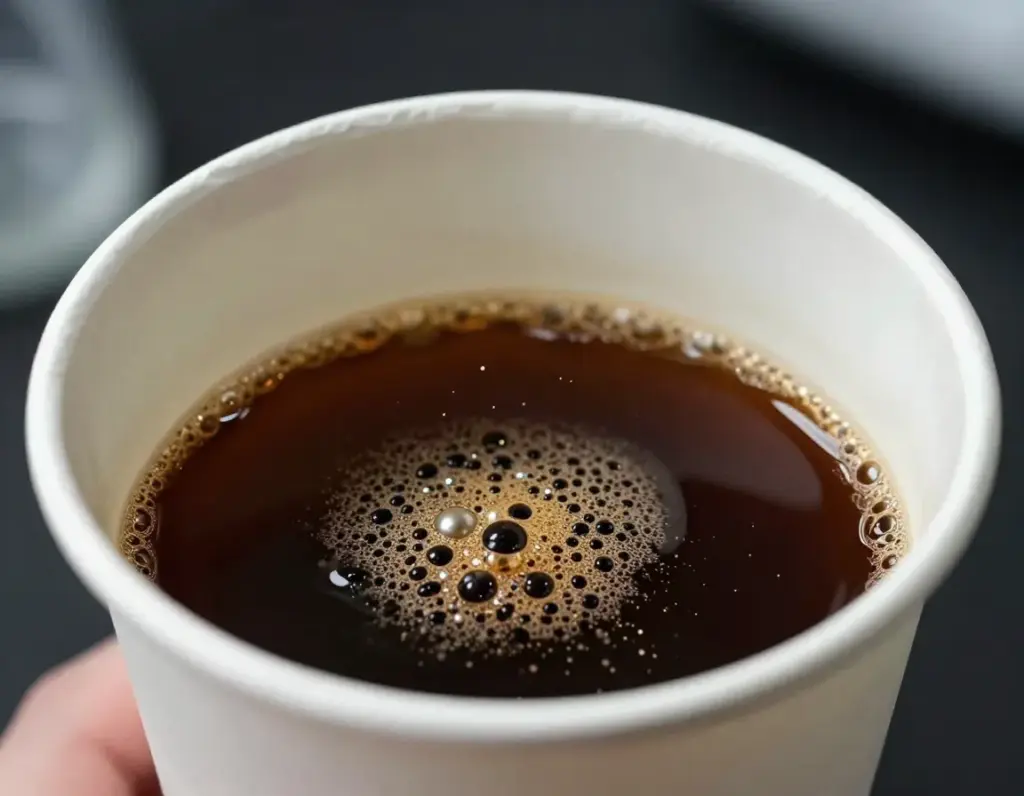
Here’s a fact that might make you pause mid-sip: takeaway coffee cups release thousands of microplastic particles into your beverage every time you drink [8]. This discovery represents one of the most concerning aspects of our daily coffee habits that most people never consider.
When researchers examined the contents of coffee served in paper cups, they found alarming levels of microscopic plastic contamination. These tiny particles, invisible to the naked eye, come from the plastic lining inside paper cups that prevents the liquid from soaking through the paper material.
What makes this particularly worrying:
- The particles are so small they can potentially enter your bloodstream
- Long-term health effects of consuming microplastics remain largely unknown
- Most coffee drinkers consume these particles daily without awareness
- Hot beverages may increase the rate of microplastic release
The implications of this discovery extend far beyond individual health concerns. With 65% of Americans drinking coffee every day compared to 62% in 2020 [1], the cumulative exposure to microplastics from paper cups affects millions of people globally.
2. The Staggering Scale of Global Paper Cup Consumption
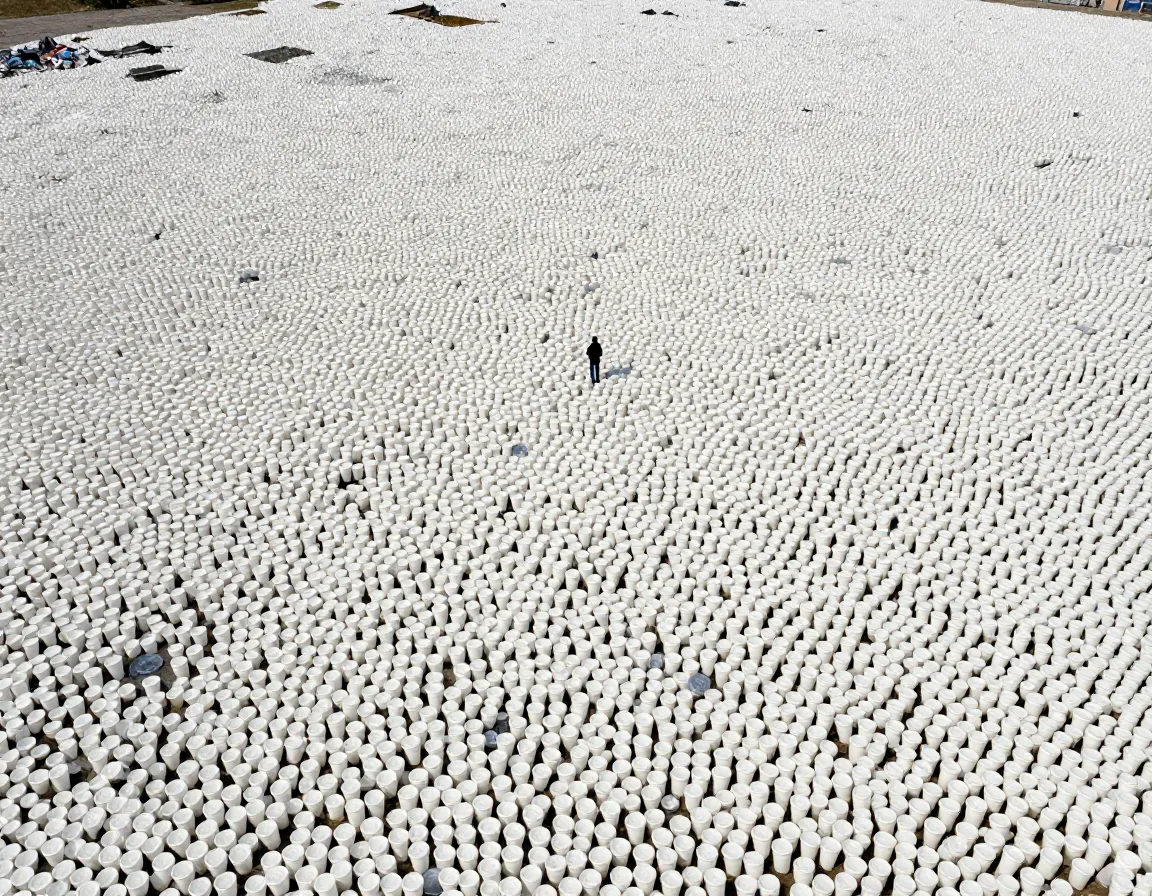
The numbers behind paper cup usage will absolutely blow your mind. Australia alone uses 1.45 billion single-use hot beverage cups annually, along with roughly 890 million plastic lids [8]. When you extrapolate these figures globally, the scale becomes almost incomprehensible.
Let me put this in perspective:
- That’s nearly 60 cups per person per year in Australia alone
- If stacked, 1.45 billion cups would reach approximately 290,000 kilometers high
- The plastic lids alone represent nearly 900 million pieces of additional waste
🌍 Global Impact Breakdown:
| Region | Annual Consumption | Growth Rate |
|---|---|---|
| North America | ~50 billion cups | Steady |
| Europe | ~35 billion cups | Moderate |
| Asia Pacific | ~40 billion cups | Fastest growing |
This massive consumption drives a global paper cups market projected to grow from $11.73 billion in 2026 to $13.98 billion by 2034 [1]. The Asia Pacific region is experiencing the fastest growth during this forecast period, driven by rising urbanization and strict plastic waste regulations.
Market Dynamics Reshaping Your Coffee Experience
3. Cold Drinks Now Dominate the Paper Cup Market
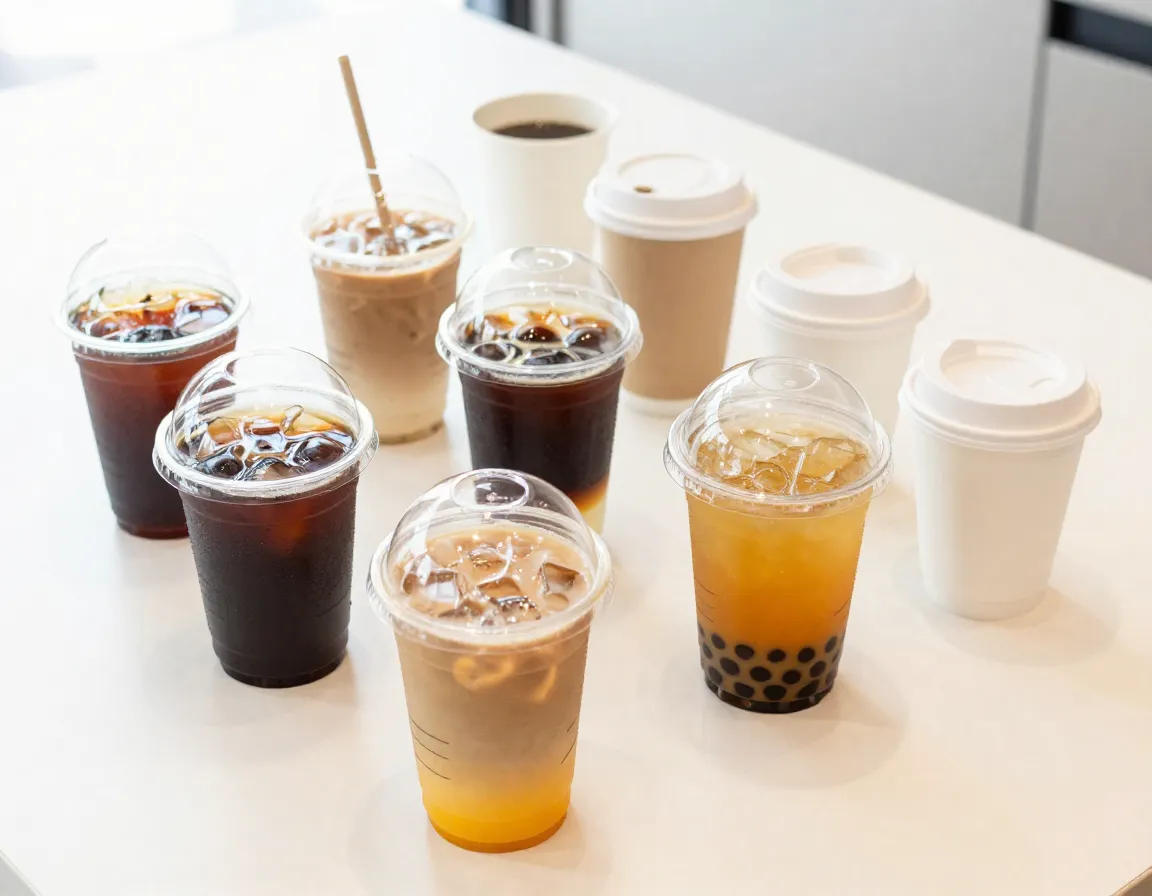
Surprise! The cold cups segment dominates with 51.68% market share in 2026 [1], completely flipping traditional assumptions about coffee consumption. This shift reflects a fundamental change in how younger demographics approach their caffeine intake.
Driving factors behind cold cup dominance:
- Cold brew popularity among millennials and Gen Z
- Iced coffee year-round consumption regardless of weather
- Bubble tea explosion in urban markets
- Instagram-worthy aesthetics of cold beverages
This trend has forced coffee shops to completely rethink their cup procurement strategies. Many establishments now order more cold cups than hot ones, especially during summer months when cold drink sales can represent up to 70% of total beverage sales.
The implications extend beyond simple preference changes. Cold cups often require different materials, affect pricing strategies, and influence everything from storage requirements to waste management protocols.
4. Single-Wall Cups Dominate Despite Insulation Drawbacks
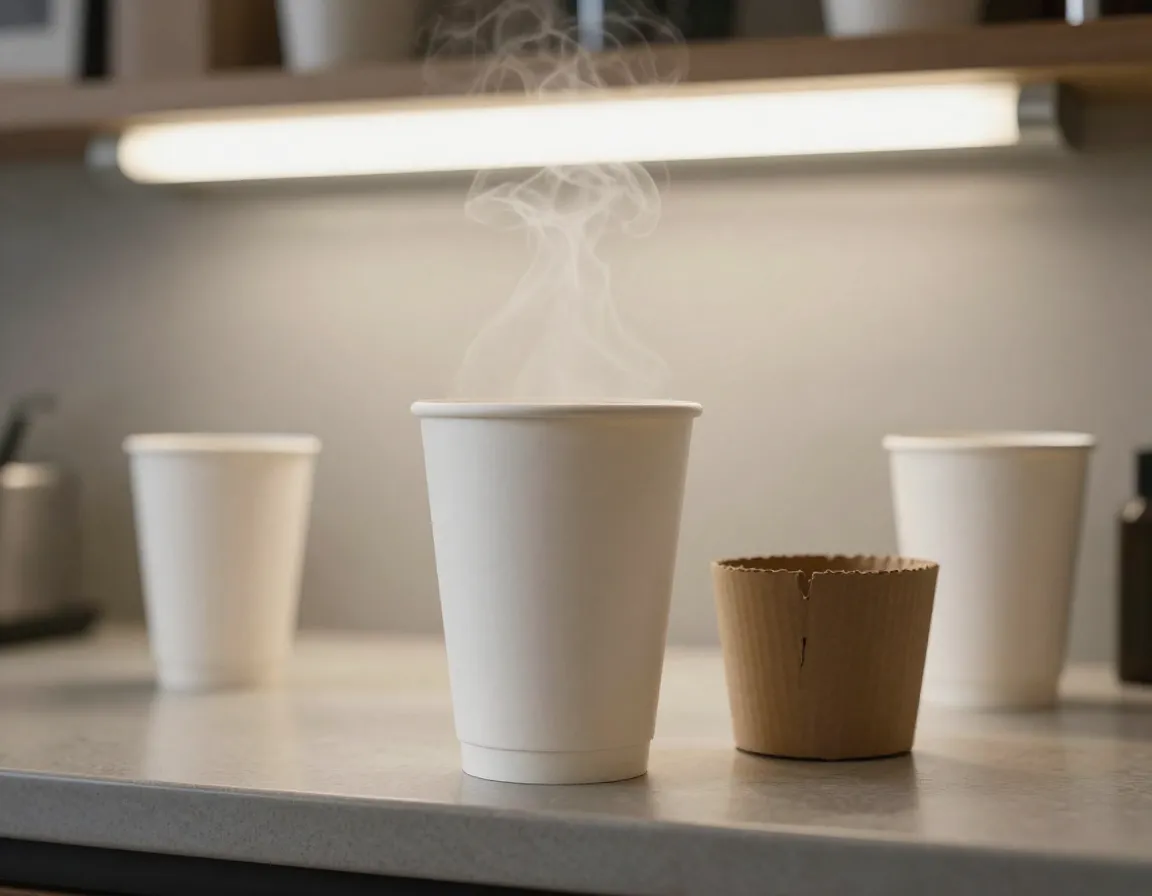
Here’s something that might surprise you: single-wall cups dominate with 58.75% market share in 2026 [1], despite their inferior insulation properties compared to double-wall alternatives. This dominance stems from practical business considerations rather than consumer preference.
Why single-wall cups remain king:
- Lower costs for high-volume establishments
- Suitability for fast-paced consumption settings like grab-and-go locations
- Reduced storage space requirements
- Faster service during peak hours
However, this preference comes with trade-offs. Single-wall cups often require protective sleeves for hot beverages, essentially creating a two-piece solution that generates additional waste. Many customers also experience discomfort when holding hot drinks in single-wall containers.
“The dominance of single-wall cups reflects the coffee industry’s prioritization of operational efficiency over customer comfort and environmental considerations.”
Environmental Revolution in the Coffee Cup Industry
5. Major Chains Are Abandoning Foam for Paper
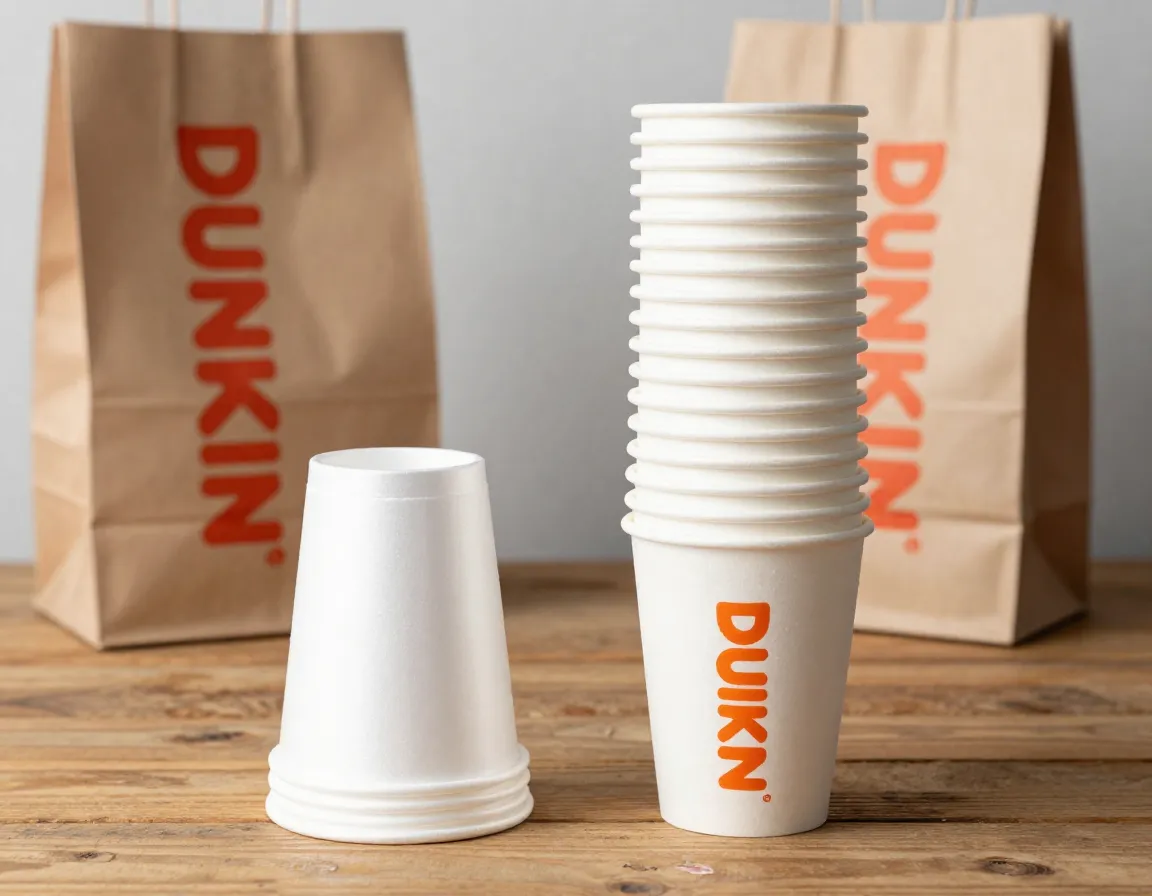
The environmental transformation of the coffee industry reached a milestone when Dunkin’ Donuts transitioned 100% of its restaurants from polystyrene foam cups to paper cups as of May 2020 [1]. This change reflects rising sustainability commitments across the entire food service industry.
Timeline of major chain transitions:
- 2018: McDonald’s begins phasing out foam cups
- 2019: Starbucks commits to eliminating single-use cups by 2030
- 2020: Dunkin’ completes full transition to paper
- 2021-2026: Industry-wide adoption accelerates
This shift represents more than corporate responsibility—it reflects consumer demand for sustainable options. Studies show that 73% of coffee drinkers consider environmental impact when choosing where to purchase their beverages.
The transition hasn’t been without challenges. Paper cups cost approximately 15-20% more than foam alternatives, and many require plastic linings that complicate recycling efforts. However, the environmental benefits and positive brand perception have made this transition inevitable across the industry.
6. Asia Pacific Leads Global Growth in Sustainable Cup Adoption
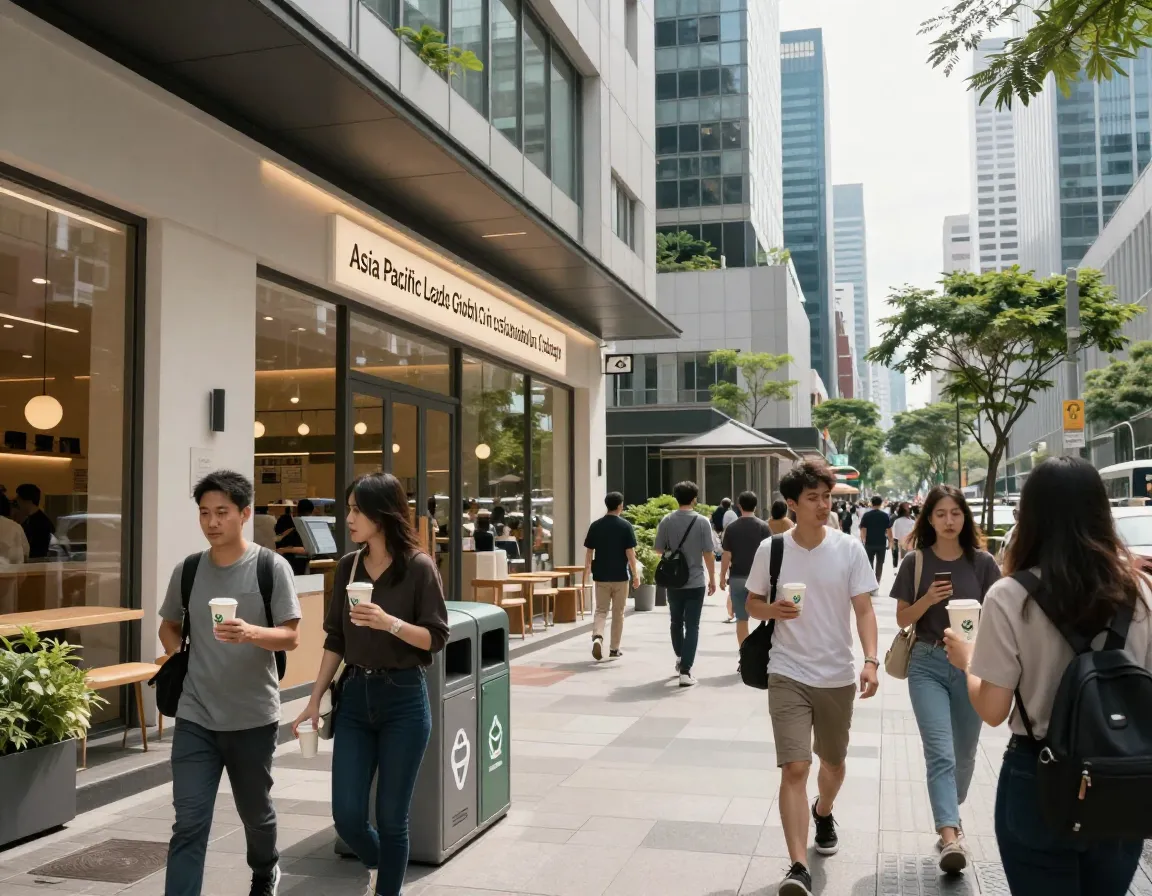
Asia Pacific is growing at the fastest rate during the forecast period [1], driven by rising urbanization and strict plastic waste regulations. This regional leadership in sustainable cup adoption reflects broader environmental policies and changing consumer behaviors.
Key drivers in Asia Pacific markets:
- Government regulations banning single-use plastics
- Urbanization creating massive coffee shop networks
- Environmental awareness among younger consumers
- Economic growth supporting premium sustainable options
Countries like South Korea, Japan, and Singapore have implemented comprehensive plastic reduction policies that directly impact paper cup adoption. These regulations often include:
- Mandatory recycling programs
- Taxes on single-use items
- Incentives for reusable alternatives
- Extended producer responsibility requirements
The rapid growth in this region is reshaping global supply chains and driving innovation in sustainable cup technologies.
The Economics and Innovation Behind Your Coffee Cup
7. Paper Cup Technology Is Rapidly Evolving
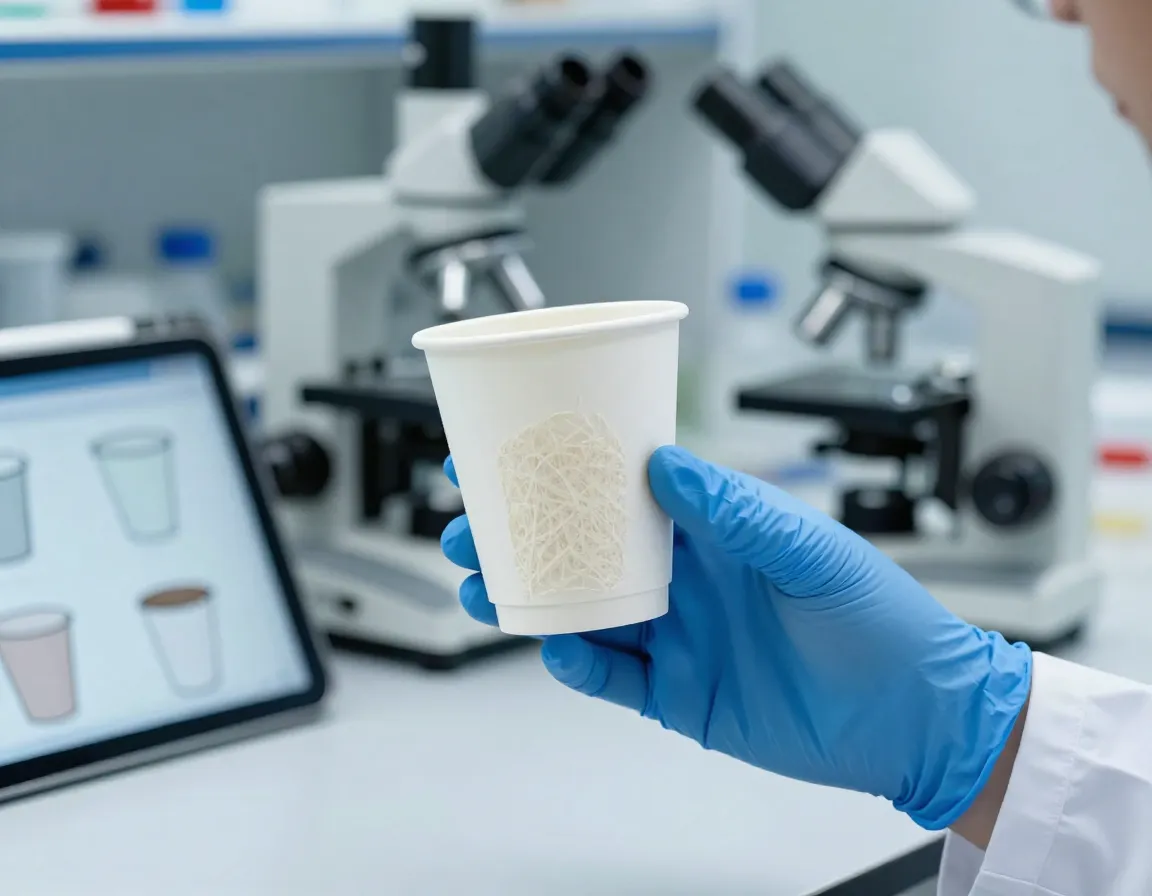
The simple paper cup is undergoing a technological revolution that most consumers never notice. Advanced coating technologies are replacing traditional plastic linings with biodegradable alternatives, while smart cup designs integrate sustainability with functionality.
Current innovations reshaping paper cups:
- Plant-based linings that maintain liquid barriers without plastic
- Improved insulation through advanced paper engineering
- Recyclable coatings that break down during standard recycling processes
- Smart indicators showing optimal drinking temperature
These technological advances address the microplastic contamination issues while maintaining the convenience that makes paper cups popular. Some manufacturers are developing completely plastic-free alternatives using innovative plant-based materials.
The investment in cup technology reflects the industry’s recognition that sustainability and functionality must coexist. Companies spending millions on R&D understand that the future of takeaway beverages depends on solving environmental challenges without compromising user experience.
8. The Hidden Costs of Your Daily Coffee Cup Habit
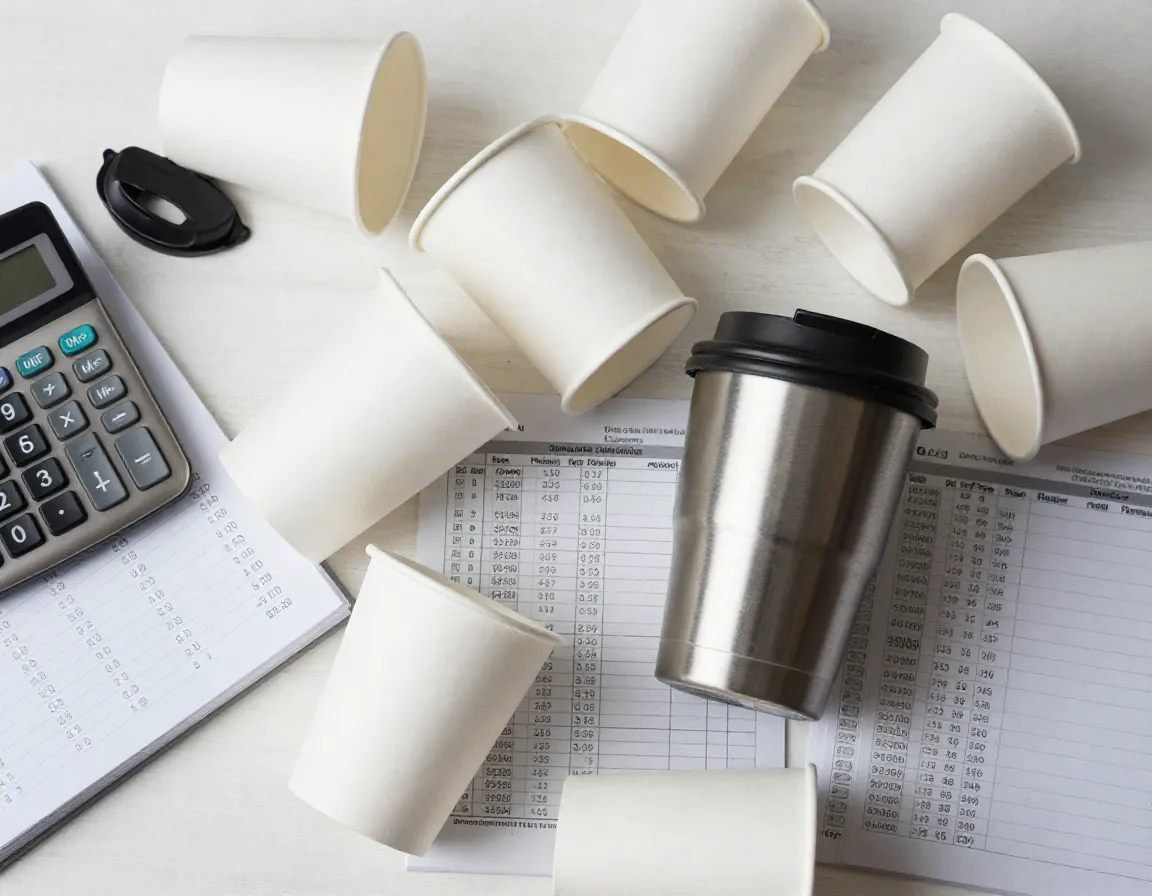
The final surprising fact involves the true economic impact of paper cup consumption. While individual cups seem inexpensive, the cumulative costs create significant financial implications for both businesses and consumers.
Breaking down the real costs:
- Average paper cup cost: $0.08-$0.15 per unit
- Annual cost for daily coffee drinker: $30-$55 just for cups
- Business overhead: Cups represent 3-5% of total beverage costs
- Environmental cleanup costs: Billions annually in waste management
For businesses, cup costs extend beyond purchase price. Storage, waste disposal, and regulatory compliance add hidden expenses that many entrepreneurs underestimate when entering the coffee market.
Consumer cost comparison over 5 years:
| Option | Annual Cost | 5-Year Total |
|---|---|---|
| Paper cups | $45 | $225 |
| Reusable cup | $25 | $25 |
| Savings | $20 | $200 |
These economics are driving the reusable cup market, which is experiencing rapid growth as consumers recognize both environmental and financial benefits of alternatives to disposable options.
Taking Action: What These Facts Mean for Your Coffee Future
Understanding these 8 surprising facts about your coffee in a paper cup should fundamentally change how you approach your daily caffeine ritual. The evidence is clear: our seemingly innocent coffee habits carry significant health, environmental, and economic implications that demand immediate attention.
Immediate steps you can take:
- Invest in a quality reusable cup to eliminate microplastic exposure
- Choose establishments that prioritize sustainable cup alternatives
- Support businesses transitioning away from traditional paper cups
- Stay informed about emerging cup technologies and health research
- Calculate your personal cup costs to understand the financial impact
The coffee industry is at a critical inflection point. Consumer awareness of these issues is driving unprecedented innovation in sustainable alternatives, while regulatory pressure is accelerating the transition away from problematic materials.
Your individual choices matter more than you might think. Every reusable cup represents approximately 500 disposable cups avoided annually, contributing to both personal health protection and environmental preservation.
The future of coffee consumption will likely look very different from today’s paper cup-dominated landscape. By understanding these surprising facts and making informed choices, you’re not just protecting your own health and wallet—you’re participating in a global transformation toward more sustainable coffee culture.
The next time you reach for that paper cup, remember: you now know what most coffee drinkers don’t. Use that knowledge to make choices that benefit your health, your finances, and our planet’s future.
References
[1] Paper Cups Market 105010 – https://www.fortunebusinessinsights.com/paper-cups-market-105010
[8] 2026 01 Takeaway Coffee Cups Thousands Microplastic – https://phys.org/news/2026-01-takeaway-coffee-cups-thousands-microplastic.html