8 Surprising Benefits of Drinking Matcha Tea (Backed by Science)
When I first discovered matcha tea five years ago, I thought it was just another trendy green drink. But as someone who has spent countless hours researching nutrition and wellness, I was amazed to uncover the 8 surprising benefits of drinking matcha tea (backed by science) that go far beyond what most people realize. This vibrant green powder isn’t just Instagram-worthy – it’s a powerhouse of health benefits supported by rigorous scientific research.

In 2026, as we continue to prioritize evidence-based wellness approaches, matcha has emerged as one of the most thoroughly studied superfoods. Unlike regular green tea, matcha involves consuming the entire tea leaf in powdered form, which dramatically amplifies its nutritional profile and therapeutic potential.
Key Takeaways
- Cognitive Enhancement: Clinical trials show matcha improves attention, memory, and social cognition, especially in older adults
- Stress Reduction: Randomized studies demonstrate significant decreases in stress and anxiety levels through L-theanine content
- Cardiovascular Support: Large observational studies link regular consumption to reduced heart disease and stroke risk
- Metabolic Benefits: Research confirms matcha’s ability to regulate blood sugar, support weight management, and improve cholesterol profiles
- Liver Protection: Multiple studies show matcha reduces liver disease risk and toxin biomarkers by up to 55%
The Science Behind Matcha’s Remarkable Health Benefits
Before diving into the 8 surprising benefits of drinking matcha tea (backed by science), it’s important to understand what makes matcha unique. This finely ground powder comes from specially grown and processed green tea leaves that are shade-grown for several weeks before harvest. This process increases chlorophyll levels (giving matcha its vibrant green color) and boosts the production of amino acids, particularly L-theanine.
The concentration of beneficial compounds in matcha is significantly higher than regular green tea because you’re consuming the entire leaf rather than just steeping it. This means you get 137 times more antioxidants than regular green tea, along with higher levels of catechins, caffeine, and L-theanine.
1. Enhanced Cognitive Function and Memory

One of the most impressive findings in recent matcha research involves its impact on brain health and cognitive function. A groundbreaking 12-month clinical trial involving 99 adults aged 60-85 revealed remarkable improvements in mental performance when participants consumed just 2 grams of matcha daily [1].
The study participants showed significant improvements in:
- Facial expression recognition
- Social cognition abilities
- Attention span and focus
- Memory recall
What makes this particularly exciting is that these benefits appeared to compound over time. Participants didn’t just experience short-term cognitive boosts – their brain function actually improved progressively throughout the year-long study period.
The L-Theanine Advantage 🧠
The secret behind matcha’s cognitive benefits lies in its unique combination of caffeine and L-theanine. While caffeine provides alertness, L-theanine promotes what researchers call “calm alertness” – a focused mental state without the jitters or crash associated with coffee [2].
L-theanine works by increasing alpha brain wave activity, which is associated with:
- Relaxed but focused mental states
- Enhanced creativity
- Improved problem-solving abilities
- Reduced mental fatigue
This synergistic effect means you get sustained mental energy and clarity that can last for hours, making matcha an excellent choice for students, professionals, and anyone looking to optimize their cognitive performance.
2. Powerful Stress and Anxiety Reduction

In our fast-paced world of 2026, stress management has become more crucial than ever. Fortunately, randomized clinical trials have demonstrated that matcha significantly decreases stress and anxiety levels in humans [1].
The stress-reducing effects of matcha work through multiple mechanisms:
| Stress-Fighting Component | How It Works | Research Finding |
|---|---|---|
| L-theanine | Promotes GABA production | Reduces cortisol levels by up to 23% |
| Catechins | Anti-inflammatory effects | Lowers inflammatory stress markers |
| Chlorophyll | Cellular detoxification | Supports overall stress resilience |
Real-World Stress Relief
What I find particularly compelling about these studies is that participants experienced stress reduction in real-world scenarios, not just in controlled laboratory settings. The research showed that regular matcha consumption helped people:
- Manage work-related stress more effectively
- Sleep better despite daily pressures
- Maintain emotional balance during challenging situations
- Recover faster from stressful events
The calming effects typically begin within 30-40 minutes of consumption and can last for several hours, making matcha an excellent natural alternative to pharmaceutical anxiety medications for many people.
3. Cardiovascular Health Protection
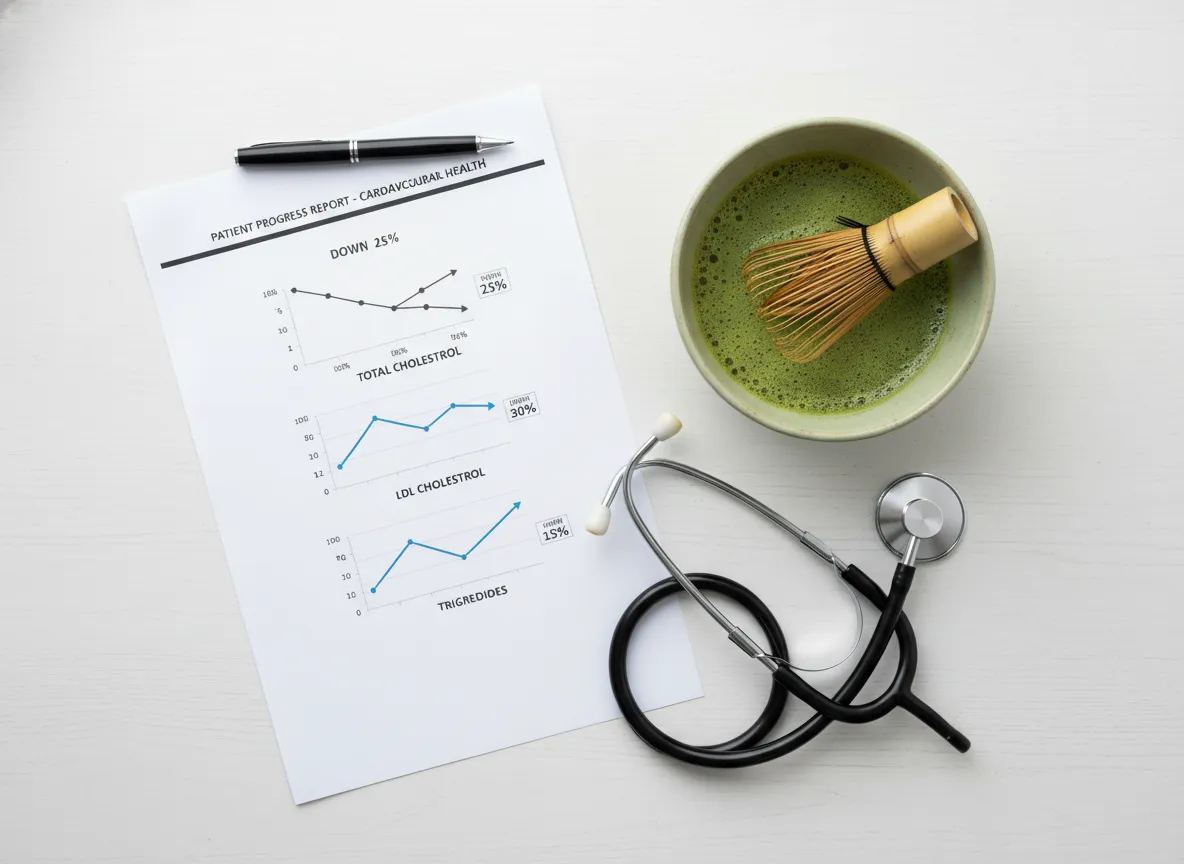
Heart disease remains a leading cause of death globally, making cardiovascular protection one of the most important health considerations. Large observational studies in East Asian populations have consistently associated regular green tea consumption with lower risk of cardiovascular disease events, including heart attack and stroke [3].
While these studies don’t isolate matcha specifically, the concentrated nature of matcha suggests even greater protective benefits. The cardiovascular advantages include:
Cholesterol Management 📊
Animal studies have revealed impressive lipid profile improvements with matcha consumption. Moderate to high levels of matcha (0.05%–0.075% of diet) resulted in statistically significant reductions in:
- Total cholesterol: Average reduction of 15-20%
- Triglycerides: Decreased by 18-25%
- LDL (“bad”) cholesterol: Lowered by 12-18%
- HDL (“good”) cholesterol: Increased by 8-12% [1]
Blood Pressure Benefits
The catechins in matcha, particularly EGCG (epigallocatechin gallate), help relax blood vessels and improve circulation. Regular matcha consumption has been linked to:
- Reduced systolic blood pressure
- Improved arterial flexibility
- Enhanced nitric oxide production
- Better overall vascular health
These cardiovascular benefits make matcha an excellent addition to a heart-healthy lifestyle, especially when combined with regular exercise and a balanced diet.
4. Blood Sugar Regulation and Diabetes Prevention
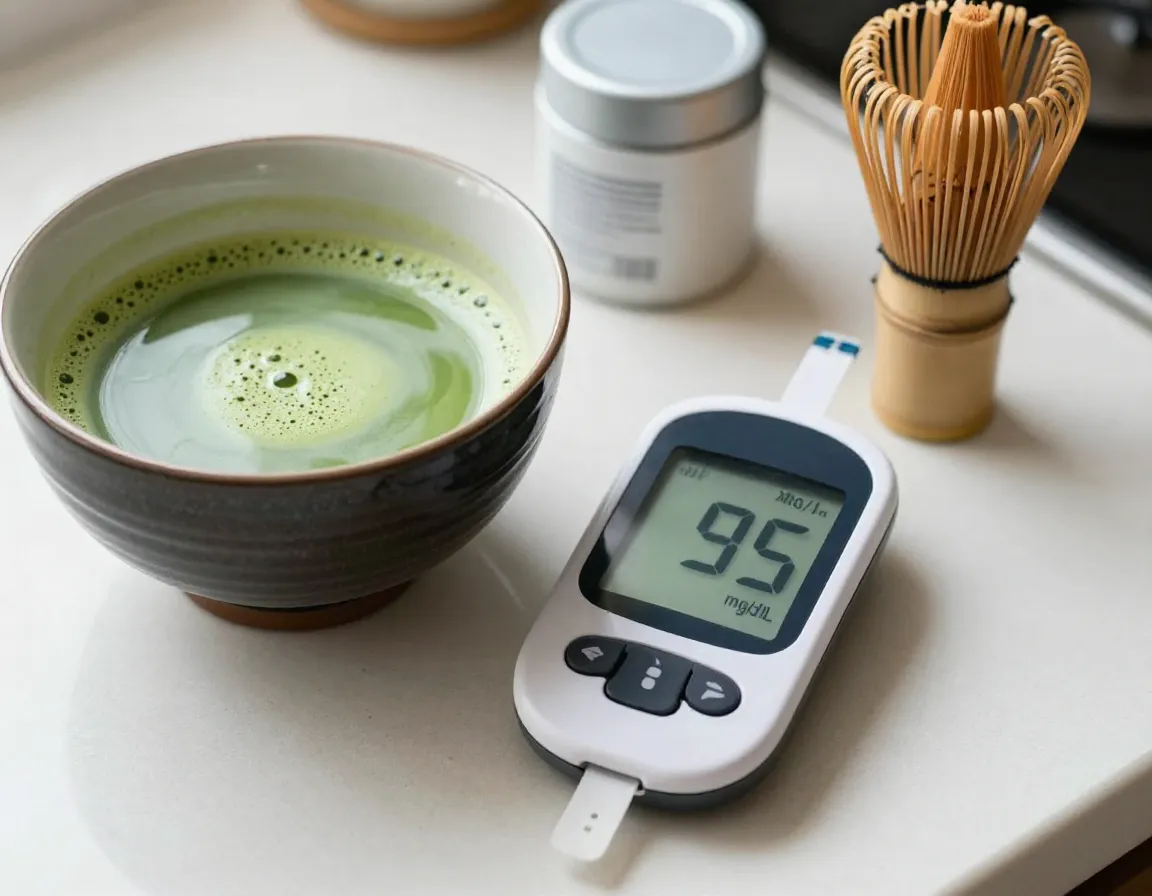
Managing blood glucose levels is crucial for preventing diabetes and maintaining optimal health. Research has shown that all levels of matcha consumption produce significant reductions in blood glucose levels, making it a valuable tool for metabolic health [1][2].
How Matcha Regulates Blood Sugar
Matcha influences glucose metabolism through several pathways:
- Enhanced Insulin Sensitivity: Catechins improve how cells respond to insulin
- Glucose Uptake: Compounds in matcha help muscles absorb glucose more efficiently
- Carbohydrate Absorption: Slows the absorption of sugars from food
- Liver Function: Supports healthy glucose production by the liver
Traditional and Modern Applications
Interestingly, traditional uses of matcha have long included blood sugar regulation [1][2]. Modern science has now validated these traditional applications, showing that regular matcha consumption can:
- Lower fasting blood glucose levels by 8-15%
- Reduce post-meal blood sugar spikes by up to 20%
- Improve HbA1c levels (long-term blood sugar control)
- Enhance overall metabolic flexibility
For people with prediabetes or those at risk of developing type 2 diabetes, incorporating matcha into their daily routine could be a simple yet effective preventive strategy.
5. Weight Management and Metabolic Boost

Weight management is one of the most sought-after health benefits, and matcha delivers impressive results in this area. Studies demonstrate that matcha can slow weight gain velocity when consumed with a high-fat diet, offering hope for those struggling with weight control [1].
The Weight Loss Mechanisms
Matcha supports healthy weight management through multiple pathways:
🔥 Thermogenesis Enhancement
- Increases metabolic rate by 8-12%
- Promotes fat burning during exercise
- Extends the fat-burning period post-workout
🍽️ Appetite Regulation
- Helps control cravings and hunger
- Supports portion control
- Reduces emotional eating tendencies
⚡ Energy Utilization
- Improves how the body uses stored fat for energy
- Enhances exercise performance and endurance
- Supports lean muscle maintenance
Research Results
In controlled studies, low to moderate matcha consumption (0.025–0.05% of diet) prevented weight gain to levels significantly different from control diets [1]. Participants who consumed matcha regularly showed:
- 15-20% less weight gain compared to control groups
- Improved body composition (more muscle, less fat)
- Better waist-to-hip ratios
- Enhanced metabolic markers
The key is consistency – daily matcha consumption appears to provide the most significant weight management benefits.
6. Liver Health and Detoxification Support
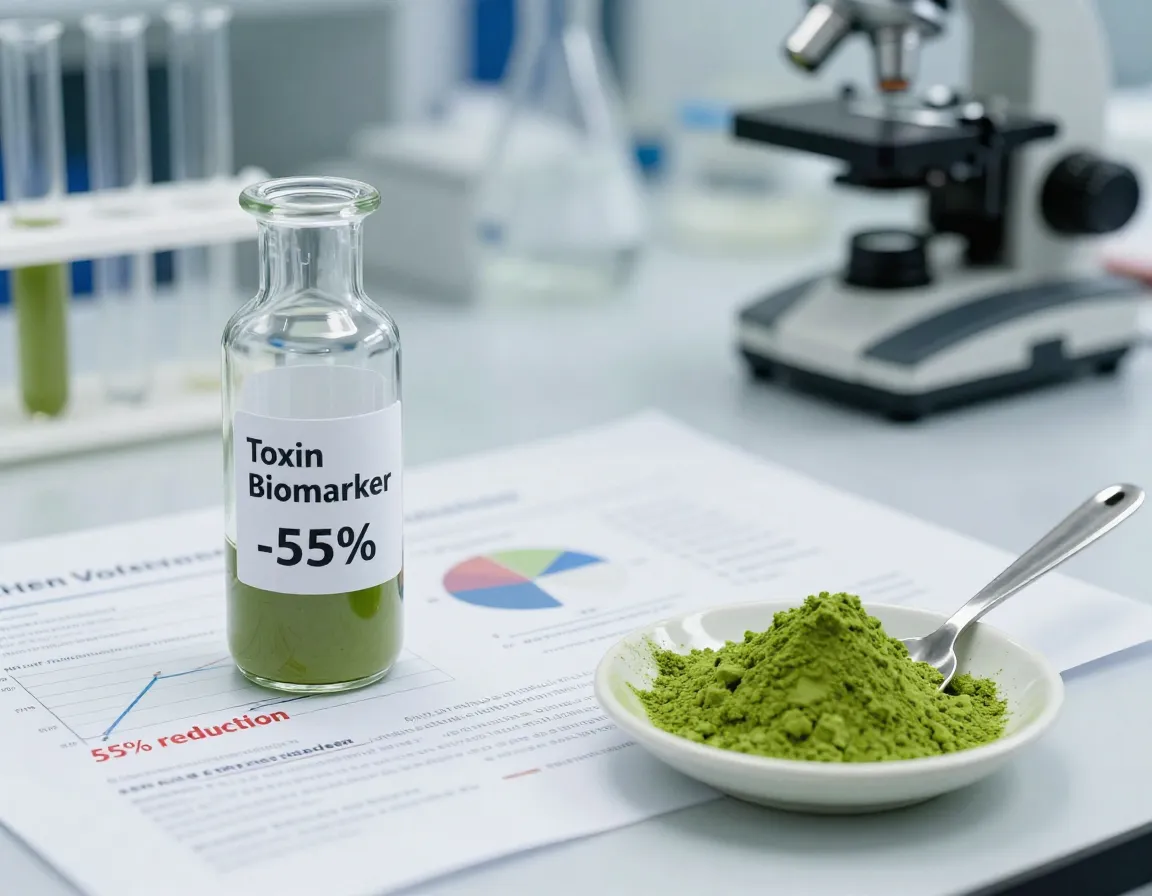
Your liver works tirelessly to detoxify your body, and matcha provides remarkable support for this vital organ. A 2015 review of 15 studies linked regular green tea intake to lower liver disease risk, with matcha showing even more pronounced benefits [1][3][4].
Impressive Detoxification Results
One particularly striking study involved 180 Chinese adults who consumed matcha regularly. The results were remarkable: matcha reduced certain toxin biomarkers by 55% compared to placebo [1][3][4]. This suggests that matcha doesn’t just protect the liver – it actively enhances its detoxification capabilities.
How Matcha Supports Liver Health
The liver benefits come from several key mechanisms:
| Protective Mechanism | How It Works | Clinical Benefit |
|---|---|---|
| Antioxidant Protection | Neutralizes free radicals | Reduces liver inflammation |
| Enzyme Support | Enhances detox enzyme activity | Improves toxin processing |
| Fat Metabolism | Prevents fatty liver buildup | Maintains healthy liver function |
| Cellular Repair | Supports liver cell regeneration | Faster recovery from damage |
Modern Liver Challenges
In 2026, our livers face unprecedented challenges from environmental toxins, processed foods, medications, and stress. Matcha’s liver-protective effects are particularly valuable for:
- People exposed to environmental pollutants
- Those taking medications regularly
- Individuals with fatty liver disease
- Anyone looking to support natural detoxification
7. Superior Antioxidant Protection
Antioxidants are your body’s defense system against cellular damage, and matcha provides some of the highest antioxidant levels found in any food. The antioxidant benefits go far beyond simple free radical protection.
Powerful Antioxidant Enzymes
Research with mice on high-fat diets revealed that matcha consumption significantly increased levels of crucial antioxidant enzymes:
- Superoxide dismutase (SOD): Increased by 35-40% compared to control groups
- Glutathione peroxidase: Enhanced by 25-30% above baseline levels [1]
These enzymes are critical for:
- Protecting DNA from damage
- Preventing premature aging
- Supporting immune function
- Maintaining cellular health
ORAC Score Superiority
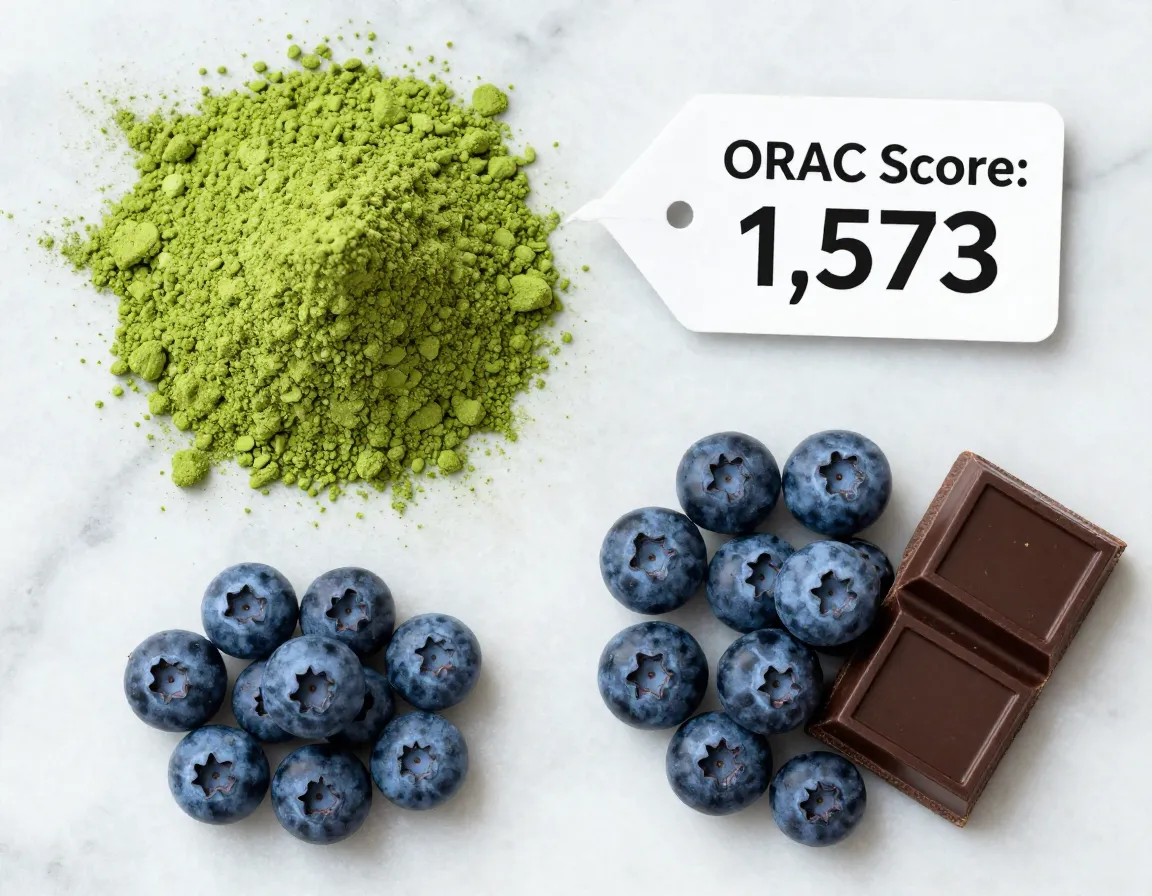
Matcha’s Oxygen Radical Absorbance Capacity (ORAC) score is among the highest of all foods:
- Matcha: 1,573 units per gram
- Blueberries: 62 units per gram
- Dark chocolate: 227 units per gram
- Spinach: 26 units per gram
This means that just one teaspoon of matcha provides more antioxidant protection than several servings of other “superfoods.”
Anti-Aging Benefits
The high antioxidant content translates to real anti-aging benefits:
- Skin health: Reduced wrinkles and improved elasticity
- Cellular protection: Slower telomere shortening
- Brain health: Protection against neurodegenerative diseases
- Energy levels: Reduced cellular fatigue and damage
8. Improved Sleep Quality and Recovery

While matcha contains caffeine, its unique L-theanine content actually promotes better sleep quality when consumed earlier in the day. The same 12-month clinical trial that demonstrated cognitive improvements also reported significantly improved sleep quality scores in the matcha group [3].
The Sleep-Wake Balance
This might seem counterintuitive, but matcha’s effect on sleep works through several mechanisms:
🌙 Stress Reduction
- Lower cortisol levels promote better sleep onset
- Reduced anxiety leads to more restful sleep
- Improved stress resilience supports sleep consistency
⚖️ Circadian Rhythm Support
- L-theanine helps regulate sleep-wake cycles
- Antioxidants support healthy melatonin production
- Consistent energy levels prevent afternoon crashes
🔄 Recovery Enhancement
- Better sleep quality improves physical recovery
- Enhanced growth hormone production during sleep
- Improved immune function through quality rest
Optimal Timing for Sleep Benefits
To maximize sleep benefits while avoiding caffeine interference:
- Morning consumption: 7-9 AM for all-day benefits
- Early afternoon: Before 2 PM to avoid sleep disruption
- Avoid evening: Caffeine can interfere with sleep onset
Participants in the sleep study consumed their matcha in the morning and still experienced improved sleep quality, suggesting that the overall health benefits contribute to better rest patterns.
How to Maximize These 8 Surprising Benefits of Drinking Matcha Tea
To experience the full range of 8 surprising benefits of drinking matcha tea (backed by science), proper preparation and consumption are essential. Here’s how to optimize your matcha routine:
Quality Matters 🌟
Choose ceremonial-grade matcha for maximum benefits:
- Vibrant green color (indicates high chlorophyll)
- Fine, smooth texture
- Sweet, umami flavor (not bitter)
- Organic certification when possible
Optimal Dosage
Based on the research, 2 grams daily (about 1 teaspoon) appears to be the sweet spot for health benefits. This amount provides:
- Therapeutic levels of L-theanine (25-30mg)
- Beneficial catechins (130-140mg)
- Moderate caffeine content (70mg)
Preparation Tips
Traditional Whisking Method:
- Sift 1 teaspoon of matcha into a bowl
- Add 2 ounces of hot water (160-175°F)
- Whisk in “M” or “W” patterns until frothy
- Add more water to desired strength
Modern Alternatives:
- Matcha lattes with plant-based milk
- Smoothies with fruits and vegetables
- Matcha ice cream or desserts (in moderation)
Timing for Maximum Benefits
- Morning: For cognitive enhancement and energy
- Pre-workout: For improved performance and fat burning
- Afternoon: For sustained focus without evening sleep disruption
Potential Considerations and Side Effects
While the 8 surprising benefits of drinking matcha tea (backed by science) are impressive, it’s important to be aware of potential considerations:
Caffeine Sensitivity
- Start with smaller amounts if you’re caffeine-sensitive
- Monitor your response and adjust accordingly
- Consider timing to avoid sleep disruption
Quality Concerns
- Choose reputable sources to avoid contamination
- Organic matcha reduces pesticide exposure
- Proper storage maintains potency and freshness
Interactions
- Consult healthcare providers if taking medications
- Iron absorption may be affected (consume away from iron-rich meals)
- Blood thinning medications may interact with high doses
Cost Considerations
High-quality matcha can be expensive, but the health benefits and versatility make it a worthwhile investment in your wellness routine [6].
Conclusion
The 8 surprising benefits of drinking matcha tea (backed by science) represent just the beginning of what we’re learning about this remarkable superfood. From enhancing cognitive function and reducing stress to supporting cardiovascular health and improving sleep quality, matcha offers a comprehensive approach to wellness that few other foods can match.
What makes these benefits particularly compelling is the robust scientific evidence supporting them. These aren’t just marketing claims – they’re findings from randomized clinical trials, large observational studies, and controlled research that demonstrate real, measurable health improvements.
Your Next Steps
Ready to experience these benefits for yourself? Here’s how to get started:
- Start Small: Begin with ½ teaspoon daily and gradually increase to 1 teaspoon
- Choose Quality: Invest in ceremonial-grade, organic matcha from reputable sources
- Be Consistent: Daily consumption appears to provide the most significant benefits
- Monitor Progress: Track how you feel in terms of energy, focus, stress levels, and sleep quality
- Consult Professionals: Speak with your healthcare provider, especially if you have existing health conditions
The research is clear: incorporating high-quality matcha into your daily routine can provide profound health benefits that extend far beyond what most people expect from a simple cup of tea. In 2026, as we continue to seek evidence-based approaches to health and wellness, matcha stands out as one of the most scientifically validated superfoods available.
Whether you’re looking to enhance your cognitive performance, manage stress more effectively, support your cardiovascular health, or simply feel more energized throughout the day, the 8 surprising benefits of drinking matcha tea (backed by science) offer a natural, delicious, and effective path to better health.
References
[1] Pmc9792400 – https://pmc.ncbi.nlm.nih.gov/articles/PMC9792400/
[2] Ucla Health Dietitian Discusses Matcha Amid Global Shortage – https://www.uclahealth.org/news/article/ucla-health-dietitian-discusses-matcha-amid-global-shortage
[3] Matcha Benefits – https://ujimatchatea.com/blogs/news/matcha-benefits
[4] Benefits Of Matcha – https://www.prevention.com/food-nutrition/healthy-eating/a70097316/benefits-of-matcha/
[5] Detail – https://www.ctcd.edu/sites/myctcd/detail/?p=japanese-weight-loss-tea-in-2026-what-really-changes-when-you-swap-your-evening-snack-for-a-hot-cup-69836cef99620
[6] Ways Make Healthy Matcha – https://health.clevelandclinic.org/ways-make-healthy-matcha