8 Spiced Chai Tea Recipes from Around the World: A Global Journey Through Aromatic Traditions
Imagine the warm embrace of cardamom and cinnamon dancing on your palate as steam rises from a perfectly crafted cup of chai. This isn’t just a beverage—it’s a passport to cultures across the globe, each with their own unique interpretation of this beloved spiced tea. In 2026, as the global chai tea market continues its impressive growth trajectory, tea enthusiasts are discovering that these 8 spiced chai tea recipes from around the world offer far more than just a caffeine fix; they provide a window into centuries-old traditions and modern innovations that have shaped how we experience this aromatic elixir.
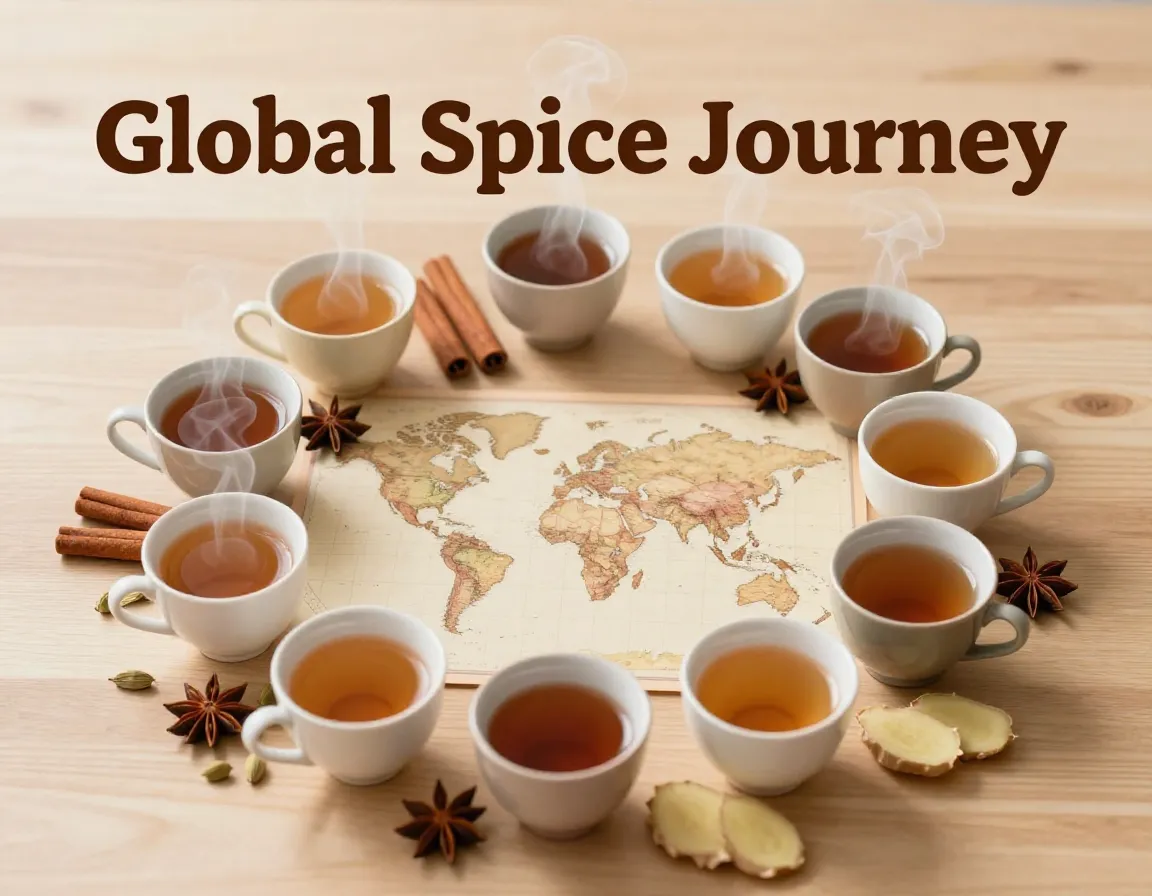
The chai tea market has experienced remarkable expansion, with industry analysts projecting continued growth driven by increasing consumer interest in authentic, culturally-rich beverages [1]. As flavor trends evolve in 2026, spiced and aromatic profiles are leading the charge, making this the perfect time to explore the diverse world of international chai recipes [5].
Key Takeaways
- Global chai traditions vary dramatically in spice combinations, preparation methods, and cultural significance, offering unique flavor profiles from sweet and creamy to bold and warming
- Modern chai innovations blend traditional recipes with contemporary ingredients like matcha, chocolate, and plant-based milks to create fusion beverages
- Health benefits of chai extend beyond taste, with spices like ginger, cardamom, and cinnamon providing anti-inflammatory and digestive properties
- Market growth in the chai segment reflects increasing consumer demand for authentic, artisanal tea experiences over mass-produced alternatives
- Preparation techniques range from traditional stovetop simmering to modern cold-brewing methods, each affecting the final flavor intensity and character
Traditional Chai Recipes: Honoring Ancient Traditions
The foundation of our exploration into 8 spiced chai tea recipes from around the world begins with time-honored traditions that have been passed down through generations. These classic preparations showcase the authentic flavors and techniques that have made chai a global phenomenon.
1. Indian Masala Chai: The Original Spice Symphony 🇮🇳
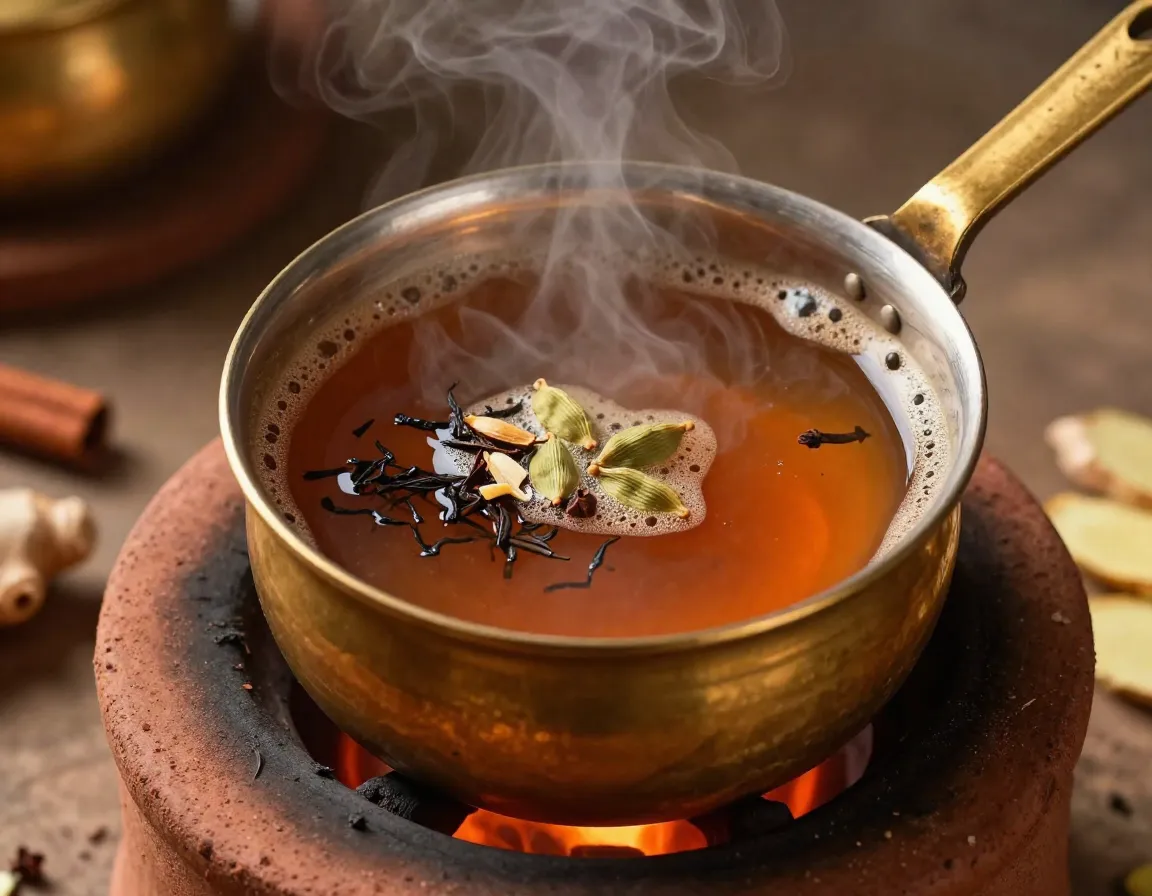
Ingredients:
- 2 cups whole milk
- 1 cup water
- 2 tablespoons loose black tea (Assam preferred)
- 4-5 green cardamom pods, crushed
- 1 cinnamon stick
- 4-5 whole cloves
- 1-inch piece fresh ginger, sliced
- 2-3 tablespoons sugar (adjust to taste)
Preparation Method:
- Simmer the spices in water for 5 minutes to release essential oils
- Add tea leaves and boil for 2-3 minutes until the liquid turns deep amber
- Pour in milk gradually while stirring continuously
- Bring to a rolling boil and let it foam up 2-3 times
- Strain and sweeten to taste before serving immediately
This authentic recipe represents the heart of chai culture, where the balance of spices creates a warming, aromatic experience that has captivated taste buds for centuries. The key lies in the timing—allowing each ingredient to infuse properly while achieving the perfect milk-to-tea ratio.
2. Moroccan Mint Chai: North African Elegance 🇲🇦
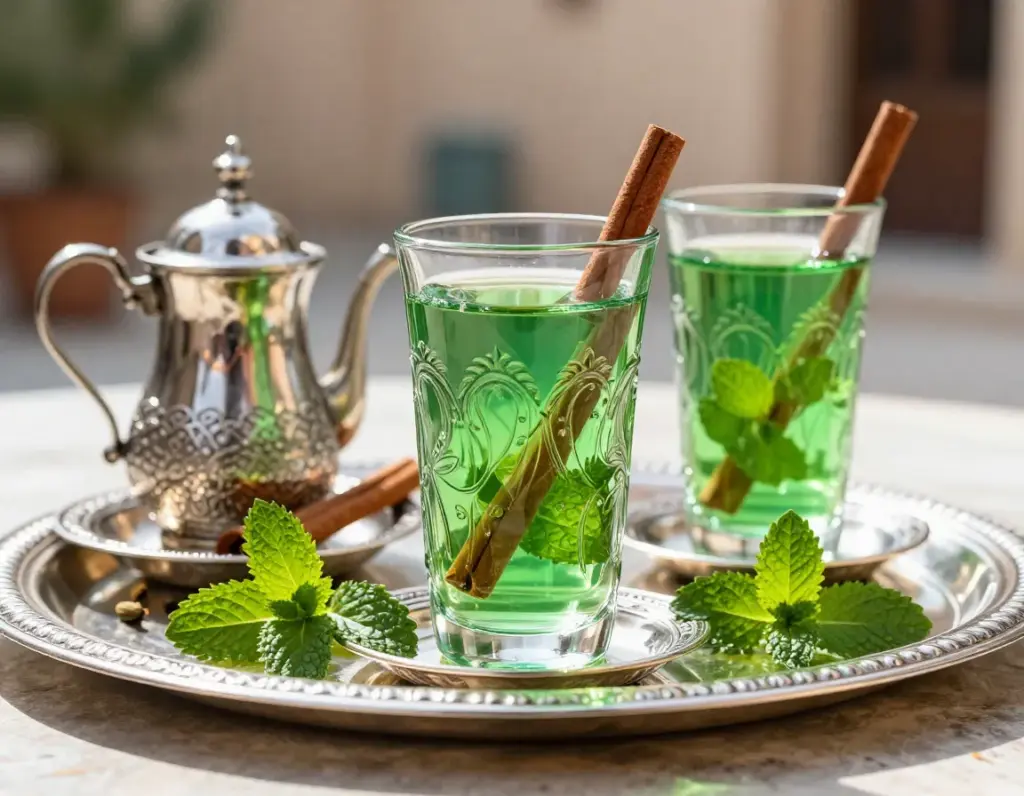
Ingredients:
- 3 cups water
- 3 tablespoons green tea
- 1 cup fresh mint leaves
- 1 cinnamon stick
- 3-4 cardamom pods
- 2 tablespoons honey or sugar
- 1 teaspoon orange blossom water (optional)
Preparation Method:
- Boil water with cinnamon and cardamom for 3 minutes
- Remove from heat and add green tea, steeping for 4 minutes
- Add mint leaves and honey, allowing flavors to meld
- Strain and serve in traditional glasses with additional mint garnish
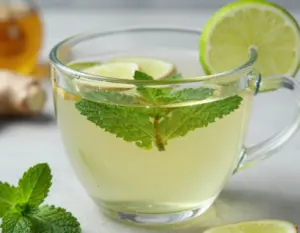
The Moroccan interpretation brings a refreshing twist to the chai family, combining the cooling properties of mint with warming spices. This recipe reflects the North African tradition of hospitality through tea service.
3. Thai Iced Chai: Tropical Spice Adventure 🇹🇭
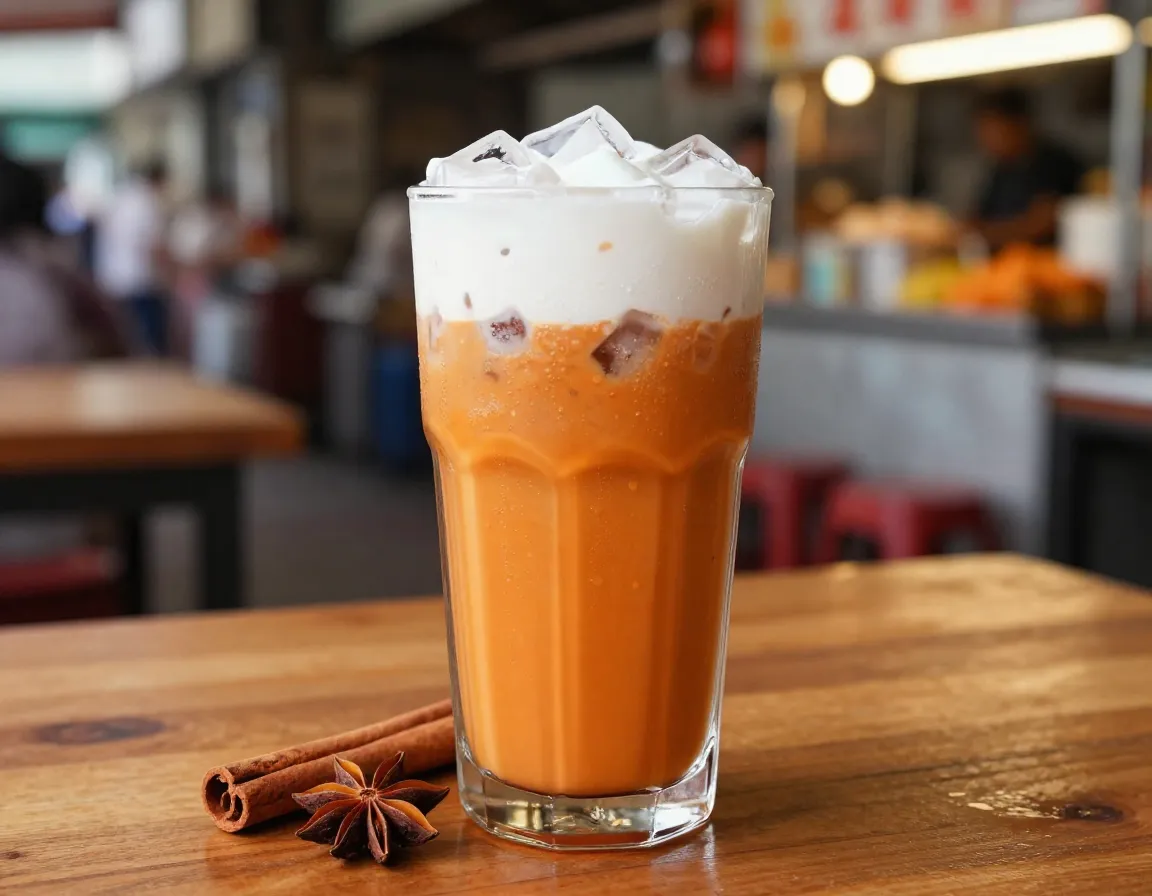
Ingredients:
- 4 cups water
- 4 tablespoons Thai tea mix (or black tea with food coloring)
- 6 cardamom pods
- 2 star anise
- 1 cinnamon stick
- 4 tablespoons condensed milk
- 2 tablespoons sugar
- Ice cubes
- Evaporated milk for topping
Preparation Method:
- Brew strong tea with spices for 5-7 minutes
- Strain and sweeten with condensed milk and sugar while hot
- Cool completely before serving over ice
- Top with evaporated milk for the signature layered effect
This vibrant orange-hued chai offers a cooling respite from tropical heat while maintaining the complex spice profile that makes chai universally appealing.
4. Turkish Spiced Tea: Ottoman Empire Legacy 🇹🇷
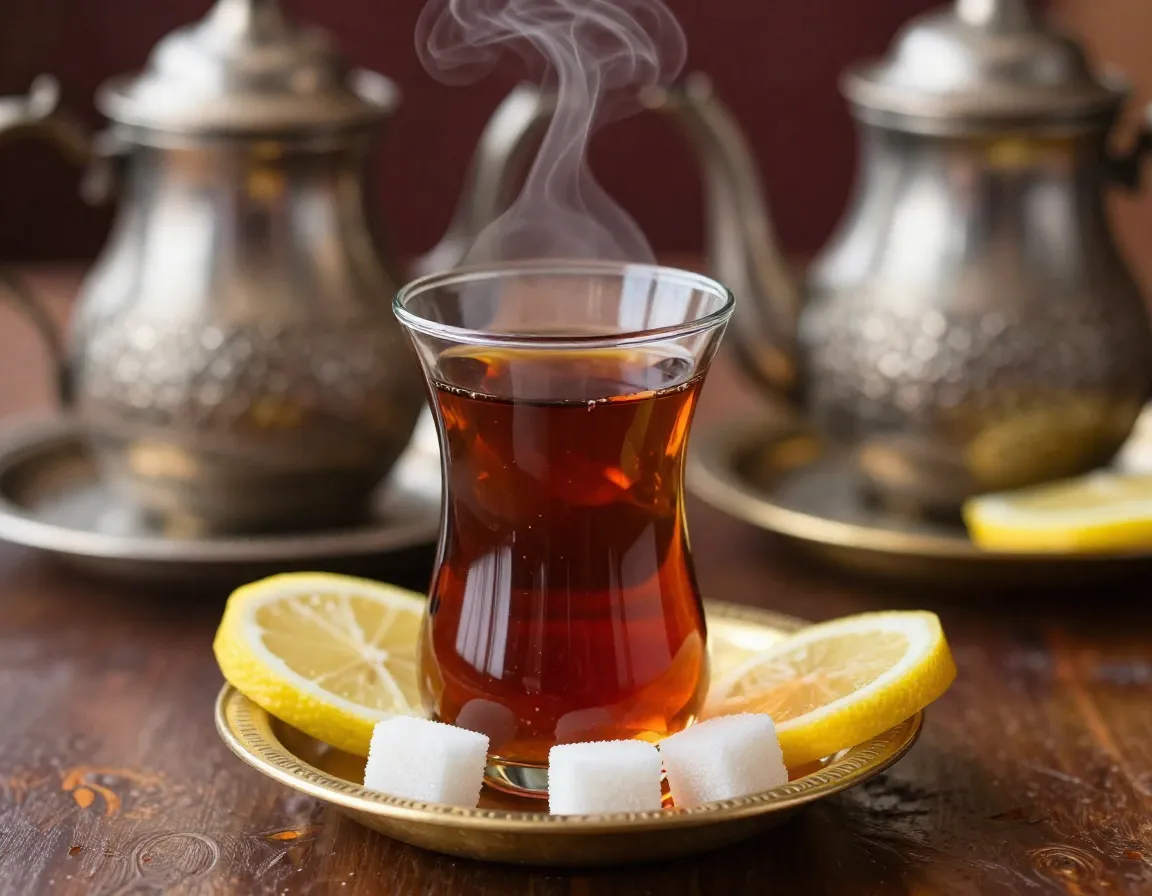
Ingredients:
- 2 cups water
- 2 tablespoons black tea (Turkish preferred)
- 3 cardamom pods
- 1 small cinnamon stick
- 2 whole cloves
- 1 teaspoon sugar (optional)
- Lemon slice for serving
Preparation Method:
- Use a double teapot (çaydanlık) if available, or improvise with two pots
- Boil spices in the bottom pot while brewing strong tea in the top
- Combine spiced water with tea to desired strength
- Serve in small tulip glasses with sugar cubes on the side
The Turkish approach emphasizes the social aspect of tea drinking, where the strength and sweetness can be customized for each guest’s preference.
Modern Fusion Chai Creations: Innovation Meets Tradition
As we continue our journey through 8 spiced chai tea recipes from around the world, we enter the realm of contemporary innovations that honor traditional foundations while embracing modern tastes and dietary preferences. The vanilla chai tea market has shown particular growth, reflecting consumer interest in these evolved recipes [2].
5. Japanese Matcha Chai Fusion: East Meets Spice 🇯🇵
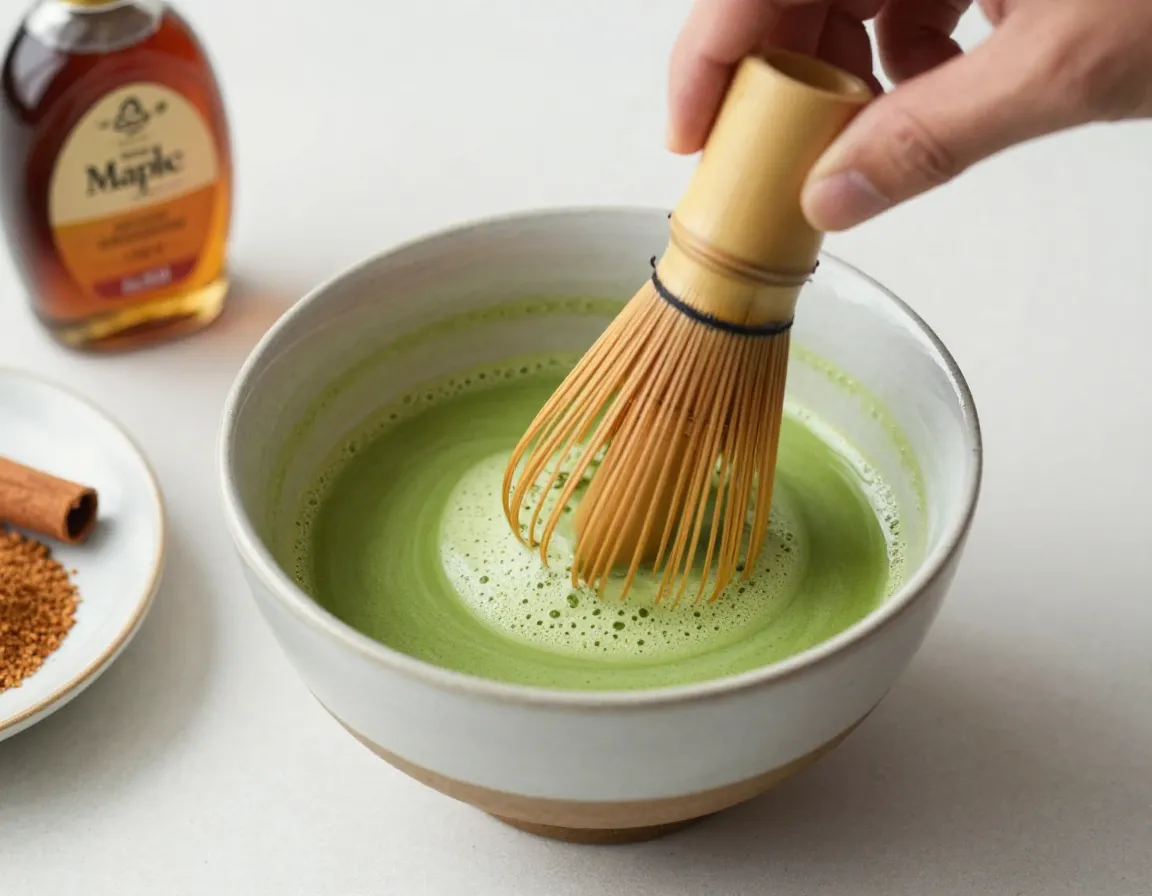
Ingredients:
- 1 tablespoon ceremonial grade matcha powder
- 1 cup oat milk (heated to 160°F)
- 1/2 teaspoon ground cinnamon
- 1/4 teaspoon ground ginger
- Pinch of cardamom
- 1 tablespoon maple syrup
- 1/4 teaspoon vanilla extract
Preparation Method:
- Whisk matcha with a small amount of hot water until smooth
- Heat oat milk with spices, whisking continuously
- Combine matcha mixture with spiced milk
- Sweeten and flavor with maple syrup and vanilla
- Froth if desired and serve immediately
This fusion creation represents the intersection of Japanese tea ceremony precision with Indian spice mastery, creating a unique beverage that appeals to health-conscious consumers seeking both tradition and innovation.
6. Mexican Chocolate Chai: Aztec-Inspired Warmth 🇲🇽
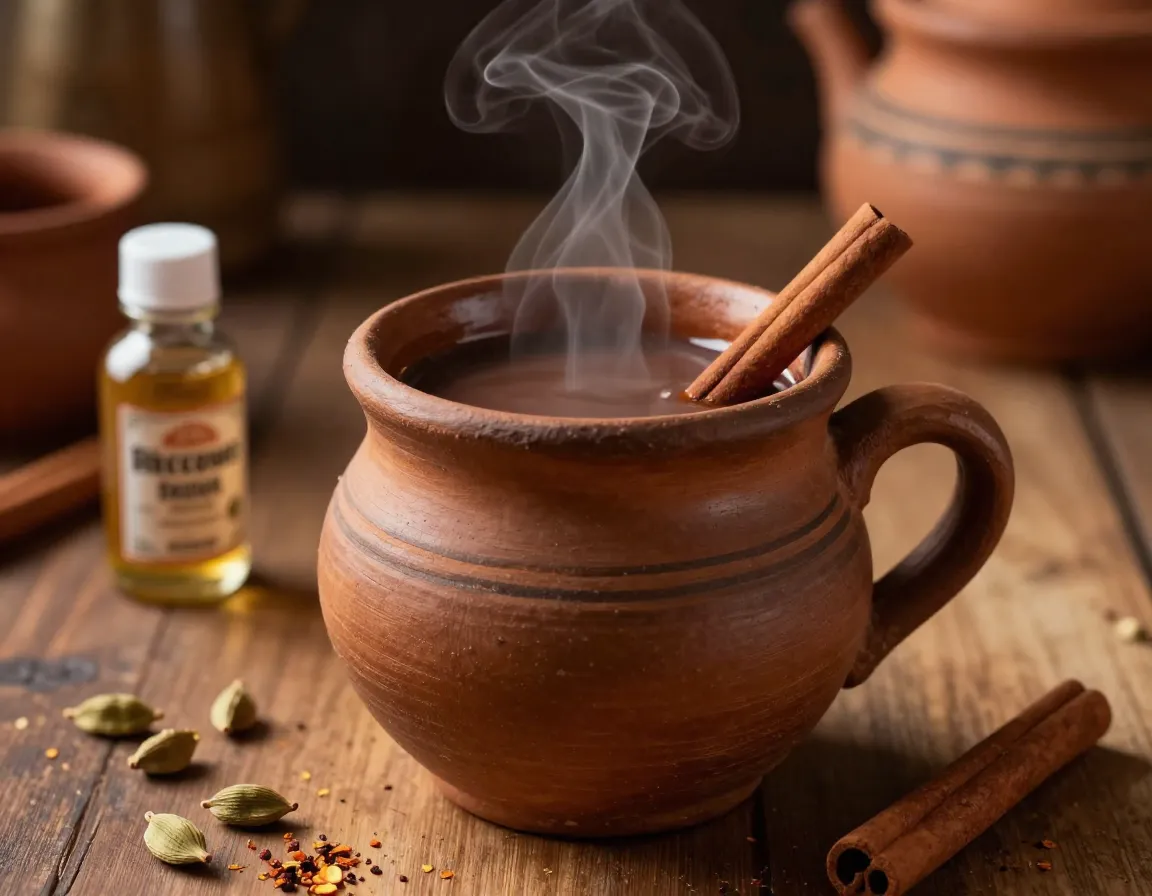
Ingredients:
- 2 cups almond milk
- 2 tablespoons cacao powder
- 1 tablespoon black tea
- 1 cinnamon stick
- 1/4 teaspoon cayenne pepper
- 3 cardamom pods
- 2 tablespoons agave nectar
- 1/2 teaspoon vanilla extract
Preparation Method:
- Simmer spices in 1/2 cup water for 5 minutes
- Add tea and steep for 3 minutes, then strain
- Heat almond milk with cacao powder, whisking until smooth
- Combine tea mixture with chocolate milk
- Sweeten and add vanilla, adjusting heat level with cayenne
This recipe draws inspiration from ancient Aztec chocolate traditions, incorporating the heat and complexity that characterizes Mexican cuisine while maintaining the comforting essence of chai.
7. Scandinavian Cardamom Chai: Nordic Simplicity 🇸🇪

Ingredients:
- 2 cups whole milk
- 1 cup strong coffee (cold brew preferred)
- 8-10 cardamom pods, crushed
- 1 tablespoon brown sugar
- 1/2 teaspoon ground cinnamon
- Pinch of sea salt
Preparation Method:
- Infuse milk with cardamom pods over low heat for 10 minutes
- Strain and reheat the cardamom-infused milk
- Combine with cold brew coffee and spices
- Sweeten with brown sugar and add a pinch of salt
- Serve in traditional ceramic mugs for the authentic Nordic experience
The Scandinavian interpretation reflects the region’s love for cardamom and coffee culture, creating a chai that embodies the concept of “hygge” through its warming, comforting properties.
8. American Vanilla Chai Latte: Coffeehouse Classic 🇺🇸
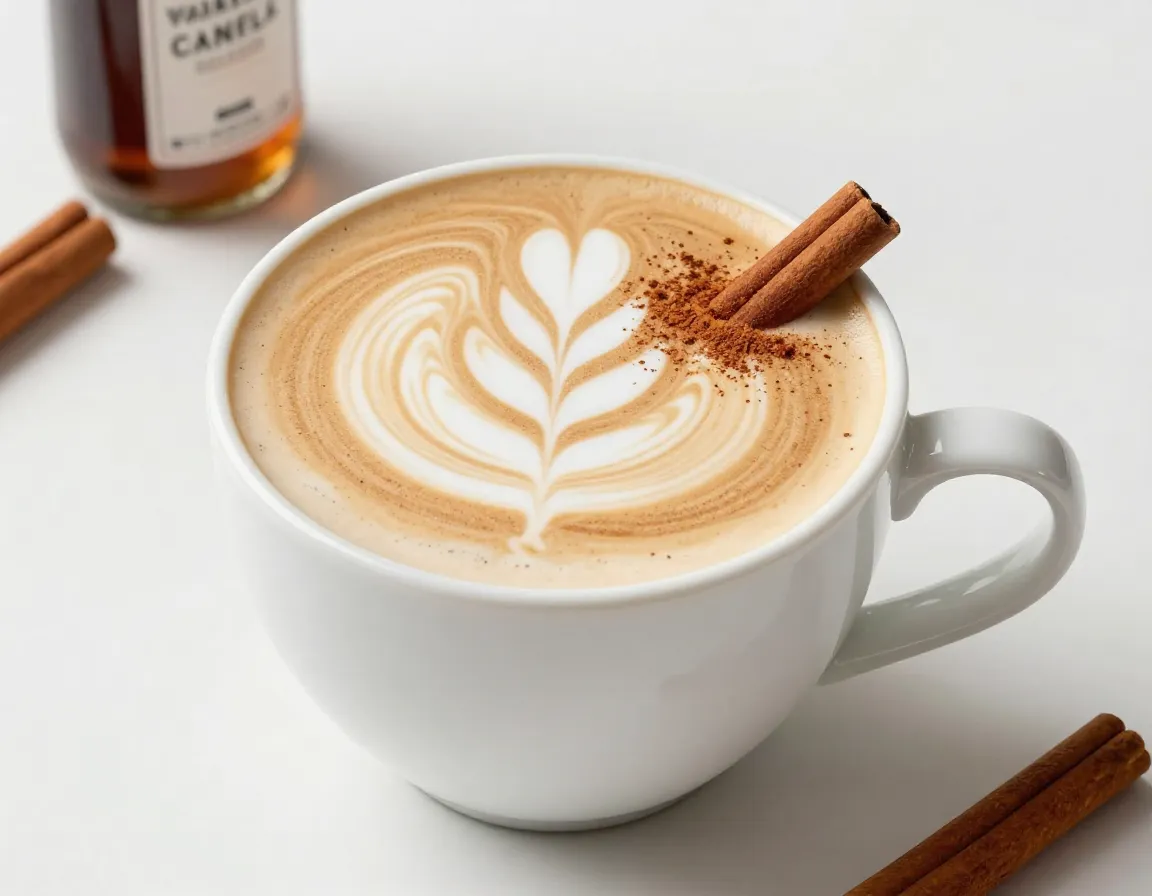
Ingredients:
- 1 cup strong black tea (Earl Grey works well)
- 1 cup steamed milk of choice
- 1 tablespoon vanilla syrup
- 1/2 teaspoon ground cinnamon
- 1/4 teaspoon ground ginger
- 1/8 teaspoon ground nutmeg
- Whipped cream (optional)
- Cinnamon stick for garnish
Preparation Method:
- Brew strong tea with traditional chai spices for 5 minutes
- Steam milk to create microfoam texture
- Combine tea with vanilla syrup in a large mug
- Pour steamed milk using latte art technique if desired
- Top with whipped cream and dust with cinnamon
This Americanized version represents the coffeehouse culture’s interpretation of traditional chai, emphasizing convenience and customization while maintaining the essential spice profile that defines the beverage.
The Science Behind Spice Combinations
Understanding why these 8 spiced chai tea recipes from around the world work so well requires exploring the science behind spice synergy. Each ingredient contributes not only flavor but also functional benefits that have made chai a wellness beverage for centuries.
Key Spice Profiles and Their Effects:
| Spice | Flavor Profile | Health Benefits | Best Pairings |
|---|---|---|---|
| Cardamom | Sweet, floral, slightly citrusy | Digestive aid, breath freshener | Cinnamon, ginger |
| Cinnamon | Sweet, warm, woody | Blood sugar regulation | Cardamom, cloves |
| Ginger | Spicy, pungent, warming | Anti-inflammatory, nausea relief | Black pepper, cardamom |
| Cloves | Intense, sweet, numbing | Antimicrobial, pain relief | Cinnamon, star anise |
| Black Pepper | Sharp, pungent, hot | Enhances nutrient absorption | Ginger, cardamom |
The synergistic effect of these spices creates what food scientists call “flavor layering,” where individual components enhance and complement each other to create a more complex and satisfying taste experience than any single spice could provide alone.
Regional Variations and Cultural Significance
The diversity found in 8 spiced chai tea recipes from around the world reflects deeper cultural values and historical trade routes that shaped regional preferences. Tea trends in 2026 show increasing appreciation for these authentic, culturally-rooted beverages [3].
Cultural Preparation Rituals:
- Indian Chai Wallahs: Street vendors who have perfected the art of chai preparation, often adding their own secret spice blends
- Moroccan Tea Ceremony: The ritualistic pouring from height to create foam and proper aeration
- Turkish Tea Houses: Social gathering spaces where tea strength and sweetness preferences are carefully noted for regular customers
- Modern Café Culture: Emphasis on customization and dietary accommodations while maintaining flavor integrity
Health Benefits and Nutritional Considerations
Modern research has validated many traditional beliefs about the health benefits of spiced chai. The global tea market’s growth is partly driven by increasing consumer awareness of these wellness properties [7].
Primary Health Benefits:
- Antioxidant Properties: Black tea provides polyphenols and catechins
- Digestive Support: Ginger and cardamom aid in digestion
- Anti-inflammatory Effects: Cinnamon and cloves contain compounds that reduce inflammation
- Metabolic Support: Certain spices may help regulate blood sugar and metabolism
- Stress Reduction: The ritual of preparing and drinking chai can have meditative qualities
Brewing Tips for Perfect Chai
Mastering these 8 spiced chai tea recipes from around the world requires understanding fundamental brewing principles that apply across all variations:
Essential Techniques:
- Temperature Control: Different spices release oils at different temperatures
- Timing: Spices need longer extraction time than tea leaves
- Ratios: Balance between tea strength, spice intensity, and milk richness
- Straining: Proper filtration prevents over-extraction and bitterness
- Serving Temperature: Optimal drinking temperature enhances flavor perception
Common Mistakes to Avoid:
- Over-boiling milk, which can cause curdling
- Adding delicate spices too early in the process
- Using pre-ground spices that have lost their potency
- Insufficient steeping time for proper flavor extraction
- Incorrect tea-to-liquid ratios
Seasonal Adaptations and Serving Suggestions
The versatility of 8 spiced chai tea recipes from around the world allows for seasonal modifications that keep this beverage relevant year-round:
Summer Variations:
- Cold-brew chai concentrates served over ice
- Lighter spice profiles with more mint and citrus
- Plant-based milk alternatives for easier digestion
- Frozen chai beverages and popsicles
Winter Adaptations:
- Richer, creamier preparations with full-fat dairy
- Intensified warming spices like ginger and black pepper
- Addition of seasonal ingredients like nutmeg and allspice
- Serving in thermal mugs to maintain temperature
Pairing Chai with Food
Each of these 8 spiced chai tea recipes from around the world pairs beautifully with specific foods that complement their unique flavor profiles:
Traditional Pairings:
- Indian Masala Chai: Samosas, pakoras, and sweet biscuits
- Moroccan Mint Chai: Dates, almonds, and honey pastries
- Thai Iced Chai: Coconut cookies and tropical fruit
- Turkish Spiced Tea: Turkish delight and baklava
Modern Fusion Pairings:
- Matcha Chai: Matcha-flavored desserts and light pastries
- Mexican Chocolate Chai: Churros and cinnamon-sugar treats
- Scandinavian Cardamom Chai: Cardamom buns and butter cookies
- Vanilla Chai Latte: American breakfast items and coffee shop pastries
Conclusion
These 8 spiced chai tea recipes from around the world represent more than just beverage options—they’re cultural ambassadors that bring the warmth, tradition, and innovation of their respective regions directly to your cup. From the robust complexity of traditional Indian masala chai to the innovative fusion of Japanese matcha chai, each recipe offers a unique journey through flavor, history, and craftsmanship.
As the chai tea market continues its robust growth trajectory in 2026, driven by consumer demand for authentic and health-conscious beverages, these recipes provide the perfect foundation for both personal enjoyment and cultural exploration [4]. The beauty of chai lies not just in its warming spices or comforting ritual, but in its ability to adapt and evolve while maintaining its essential character.
Your Next Steps:
- Start with one traditional recipe to understand the fundamental flavor profile
- Experiment with spice ratios to find your personal preference
- Try seasonal variations to keep your chai experience fresh and exciting
- Share your creations with friends and family to spread the joy of authentic chai
- Document your modifications to develop your own signature blend
Whether you’re seeking the meditative ritual of traditional preparation or the convenience of modern adaptations, these recipes provide a comprehensive guide to experiencing the rich, aromatic world of international chai traditions. The journey of a thousand flavors truly begins with a single, perfectly spiced cup.
References
[1] Chai Tea 168963 – https://www.archivemarketresearch.com/reports/chai-tea-168963
[2] Vanilla Chai Tea 1243637 – https://www.datainsightsmarket.com/reports/vanilla-chai-tea-1243637
[3] New Tea Trends – https://www.alveus.eu/blog/new-tea-trends/
[4] Chai Tea Market 11676 – https://www.globalmarketstatistics.com/market-reports/chai-tea-market-11676
[5] Top Flavor Trends In North America For 2026 – https://www.iff.com/media/stories/top-flavor-trends-in-north-america-for-2026/
[6] chaiteamixmarket2.docs.apiary – https://chaiteamixmarket2.docs.apiary.io
[7] Tea Global Market Report – https://www.thebusinessresearchcompany.com/report/tea-global-market-report