
8 Soothing Benefits of Chamomile and Lavender Tea for Sleep & Stress
Picture this: It’s 10 PM, your mind is racing from the day’s events, and sleep feels like a distant dream. You’ve tried counting sheep, meditation apps, and even warm milk, but nothing seems to quiet your restless thoughts. What if I told you that the solution might be sitting in your kitchen cabinet right now? The 8 soothing benefits of chamomile and lavender tea for sleep & stress have been nature’s gentle remedy for centuries, offering a natural pathway to peaceful nights and calmer days.
In our fast-paced world of 2026, stress and sleep disorders have become epidemic. Yet, these two humble herbs continue to provide relief where modern solutions often fall short. Whether you’re dealing with chronic insomnia, daily anxiety, or simply seeking a natural way to unwind, understanding how chamomile and lavender work together can transform your evening routine and overall well-being.
Key Takeaways
- Chamomile contains apigenin, a powerful flavonoid that binds to brain receptors to naturally reduce anxiety and promote drowsiness
- Lavender directly impacts your nervous system by lowering cortisol levels and creating a physiological state of relaxation
- Combined use amplifies benefits – drinking chamomile tea while enjoying lavender aromatherapy provides both internal and external calming effects
- Scientific backing exists for both herbs, with studies showing measurable improvements in sleep quality and stress reduction
- FDA recognition confirms both herbs are “generally recognized as safe” for regular consumption
Understanding the Science Behind These Powerful Herbs
Before diving into the specific benefits, it’s crucial to understand how these remarkable plants work their magic. Chamomile (Matricaria chamomilla) has been used medicinally for over 5,000 years, while lavender (Lavandula angustifolia) has equally ancient roots in promoting relaxation and healing.
The secret lies in their unique chemical compounds. Chamomile contains apigenin, a flavonoid that binds to benzodiazepine receptors in the brain to reduce anxiety and increase drowsiness [2][5]. Meanwhile, lavender’s essential oils work directly on the nervous system, decreasing cortisol levels while creating a profound sense of calm [1][7].
What makes this combination particularly powerful is how they complement each other. While chamomile works internally through your digestive system and bloodstream, lavender can provide immediate aromatherapy benefits even before you take your first sip.
The 8 Soothing Benefits of Chamomile and Lavender Tea for Sleep & Stress
1. Natural Sleep Induction Without Side Effects 😴
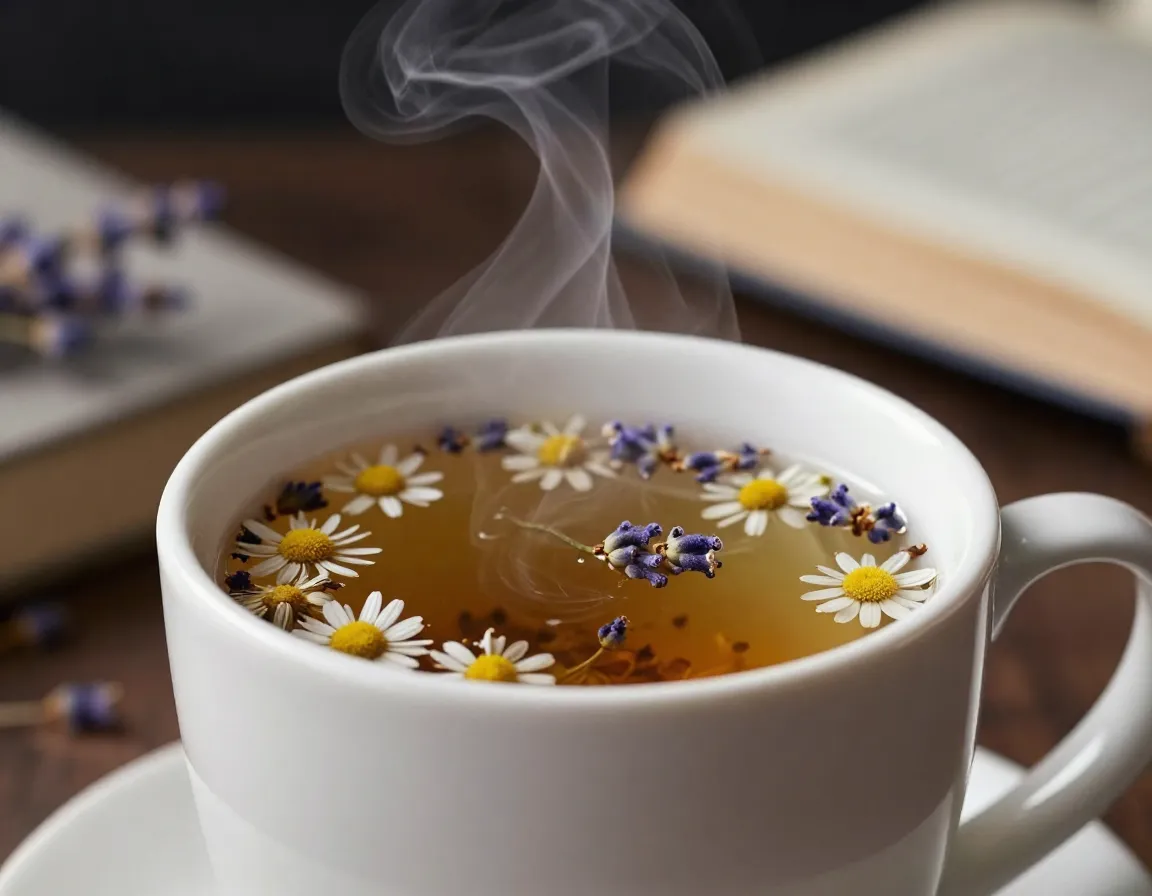
Unlike prescription sleep medications that can leave you groggy or dependent, chamomile and lavender tea offers a gentle pathway to sleep. The apigenin in chamomile acts as a mild sedative by binding to specific receptors in your brain that regulate sleep-wake cycles [2][5].
How it works:
- Apigenin mimics the calming effects of GABA neurotransmitters
- Reduces the time it takes to fall asleep
- Promotes deeper, more restorative sleep phases
- No morning grogginess or dependency risks
I’ve personally found that drinking a cup of chamomile-lavender tea about 30 minutes before bedtime creates a natural wind-down ritual that signals my body it’s time to rest.
2. Significant Anxiety and Stress Reduction 🧘♀️

The stress-busting power of this herbal combination is remarkable. Chamomile extract controls brain signal chemicals, including dopamine and serotonin, making it particularly effective for generalized anxiety disorder treatment [1]. Meanwhile, lavender intake directly impacts the nervous system by decreasing cortisol levels [1][7].
Measurable benefits include:
- Reduced cortisol (stress hormone) levels
- Improved mood regulation through neurotransmitter balance
- Lower heart rate and blood pressure
- Enhanced sense of calm and well-being
3. Improved Sleep Quality for New Mothers 👶

A groundbreaking 2016 study revealed that women who drank chamomile tea during a two-week period after giving birth experienced decreased symptoms of physical fatigue and depression [2][5]. This is particularly significant given the sleep challenges new mothers face.
Postpartum benefits:
- Reduced physical fatigue
- Improved mood and decreased depression symptoms
- Better sleep quality despite frequent wake-ups
- Safe for breastfeeding mothers (when consumed in moderate amounts)
4. Enhanced Cardiovascular Health During Rest ❤️

The calming effects of lavender extend beyond mental relaxation to physical health benefits. Lavender aromatherapy helps improve sleep quality by lowering heart rate and blood pressure, generating a restful environment for sleeping [1].
Cardiovascular improvements:
- Reduced resting heart rate
- Lower blood pressure readings
- Improved circulation during sleep
- Decreased strain on the cardiovascular system
5. Synergistic Effects When Combined 🌿
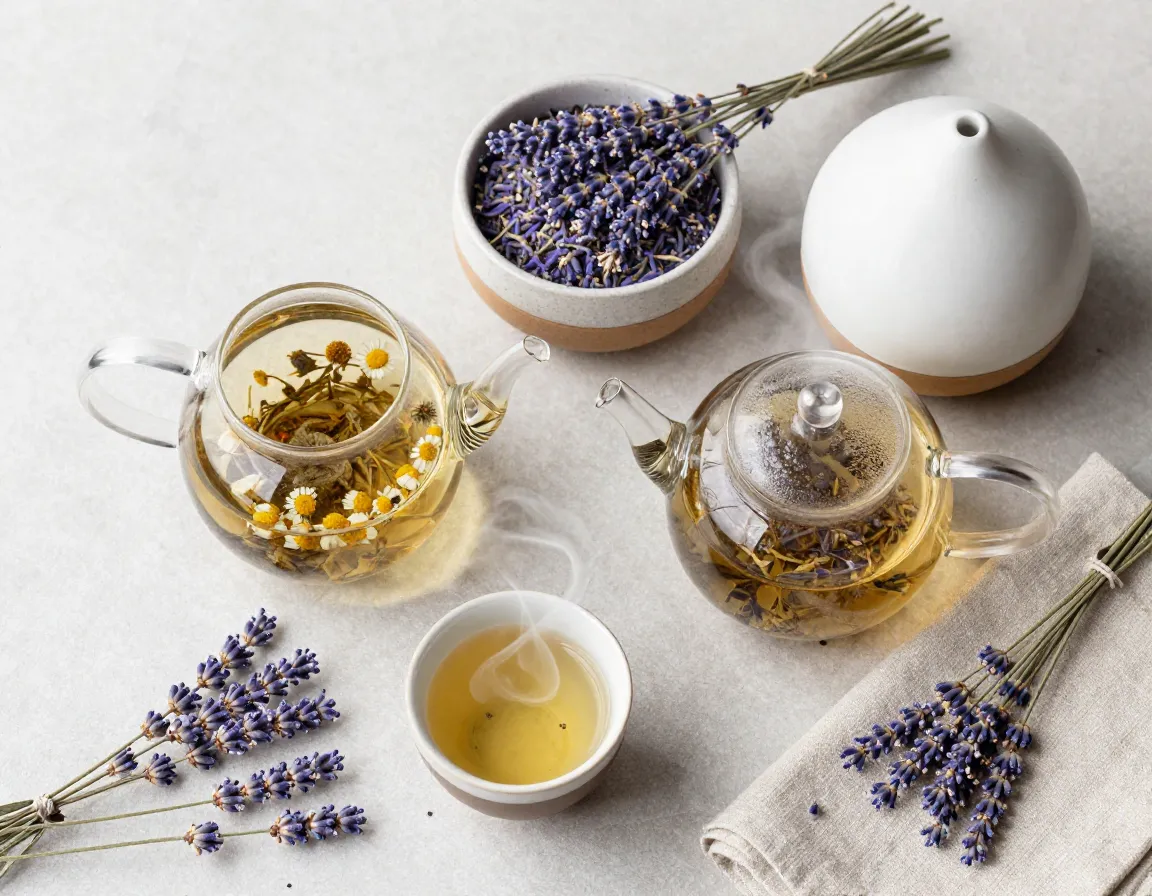
One of the most compelling aspects of these herbs is how they work together. Both herbs can be used simultaneously—combining chamomile tea with lavender aromatherapy or as an additional ingredient in tea can enhance relaxation by providing both internal and external calming effects [1].
Combined benefits:
- Internal calming through chamomile consumption
- External aromatherapy benefits from lavender
- Amplified stress reduction
- More comprehensive relaxation response
6. FDA-Approved Safety Profile ✅

Safety is paramount when choosing natural remedies. The U.S. Food and Drug Administration (FDA) labels lavender “generally recognized as safe” [2], and chamomile has an equally impressive safety record when used appropriately.
Safety highlights:
- GRAS (Generally Recognized as Safe) status
- Minimal side effects for most people
- Non-habit forming
- Safe for long-term use in moderate amounts
7. Immediate and Long-term Benefits ⏰

While some natural remedies take weeks to show effects, chamomile and lavender tea can provide both immediate and cumulative benefits. You may notice relaxation within 30 minutes of consumption, while regular use builds longer-term stress resilience.
Timeline of benefits:
- Immediate (30-60 minutes): Reduced anxiety, drowsiness onset
- Short-term (1-2 weeks): Improved sleep patterns, better mood
- Long-term (1+ months): Enhanced stress resilience, better overall sleep quality
8. Versatile Preparation and Consumption Methods ☕
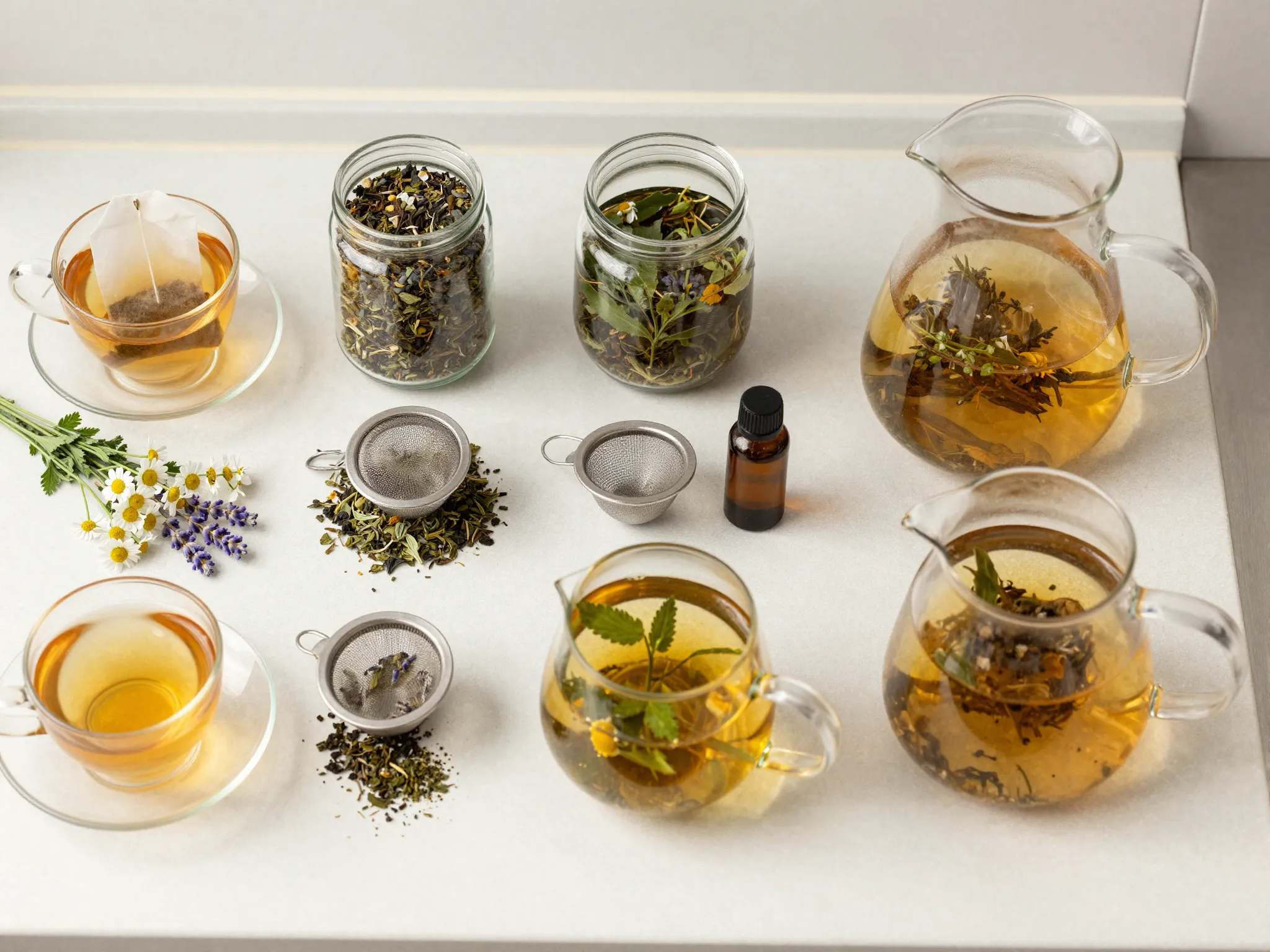
The beauty of these herbs lies in their versatility. Whether you prefer traditional tea bags, loose leaf preparations, or even adding fresh herbs to your evening routine, there are multiple ways to enjoy their benefits.
Preparation options:
- Traditional tea bags: Convenient and consistent dosing
- Loose leaf blends: Customizable strength and ratios
- Fresh herb infusions: Maximum potency and aroma
- Cold brew preparations: Refreshing summer alternatives
- Aromatherapy combinations: Drinking tea while enjoying lavender essential oils
Maximizing the 8 Soothing Benefits of Chamomile and Lavender Tea for Sleep & Stress
To get the most from your herbal tea routine, timing and preparation matter significantly. Here’s how to optimize your experience:
Optimal Timing ⏰
- 30-60 minutes before bedtime: Allows compounds to enter your system
- Consistent daily schedule: Helps establish healthy sleep patterns
- Post-dinner consumption: Aids in evening digestion and relaxation
Preparation Best Practices 🫖
| Method | Water Temperature | Steeping Time | Benefits |
|---|---|---|---|
| Hot Tea | 200-212°F | 5-7 minutes | Maximum compound extraction |
| Cold Brew | Room temperature | 6-12 hours | Smoother, less bitter taste |
| Fresh Herb | 200°F | 3-5 minutes | Highest potency and aroma |
Enhancing the Experience ✨
- Create a ritual: Dim lights, comfortable seating, mindful sipping
- Add natural sweeteners: Honey or stevia if desired
- Combine with aromatherapy: Light lavender candles or use essential oils
- Practice gratitude: Use tea time for reflection and stress release
Important Considerations and Limitations
While the benefits are impressive, it’s important to understand some limitations. Some evidence suggests lavender aromatherapy and lavender tea may have only short-term impact on sleep quality, with diminishing effectiveness after four weeks [5]. This doesn’t negate the benefits but suggests rotating different relaxation techniques for optimal long-term results.
Who should exercise caution:
- People with ragweed allergies (chamomile sensitivity)
- Those taking blood-thinning medications
- Pregnant women (consult healthcare provider first)
- Individuals with hormone-sensitive conditions
Making Chamomile and Lavender Tea Part of Your Wellness Routine
Incorporating these herbs into your daily routine doesn’t require major lifestyle changes. Start with one cup of chamomile-lavender tea 30 minutes before your desired bedtime. Pay attention to how your body responds and adjust timing or concentration as needed.
Many people find that creating a “tea ritual” enhances the benefits. This might involve:
- Preparing tea mindfully without distractions
- Using a special cup or mug reserved for evening tea
- Combining tea time with gentle stretching or reading
- Keeping a sleep journal to track improvements
Conclusion
The 8 soothing benefits of chamomile and lavender tea for sleep & stress represent a time-tested, scientifically-backed approach to natural wellness. From the apigenin in chamomile that gently guides your brain toward sleep to lavender’s cortisol-lowering properties, these herbs offer a comprehensive solution for modern stress and sleep challenges.
As we navigate the complexities of life in 2026, sometimes the most effective solutions are also the simplest. A warm cup of herbal tea, prepared with intention and consumed mindfully, can become a powerful tool for transformation.
Your next steps:
- Start tonight – Purchase quality chamomile and lavender tea or tea bags
- Create consistency – Establish a regular evening tea ritual
- Track progress – Keep notes on sleep quality and stress levels
- Be patient – Allow 1-2 weeks to experience full benefits
- Consult professionals – Speak with healthcare providers about persistent sleep or anxiety issues
Remember, while these herbs are powerful allies in your wellness journey, they work best as part of a holistic approach that includes good sleep hygiene, stress management, and healthy lifestyle choices. Sweet dreams await! 🌙
References
[1] Chamomile Vs Lavender Which Herb Is Best For Relaxation – https://bluestembotanicals.com/blogs/news/chamomile-vs-lavender-which-herb-is-best-for-relaxation
[2] Tea For Sleep – https://health.clevelandclinic.org/tea-for-sleep
[3] Plants With Benefits Lavender Chamomile – https://drinkgoldthread.com/blogs/plants-with-benefits/plants-with-benefits-lavender-chamomile
[4] What Is The Best Tea For Sleep – https://www.artoftea.com/blogs/health-lifestyle/what-is-the-best-tea-for-sleep
[5] Best Tea For Sleep – https://www.sleepfoundation.org/sleep-aids/best-tea-for-sleep
[6] Chamomile With Lavender Tea – https://www.traditionalmedicinals.com/products/chamomile-with-lavender-tea
[7] Chamomile Lavender Ashwagandha Sleep Tea – https://www.governorsestate.com/blogs/blog/chamomile-lavender-ashwagandha-sleep-tea
[8] Sleep Chamomile And Lavender Herbal Tea – https://www.bigelowtea.com/products/sleep-chamomile-and-lavender-herbal-tea