8 Science-Backed Reasons to Drink Coffee Before Training
Picture this: It’s 6 AM, your alarm just went off, and you’re staring at your gym bag wondering how you’ll muster the energy for another intense workout. What if I told you that the solution might be sitting right in your kitchen cabinet? The 8 science-backed reasons to drink coffee before training reveal that your morning cup of joe could be the game-changing pre-workout supplement you never knew you needed.
While energy drinks and expensive pre-workout powders flood the fitness market, research consistently shows that good old-fashioned coffee delivers remarkable performance benefits that can transform your training sessions. From boosting your strength and endurance to sharpening your mental focus, caffeine has earned its place as one of the most studied and effective performance enhancers available to athletes and fitness enthusiasts alike.
Key Takeaways
- Enhanced Performance: Coffee significantly improves strength, endurance, and overall cardiovascular output during workouts [1][2]
- Metabolic Boost: Caffeine increases your metabolic rate by up to 11% and promotes fat burning while preserving muscle glycogen [1][5]
- Mental Edge: Coffee reduces perceived exertion and sharpens focus, making challenging workouts feel more manageable [2][4]
- Recovery Benefits: Post-exercise calorie burn increases by 15% when you consume caffeine before training [1]
- Natural and Accessible: Unlike expensive supplements, coffee provides scientifically-proven benefits at a fraction of the cost
The Physical Performance Benefits: How Coffee Transforms Your Training
1. Dramatically Increases Your Endurance Capacity

When it comes to pushing through those final minutes of cardio or completing that last set, coffee becomes your secret weapon. Research demonstrates that caffeine consumption significantly increased VO₂ max (maximal oxygen consumption) in elite athletes and boosted their time to exhaustion during high-intensity endurance activities [1].
What this means for your workouts:
- Longer training sessions without hitting the wall
- Improved performance during HIIT workouts
- Enhanced ability to maintain intensity throughout your entire session
- Better oxygen utilization during cardiovascular exercise
The science behind this benefit lies in caffeine’s ability to improve your body’s oxygen delivery system. When you consume coffee before training, your cardiovascular system operates more efficiently, allowing you to maintain higher intensities for extended periods.
2. Boosts Muscle Strength and Power Output
If you’re serious about building strength, the science-backed reasons to drink coffee before training include impressive gains in muscle power. A comprehensive meta-analysis found that consuming caffeine before a workout improved isokinetic strength, with particular benefits for upper-body strength and sports like powerlifting and jumping activities [1].
Strength improvements you can expect:
- Enhanced explosive power for plyometric exercises
- Increased maximum strength during heavy lifting sessions
- Better performance in compound movements like squats and deadlifts
- Improved muscle recruitment and coordination
“The strength gains from pre-workout caffeine aren’t just marginal improvements – they’re significant enough to help you break through plateaus and achieve new personal records.”
3. Improves Overall Cardiovascular Output
Your heart is a muscle, and like all muscles, it responds positively to caffeine’s stimulating effects. Studies consistently show that caffeine before a workout can improve strength, endurance, and overall cardiovascular output [2].
This cardiovascular enhancement manifests in several ways:
- Increased heart rate efficiency during exercise
- Better blood flow to working muscles
- Enhanced cardiac output supporting higher training intensities
- Improved circulation delivering nutrients and oxygen more effectively
4. Preserves Muscle Glycogen for Extended Performance
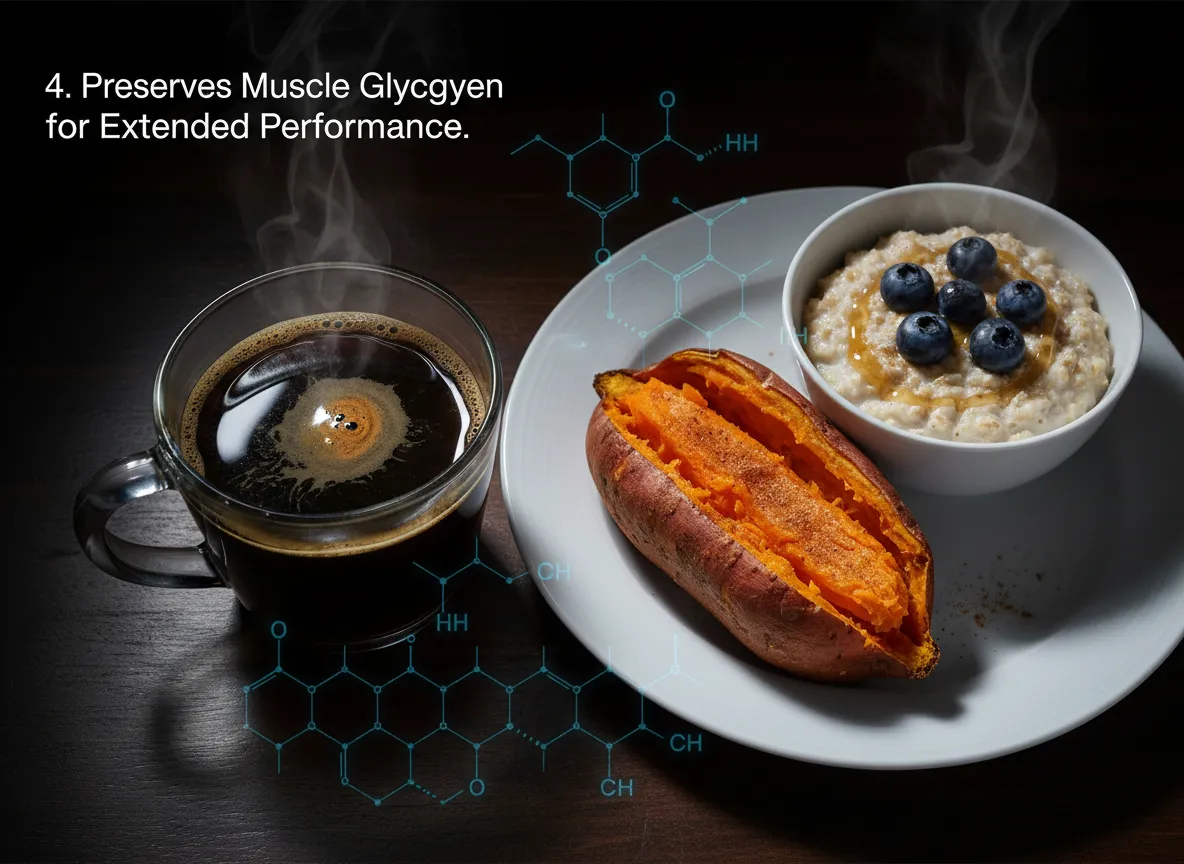
One of the most fascinating aspects of coffee’s performance benefits is its ability to change how your body fuels exercise. Caffeine may help preserve energy stores and prevent calcium loss, delaying early fatigue during exercise [1].
Energy system optimization includes:
- Glycogen sparing – saving carbohydrate stores for when you need them most
- Enhanced fat oxidation – using fat as fuel more efficiently
- Delayed fatigue onset – maintaining performance longer
- Better energy substrate utilization throughout your workout
The Metabolic and Fat-Burning Advantages
5. Increases Post-Exercise Calorie Burn by 15%

Here’s where coffee becomes particularly exciting for those focused on body composition goals. Research reveals that post-exercise oxygen consumption (EPOC) was 15% higher after high-intensity strength training in participants who consumed caffeine beforehand compared to placebo [1].
This metabolic boost means:
- Extended calorie burning hours after your workout ends
- Enhanced recovery processes that require additional energy
- Improved training adaptations through increased metabolic stress
- Better return on investment from each training session
6. Significantly Increases Your Metabolic Rate

The metabolic benefits extend beyond just post-workout effects. Various studies suggest that caffeine can increase metabolic rate by up to 11 percent [5], making it a powerful tool for anyone looking to optimize their body composition.
Metabolic rate increases affect:
- Daily calorie expenditure – burning more calories throughout the day
- Thermogenesis – increased heat production and energy expenditure
- Metabolic efficiency – better utilization of nutrients
- Long-term weight management support
7. Promotes Fat Burning While Preserving Carbohydrates
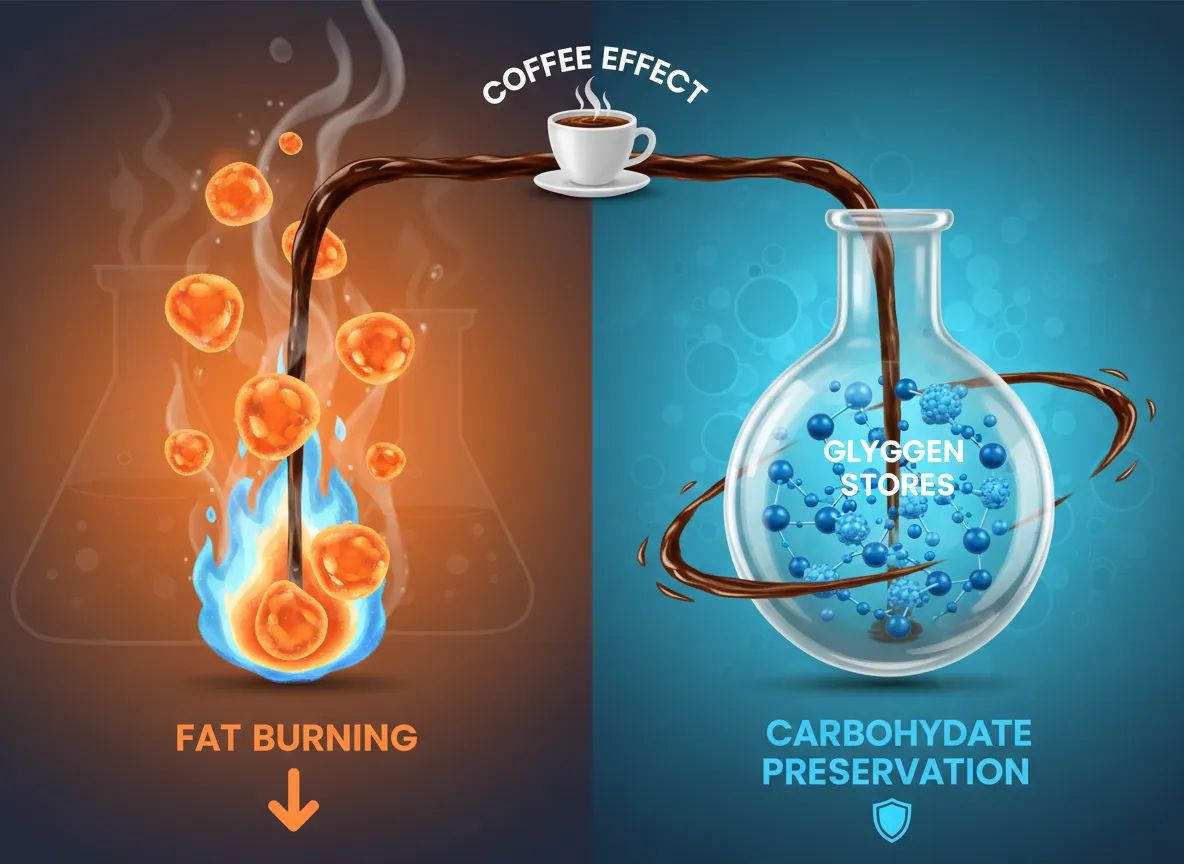
Among the most practical science-backed reasons to drink coffee before training is its ability to shift your body’s fuel preferences. Caffeine nudges your body to burn more fat for fuel while preserving glycogen for later use [2].
This metabolic shift provides several advantages:
- Enhanced fat oxidation during moderate to high-intensity exercise
- Preserved glycogen stores for explosive movements and high-intensity intervals
- Improved body composition through preferential fat burning
- Better endurance as fat provides a virtually unlimited fuel source
The Mental and Neurological Benefits
8. Reduces Perceived Exertion and Enhances Mental Focus
Perhaps one of the most immediately noticeable benefits is how coffee changes your mental approach to training. Caffeine changes how hard you think you’re working (Rate of Perceived Exertion), making workouts feel more manageable [4], while simultaneously sharpening focus and alertness [2].
Mental performance improvements include:
- Reduced perception of effort – challenging workouts feel easier
- Enhanced concentration – better mind-muscle connection
- Improved motivation – increased drive to push through difficult sets
- Sharper mental alertness – particularly beneficial for early morning sessions
The Science Behind Coffee’s Training Benefits
How Caffeine Works in Your Body
Understanding the mechanisms behind these benefits helps explain why coffee is so effective as a pre-workout supplement. Caffeine blocks adenosine receptors, preventing the neurotransmitter that causes relaxation and sleepiness from taking effect [1]. This blocking action creates a cascade of positive effects throughout your nervous system.
Additionally, research found that caffeine raised dopamine levels after participants ran on a treadmill, counteracting the fatigue associated with low dopamine [1]. This neurochemical enhancement contributes to improved mood, motivation, and overall training enjoyment.
Pain Perception and Exercise Tolerance
Some research suggests caffeine can dull pain, helping athletes push further during training [2]. This pain-dulling effect isn’t about masking injury signals but rather reducing the discomfort associated with intense exercise, allowing you to train closer to your true physiological limits.
Practical Implementation: Making Coffee Work for Your Training
Timing Your Coffee Consumption
To maximize these 8 science-backed reasons to drink coffee before training, timing is crucial:
- 30-45 minutes before training – optimal absorption time
- Morning workouts – coffee provides essential alertness and energy
- Afternoon sessions – helps overcome natural energy dips
- Evening training – consider timing to avoid sleep disruption
Optimal Dosage Guidelines
Recommended caffeine amounts:
- Beginners: 100-200mg (1-2 cups of coffee)
- Experienced users: 200-400mg (2-4 cups of coffee)
- Body weight consideration: 3-6mg per kg of body weight
- Individual tolerance: Start low and assess response
Coffee vs. Other Caffeine Sources
| Source | Caffeine Content | Additional Benefits | Considerations |
|---|---|---|---|
| Brewed Coffee | 95-200mg per cup | Antioxidants, natural compounds | Individual variation in content |
| Espresso | 63mg per shot | Concentrated, quick consumption | May need multiple shots |
| Cold Brew | 100-300mg per cup | Smooth, less acidic | Higher caffeine concentration |
| Pre-workout supplements | 150-400mg | Added ingredients | Often more expensive |
Maximizing Coffee’s Training Benefits
Enhancing Absorption and Effectiveness
Strategies to optimize coffee’s benefits:
- Consume on an empty stomach – faster absorption and stronger effects
- Stay hydrated – coffee can be mildly diuretic
- Avoid tolerance buildup – cycle usage or take periodic breaks
- Choose quality coffee – higher antioxidant content in better beans
- Monitor individual response – adjust timing and dosage based on your reaction
Combining Coffee with Other Performance Strategies
Coffee works synergistically with other evidence-based training approaches:
- Proper warm-up routines enhanced by increased alertness
- Strategic nutrition timing complemented by improved fat burning
- Recovery protocols supported by enhanced metabolic rate
- Sleep optimization balanced with appropriate caffeine timing
Potential Considerations and Individual Variations
Understanding Your Caffeine Sensitivity
While the science-backed reasons to drink coffee before training are compelling, individual responses vary significantly. Factors affecting your response include:
- Genetic variations in caffeine metabolism
- Regular consumption habits affecting tolerance
- Body weight and composition influencing dosage needs
- Time of day and circadian rhythm considerations
- Stress levels and overall health status
When Coffee Might Not Be Ideal
Situations to consider alternatives:
- Late evening workouts – may interfere with sleep
- High anxiety individuals – caffeine might increase nervousness
- Certain medical conditions – consult healthcare providers
- Pregnancy or nursing – follow medical recommendations
- Medication interactions – check with pharmacists or doctors
Long-Term Training Adaptations and Coffee
Building Sustainable Performance Habits
Incorporating coffee into your training routine can support long-term athletic development:
Progressive benefits over time:
- Consistent energy levels for regular training
- Enhanced training quality leading to better adaptations
- Improved workout adherence through reduced perceived effort
- Better recovery supported by metabolic enhancements
Avoiding Tolerance and Dependence
Strategies for long-term success:
- Periodic breaks from caffeine consumption
- Varying dosages to prevent tolerance buildup
- Alternative pre-workout strategies on non-coffee days
- Focus on sleep and nutrition as primary performance foundations
Real-World Applications Across Different Training Styles
Strength Training and Powerlifting
For strength-focused athletes, coffee’s benefits are particularly pronounced:
- Enhanced neural drive for maximum effort lifts
- Improved power output during explosive movements
- Better focus for technical lift execution
- Reduced perceived effort during high-volume sessions
Endurance Sports and Cardio
Endurance athletes can leverage coffee’s cardiovascular benefits:
- Extended time to exhaustion during long sessions
- Improved VO₂ max for better oxygen utilization
- Enhanced fat burning for sustained energy
- Mental resilience during challenging portions of workouts
High-Intensity Interval Training (HIIT)
HIIT workouts particularly benefit from coffee’s multi-faceted effects:
- Maintained intensity across multiple intervals
- Faster recovery between high-intensity bouts
- Enhanced motivation to complete challenging sessions
- Improved anaerobic power for explosive efforts
The Economic and Practical Advantages
Cost-Effectiveness Compared to Supplements
When considering the 8 science-backed reasons to drink coffee before training, the economic benefits are substantial:
Cost comparison per serving:
- Coffee: $0.25-0.75 per cup
- Pre-workout supplements: $1.00-3.00 per serving
- Energy drinks: $2.00-4.00 per serving
- Caffeine pills: $0.10-0.30 per serving
Accessibility and Convenience
Coffee offers unmatched convenience for most people:
- Widely available at home, work, and gyms
- No special preparation required
- Familiar taste and consumption method
- Multiple preparation options to suit preferences
Future Research and Emerging Understanding
Ongoing Scientific Developments
Research continues to reveal new aspects of caffeine’s performance benefits:
- Genetic testing for caffeine metabolism optimization
- Timing protocols for specific training adaptations
- Combination strategies with other natural compounds
- Individual optimization based on training goals and physiology
Personalized Caffeine Strategies
The future of pre-workout caffeine use likely involves:
- Customized dosing based on individual factors
- Precision timing for optimal absorption and effects
- Integration with wearable technology for real-time optimization
- Combination with other evidence-based strategies
Conclusion
The 8 science-backed reasons to drink coffee before training present a compelling case for incorporating this simple, accessible, and effective strategy into your fitness routine. From dramatically improving your endurance capacity and muscle strength to boosting your metabolic rate and enhancing mental focus, coffee delivers comprehensive performance benefits that can transform your training experience.
The evidence is clear: caffeine consumption before exercise increases VO₂ max, improves strength output, enhances cardiovascular function, preserves muscle glycogen, increases post-exercise calorie burn by 15%, raises metabolic rate by up to 11%, promotes fat burning, and reduces perceived exertion while sharpening mental focus.
Your next steps:
- Start with 1-2 cups of coffee 30-45 minutes before your next workout
- Monitor your response and adjust timing and dosage accordingly
- Track performance improvements in strength, endurance, and overall training quality
- Experiment with different coffee types to find your optimal pre-workout fuel
- Maintain consistency while avoiding tolerance buildup through strategic cycling
Remember, while coffee provides remarkable benefits, it works best as part of a comprehensive approach to training that includes proper nutrition, adequate sleep, progressive programming, and consistent recovery practices. The beauty of coffee as a pre-workout supplement lies not just in its effectiveness, but in its simplicity, accessibility, and the solid scientific foundation supporting its use.
Whether you’re a seasoned athlete looking to break through performance plateaus or a fitness enthusiast seeking to maximize your training sessions, the science-backed benefits of pre-workout coffee consumption offer a practical, cost-effective, and enjoyable way to enhance your fitness journey. Start tomorrow morning, and experience firsthand how this time-tested beverage can become your most reliable training partner.
References
[1] Coffee Before Working Out – https://www.goodrx.com/well-being/movement-exercise/coffee-before-working-out
[2] Coffee Before Workout – https://www.on.com/en-us/stories/coffee-before-workout
[3] Coffee Vs Pre Workout – https://www.garagegymreviews.com/coffee-vs-pre-workout
[4] Coffee Running How Caffeine Helps Your Training How Much To Drink – https://www.thesfmarathon.com/blog/2025/10/28/coffee-running-how-caffeine-helps-your-training-how-much-to-drink/
[5] Meditative – https://site.uvm.edu/meditative/?id=nutrition-science-2026-shows-diet-coffee-weight-loss-improved-energy-by-25-percent
[6] jamanetwork – https://jamanetwork.com/journals/jama/article-abstract/2844764