
8 Reasons to Add Ginger in Tea: Benefits Beyond Flavor
Picture this: you’re sipping a warm cup of tea on a chilly morning, and with each sip, you’re not just enjoying a delicious beverage—you’re actually giving your body a powerful dose of natural medicine. When I first discovered the incredible health benefits of adding ginger to my daily tea routine, I was amazed by how this humble root could transform both the taste and the wellness impact of my favorite drink. The 8 reasons to add ginger in tea: benefits beyond flavor go far beyond what meets the taste buds, offering everything from digestive relief to immune system support.

Ginger has been treasured for thousands of years as both a culinary spice and a medicinal powerhouse. Today, modern science is catching up with ancient wisdom, revealing exactly why this golden root deserves a permanent place in your tea cup. Whether you’re dealing with digestive issues, looking to boost your immunity, or simply want to enhance your overall well-being, ginger tea offers a natural, accessible solution that’s as delicious as it is beneficial.
Key Takeaways
- Digestive powerhouse: Ginger can reduce nausea by up to 70% and significantly improves digestive function
- Natural anti-inflammatory: Regular consumption of 2-4 grams daily helps manage chronic inflammatory conditions
- Blood sugar support: Studies show ginger can lower fasting blood sugar and improve insulin sensitivity in people with type 2 diabetes
- Immune system booster: Clinical trials demonstrate fewer instances of colds and flu-like symptoms with regular ginger consumption
- Pain relief alternative: Research suggests ginger may be as effective as over-the-counter painkillers for certain types of pain
The Science Behind Ginger’s Healing Powers
Before diving into the specific 8 reasons to add ginger in tea: benefits beyond flavor, it’s important to understand what makes this root so special. Ginger contains powerful bioactive compounds called gingerols, which are responsible for both its distinctive taste and its remarkable health benefits. These compounds have been extensively studied and shown to possess anti-inflammatory, antioxidant, and antimicrobial properties.
The beauty of consuming ginger in tea form is that it allows for optimal absorption of these beneficial compounds. When steeped in hot water, ginger releases its active ingredients in a way that’s easily absorbed by your digestive system. Plus, the ritual of drinking tea itself has been shown to have calming, stress-reducing effects—making ginger tea a double win for your health.
Digestive Health and Nausea Relief: The Foundation Benefits
1. Powerful Nausea Reduction
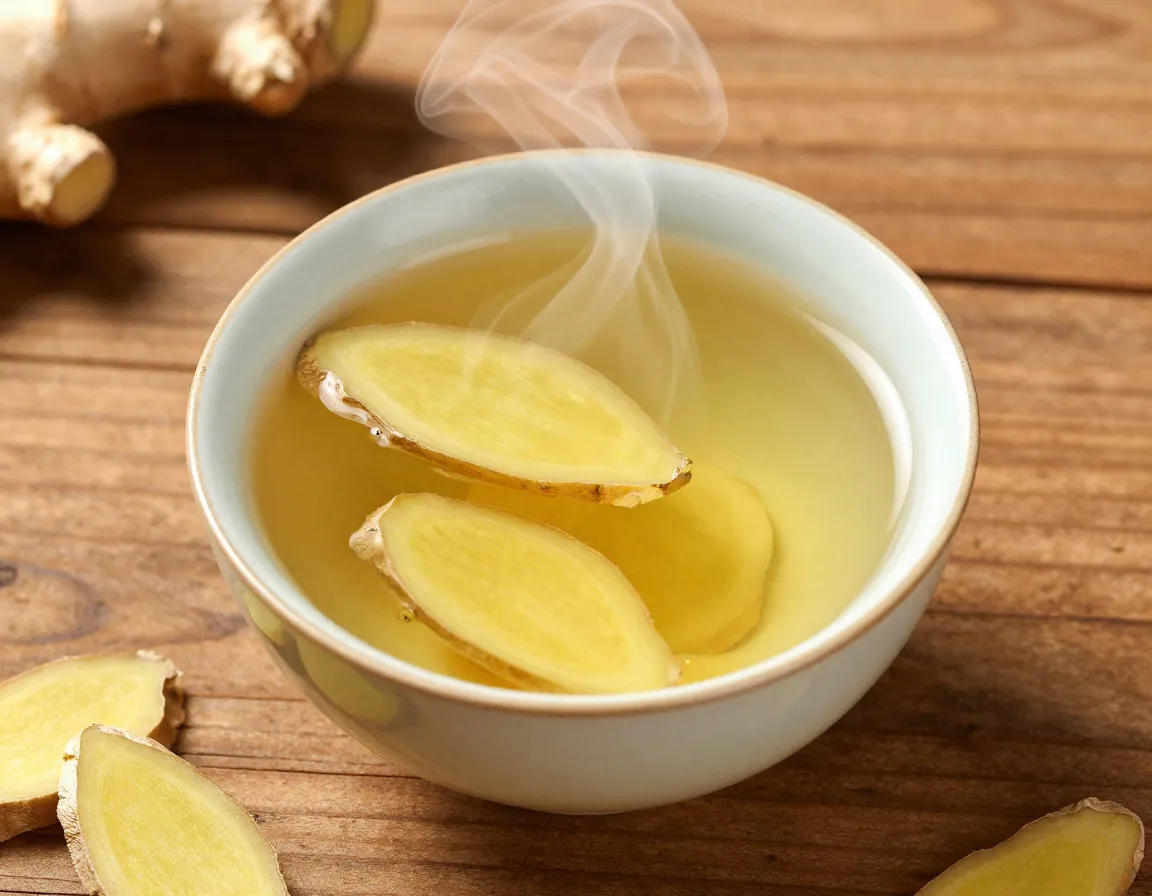
One of the most well-documented benefits of ginger is its remarkable ability to combat nausea. Research shows that ginger can reduce nausea by up to 70% in some cases, with typical dosages of 1 to 1.5 grams daily recommended for relief [2]. This makes ginger tea an excellent natural remedy for:
- Morning sickness during pregnancy
- Motion sickness during travel
- Chemotherapy-induced nausea
- Post-operative nausea
A study published in “Food & Function” found that ginger extract significantly reduced nausea and vomiting in pregnant women [2]. What I find particularly impressive is that ginger achieves these results without the side effects commonly associated with pharmaceutical anti-nausea medications.
2. Enhanced Digestive Function

The second reason among our 8 reasons to add ginger in tea: benefits beyond flavor focuses on overall digestive health. Ginger works as a natural digestive stimulant, helping your stomach process food more efficiently. Research published in “The Journal of Gastroenterology” indicated that ginger may improve gastric emptying, which is particularly beneficial for people suffering from dyspepsia [2].
Key digestive benefits include:
- Faster stomach emptying
- Reduced bloating and gas
- Improved nutrient absorption
- Relief from indigestion
A clinical trial in “The American Journal of Gastroenterology” showed that ginger supplementation reduced bloating and discomfort in individuals with functional dyspepsia [2]. This means that your afternoon ginger tea could be doing much more than satisfying your taste buds—it’s actively supporting your digestive system.
3. Blood Sugar Regulation Support
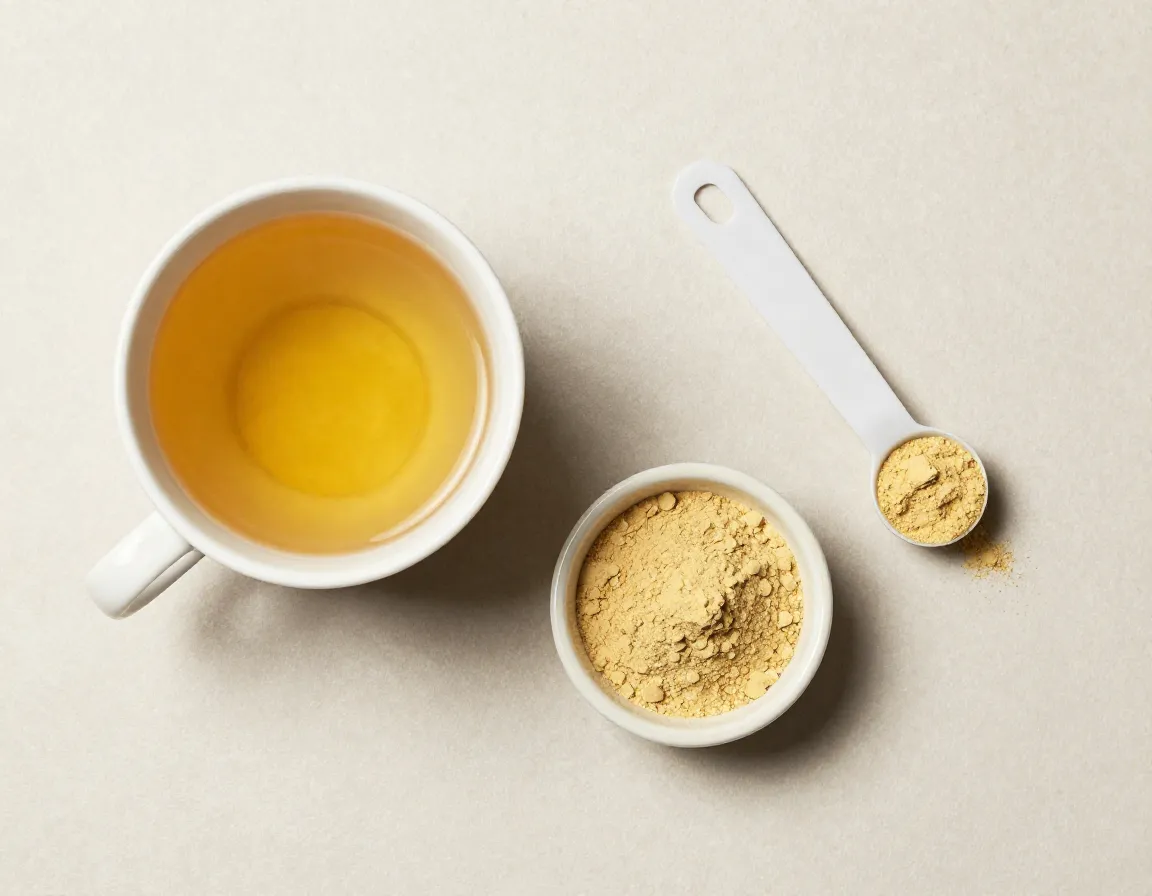
The third compelling reason to embrace ginger tea relates to blood sugar management. A small but significant study demonstrated that 2 grams of powdered ginger supplement daily noticeably lowered fasting blood sugar in people with type 2 diabetes [4]. Even more encouraging, another study found that consuming ginger powder for 12 weeks improved insulin sensitivity in people with type 2 diabetes [4].
This is particularly relevant in 2026, as diabetes and pre-diabetes rates continue to climb globally. Adding ginger tea to your daily routine could be a simple, natural way to support healthy blood sugar levels. The mechanism appears to work through ginger’s ability to enhance insulin sensitivity and improve glucose uptake by cells.
Blood sugar benefits include:
- Lower fasting glucose levels
- Improved insulin sensitivity
- Better glucose tolerance
- Reduced risk of blood sugar spikes
4. Natural Anti-Inflammatory Properties

Chronic inflammation is at the root of many modern health problems, from arthritis to heart disease. The fourth reason in our exploration of 8 reasons to add ginger in tea: benefits beyond flavor centers on ginger’s powerful anti-inflammatory effects. Regular consumption of 2 to 4 grams of ginger daily may help manage chronic inflammatory conditions [2].
One particularly impressive study found that ginger extract significantly lowered inflammatory markers in individuals with osteoarthritis [2]. This suggests that your daily ginger tea habit could be helping to reduce inflammation throughout your body, potentially lowering your risk of various chronic diseases.
Research has also highlighted ginger’s role in reducing muscle soreness post-exercise [2]. If you’re someone who enjoys regular workouts, adding ginger tea to your post-exercise routine could help speed recovery and reduce discomfort.
Pain Management and Immune System Support
5. Natural Pain Relief Alternative
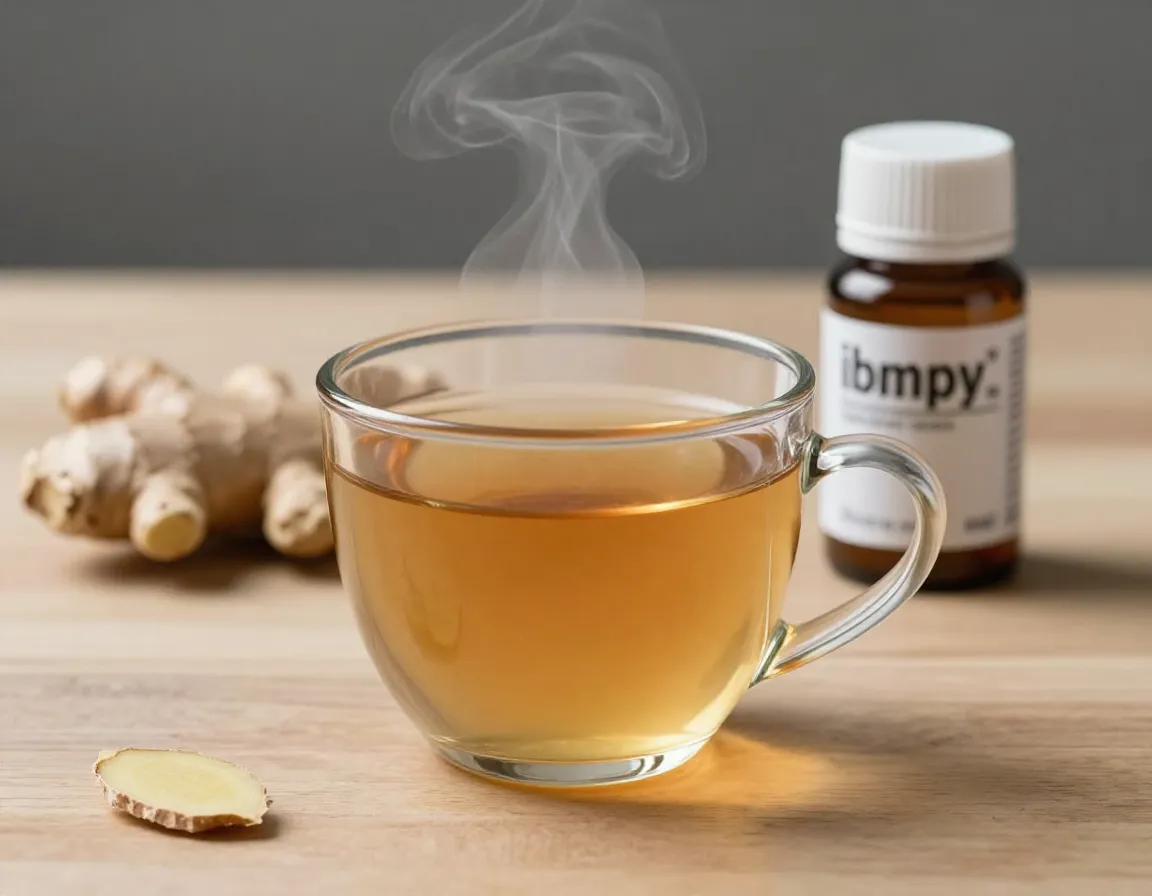
The fifth benefit that makes ginger tea so valuable is its pain-relieving properties. One fascinating study suggests that ginger may be as effective as over-the-counter painkillers like ibuprofen for menstrual pain relief [1]. This is remarkable because it means women suffering from monthly discomfort could potentially find relief through a natural, side-effect-free alternative.
The pain-relieving mechanisms of ginger work through multiple pathways:
- Blocking inflammatory pathways that contribute to pain
- Reducing prostaglandin production (chemicals that cause pain and inflammation)
- Improving circulation to affected areas
- Providing natural muscle relaxation
This makes ginger tea particularly beneficial for people dealing with:
- Menstrual cramps
- Muscle soreness
- Joint pain
- Headaches
- General body aches
6. Cognitive Function Enhancement

The sixth reason among our 8 reasons to add ginger in tea: benefits beyond flavor might surprise you: cognitive support. A recent study showed that consuming ginger may aid in attention and cognitive processing capabilities among middle-aged women [1]. This emerging area of research suggests that the benefits of ginger extend beyond physical health to mental performance.
In our increasingly demanding world, natural ways to support brain function are more valuable than ever. The compounds in ginger appear to support cognitive health through:
- Enhanced blood flow to the brain
- Antioxidant protection for brain cells
- Reduced inflammation in neural tissues
- Improved neurotransmitter function
While more research is needed in this area, the initial findings are promising and add another compelling reason to make ginger tea part of your daily routine.
7. Immune System Strengthening

The seventh powerful benefit focuses on immune support, which is particularly relevant as we navigate ongoing health challenges in 2026. Clinical trials found that participants who consumed ginger regularly reported fewer instances of colds and flu-like symptoms [2]. This immune-boosting effect appears to work through multiple mechanisms:
Immune-supporting properties:
- Antimicrobial activity against harmful bacteria and viruses
- Antioxidant protection that supports immune cell function
- Anti-inflammatory effects that prevent immune system overreaction
- Enhanced circulation that helps immune cells travel throughout the body
I’ve personally noticed that during cold and flu season, maintaining a regular ginger tea habit seems to help me stay healthier. While this is anecdotal, it aligns with the scientific evidence showing ginger’s immune-supportive properties.
8. Respiratory Health Support

The eighth and final reason in our comprehensive look at 8 reasons to add ginger in tea: benefits beyond flavor involves respiratory health. Ginger’s natural warming properties and anti-inflammatory effects make it particularly beneficial for respiratory function. The steam from hot ginger tea can help:
- Clear congested airways
- Soothe throat irritation
- Reduce respiratory inflammation
- Support natural mucus clearance
This makes ginger tea an excellent choice during allergy season or when dealing with respiratory discomfort. The combination of ginger’s active compounds with the warm steam creates a natural, gentle way to support breathing comfort.
How to Maximize Ginger Tea Benefits
To get the most out of these 8 reasons to add ginger in tea: benefits beyond flavor, it’s important to prepare and consume ginger tea properly:
Preparation Methods
Fresh Ginger Tea:
- Slice 1-2 inches of fresh ginger root
- Simmer in 2 cups of water for 10-15 minutes
- Strain and enjoy hot or cold
Powdered Ginger Tea:
- Add 1/4 to 1/2 teaspoon of ginger powder to hot water
- Steep for 5-10 minutes
- Add honey or lemon to taste
Ginger Tea Bags:
- Choose high-quality, organic ginger tea
- Steep for 5-7 minutes for maximum potency
- Consider combining with other beneficial herbs
Optimal Dosage and Timing
For maximum health benefits, aim for:
- 1-4 grams of ginger daily (equivalent to 2-4 cups of ginger tea)
- Morning consumption for digestive support
- Post-meal timing to aid digestion
- Evening enjoyment for relaxation and immune support
Safety Considerations
While ginger is generally safe for most people, consider these precautions:
- Pregnancy: Limit to 1 gram daily and consult your healthcare provider
- Blood thinners: Ginger may enhance anticoagulant effects
- Gallstones: High doses may stimulate bile production
- Surgery: Discontinue 2 weeks before scheduled procedures
Enhancing Your Ginger Tea Experience
To make your ginger tea habit even more beneficial and enjoyable, consider these combinations:
Powerful Tea Blends
| Combination | Primary Benefits | Best Time to Drink |
|---|---|---|
| Ginger + Turmeric | Anti-inflammatory powerhouse | Morning or post-workout |
| Ginger + Lemon | Immune support + Vitamin C | During illness or prevention |
| Ginger + Green Tea | Antioxidants + metabolism | Mid-morning |
| Ginger + Chamomile | Digestive calm + relaxation | Evening |
| Ginger + Honey | Throat soothing + antimicrobial | When feeling unwell |
Quality Considerations
When selecting ginger for your tea, prioritize:
- Organic certification to avoid pesticides
- Fresh, firm roots with smooth skin
- Aromatic intensity indicating high gingerol content
- Proper storage in a cool, dry place
The Long-Term Impact of Regular Ginger Tea Consumption
As we’ve explored these 8 reasons to add ginger in tea: benefits beyond flavor, it becomes clear that the cumulative effects of regular consumption can be quite significant. Many people report noticing improvements in:
- Overall digestive comfort within days of starting
- Reduced frequency of minor illnesses over months
- Better exercise recovery with consistent use
- Improved energy levels as inflammation decreases
- Enhanced sense of well-being from the daily ritual
The beauty of ginger tea lies in its simplicity and accessibility. Unlike many health interventions that require significant lifestyle changes or expensive supplements, adding ginger to your tea routine is something virtually anyone can do.
Making Ginger Tea a Sustainable Habit
To ensure you stick with your ginger tea routine and continue reaping these benefits, consider these strategies:
Creating Your Ritual 🫖
- Set a specific time each day for ginger tea
- Prepare ingredients in advance for busy mornings
- Invest in quality tools like a good tea strainer or pot
- Create a calming environment for tea enjoyment
- Track your benefits in a health journal
Overcoming Common Challenges
“I don’t like the strong taste”
- Start with smaller amounts and gradually increase
- Add natural sweeteners like honey or stevia
- Combine with milder teas initially
- Try different preparation methods
“I forget to drink it regularly”
- Set phone reminders
- Keep ginger tea bags at work
- Prepare larger batches to reheat
- Link it to existing habits (like breakfast)
“It’s too much work”
- Use convenient tea bags when pressed for time
- Prepare fresh ginger in bulk and freeze portions
- Consider ginger powder for quick preparation
- Make it part of meal prep routine
Conclusion
The 8 reasons to add ginger in tea: benefits beyond flavor we’ve explored represent just the beginning of what this remarkable root can offer. From reducing nausea by up to 70% to supporting immune function, managing inflammation, and even enhancing cognitive performance, ginger tea stands out as one of nature’s most comprehensive wellness solutions.
What I find most compelling about these benefits is their accessibility. You don’t need expensive supplements, complicated protocols, or dramatic lifestyle changes to start experiencing the health-supporting properties of ginger. A simple cup of ginger tea can deliver powerful compounds that have been scientifically proven to support multiple aspects of your health.
As we move through 2026 and beyond, with increasing awareness of the importance of natural health solutions, ginger tea represents a perfect intersection of ancient wisdom and modern science. The research continues to validate what traditional cultures have known for millennia: ginger is truly a gift from nature.
Your next steps are simple:
- Start today by incorporating one cup of ginger tea into your routine
- Experiment with preparation methods to find what you enjoy most
- Track your experience and notice how you feel over the coming weeks
- Gradually increase consumption to 2-4 cups daily for maximum benefits
- Share your journey with friends and family who might also benefit
Remember, the journey to better health doesn’t have to be complicated. Sometimes the most powerful changes come from the simplest additions to our daily routine. Let ginger tea be your gateway to enhanced wellness, one warming, healing sip at a time.
References
[1] Ginger Tea Benefits – https://artfultea.com/blogs/wellness/ginger-tea-benefits
[2] Ginger Digestive Health Studies Antiinflammatory Research Immune Response – https://dchdnc.com/ginger-digestive-health-studies-antiinflammatory-research-immune-response/
[3] Health Benefits Of Ginger Tea 2026 Guide – https://silverpottea.com/blog/health-benefits-of-ginger-tea-2026-guide
[4] Why You Should Consider Adding Ginger To Your Diet – https://www.uclahealth.org/news/article/why-you-should-consider-adding-ginger-to-your-diet
[5] Index – https://sisleducation.stanford.edu/index.html?p=what-science-actually-says-about-ginger-lemon-tea-benefits-unpacking-the-hype-in-2026-6984d146a367b