
8 Reasons to Add Cinnamon to Your Tea (& The Best Ways to Do It)
Picture this: you’re holding a warm cup of tea on a chilly 2026 morning, and with just a simple sprinkle of cinnamon, you transform an ordinary beverage into a powerful health elixir. 8 Reasons to Add Cinnamon to Your Tea (& The Best Ways to Do It) isn’t just about enhancing flavor—it’s about unlocking a treasure trove of health benefits that have been scientifically proven to support everything from blood sugar control to brain health.
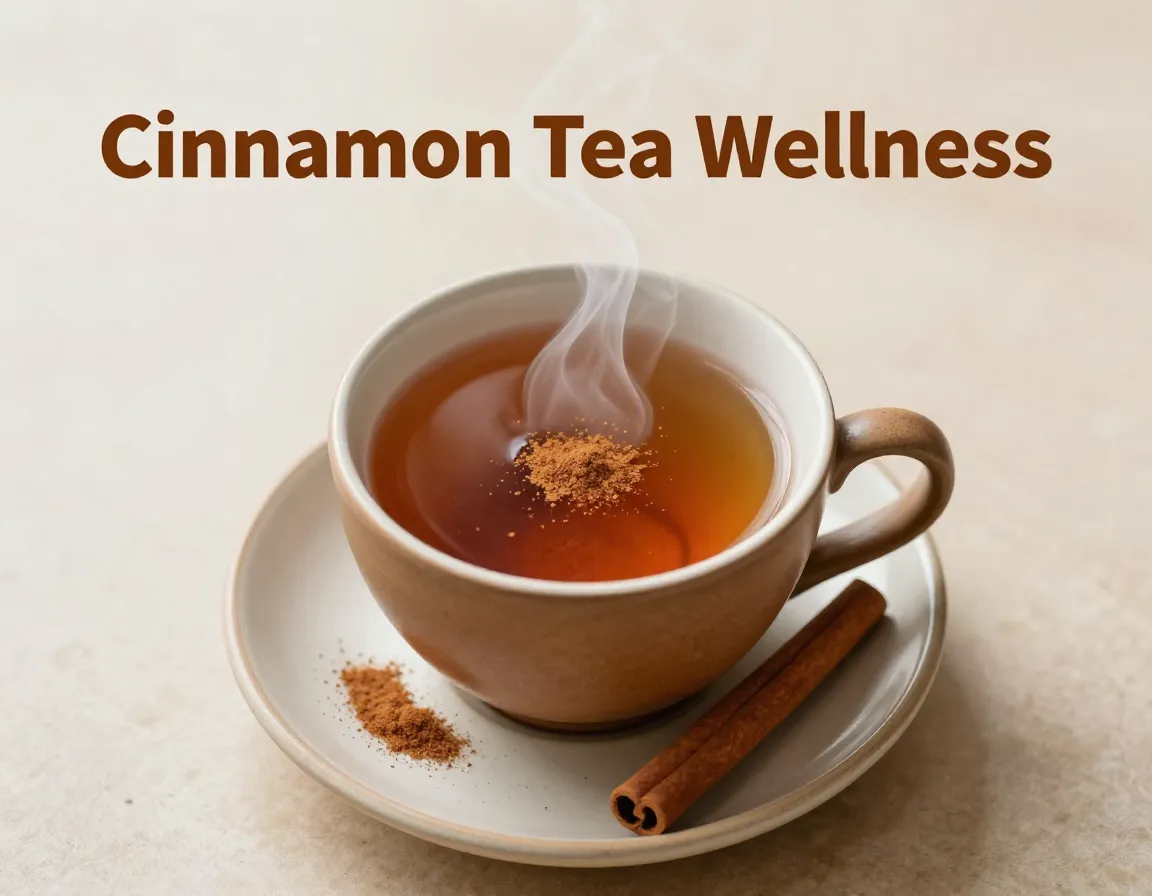
As someone who’s explored countless ways to boost daily wellness through simple lifestyle changes, I can confidently say that adding cinnamon to your tea is one of the easiest and most rewarding habits you can adopt. This aromatic spice, derived from the inner bark of Cinnamomum trees, has been treasured for thousands of years not just for its warm, sweet flavor, but for its remarkable medicinal properties.
Key Takeaways
- Blood sugar support: Cinnamon can help regulate glucose levels and improve insulin sensitivity, making it beneficial for people with diabetes or prediabetes
- Heart health benefits: Regular cinnamon consumption may reduce LDL cholesterol levels and support cardiovascular wellness
- Anti-inflammatory power: The spice contains compounds that combat inflammation, potentially helping with arthritis and age-related conditions
- Simple preparation methods: You can add cinnamon to tea using sticks, powder, or specialized tea blends for maximum health benefits
- Multiple health systems: From immune support to brain health, cinnamon tea offers comprehensive wellness benefits in every sip
The Science-Backed Health Benefits of Cinnamon Tea
1. Blood Sugar Management and Diabetes Support 🩸

One of the most compelling 8 Reasons to Add Cinnamon to Your Tea (& The Best Ways to Do It) centers on blood sugar control. A comprehensive meta-analysis published in Annals of Family Medicine reviewed ten randomized controlled trials and found that cinnamon consistently decreased blood glucose levels and improved insulin sensitivity when taken daily [2].
This is particularly beneficial for people with type 2 diabetes or those at risk of developing the condition. When you add cinnamon to your tea, the active compounds help your cells respond better to insulin, allowing for more efficient glucose uptake. This means:
- Lower post-meal blood sugar spikes
- Improved long-term glucose control
- Enhanced insulin sensitivity
- Reduced risk of diabetes complications
The beauty of consuming cinnamon through tea is that it provides a gentle, sustained release of these beneficial compounds throughout the day, rather than the concentrated dose you might get from supplements.
2. Cholesterol Reduction and Heart Health ❤️

Your cardiovascular system will thank you for making cinnamon tea a daily habit. Research published in Diabetes Care demonstrated that participants receiving 1, 3, or 6 grams of cinnamon daily for 40 days all experienced significantly reduced LDL (“bad”) cholesterol levels [2].
The heart health benefits include:
- Lowered LDL cholesterol levels
- Improved overall cholesterol profile
- Reduced risk of heart disease
- Better circulation and blood flow
What makes this particularly impressive is that these benefits were observed across different dosage levels, suggesting that even small amounts of cinnamon—like what you’d add to your daily tea—can make a meaningful difference.
3. Powerful Anti-Inflammatory Properties 🔥

Chronic inflammation is at the root of many health problems, from arthritis to accelerated aging. Research published in Food & Function identified two specific compounds in cinnamon—E-cinnamaldehyde and o-methoxycinnamaldehyde—that demonstrated significant anti-inflammatory action [2].
These compounds work by:
- Reducing inflammatory markers in the body
- Protecting joints from inflammatory damage
- Supporting healthy aging by combating age-related inflammation
- Potentially reducing pain associated with inflammatory conditions
When you sip cinnamon tea regularly, you’re essentially giving your body a gentle, natural anti-inflammatory treatment that can help you feel better and age more gracefully.
4. Menstrual Symptom Relief for Women 🌸

For women dealing with challenging menstrual symptoms, cinnamon tea offers natural relief. Studies have shown that cinnamon tea may reduce menstrual pain, bleeding, nausea, and vomiting, with women reporting significantly less menstrual pain compared to placebo groups [1][3].
Benefits for menstrual health include:
- Reduced cramping and pain intensity
- Lighter menstrual bleeding
- Decreased nausea and digestive discomfort
- Overall improved quality of life during menstruation
The anti-inflammatory and antispasmodic properties of cinnamon help relax uterine muscles and reduce the production of inflammatory compounds that contribute to menstrual pain.
5. Antioxidant Powerhouse for Cellular Protection 🛡️

Cinnamon is loaded with polyphenols—powerful antioxidants that combat free radicals and oxidative stress [2]. This cellular protection has been linked to reduced risk of neurological disorders and premature aging.
The antioxidant benefits include:
- Protection against cellular damage
- Reduced risk of chronic diseases
- Support for healthy brain function
- Slower aging processes
- Enhanced overall vitality
Think of antioxidants as your body’s natural defense system. Every cup of cinnamon tea you drink reinforces this protective barrier, helping your cells stay healthy and function optimally.
6. Brain Health and Cognitive Support 🧠

Emerging research suggests that cinnamon may have remarkable benefits for brain health. Animal and laboratory studies indicate that cinnamon may improve memory and learning, and may even protect against Alzheimer’s and Parkinson’s diseases, though human studies are still limited [2][4].
Potential cognitive benefits include:
- Enhanced memory formation and recall
- Improved focus and concentration
- Protection against neurodegenerative diseases
- Better overall brain function
- Reduced cognitive decline with aging
While more human research is needed, the preliminary findings are promising enough that incorporating cinnamon tea into your daily routine could be a simple way to support long-term brain health.
7. Immune System Strengthening 🦠

Your immune system gets a significant boost from cinnamon’s natural antimicrobial properties. Cinnamon compounds, including cinnamic aldehyde, have demonstrated antifungal and antibacterial properties, particularly against respiratory pathogens [2].
Immune support benefits:
- Enhanced resistance to infections
- Natural antimicrobial protection
- Stronger respiratory health
- Faster recovery from minor illnesses
- Overall improved immune function
During cold and flu season, or any time you want to give your immune system extra support, cinnamon tea can be your delicious ally in staying healthy.
8. Nutritional Value Without the Calories 📊
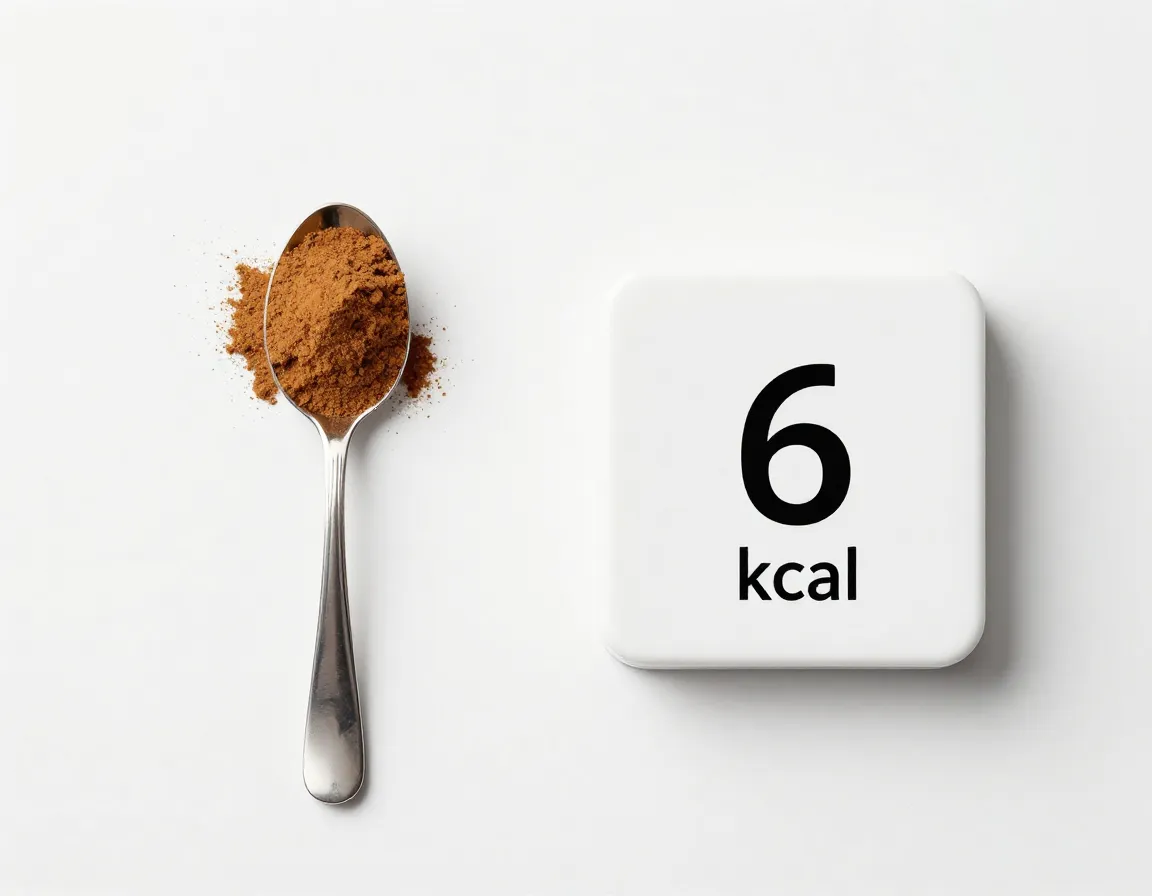
One of the most practical 8 Reasons to Add Cinnamon to Your Tea (& The Best Ways to Do It) is the impressive nutritional profile. One teaspoon of cinnamon provides just 6 calories, 2 grams of carbohydrates, 1 gram of fiber, plus small amounts of calcium, iron, and potassium [3].
Nutritional highlights:
- Ultra-low calorie: Perfect for weight management
- Fiber content: Supports digestive health
- Essential minerals: Calcium for bones, iron for blood health
- No added sugars: Natural sweetness without blood sugar spikes
- Versatile addition: Enhances any tea variety
This means you can enjoy all the health benefits and flavor enhancement without worrying about adding extra calories to your daily intake.
The Best Ways to Add Cinnamon to Your Tea
Now that you understand the compelling health benefits, let’s explore The Best Ways to Do It when incorporating cinnamon into your tea routine.
Method 1: Cinnamon Sticks – The Traditional Approach
Using whole cinnamon sticks is my preferred method for several reasons:
Advantages:
- Slow, gentle flavor release that doesn’t overpower
- Reusable for 2-3 brewing sessions
- No sediment in your tea
- Authentic, traditional preparation
- Beautiful presentation for guests
How to use:
- Add 1-2 cinnamon sticks to your teapot or cup
- Pour hot water over your tea and cinnamon
- Let steep for 5-10 minutes
- Remove sticks or leave them in for stronger flavor
- Save sticks for one more use if desired
Method 2: Ground Cinnamon Powder – Quick and Potent
Ground cinnamon offers convenience and intensity:
Advantages:
- Immediate flavor infusion
- More potent health benefits due to increased surface area
- Easy to measure and control
- Readily available in most kitchens
- Cost-effective
How to use:
- Start with ¼ teaspoon per cup
- Add to hot tea and stir well
- Let settle for 1-2 minutes
- Strain if you prefer no sediment
- Adjust amount based on taste preference
Method 3: Cinnamon Tea Blends – Convenience and Variety
Pre-made cinnamon tea blends offer the perfect balance of convenience and flavor:
Popular combinations:
- Cinnamon-apple for autumn comfort
- Cinnamon-ginger for digestive support
- Cinnamon-chai for complex spice flavors
- Cinnamon-chamomile for evening relaxation
- Cinnamon-green tea for antioxidant power
Method 4: Fresh Cinnamon Bark – Maximum Potency
For the ultimate cinnamon experience, fresh bark pieces provide:
Benefits:
- Highest concentration of active compounds
- Freshest flavor profile
- Maximum health benefits
- Artisanal tea experience
Preparation tips:
- Source from specialty spice shops
- Use sparingly—it’s very potent
- Break into small pieces before steeping
- Combine with milder teas to balance intensity
Optimal Brewing Techniques for Maximum Benefits
Temperature and Timing Guidelines
| Tea Type | Water Temperature | Steeping Time | Cinnamon Amount |
|---|---|---|---|
| Black Tea | 200-212°F | 3-5 minutes | ½ tsp powder or 1 stick |
| Green Tea | 175-185°F | 2-3 minutes | ¼ tsp powder or ½ stick |
| White Tea | 160-175°F | 4-6 minutes | ¼ tsp powder or ½ stick |
| Herbal Tea | 200-212°F | 5-7 minutes | ½ tsp powder or 1-2 sticks |
| Oolong Tea | 185-205°F | 3-5 minutes | ¼ tsp powder or ½ stick |
Pro Tips for Perfect Cinnamon Tea
🌟 Start Small: Begin with smaller amounts and gradually increase to find your perfect flavor balance.
🌟 Quality Matters: Choose Ceylon cinnamon (also called “true cinnamon”) over Cassia cinnamon for the best flavor and health benefits.
🌟 Timing is Key: Add cinnamon at the beginning of steeping for full extraction of beneficial compounds.
🌟 Storage Solutions: Store cinnamon sticks in airtight containers away from light and heat to maintain potency.
🌟 Combination Benefits: Pair with complementary spices like ginger, cardamom, or cloves for enhanced health benefits.
Safety Considerations and Best Practices
While cinnamon is generally safe for most people, there are some important considerations:
Recommended Daily Amounts
- Powder: ½ to 1 teaspoon daily
- Sticks: 1-2 sticks per day
- Tea blends: Follow package instructions
Who Should Exercise Caution
- Pregnant women: Consult healthcare providers before regular use
- People on blood thinners: Cinnamon may enhance anticoagulant effects
- Liver conditions: Large amounts of Cassia cinnamon contain coumarin, which can affect liver function
- Diabetes medications: Monitor blood sugar closely as cinnamon can enhance medication effects
Quality and Sourcing Tips
Choose organic when possible to avoid pesticide residues
Buy from reputable suppliers to ensure authenticity
Check expiration dates as old cinnamon loses potency
Store properly in cool, dry places away from direct sunlight
Creative Cinnamon Tea Recipes to Try
Morning Energy Blend
- 1 cup black tea
- ½ tsp ground cinnamon
- ¼ tsp fresh ginger
- 1 tsp honey (optional)
- Splash of plant milk
Evening Relaxation Tea
- 1 cup chamomile tea
- 1 cinnamon stick
- ¼ tsp vanilla extract
- 1 tsp coconut oil
Immune-Boosting Blend
- 1 cup green tea
- ¼ tsp cinnamon powder
- ¼ tsp turmeric
- Pinch of black pepper
- Lemon slice
Digestive Support Tea
- 1 cup ginger tea
- ½ cinnamon stick
- 3-4 cardamom pods
- 1 tsp raw honey
Conclusion
The 8 Reasons to Add Cinnamon to Your Tea (& The Best Ways to Do It) present a compelling case for making this simple addition to your daily routine. From blood sugar management and cholesterol reduction to immune support and brain health, cinnamon transforms your regular tea into a powerful wellness tool.
The beauty of this practice lies in its simplicity. Whether you choose traditional cinnamon sticks, convenient ground powder, or specialty tea blends, you’re investing in your health with every sip. The anti-inflammatory, antioxidant, and antimicrobial properties work synergistically to support multiple body systems simultaneously.
Your Next Steps:
- Start tomorrow by adding ¼ teaspoon of cinnamon to your morning tea
- Experiment with different methods to find your preferred preparation style
- Track your experience for 2-3 weeks to notice potential health improvements
- Gradually increase the amount based on your taste preferences and tolerance
- Share the benefits with family and friends who might also enjoy this healthy upgrade
Remember, consistency is key to experiencing the full benefits of cinnamon tea. Make it a daily ritual, and you’ll likely notice improvements in energy, digestion, and overall well-being within just a few weeks.
The science is clear, the methods are simple, and the benefits are substantial. Your journey to better health through cinnamon tea starts with your very next cup. 🍵✨
References
[1] Cinnamon Tea – https://artfultea.com/blogs/wellness/cinnamon-tea
[2] Cinnamon Tea Benefits – https://senchateabar.com/blogs/blog/cinnamon-tea-benefits
[3] Health Benefits Cinnamon Tea – https://www.webmd.com/diet/health-benefits-cinnamon-tea
[4] Benefits Of Cinnamon – https://www.goodrx.com/well-being/diet-nutrition/benefits-of-cinnamon
[5] Cinnamon – https://www.nccih.nih.gov/health/cinnamon