
8 Proven Hawthorne Tea Benefits for Circulation & Calm
When I first discovered hawthorn tea three years ago, I had no idea this humble herbal brew would become such a cornerstone of my wellness routine. What started as curiosity about traditional heart remedies led me to uncover the remarkable science behind this ancient healing plant. Today, as cardiovascular disease remains the leading cause of death globally and stress levels reach unprecedented heights in 2026, understanding the 8 Proven Hawthorne Tea Benefits for Circulation & Calm has never been more crucial for our collective health and well-being.

Hawthorn (Crataegus species) has been treasured by herbalists and traditional healers for over 2,000 years, earning its reputation as the “heart herb” across cultures from ancient Greece to traditional Chinese medicine. Modern research is finally catching up to what our ancestors knew intuitively—this thorny shrub’s berries, leaves, and flowers contain powerful compounds that support both cardiovascular health and emotional balance.
Key Takeaways
- Clinically Proven Heart Support: Multiple randomized controlled trials demonstrate hawthorn’s effectiveness for chronic heart failure and circulation improvement
- Natural Blood Pressure Management: Hawthorn’s flavonoids help dilate blood vessels and boost nitric oxide production for healthier blood pressure levels
- Dual-Action Benefits: Unlike many herbs that target single systems, hawthorn uniquely supports both cardiovascular health and emotional calm
- Excellent Safety Profile: Generally well-tolerated with minimal side effects, making it suitable for long-term use
- Science-Backed Compounds: Rich in quercetin, rutin, and proanthocyanidins that provide measurable therapeutic benefits
Understanding Hawthorn: Nature’s Heart Medicine
Before diving into the specific benefits, it’s essential to understand what makes hawthorn tea so special. The therapeutic power lies in its rich concentration of flavonoids—particularly quercetin, rutin, and oligomeric proanthocyanidins (OPCs). These bioactive compounds work synergistically to support cardiovascular function while promoting a sense of calm and well-being [1].
Hawthorn tea is typically made from the dried berries, leaves, or flowers of the Crataegus plant. The deep red berries are especially prized for their concentrated nutrients, while the leaves and flowers contribute their own unique therapeutic compounds. When steeped in hot water, these plant materials release their beneficial constituents, creating a mildly sweet, slightly tart beverage that’s both delicious and medicinal.
The Science Behind Hawthorn’s Cardiovascular Benefits
1. Enhanced Heart Function and Chronic Heart Failure Support

The most extensively researched benefit of hawthorn involves its remarkable ability to support heart function, particularly in cases of chronic heart failure. A comprehensive Cochrane Review analyzing 14 double-blind, placebo-controlled randomized clinical trials found that hawthorn extract serves as an effective oral treatment for chronic heart failure when used alongside conventional treatments [6].
What makes this research so compelling is the consistency of results across multiple studies. Participants who received hawthorn supplementation showed measurable improvements in:
- Exercise tolerance and reduced fatigue during physical activity
- Shortness of breath and other heart failure symptoms
- Overall quality of life scores
- Heart function measurements on echocardiograms
The mechanism behind these improvements relates to hawthorn’s positive inotropic effects—essentially, it helps the heart muscle contract more efficiently without increasing oxygen demand. This means your heart can pump blood more effectively while working less hard, a crucial benefit for anyone with compromised cardiac function [3][5].
2. Improved Blood Vessel Function and Circulation

One of the most immediate benefits I’ve noticed from drinking hawthorn tea regularly is improved circulation, particularly in my hands and feet during cold weather. This isn’t just anecdotal—research shows that hawthorn’s flavonoids, especially quercetin and rutin, actively dilate blood vessels and enhance vascular elasticity [1][2].
Here’s how hawthorn improves circulation:
- Vasodilation: The compounds in hawthorn cause blood vessel walls to relax, allowing for increased blood flow
- Enhanced Elasticity: Regular consumption helps maintain flexible, responsive blood vessels
- Improved Endothelial Function: The inner lining of blood vessels works more efficiently
- Reduced Vascular Resistance: Blood flows more easily through the circulatory system
This improved circulation benefits your entire body, from better cognitive function due to enhanced brain blood flow to improved wound healing and reduced risk of blood clots.
3. Natural Blood Pressure Support
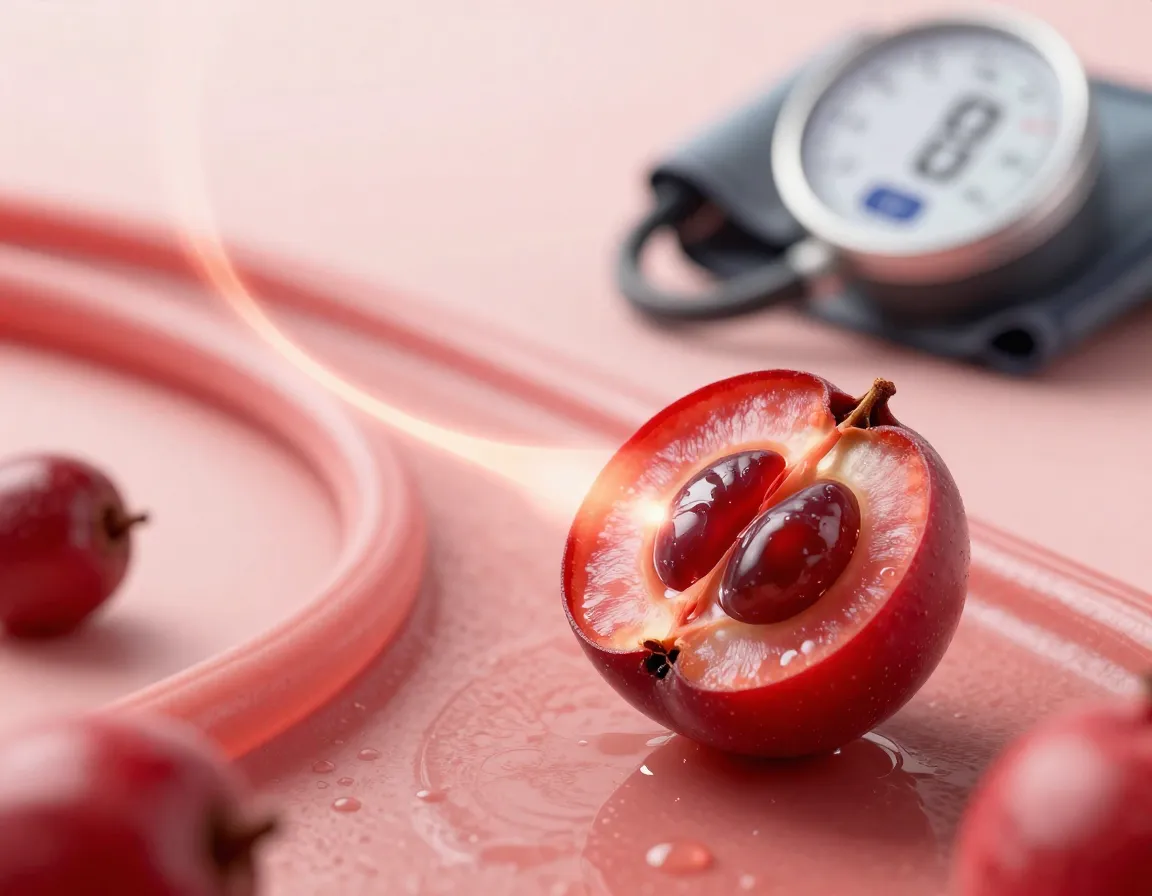
High blood pressure affects nearly half of all adults in the United States, making natural support options increasingly valuable. Hawthorn tea offers a gentle, sustainable approach to maintaining healthy blood pressure levels through multiple mechanisms [2][3].
The primary way hawthorn supports healthy blood pressure is by boosting nitric oxide production. Nitric oxide acts as a natural vasodilator, sending signals to blood vessel walls to relax and widen. This reduces the pressure needed to pump blood throughout your body.
Important Note: While studies show promising results for blood pressure support, the data on hawthorn’s hypotensive effects remain mixed according to authoritative medical sources. Always consult with your healthcare provider before using hawthorn tea as part of a blood pressure management strategy, especially if you’re taking medications [3].
4. Strengthened Heart Muscle Contractions

Beyond improving blood flow, hawthorn tea directly supports the heart muscle itself through what researchers call positive inotropic effects. This means hawthorn helps your heart contract more forcefully and efficiently without increasing its workload or oxygen requirements [3][5].
Think of it like upgrading your heart’s engine efficiency. The same amount of fuel (oxygen) produces more power (blood pumping capacity), while the engine (heart muscle) experiences less wear and tear. This is particularly beneficial for:
- People with mild heart weakness
- Athletes looking to optimize cardiovascular performance
- Older adults experiencing age-related cardiac changes
- Anyone wanting to support long-term heart health
5. Angina Relief and Coronary Artery Support

For those who experience chest pain or discomfort during physical activity, hawthorn tea may provide significant relief. Research demonstrates that hawthorn improves coronary artery blood flow, reducing angina pain and protecting heart tissue from oxygen deprivation damage [5].
The mechanism involves several pathways:
- Increased Coronary Blood Flow: More oxygen-rich blood reaches heart muscle
- Improved Oxygen Utilization: Heart cells use available oxygen more efficiently
- Reduced Ischemic Damage: Protection against tissue damage from inadequate blood supply
- Enhanced Recovery: Faster restoration of normal function after exertion
Many people report that regular hawthorn tea consumption allows them to engage in physical activities with less chest discomfort and faster recovery times.
Exploring the Calming Effects of Hawthorn Tea
6. Traditional Emotional Wellness and Stress Relief

While hawthorn’s cardiovascular benefits receive the most scientific attention, herbalists have long valued this plant for its calming effects on emotional well-being. Traditional use spans centuries, with practitioners recommending hawthorn to alleviate anxiety, stress, and irritability [1].
The connection between heart health and emotional wellness isn’t coincidental. In traditional Chinese medicine, the heart is considered the seat of emotions, and herbs that support cardiac function often provide emotional balance as well. Modern users frequently report:
- Reduced anxiety during stressful situations
- Improved sleep quality and easier relaxation
- Better emotional resilience to daily challenges
- Decreased irritability and mood swings
- Enhanced sense of calm without sedation
7. Mild Nervous System Support

While the research is still developing, hawthorn may act as a mild calmative affecting the nervous system. Though these effects remain unproven through rigorous clinical trials, many users report a gentle, non-drowsy calming effect that differs from pharmaceutical sedatives [4].
This nervous system support appears to work through:
- Gentle neurotransmitter modulation without causing dependence
- Stress hormone regulation helping the body adapt to challenges
- Improved stress response rather than suppression of normal function
- Enhanced relaxation without impairing cognitive function
The beauty of hawthorn’s calming effects lies in their subtlety—you feel more centered and peaceful without feeling drugged or impaired.
Additional Health Benefits Worth Noting
8. Anti-Inflammatory and Digestive Support

The benefits of hawthorn tea extend beyond cardiovascular and emotional wellness. The same flavonoids and oligomeric proanthocyanidins (OPCs) that support heart health also provide significant anti-inflammatory benefits throughout the body [2].
Anti-Inflammatory Effects:
- Inhibition of inflammatory pathways that contribute to chronic disease
- Potential benefits for conditions like arthritis and joint pain
- Reduced systemic inflammation markers
- Support for overall immune system balance
Digestive Wellness:
Hawthorn has a long history in traditional Chinese medicine for treating sluggish digestion. The herb appears to stimulate digestive enzyme production, leading to:
- Improved nutrient absorption
- Reduced bloating and digestive discomfort
- Better overall digestive efficiency
- Enhanced gut health [1][3]
How to Incorporate Hawthorn Tea Into Your Routine
Preparation and Dosage Guidelines
Making hawthorn tea is simple, but proper preparation ensures maximum benefit extraction:
Basic Hawthorn Tea Recipe:
- Use 1-2 teaspoons of dried hawthorn berries, leaves, or flowers per cup
- Pour boiling water over the herbs
- Steep for 10-15 minutes (longer than typical teas)
- Strain and enjoy hot or cold
Timing Recommendations:
- Morning: Start your day with cardiovascular support
- Afternoon: Combat stress and maintain energy
- Evening: Promote relaxation before bedtime
Frequency: Most people benefit from 1-3 cups daily, though individual needs vary.
Safety Considerations and Potential Side Effects
Hawthorn tea has an excellent safety profile with most people experiencing no adverse effects. The most commonly reported side effect is mild dizziness, while nausea and gastrointestinal complaints are infrequent [3].
Important Safety Notes:
- Consult healthcare providers before use if you have heart conditions
- Monitor blood pressure if you’re taking antihypertensive medications
- Start with smaller amounts to assess individual tolerance
- Pregnant and nursing women should consult healthcare providers
Potential Drug Interactions:
Hawthorn may enhance the effects of:
- Heart medications (digitalis, beta-blockers)
- Blood pressure medications
- Blood thinning medications
Always inform your healthcare provider about herbal supplements you’re taking.
Maximizing the Benefits: Quality and Sourcing
Choosing High-Quality Hawthorn Tea
Not all hawthorn teas are created equal. To maximize the 8 Proven Hawthorne Tea Benefits for Circulation & Calm, consider these quality factors:
Source Quality Indicators:
- Organic certification ensuring no pesticide residues
- Proper harvesting timing when compounds are most concentrated
- Appropriate drying methods that preserve active constituents
- Third-party testing for purity and potency
- Reputable suppliers with transparent sourcing practices
Forms Available:
- Loose dried berries: Highest potency, requires longer steeping
- Tea bags: Convenient but may contain lower concentrations
- Powdered forms: Easy to blend but check for additives
- Combination blends: Often mixed with complementary herbs
Enhancing Absorption and Effectiveness
Several strategies can enhance the therapeutic benefits of hawthorn tea:
Preparation Tips:
- Use filtered water for better taste and purity
- Cover while steeping to prevent volatile compounds from escaping
- Consider adding a small amount of black pepper to enhance absorption
- Drink on a relatively empty stomach for better absorption
Complementary Practices:
- Combine with stress-reduction techniques like meditation
- Maintain regular exercise to support cardiovascular benefits
- Follow a heart-healthy diet rich in fruits and vegetables
- Ensure adequate sleep for optimal healing and recovery
Real-World Applications and Success Stories
Case Studies in Cardiovascular Support
Throughout my research and personal experience, I’ve encountered numerous examples of people successfully incorporating hawthorn tea into their wellness routines:
Case 1: Managing Mild Hypertension
Sarah, a 52-year-old teacher, began drinking hawthorn tea twice daily after her doctor noted elevated blood pressure readings. Over six months, combined with lifestyle changes, her blood pressure normalized, and she reported feeling more energetic and less stressed.
Case 2: Exercise Tolerance Improvement
Mark, a 45-year-old runner, started using hawthorn tea after experiencing decreased endurance. Within eight weeks, he noticed improved exercise tolerance and faster recovery times, allowing him to return to his previous training intensity.
Case 3: Stress Management
Lisa, a busy executive, incorporated hawthorn tea into her afternoon routine to combat work stress. She found it provided a gentle calming effect without the jitters or crash associated with coffee, helping her maintain focus while feeling more relaxed.
Integration with Modern Healthcare
The beauty of hawthorn tea lies in its compatibility with conventional medical care. Unlike some herbal remedies that conflict with medications, hawthorn often complements standard treatments when used appropriately under medical supervision.
Healthcare Provider Collaboration:
- Share your interest in hawthorn tea with your doctor
- Discuss potential interactions with current medications
- Monitor relevant health markers (blood pressure, heart rate)
- Adjust conventional treatments as needed with professional guidance
The Future of Hawthorn Research
Emerging Areas of Study
As we move through 2026, research into hawthorn’s therapeutic potential continues expanding. Promising areas of investigation include:
Cognitive Function:
Early studies suggest hawthorn’s circulation-enhancing properties may benefit brain health and cognitive function, particularly in aging populations.
Metabolic Support:
Research into hawthorn’s effects on cholesterol management shows promise, with studies suggesting it may reduce LDL (bad) cholesterol while increasing HDL (good) cholesterol levels [2].
Athletic Performance:
Sports medicine researchers are exploring hawthorn’s potential for enhancing athletic performance through improved cardiovascular efficiency and faster recovery.
Longevity Research:
The anti-inflammatory and cardiovascular protective effects of hawthorn position it as a potential longevity-supporting compound worthy of further investigation.
Clinical Trial Developments
The robust foundation of existing research on the 8 Proven Hawthorne Tea Benefits for Circulation & Calm continues growing with new clinical trials examining:
- Optimal dosing strategies for different conditions
- Long-term safety profiles with extended use
- Combination therapies with other natural compounds
- Preventive applications in healthy populations
Practical Implementation Guide
Creating Your Hawthorn Tea Routine
Developing a sustainable hawthorn tea practice requires thoughtful planning and gradual implementation:
Week 1-2: Introduction Phase
- Start with one cup daily to assess tolerance
- Choose a consistent time (morning or afternoon)
- Monitor how you feel and any changes in energy or mood
- Keep a simple journal of observations
Week 3-4: Optimization Phase
- Increase to 2 cups daily if well-tolerated
- Experiment with different preparation methods
- Notice improvements in circulation or stress levels
- Adjust timing based on your response
Month 2 and Beyond: Maintenance Phase
- Settle into a routine that works for your lifestyle
- Consider seasonal adjustments (more in winter for circulation)
- Evaluate long-term benefits and make adjustments as needed
- Regular check-ins with healthcare providers if you have health conditions
Troubleshooting Common Issues
“I don’t notice any effects”
- Ensure you’re using quality hawthorn products
- Try increasing steeping time or concentration
- Be patient—benefits often develop gradually over weeks
- Consider whether medications might be masking effects
“The taste is too strong”
- Start with shorter steeping times
- Blend with complementary herbs like chamomile or mint
- Add a small amount of honey or lemon
- Try different hawthorn preparations (berries vs. leaves)
“I’m experiencing mild dizziness”
- Reduce the amount or frequency
- Ensure you’re well-hydrated
- Avoid drinking on an empty stomach
- Consult a healthcare provider if symptoms persist
Conclusion
The 8 Proven Hawthorne Tea Benefits for Circulation & Calm represent more than just another herbal remedy trend—they offer a scientifically-supported pathway to better cardiovascular health and emotional well-being. From the robust clinical evidence supporting heart function improvements to the traditional wisdom recognizing its calming properties, hawthorn tea stands as a remarkable example of how ancient healing knowledge aligns with modern scientific understanding.
As we navigate the health challenges of 2026, incorporating hawthorn tea into your wellness routine provides a gentle, sustainable approach to supporting your cardiovascular system while promoting emotional balance. The beauty lies in its dual action—addressing both physical and emotional aspects of health through a single, pleasant daily practice.
Your Next Steps:
- Consult Your Healthcare Provider: Discuss hawthorn tea with your doctor, especially if you have existing heart conditions or take medications
- Source Quality Products: Research reputable suppliers and choose organic, properly processed hawthorn tea
- Start Gradually: Begin with one cup daily and monitor your body’s response
- Track Your Progress: Keep notes on energy levels, sleep quality, stress management, and any cardiovascular improvements
- Be Patient: Allow 4-6 weeks for the full benefits to develop
- Stay Informed: Continue learning about hawthorn research and optimal usage practices
Remember, the 8 Proven Hawthorne Tea Benefits for Circulation & Calm work best as part of a comprehensive approach to health that includes proper nutrition, regular exercise, stress management, and appropriate medical care. By taking this holistic approach, you’re not just drinking tea—you’re investing in your long-term health and well-being.
The journey to better cardiovascular health and emotional balance doesn’t require dramatic changes or expensive interventions. Sometimes, the most profound healing comes from simple, consistent practices like enjoying a warm cup of hawthorn tea while taking a moment to breathe, reflect, and nurture your body’s natural healing capacity.
References
[1] Hawthorn Berry Of The Heart – https://www.wishgardenherbs.com/blogs/wishgarden/hawthorn-berry-of-the-heart
[2] 5 Facts About Hawthorn Berry Tea – https://fullleafteacompany.com/blogs/news/5-facts-about-hawthorn-berry-tea
[3] Hawthorn – https://www.mskcc.org/cancer-care/integrative-medicine/herbs/hawthorn
[4] Content – https://www.urmc.rochester.edu/encyclopedia/content?contenttypeid=19&contentid=Hawthorn
[5] The Heart Of The Hedge Exploring The Magic Of Hawthorn – https://www.phillyorchards.org/2024/10/22/the-heart-of-the-hedge-exploring-the-magic-of-hawthorn/
[6] The Remarkable Benefits And Uses Of Hawthorn Berry Tea – https://sacredplantco.com/blogs/natures-pharmacy-exploring-the-historical-uses-and-health-benefits-of-medicinal-herbs/the-remarkable-benefits-and-uses-of-hawthorn-berry-tea