8 Pro Tips on How to Make a Matcha Latte Like a Barista
Picture this: you walk into your favorite coffee shop, order a matcha latte, and watch the barista create a vibrant green masterpiece that tastes like pure heaven. Now imagine recreating that same café-quality experience in your own kitchen. With the right techniques and insider knowledge, mastering these 8 Pro Tips on How to Make a Matcha Latte Like a Barista will transform your home brewing game forever.
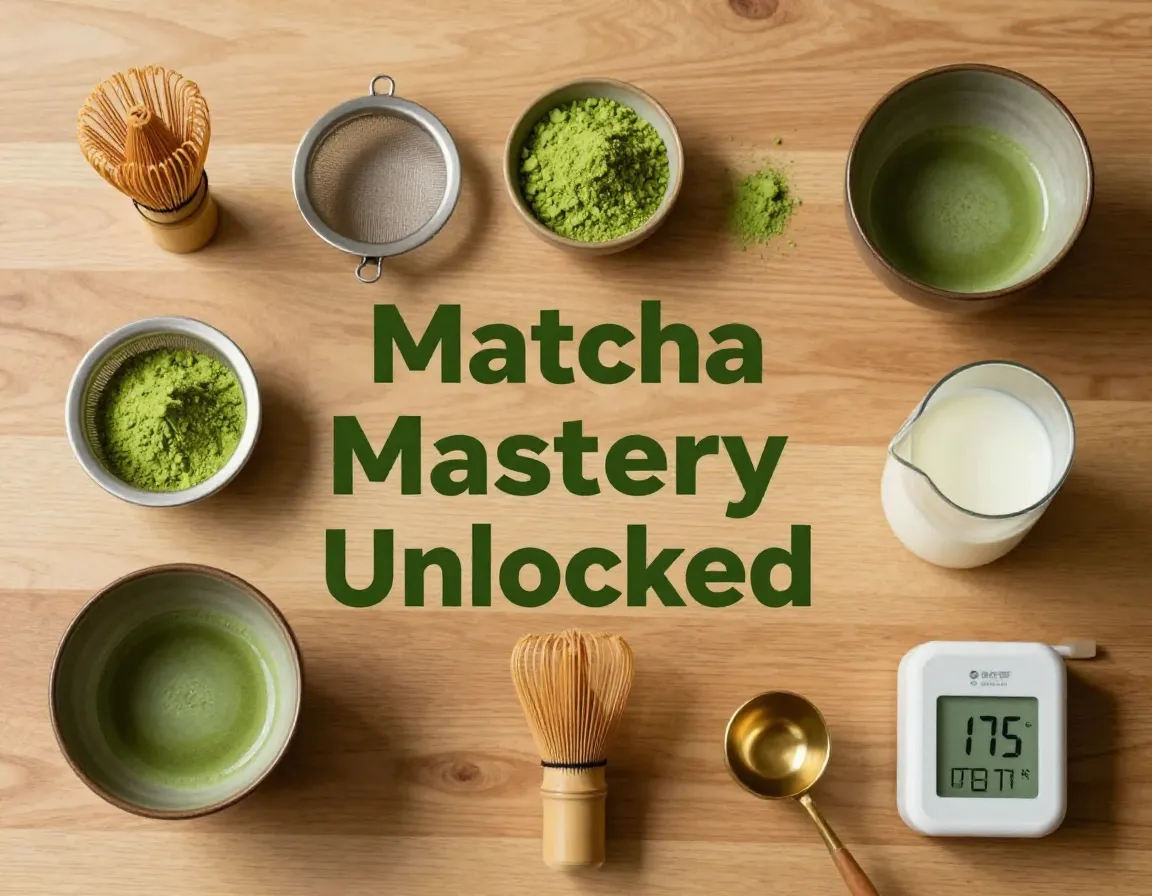
The difference between a mediocre matcha latte and a professional-grade one often comes down to small but crucial details that most people overlook. From the temperature of your water to the specific whisking technique, each step plays a vital role in achieving that perfect balance of earthy sweetness and velvety texture that defines an exceptional matcha latte.
Key Takeaways
- Sift your matcha powder to eliminate clumps and achieve a silky smooth texture that rivals professional cafés
- Use water between 170-180°F to preserve matcha’s natural sweetness and avoid bitter flavors
- Create a thick paste first by whisking matcha with hot water before adding milk for optimal consistency
- Master the W-motion whisking technique for 30 seconds to 1 minute to properly dissolve the matcha
- Invest in quality matcha ($20-$30 range) for superior color, flavor, and visual appeal
Essential Preparation Techniques: The Foundation of Professional Matcha Lattes
1. Always Sift Your Matcha Powder First
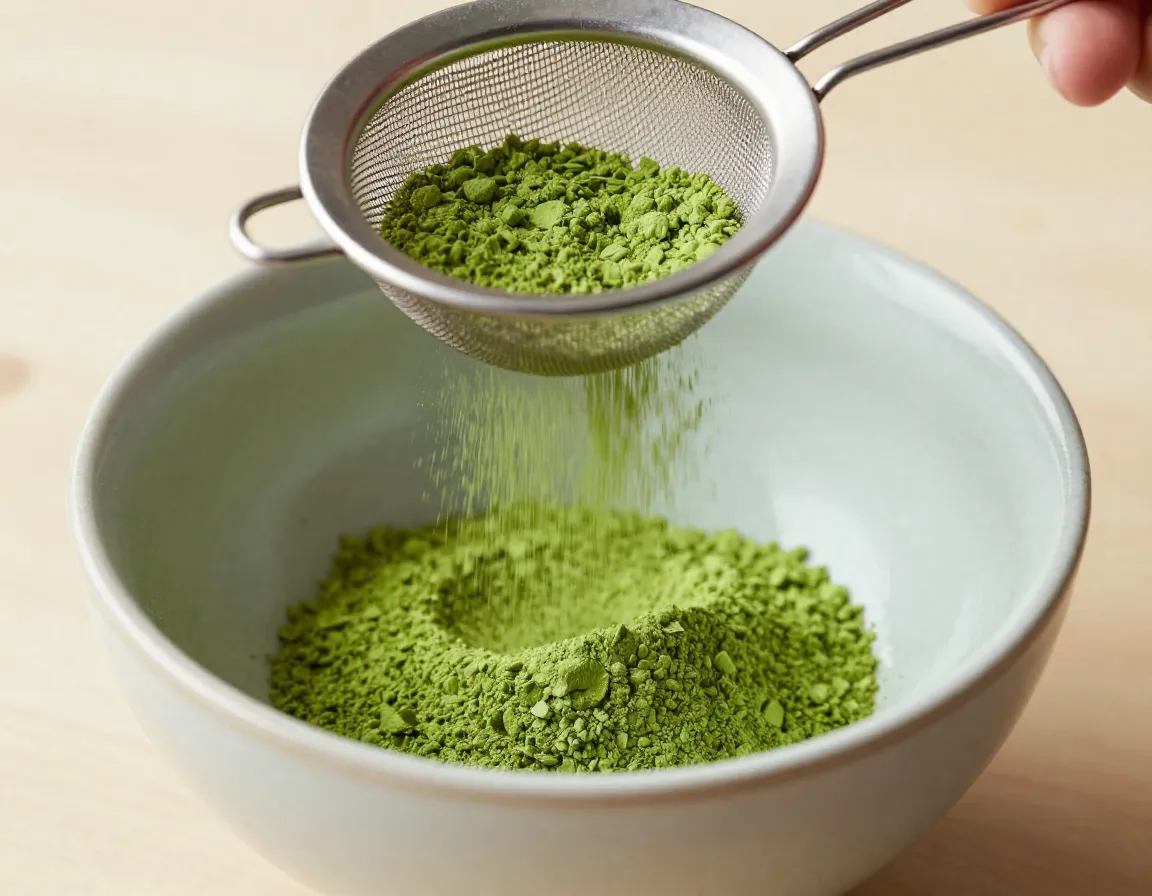
The first secret in these 8 Pro Tips on How to Make a Matcha Latte Like a Barista starts before you even touch water or milk. Sifting your matcha powder is absolutely crucial for achieving that smooth, professional texture that separates café-quality drinks from amateur attempts.
Static electricity causes matcha powder to form stubborn clumps that no amount of whisking can fully eliminate once they’re wet. [1] By using a fine-mesh sifter, you break up these clumps before they become a problem, ensuring every grain of matcha can dissolve properly.
Here’s how to sift like a pro:
- Use a fine-mesh tea strainer or dedicated matcha sifter
- Measure your matcha first, then sift it into your mixing bowl
- Gently tap the sides of the sifter rather than pressing the powder through
- Pro tip: Sift directly into the bowl you’ll use for whisking to minimize cleanup
Most cafés skip this step to save time, but it makes a noticeable difference in the final drink’s smoothness and visual appeal. [1] The extra 30 seconds spent sifting will eliminate that gritty texture that screams “homemade amateur hour.”
2. Use the Perfect Water Temperature: 170-180°F
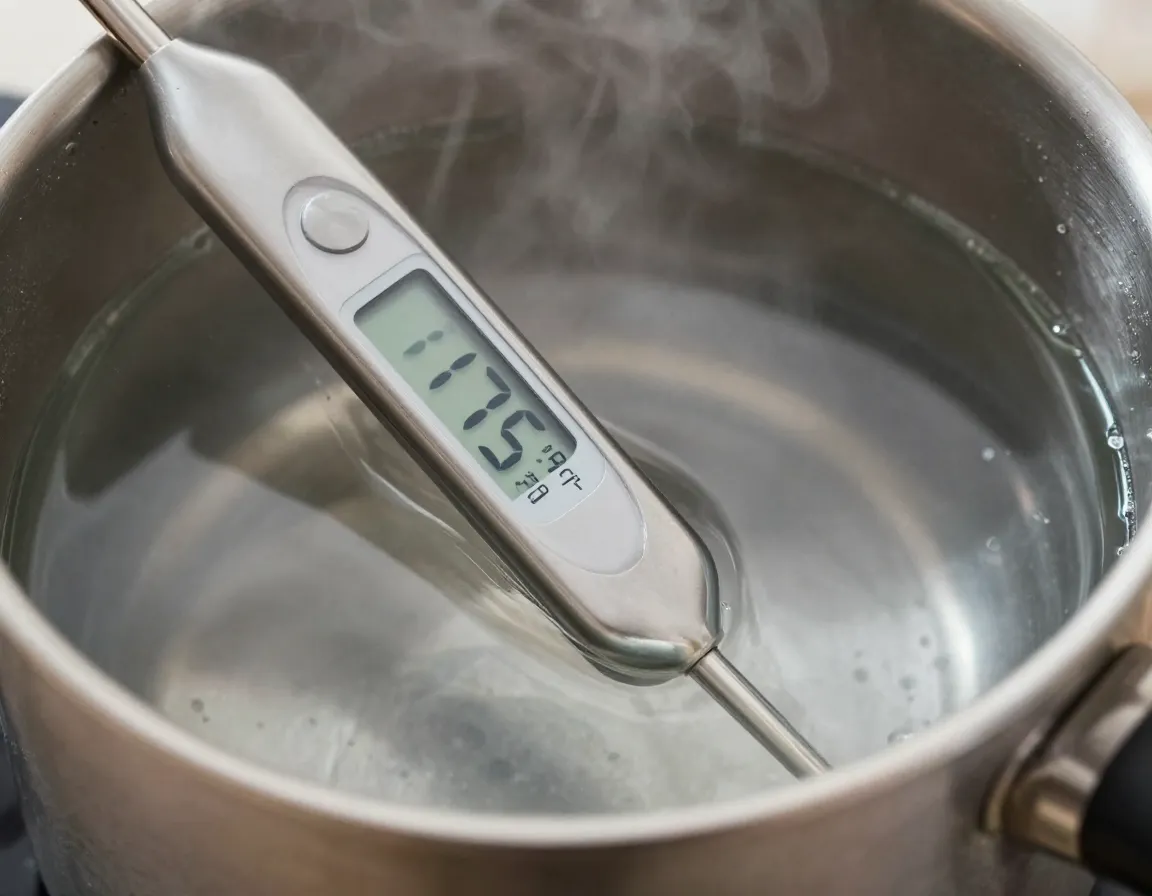
Temperature control separates professional baristas from home enthusiasts, and getting this right is essential for these 8 Pro Tips on How to Make a Matcha Latte Like a Barista. Never use boiling water – this is one of the biggest mistakes people make when preparing matcha.
Boiling water (212°F) draws out bitter compounds and destroys matcha’s delicate sweetness and umami flavor profile. [1][2] The optimal range of 170-180°F (77-82°C) preserves the natural complexity while ensuring proper dissolution.
Temperature guidelines:
- 170-175°F: Best for ceremonial grade matcha
- 175-180°F: Perfect for culinary grade matcha in lattes
- Never above 185°F: Risks bitterness and flavor loss
If you don’t have a thermometer, bring water to a boil and let it cool for 2-3 minutes. You can also test by holding your hand near the steam – it should feel hot but not scalding.
3. Create a Thick Matcha Paste Before Adding Milk
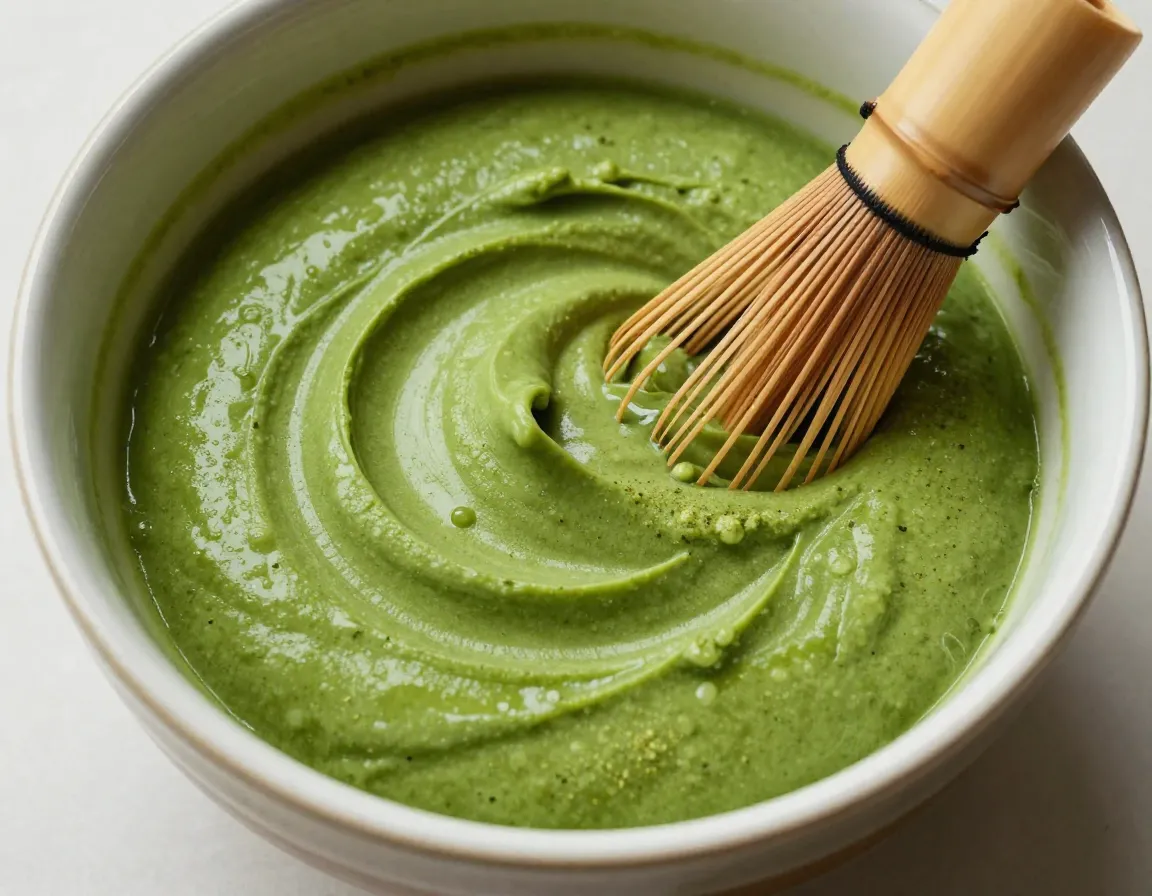
This technique mimics how baristas prepare espresso shots, and it’s a game-changer for consistency. Creating a thick matcha paste ensures complete dissolution and prevents the dreaded clumpy, gritty texture that ruins many homemade lattes. [2]
Start with 1 teaspoon (approximately 3g) of sifted matcha and add 2 ounces of hot water at your target temperature. [2][3] This creates the perfect ratio for a concentrated “matcha shot” that serves as your latte base.
The paste should have the consistency of:
- Thick honey or syrup
- Completely smooth with no visible powder
- Rich, vibrant green color
- No clumps or grittiness whatsoever
Think of this paste as your matcha espresso – it’s the concentrated flavor foundation that will distribute evenly throughout your milk rather than creating pockets of intense matcha flavor mixed with bland areas.
4. Master the W-Motion Whisking Technique
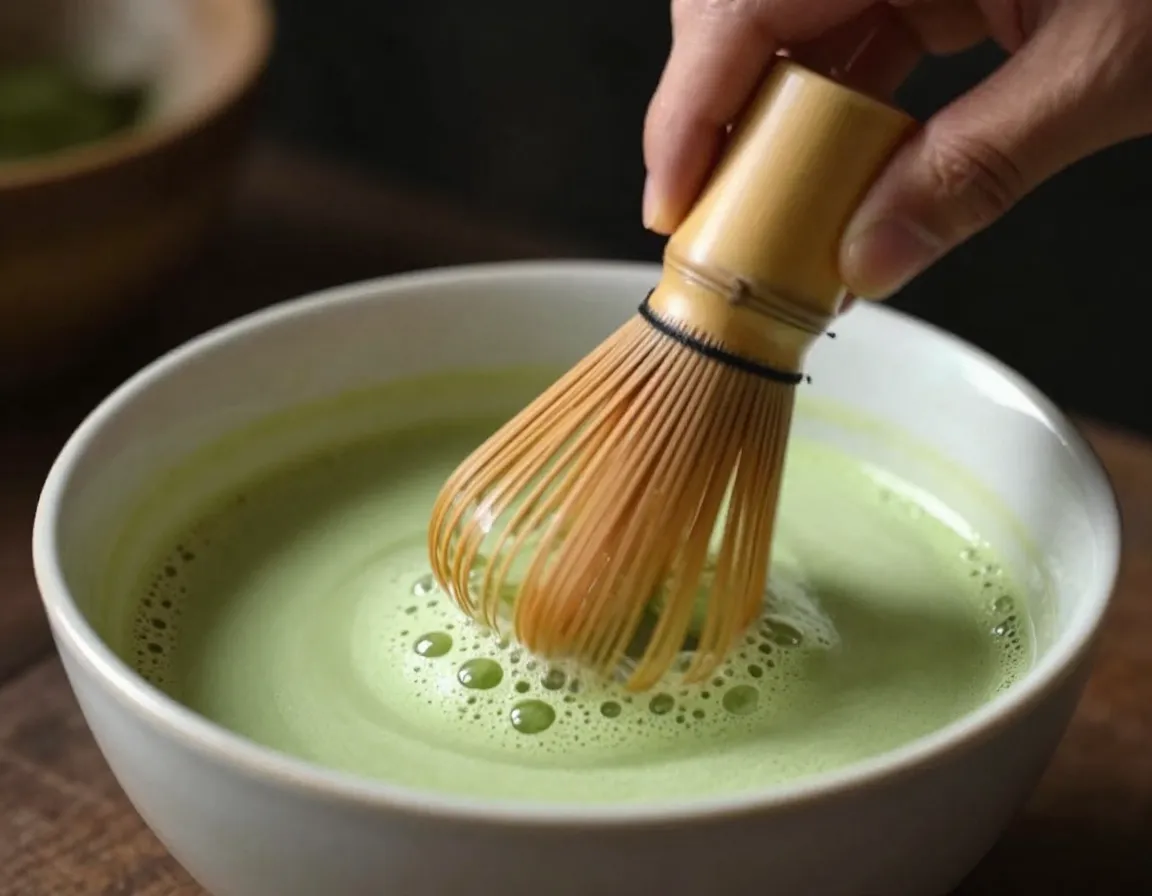
Forget everything you think you know about stirring. The W or M motion whisking technique is fundamental to these 8 Pro Tips on How to Make a Matcha Latte Like a Barista, and it’s completely different from circular stirring. [1][4]
Why the W-motion works:
- Creates maximum friction to break apart matcha particles
- Incorporates air for better texture
- Prevents the whisk from getting stuck in one motion pattern
- Distributes matcha evenly throughout the liquid
Proper whisking technique:
- Soak your bamboo whisk in hot water for 2-3 minutes to soften the bristles [3]
- Hold the whisk vertically and move it rapidly back and forth
- Whisk for 30 seconds to 1 minute maximum [1][3]
- Focus on the surface during the final 15 seconds for optimal froth
- Never use circular motions – they’re ineffective and won’t properly dissolve the matcha [1][4]
The most recent guidance from professional baristas recommends 30 seconds to 1 minute of vigorous whisking, with particular attention to surface whisking in the final moments. [1][3] Over-whisking doesn’t improve results and can actually slow down your workflow.
Advanced Milk Techniques and Quality Considerations
5. Perfect Your Milk Frothing at 150°F
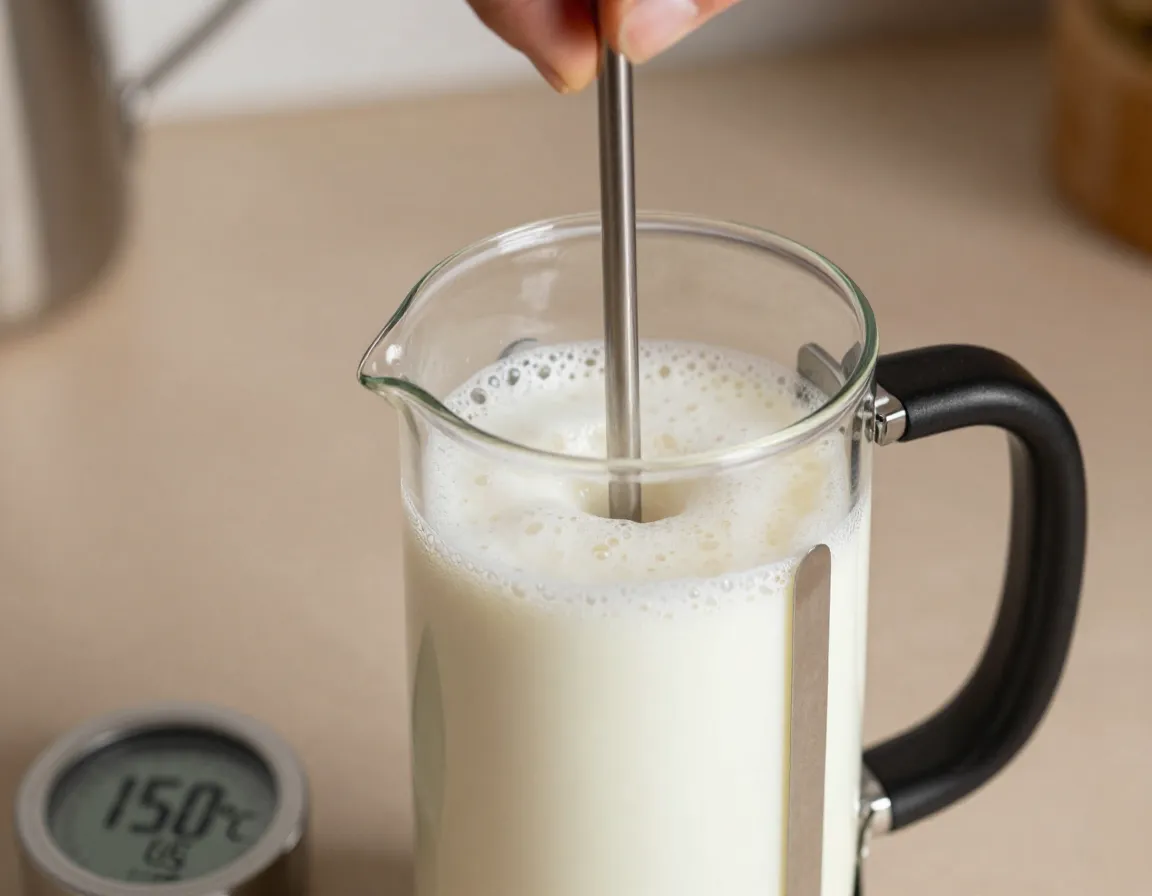
The milk component can make or break your matcha latte, and proper frothing technique distinguishes café-quality drinks from basic homemade versions. [2] The key is achieving that velvety rich froth that creates the perfect mouthfeel and visual appeal.
Target temperature: 150°F (65°C) for hot lattes. [2] This temperature provides optimal sweetness without scalding the milk proteins that create smooth microfoam.
Frothing methods ranked by quality:
| Method | Quality Level | Pros | Cons |
|---|---|---|---|
| Electric Milk Frother | Excellent | Heats and froths simultaneously, consistent results | Higher cost investment |
| French Press Method | Very Good | Great volume, easy to control | Requires stovetop heating |
| Manual Whisk | Good | Low cost, always available | Labor intensive, inconsistent |
| Jar Shaking | Basic | No equipment needed | Poor texture, limited froth |
French press technique: Heat milk on the stovetop to 150°F, pour into French press, and move the plunger up and down until the milk doubles in volume. [4] This creates excellent microfoam that rivals professional equipment.
6. Invest in Quality Matcha ($20-$30 Range)
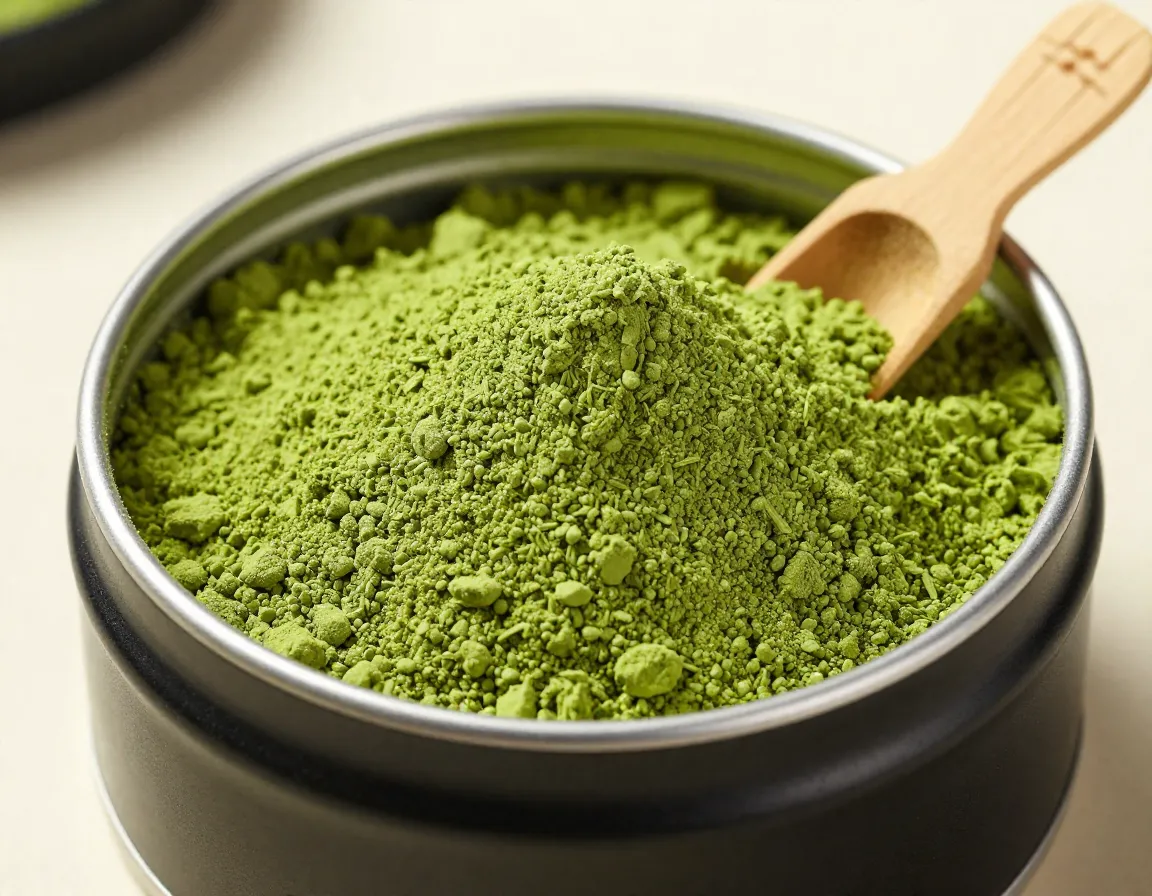
This might be the most important of these 8 Pro Tips on How to Make a Matcha Latte Like a Barista because ingredient quality directly impacts your final result. Cheap matcha will never produce a professional-quality latte, regardless of your technique.
Quality indicators:
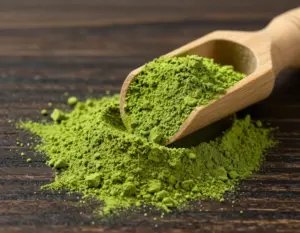
- Color: Bright, vibrant green (not brown or yellowish)
- Price range: $20-$30 for good latte-grade matcha [4]
- Origin: Japanese-grown (Uji, Nishio, or Kagoshima regions preferred)
- Grade: Culinary grade is perfect for lattes
Matcha costing less than $15 tends to be brown rather than bright green, indicating lower quality leaves or improper processing. [4] This affects not only flavor but also the visual appeal that makes matcha lattes so Instagram-worthy.
What you get with quality matcha:
- ✅ Better color and visual appeal
- ✅ Smoother, less bitter flavor
- ✅ Natural sweetness that reduces need for added sugar
- ✅ Consistent results every time
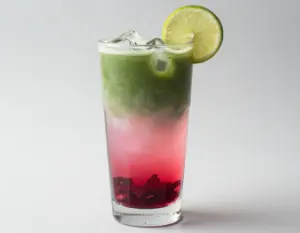
7. Master Layered Iced Matcha Lattes
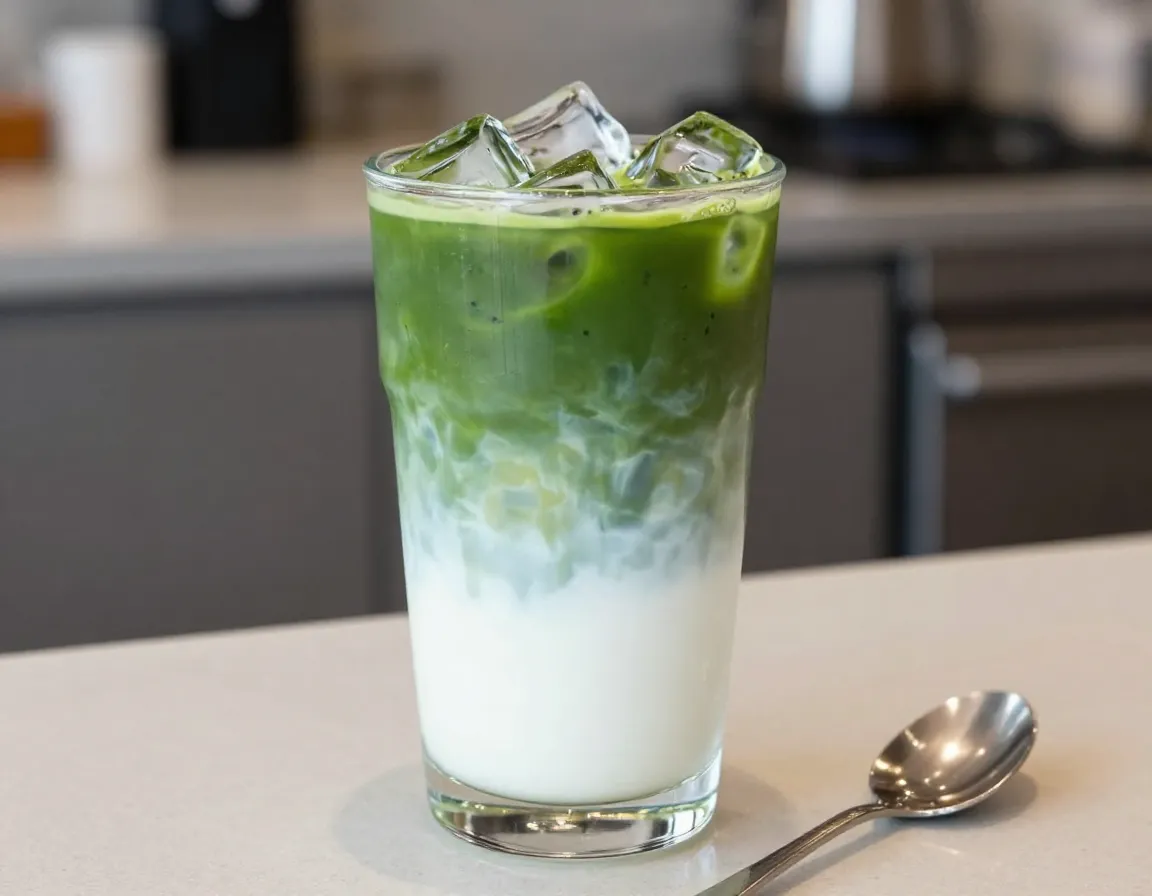
Creating beautiful layered iced matcha lattes requires specific technique and timing. This visual presentation technique is a signature move that showcases your professional-level skills and creates that stunning café aesthetic.
Layering technique:
- Fill glass with ice (large cubes work best)
- Pour cold milk over ice first – this creates your base layer [2][5]
- Prepare your matcha paste with slightly warmer water (not hot)
- Slowly pour matcha mixture over the back of a spoon to create gentle layering [5]
- Don’t stir immediately – let customers admire the visual before mixing
The temperature difference between the cool milk and slightly warm matcha creates natural layering that doesn’t immediately mix. [2][5] This technique requires practice but creates that professional presentation that elevates your home café game.
Pro presentation tips:
- Use clear glassware to showcase the layers
- Take photos before stirring for social media
- Provide a long spoon for customers to mix when ready
- Consider serving unstirred with mixing instructions
8. Measure Precisely for Consistent Results
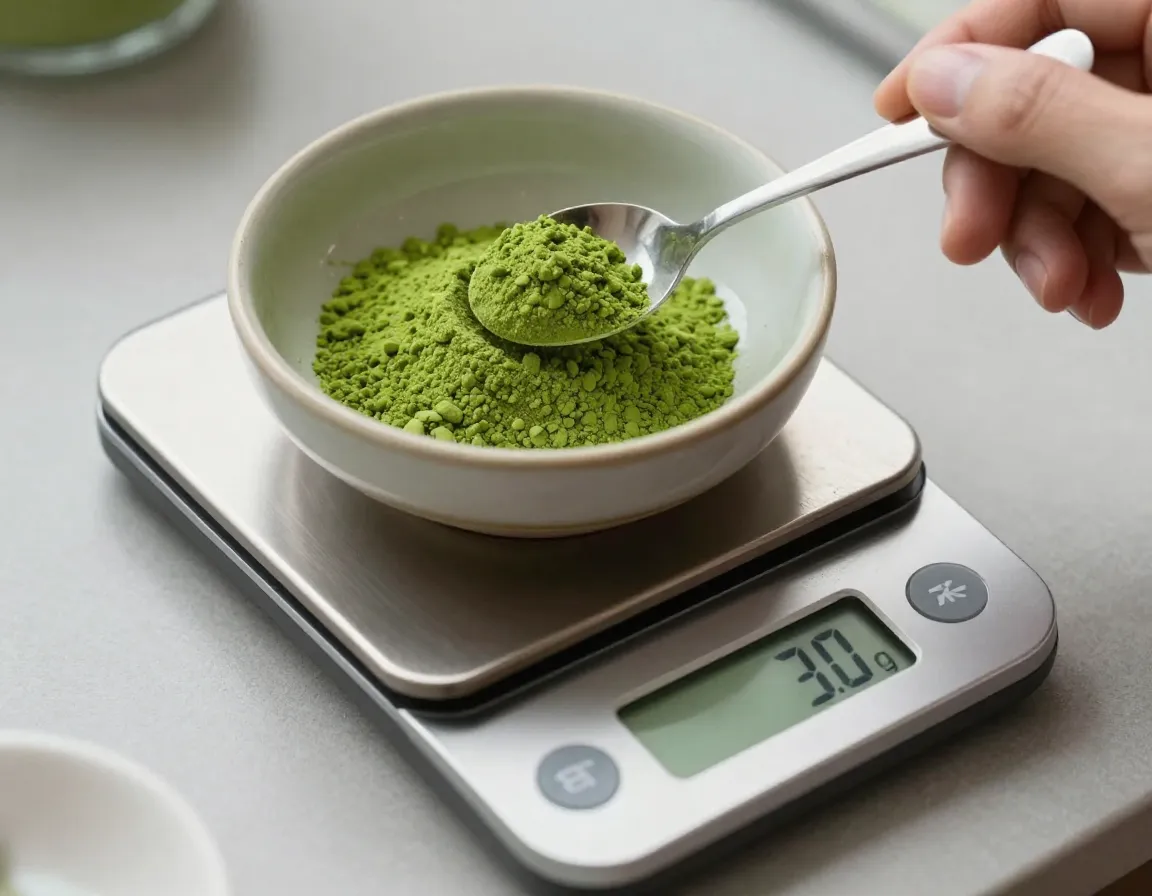
The final tip in these 8 Pro Tips on How to Make a Matcha Latte Like a Barista focuses on consistency through precise measurement. Professional cafés succeed because every drink tastes the same, and that requires exact ratios every time.
Standard measurements:
- Matcha powder: 1 teaspoon (3g) per latte [3]
- Hot water for paste: 2 ounces [2]
- Milk: 6-8 ounces depending on cup size
- Sweetener: Start with 1 teaspoon, adjust to taste
Why precision matters:
- Ensures reliable flavor profiles
- Helps manage expensive matcha supply efficiently [3]
- Creates muscle memory for faster preparation
- Eliminates guesswork that leads to inconsistent results
Consider investing in a small digital scale for ultimate precision. Professional baristas often weigh their matcha rather than using volume measurements because powder density can vary between brands and storage conditions.
Pro Quote: “The difference between a good matcha latte and a great one often comes down to the small details that most people skip. Precision in measurement and technique creates consistency that customers can rely on.”
Troubleshooting Common Issues
Even with these professional techniques, you might encounter some challenges. Here are solutions to the most common problems:
Clumpy or gritty texture:
- Always sift your matcha first
- Use the W-motion whisking technique
- Ensure water temperature isn’t too hot
Bitter or harsh flavor:
- Lower your water temperature to 170-175°F
- Invest in higher quality matcha
- Reduce steeping time if over-whisking
Poor milk froth:
- Check milk temperature (should be 150°F)
- Use whole milk for better foam stability
- Clean your frothing equipment thoroughly
Weak matcha flavor:
- Increase matcha quantity slightly (up to 1.5 teaspoons)
- Ensure complete dissolution in paste stage
- Consider using ceremonial grade for stronger flavor
Conclusion
Mastering these 8 Pro Tips on How to Make a Matcha Latte Like a Barista transforms your home brewing from amateur hour to professional quality. The key lies in understanding that every step matters – from sifting your matcha powder to achieving the perfect milk temperature at 150°F.
Your action plan for immediate improvement:
- Start with quality matcha in the $20-$30 range for noticeable flavor improvement
- Practice the W-motion whisking technique for 30 seconds to achieve smooth consistency
- Invest in a fine-mesh sifter to eliminate clumps before they form
- Use a thermometer to maintain precise water temperature between 170-180°F
The difference between good and exceptional matcha lattes comes down to consistency and attention to detail. By implementing these professional techniques, you’ll create café-quality drinks that rival your favorite coffee shop – and save money while developing a valuable skill.
Remember, becoming proficient takes practice, but even your first attempt using these methods will produce dramatically better results than basic recipes. Start with one or two techniques, master them, then gradually incorporate the others until these professional methods become second nature.
Ready to elevate your matcha game? Begin with tip #1 tomorrow morning – sift your matcha powder and taste the immediate difference in smoothness and texture. Your taste buds (and your Instagram followers) will thank you.
References
[1] A Beginners Guide To Making Cafe Quality Matcha Drinks Part One – https://www.baristamagazine.com/a-beginners-guide-to-making-cafe-quality-matcha-drinks-part-one/
[2] Master The Matcha Latte A Baristas Secrets For The Perfect Drink – https://ikimatcha.co/blogs/recipes/master-the-matcha-latte-a-baristas-secrets-for-the-perfect-drink
[3] Watch – https://www.youtube.com/watch?v=hnh_xDOxnzE
[4] Matcha Latte – https://www.ohhowcivilized.com/matcha-latte/
[5] Watch – https://www.youtube.com/watch?v=QkjzOPY0eH4