8 Matcha vs. Green Tea Benefits: Which Powerful Brew Wins?
Picture this: you’re standing in the tea aisle, torn between the vibrant green powder promising ancient Japanese wisdom and the familiar tea bags that have been your morning companion for years. If you’ve ever wondered about 8 Matcha vs. Green Tea Benefits: Which Powerful Brew Wins?, you’re not alone in this green tea dilemma that’s captivating health enthusiasts worldwide in 2026.
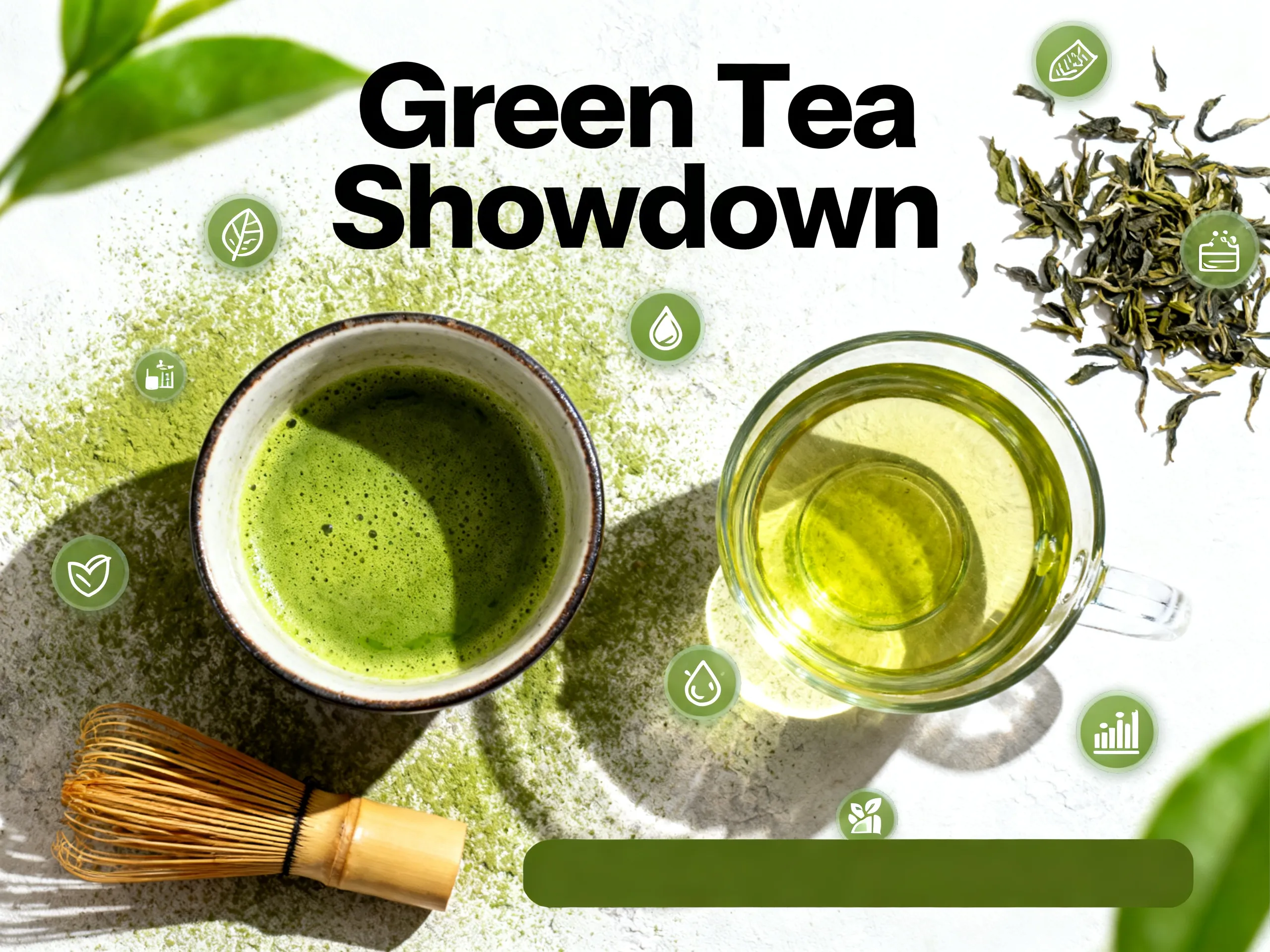
Both matcha and green tea come from the same plant—Camellia sinensis—yet they deliver dramatically different experiences and health benefits [1]. While one offers the meditative ritual of whisking powder into frothy perfection, the other provides the simple comfort of steeping leaves. The question isn’t just about taste; it’s about which green powerhouse can truly transform your health and daily routine.
Key Takeaways
- Matcha packs double the caffeine punch with 80mg per cup compared to green tea’s 35mg, providing sustained energy without the crash
- Nutritional density matters: One serving of matcha delivers the equivalent nutrients of 10 cups of regular green tea
- L-theanine levels are significantly higher in matcha, promoting calm focus and mental clarity through increased alpha brain waves
- Antioxidant concentration varies dramatically, with matcha containing more EGCG catechins than traditional green tea
- Both teas support metabolism and weight management, but matcha shows a 17% increase in fat oxidation during exercise
Understanding the Green Tea Family: Same Plant, Different Journeys
Before diving into our comparison of 8 Matcha vs. Green Tea Benefits: Which Powerful Brew Wins?, it’s essential to understand that both teas share the same botanical origin. They both come from Camellia sinensis, but their paths diverge dramatically in cultivation and processing [1].
Green tea follows a traditional route: leaves are picked, steamed or pan-fired to prevent oxidation, then dried and packaged. The brewing process involves steeping these leaves in hot water, extracting soluble compounds while leaving the leaf matter behind.
Matcha takes a more intensive journey. The tea plants are grown in partial shade for several weeks before harvest, which boosts chlorophyll and amino acid production [1]. The leaves are then stone-ground into an ultra-fine powder, meaning you consume the entire leaf when you drink matcha.
This fundamental difference in processing creates two distinct beverages with varying nutritional profiles, flavors, and health benefits.
The Caffeine Championship: Energy Levels and Sustained Focus
1. Caffeine Content Comparison
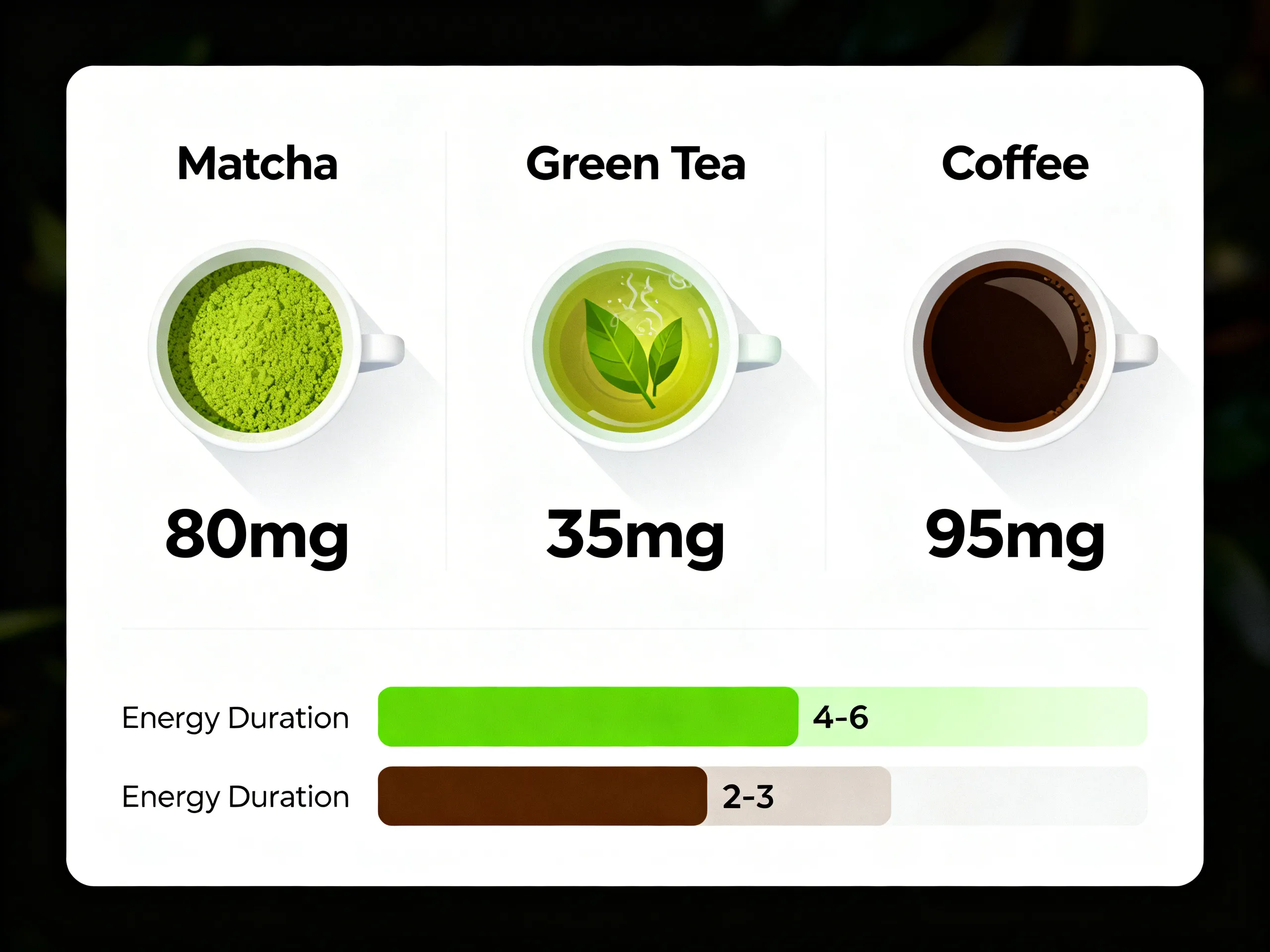
When examining 8 Matcha vs. Green Tea Benefits: Which Powerful Brew Wins? in terms of energy, caffeine content becomes a crucial factor. Matcha delivers approximately 80mg of caffeine per cup, while green tea provides around 35mg per cup—making matcha roughly equivalent to a cup of coffee [2].
| Beverage | Caffeine Content | Energy Duration |
|---|---|---|
| Matcha | 80mg per cup | 4-6 hours |
| Green Tea | 35mg per cup | 2-3 hours |
| Coffee | 95mg per cup | 2-4 hours |
2. The L-Theanine Advantage
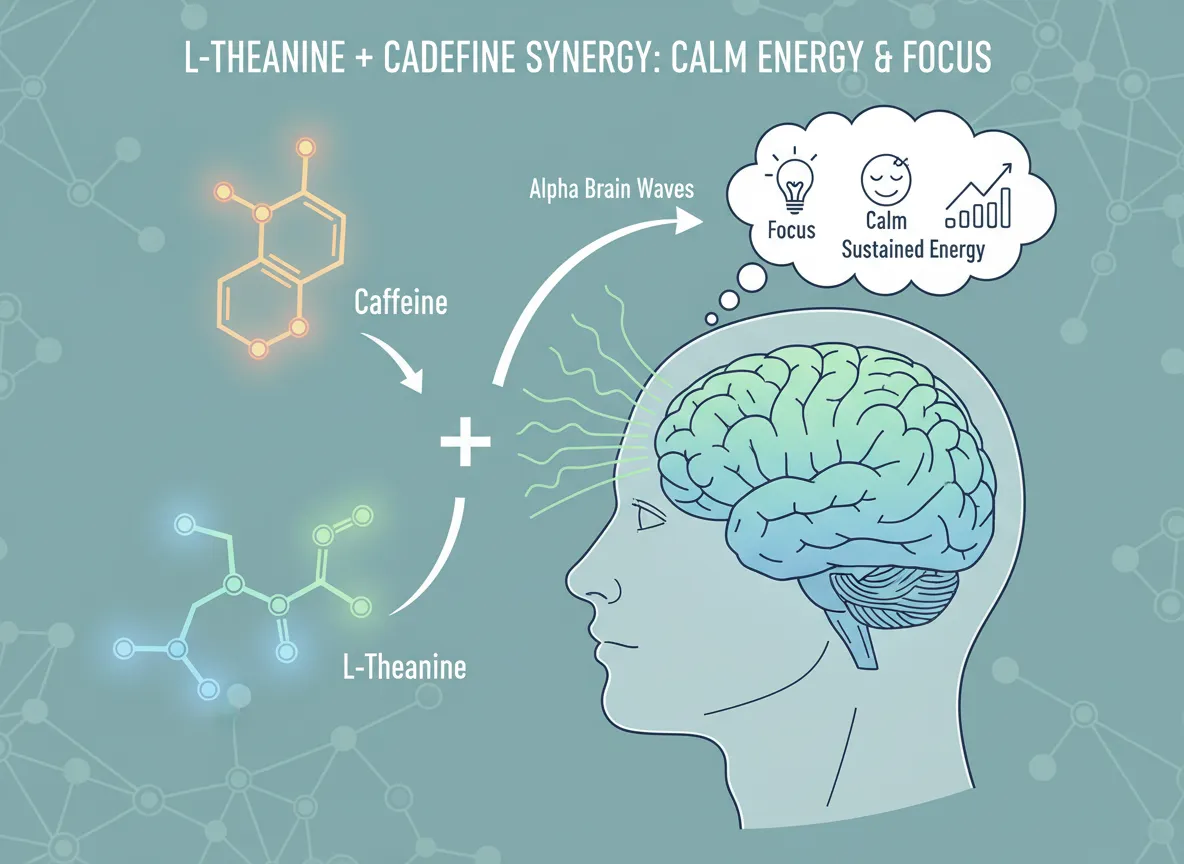
What sets both teas apart from coffee is their L-theanine content, an amino acid that promotes relaxation without drowsiness. Matcha contains significantly higher levels of L-theanine—about 10 times more than regular green tea [1].
L-theanine works synergistically with caffeine to:
- Increase alpha brain waves for calm alertness
- Reduce caffeine jitters and anxiety
- Provide sustained energy without the crash
- Enhance focus and concentration
This combination creates what many describe as “calm energy”—alert and focused without the nervousness often associated with coffee consumption.
Nutritional Powerhouse: Density and Bioavailability
3. Nutrient Concentration
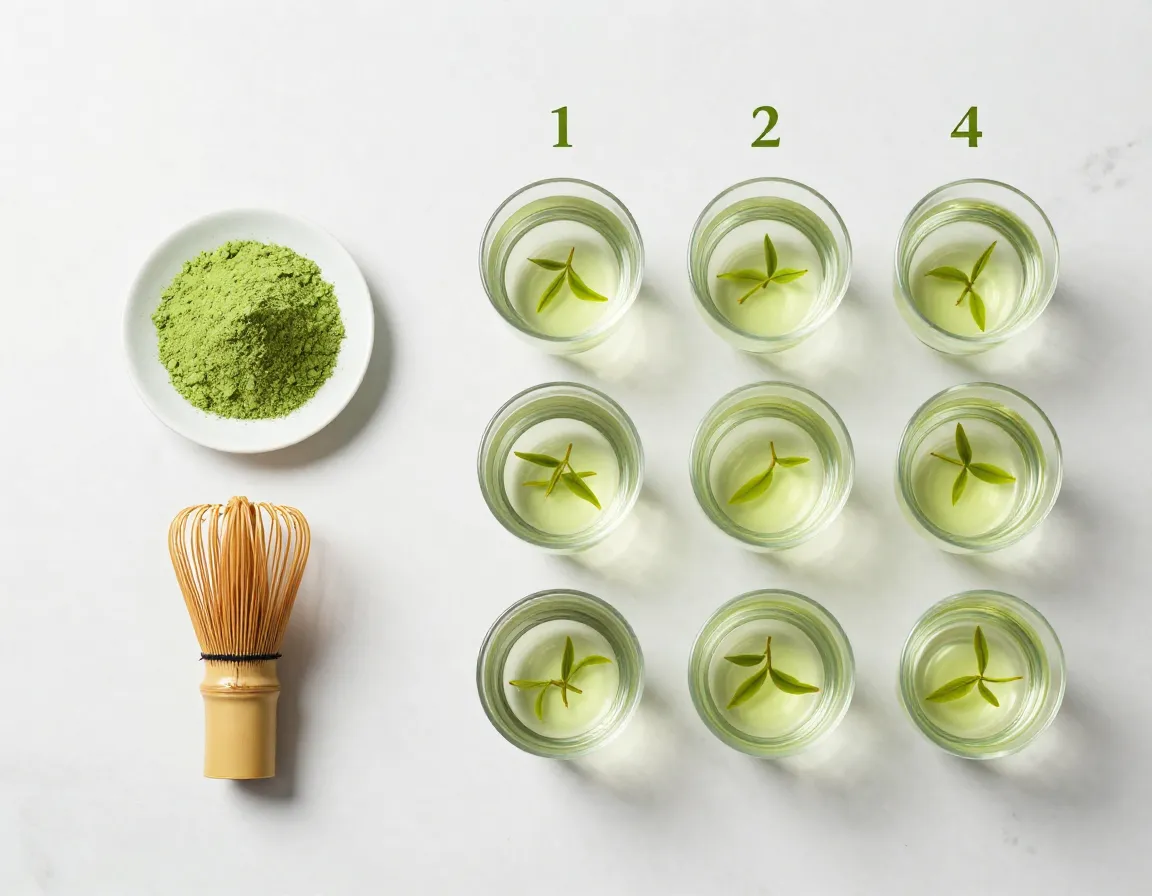
The nutritional comparison reveals why matcha has gained such popularity among health enthusiasts. One serving of matcha provides the nutritional equivalent of 10 cups of brewed green tea [1]. This concentration occurs because you’re consuming the entire leaf rather than just an extract.
Matcha’s nutritional advantages include:
- 🌿 Higher vitamin C content than oranges
- 🌿 Increased chlorophyll levels from shade-growing
- 🌿 Greater amino acid concentration
- 🌿 Enhanced mineral content including potassium and iron
4. Antioxidant Supremacy
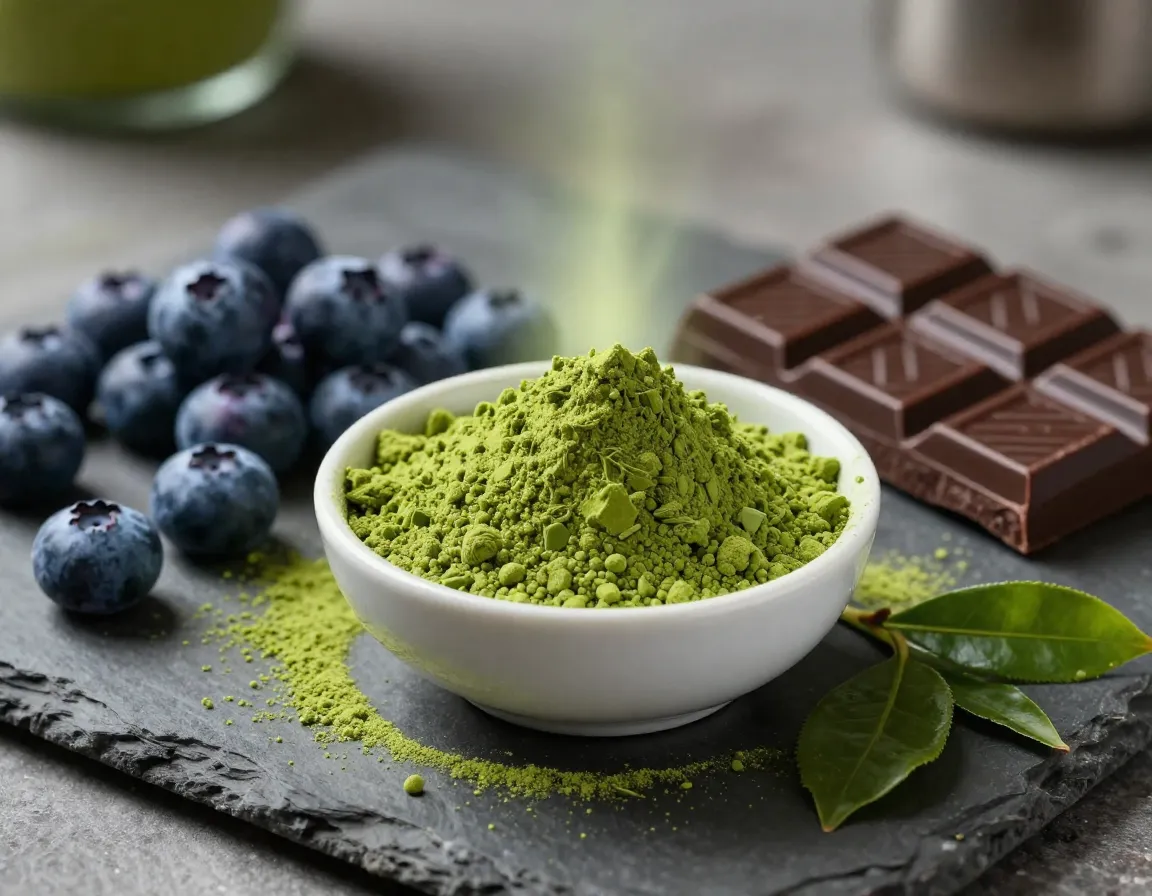
Both teas contain powerful antioxidants called catechins, particularly EGCG (epigallocatechin gallate). However, matcha’s antioxidant concentration surpasses that of blueberries and dark chocolate [3].
The antioxidant benefits include:
- Cellular protection against free radical damage
- Anti-inflammatory properties throughout the body
- Potential cancer-fighting compounds
- Cardiovascular health support
Green tea certainly provides antioxidants, but in lower concentrations due to the brewing process, which extracts only water-soluble compounds.
Metabolic and Weight Management Benefits
5. Fat Oxidation and Metabolism
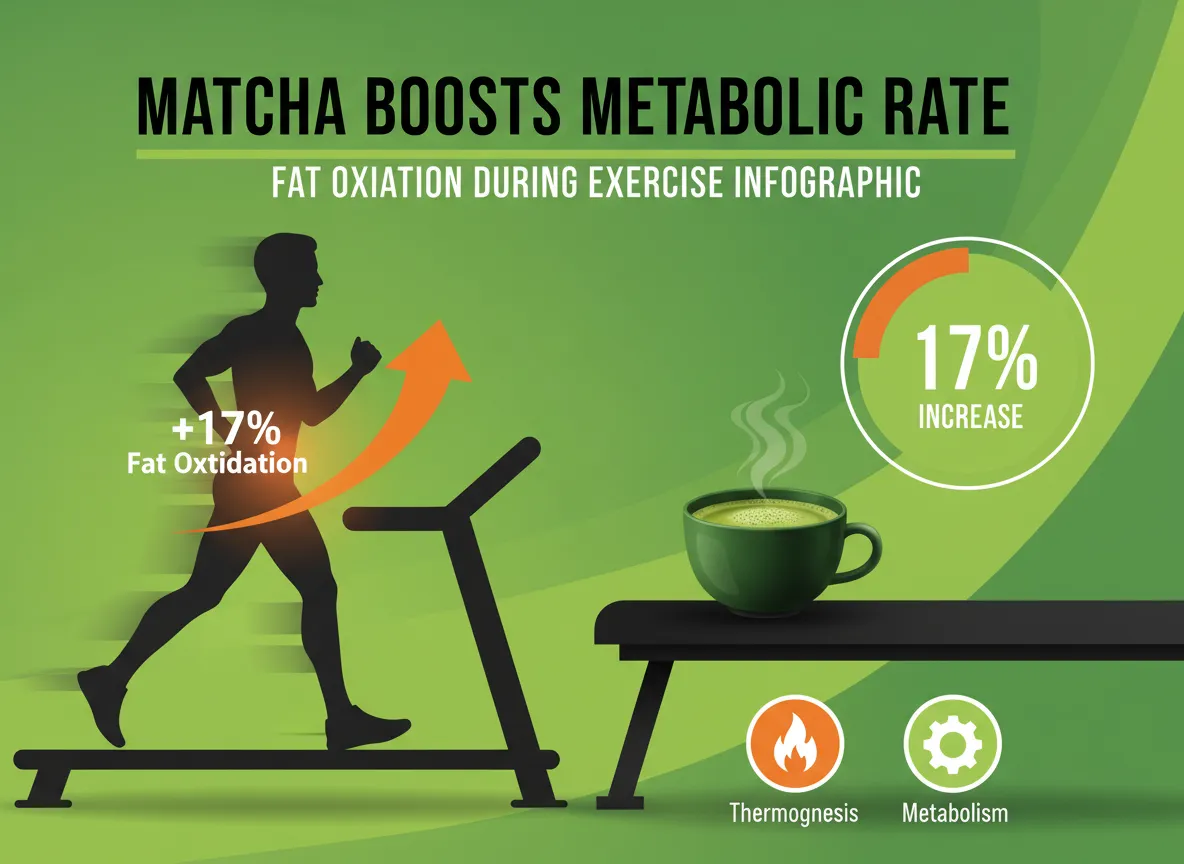
Research indicates that matcha can increase fat oxidation by up to 17% during exercise, making it a powerful ally for weight management [3]. This metabolic boost comes from the combination of caffeine, EGCG, and other catechins working together.
Metabolic benefits of both teas:
- ✅ Increased thermogenesis (calorie burning)
- ✅ Enhanced fat oxidation during physical activity
- ✅ Improved insulin sensitivity
- ✅ Appetite regulation support
While green tea also supports metabolism, the effects are more modest due to lower concentrations of active compounds.
6. Long-term Weight Management

The sustained energy from matcha’s caffeine and L-theanine combination can support consistent exercise routines and reduce cravings for sugary snacks. The amino acids in matcha also help regulate cortisol levels, which can impact weight management when chronically elevated.
Cognitive Function and Mental Clarity
7. Brain Health and Focus
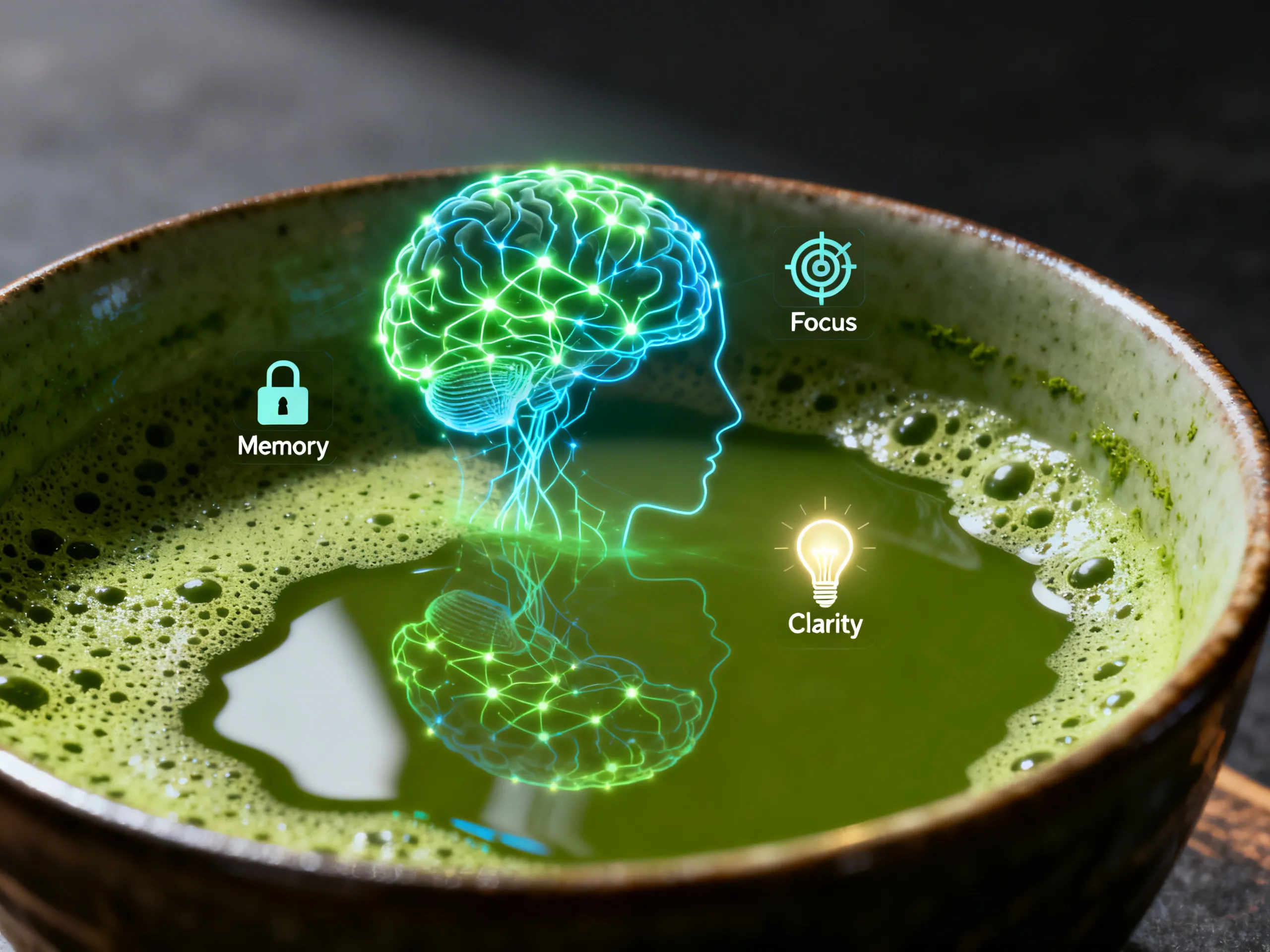
When considering 8 Matcha vs. Green Tea Benefits: Which Powerful Brew Wins? for cognitive function, both teas offer significant advantages, but matcha takes the lead due to its higher L-theanine content.
Cognitive benefits include:
- 🧠 Enhanced working memory and attention span
- 🧠 Improved reaction time and processing speed
- 🧠 Reduced mental fatigue during demanding tasks
- 🧠 Better mood regulation and stress resilience
The L-theanine in these teas increases alpha brain wave activity, associated with a relaxed but alert mental state—similar to what’s achieved through meditation [3].
8. Neuroprotective Properties
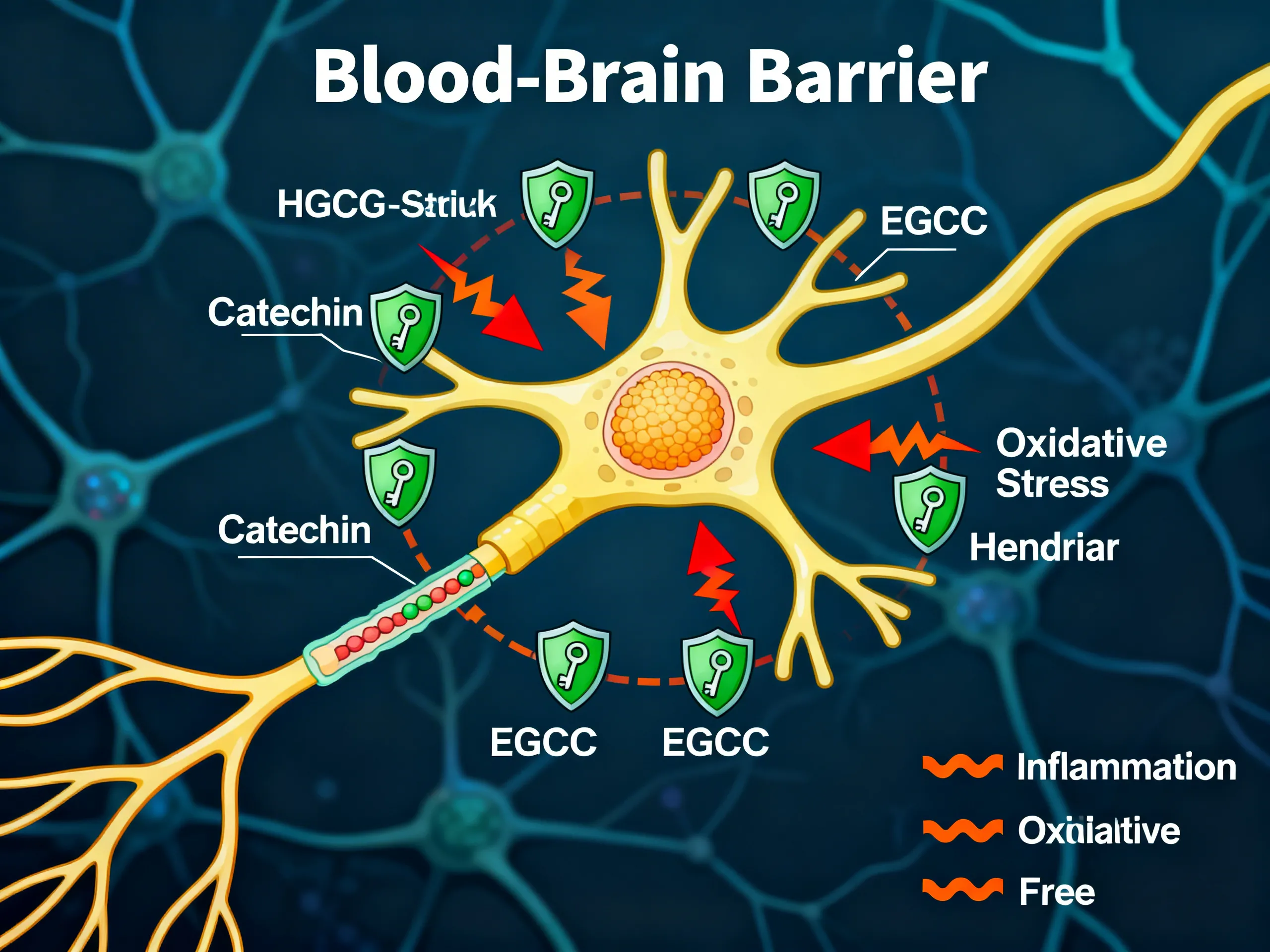
Both matcha and green tea contain compounds that may protect against age-related cognitive decline. The EGCG catechins can cross the blood-brain barrier, potentially offering protection against neurodegenerative diseases.
Long-term brain health benefits:
- Reduced oxidative stress in brain tissue
- Improved neural connectivity and plasticity
- Enhanced memory consolidation
- Protection against inflammation in the nervous system
Flavor Profiles and Preparation Methods
Understanding the taste and preparation differences helps determine which tea fits your lifestyle and preferences when evaluating 8 Matcha vs. Green Tea Benefits: Which Powerful Brew Wins?
Matcha Characteristics:
- Flavor: Umami-rich, vegetal, earthy with subtle sweetness [2]
- Texture: Smooth, frothy when properly whisked
- Preparation: Requires bamboo whisk and specific technique [4]
- Versatility: Can be used in lattes, smoothies, and baking
Green Tea Characteristics:
- Flavor range: From floral and grassy to smoky and toasty [2]
- Variety: Multiple types (sencha, gyokuro, jasmine, etc.)
- Preparation: Simple steeping with loose leaves or bags [4]
- Convenience: Easy to prepare anywhere
Cost and Accessibility Considerations
Matcha typically costs more due to its labor-intensive production process. High-quality ceremonial grade matcha can range from $30-100+ per ounce, while culinary grade options are more affordable.
Green tea offers excellent value with a wide range of price points, from budget-friendly tea bags to premium loose-leaf varieties.
“The investment in quality matcha pays dividends in nutritional density—you’re getting concentrated benefits that would require multiple cups of green tea to achieve.”
Making the Right Choice for Your Lifestyle
When determining 8 Matcha vs. Green Tea Benefits: Which Powerful Brew Wins? for your specific needs, consider these factors:
Choose Matcha if you:
- Want maximum nutritional density per serving
- Prefer sustained energy without crashes
- Enjoy ritual and mindful preparation
- Need higher caffeine content
- Want to incorporate tea into recipes
Choose Green Tea if you:
- Prefer variety in flavors and types
- Want a more budget-friendly option
- Like simple, convenient preparation
- Enjoy moderate caffeine levels
- Appreciate traditional tea culture
Health Considerations and Precautions
Both teas are generally safe for most people, but there are some considerations:
Potential concerns:
- Caffeine sensitivity: Start with smaller amounts
- Iron absorption: Tannins may interfere with iron uptake
- Medication interactions: Consult healthcare providers if taking blood thinners
- Pregnancy: Limit caffeine intake as recommended by healthcare providers
Quality matters: Choose organic, high-quality sources to avoid pesticides and ensure maximum benefits.
The Sustainability Factor
Matcha production requires more resources and labor, making it less environmentally sustainable on a per-serving basis. However, the nutritional density means you need less volume for equivalent benefits.
Green tea generally has a lower environmental impact due to simpler processing, though transportation and packaging still matter.
Consider supporting brands that prioritize sustainable farming practices and ethical sourcing regardless of your choice.
Conclusion
After examining 8 Matcha vs. Green Tea Benefits: Which Powerful Brew Wins?, the answer isn’t definitively one or the other—it depends on your individual needs, preferences, and lifestyle. Matcha emerges as the nutritional powerhouse, delivering concentrated benefits that would require multiple cups of green tea to achieve. Its higher caffeine content, exceptional L-theanine levels, and superior antioxidant concentration make it ideal for those seeking maximum health benefits and sustained energy.
However, green tea shouldn’t be dismissed. It offers excellent health benefits at a more accessible price point, with greater variety and simpler preparation methods. For many people, the convenience and cost-effectiveness of green tea make it a more sustainable long-term choice.
Your next steps:
- Assess your caffeine tolerance and energy needs
- Consider your budget and how often you’ll consume tea
- Try both options to determine your taste preference
- Start with high-quality sources to experience the full benefits
- Monitor how each affects your energy, focus, and overall well-being
The real winner in this comparison might be incorporating both into your routine—matcha for those times when you need maximum focus and energy, and green tea for daily hydration and gentle health support. In 2026’s wellness landscape, having options that support your health goals while fitting your lifestyle is the ultimate victory.
Whether you choose the ceremonial whisking of matcha or the simple steeping of green tea leaves, you’re making a positive choice for your health. The best tea is the one you’ll actually drink consistently, allowing you to reap the long-term benefits these remarkable beverages offer.
References
[1] Green Tea Vs Matcha Is There A Difference – https://threeleaftea.com/blogs/blog/green-tea-vs-matcha-is-there-a-difference
[2] Matcha Vs Green Tea – https://www.masterclass.com/articles/matcha-vs-green-tea
[3] Matcha Green Tea Japan S Secret To Longevity And Vitality – https://akimatcha.com/blogs/aki-matcha-101/matcha-green-tea-japan-s-secret-to-longevity-and-vitality
[4] Matcha Vs Green Tea – https://www.webstaurantstore.com/blog/5418/matcha-vs-green-tea.html
[5] Health – https://www.ctcd.edu/sites/myctcd/health/?p=is-matcha-green-tea-the-same-as-green-tea-extract-real-results-feelings-from-everyday-use-2026-guide-698752b35d44e