8 Key Differences: Cafe Latte vs Cappuccino (And How to Order Like a Pro)
Picture this: You’re standing in line at your favorite coffee shop, confidently approaching the counter, when suddenly you freeze. The barista asks what you’d like, and you find yourself stammering between “latte” and “cappuccino” without really knowing which one you want. If this scenario sounds familiar, you’re not alone—millions of coffee lovers face this daily dilemma. Understanding the 8 Key Differences: Cafe Latte vs Cappuccino (And How to Order Like a Pro) will transform you from a hesitant coffee novice into someone who orders with confidence and gets exactly what they’re craving every single time.

Key Takeaways
- Milk ratios matter most: Lattes contain more steamed milk (6-8 oz) while cappuccinos have equal parts espresso, steamed milk, and foam
- Foam thickness varies dramatically: Cappuccinos feature thick, dense foam (1 inch+) versus lattes’ thin microfoam layer
- Size and strength differ: Lattes are larger and milder; cappuccinos are smaller and more intense
- Ordering confidence comes from knowing terminology: Use specific terms like “dry,” “wet,” or milk alternatives to get your perfect drink
- Both drinks start with quality espresso: The foundation remains the same, but preparation techniques create distinct experiences
Understanding the Coffee Foundation
Before diving into the 8 Key Differences: Cafe Latte vs Cappuccino (And How to Order Like a Pro), let’s establish the common ground. Both drinks start with a foundation of espresso—that concentrated coffee shot that forms the heart of countless cafe beverages. The magic happens in what comes next: how baristas manipulate milk, foam, and proportions to create two completely different drinking experiences.
The confusion between these drinks isn’t surprising. They’re both espresso-based, they both contain steamed milk, and they’re both served in coffee shops worldwide. However, the devil is in the details, and those details make all the difference in your morning coffee ritual.
The Complete Guide: 8 Key Differences Between Cafe Latte and Cappuccino
1. Milk-to-Espresso Ratio: The Foundation of Flavor

The most fundamental difference lies in the milk-to-espresso ratio. A traditional latte contains approximately 6-8 ounces of steamed milk combined with 1-2 shots of espresso, creating a ratio of roughly 3:1 or 4:1 milk to espresso. This generous milk content results in a creamy, mellow flavor where the coffee taste is present but not overwhelming.
Cappuccinos follow the classic Italian formula of equal parts: 1/3 espresso, 1/3 steamed milk, and 1/3 foam. This creates a much more intense coffee flavor since there’s less milk to dilute the espresso’s boldness. The total volume is typically 5-6 ounces, making it a more concentrated experience.
“The perfect cappuccino should have equal layers that you can see distinctly when properly prepared. It’s like coffee architecture in a cup.” – Master Barista Training Manual
2. Foam Texture and Thickness: The Art of Milk Steaming
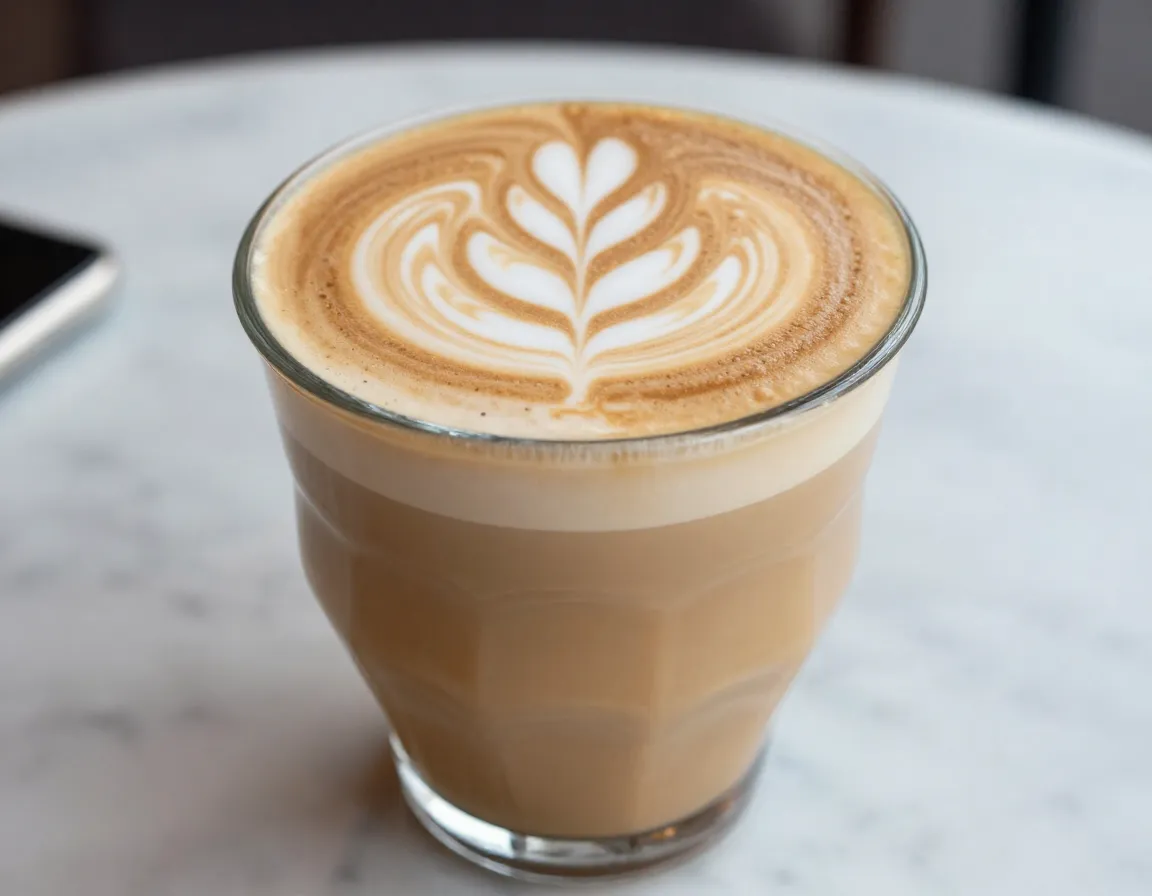
Foam quality separates good coffee shops from great ones, and it’s where lattes and cappuccinos diverge dramatically. Cappuccino foam should be thick, dense, and sturdy enough to support a spoonful of sugar for several seconds. We’re talking about 1 inch or more of substantial foam that creates a distinct layer on top of the drink.
Latte foam, conversely, is all about microfoam—that velvety, paint-like texture that allows for intricate latte art. The foam layer is typically only 1/4 inch thick and integrates seamlessly with the steamed milk below. This microfoam creates the canvas for those Instagram-worthy rosetta and heart designs.
Foam Comparison Table:
| Aspect | Cappuccino | Latte |
|---|---|---|
| Thickness | 1+ inch | 1/4 inch |
| Texture | Dense, dry | Creamy, wet |
| Integration | Distinct layer | Blended |
| Latte Art | Limited | Extensive |
3. Serving Size and Cup Choice: Size Matters
Traditional serving sizes reflect each drink’s Italian origins and intended consumption experience. Cappuccinos are served in 5-6 ounce cups, often ceramic, designed for leisurely sipping and savoring the intense coffee flavor. The smaller size means you’ll finish it while it’s still hot and the foam maintains its texture.
Lattes typically come in 8-12 ounce servings, sometimes larger in American coffee chains. The larger size accommodates the generous milk content and creates a drink that’s meant to be enjoyed over a longer period. You’ll often see lattes served in tall glasses or larger ceramic mugs.
4. Flavor Profile and Intensity: Bold vs. Mellow
The flavor experience differs significantly between these drinks. Cappuccinos deliver a bold, intense coffee flavor where the espresso takes center stage. The equal ratios mean each sip contains a substantial coffee punch, balanced by creamy milk and airy foam. It’s the choice for coffee purists who want to taste their espresso clearly.
Lattes offer a mellow, creamy experience where the coffee flavor is present but softened by the generous milk content. The flavor is more approachable for those who find straight espresso too intense. It’s coffee comfort food—familiar, warming, and gentle on the palate.
5. Temperature and Drinking Experience: Hot vs. Warm
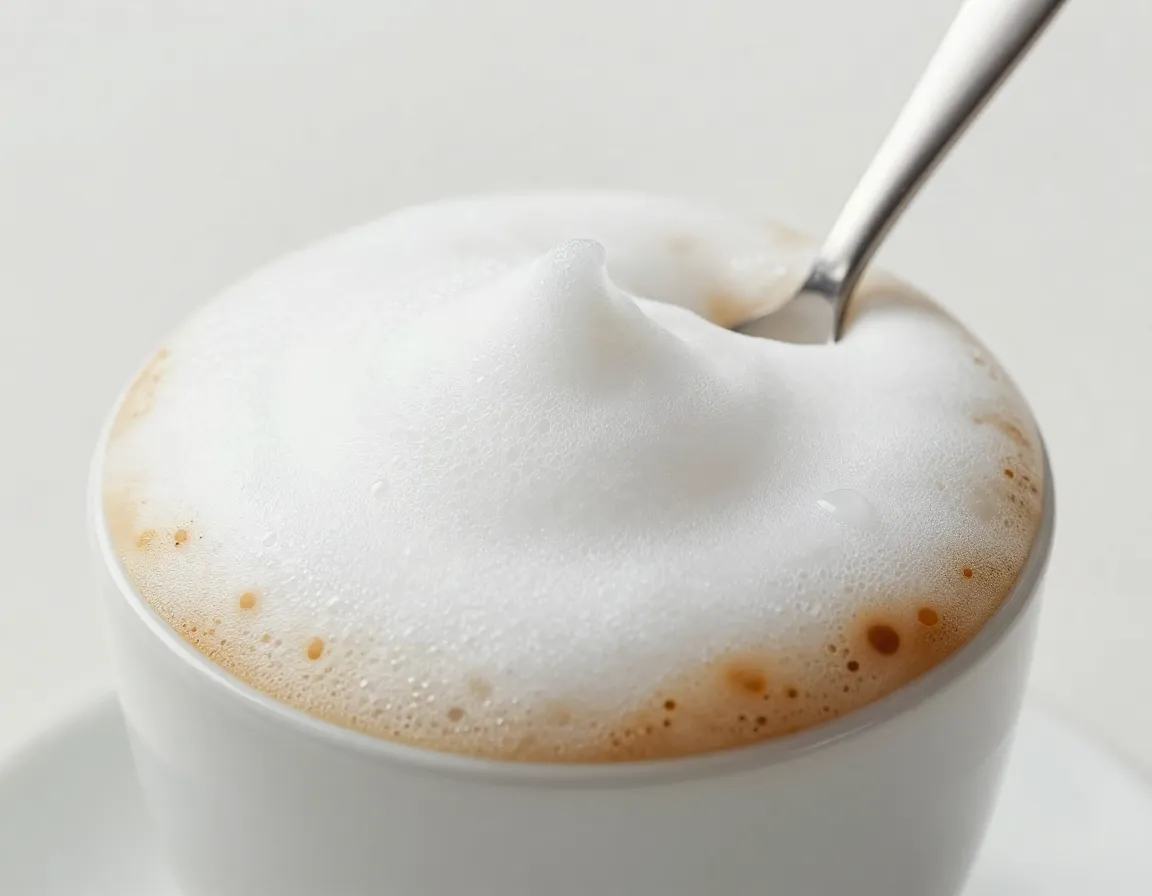
Temperature retention varies between these drinks due to their different compositions. Cappuccinos, with their thick foam layer acting as insulation, tend to stay hotter longer. However, the smaller serving size means you’ll typically finish it quickly while it’s still at optimal temperature.
Lattes, despite their larger volume, cool more quickly due to the higher milk content and thinner foam layer. The drinking experience is designed to be more leisurely, and many people actually prefer lattes slightly cooler than cappuccinos.
6. Preparation Technique and Barista Skill: The Craft Behind the Cup
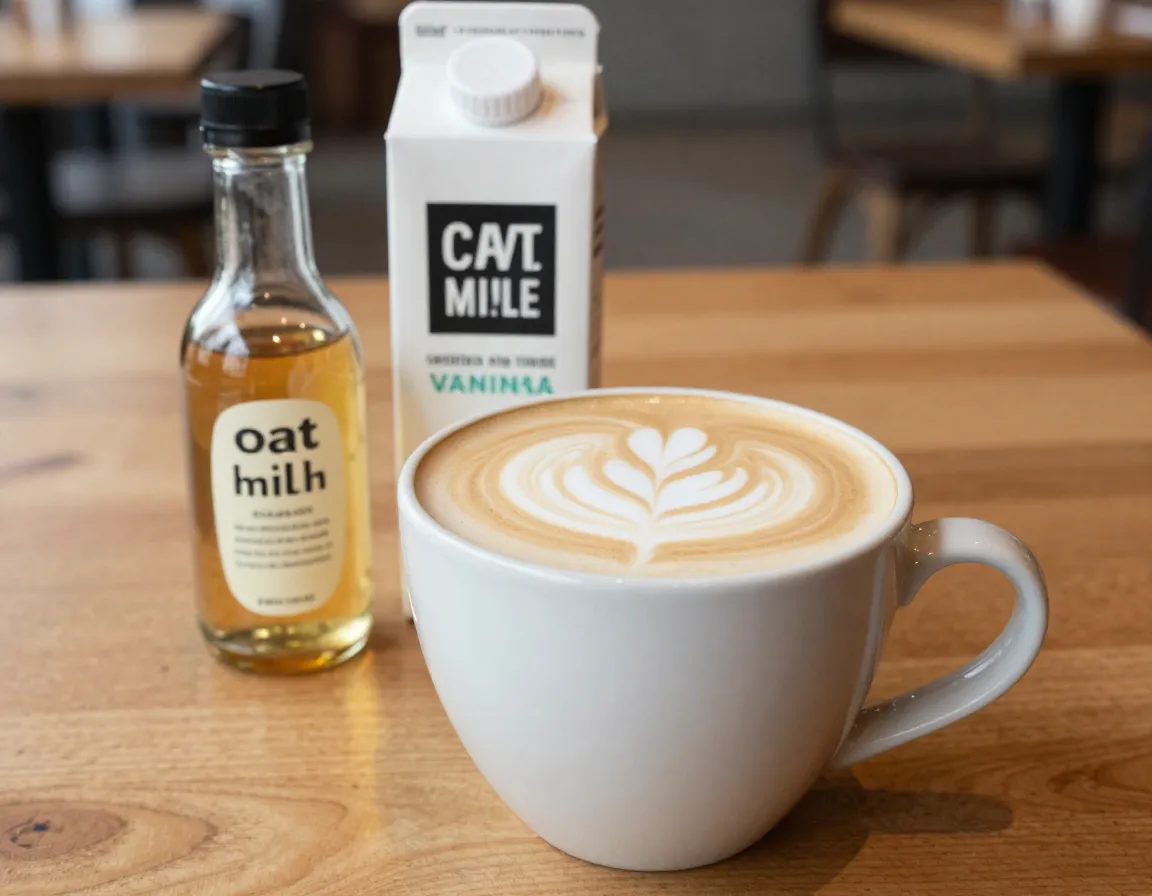
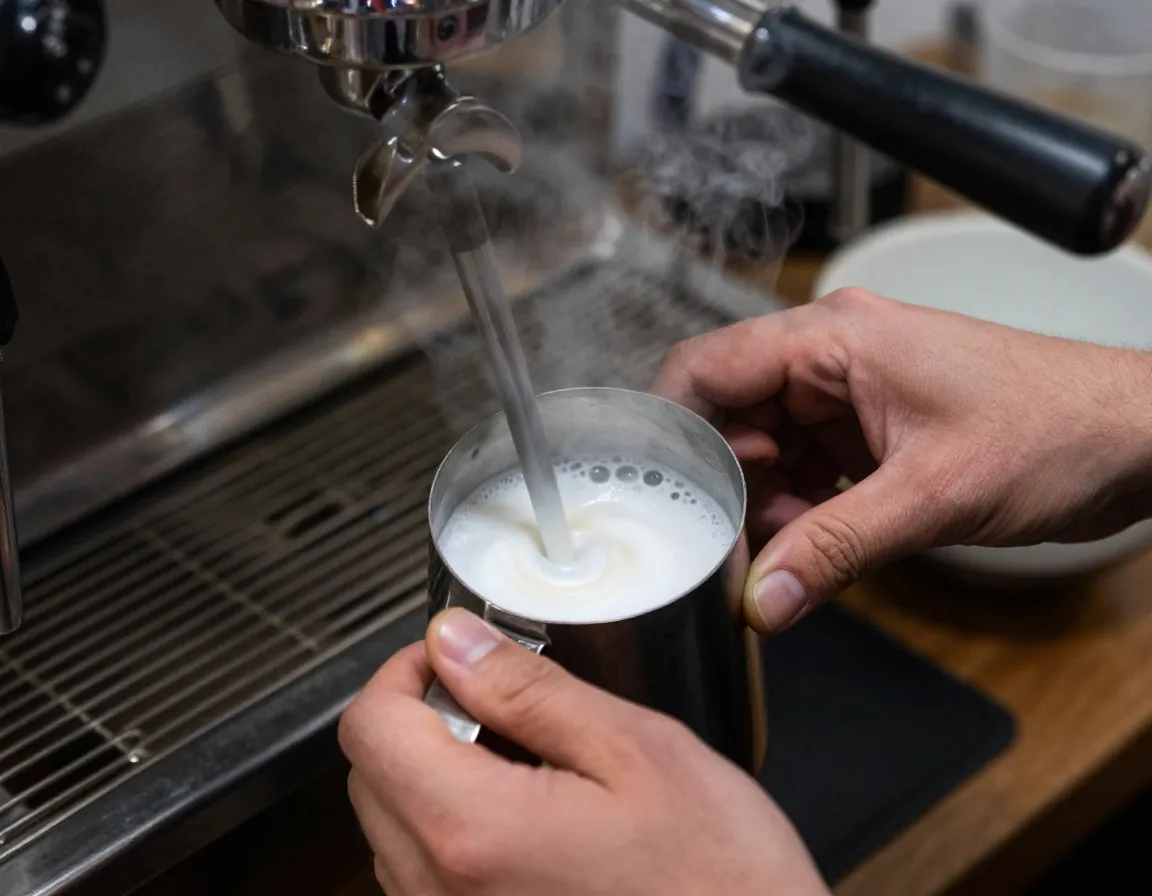
The preparation methods showcase different barista skills. Cappuccino preparation focuses on creating that perfect thick foam through precise milk steaming technique. The barista must stop steaming at exactly the right moment to achieve the dense, dry foam that defines a quality cappuccino.
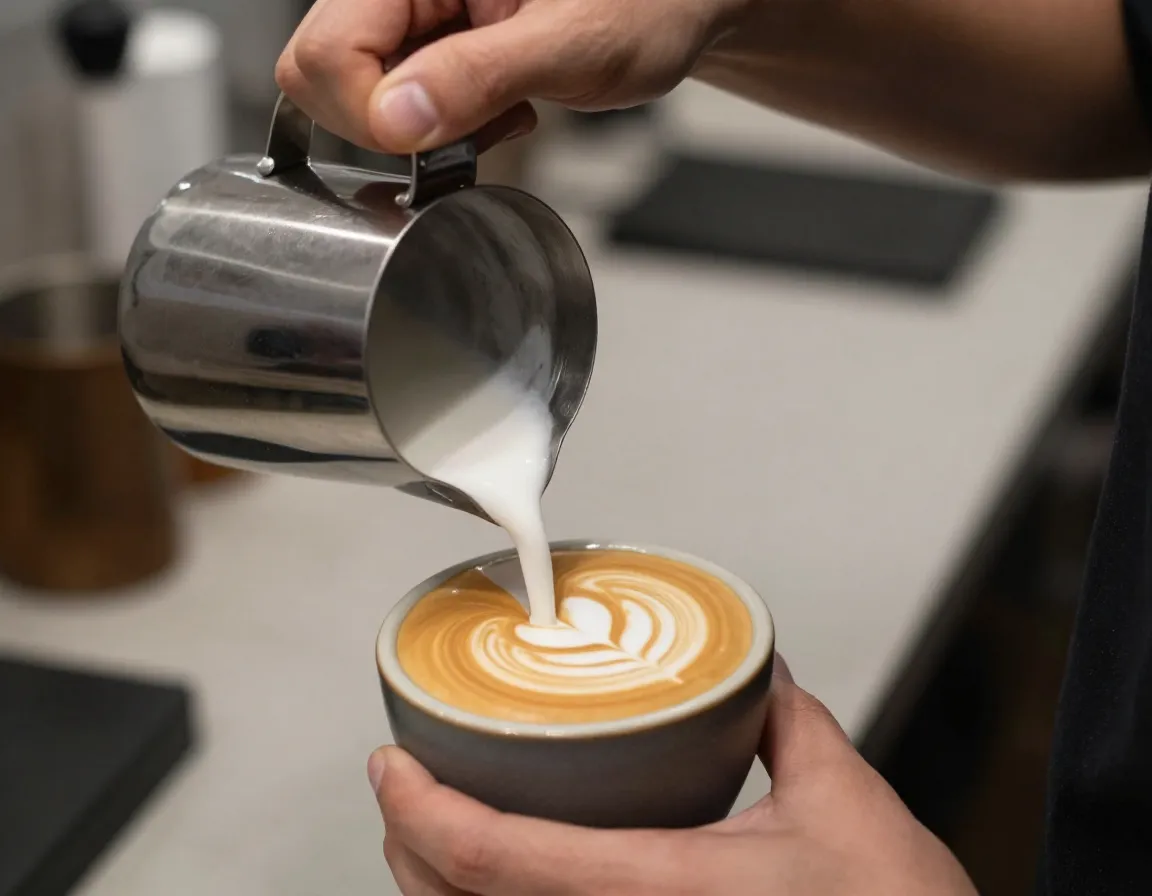
Latte preparation emphasizes microfoam creation and often includes latte art. This requires a different steaming technique that creates smaller, more integrated bubbles. The pouring technique for latte art demands steady hands and artistic skill.
Preparation Steps Comparison:
Cappuccino:
- Pull 1-2 espresso shots
- Steam milk to create thick, dense foam
- Pour steamed milk first
- Spoon thick foam on top
- Serve immediately
Latte:
- Pull 1-2 espresso shots
- Steam milk to create microfoam
- Pour milk and foam together in artistic pattern
- Create latte art design
- Serve with artistic presentation
7. Cultural Origins and Traditional Serving: A Tale of Two Traditions
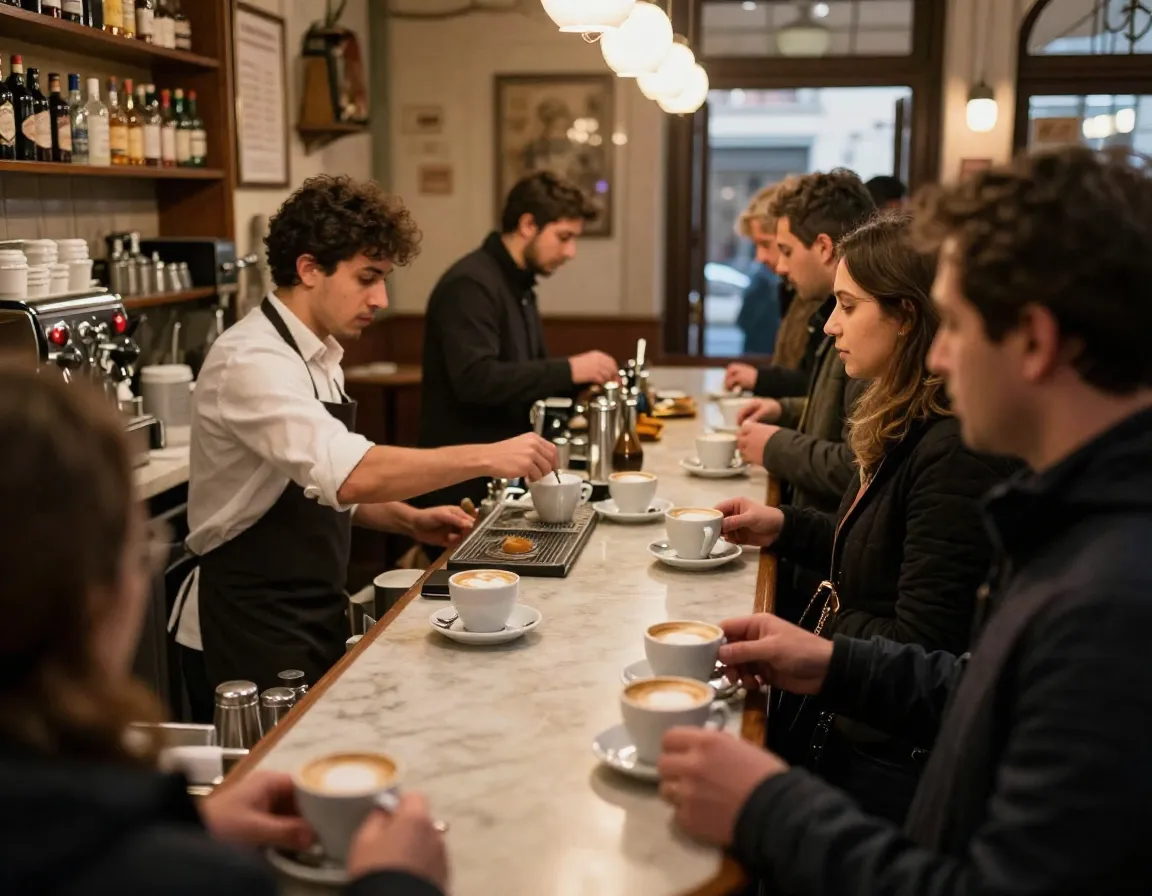
Understanding the cultural background helps explain why these drinks developed differently. Cappuccinos originated in Italy and are traditionally consumed in the morning, never after meals. Italians typically drink them quickly while standing at the bar, making the smaller size and intense flavor practical for this consumption style.
Lattes, while also having Italian roots (caffè latte), gained popularity in American coffee culture where larger sizes and milder flavors became preferred. The “to-go” culture influenced the development of larger lattes that could be sipped during commutes or work sessions.
8. Customization Options and Variations: Making It Your Own

Customization possibilities differ between these drinks. Cappuccinos offer fewer modification options while maintaining their traditional character:
- Dry cappuccino: Extra foam, less steamed milk
- Wet cappuccino: More steamed milk, less foam
- Bone dry: All foam, minimal steamed milk
Lattes provide extensive customization opportunities:
- Milk alternatives: Oat, almond, soy, coconut milk
- Flavor syrups: Vanilla, caramel, hazelnut, seasonal options
- Size variations: From 8oz to 20oz+ in some chains
- Temperature adjustments: Extra hot, warm, or iced versions
- Caffeine modifications: Extra shots, half-caff, decaf
Mastering the Art: How to Order Like a Pro
Now that you understand the 8 Key Differences: Cafe Latte vs Cappuccino (And How to Order Like a Pro), let’s put that knowledge into practice. Confident ordering starts with knowing exactly what you want and communicating it clearly to your barista.
Essential Ordering Vocabulary
For Cappuccinos:
- “I’ll have a cappuccino, please” (standard preparation)
- “Could I get a dry cappuccino?” (extra foam)
- “I’d like a wet cappuccino” (more steamed milk)
- “Make it bone dry, please” (maximum foam, minimal milk)
For Lattes:
- “I’ll have a latte with oat milk” (milk alternative)
- “Could I get a latte, extra hot?” (temperature preference)
- “I’d like a vanilla latte, 12 ounces” (flavored and sized)
- “Can I have a latte with an extra shot?” (caffeine boost)
Reading the Room: Choosing the Right Drink
Consider these factors when deciding between a latte and cappuccino:
Choose a Cappuccino when:
- ☕ You want to taste the espresso clearly
- ⏰ You’re drinking it quickly (morning rush)
- 🔥 You prefer drinks that stay hot longer
- 🇮🇹 You want an authentic Italian experience
- 💪 You need a strong caffeine kick in a small package
Choose a Latte when:
- 🥛 You prefer milder coffee flavors
- 🎨 You want to customize with flavors or milk alternatives
- ⏳ You’re planning to sip slowly over time
- 📱 You want something Instagram-worthy
- 🌡️ You don’t mind if it cools down slightly
Advanced Ordering Tips
- Timing matters: Order cappuccinos during less busy periods when baristas can focus on proper foam preparation
- Specify your milk: Don’t assume—state your milk preference clearly
- Size specification: Be specific about size, especially for lattes
- Temperature preferences: Mention if you want extra hot or cooler drinks
- Patience pays: Good foam takes time—don’t rush your barista
Common Mistakes to Avoid
Even with knowledge of the 8 Key Differences: Cafe Latte vs Cappuccino (And How to Order Like a Pro), certain mistakes can derail your coffee experience:
Ordering Errors That Lead to Disappointment
❌ Assuming all coffee shops are the same: Chain stores vs. independent cafes may have different standards and preparations
❌ Not specifying size for lattes: You might get a size you didn’t expect
❌ Ordering cappuccinos to-go: The foam doesn’t travel well and you’ll miss the optimal drinking experience
❌ Adding too many modifications to cappuccinos: Heavy customization defeats the purpose of this traditional drink
❌ Expecting latte art in cappuccinos: The thick foam doesn’t allow for intricate designs
Setting Realistic Expectations
Understanding what to expect prevents disappointment:
- Cappuccino foam should be thick enough to support sugar
- Latte art requires microfoam and skill—not all baristas can do it
- Authentic cappuccinos are smaller than you might expect
- Quality takes time—good milk steaming can’t be rushed
The Quality Indicators: What to Look For
Recognizing a well-made drink helps you identify quality coffee shops and improves your overall experience.
Signs of a Perfect Cappuccino
✅ Distinct layers: You should see clear separation between espresso, milk, and foam
✅ Thick, stable foam: The foam should hold its shape and not collapse immediately
✅ Proper temperature: Hot but not scalding
✅ Rich crema: The espresso should have a golden-brown crema layer
✅ Balanced flavor: Strong coffee taste balanced by creamy milk
Signs of an Excellent Latte
✅ Smooth microfoam: Velvety texture without large bubbles
✅ Integrated layers: Milk and foam blend seamlessly
✅ Latte art: Professional presentation (when skill allows)
✅ Proper milk temperature: Warm but drinkable immediately
✅ Flavor balance: Coffee present but not overwhelming
Beyond the Basics: Regional Variations and Modern Trends
Coffee culture continues evolving, and understanding regional differences helps you navigate various coffee scenes confidently.
International Variations
Australian “Flat White”: Similar to a latte but smaller, with a higher coffee-to-milk ratio and minimal foam
Spanish “Cortado”: Equal parts espresso and warm milk, served in a small glass
French “Café au Lait”: Made with regular coffee instead of espresso, mixed with hot milk
Modern Coffee Trends Affecting Traditional Drinks
Plant-based milk alternatives have revolutionized both lattes and cappuccinos. Oat milk, in particular, steams beautifully and creates excellent foam for both drinks.
Third-wave coffee culture emphasizes origin, preparation method, and artisanal techniques, leading to more precise preparation of traditional drinks.
Specialty equipment in modern coffee shops allows for more consistent milk steaming and temperature control.
Conclusion
Mastering the 8 Key Differences: Cafe Latte vs Cappuccino (And How to Order Like a Pro) transforms your entire coffee experience. You now understand that cappuccinos offer intense, traditional coffee experiences with thick foam and bold flavors, while lattes provide creamy, customizable drinks perfect for leisurely enjoyment. The differences in milk ratios, foam texture, serving size, flavor intensity, temperature, preparation technique, cultural background, and customization options give you the knowledge to choose confidently.
Your next step is simple: put this knowledge into practice. Visit your local coffee shop and order with confidence, using the specific terminology and preferences you’ve learned. Pay attention to the quality indicators we discussed, and don’t hesitate to ask your barista questions—most coffee professionals love sharing their expertise with interested customers.
Remember, the perfect coffee drink is the one that matches your personal preferences and the moment you’re experiencing. Whether you choose the bold intensity of a perfectly crafted cappuccino or the creamy comfort of a well-made latte, you now have the tools to order exactly what you want and enjoy every sip.
Start tomorrow morning by applying these insights to your coffee order. Notice the differences, appreciate the craftsmanship, and most importantly, enjoy the confidence that comes with truly understanding what you’re drinking. Your coffee experience will never be the same.