8 Coffee Shop Concept Design Ideas to Stand Out and Thrive in 2026
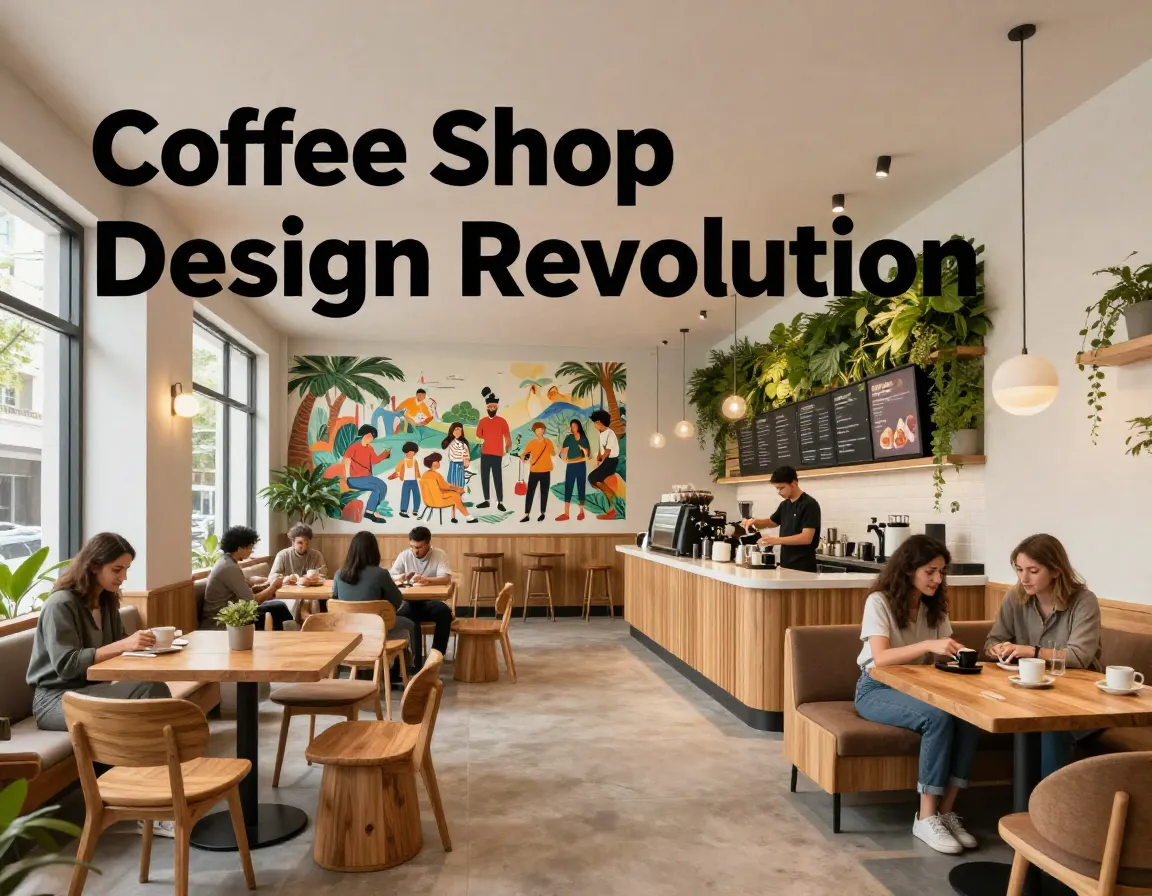
The coffee shop industry is more competitive than ever. With over 65,000 coffee shops operating across the United States alone, standing out requires more than just great coffee [7]. In 2026, successful coffee shops are embracing innovative design concepts that create memorable experiences, foster community connections, and leverage cutting-edge technology. These 8 Coffee Shop Concept Design Ideas to Stand Out and Thrive will help you transform your café from just another coffee stop into a destination that customers crave.
Key Takeaways
- Multi-sensory environments that engage all five senses create stronger emotional connections and increase customer loyalty
- Technology integration must enhance rather than replace human hospitality to maintain the authentic coffee shop experience
- Sustainability-focused design appeals to environmentally conscious consumers and can reduce operational costs
- Community-centric concepts that reflect local culture and values build lasting customer relationships
- Flexible spaces that adapt to different needs throughout the day maximize revenue potential
The Evolution of Coffee Shop Design in 2026
Coffee culture continues to evolve rapidly, with consumers seeking experiences that go far beyond a simple caffeine fix. According to recent industry research, third place environments – spaces that aren’t home or work but feel equally comfortable – are becoming increasingly important [1]. Modern coffee shops serve as community hubs, co-working spaces, and cultural centers all rolled into one.
The most successful coffee shops in 2026 understand that design isn’t just about aesthetics. It’s about creating intentional experiences that resonate with customers on multiple levels. From the moment someone walks through your door, every design element should work together to tell your story and reinforce your brand values.
8 Coffee Shop Concept Design Ideas That Drive Success
1. The Multi-Sensory Experience Hub
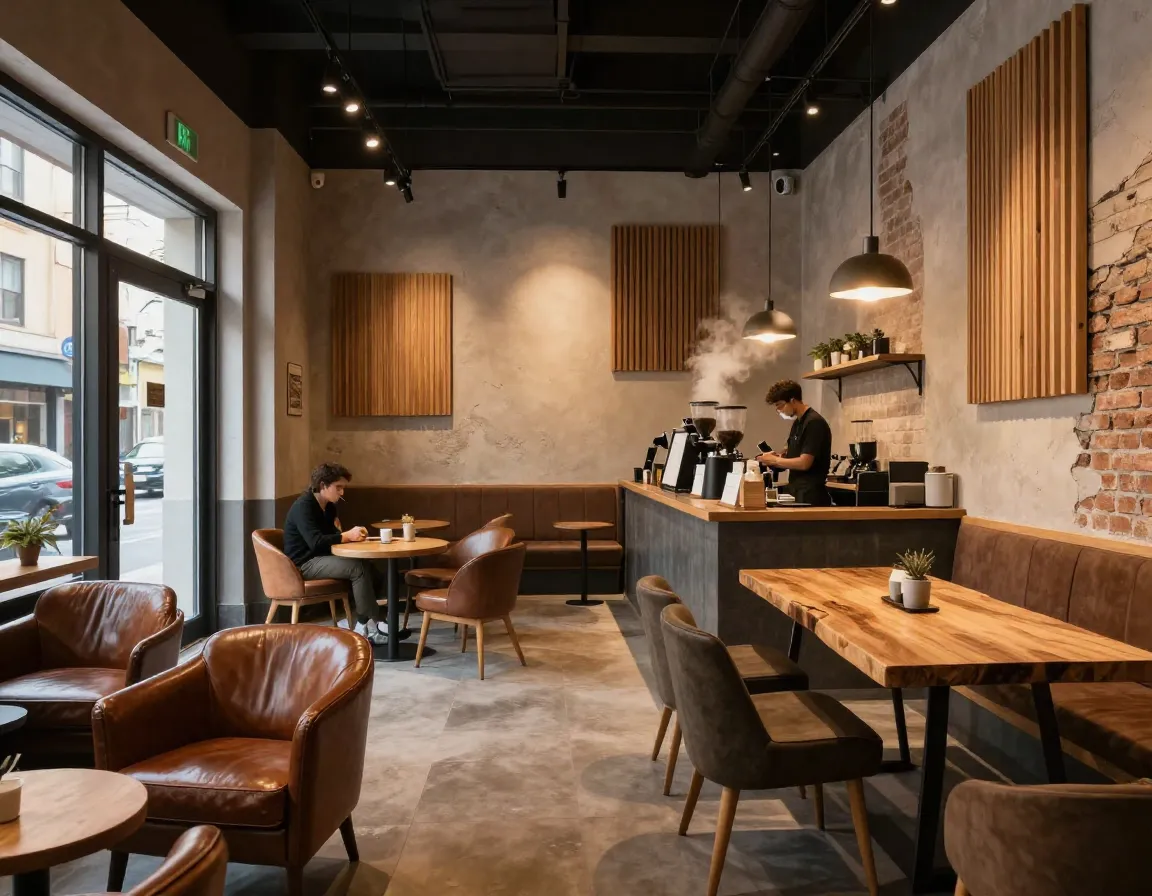
Creating a multi-sensory environment goes beyond visual appeal. This concept focuses on engaging all five senses to create memorable experiences that keep customers coming back. The lighting should shift throughout the day – bright and energizing in the morning, warm and cozy in the evening. Carefully curated playlists should complement different times and moods [2].
Key Design Elements:
- Lighting systems that mimic natural circadian rhythms
- Acoustic design that balances conversation with background ambiance
- Textural variety in seating, walls, and surfaces
- Aromatic zones that highlight coffee origins and brewing methods
- Temperature control that creates micro-climates within the space
The smell of freshly ground beans should greet customers at the entrance, while different seating areas might feature varying textures – smooth leather for business meetings, soft fabric for casual reading, or natural wood for community tables. This approach creates what researchers call “sensory anchoring,” where customers associate positive feelings with your specific environment.
2. Technology-Integrated Smart Café
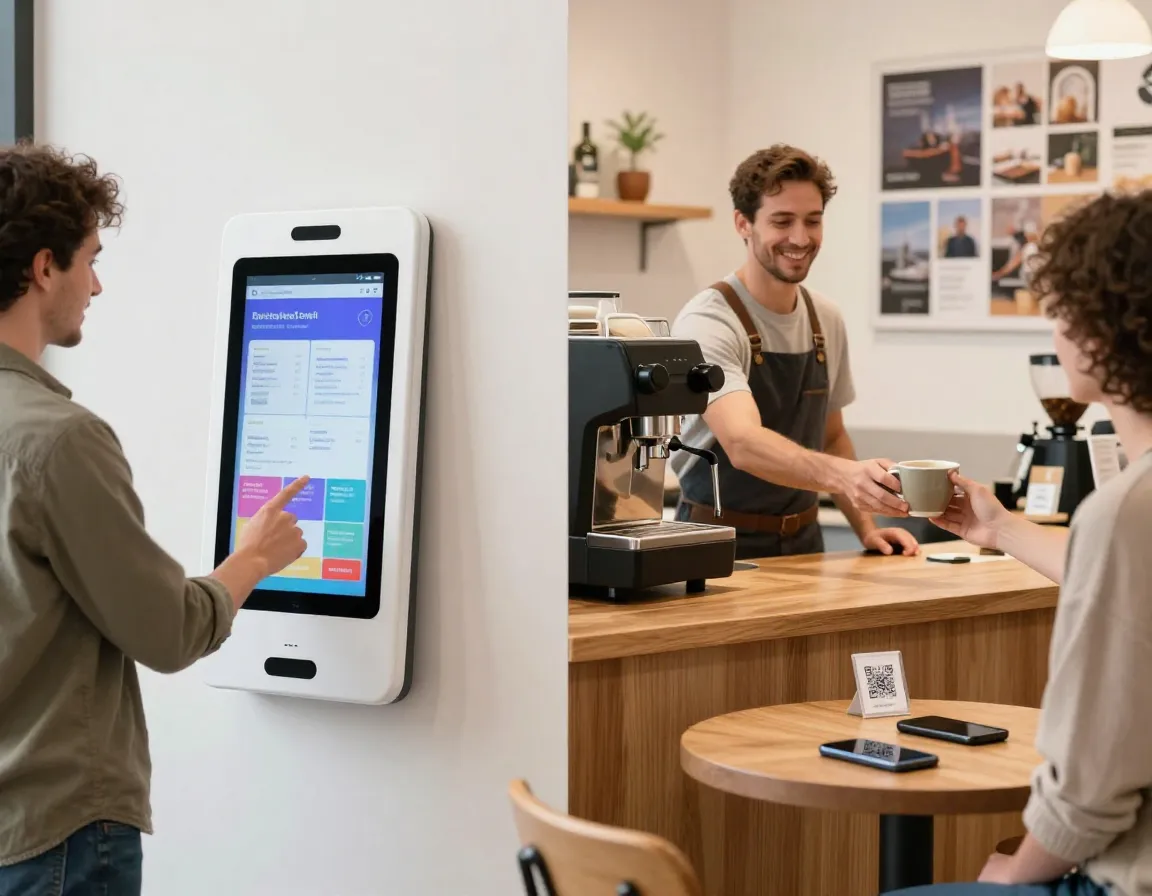
The technology-integrated smart café concept balances digital convenience with human connection. This design incorporates seamless technology that enhances rather than replaces personal interaction. Mobile ordering systems, digital menu boards, and automated brewing equipment work behind the scenes while baristas focus on customer relationships [3].
Smart cafés feature digital ordering kiosks for quick transactions, but also maintain traditional counters where customers can engage with staff. QR code menus update in real-time with availability and pricing, while loyalty programs automatically track preferences and suggest personalized recommendations.
Technology Integration Features:
- Mobile app ordering with pickup notifications
- Digital menu boards with dynamic pricing
- Contactless payment systems
- Customer preference tracking
- Automated inventory management
- Social media integration walls
The key is making technology feel invisible and intuitive. Customers should feel more connected, not more isolated, when interacting with your digital systems.
3. Sustainability-Focused Eco Café
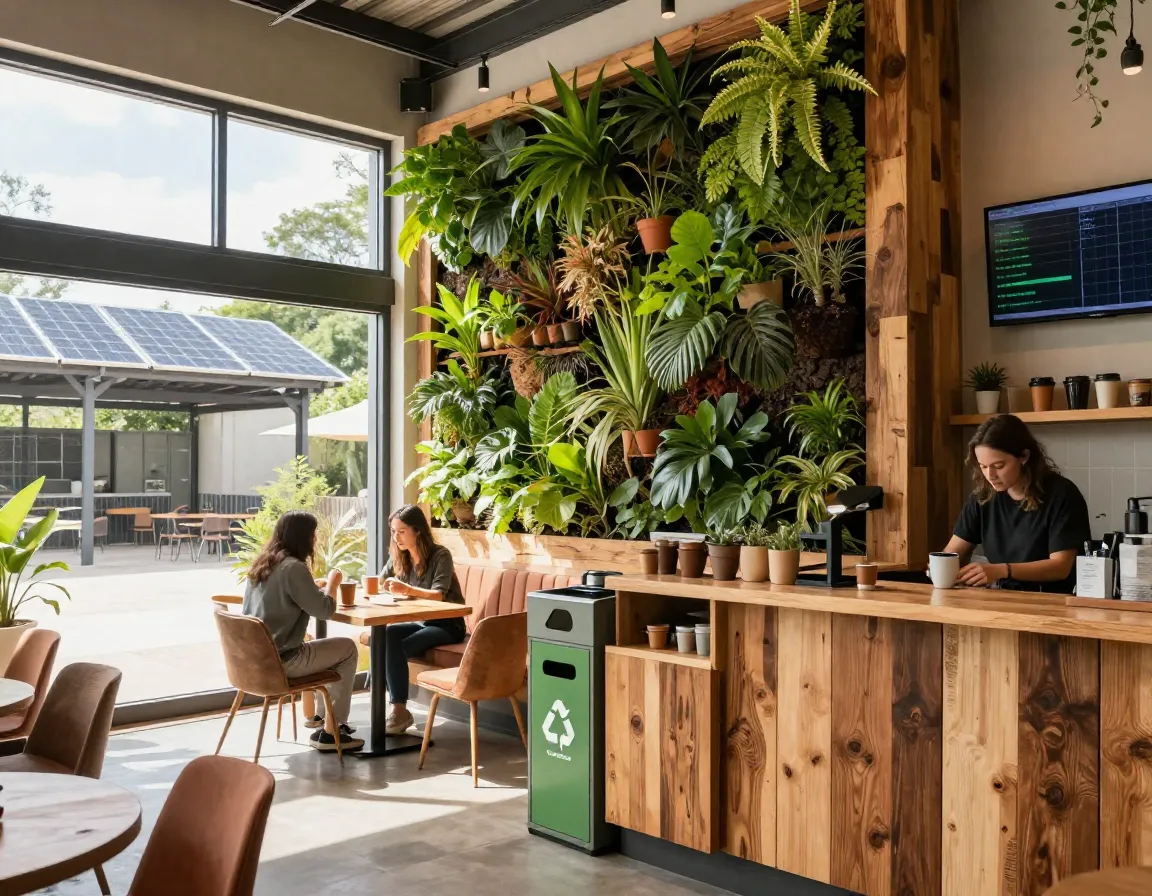
Sustainability-focused design appeals to environmentally conscious consumers while often reducing operational costs. This concept makes environmental responsibility visible and central to the customer experience. Living walls purify air while creating Instagram-worthy backdrops. Reclaimed materials tell stories of renewal and responsibility [4].
Eco cafés feature solar panels, rainwater collection systems, and zero-waste initiatives prominently displayed. Customers can see their environmental impact through digital displays showing energy saved, waste diverted, and carbon offset through their purchases.
Sustainable Design Elements:
- Living walls and indoor gardens
- Reclaimed wood and recycled materials
- Energy-efficient lighting and appliances
- Compost and recycling stations
- Reusable cup programs
- Local supplier partnerships
This concept attracts customers who want their purchasing decisions to align with their values, creating deeper brand loyalty and justifying premium pricing for sustainable practices.
4. Cultural Heritage Concept
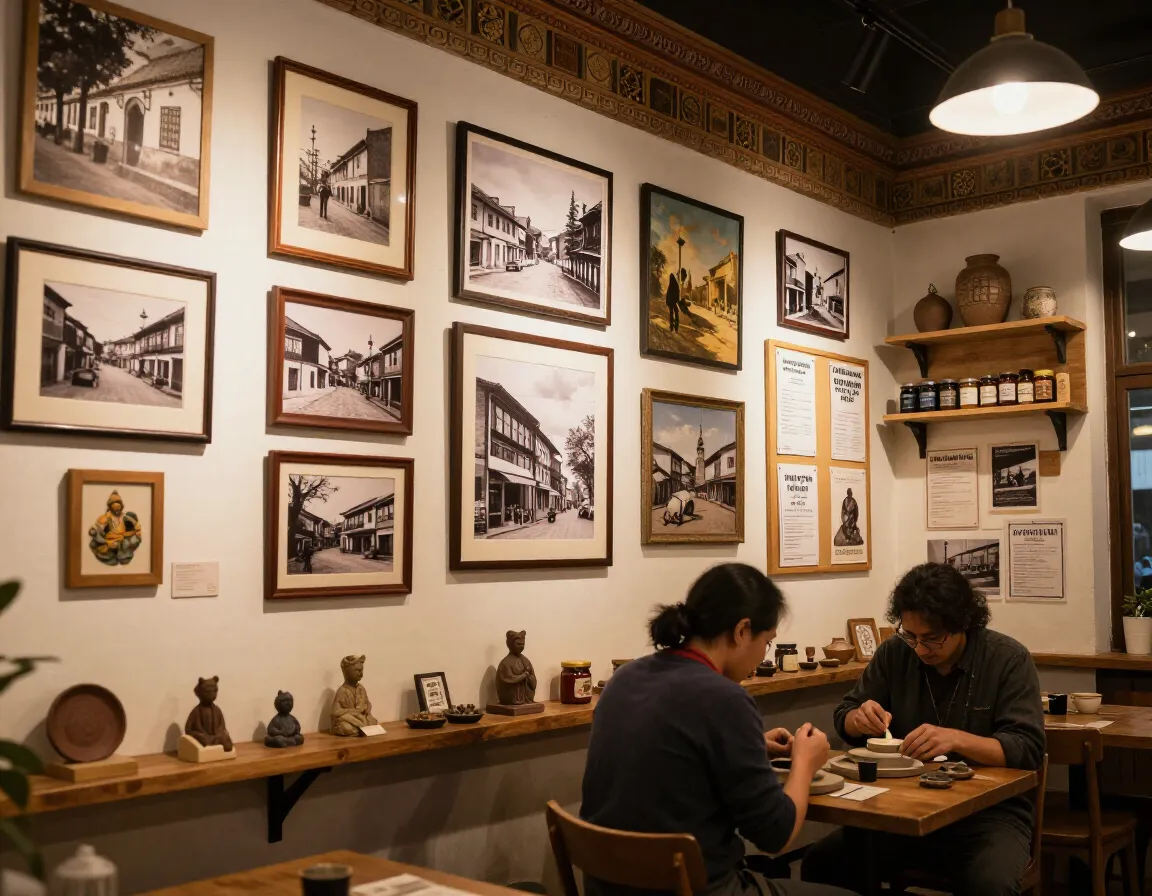
The cultural heritage concept celebrates local history, traditions, and community identity. This design approach creates authentic connections by reflecting the neighborhood’s unique character and stories. Local artists’ work adorns the walls, historical photographs tell community stories, and menu items reference regional traditions [5].
These spaces become cultural ambassadors for their communities. Design elements might include locally-sourced materials, traditional craftsmanship techniques, or architectural features that echo regional styles. The goal is creating a space that couldn’t exist anywhere else in the world.
Cultural Integration Features:
- Local artist collaborations
- Historical neighborhood displays
- Regional architectural elements
- Community event hosting spaces
- Traditional craft demonstrations
- Local supplier showcases
Customers develop emotional attachments to spaces that honor their heritage or introduce them to new cultures in respectful, educational ways.
5. Flexible Co-Working Hub
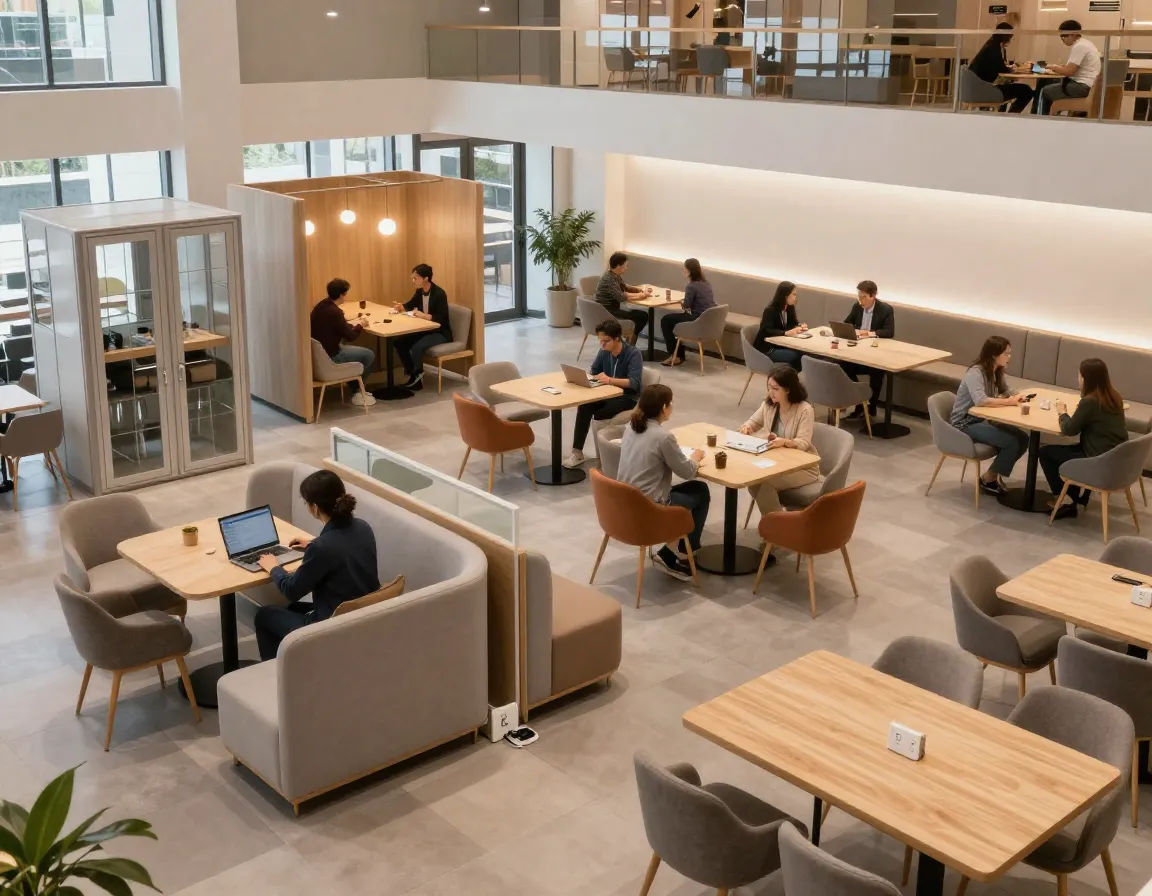
The flexible co-working hub design recognizes that modern customers need spaces that adapt to different activities throughout the day. Morning might bring laptop workers seeking quiet corners, while afternoons could feature collaborative meetings or casual social gatherings [6].
This concept features modular furniture that can be easily reconfigured, soundproof phone booths for private calls, and varying lighting zones for different activities. Power outlets are abundant and strategically placed, while Wi-Fi infrastructure supports heavy usage without compromising speed.
Flexible Space Features:
- Modular seating arrangements
- Private meeting pods
- Quiet work zones
- Collaborative spaces
- Presentation areas
- Charging stations throughout
The key is creating clear zones for different activities while maintaining the welcoming atmosphere that distinguishes coffee shops from traditional offices.
6. Artisanal Craft Experience
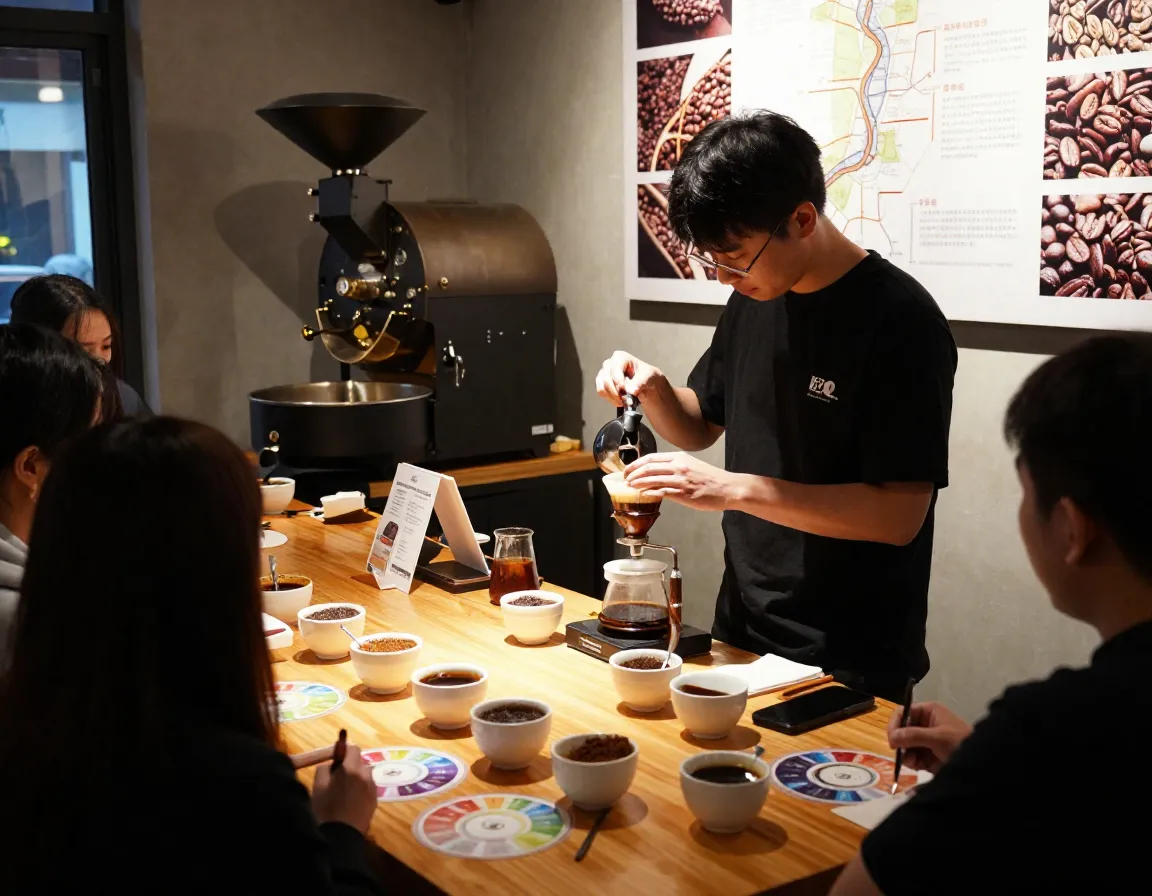
The artisanal craft experience concept puts coffee craftsmanship front and center. This design showcases the skill, knowledge, and passion behind great coffee through transparent brewing processes, educational displays, and interactive experiences. Customers can watch roasting, learn about origins, and participate in cupping sessions [8].
Craft Experience Elements:
- Open roasting areas
- Brewing method demonstrations
- Origin story displays
- Cupping and tasting stations
- Barista training workshops
- Equipment showcases
This concept appeals to coffee enthusiasts and curious newcomers alike, creating opportunities for premium pricing through education and experience.
7. Wellness and Mindfulness Sanctuary
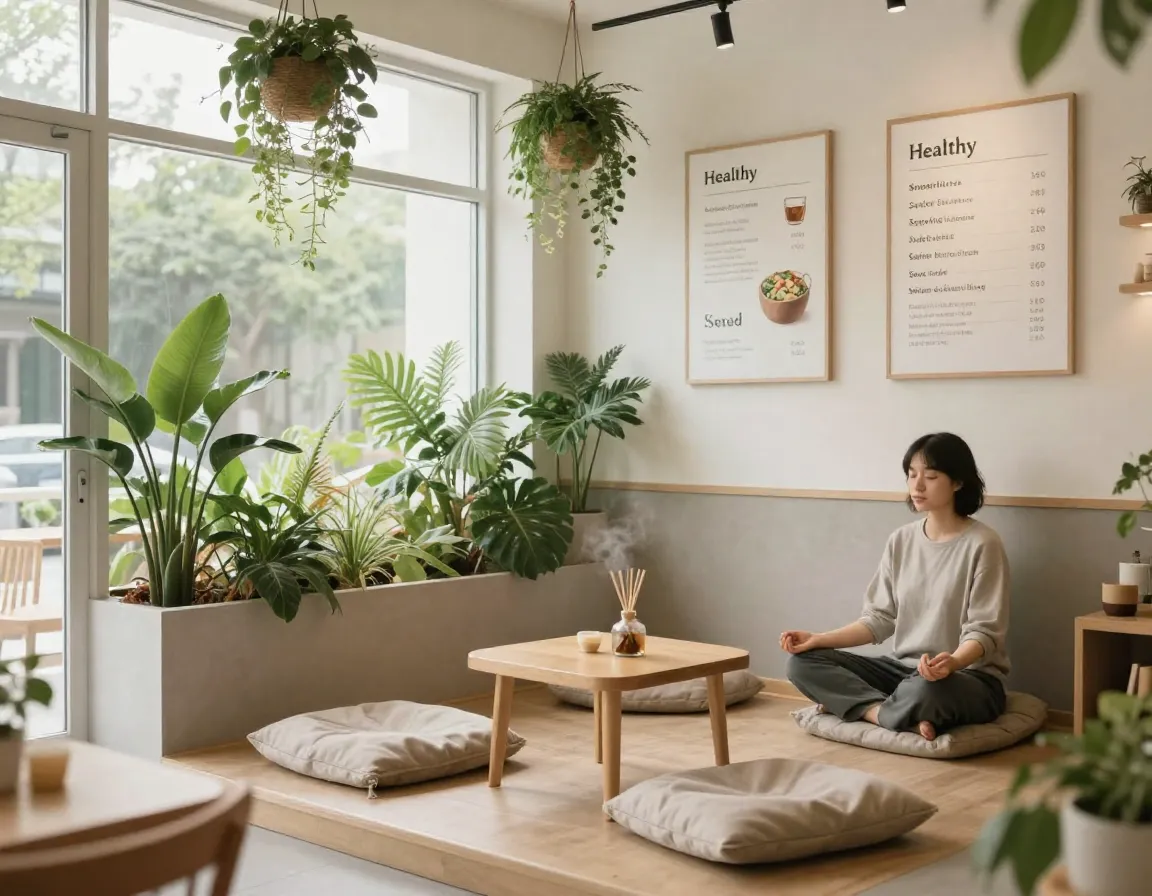
The wellness-focused café concept responds to growing interest in mental health and mindful living. These spaces incorporate elements that promote relaxation, reflection, and restoration. Meditation corners, aromatherapy stations, and healthy menu options create environments where customers can recharge both physically and mentally [10].
Wellness Design Features:
- Meditation and quiet zones
- Natural lighting and plants
- Air purification systems
- Healthy menu options
- Stress-reduction activities
- Mindfulness programming
This concept attracts health-conscious consumers and creates differentiation in crowded markets by positioning coffee as part of a holistic wellness routine.
8. Community Event and Entertainment Hub
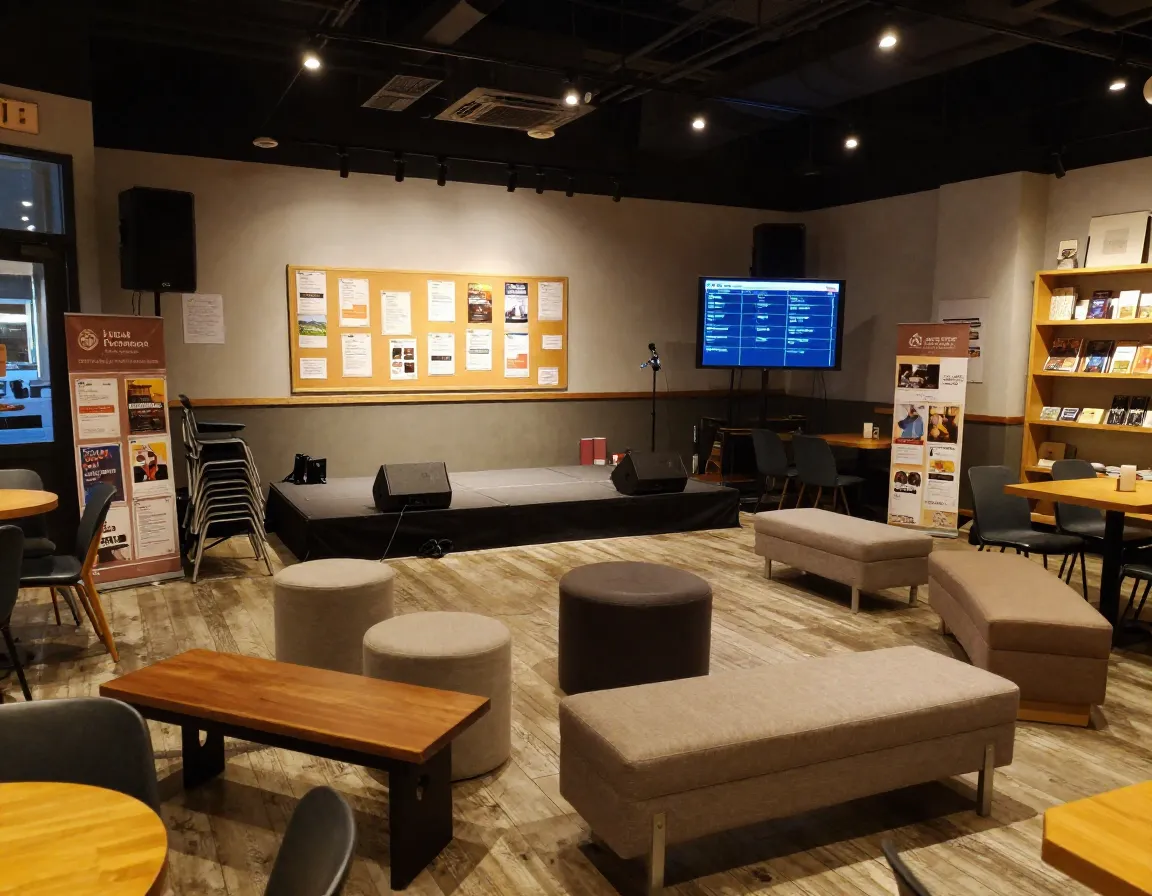
The community hub concept transforms coffee shops into dynamic venues for events, performances, and social gatherings. This design includes flexible staging areas, sound systems, and seating that can accommodate everything from open mic nights to book clubs to business networking events [9].
Community Hub Features:
- Performance staging areas
- Flexible seating arrangements
- Audio/visual equipment
- Event programming calendar
- Community bulletin boards
- Local partnership displays
These spaces generate revenue beyond coffee sales while building strong community connections that translate into customer loyalty and word-of-mouth marketing.
Implementing Your Coffee Shop Concept Design Strategy
Successfully implementing these 8 Coffee Shop Concept Design Ideas to Stand Out and Thrive requires careful planning and execution. Start by analyzing your target market, local competition, and available resources. Consider which concepts align best with your brand values and customer needs.
Implementation Steps:
- Conduct market research to understand customer preferences
- Assess your space and budget constraints
- Choose complementary concepts that work together
- Create detailed design plans with professional help
- Test elements before full implementation
- Monitor customer feedback and adjust accordingly
Remember that successful coffee shop design is an ongoing process. Customer needs evolve, technology advances, and community dynamics shift. The most successful coffee shops continuously refine their concepts based on feedback and changing market conditions.
Measuring Success and ROI
Tracking the success of your design concepts requires both quantitative and qualitative metrics. Customer dwell time, repeat visit frequency, and average transaction value provide measurable indicators of design effectiveness. Social media engagement, online reviews, and direct customer feedback offer qualitative insights into emotional connections and satisfaction levels.
Key Performance Indicators:
- Average customer dwell time
- Daily customer count
- Revenue per square foot
- Customer retention rates
- Social media engagement
- Net Promoter Score
Regular assessment helps identify which design elements drive the strongest results and where adjustments might improve performance.
Conclusion
The coffee shop industry in 2026 rewards businesses that go beyond serving great coffee to create meaningful experiences. These 8 Coffee Shop Concept Design Ideas to Stand Out and Thrive provide frameworks for building spaces that resonate with modern consumers’ desires for connection, convenience, and authenticity.
Success comes from thoughtfully combining multiple concepts that align with your brand vision and customer needs. Whether you focus on sustainability, technology integration, cultural heritage, or community building, the key is creating authentic experiences that customers can’t find elsewhere.
Your next steps should include:
- Evaluating which concepts best fit your market and brand
- Developing detailed implementation plans with realistic budgets
- Testing design elements on a small scale before full rollout
- Creating systems to gather and act on customer feedback
- Planning for ongoing evolution and refinement
The coffee shops that thrive in 2026 and beyond will be those that understand design as a strategic tool for building lasting customer relationships and sustainable competitive advantages.
References
[1] Coffee Shop Trends In 2026 – https://perfectdailygrind.com/2026/01/coffee-shop-trends-in-2026/
[2] Magazine Coffee Shop Trends 2026 How Coffee Culture Is Evolving In Cafes N 1143 – https://www.dallacorte.com/magazine-coffee-shop-trends-2026-how-coffee-culture-is-evolving-in-cafes-n-1143.html
[3] Coffee Shop Marketing Strategies – https://bloomintelligence.com/blog/coffee-shop-marketing-strategies/
[4] Coffee Trends 2026 – https://weaverscoffee.com/blogs/blog/coffee-trends-2026
[5] Cafe Trends In 2026 What Every Cafe Needs To Know – https://mccabecoffee.com/blogs/stories-to-inspire-you/cafe-trends-in-2026-what-every-cafe-needs-to-know
[6] Project Cafe Usa 2026 – https://www.worldcoffeeportal.com/industry-report/project-cafe-usa-2026/
[7] Coffee Shop Industry Statistics – https://cornercoffeestore.com/coffee-shop-industry-statistics/
[8] 2026 Cafe Trends – https://apmea.davincigourmet.com/2026-cafe-trends/
[9] Watch – https://www.youtube.com/watch?v=zDMctGqAF78
[10] Coffee Trends – https://meetglimpse.com/trends/coffee-trends/