8 Charming Secrets Behind Running a Successful Tiny Boutique Cafe
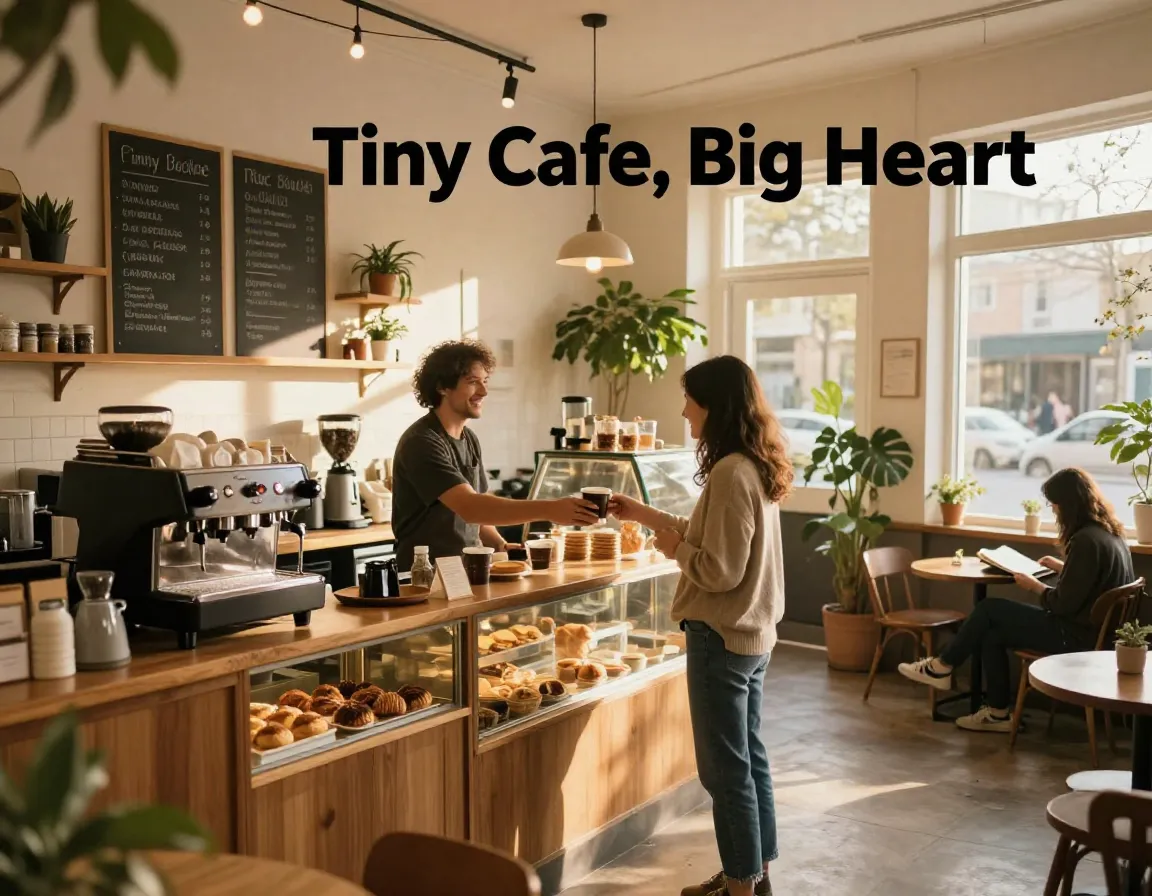
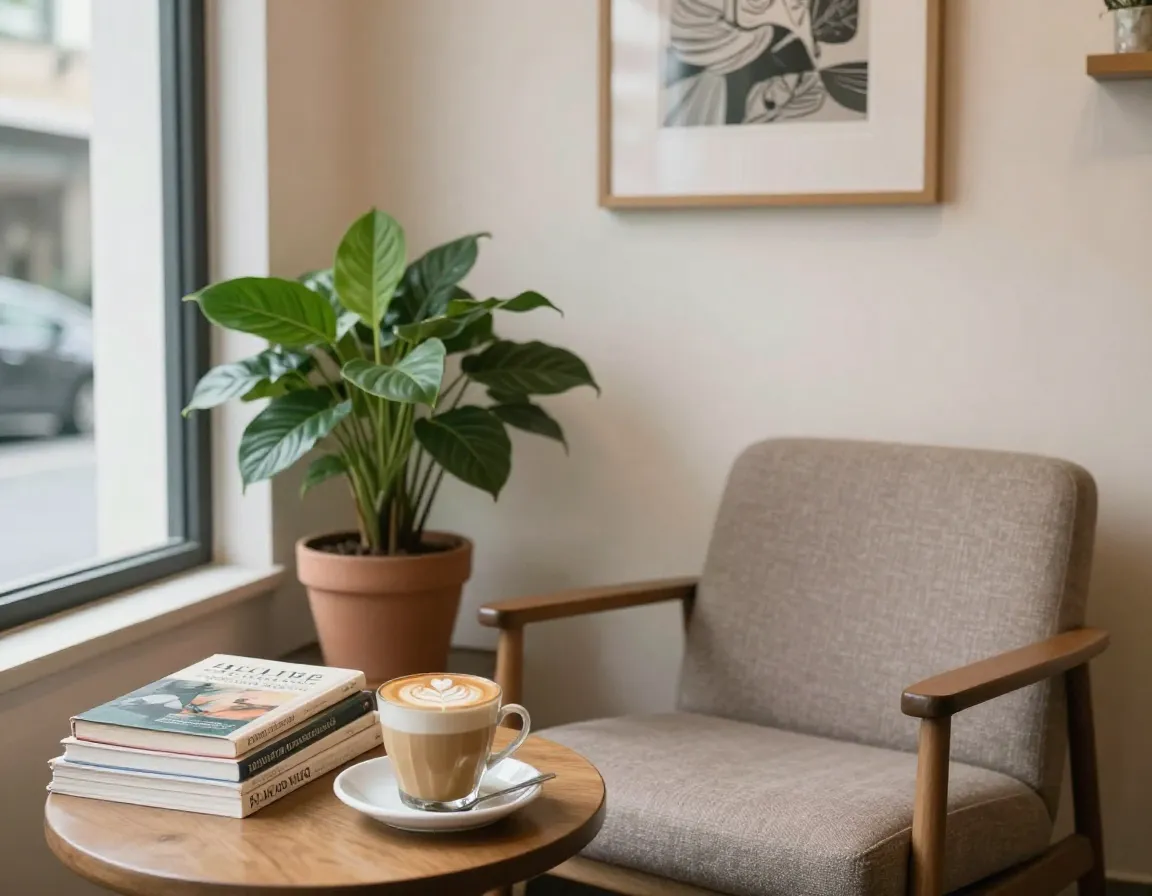
Picture this: You walk into a tiny cafe tucked between a bookstore and a vintage clothing shop. The aroma of freshly ground beans hits you immediately, but it’s more than just the coffee that captivates you. The barista knows your name, the playlist feels curated just for your mood, and somehow this 500-square-foot space feels more welcoming than any corporate chain you’ve ever visited. This isn’t magic—it’s the result of mastering the 8 charming secrets behind running a successful tiny boutique cafe that transform small spaces into profitable, beloved community hubs.
In 2026, the cafe industry is experiencing a fascinating shift. While large chains focus on speed and efficiency, small cafes are winning by creating experiences that customers can’t find anywhere else. The data tells a compelling story: between 2023-2024, small chains saw a 13.4% year-over-year increase in longer visits, proving that intimate spaces are becoming destinations rather than just pit stops [1]. But here’s the reality check—more than half of independent coffee shops close within their first five years, and 99% of these closures have nothing to do with coffee quality [3].
So what separates the thriving tiny cafes from those that become cautionary tales? After diving deep into industry research and analyzing successful boutique operations, I’ve uncovered the 8 charming secrets behind running a successful tiny boutique cafe that every aspiring cafe owner needs to master.
Key Takeaways
- Build your audience before you sign a lease – Successful cafe owners establish 1,000+ social media followers through pop-ups and events to validate demand before committing to rent
- Consistency beats perfection – Small cafes that master consistent product and service quality build loyal customer bases that become their competitive advantage
- Data drives decisions – Understanding your numbers for pricing, labor, and inventory is essential for survival in an industry where margins are razor-thin
- Staff investment pays dividends – Treating employees as competitive advantages rather than costs to minimize creates better customer experiences and reduces turnover
- Multiple revenue streams are survival tools – Alternative income sources like catering, online sales, and events offset the reality that customers often stay for hours while ordering minimal beverages
The Foundation: Understanding Your Market Position
1. Master the Art of Pre-Opening Buzz Building
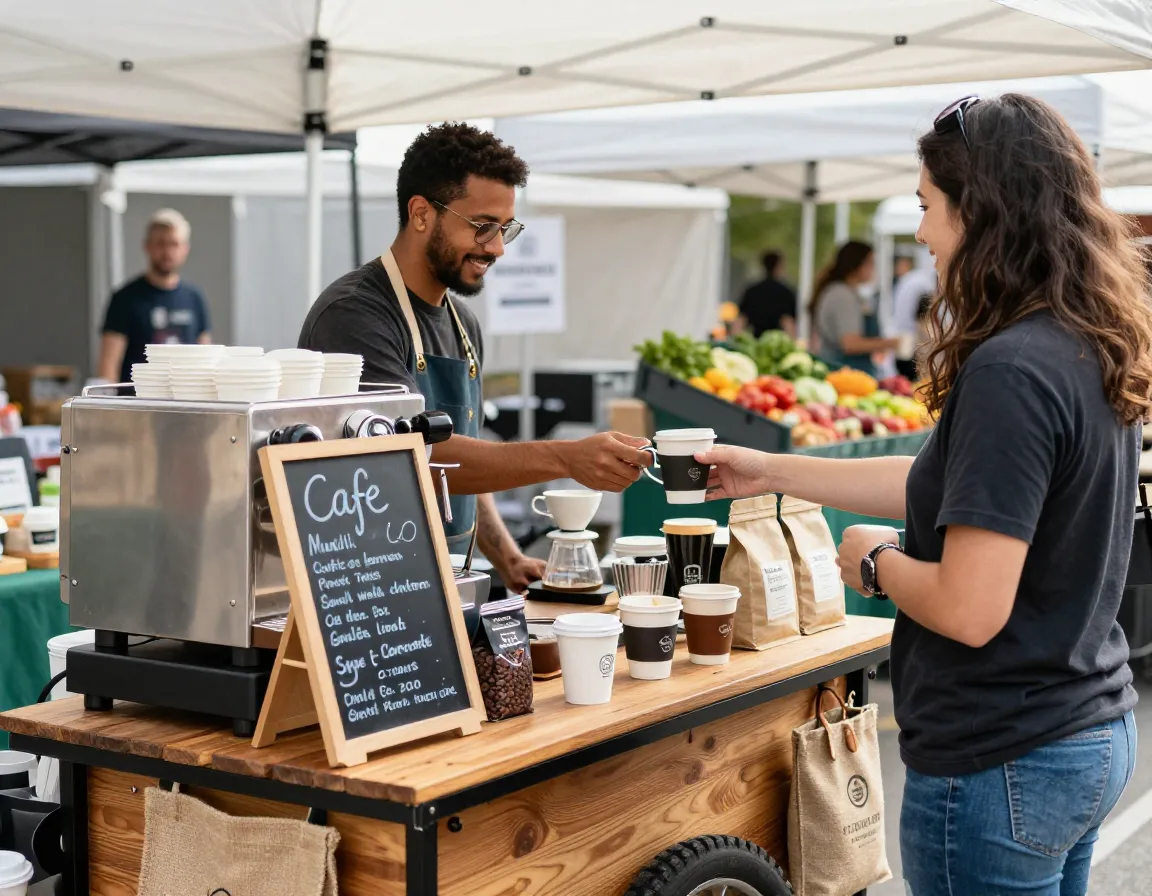
The first secret that separates successful tiny boutique cafes from failed ventures happens long before you ever serve your first cup of coffee. Smart cafe owners build their audience before opening, and the magic number you’re aiming for is 1,000+ Instagram followers before you even sign a lease [4].
This isn’t about vanity metrics—it’s about validating demand and creating a customer base that’s already excited to support you. Here’s how successful cafe owners do it:
Pop-up Strategy:
- Host coffee pop-ups at local farmers markets
- Partner with existing businesses for weekend takeovers
- Organize coffee cupping events in community spaces
- Collaborate with local artists for coffee + art experiences
Social Media Pre-Launch:
- Share your journey and vision consistently
- Post behind-the-scenes content of recipe development
- Feature your future neighborhood and community
- Create anticipation with countdown posts and sneak peeks
The beauty of this approach is that you’re not just building followers—you’re building a community of invested customers who feel connected to your story before you open your doors. When launch day arrives, you’ll have people lined up who are genuinely excited to be part of your cafe’s beginning.
2. Position Yourself as the Anti-Chain Experience

The second secret revolves around understanding exactly what customers want from tiny boutique cafes that they can’t get elsewhere. In 2026, 59% of daily coffee consumption is gourmet coffee, with younger generations almost exclusively preferring specialty brews [3]. But it’s not just about the coffee quality—it’s about the entire experience.
What Makes Tiny Cafes Special:
- Personalized service that remembers your order and your story
- Curated atmosphere that feels intentionally designed, not corporate
- Community connection where you might run into neighbors and make new friends
- Artisanal quality in everything from coffee to pastries to playlist selection
Your positioning should emphasize being a relaxed, destination-oriented experience rather than a speed-focused operation. This aligns perfectly with the data showing that small cafes are seeing longer visits increase faster than quick stops [1].
“The most successful tiny cafes don’t try to compete with Starbucks on speed—they compete on experience, quality, and community connection.”
Operational Excellence: The Daily Magic
3. Build Consistency as Your Competitive Advantage
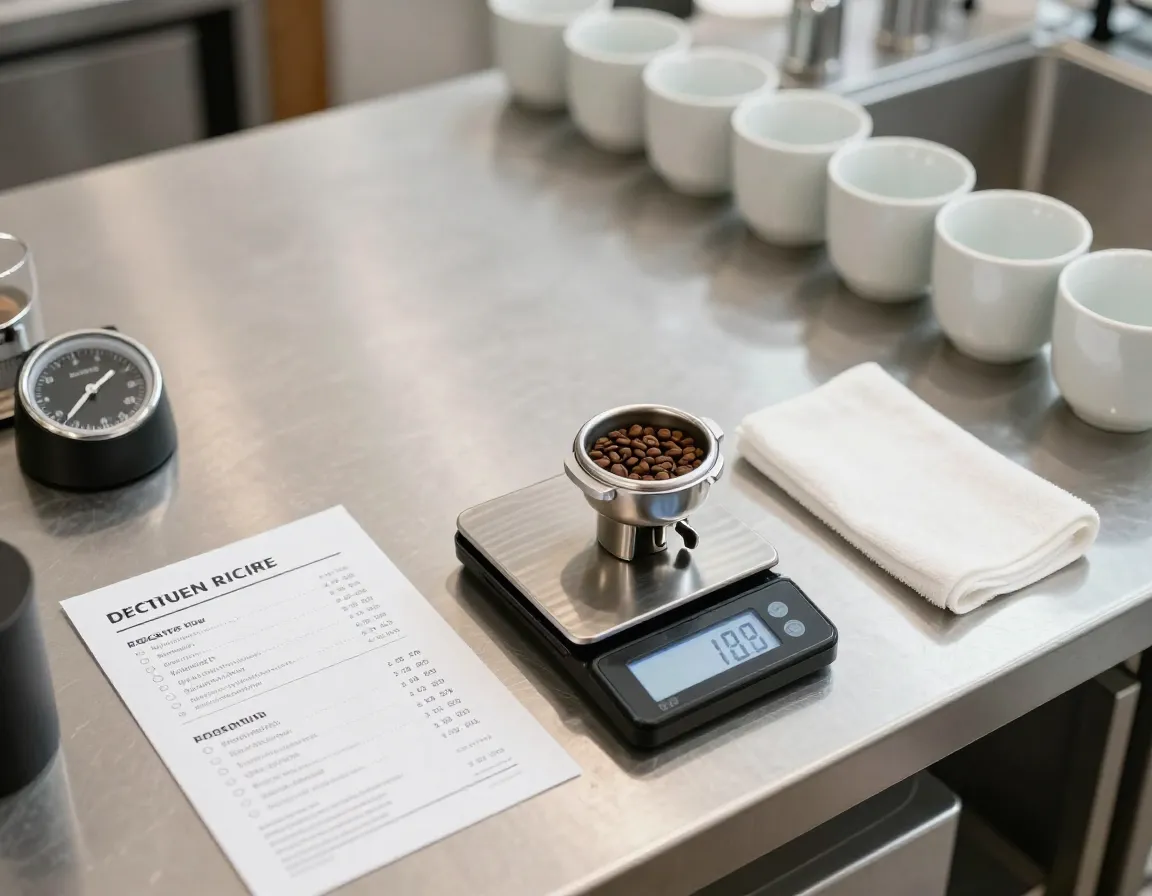
Here’s where many passionate cafe owners stumble: they focus so much on creativity and innovation that they forget consistency is what builds loyal customers. The third secret is that small cafes that master consistency in their product and service create an unshakeable competitive advantage [2].
Consistency Areas to Master:
| Product Consistency | Service Consistency | Atmosphere Consistency |
|---|---|---|
| Coffee temperature & taste | Greeting and interaction style | Music volume and genre |
| Portion sizes | Order accuracy | Cleanliness standards |
| Pastry freshness | Wait times | Seating arrangement |
| Presentation standards | Payment process | Lighting and ambiance |
Creating Consistency Systems:
- Document your recipes down to the gram
- Train staff on your specific service standards
- Create opening and closing checklists
- Implement quality control checks throughout the day
- Use consistent suppliers and backup options
The goal isn’t to become robotic—it’s to ensure that every customer can count on having a great experience every time they visit. This reliability becomes your reputation, and in a tiny cafe where word-of-mouth is everything, reputation is your most valuable asset.
4. Optimize Your Morning Rush Like a Revenue Machine
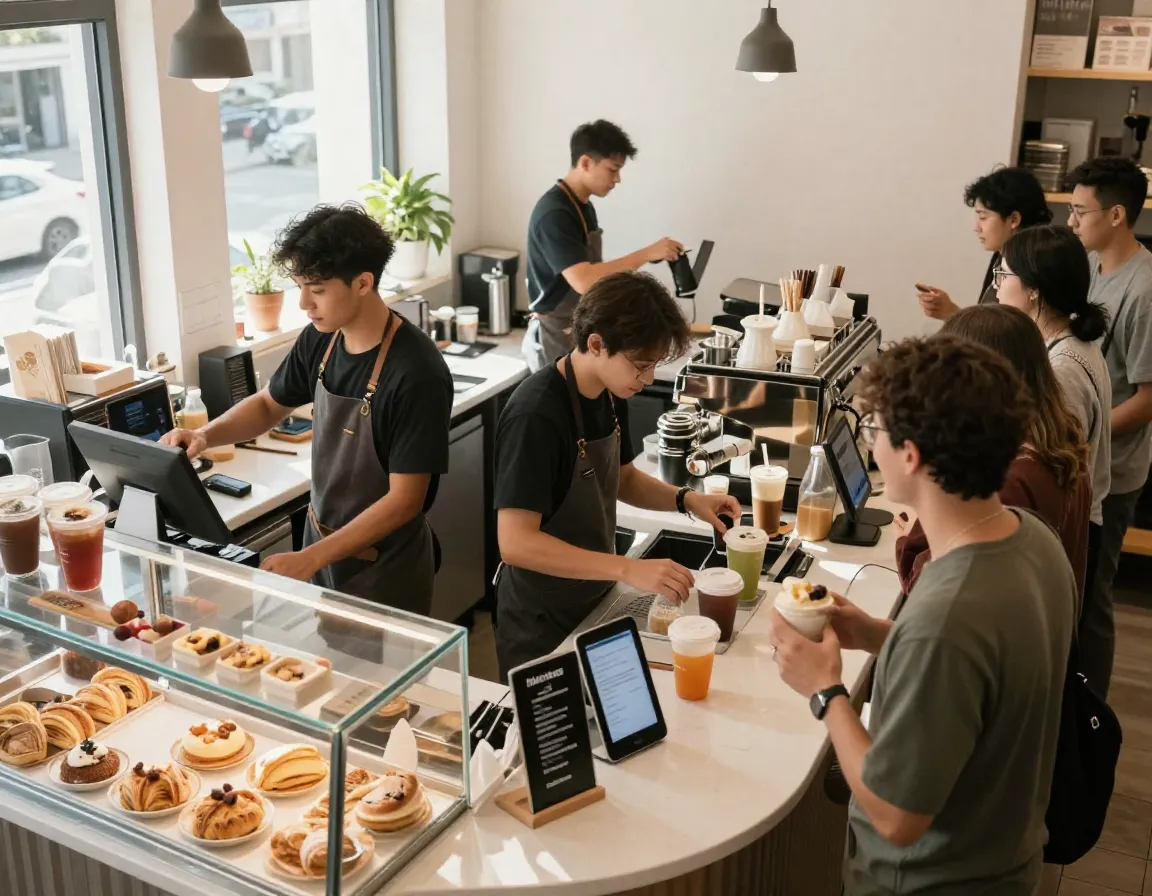
The fourth secret focuses on the highest-value revenue opportunity most tiny cafes have: the morning rush. Rush-period customers are typically your most loyal regulars, and optimizing this period can make or break your daily profitability [2].
Morning Rush Optimization Strategies:
Workflow Efficiency:
- Design your counter layout for maximum flow
- Pre-prep everything possible the night before
- Create grab-and-go options for regulars
- Implement mobile ordering for frequent customers
- Train staff specifically for high-volume periods
Customer Experience During Rush:
- Acknowledge every customer within 10 seconds
- Have a system for remembering regular orders
- Offer loyalty program incentives for off-peak visits
- Create a “regular’s menu” with quick favorites
- Use technology to reduce wait times without losing personal touch
Revenue Maximization:
- Bundle breakfast items with coffee orders
- Offer size upgrades at point of sale
- Create morning-specific menu items
- Implement pre-order systems for office catering
- Design loyalty rewards that encourage frequent visits
Remember, your morning rush customers aren’t just buying coffee—they’re buying a reliable start to their day. Make that experience smooth, personal, and efficient, and you’ll build a customer base that provides steady revenue.
Business Intelligence: The Numbers Game
5. Make Data-Driven Decisions, Not Emotional Ones

The fifth secret that separates thriving cafes from struggling ones is this: successful coffee shop owners understand their numbers and make informed decisions rather than operating on intuition alone [2]. In a business with notoriously thin margins, emotional decision-making can be financially fatal.
Key Metrics Every Tiny Cafe Owner Must Track:
Daily Operations:
- Average transaction value
- Customer count by hour
- Labor cost percentage
- Waste and shrinkage rates
- Daily cash flow
Weekly Analysis:
- Best-selling items and profit margins
- Staff productivity and scheduling efficiency
- Inventory turnover rates
- Customer retention patterns
- Marketing ROI from different channels
Monthly Strategic Review:
- Rent-to-revenue ratio (should be under 10%)
- Food cost percentage (target 25-35%)
- Labor cost percentage (target 25-35%)
- Profit margins by product category
- Customer lifetime value
Using Data for Smart Decisions:
- Adjust staffing based on traffic patterns
- Modify menu offerings based on profit margins
- Set prices using cost-plus analysis, not competitor copying
- Plan inventory purchases using sales forecasting
- Allocate marketing budget to highest-ROI channels
The beauty of running a tiny cafe is that you can pivot quickly when data reveals opportunities or problems. Large chains take months to implement changes—you can adjust your strategy in days.
6. Implement Transparent Pricing That Builds Trust
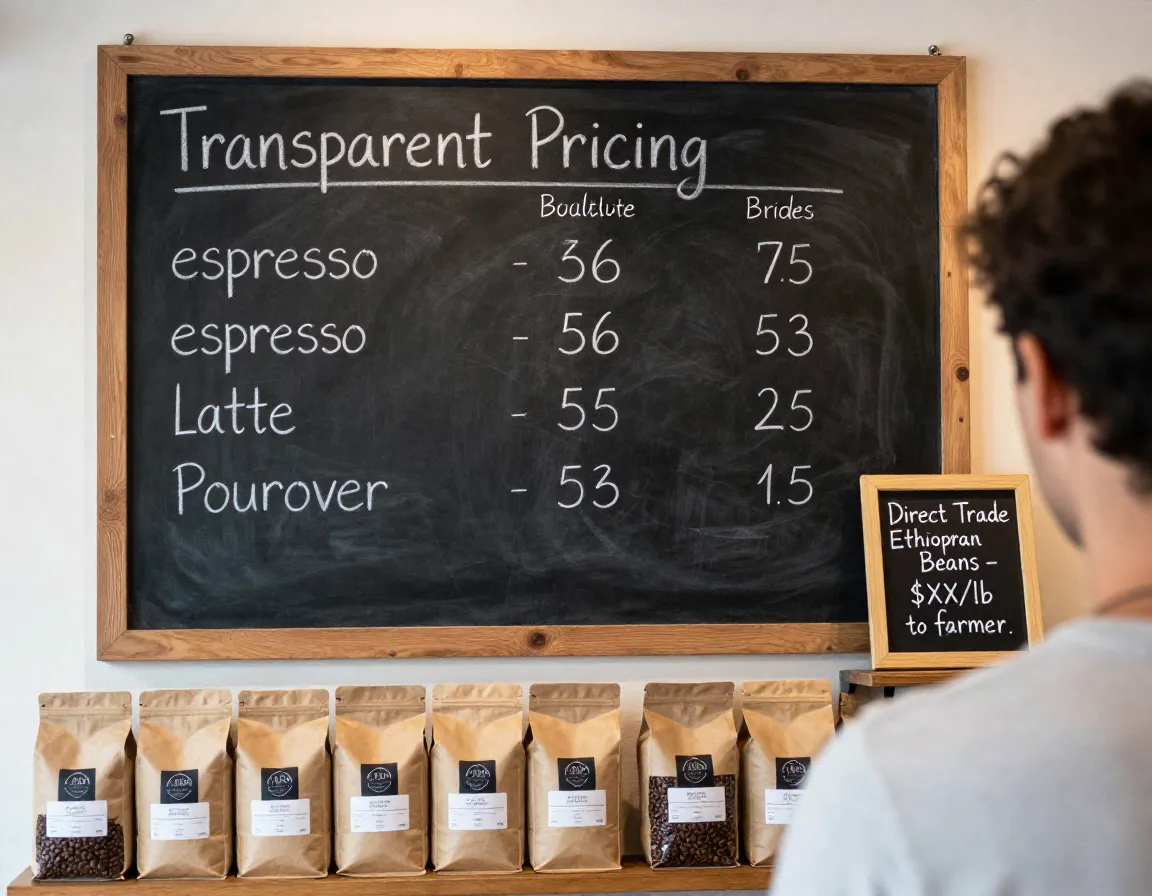
The sixth secret addresses one of the most challenging aspects of cafe management in 2026: pricing strategy that maintains profitability while building customer loyalty. Here’s the surprising truth: Toast research shows that 57% of consumers understand why restaurants must raise prices, and transparent communication about cost increases actually strengthened customer loyalty [2].
Transparent Pricing Strategies:
Communication Approach:
- Explain your sourcing and quality standards
- Share stories about your suppliers and their practices
- Be open about rising costs when necessary
- Emphasize value rather than just defending prices
- Use social media to educate about coffee industry challenges
Pricing Structure:
- Price based on true costs plus desired profit margin
- Offer multiple price points to accommodate different budgets
- Create value bundles that increase average transaction
- Implement loyalty pricing for regular customers
- Consider subscription models for frequent visitors
Building Value Perception:
- Highlight unique aspects of your offerings
- Share the story behind special menu items
- Educate customers about coffee quality and preparation
- Offer samples and tastings to justify premium pricing
- Create experiences that justify higher prices
Remember, customers who choose tiny boutique cafes over chains are already willing to pay more for quality and experience. Your job is to ensure they feel that premium is justified every time they visit.
Growth and Sustainability: Beyond the Cup
7. Develop Multiple Revenue Streams for Financial Stability
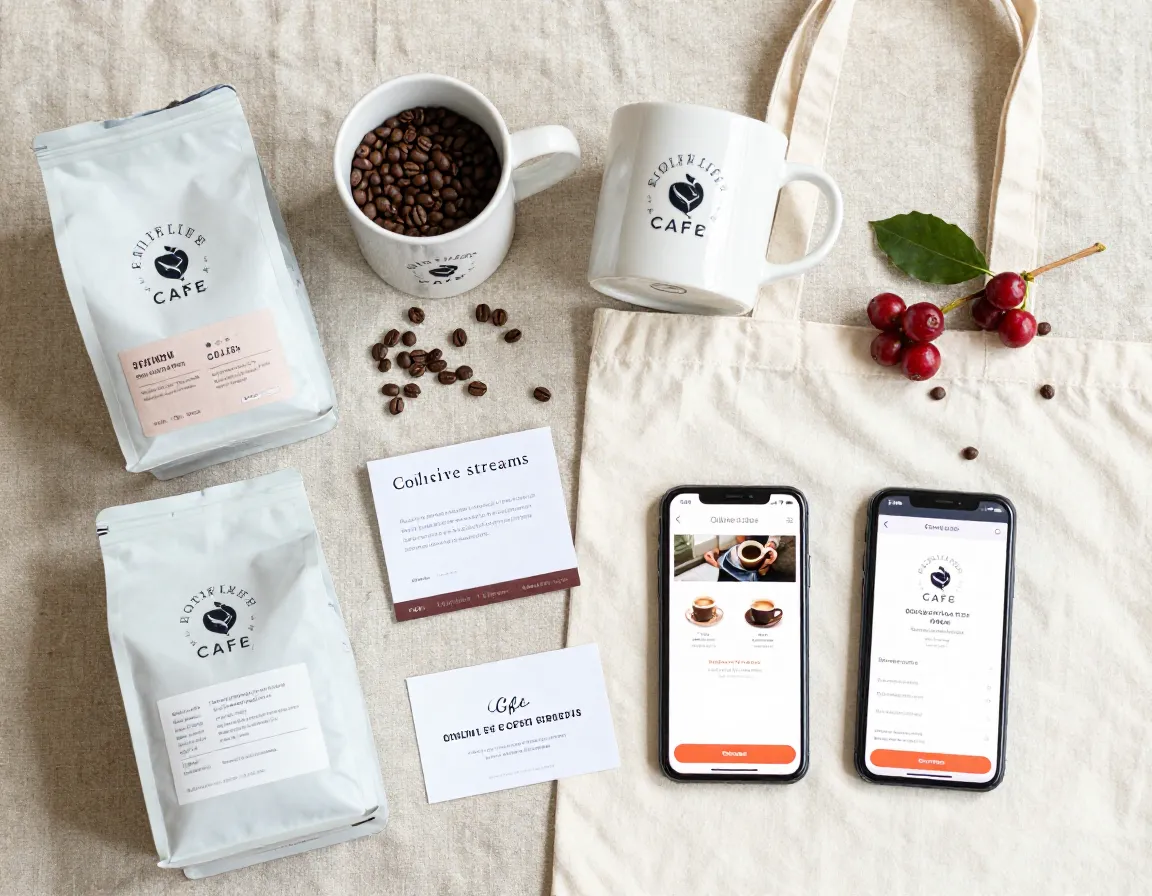
The seventh secret is crucial for long-term survival: alternative revenue streams are critical because the reality is that customers staying for hours typically order minimal beverages [3]. With more than half of independent coffee shops closing in their first five years, diversification isn’t optional—it’s essential.
Revenue Stream Opportunities for Tiny Cafes:
Direct Sales Extensions:
- Online coffee bean sales with local delivery
- Branded merchandise (mugs, t-shirts, tote bags)
- Coffee subscription services for regular customers
- Gift cards and corporate gift packages
- Wholesale bean sales to offices and other businesses
Service-Based Revenue:
- Catering for local events and offices
- Private event hosting during off-hours
- Coffee education classes and cupping sessions
- Barista training for other businesses
- Equipment maintenance services for home users
Space Monetization:
- Local artist gallery with commission sales
- Co-working space during slow periods
- Evening events (wine, live music, poetry)
- Retail partnerships with complementary local businesses
- Equipment rental for other food service businesses
Digital Revenue:
- Online coffee education courses
- Affiliate marketing for coffee equipment
- Sponsored content on social media
- Virtual coffee tastings and events
- Coffee consultation services
The key is choosing revenue streams that align with your brand and don’t detract from your core cafe experience. Start with one additional stream, master it, then gradually add others.
8. Leverage Local SEO and Social Media for Cost-Effective Marketing
The eighth and final secret focuses on marketing strategies that deliver high ROI without breaking your budget. For tiny cafes, investing in local SEO and creating shareable experiences provides the best return on marketing investment [2].
Local SEO Essentials:
- Claim and optimize your Google My Business listing
- Encourage customer reviews and respond to all of them
- Use location-based keywords in your website content
- Create location pages if you serve multiple neighborhoods
- Build local citations and directory listings
- Partner with local businesses for cross-promotion
Social Media Strategy That Works:
- Focus on creating genuine experiences worth sharing
- Use location tags and encourage customer posts
- Share behind-the-scenes content consistently
- Feature regular customers (with permission)
- Post user-generated content and give credit
- Create Instagram-worthy presentation and spaces
Community Marketing:
- Sponsor local events and sports teams
- Partner with nearby businesses for cross-promotion
- Host community events and fundraisers
- Participate in local festivals and farmers markets
- Create loyalty programs that encourage referrals
- Build relationships with local influencers and bloggers
Content Marketing Ideas:
- Coffee education posts and videos
- Staff spotlights and their favorite drinks
- Supplier stories and sourcing transparency
- Seasonal menu introductions and explanations
- Customer success stories and testimonials
- Local community highlights and partnerships
The goal isn’t to spend hours creating daily content—it’s to create experiences so good that customers naturally want to share them. When people post photos of your cafe, tag your location, and recommend you to friends, you’re getting marketing that money can’t buy.
Putting It All Together: Your Action Plan
Now that you understand the 8 charming secrets behind running a successful tiny boutique cafe, it’s time to create your implementation strategy. These secrets work together synergistically—each one supports and amplifies the others.
Phase 1: Foundation (Months 1-3)
- Build your social media following and community buzz
- Develop your consistency systems and staff training
- Implement basic data tracking and analysis tools
- Create your transparent pricing strategy
Phase 2: Optimization (Months 4-6)
- Perfect your morning rush operations
- Launch your first alternative revenue stream
- Establish local SEO and community marketing
- Refine your menu and service based on data
Phase 3: Growth (Months 7-12)
- Add additional revenue streams strategically
- Expand your community partnerships
- Develop advanced customer loyalty programs
- Consider expansion or franchise opportunities
Conclusion
The 8 charming secrets behind running a successful tiny boutique cafe aren’t really secrets at all—they’re proven strategies that successful cafe owners use to create profitable, beloved businesses in competitive markets. The charm comes from how these strategies work together to create experiences that customers can’t find anywhere else.
In 2026, tiny boutique cafes have a unique opportunity. While large chains focus on efficiency and speed, small cafes can win by focusing on community, quality, consistency, and genuine customer relationships. The data shows that customers are increasingly seeking these authentic experiences and are willing to pay premium prices for them.
Your success won’t come from having the best coffee in town (though that helps)—it will come from consistently delivering an experience that makes customers feel valued, welcomed, and connected to something special. Every interaction, every cup, every detail of your cafe should reinforce the feeling that this is their special place.
Your Next Steps:
- Start building your community now – Even if you’re months away from opening, begin creating buzz and validating demand
- Develop your systems – Create consistency frameworks for every aspect of your operation
- Plan your revenue diversification – Don’t wait until you’re struggling to think about alternative income streams
- Invest in your team – Remember that your staff are your competitive advantage, not just a cost center
- Track everything – Set up systems to measure what matters and make data-driven decisions from day one
The tiny boutique cafe industry is challenging, but for those who master these eight secrets, it’s also incredibly rewarding. You’re not just serving coffee—you’re creating a community hub, supporting local culture, and building something that makes your neighborhood a little bit better.
Remember, every successful cafe started with someone who believed they could create something special in a small space. With these secrets as your guide, you have everything you need to join the ranks of thriving tiny boutique cafe owners who are proving that bigger isn’t always better.
References
[1] Coffee Visits Perks In The Segment – https://www.placer.ai/anchor/articles/coffee-visits-perks-in-the-segment
[2] Coffee Shop Challenges 2026 What Owners Need To Know To Succeed – https://beanandbrewtech.com/coffee-shop-challenges-2026-what-owners-need-to-know-to-succeed/
[3] Coffee Shop Industry Statistics – https://cornercoffeestore.com/coffee-shop-industry-statistics/
[4] Watch – https://www.youtube.com/watch?v=ggwXm-edOvE
[5] Trends In The Cafe Brunch Industry For 2025 And 2026 – https://shopcrepenation.com/2025/09/08/trends-in-the-cafe-brunch-industry-for-2025-and-2026/