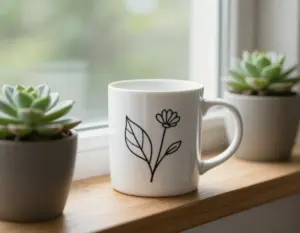
8 Brilliant Tips for When You Design Your Own Coffee Cup
Picture this: you’re sipping your morning coffee from a mug that perfectly captures your personality, brand, or creative vision. In 2026, designing your own coffee cup has become more accessible and exciting than ever before, with advanced printing technologies and endless customization options at your fingertips. Whether you’re creating a personal keepsake, launching a business merchandise line, or developing a unique gift, these 8 brilliant tips for when you design your own coffee cup will transform your creative ideas into a stunning, functional piece of art that stands out in a crowded marketplace.
Key Takeaways
- Choose the right size and material based on your target audience and intended use, with options ranging from 10-oz to 17-oz+ capacities
- Leverage 2026 design trends including “good vibes” aesthetics with muted colors and 70s-style icons for maximum appeal
- Select appropriate printing methods like dye sublimation or UV printing based on your design complexity and durability needs
- Focus on personalization elements such as coffee quotes, botanical designs, and heat-activated patterns to create memorable experiences
- Consider practical factors like handle comfort, dishwasher safety, and color psychology when finalizing your design
Understanding the Fundamentals of Coffee Cup Design
1. Start with the Right Foundation: Size and Material Selection
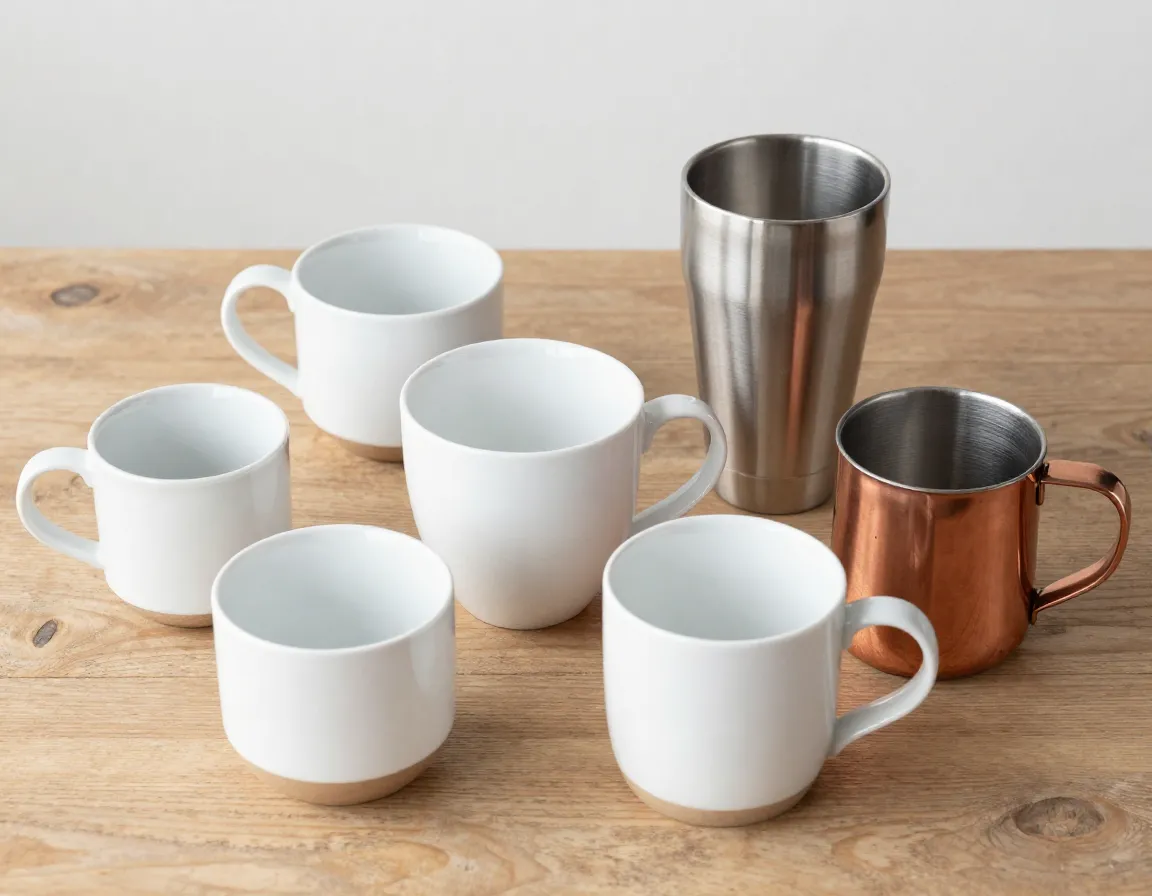
When you design your own coffee cup, the foundation of your project begins with selecting the perfect size and material combination. The market offers incredible variety, with sizes ranging from compact 10-oz mugs to generous 17-oz+ options [1]. Each size serves different purposes and appeals to distinct user preferences.
Popular Size Options:
- 10-12 oz: Perfect for espresso lovers and office settings
- 14-15 oz: The sweet spot for most coffee drinkers
- 16-17 oz: Ideal for those who need their caffeine fix in larger doses
- 18+ oz: Great for specialty drinks and extended sipping sessions
Material choice significantly impacts both aesthetics and functionality. Ceramic remains the most popular option due to its excellent heat retention and smooth printing surface [1]. However, modern alternatives offer unique benefits:
Material Comparison:
| Material | Pros | Cons | Best For |
|---|---|---|---|
| Ceramic | Excellent heat retention, smooth finish | Can chip or break | Classic designs, detailed graphics |
| Stainless Steel | Durable, modern look | Limited printing options | Minimalist designs, outdoor use |
| Copper | Unique aesthetic, antimicrobial | Requires special care | Premium gifts, artistic designs |
The key is matching your material choice to your design goals and target audience. A corporate gift might benefit from sleek stainless steel, while a personal art project could shine on ceramic.
2. Master the Art of Color Psychology and Palette Selection
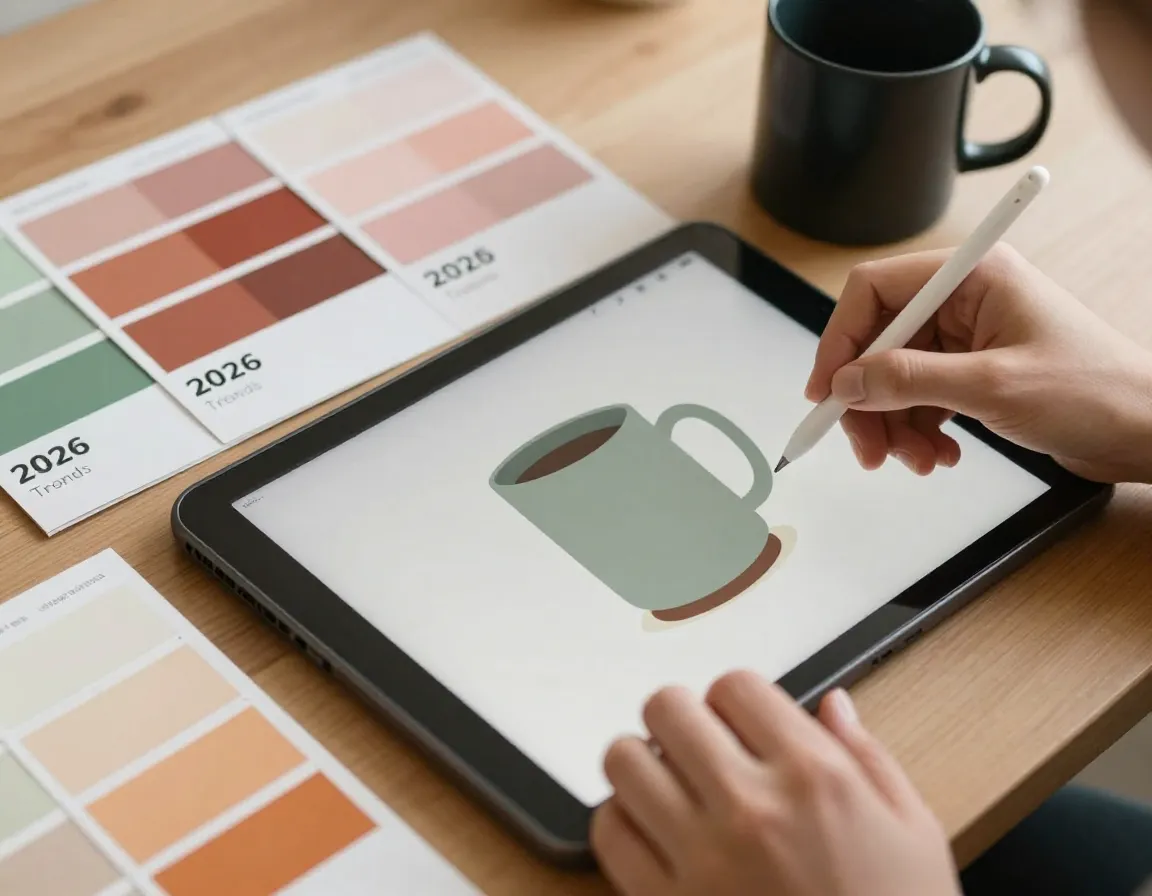
Color selection represents one of the most crucial aspects when you design your own coffee cup. In 2026, the “good vibes” trend dominates drinkware design, featuring muted colors and 70s-style icons [2]. This aesthetic creates a sense of nostalgia and comfort that resonates with modern consumers seeking authentic, calming experiences.
Trending Color Palettes for 2026:
- Earthy Neutrals: Sage green, terracotta, cream, and warm beige
- Muted Pastels: Dusty pink, soft lavender, pale yellow, and powder blue
- Retro-Inspired: Burnt orange, mustard yellow, deep teal, and rust red
- Monochromatic Schemes: Various shades of a single color for sophisticated looks
Color Psychology in Coffee Cup Design:
- 🔵 Blue: Promotes calmness and trust (perfect for morning routines)
- 🟢 Green: Represents growth and harmony (appeals to eco-conscious consumers)
- 🟡 Yellow: Energizes and uplifts (ideal for motivational designs)
- 🔴 Red: Creates urgency and passion (great for bold statements)
- ⚫ Black: Conveys sophistication and elegance (timeless appeal)
Consider your brand message and target audience when selecting colors. A wellness coach might choose calming blues and greens, while a fitness brand could opt for energizing reds and oranges.
Advanced Design Techniques and Personalization
3. Embrace Typography That Tells Your Story
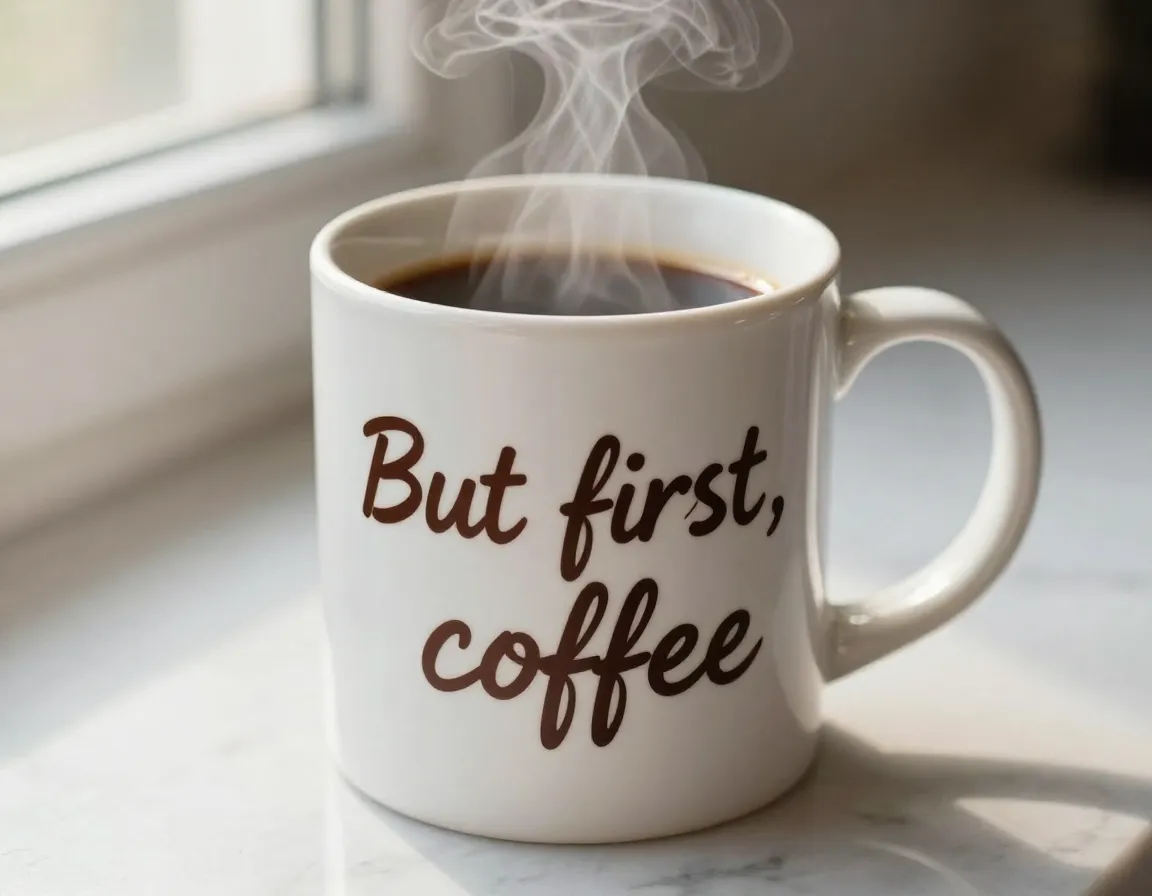
Typography serves as the voice of your coffee cup design, and coffee quotes remain one of the most popular design themes [4]. The right font choice can transform a simple message into a powerful visual statement that resonates with users every morning.
Typography Best Practices:
- Readability First: Choose fonts that remain clear at various sizes
- Personality Matching: Align font style with your message tone
- Hierarchy Creation: Use different font weights to emphasize key elements
- Cultural Considerations: Ensure fonts appeal to your target demographic
Popular Coffee Quote Categories:
- Motivational Messages: “But first, coffee” or “Rise and grind”
- Humorous Sayings: “Decaf? No thanks, I’m not a quitter”
- Philosophical Thoughts: “Life begins after coffee”
- Personal Mantras: Custom messages that reflect individual values
When incorporating text, consider the mug’s curve and handle placement. Text should flow naturally around the shape, maintaining readability from multiple angles. Heat-activated patterns [3] can add an interactive element, revealing hidden messages as hot liquid is poured.
4. Leverage Botanical and Nature-Inspired Designs
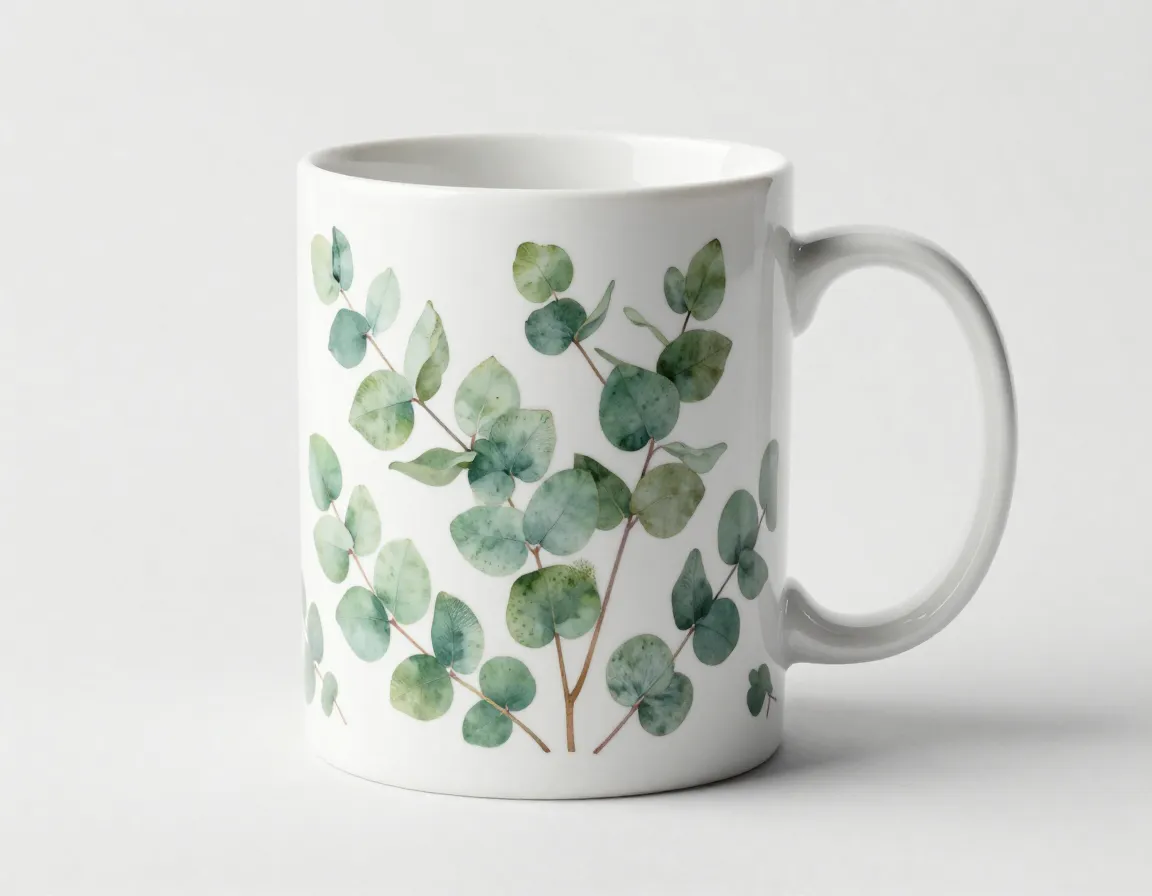
Botanical designs represent a major trend in 2026 mug customization [4], offering timeless appeal that connects users with nature. These designs work particularly well for brands focused on sustainability, wellness, or artisanal products.
Botanical Design Elements:
- Leaf Patterns: From simple silhouettes to detailed botanical illustrations
- Floral Motifs: Ranging from minimalist line art to vibrant watercolor styles
- Tree Designs: Symbolic representations of growth and stability
- Herb Illustrations: Perfect for tea and coffee enthusiasts
Implementation Strategies:
- Wraparound Designs: Create seamless patterns that flow around the entire mug
- Accent Placement: Use botanical elements to frame text or logos
- Seasonal Variations: Adapt designs for different times of year
- Color Integration: Blend botanical elements with your chosen color palette
Nature-inspired designs appeal to consumers’ desire for authenticity and connection to the natural world, making them excellent choices for sustainable brands or wellness-focused businesses.
5. Select the Optimal Printing Method for Your Vision
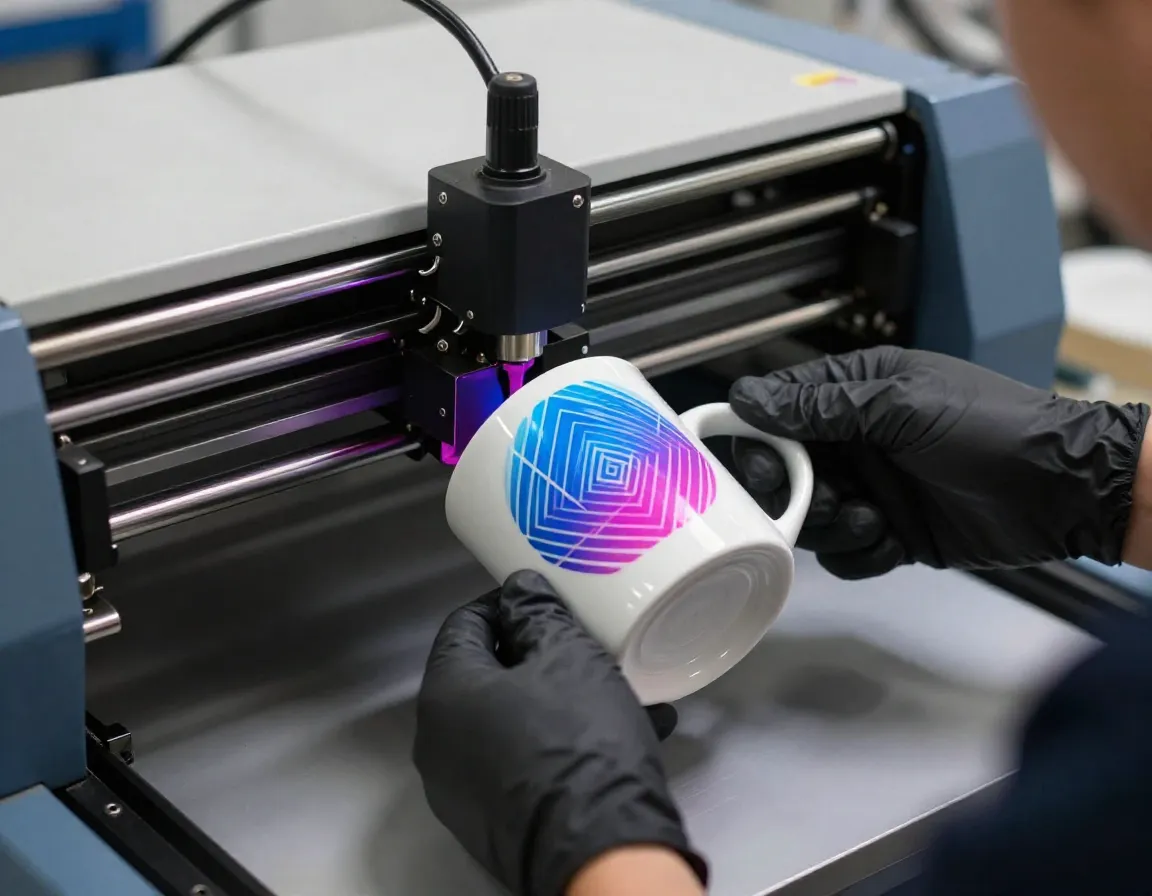
Understanding printing technologies is crucial when you design your own coffee cup, as the method you choose directly impacts design quality, durability, and cost. Modern printing options include dye sublimation, UV printing, digital printing, and direct screen printing [3], each offering unique advantages.
Printing Method Comparison:
Dye Sublimation:
- Best For: Full-color, photographic designs
- Durability: Excellent (design becomes part of the material)
- Cost: Moderate to high
- Limitations: Works best on light-colored, polymer-coated surfaces
UV Printing:
- Best For: Vibrant colors and fine details
- Durability: Very good with proper curing
- Cost: Moderate
- Advantages: Works on various materials and colors
Screen Printing:
- Best For: Simple designs with solid colors
- Durability: Excellent for proper applications
- Cost: Low for large quantities
- Limitations: Limited color options per design
Digital Printing:
- Best For: Small batches and complex designs
- Durability: Good with quality inks
- Cost: Higher per unit, lower setup costs
- Flexibility: Easy design modifications
Choose your printing method based on design complexity, quantity needed, budget constraints, and durability requirements.
6. Incorporate Interactive and Innovative Elements
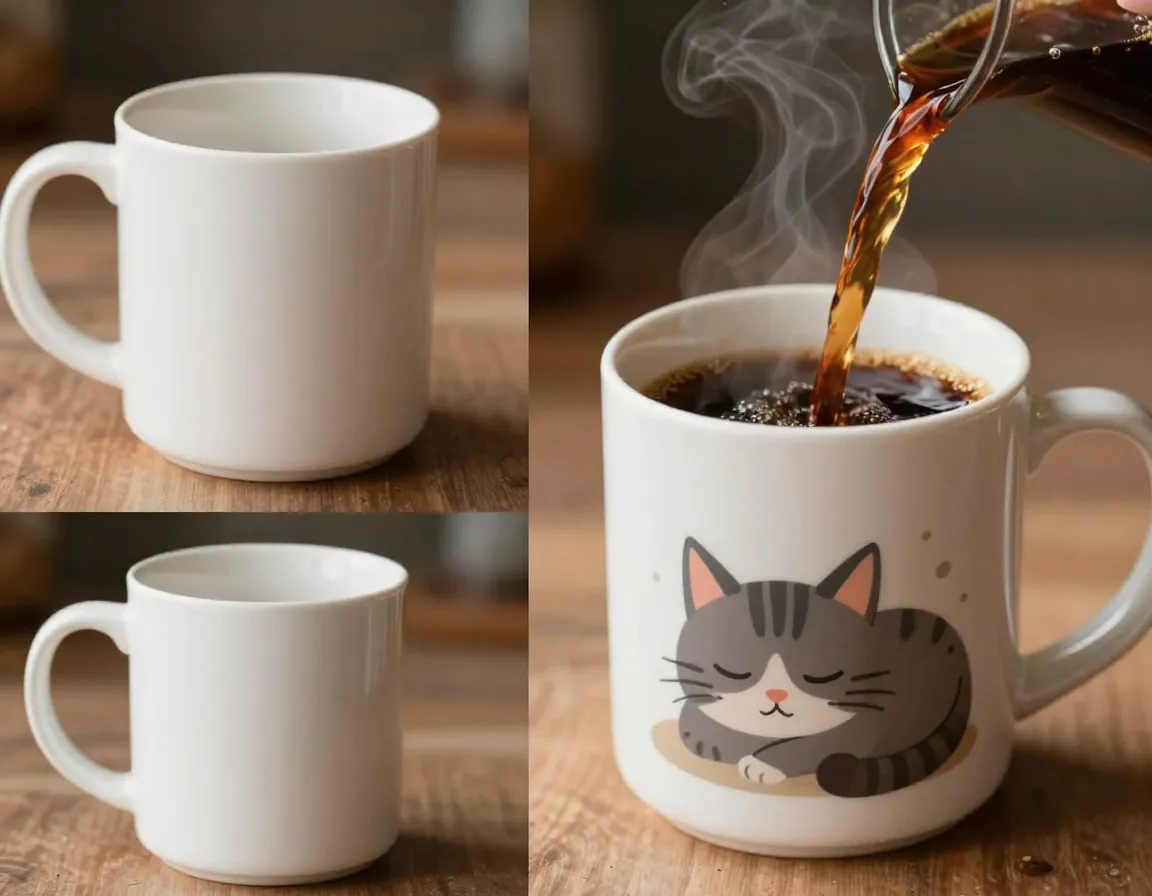
Modern coffee cup design goes beyond static graphics. Heat-activated patterns and color-changing elements [3] create memorable experiences that surprise and delight users. These interactive features transform the simple act of pouring coffee into an engaging moment.
Interactive Design Options:
- Heat-Activated Reveals: Hidden messages or images that appear with hot liquids
- Color-Changing Surfaces: Mugs that shift colors based on temperature
- Textured Elements: Raised or embossed areas that provide tactile interest
- Glow-in-the-Dark Features: Elements that illuminate in low light conditions
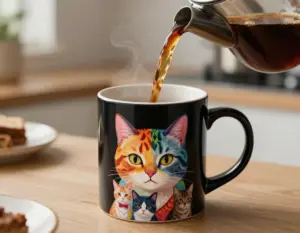
Animal-Inspired Interactive Designs [3] work particularly well with heat-activation technology. Imagine a mug featuring a sleeping cat that “wakes up” when coffee is poured, or a tree that blooms with leaves as the temperature rises.
Implementation Considerations:
- Cost Impact: Interactive elements typically increase production costs
- Durability: Ensure special features withstand regular use and washing
- User Education: Include instructions for optimal interactive experience
- Brand Alignment: Ensure interactive elements support your overall message
7. Perfect the Balance of Personalization and Universal Appeal
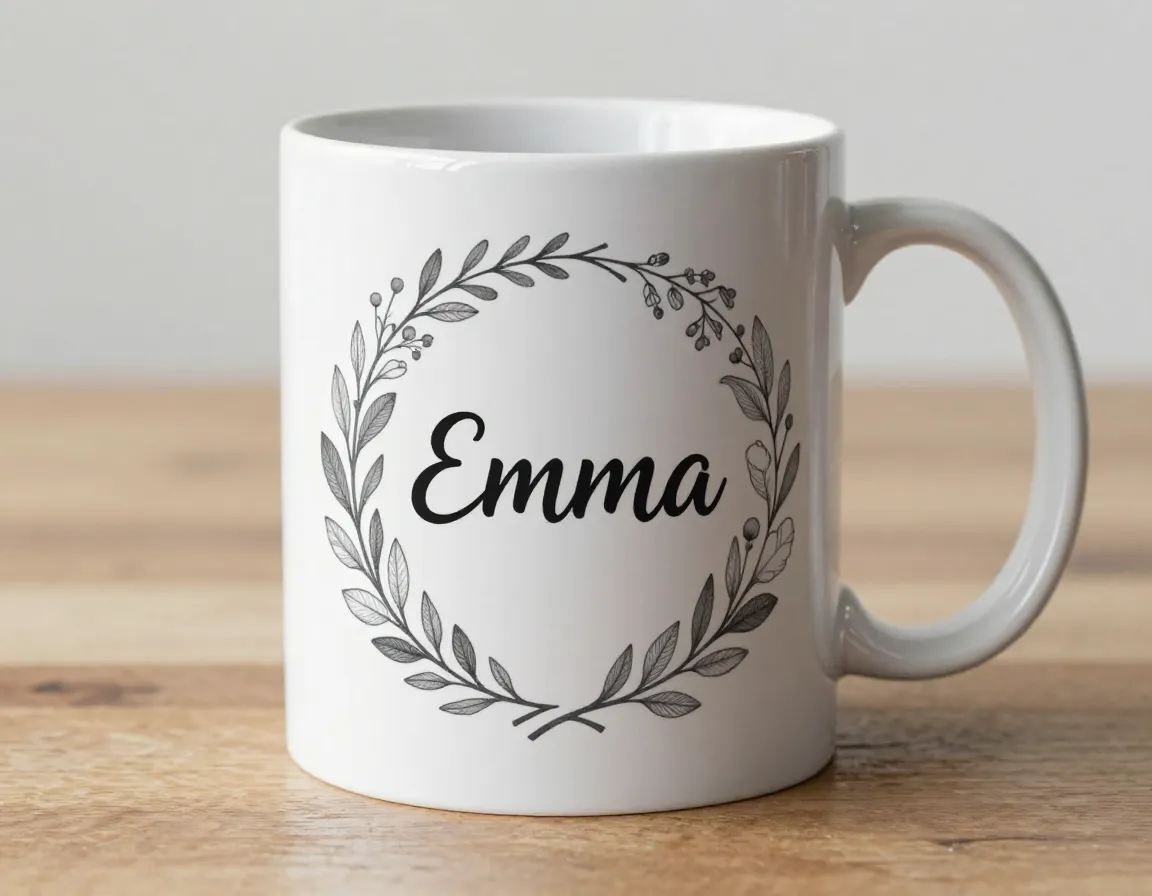
Successful coffee cup design strikes a delicate balance between personal relevance and broad appeal. Personalization approaches [4] range from individual names and photos to customizable design elements that allow users to make the mug their own.
Personalization Strategies:
- Name Integration: Seamlessly incorporate names into existing designs
- Photo Elements: Blend personal photos with decorative borders or frames
- Custom Color Options: Offer multiple colorways of the same design
- Modular Design Elements: Allow users to combine different components
Universal Appeal Factors:
- Timeless Themes: Choose subjects that won’t quickly become outdated
- Cultural Sensitivity: Ensure designs respect diverse backgrounds and beliefs
- Functional Considerations: Prioritize usability alongside aesthetics
- Quality Standards: Maintain high production standards regardless of customization level
Balancing Strategies:
- Create Design Templates: Develop flexible frameworks that accommodate personalization
- Offer Customization Tiers: Provide options from simple text changes to complete redesigns
- Test Market Appeal: Gather feedback from diverse user groups before finalizing designs
- Consider Production Scalability: Ensure personalization processes can handle demand
8. Optimize for Practical Use and Longevity
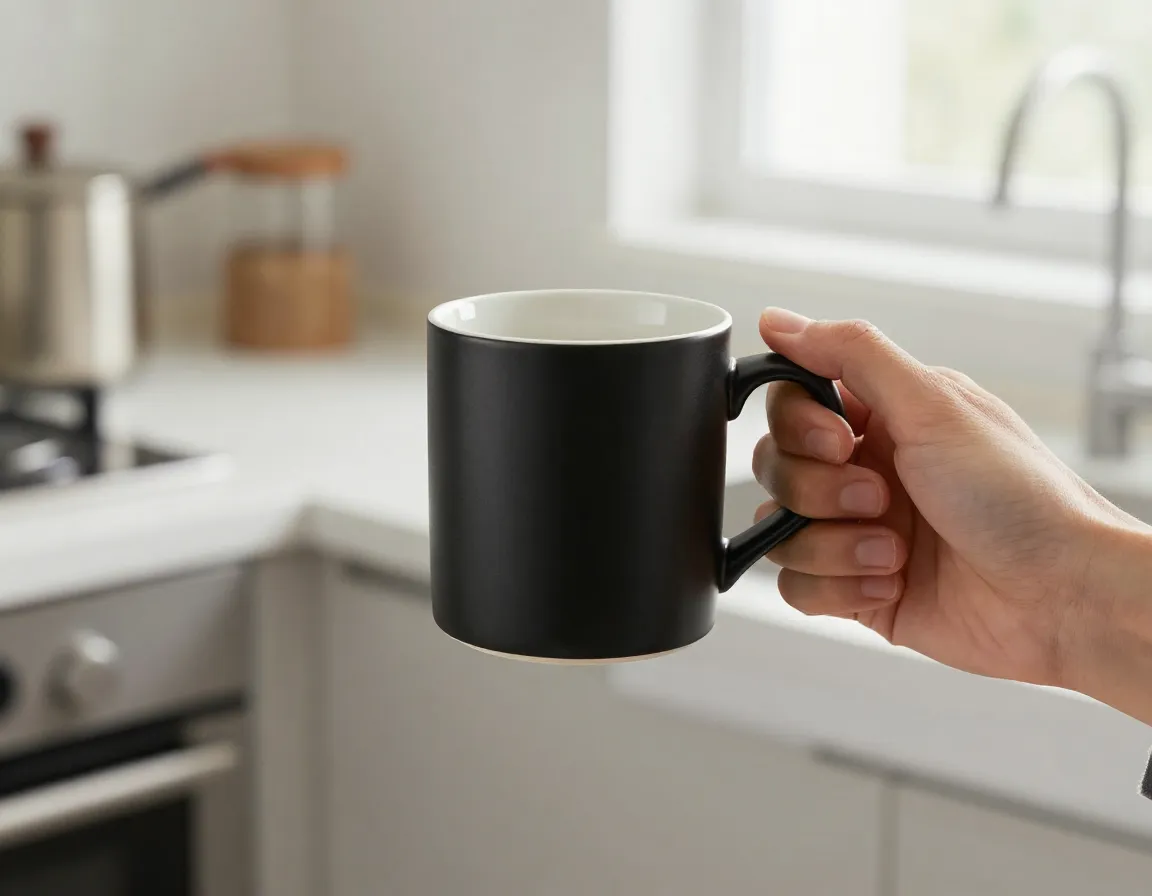
The final consideration when you design your own coffee cup involves practical factors that ensure your beautiful creation remains functional and appealing over time. With 16 assorted color options and various material choices [1], you have flexibility to optimize both aesthetics and functionality.
Practical Design Considerations:
- Handle Ergonomics: Ensure comfortable grip for extended use
- Weight Distribution: Balance aesthetics with comfortable handling
- Dishwasher Safety: Choose materials and inks that withstand regular cleaning
- Microwave Compatibility: Consider heating requirements for busy lifestyles
Longevity Factors:
- Design Timelessness: Avoid overly trendy elements that quickly date the design
- Material Durability: Select materials appropriate for intended use frequency
- Print Quality: Invest in high-quality printing that resists fading and chipping
- Care Instructions: Provide clear guidance for maintaining design integrity
Quality Assurance Checklist:
✅ Visual Appeal: Design remains attractive from all angles
✅ Functional Excellence: Comfortable to hold and use daily
✅ Durability Testing: Design withstands normal wear and cleaning
✅ Brand Consistency: Aligns with overall brand message and values
✅ User Experience: Enhances rather than complicates coffee enjoyment
Professional Finishing Touches:
- Quality Control: Implement inspection processes for consistent results
- Packaging Considerations: Protect finished products during shipping and storage
- User Documentation: Include care instructions and design story
- Feedback Integration: Plan for gathering and implementing user feedback
Conclusion
Designing your own coffee cup in 2026 offers unprecedented opportunities to create meaningful, functional art that enhances daily routines. By following these 8 brilliant tips for when you design your own coffee cup, you’re equipped to navigate everything from fundamental material selection to advanced interactive features. The key lies in balancing creative vision with practical considerations, ensuring your design not only looks stunning but also stands the test of time and regular use.
Remember that successful coffee cup design combines aesthetic appeal with functional excellence. Whether you’re creating a single personal piece or launching a full product line, these principles will guide you toward designs that resonate with users and create lasting impressions.
Your Next Steps:
- Define Your Vision: Clarify your design goals, target audience, and key messages
- Choose Your Foundation: Select appropriate size, material, and color palette based on your requirements
- Develop Your Design: Create artwork that incorporates trending elements while maintaining timeless appeal
- Select Production Methods: Choose printing techniques that align with your quality and budget requirements
- Test and Refine: Gather feedback and make adjustments before final production
- Plan for Success: Consider packaging, marketing, and user education to maximize impact
The coffee cup design landscape continues evolving, but these fundamental principles ensure your creations remain relevant and appealing. Start with these proven strategies, add your unique creative vision, and watch as your custom coffee cups become cherished parts of people’s daily rituals.
References
[1] Custom Personalized Ceramic Coffee Mugs – https://www.discountmugs.com/category/custom-personalized-ceramic-coffee-mugs
[2] Drinkware Design Trends – https://www.printful.com/blog/drinkware-design-trends
[3] Cup Design Ideas – https://printify.com/blog/cup-design-ideas/
[4] Best Mug Design Ideas – https://dynamicmockups.com/mug/best-mug-design-ideas/
[5] Rituel The Cafe Tasses Mugs Ceramique 2026 – https://www.artitritdecor.com/en/blogs/news/rituel-the-cafe-tasses-mugs-ceramique-2026