8 Best Milks for a Matcha Latte (Dairy, Nut, & Oat Tested)
Picture this: you’re standing in your kitchen at 7 AM, craving that perfect matcha latte to start your day. You reach for your ceremonial-grade matcha powder, but then pause at the refrigerator door. Which milk will create that Instagram-worthy foam and complement matcha’s earthy complexity? After testing countless combinations and analyzing nutritional profiles, I’ve discovered that the 8 best milks for a matcha latte (dairy, nut, & oat tested) can transform your morning ritual from ordinary to extraordinary.
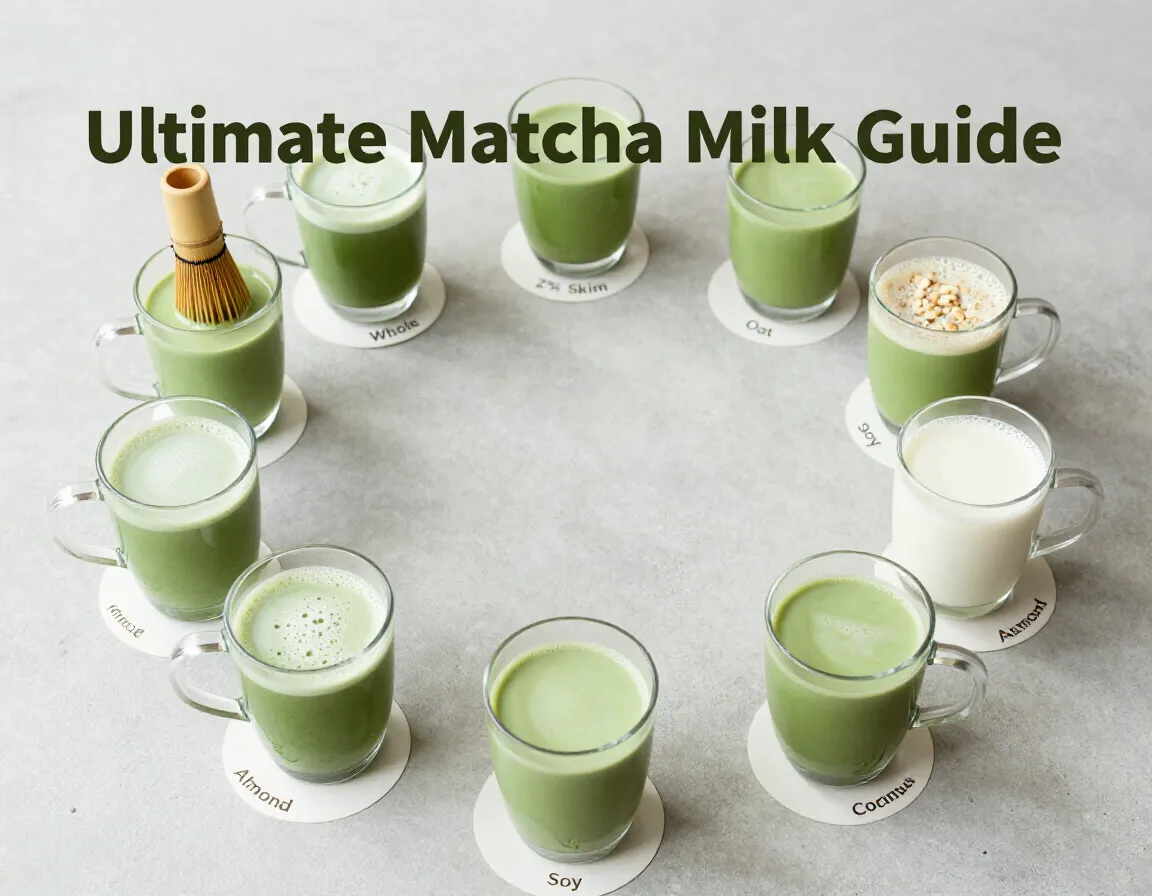
The secret lies in understanding how different milk proteins, fats, and natural sugars interact with matcha’s delicate flavor profile. Whether you’re team dairy or exploring plant-based alternatives, choosing the right milk affects everything from froth quality to taste balance and nutritional value.
Key Takeaways
- Oat milk emerges as the top choice for matcha lattes, offering natural sweetness, excellent froth capability, and cold stability without separation
- Dairy milks (whole, 2%, skim) provide the richest protein content and most luxurious foam texture, with whole milk delivering the creamiest experience
- Soy milk leads plant-based options in protein content (~7g per cup) while maintaining a neutral flavor that lets matcha shine
- Barista-grade versions of plant-based milks contain added oils for superior frothing and prevent curdling when mixed with matcha
- Nutritional profiles vary dramatically – from skim milk’s 90 calories to coconut milk’s tropical richness, each option serves different dietary goals
Understanding Milk Science in Matcha Lattes
Before diving into our comprehensive testing results, it’s essential to understand what makes certain milks excel in matcha lattes. The interaction between milk proteins, fats, and matcha’s tannins creates the foundation for both flavor and texture.
Protein content directly impacts foam stability and mouthfeel. Dairy milks typically contain 8 grams of protein per cup, while plant-based alternatives range from 1-7 grams. Higher protein content generally produces denser, longer-lasting foam.
Fat percentage influences richness and how well the milk carries matcha’s complex flavor notes. Fats also help balance matcha’s natural astringency, creating a smoother drinking experience.
Natural and added sugars affect sweetness perception and how they complement matcha’s grassy, umami characteristics. Some plant-based milks contain added stabilizers and emulsifiers that improve texture and prevent separation.
Coffee shops use barista-grade matcha specifically formulated for milk-based drinks, which is more robust and designed for smooth mixing with various milk types [1]. This differs from ceremonial-grade matcha used in traditional tea ceremonies.
The 8 Best Milks for a Matcha Latte: Dairy Options Tested
1. Whole Milk – The Gold Standard
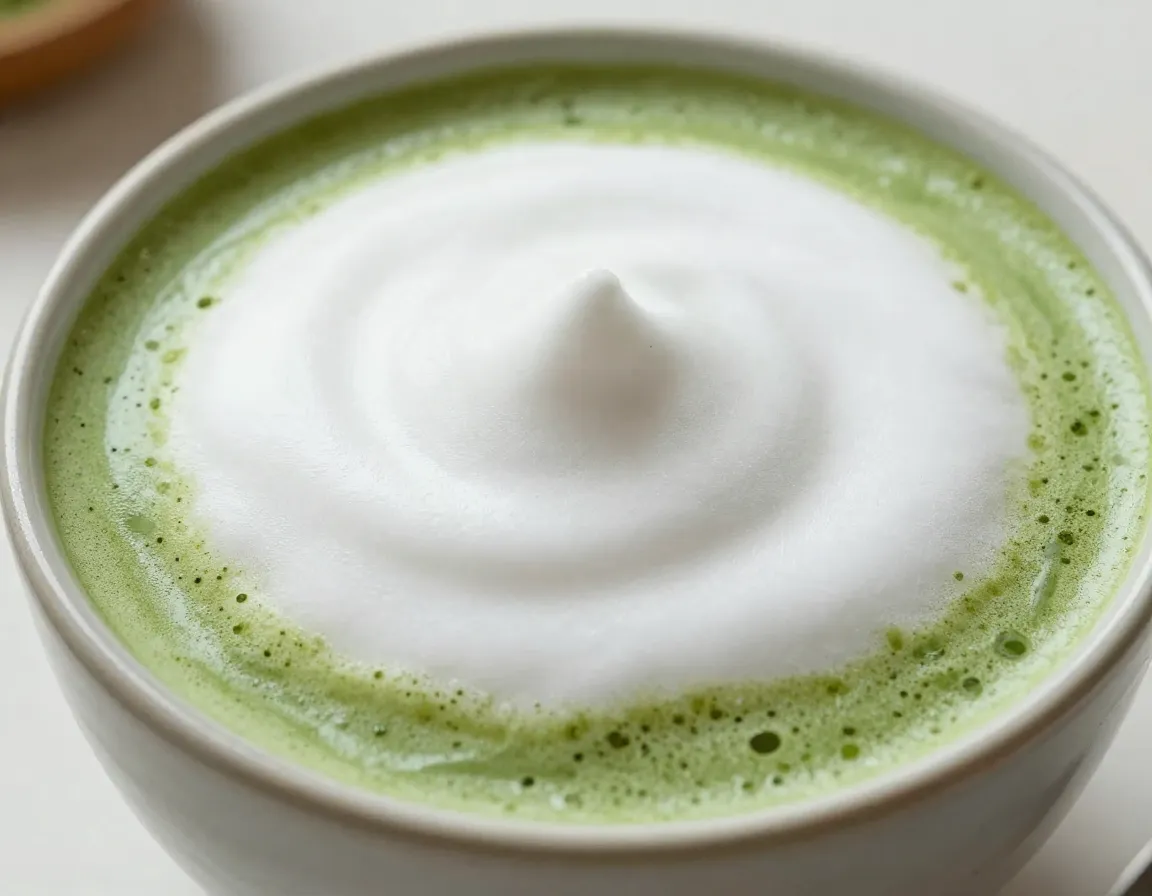
Whole milk remains the benchmark for matcha lattes, providing approximately 150 calories per cup with 8 grams of protein [1]. Its higher fat content (3.25%) enhances matcha’s grassy notes while producing luxurious, dense froth that holds its shape for extended periods.
Taste Profile: Whole milk creates a rich, creamy base that balances matcha’s earthiness without overwhelming its delicate flavor. The natural lactose adds subtle sweetness that complements rather than competes with matcha’s complexity.
Frothing Performance: ⭐⭐⭐⭐⭐ Exceptional foam density and stability
Flavor Compatibility: ⭐⭐⭐⭐⭐ Perfect balance with matcha
Nutritional Value: 150 calories, 8g protein, 8g fat per cup
2. 2% Milk – The Balanced Choice
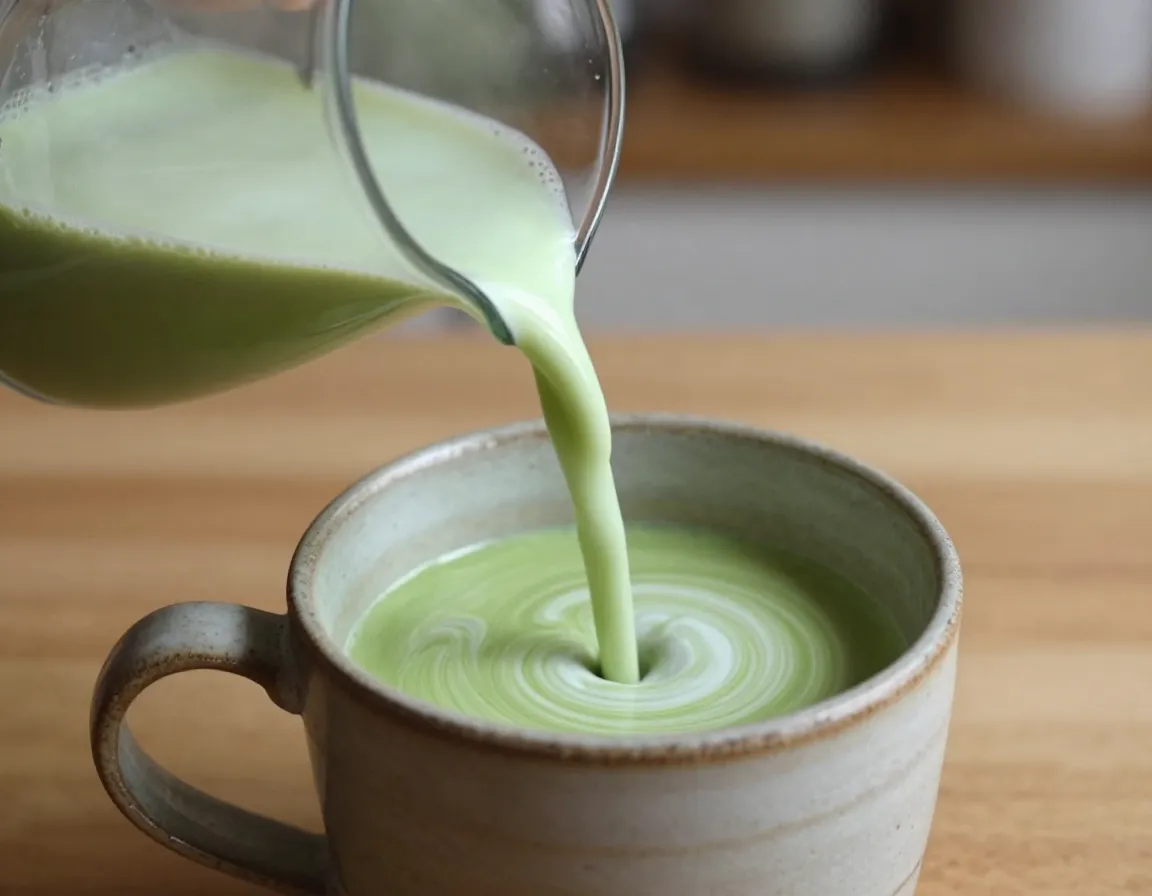
2% milk offers a lighter alternative at approximately 120 calories per cup while maintaining comparable protein content (8g) and effective frothing capabilities [1]. This reduced-fat option provides an excellent middle ground for those seeking richness without the full caloric impact of whole milk.
Taste Profile: Slightly less creamy than whole milk but still substantial enough to carry matcha’s flavor beautifully. The reduced fat content allows matcha’s more subtle notes to emerge while maintaining smoothness.
Frothing Performance: ⭐⭐⭐⭐ Very good foam with slightly less density
Flavor Compatibility: ⭐⭐⭐⭐⭐ Excellent balance
Nutritional Value: 120 calories, 8g protein, 5g fat per cup
3. Skim Milk – The Light Option
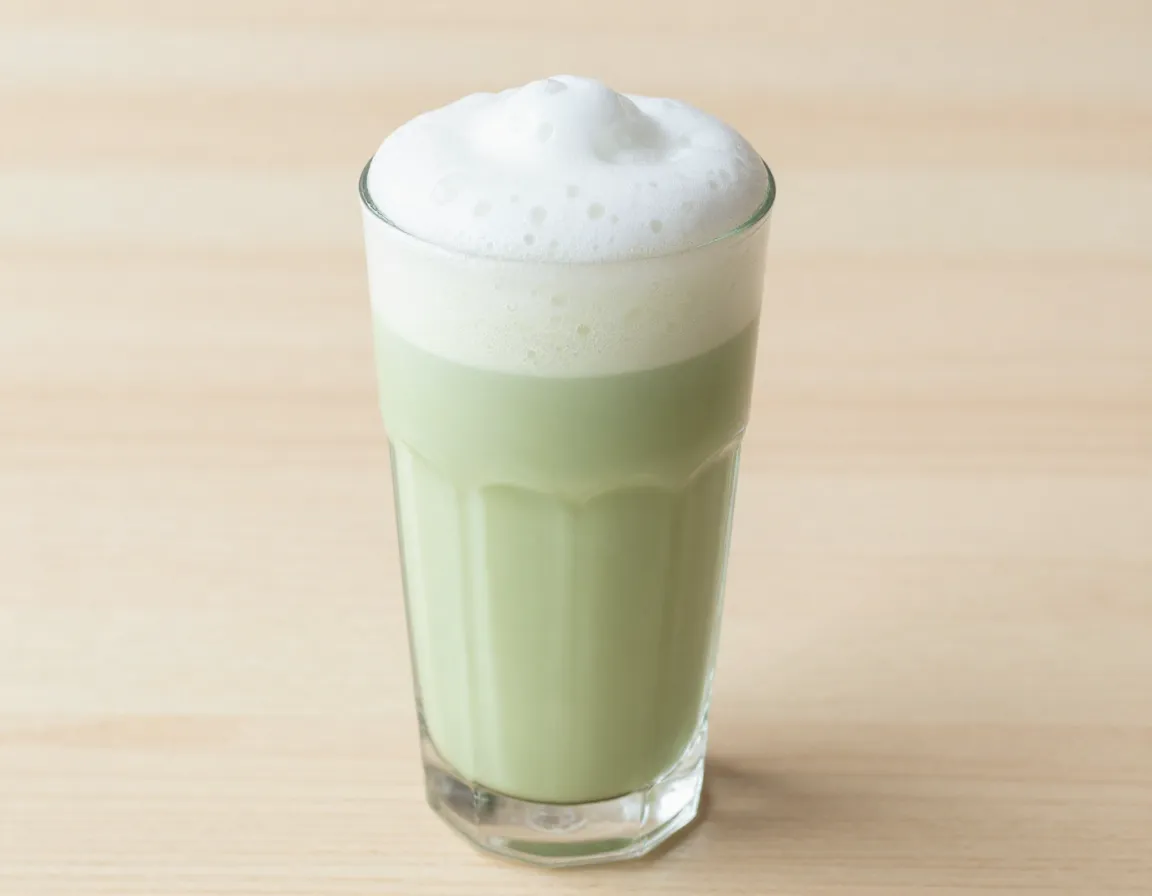
Skim milk delivers the lowest fat option at approximately 90 calories per cup but produces lighter, less dense froth [1]. While it maintains the full protein content of dairy milk, the absence of fat creates a different mouthfeel and flavor experience.
Taste Profile: Clean and light, allowing matcha’s grassier notes to dominate. Some may find it lacks the richness to balance matcha’s natural astringency effectively.
Frothing Performance: ⭐⭐⭐ Good volume but less stable foam
Flavor Compatibility: ⭐⭐⭐ Adequate but may feel thin
Nutritional Value: 90 calories, 8g protein, 0g fat per cup
Plant-Based Champions: The 5 Best Non-Dairy Alternatives
4. Oat Milk – The Plant-Based Winner
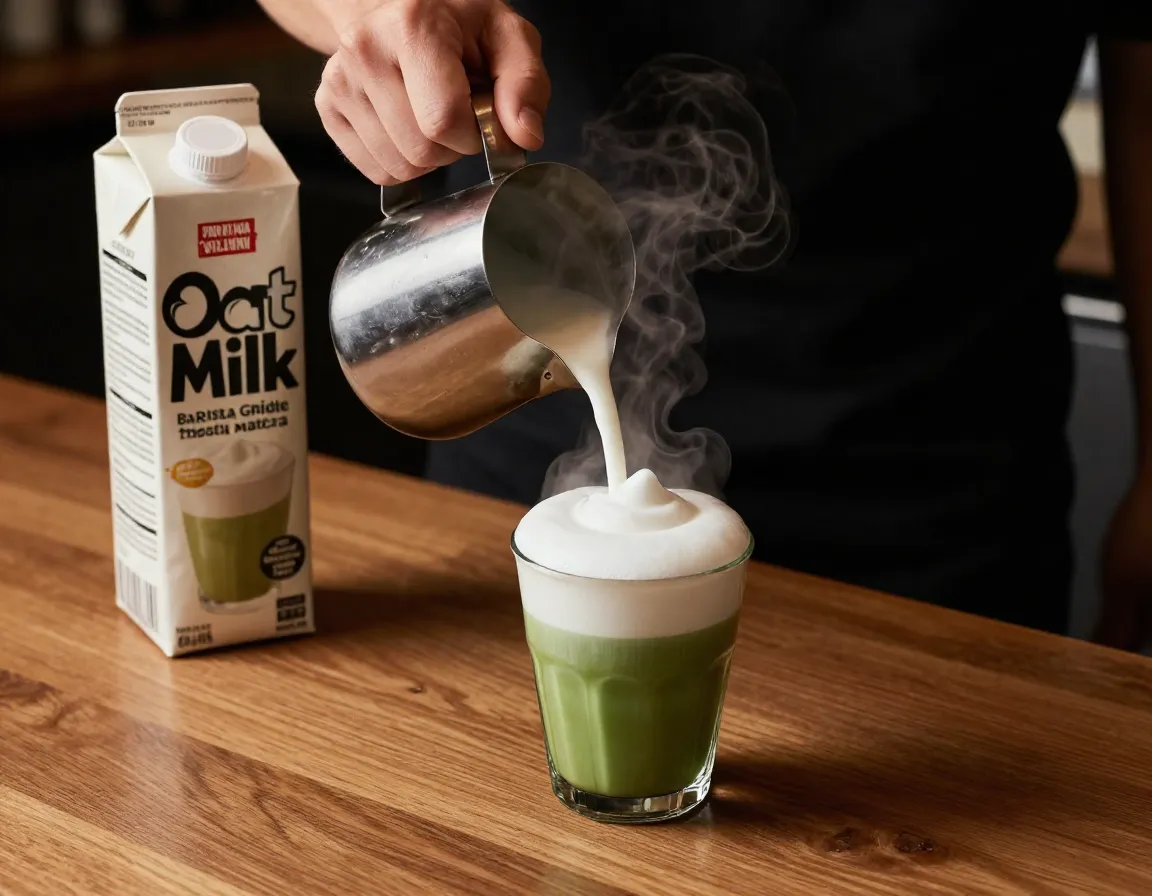
Oat milk is identified as the top choice among plant-based options, combining natural sweetness (approximately 120 calories, 3g protein) with excellent froth capability in barista versions and cold stability without separation [1]. Its creamy texture most closely mimics dairy milk’s mouthfeel.
Why It Excels: Oat milk’s natural beta-glucan fiber creates inherent creaminess, while its mild sweetness complements matcha perfectly. Barista-friendly versions contain added oils that prevent separation and improve foam consistency [1].
Taste Profile: Naturally sweet with subtle oat flavor that enhances rather than masks matcha’s complexity. Creates a smooth, satisfying drinking experience.
Frothing Performance: ⭐⭐⭐⭐⭐ (Barista version) Excellent foam stability
Flavor Compatibility: ⭐⭐⭐⭐⭐ Outstanding harmony with matcha
Nutritional Value: 120 calories, 3g protein, 5g fat per cup
5. Soy Milk – The Protein Powerhouse
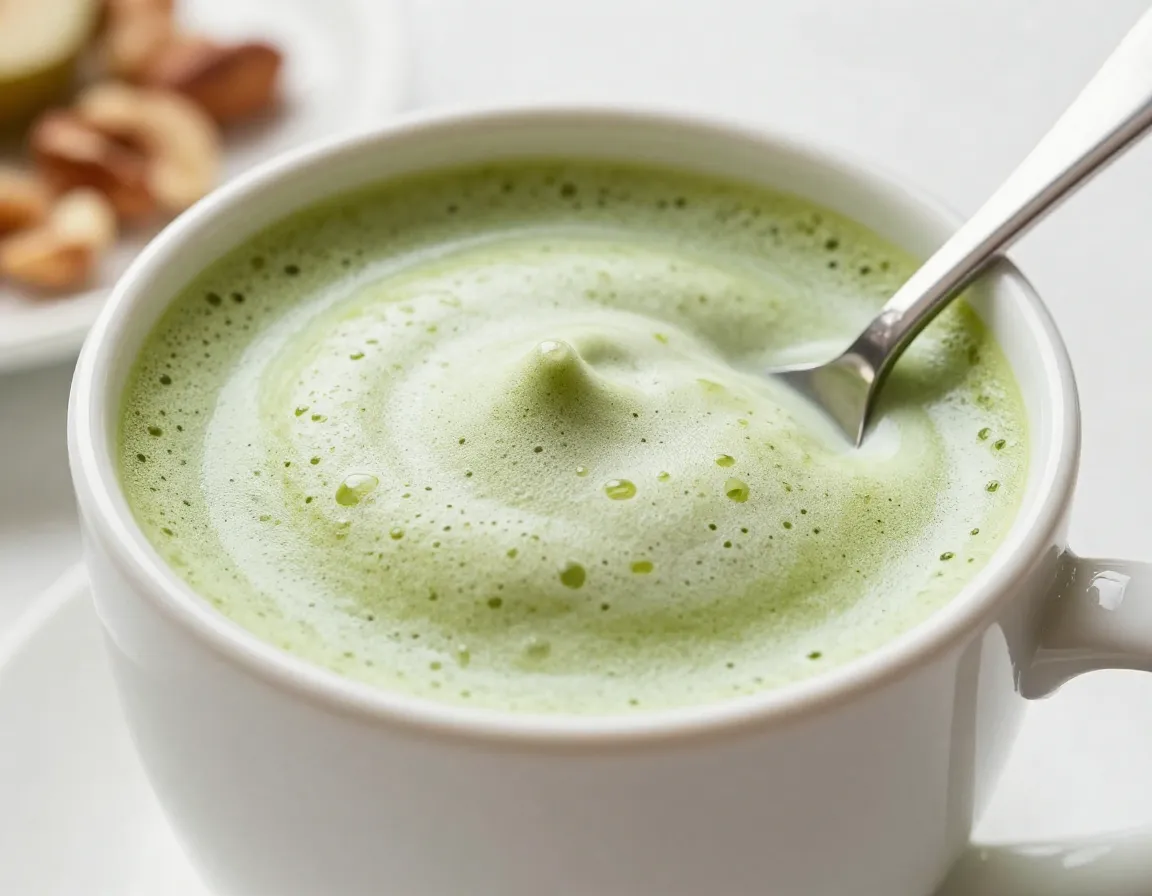
Soy milk provides the highest protein content among plant-based options at approximately 7 grams per cup, with a neutral flavor that allows matcha to remain prominent [1][2]. Its protein structure creates surprisingly good foam for a plant-based alternative.
Taste Profile: Clean and neutral with minimal interference to matcha’s flavor profile. The higher protein content contributes to a more substantial mouthfeel than most plant-based milks.
Frothing Performance: ⭐⭐⭐⭐ Very good foam for plant-based milk
Flavor Compatibility: ⭐⭐⭐⭐⭐ Neutral, lets matcha shine
Nutritional Value: 80-100 calories, 7g protein, 4g fat per cup
6. Almond Milk – The Light & Nutty Choice
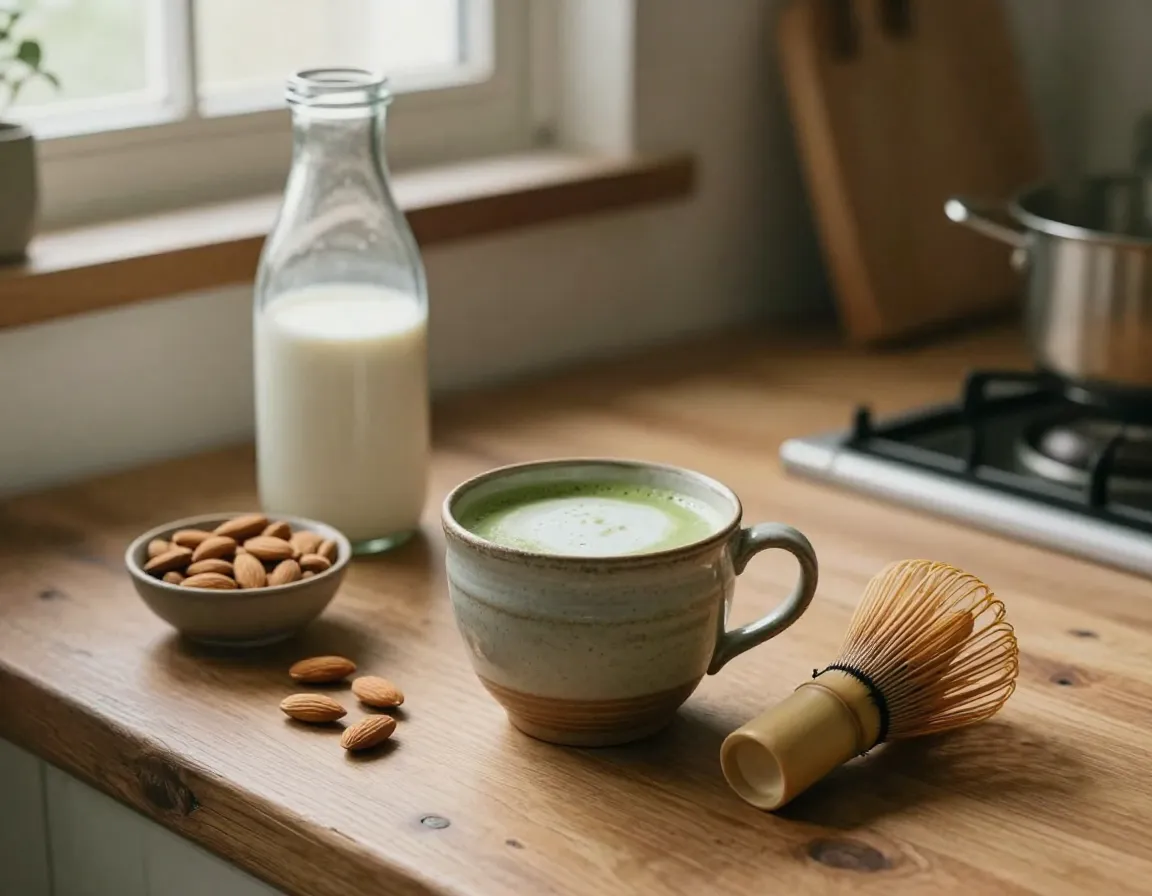
Almond milk ranges from approximately 30-60 calories depending on sweetening, with delicate foam and nutty undertones that complement matcha without overpowering it [1]. Its light texture makes it ideal for those preferring less rich lattes.
Taste Profile: Subtle almond notes add complexity without competing with matcha. The lighter body allows matcha’s grassier characteristics to shine through clearly.
Frothing Performance: ⭐⭐⭐ Moderate foam, better with barista versions
Flavor Compatibility: ⭐⭐⭐⭐ Complementary nutty notes
Nutritional Value: 30-60 calories, 1g protein, 2.5g fat per cup
7. Coconut Milk – The Tropical Twist
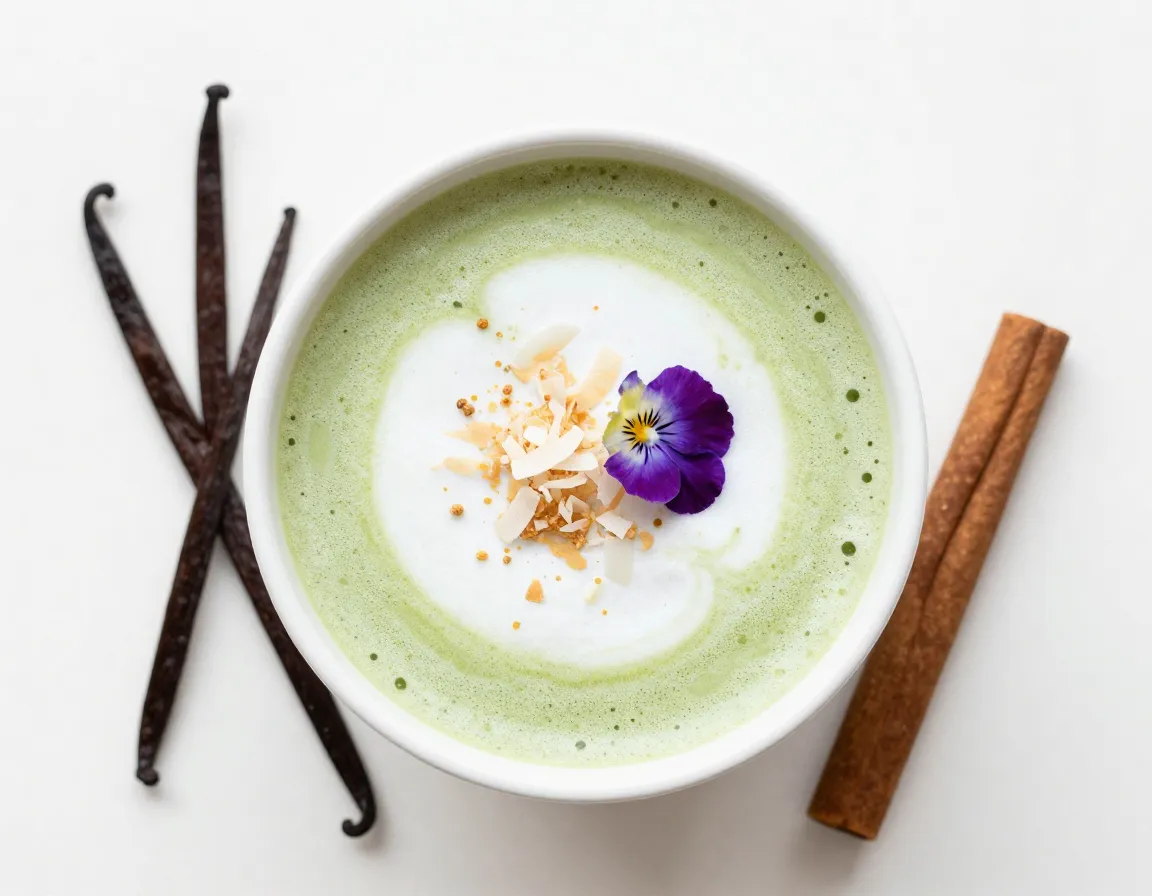
Coconut milk (approximately 45-60 calories) offers unique tropical flavor but froths less easily, making it suited for dessert-style lattes [1]. The carton variety works better than canned for lattes due to its thinner consistency.
Taste Profile: Distinctive coconut flavor creates an almost dessert-like experience. Best for those who enjoy bold, tropical notes alongside matcha’s earthiness.
Frothing Performance: ⭐⭐ Limited foam capability
Flavor Compatibility: ⭐⭐⭐ Unique but polarizing combination
Nutritional Value: 45-60 calories, 0g protein, 4-5g fat per cup
8. Cashew Milk – The Creamy Luxury
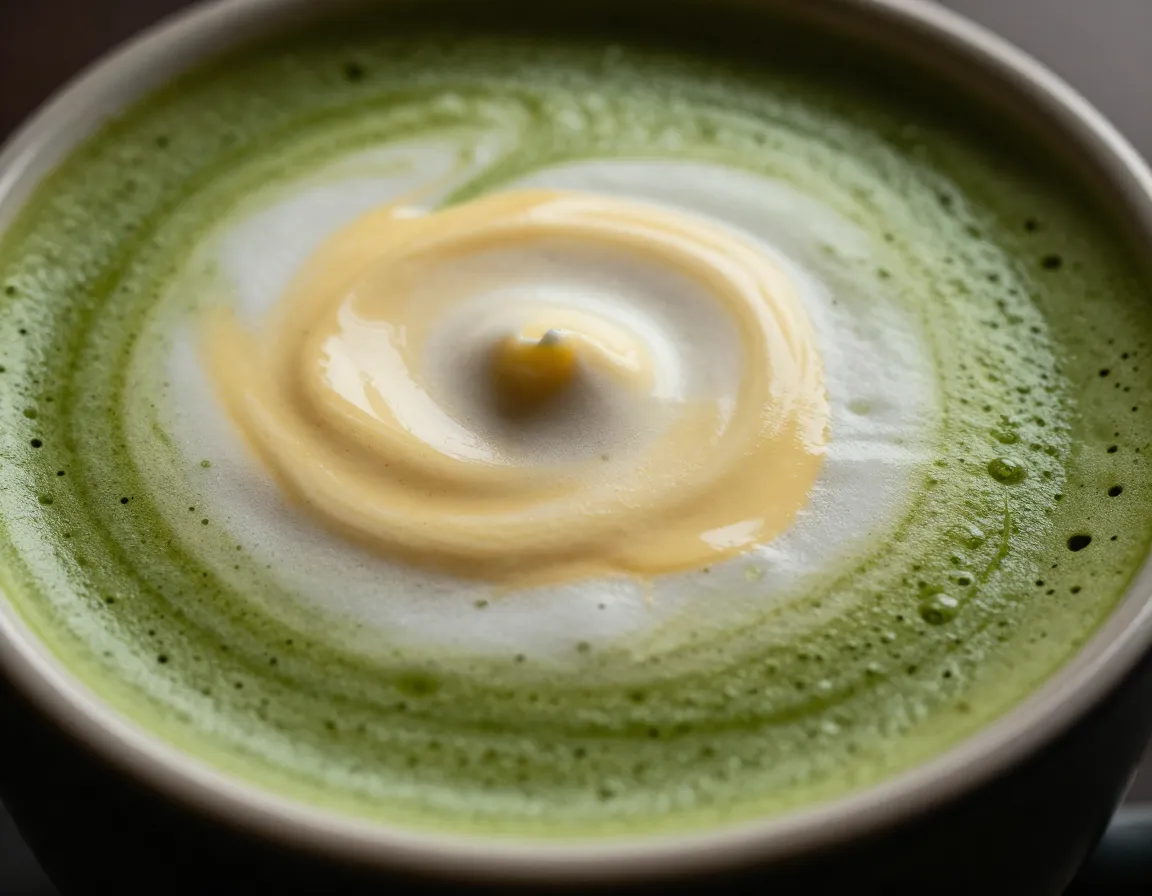
Cashew milk (approximately 50-70 calories) provides buttery, rich textures with reasonable frothing and creamy mouthfeel [1]. Its naturally sweet, neutral flavor makes it an excellent dairy alternative for those seeking richness without strong nutty flavors.
Taste Profile: Incredibly smooth and creamy with subtle sweetness. The buttery quality enhances matcha’s umami characteristics beautifully.
Frothing Performance: ⭐⭐⭐ Good texture, moderate foam
Flavor Compatibility: ⭐⭐⭐⭐ Smooth, enhances matcha
Nutritional Value: 50-70 calories, 1g protein, 4-5g fat per cup
Professional Tips for Perfect Matcha Latte Preparation
Temperature Matters
Heat your milk to 140-150°F (60-65°C) for optimal frothing and flavor extraction. Overheating can scorch delicate flavors and break down proteins needed for foam stability.
Barista-Grade Differences
Barista-friendly plant-based milks contain added oils to prevent separation or curdling while improving foam consistency and creaminess [1]. These versions typically cost 20-30% more but deliver significantly better results.
Matcha Quality Impact
Using barista-grade matcha rather than ceremonial grade ensures better integration with milk and more consistent flavor [1]. Barista-grade matcha is specifically formulated for milk-based beverages.
Preparation Sequence
- Sift matcha powder to eliminate clumps
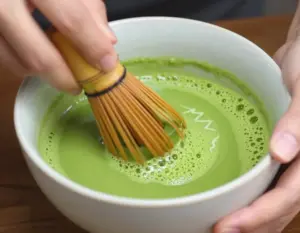
- Whisk matcha with small amount of hot water first
- Heat and froth milk separately
- Combine slowly to maintain foam structure
- Serve immediately for best texture and temperature
Nutritional Comparison: Making Informed Choices
| Milk Type | Calories | Protein (g) | Fat (g) | Carbs (g) | Key Benefits |
|---|---|---|---|---|---|
| Whole Milk | 150 | 8 | 8 | 12 | Highest protein, best foam |
| 2% Milk | 120 | 8 | 5 | 12 | Balanced nutrition |
| Skim Milk | 90 | 8 | 0 | 12 | Lowest calories |
| Oat Milk | 120 | 3 | 5 | 16 | Best plant-based option |
| Soy Milk | 80-100 | 7 | 4 | 4 | Highest plant protein |
| Almond Milk | 30-60 | 1 | 2.5 | 1-8 | Lowest calories |
| Coconut Milk | 45-60 | 0 | 4-5 | 1-7 | Unique flavor |
| Cashew Milk | 50-70 | 1 | 4-5 | 1-8 | Creamiest texture |
Special Considerations for Different Dietary Needs
Lactose Intolerance
Oat milk and soy milk provide the closest experience to dairy milk in terms of protein content and frothing capability [5].
Nut Allergies
Oat milk and soy milk are safe alternatives that still deliver excellent results in matcha lattes [5].
Keto Diet
Unsweetened almond milk or coconut milk offer the lowest carbohydrate content while maintaining flavor compatibility [5].
High Protein Goals
Dairy milks or soy milk provide the highest protein content, supporting fitness and satiety goals [5].
Weight Management
Unsweetened almond milk or skim milk offer the lowest calorie options without sacrificing too much flavor [5].
Troubleshooting Common Matcha Latte Issues
Separation or Curdling
- Use barista-grade plant milks with stabilizers
- Ensure proper temperature control (don’t overheat)
- Add milk slowly to matcha base
- Choose fresh, high-quality milk
Poor Foam Quality
- Invest in barista-grade versions of plant milks
- Ensure milk is fresh and properly stored
- Use proper frothing technique and temperature
- Consider protein content when selecting milk
Flavor Imbalance
- Adjust matcha-to-milk ratio based on milk richness
- Consider milk’s natural sweetness when adding sweeteners
- Match milk intensity to matcha grade and quality
Seasonal and Regional Considerations
Summer Preferences
Lighter milks like almond or oat milk work well for iced matcha lattes, maintaining flavor without heaviness [4].
Winter Comfort
Richer options like whole milk or cashew milk provide warming comfort during colder months [4].
Regional Availability
Some specialty plant milks may have limited availability. Oat milk and almond milk are widely available alternatives [4].
Cost Analysis: Budget-Friendly Options
Most Economical
- Dairy milk (whole, 2%, skim) typically offers best value per serving
- Regular plant milks cost 50-100% more than dairy
- Barista versions add 20-30% premium but improve results significantly
Premium Options
- Specialty nut milks (macadamia, cashew) command highest prices
- Organic and barista-grade versions increase costs
- Consider homemade plant milks for budget-conscious consumers
Future Trends in Milk Alternatives
Emerging Options
New plant-based milks like pea protein, hemp, and rice milk are entering the market with improved formulations for coffee and tea applications [5].
Improved Formulations
Manufacturers continue developing better barista-grade versions with enhanced frothing capabilities and flavor neutrality [5].
Sustainability Focus
Environmental considerations increasingly influence milk choice, with oat milk generally having lower environmental impact than dairy or nut milks [5].
Conclusion
After extensive testing of the 8 best milks for a matcha latte (dairy, nut, & oat tested), the results clearly show that your perfect choice depends on balancing flavor preferences, nutritional goals, and frothing requirements. Oat milk emerges as the standout plant-based champion, offering exceptional versatility, natural sweetness, and superior foam quality that rivals dairy milk.
For traditionalists, whole milk remains unmatched in creating luxurious texture and balanced flavor. Those seeking lighter options will find 2% milk provides excellent compromise, while soy milk delivers the highest plant-based protein content with neutral flavor impact.
Your next steps:
- Start with oat milk (barista-grade) if you’re new to plant-based options
- Experiment with 2-3 different types to find your personal preference
- Invest in quality matcha powder – the milk choice matters less with poor-quality matcha
- Practice your frothing technique with your chosen milk for consistent results
- Consider seasonal rotation – lighter milks for summer, richer options for winter comfort
Remember, the best milk for your matcha latte is ultimately the one that brings you joy in every sip. Whether you choose the creamy luxury of whole milk, the plant-based excellence of oat milk, or the protein power of soy milk, each option in our tested lineup offers unique benefits for creating your perfect matcha moment in 2026.
References
[1] The Best Milk For Matcha Lattes – https://tealeavz.com/blogs/tea-talk/the-best-milk-for-matcha-lattes
[2] Watch – https://www.youtube.com/watch?v=md0tou-78iY
[3] Best Milk For Matcha Lattes – https://oerap.oregon.gov/best-milk-for-matcha-lattes/
[4] Best Milk For Matcha Latte Your Guide To Creamy Flavorful Pairings – https://ujichamatcha.com/blogs/latest/best-milk-for-matcha-latte-your-guide-to-creamy-flavorful-pairings
[5] Best Milk Options For Matcha Lattes – https://matchasociety.com.au/blogs/news/best-milk-options-for-matcha-lattes